Handwriting practice Tracing Words Worksheets for Ages 6-9
14 filtered results
-
From - To
Boost your child’s handwriting skills with our Handwriting Practice Tracing Words Worksheets designed for ages 6-9. These worksheets provide engaging and fun activities that help young learners improve their handwriting, fine motor skills, and letter recognition. By tracing and writing words, kids develop proper stroke formation and gain confidence in their writing abilities. Perfect for both classroom and at-home use, these carefully crafted worksheets offer a variety of words to trace, ensuring continual interest and progression. Support your child's journey to becoming a proficient writer with these essential practice tools from Kids Academy. Download now and watch their skills soar!
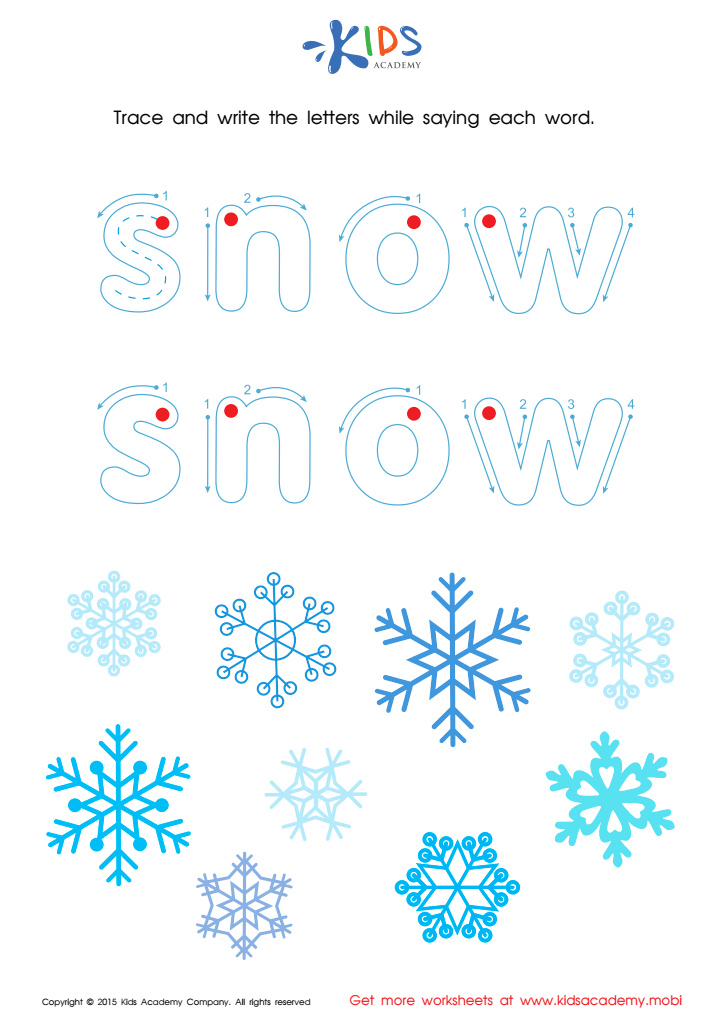
Snowflake Tracing Winter Words Worksheet
 Assign to My Students
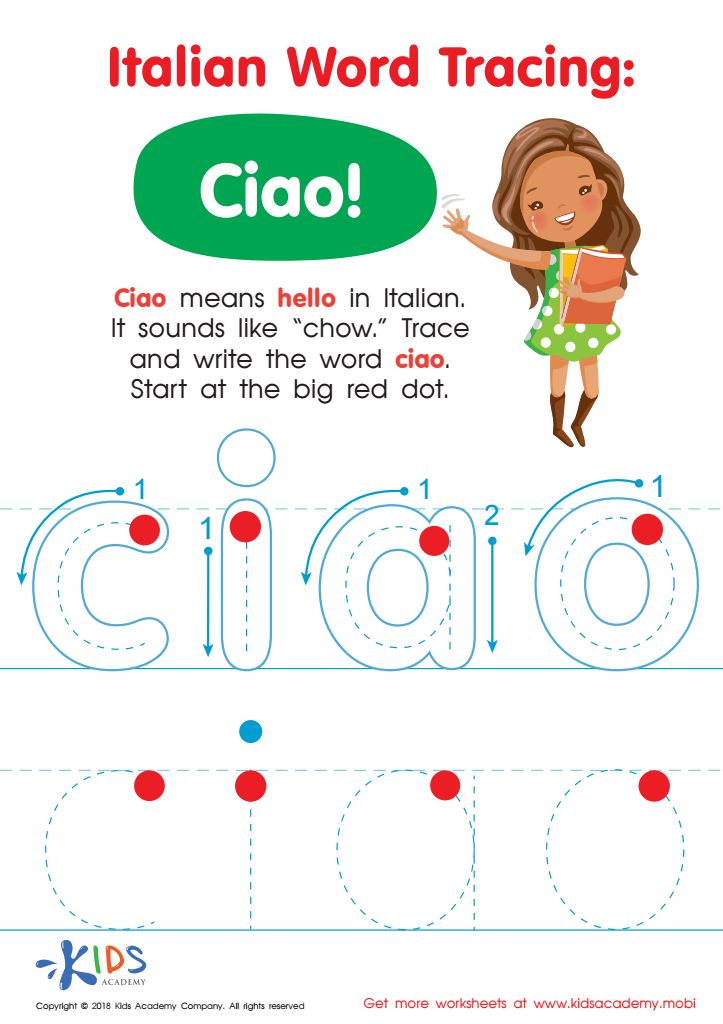
Italian Word Tracing: Ciao Worksheet
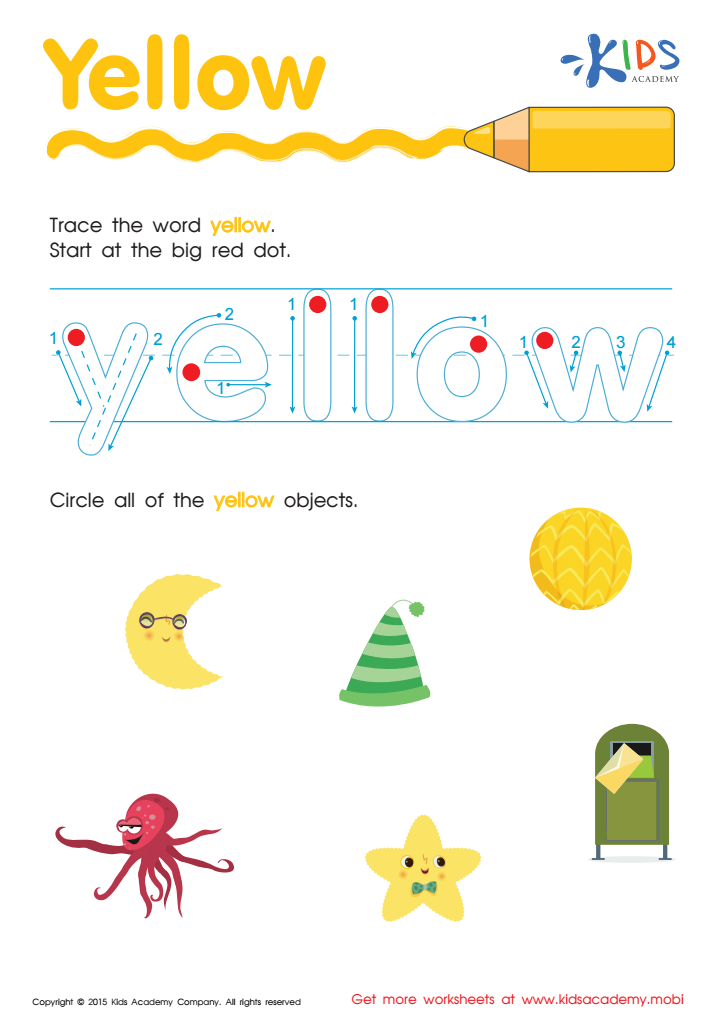
Yellow Tracing Color Words Worksheet
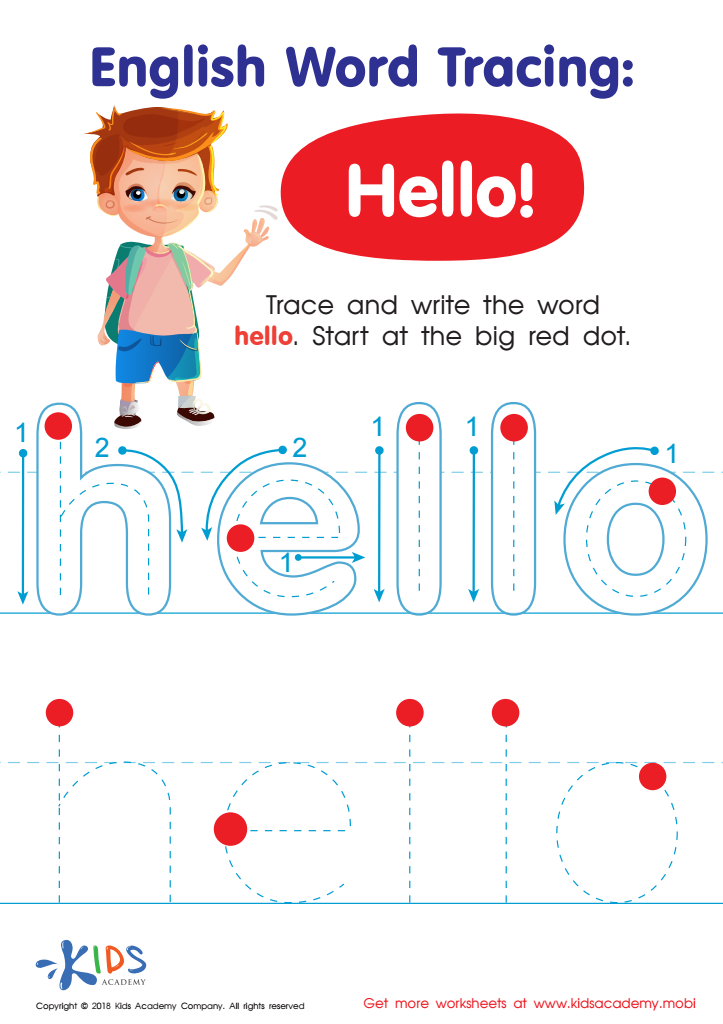
English Word Tracing: Hello Worksheet
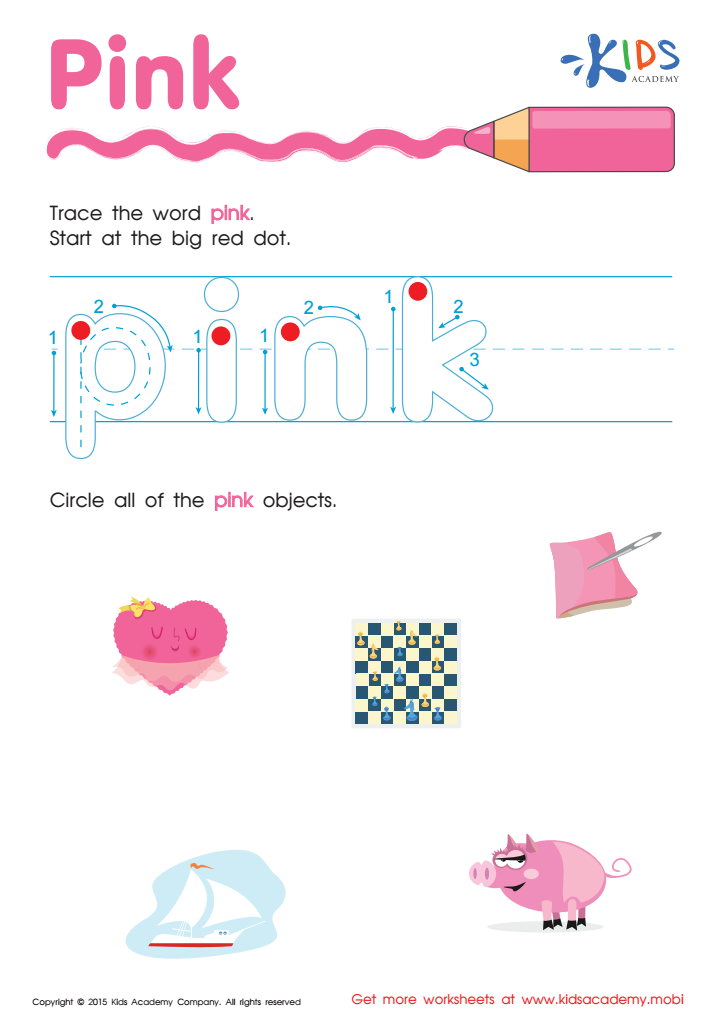
Pink Tracing Color Words Worksheet
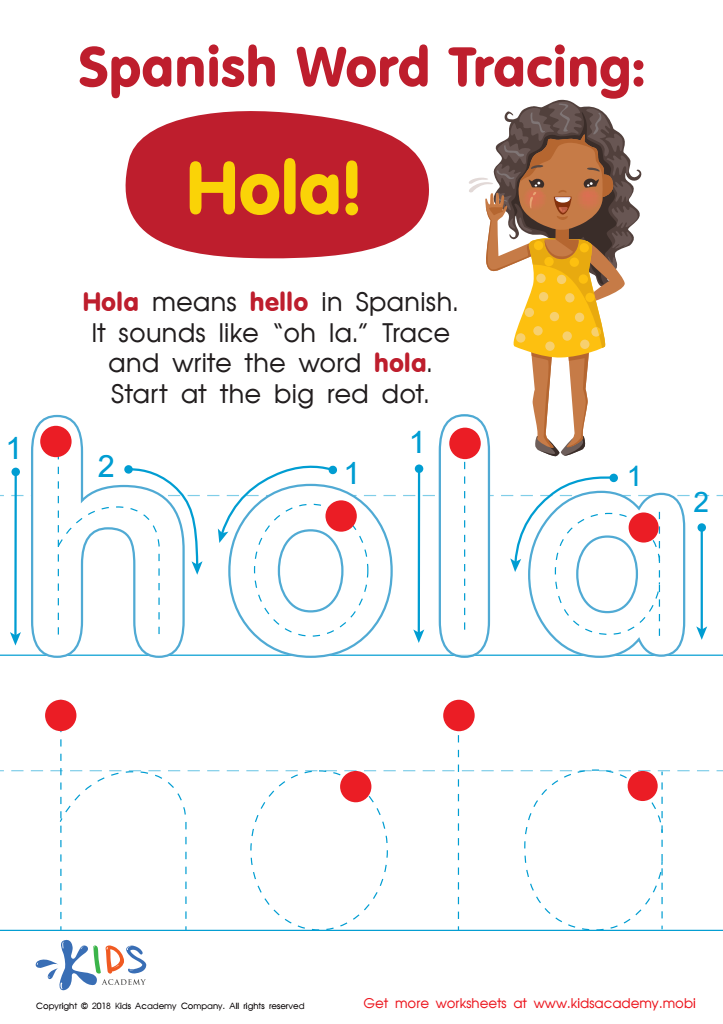
Spanish Word Tracing: Hola Worksheet
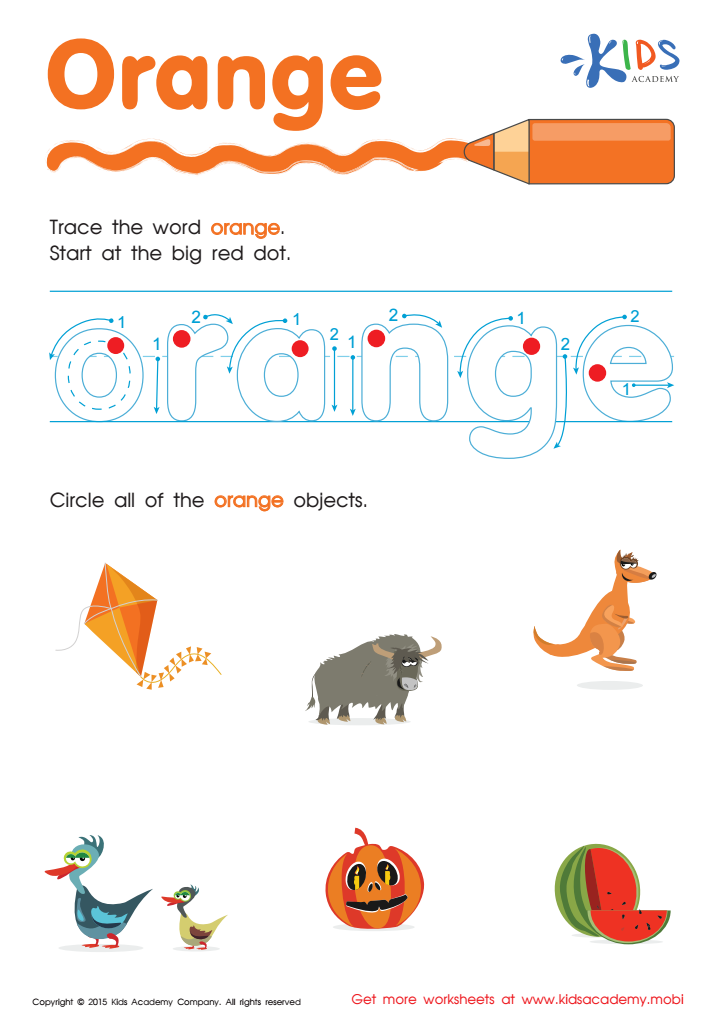
Orange Tracing Color Words Worksheet

Lowercase Letters d e f Worksheet
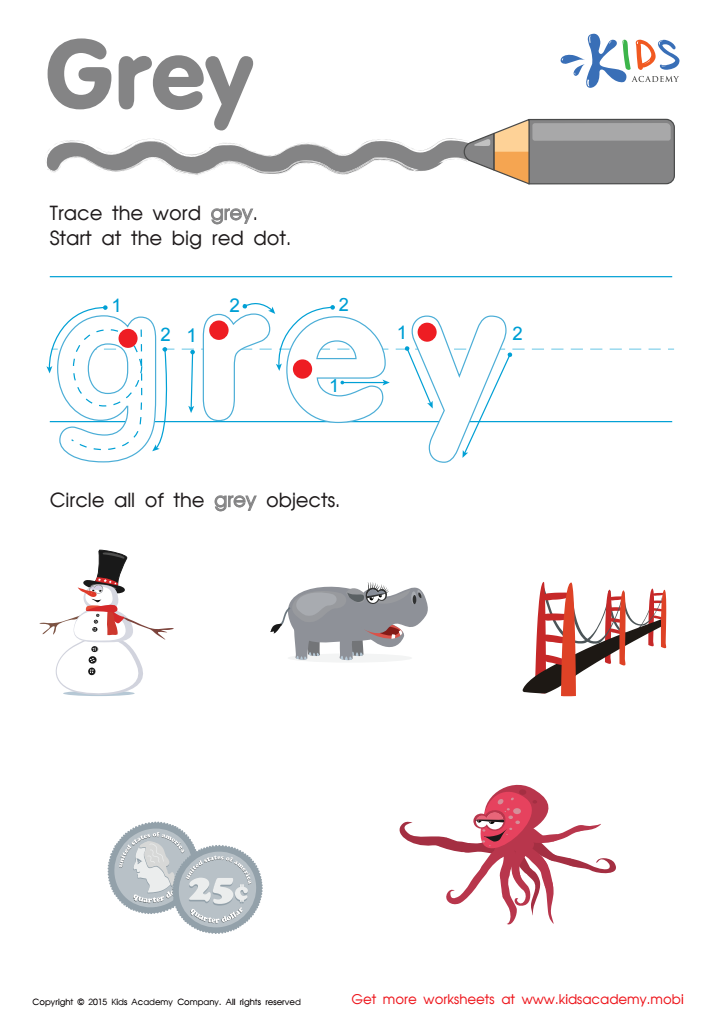
Grey Tracing Color Words Worksheet
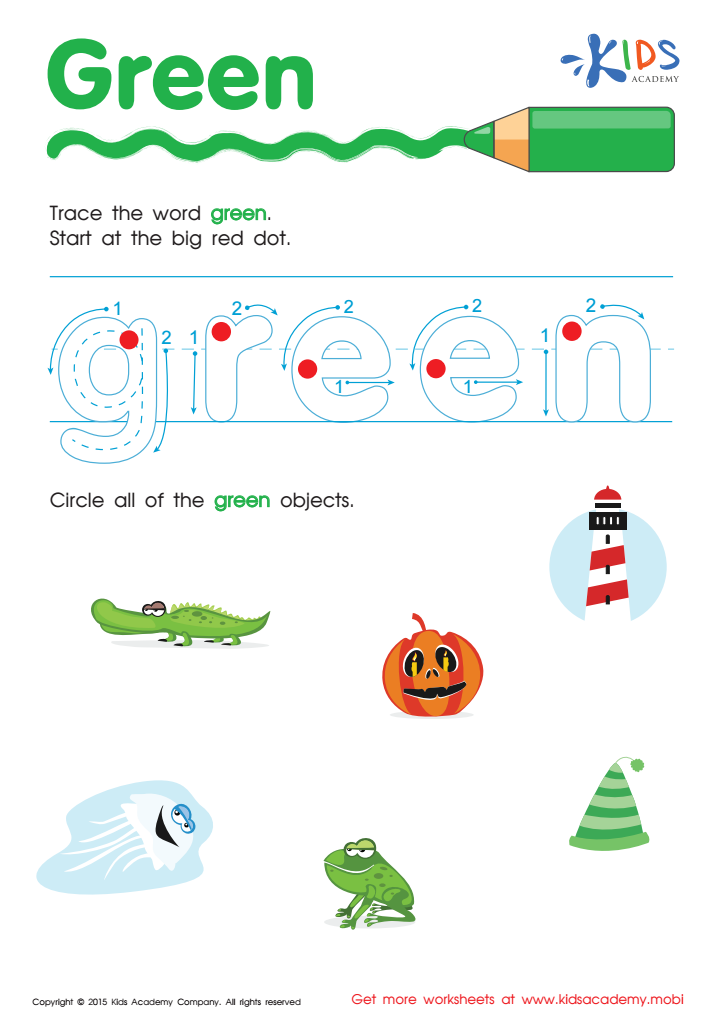
Green Tracing Color Words Worksheet
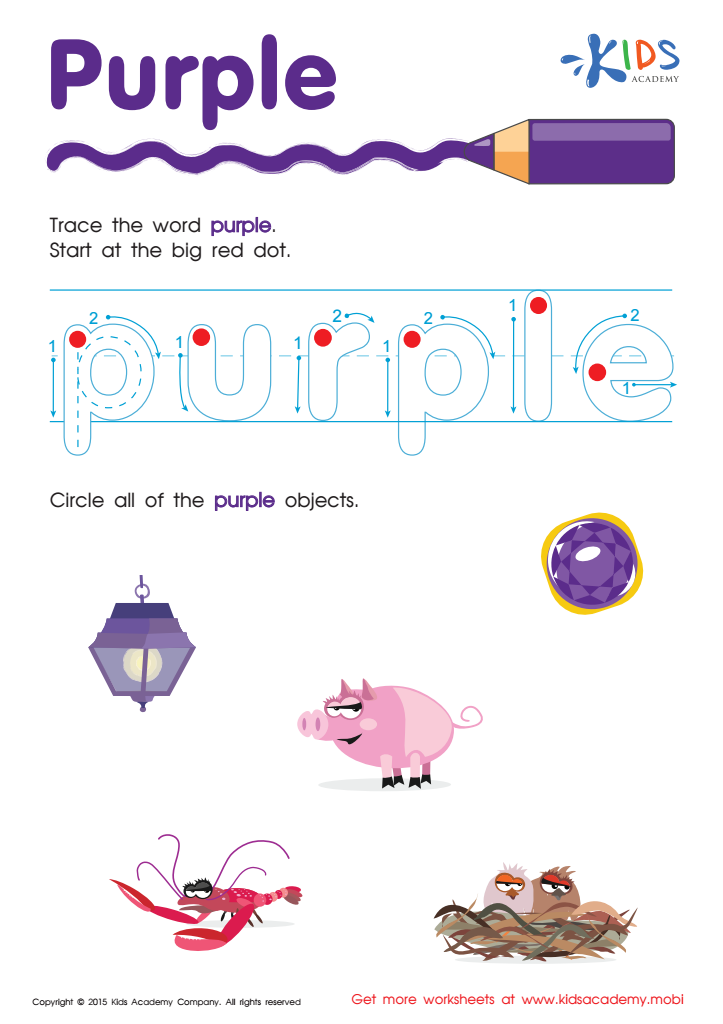
Purple Tracing Color Words Worksheet
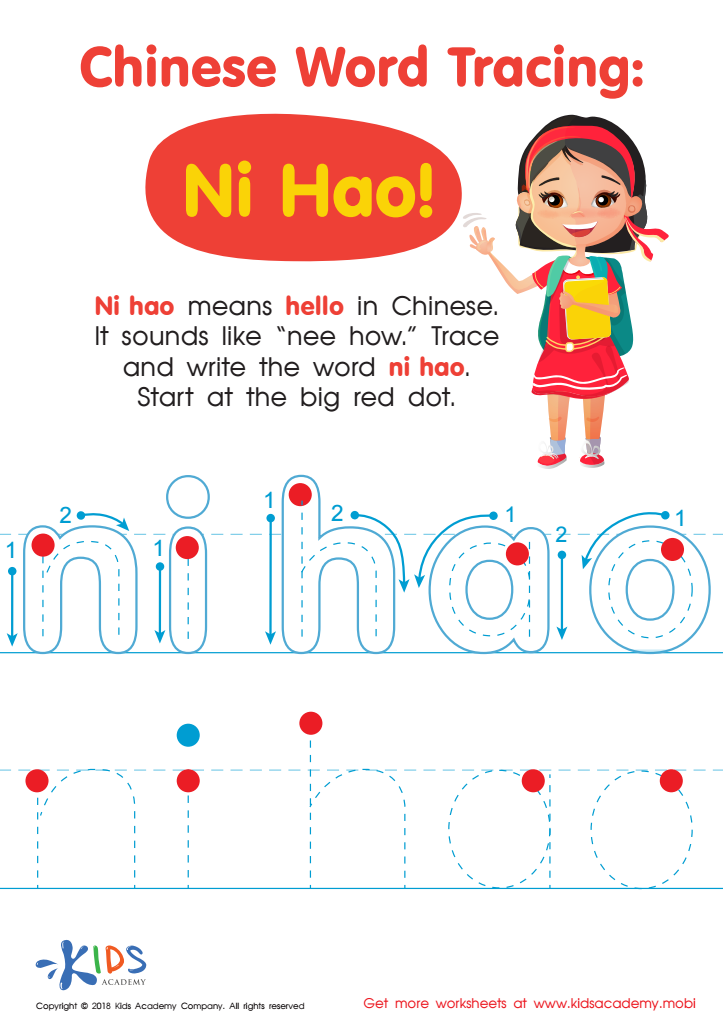
Chinese Word Tracing: Ni Hao Worksheet
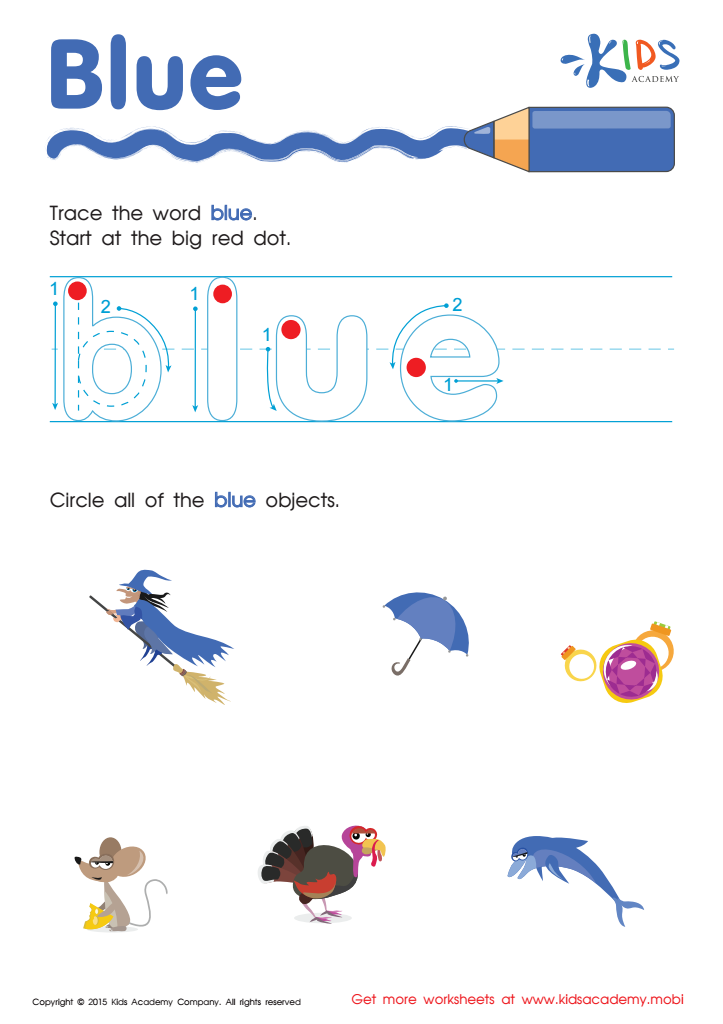
Blue Tracing Color Words Printable
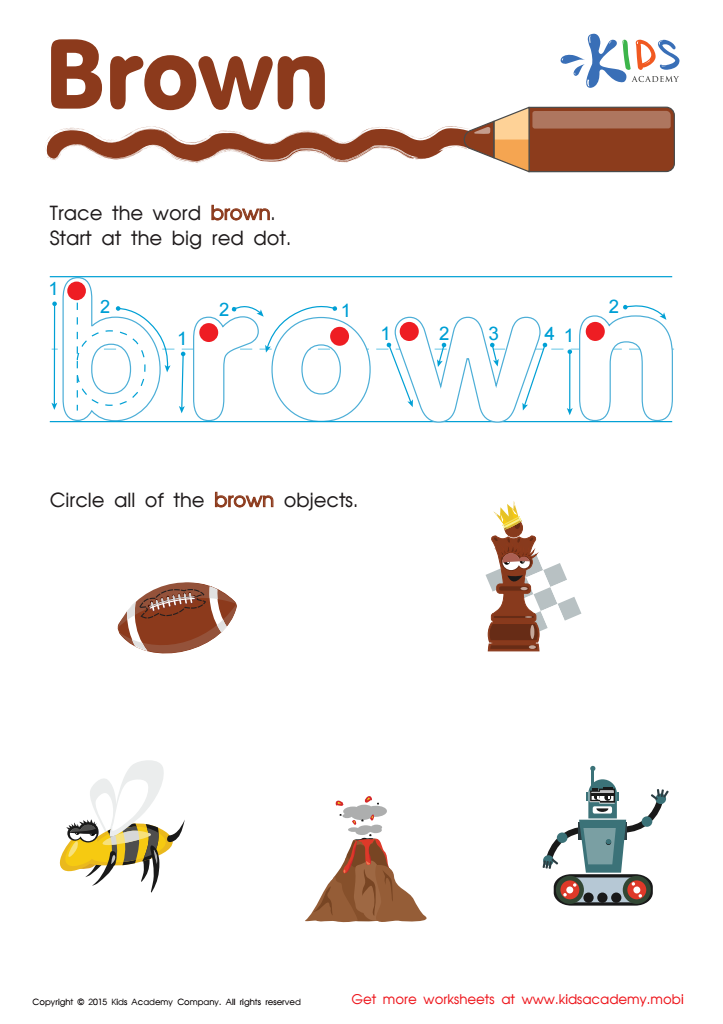
Brown Tracing Color Words Worksheet








Handwriting practice through tracing words is crucial for children aged 6-9, as it forms the foundational framework for developing essential literacy skills. At this age, kids are not just learning to write, but also to form letters correctly, with proper spacing and alignment. Tracing activities offer guided repetition, which helps solidify the muscle memory needed for handwriting.
Importantly, tracing enhances fine motor skills, as children practice the precise movements required to control a pencil. This fine motor control also benefits other tasks such as cutting with scissors or even tying shoelaces. Alongside motor skills, tracing fosters cognitive development. Children learn the shapes and patterns of letters and words, improving their ability to recognize and reproduce them accurately.
Moreover, proficiency in penmanship is linked to better academic performance. As students become more adept at writing, they can focus less on the mechanics and more on the content of their work, leading to clearer expression of ideas. This can boost their confidence and encourage a love for learning.
Lastly, tracing words serves as a vital bridge from reading to writing. It reinforces reading skills by helping kids understand the connection between printed letters and sounds, which is essential for developing strong spelling and reading comprehension abilities. Therefore, prioritizing handwriting practice sets the stage for a well-rounded, successful educational experience.








