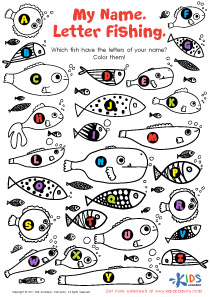
Letter recognition ABC Order Worksheets for 6-Year-Olds
15 filtered results
-
From - To
Boost your child's literacy skills with our engaging Letter Recognition ABC Order Worksheets, designed specifically for 6-year-olds. These worksheets provide fun and interactive ways for young learners to recognize, identify, and sequence letters of the alphabet in order. With colorful illustrations and age-appropriate activities, children will enjoy strengthening their letter knowledge while developing essential reading skills. Perfect for at-home learning or classroom use, our printable worksheets offer a variety of exercises that cater to different learning styles. Help your child build a solid foundation in literacy with these valuable resources that make mastering the alphabet a joyful experience!
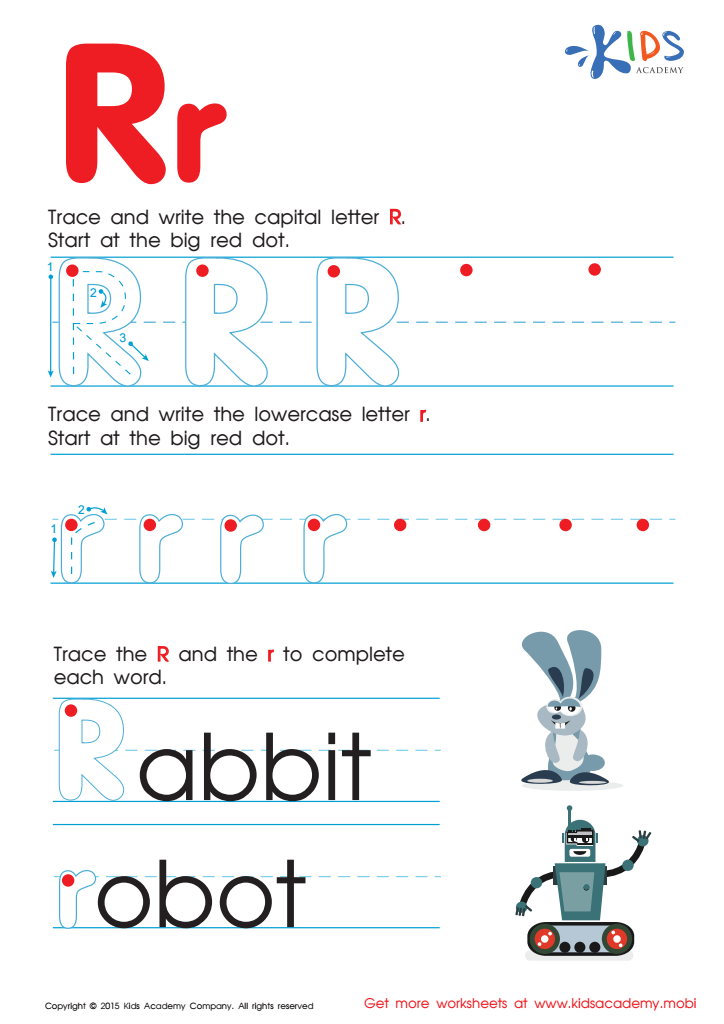
Letter R Tracing Page
 Assign to My Students




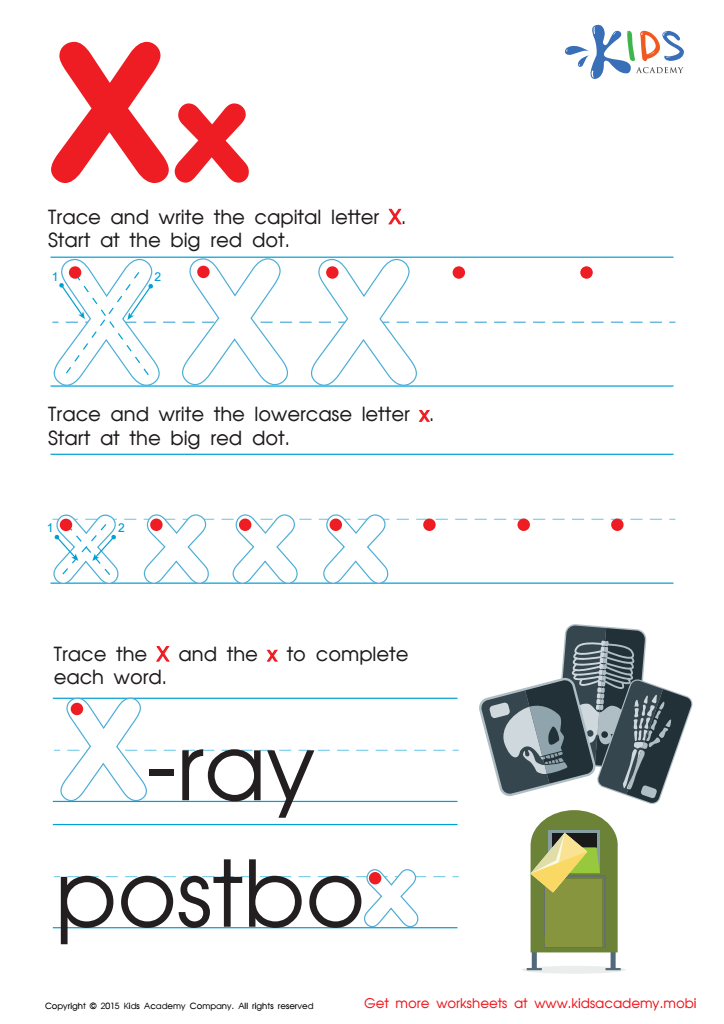
Letter X Tracing Page
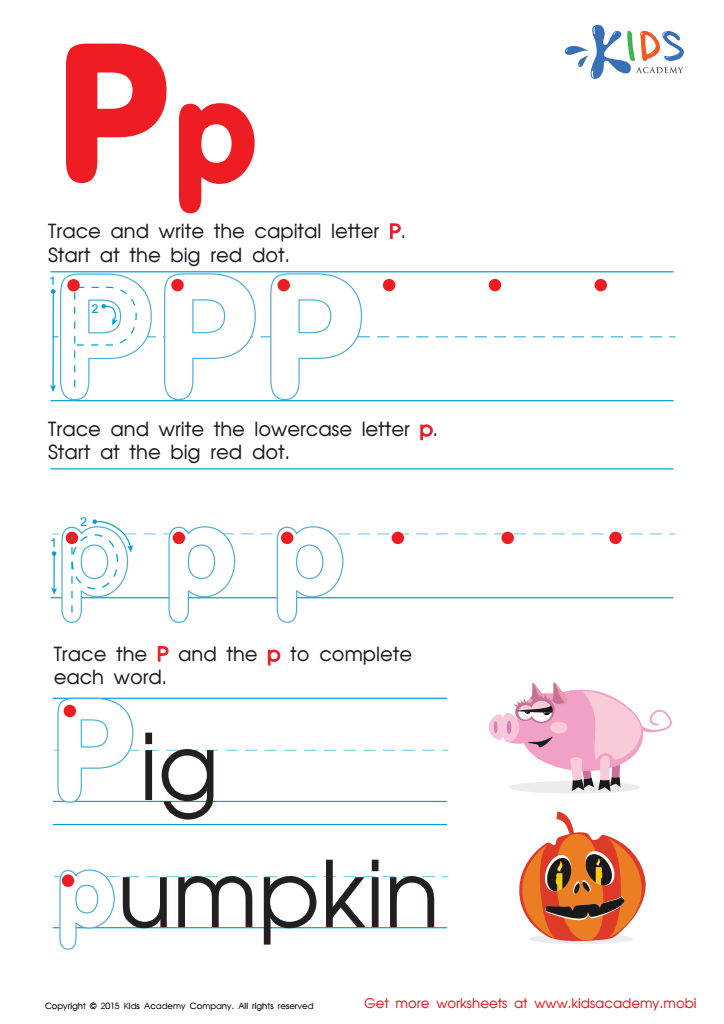
Letter P Tracing Page
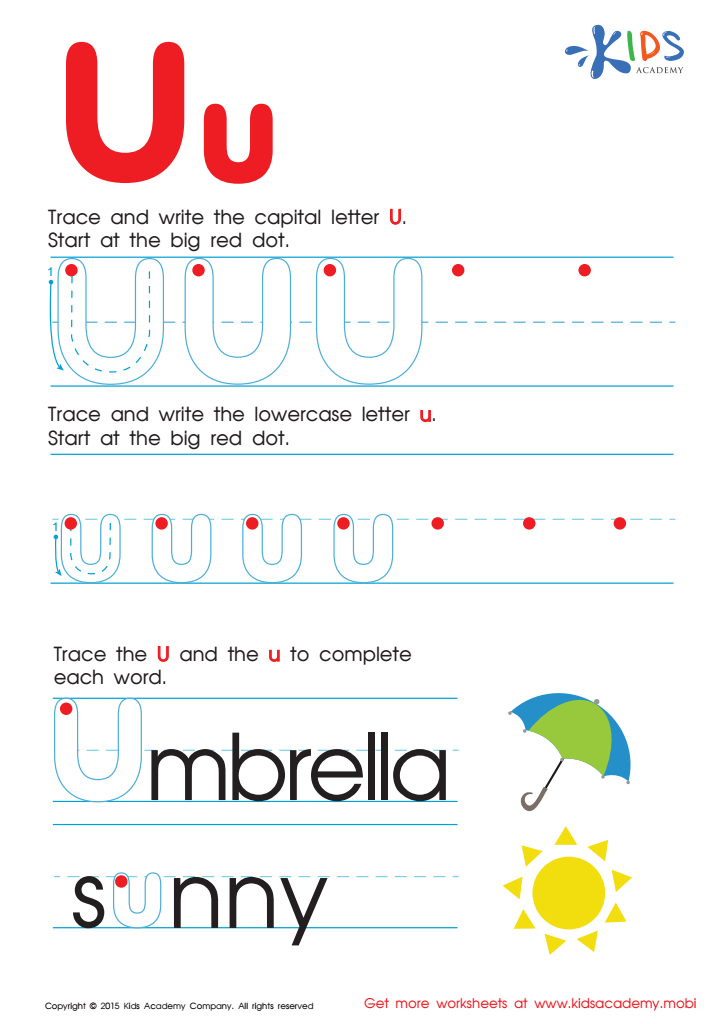
Letter U Tracing Page
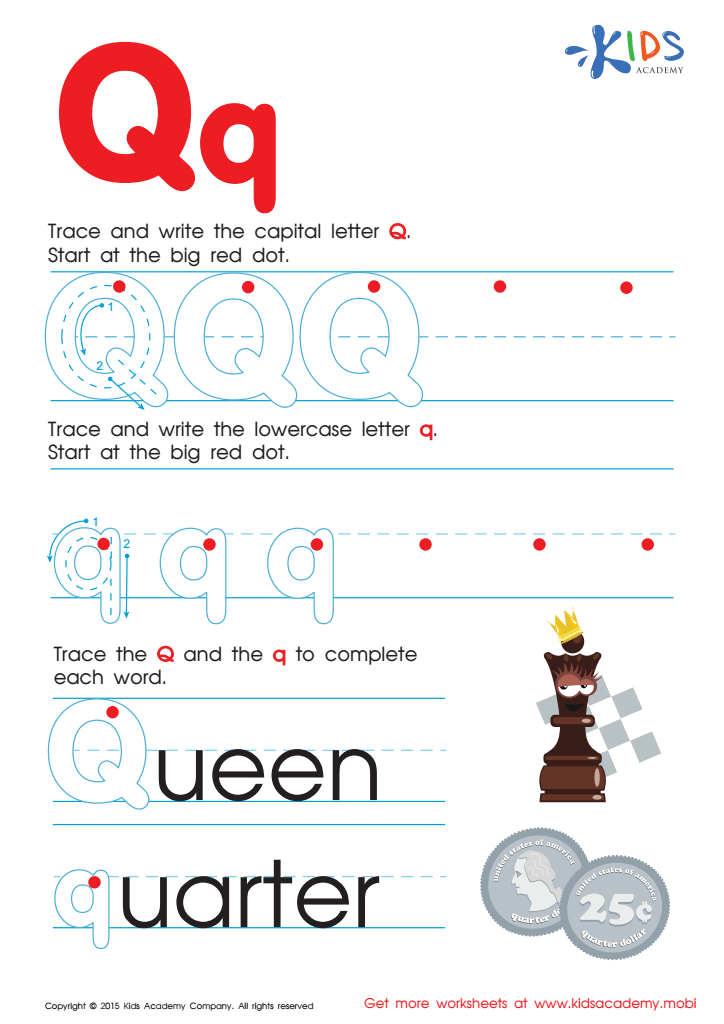
Letter Q Tracing Page
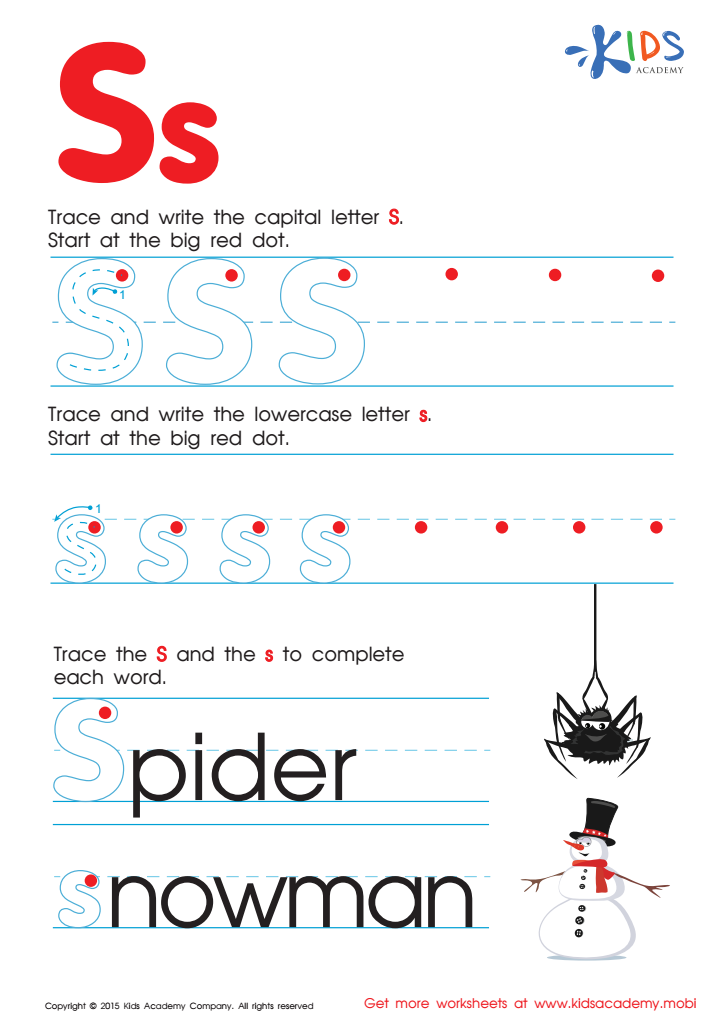
Letter S Tracing Page
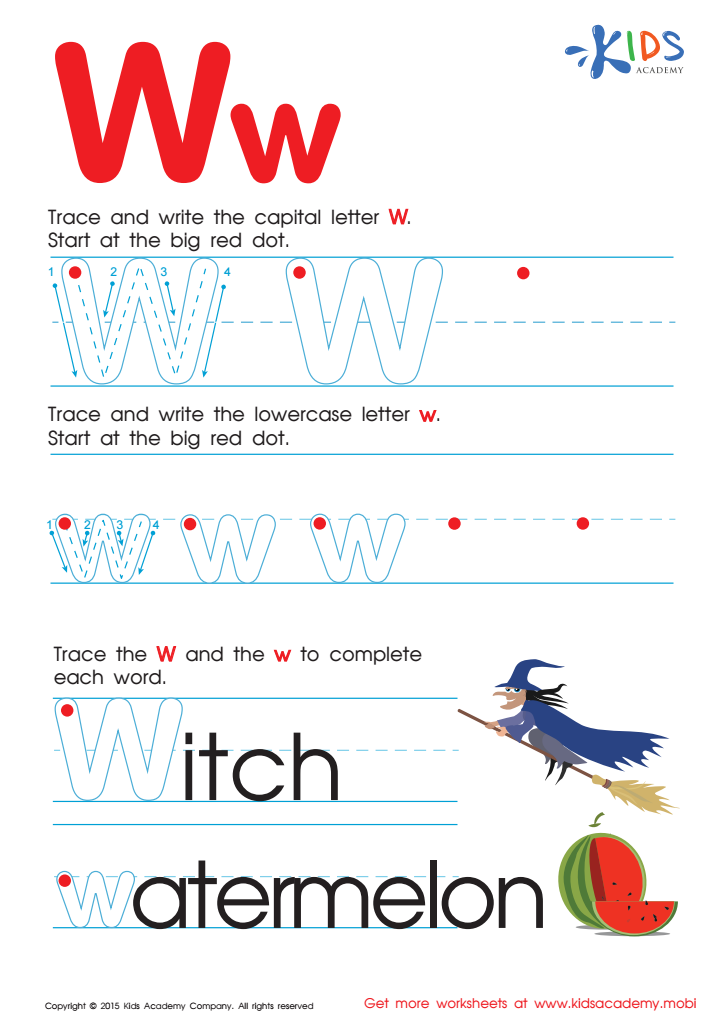
Letter W Tracing Page
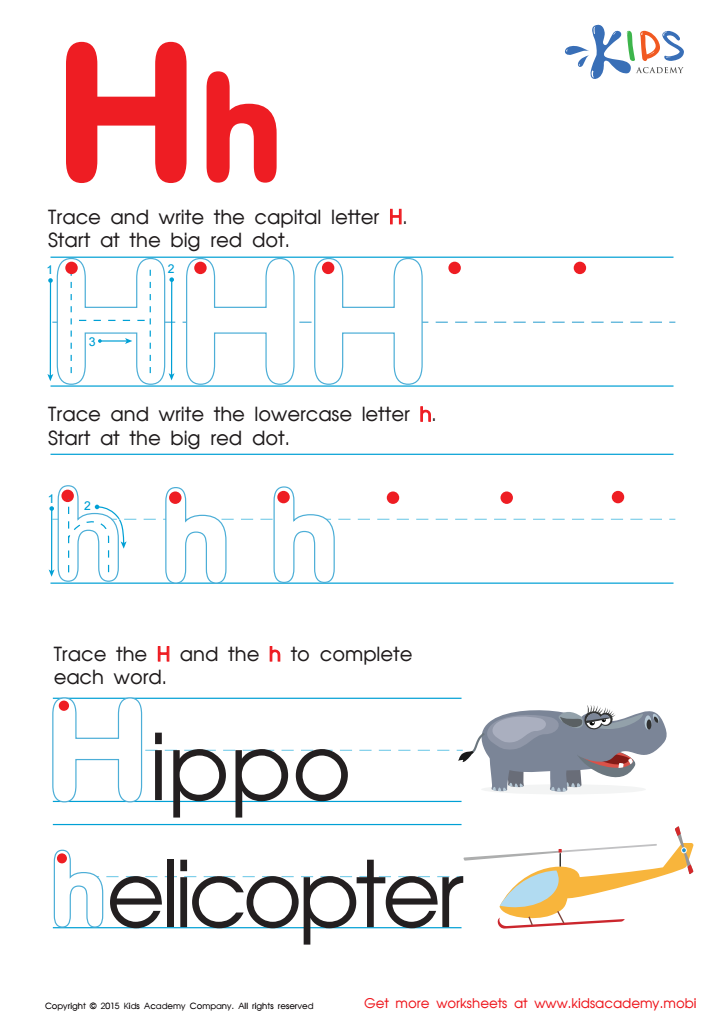
Letter H Tracing Page
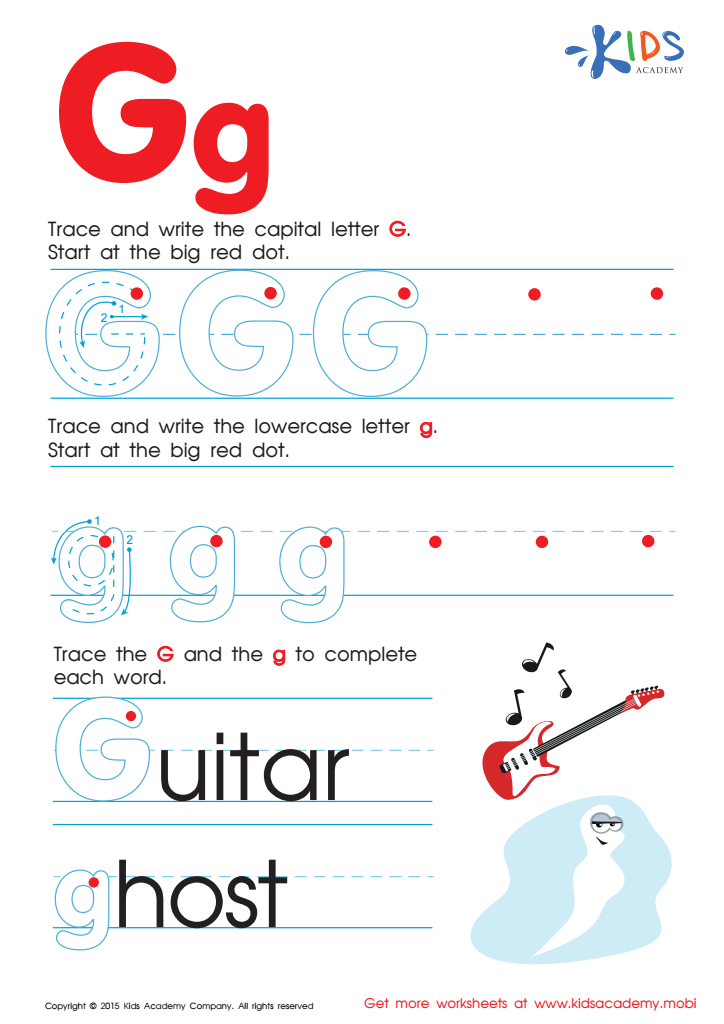
Letter G Tracing Page
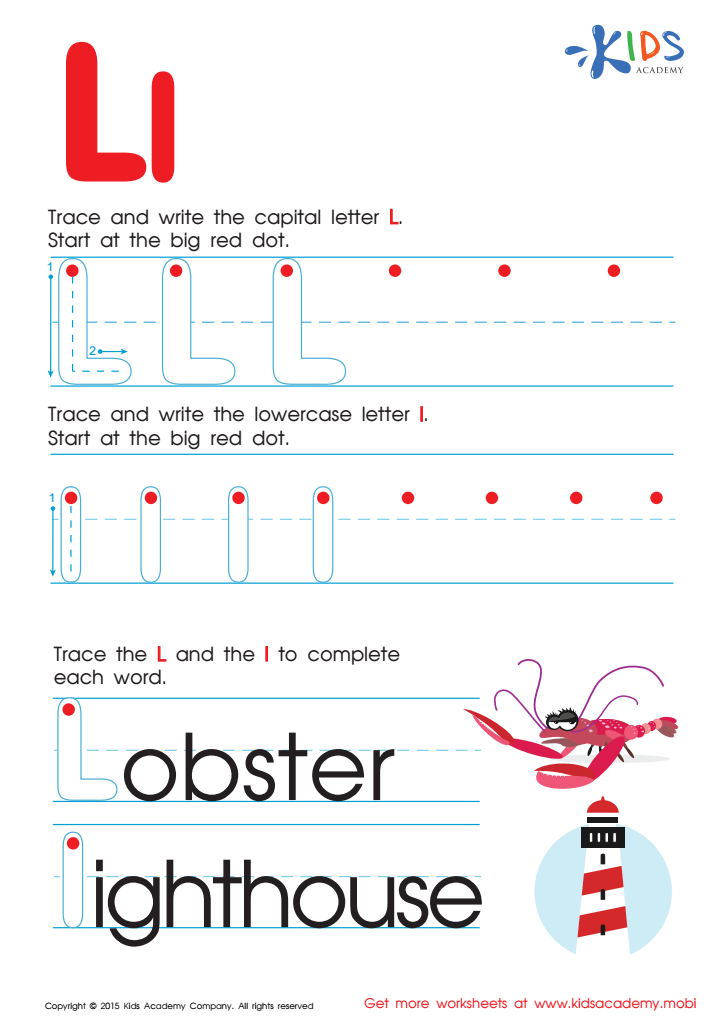
Letter L Tracing Page
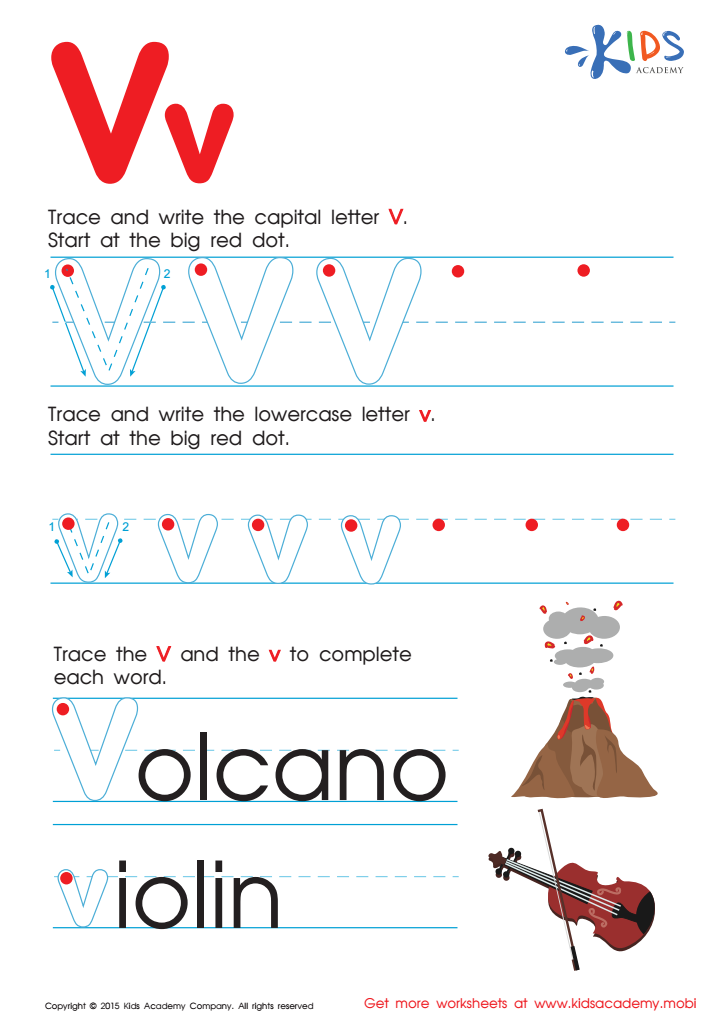
Letter V Tracing Page
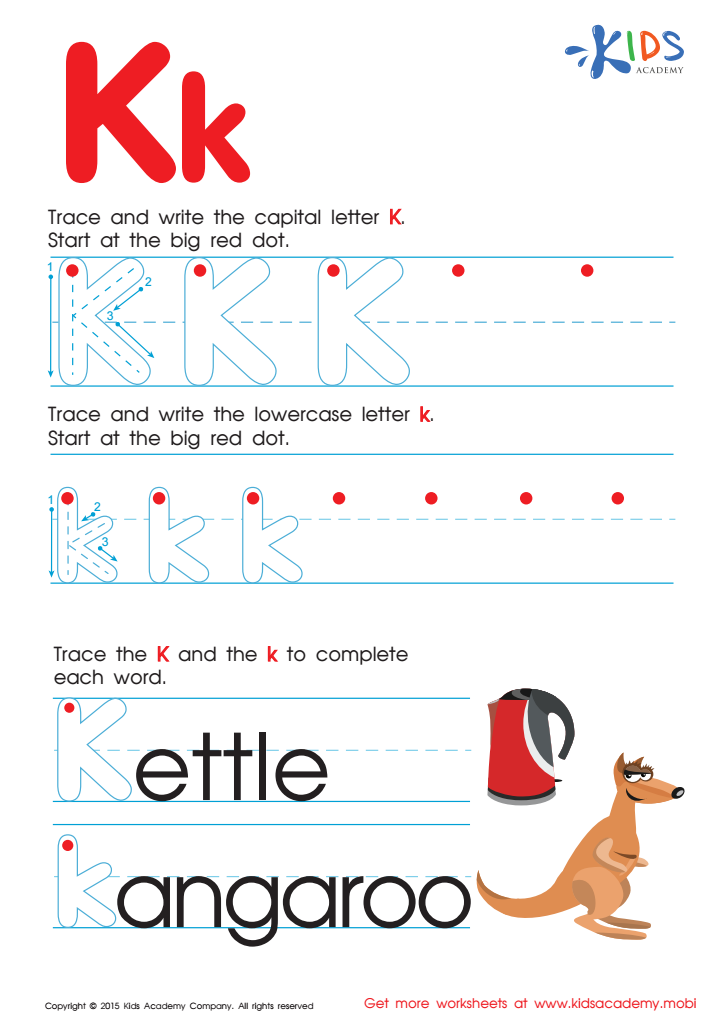
Letter K Tracing Page
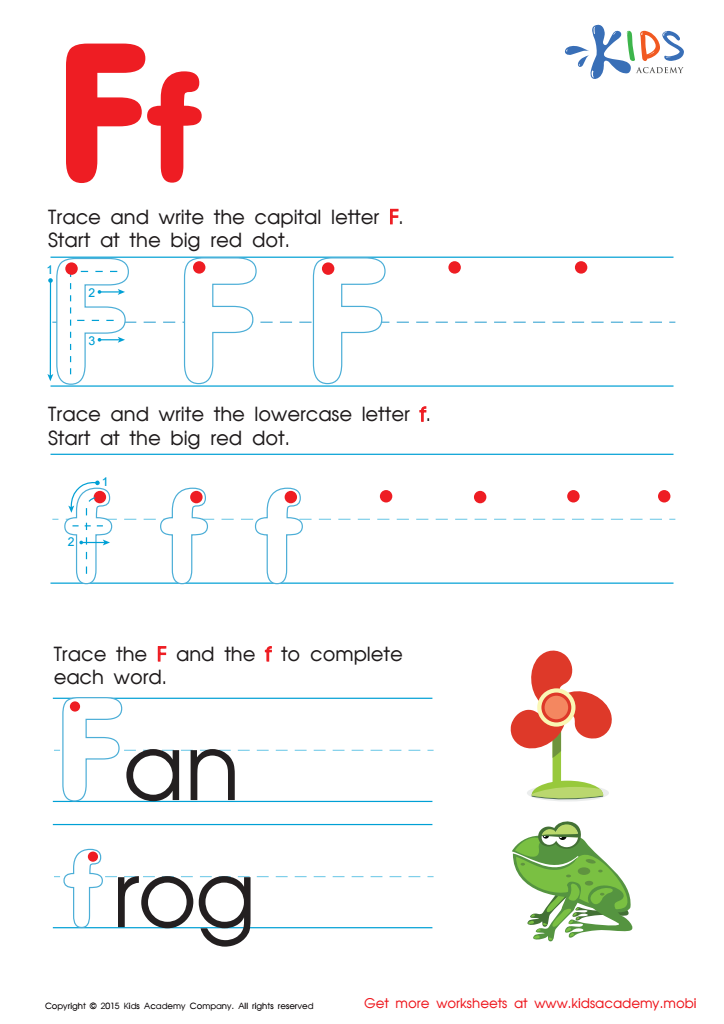
Letter F Tracing Page
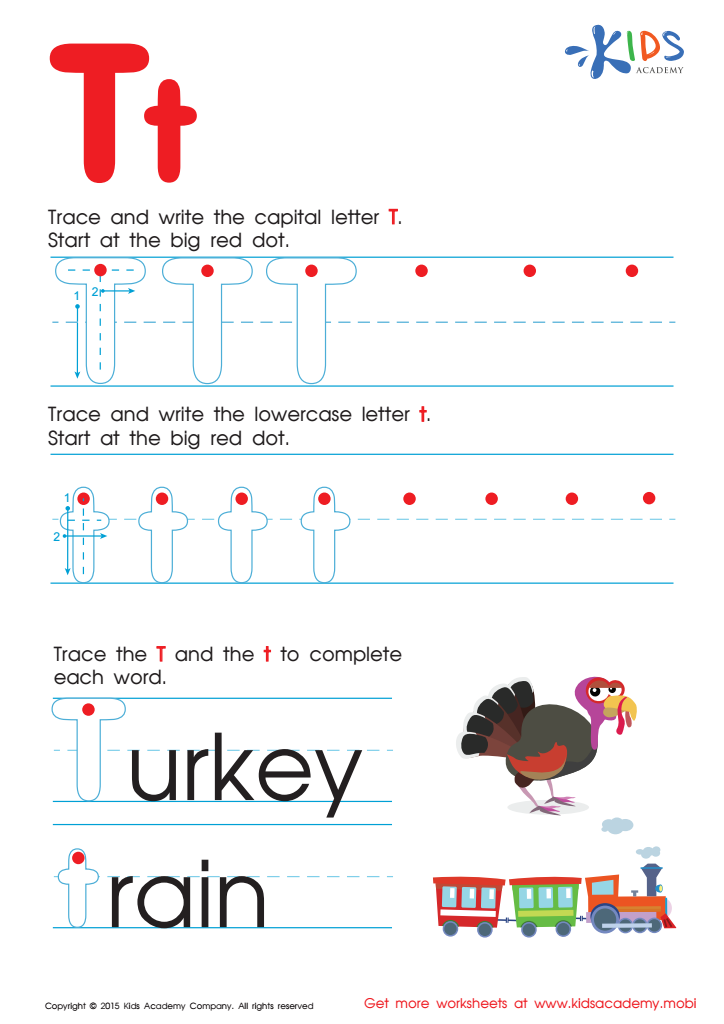
Letter T Tracing Page

Letter D Tracing Page







Letter recognition and understanding ABC order are fundamental skills for 6-year-olds, forming the backbone of literacy development. Parents and teachers should prioritize these skills for several reasons.
Firstly, recognizing letters enables children to decode words, a crucial step in reading. This skill helps them make sense of the text and fosters a love for reading, which is vital for academic success. Without a solid foundation in letter recognition, children may struggle with phonetics and word formation as they progress in school.
Moreover, learning the ABC order aids in organizing information, which is essential for various academic tasks. For instance, sorting books, identifying words in dictionaries, and engaging with digital learning platforms rely heavily on alphabetical organization. These skills promote critical thinking and problem-solving abilities as children learn to categorize and prioritize information.
Additionally, mastering these concepts builds confidence and independence. When children can identify letters and arrange them in ABC order, they gain a sense of achievement that motivates them in their learning journey.
In summary, prioritizing letter recognition and ABC order is crucial as it lays the groundwork for effective reading, enhances organizational skills, and boosts children's confidence in their abilities and education. Encouraging these skills will support their long-term academic growth.