Fine Motor Skills Alphabet Worksheets for 6-Year-Olds - Page 4
75 filtered results
-
From - To

Letter D Tracing Page
 Assign to My Students

Uppercase Letters V, W, and X Worksheet
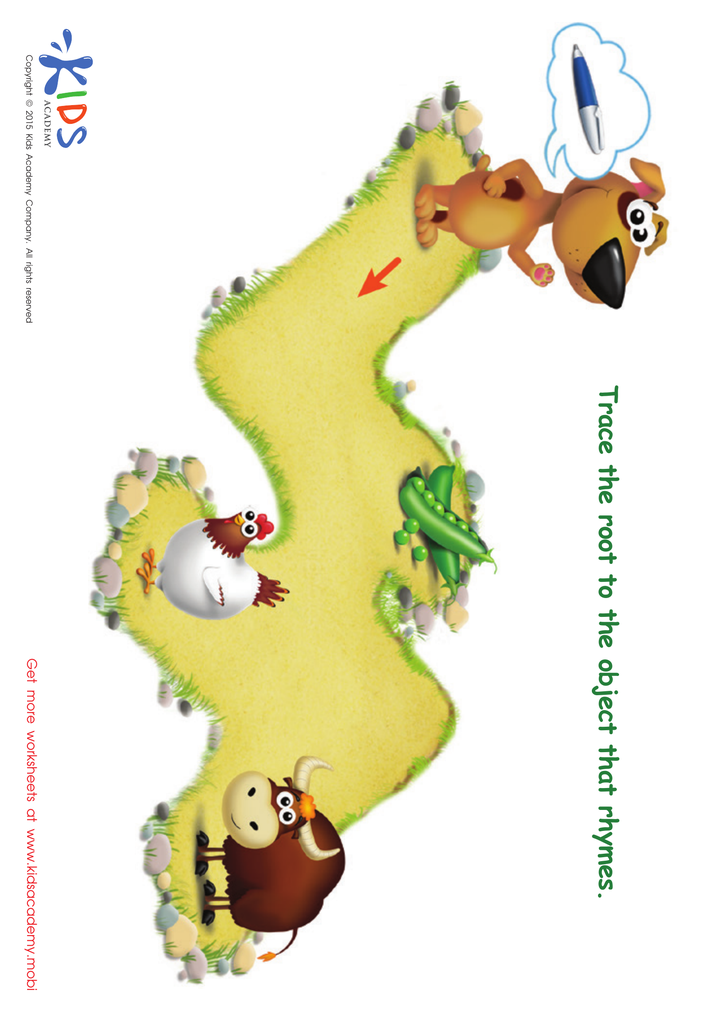
Pen Rhyming Words Worksheet








Fine motor skills refer to the small muscle movements in our hands and fingers, which are crucial for everyday tasks. For 6-year-olds, developing these skills through activities like practicing the alphabet is incredibly important. Parents and teachers should prioritize these activities for several reasons.
Firstly, writing and recognizing letters are fundamental academic skills. At this age, children are transitioning from preschool to more formal schooling, where they’ll be expected to write more. Practicing the alphabet helps them form letters correctly and improves handwriting skills, making learning more accessible and less frustrating in the future.
Secondly, well-developed fine motor skills enhance a child’s ability to perform self-care tasks independently. Buttoning a shirt, tying shoelaces, or even handling utensils requires dexterity. Activities involving the alphabet—like tracing or cutting out letters—subtly train these muscles, fostering greater independence.
Moreover, fine motor skill activities stimulate cognitive development. As children focus on forming letters, they improve hand-eye coordination and problem-solving abilities. This boosts their overall mental acuity, influencing other academic areas such as math and science.
In essence, focusing on fine motor skills through alphabet practices ensures a child’s seamless transition into school life, supports their independence, and enhances their cognitive abilities, making it a key area of development at this age.







