Hand-eye Coordination Alphabet Worksheets for 6-Year-Olds
15 filtered results
-
From - To
Enhance your 6-year-old's learning experience with our engaging Hand-eye Coordination Alphabet Worksheets! Designed to promote essential skills, these worksheets combine letter recognition with fun, interactive activities that strengthen motor skills and visual perception. Children will trace, color, and connect letters in creative ways, making learning the alphabet both enjoyable and effective. Our worksheets cater to various learning styles, ensuring every child can thrive. Perfect for classroom use or homeschooling, these activities help support early literacy development while fostering hand-eye coordination. Ignite your child's passion for learning today with our thoughtfully crafted alphabet worksheets available for download!

Letter A Tracing Page
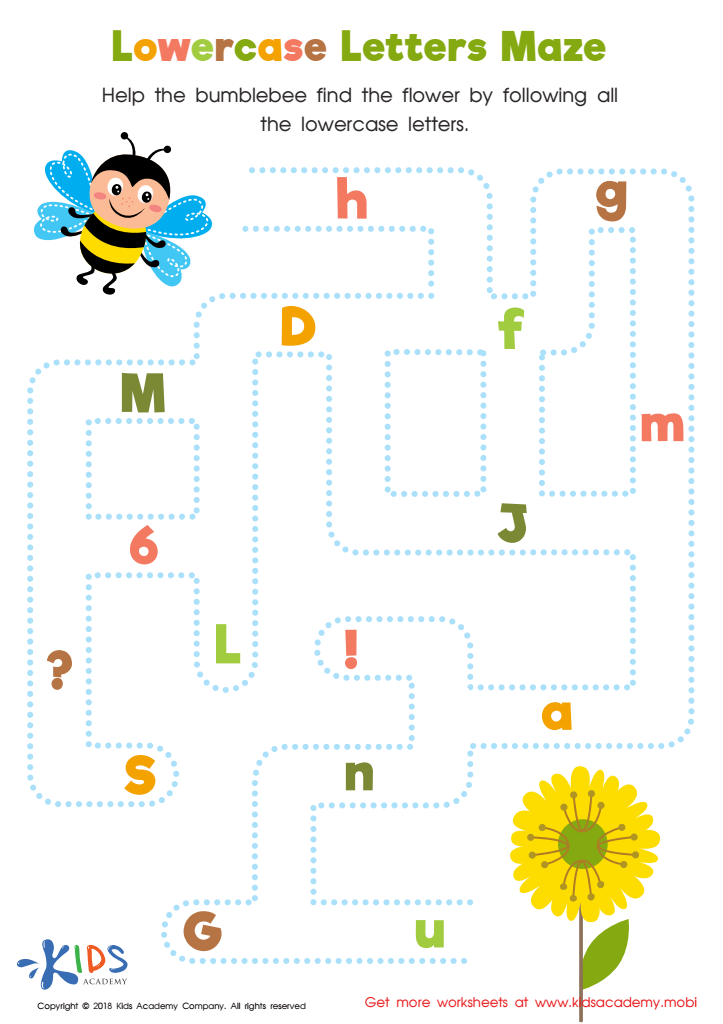
Lowercase Letters Maze Worksheet
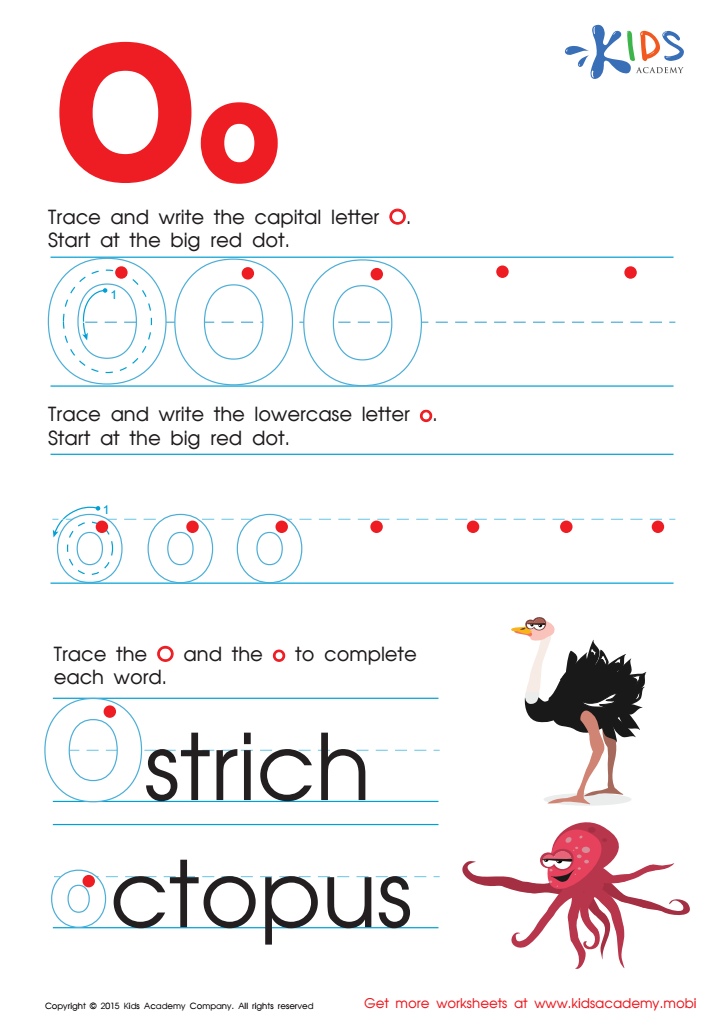
Letter O Tracing Page
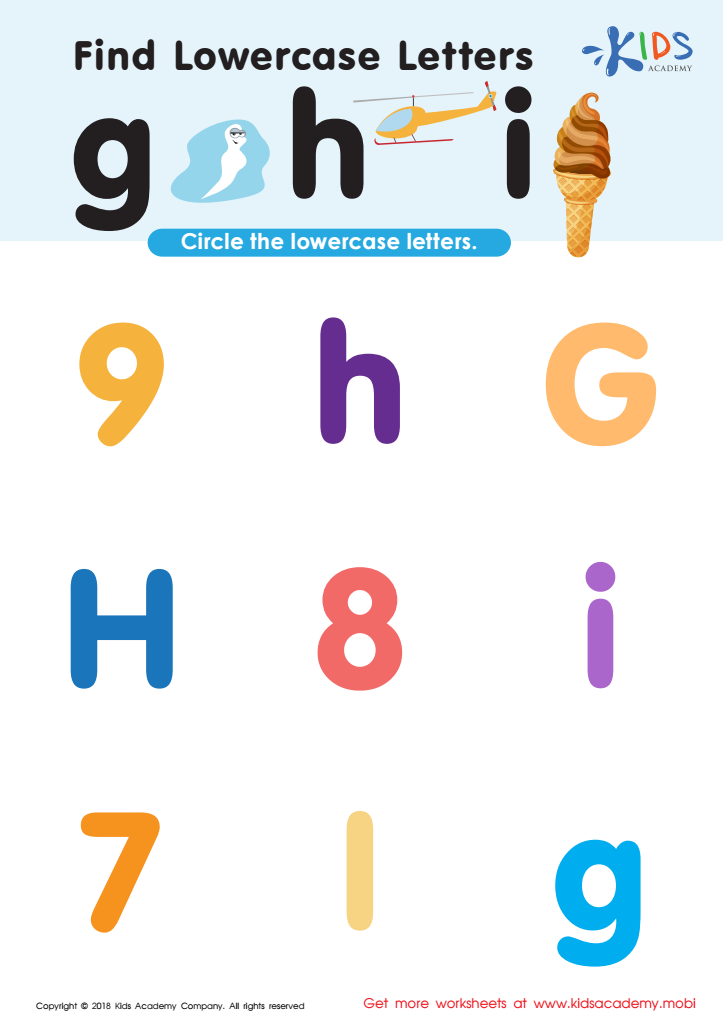
Find Lowercase Letters g h i Worksheet

Letter P Tracing Page
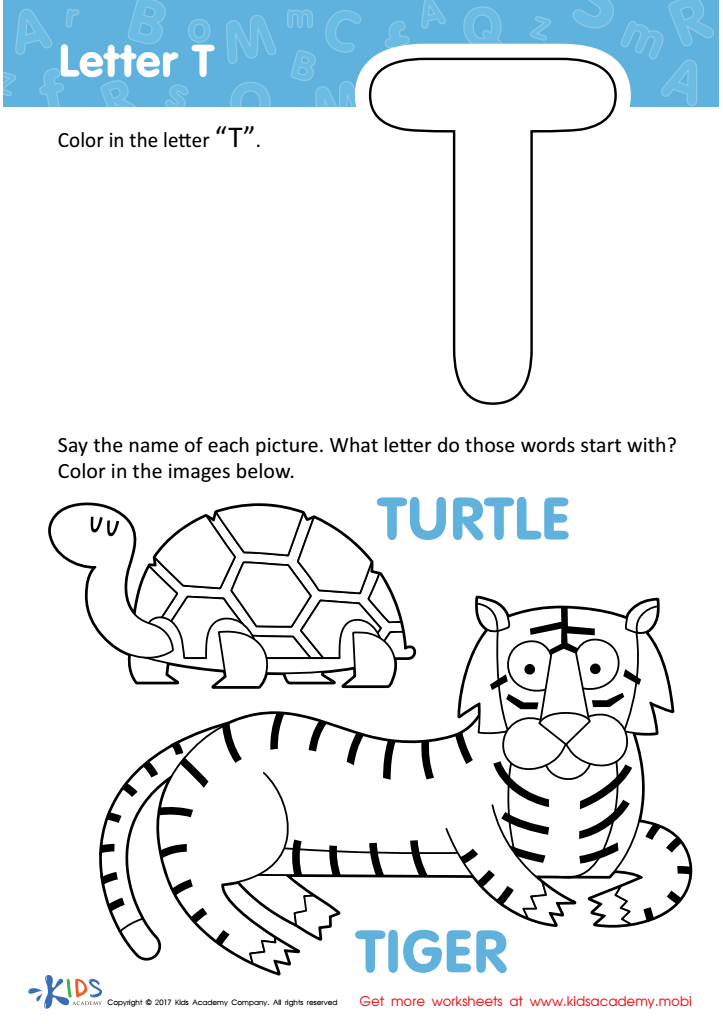
Letter T Coloring Sheet
 Assign to My Students

Letter H Tracing Page
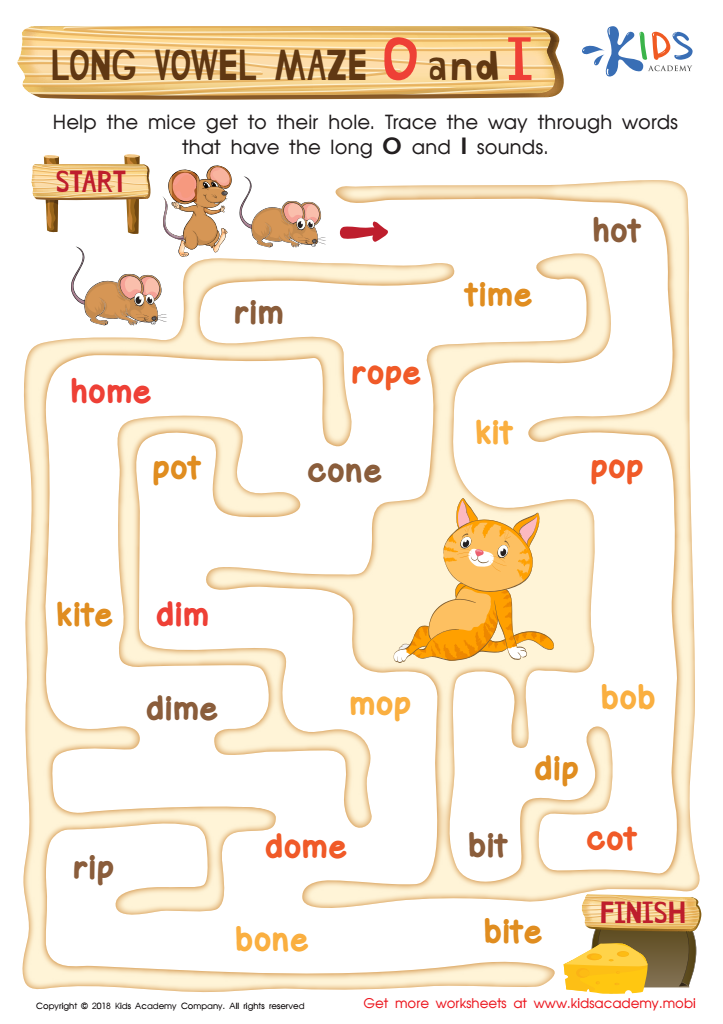
Long Vowel Maze /o/ and /i/ Worksheet
Letter R Coloring Sheet
Assign to My Students
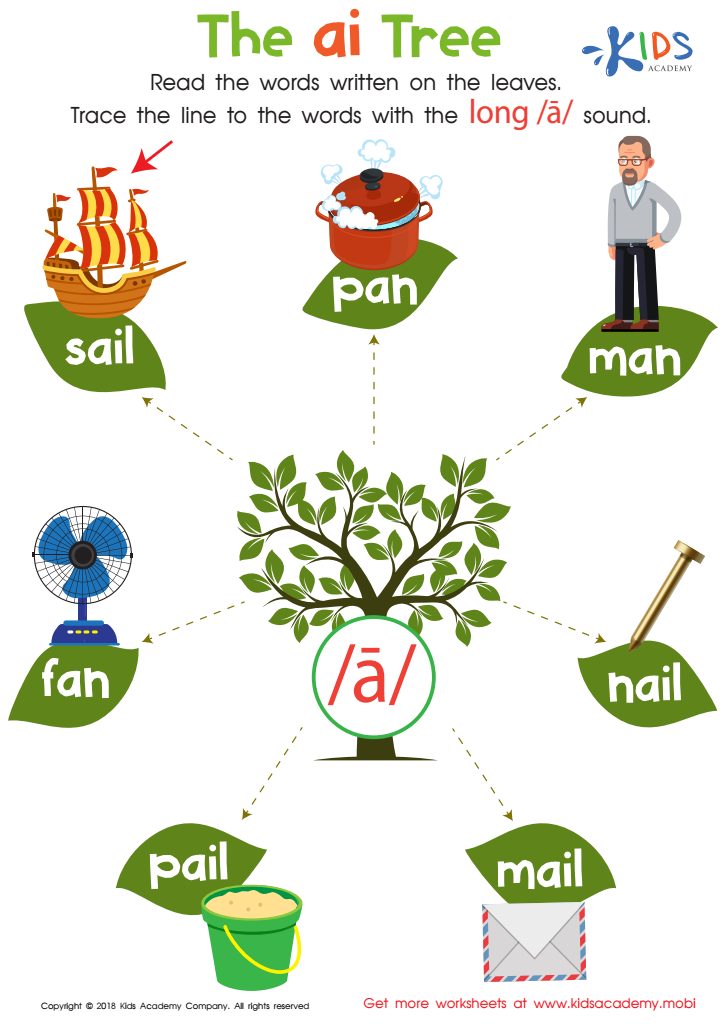
The AI Tree Worksheet
Long and Short U Worksheet
Assign to My Students
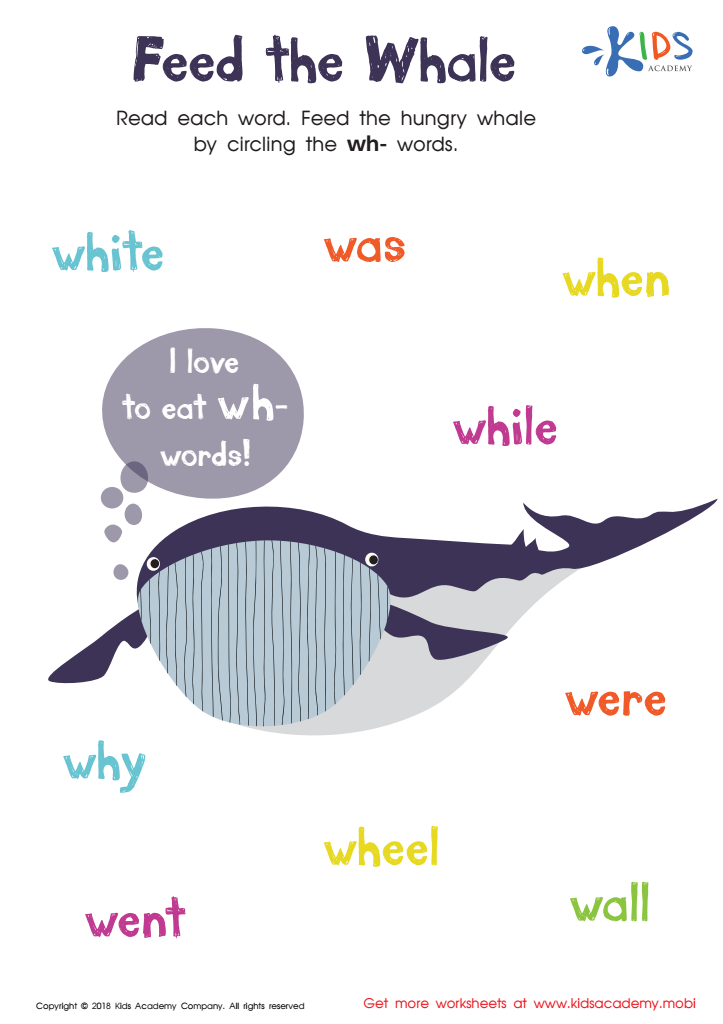
Feed the Whale Worksheet
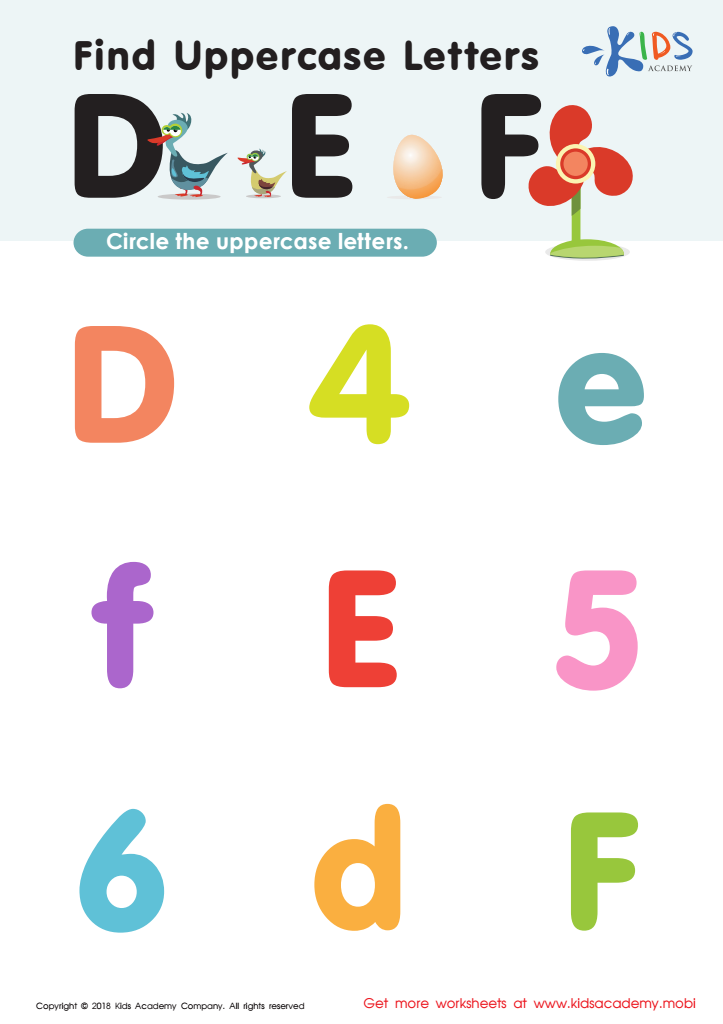
Find Uppercase Letters D, E, and F Worksheet
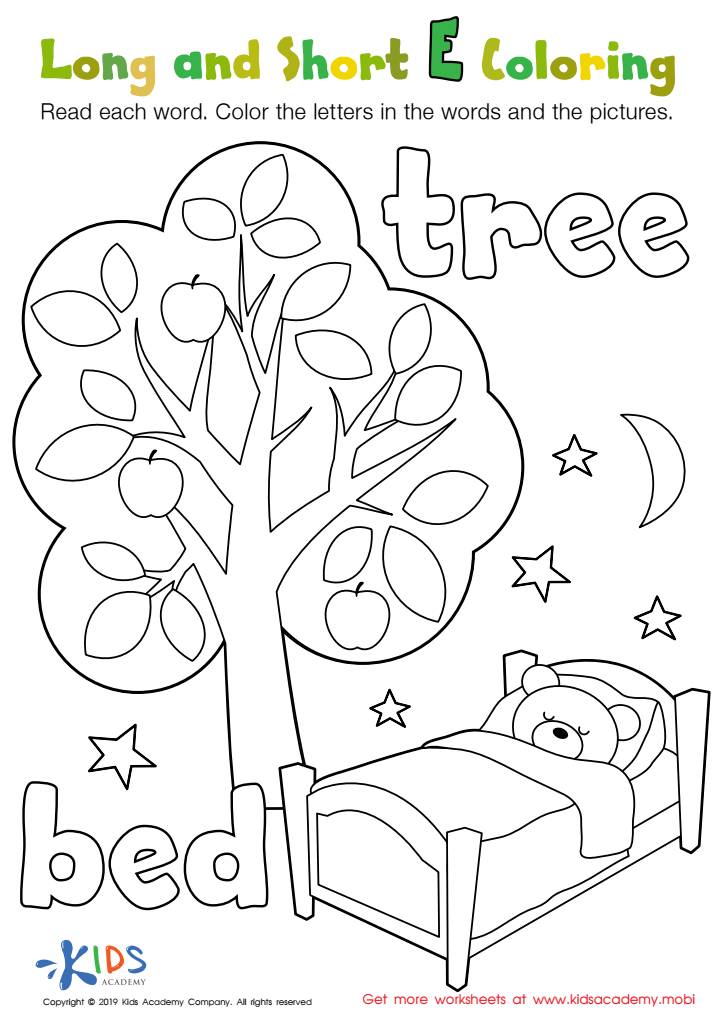
Long and Short E Worksheet
Assign to My Students

Letter D Tracing Page







Hand-eye coordination is a crucial skill for 6-year-olds as it lays the groundwork for various cognitive and physical abilities. At this age, children are developing fine motor skills that are essential for learning tasks such as writing, drawing, and even typing, which they will require throughout their education. The Hand-eye Coordination Alphabet provides an engaging way for parents and teachers to help children practice these vital skills while reinforcing their understanding of letters and sounds.
Improving hand-eye coordination affects a child’s ability to participate in physical activities and sports, fostering confidence and social interaction. Additionally, strong coordination skills can enhance their academic performance, aiding in tasks like cutting paper, using scissors, and completing puzzles. Fun activities related to the Hand-eye Coordination Alphabet can easily be integrated into daily routines, keeping children motivated while they learn.
Furthermore, the ability to coordinate visual input with motor actions prepares children for future tasks requiring precision, such as science experiments or computer work. By focusing on this important skill through enjoyable and educational activities, parents and teachers can significantly contribute to a child's overall development and readiness for more complex learning challenges ahead.







