Letter recognition Alphabet Worksheets for 6-Year-Olds - Page 3
73 filtered results
-
From - To
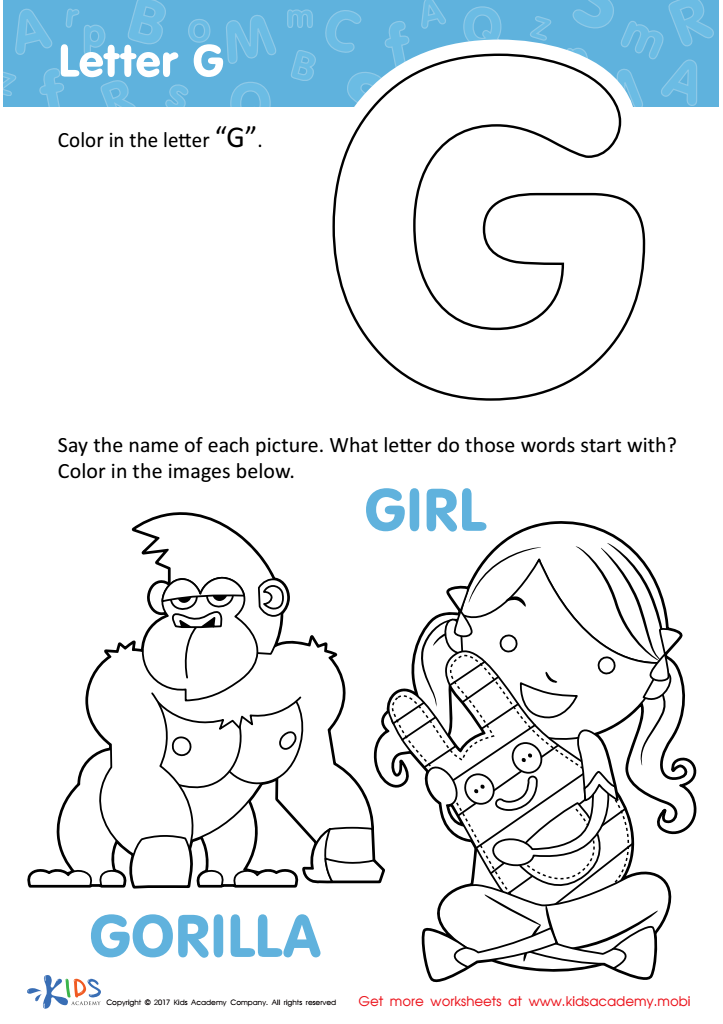
Letter G Coloring Sheet
 Assign to My Students
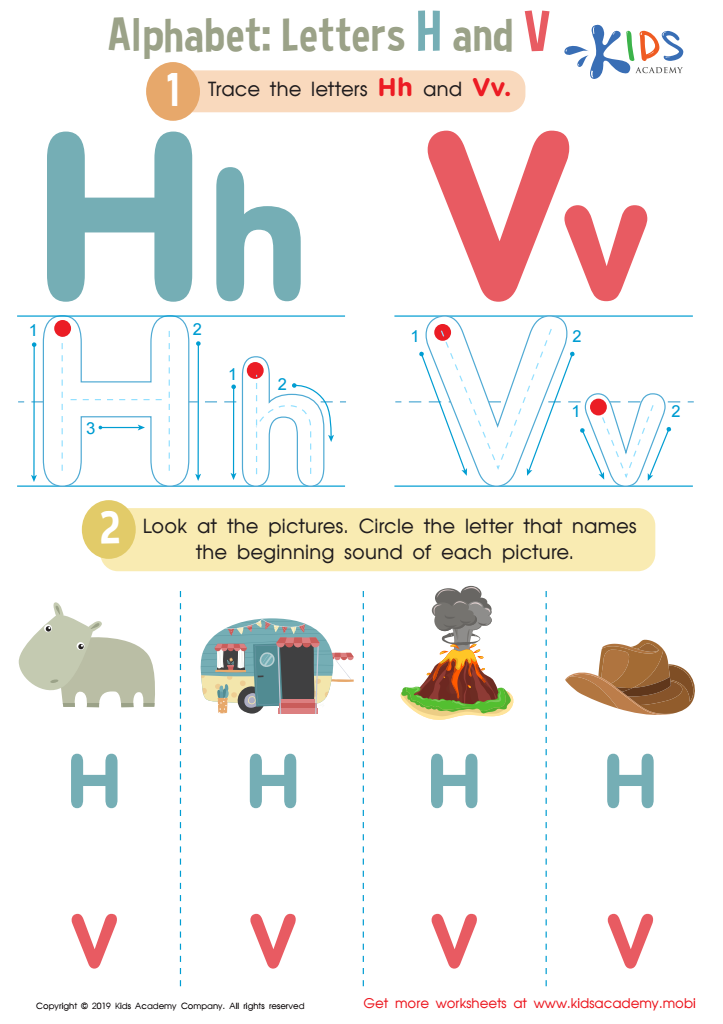
Letters H and V Tracing Worksheet
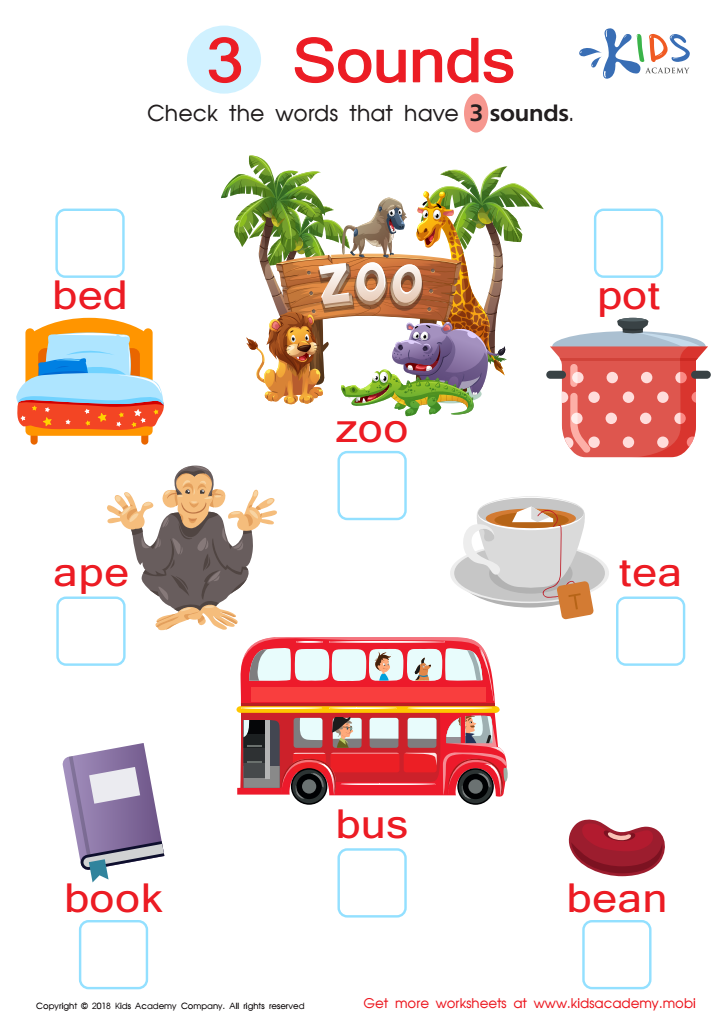
3 Sounds Worksheet
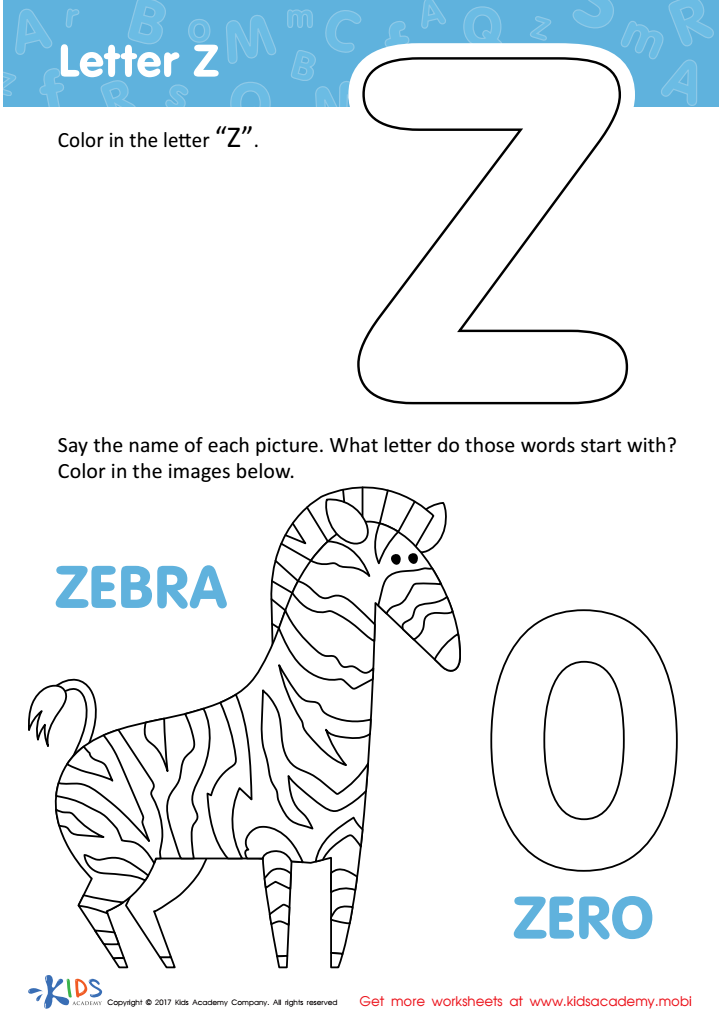
Letter Z Coloring Sheet
Assign to My Students
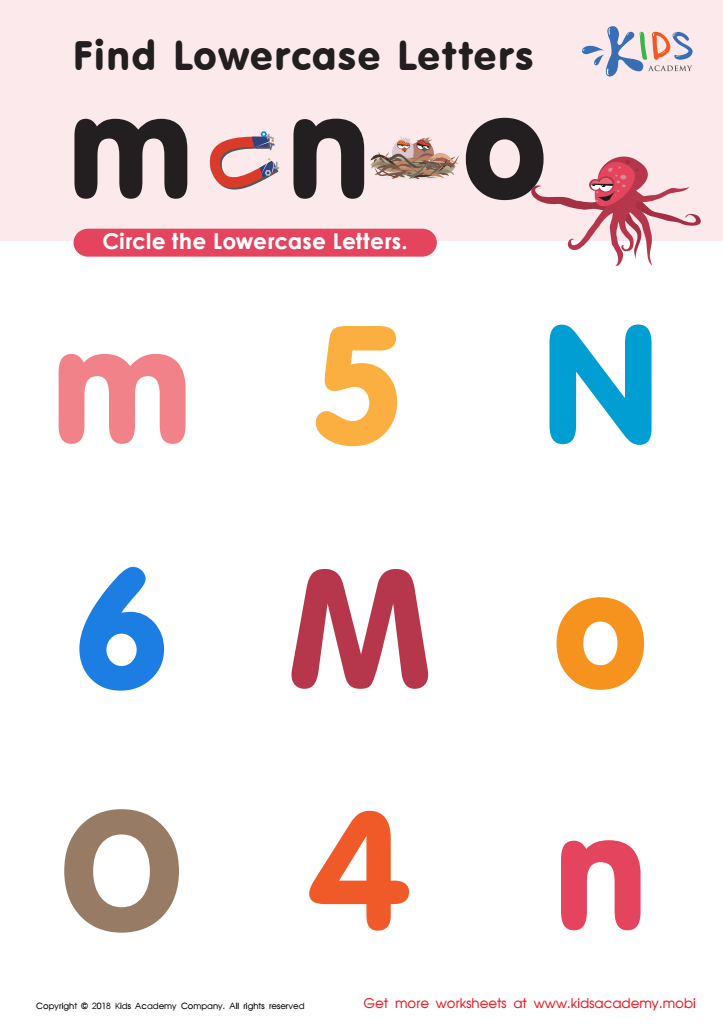
Find Lowercase Letters m n o Worksheet
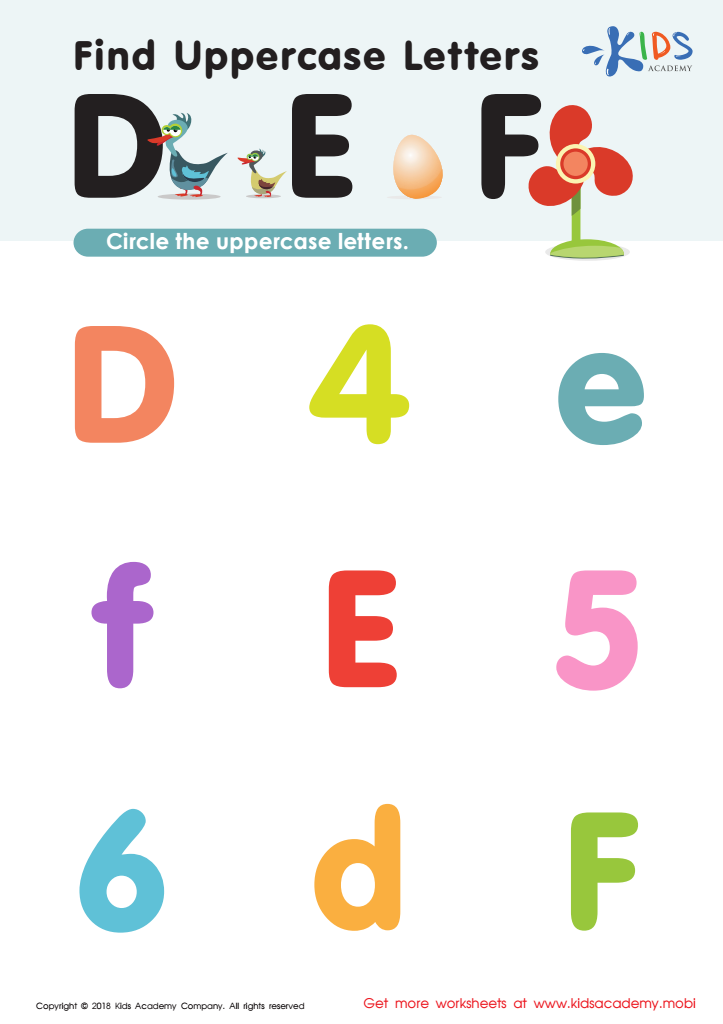
Find Uppercase Letters D, E, and F Worksheet
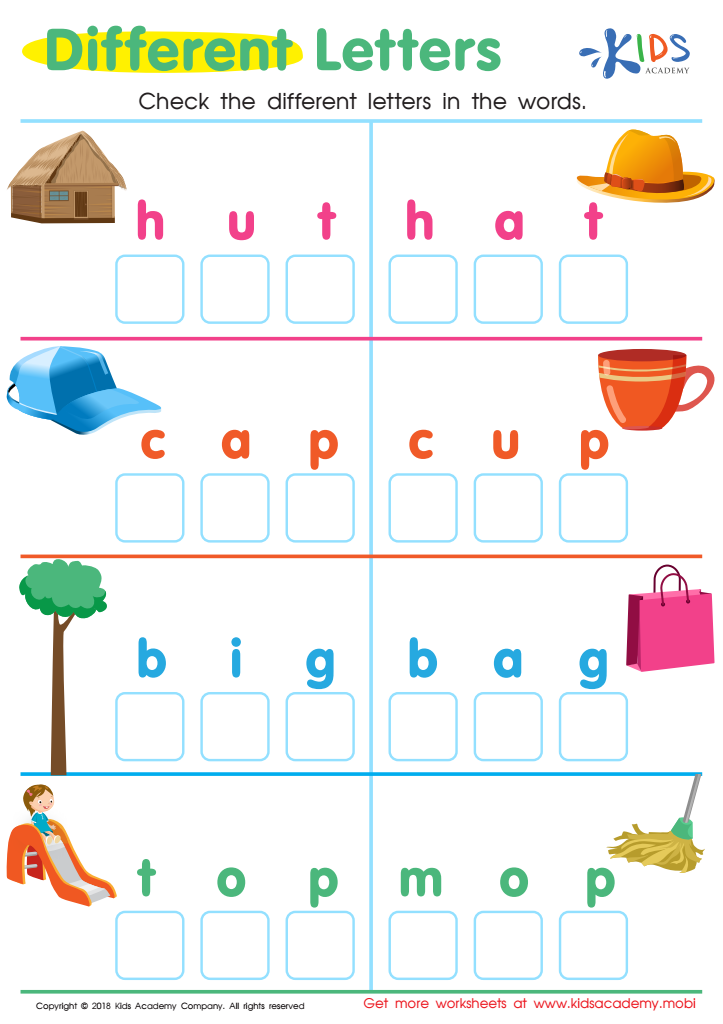
Different Letters Reading Worksheet
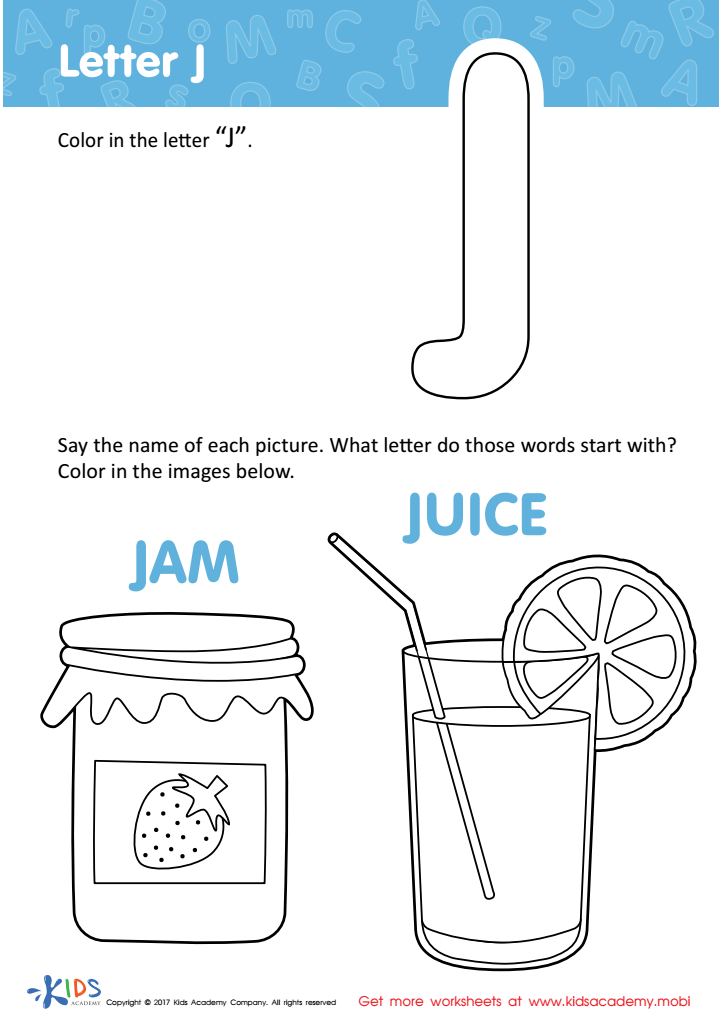
Letter J Coloring Sheet
Assign to My Students
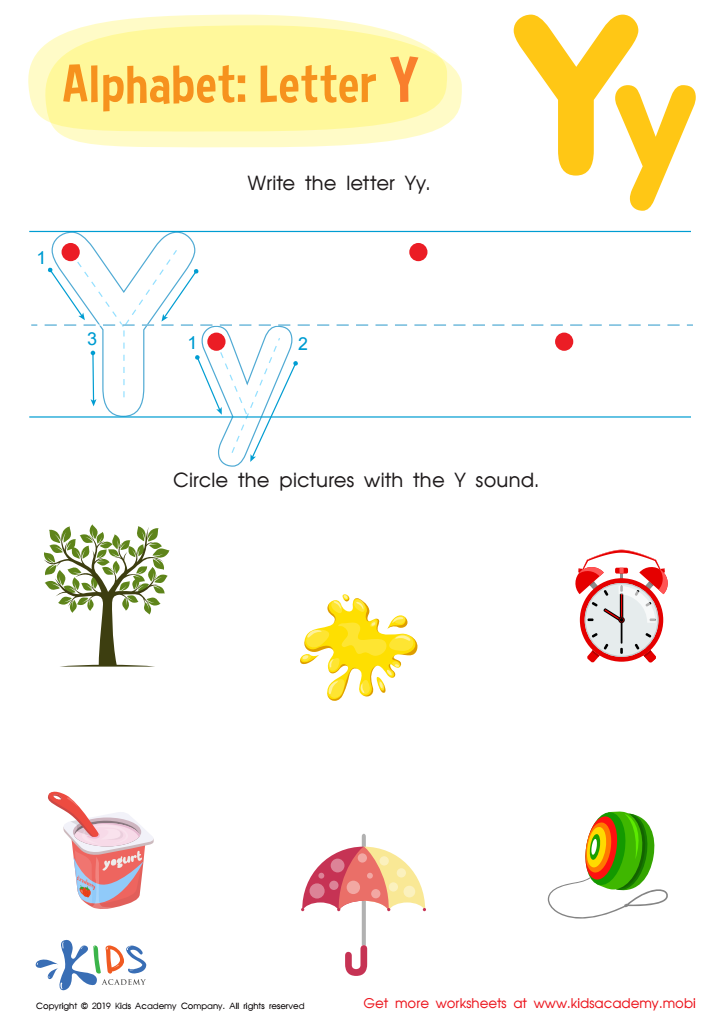
Letter Y Tracing Worksheet
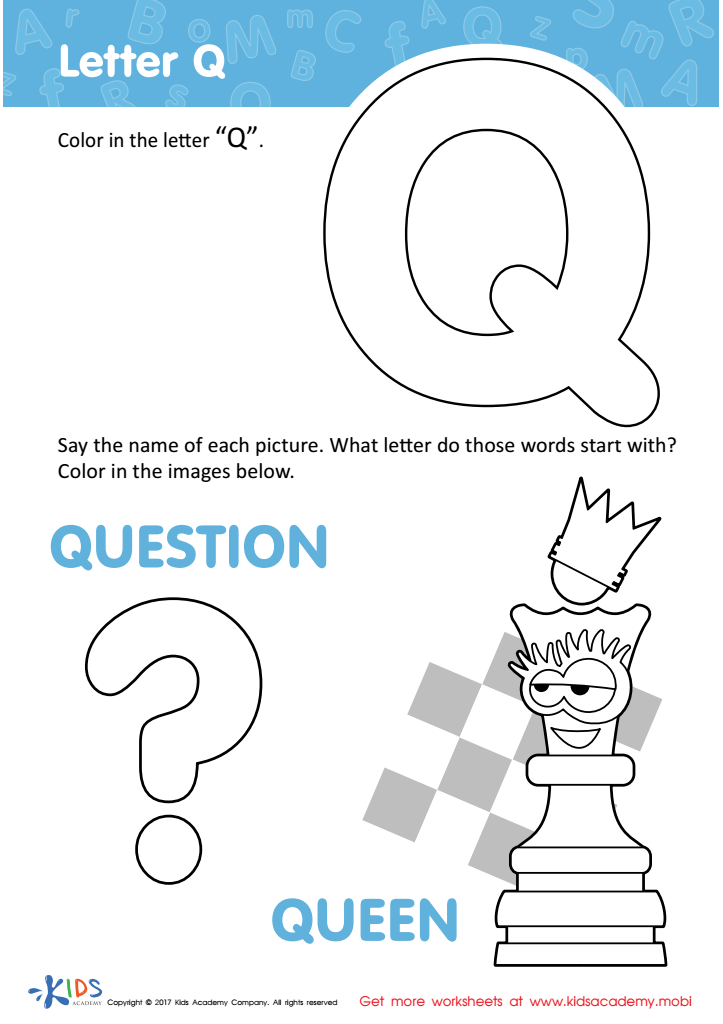
Letter Q Coloring Sheet
Assign to My Students
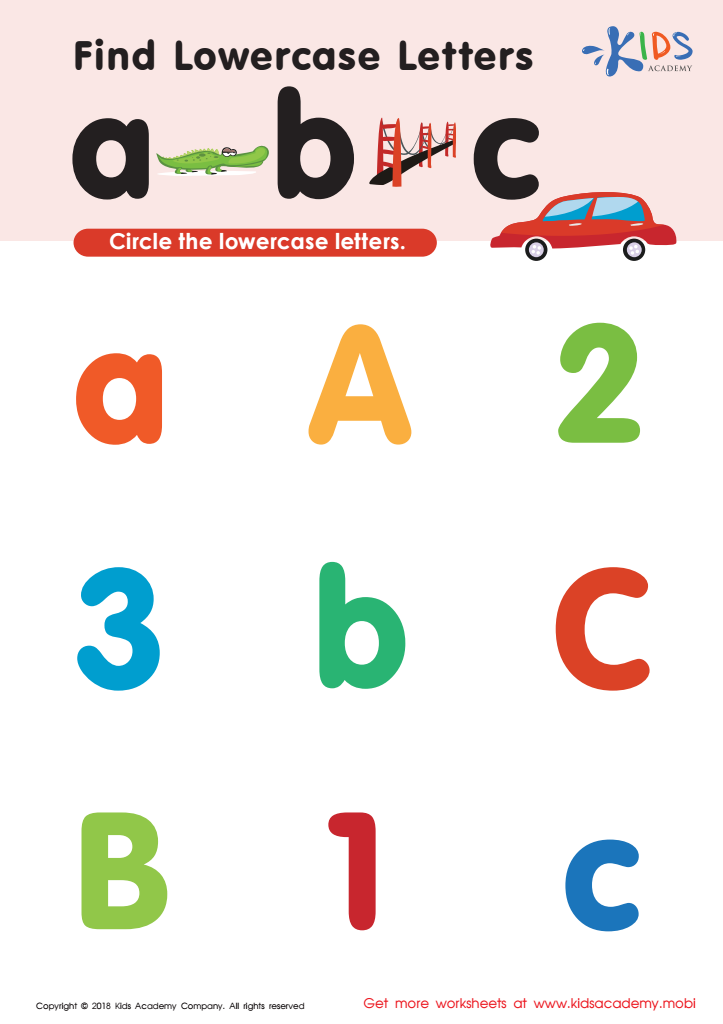
Find lowercase letters a b c Worksheet
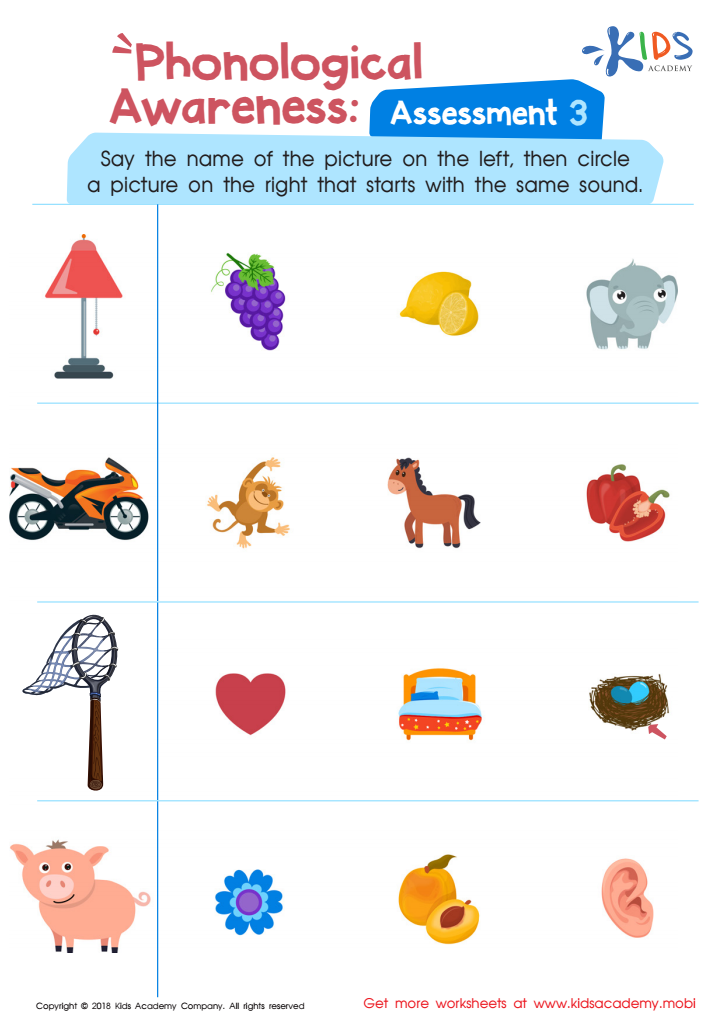
Phonological Awareness: Assessment 3 Worksheet
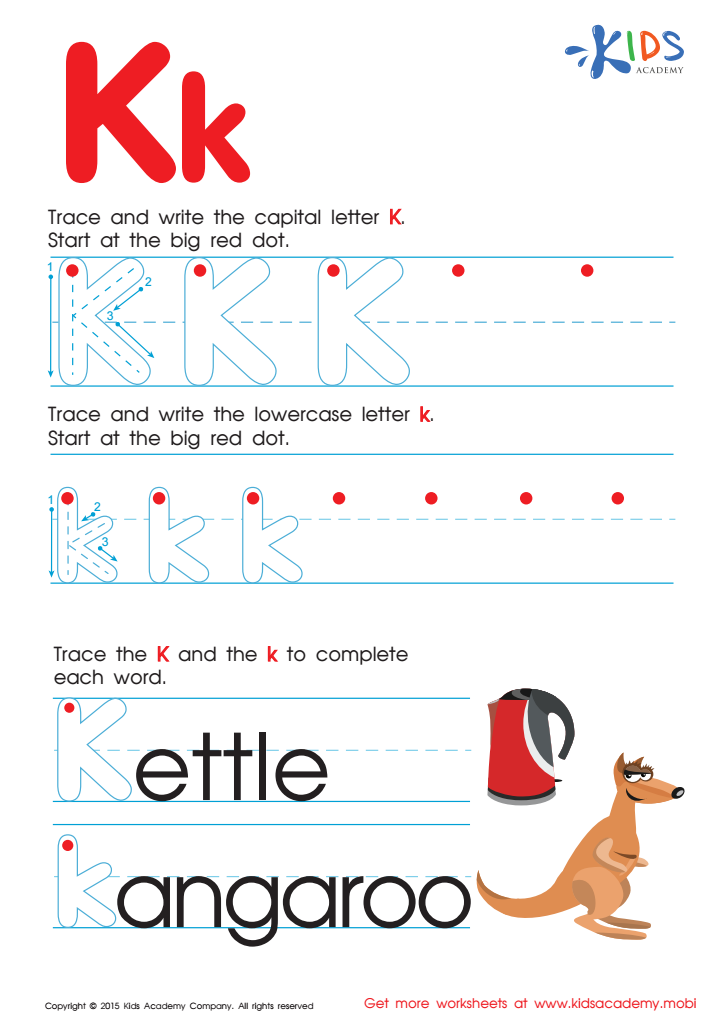
Letter K Tracing Page
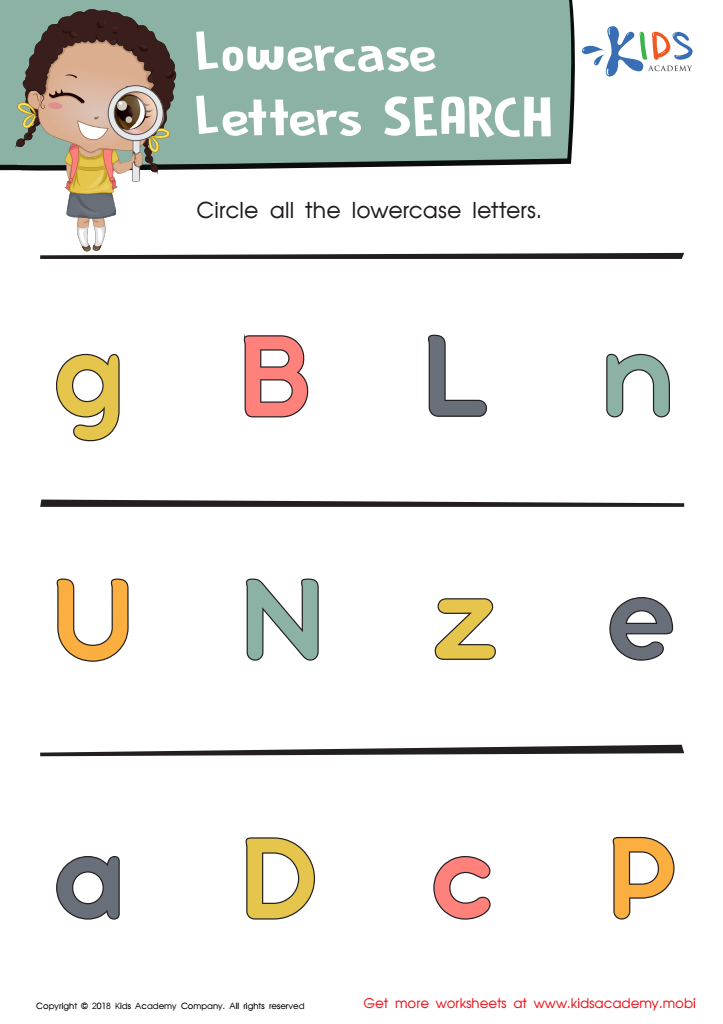
Lowercase Letters Search: Assessment Worksheet
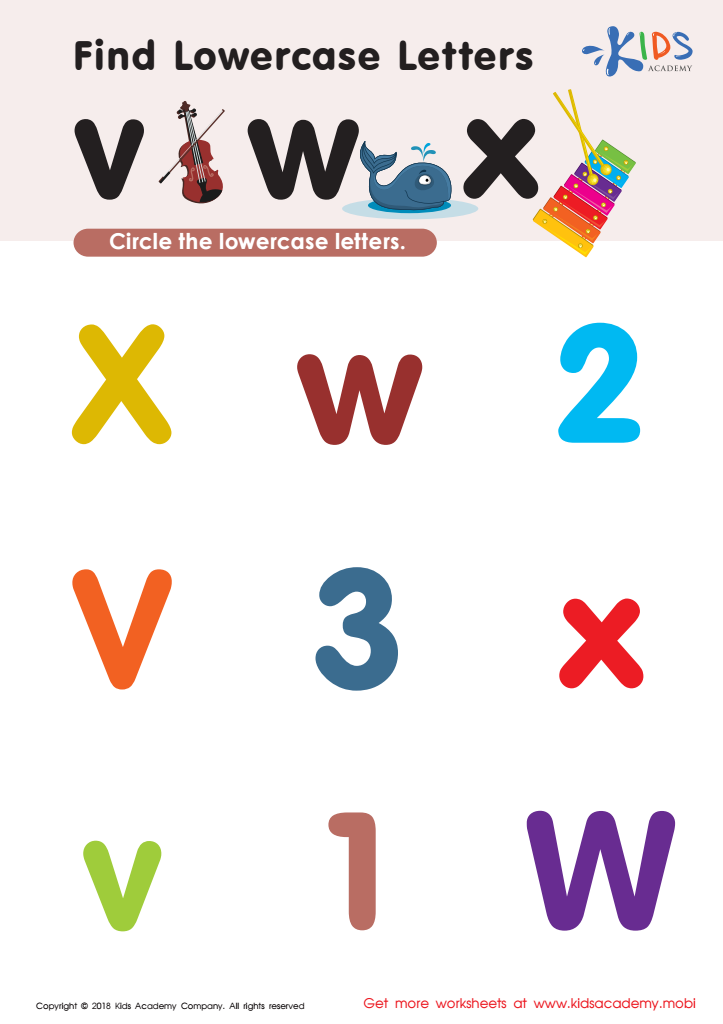
Find Lowercase Letters v w x Worksheet
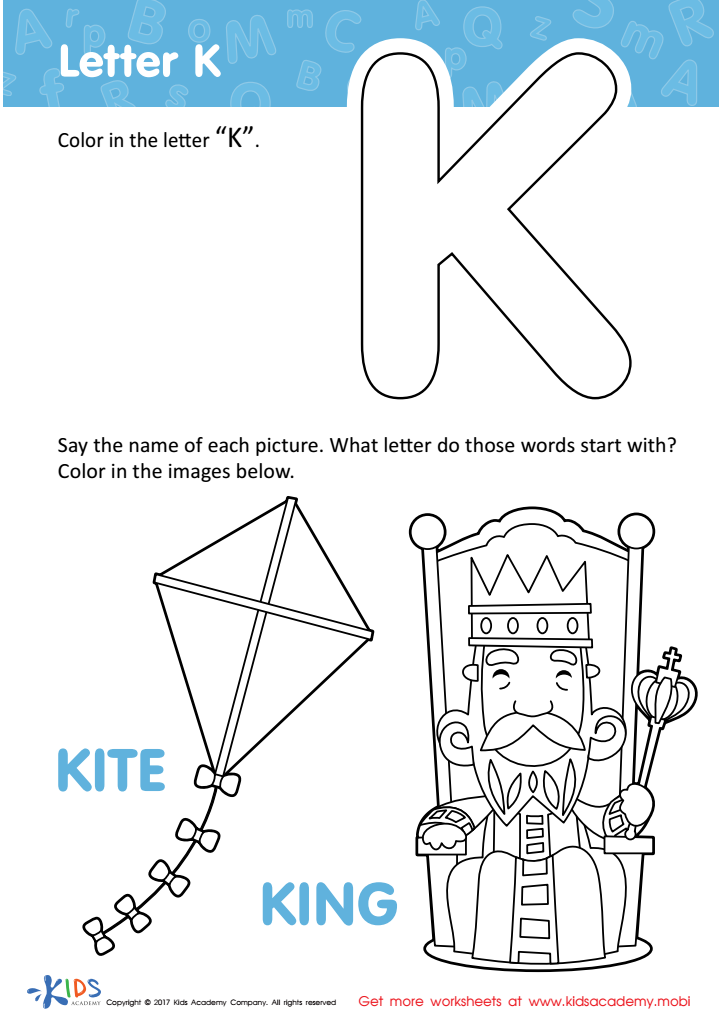
Letter K Coloring Sheet
Assign to My Students
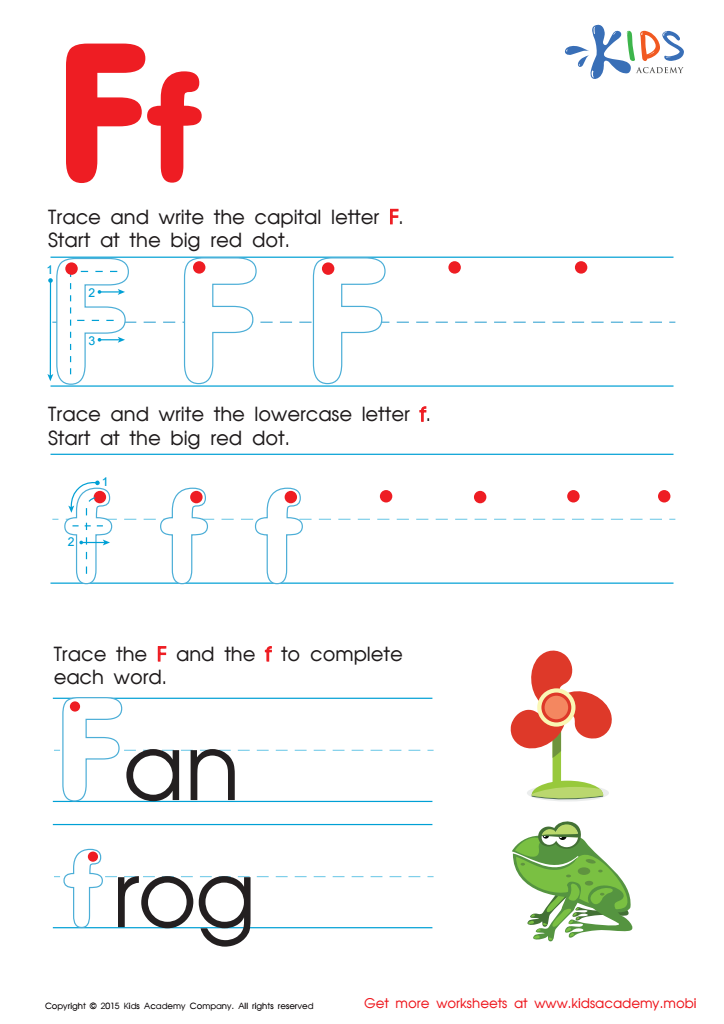
Letter F Tracing Page
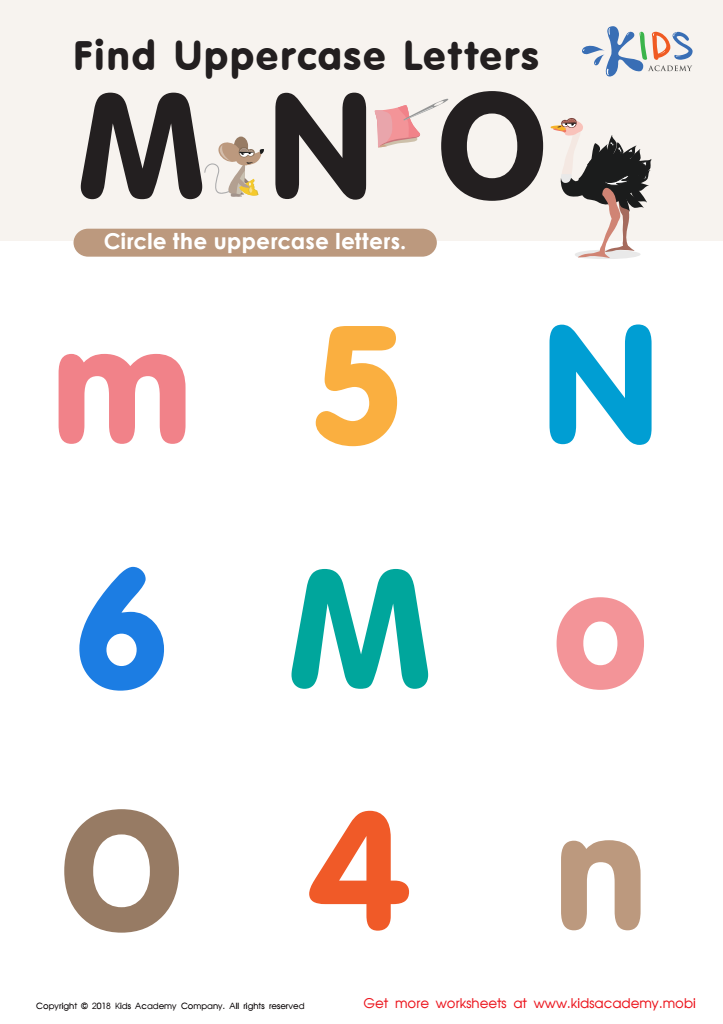
Find Uppercase Letters M, N, and O Worksheet
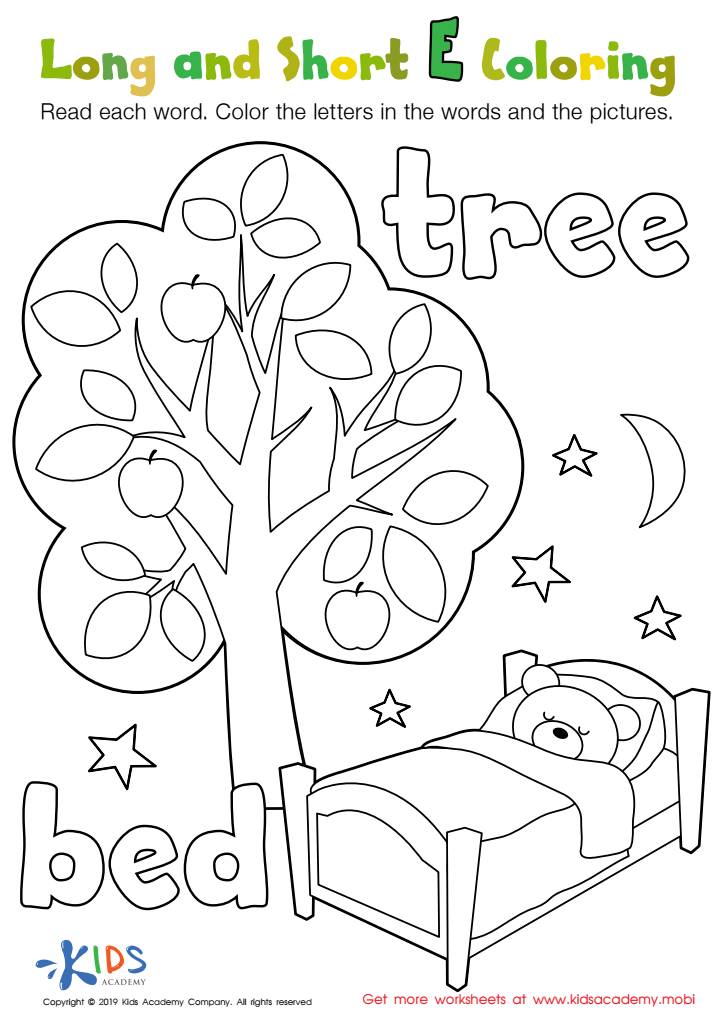
Long and Short E Worksheet
Assign to My Students
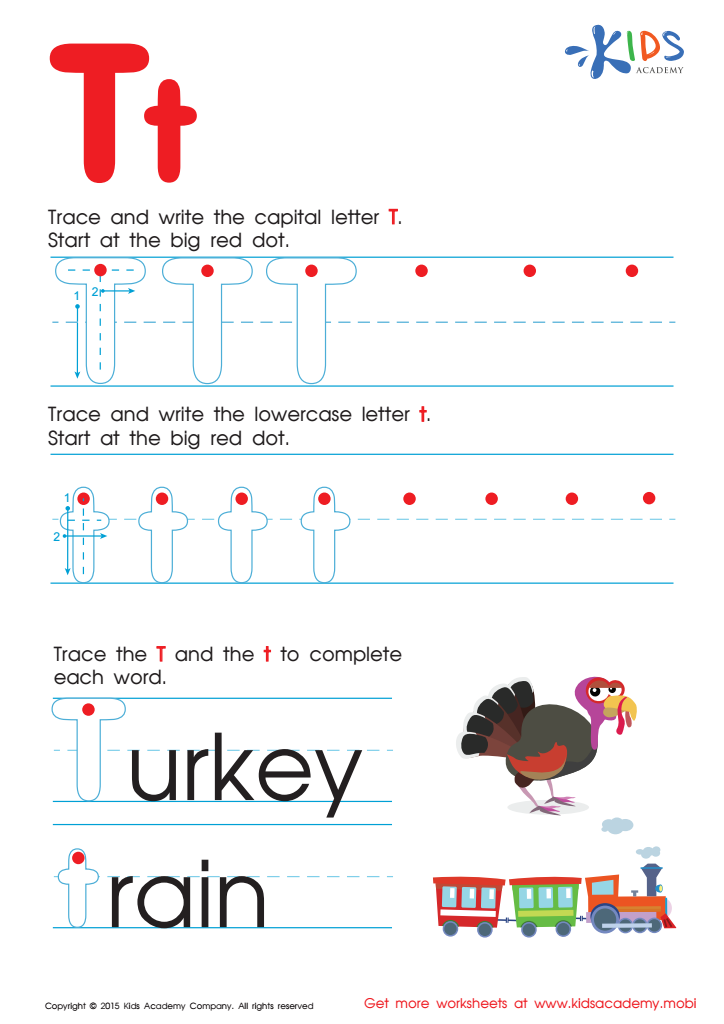
Letter T Tracing Page
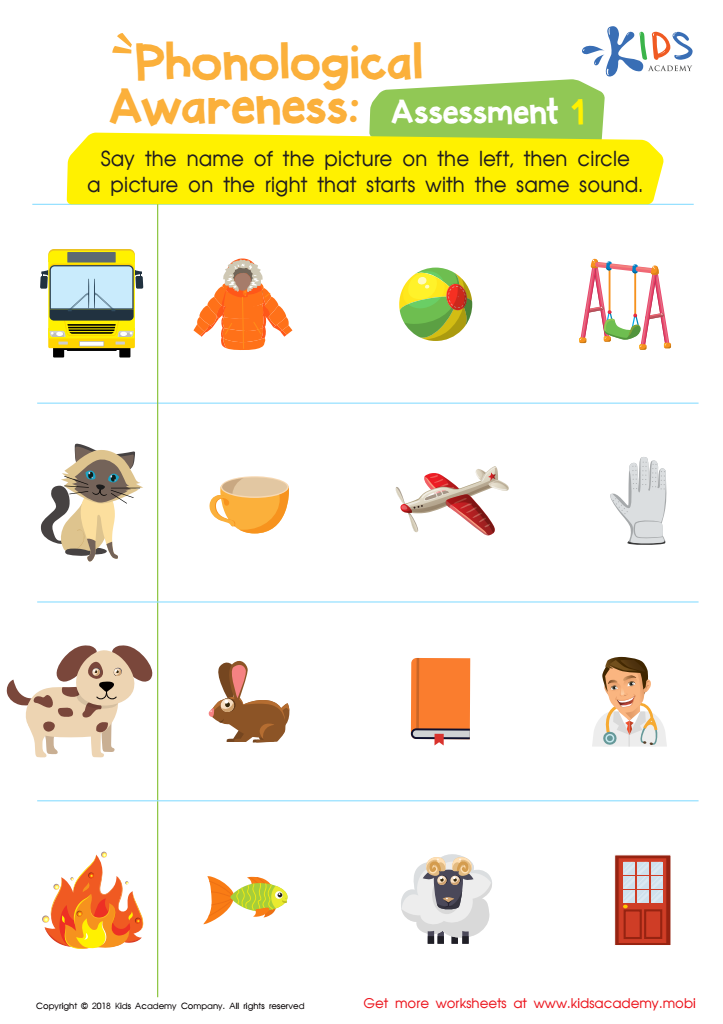
Phonological Awareness: Assessment 1 Worksheet

Letter N Coloring Sheet
Assign to My Students

Letter D Tracing Page
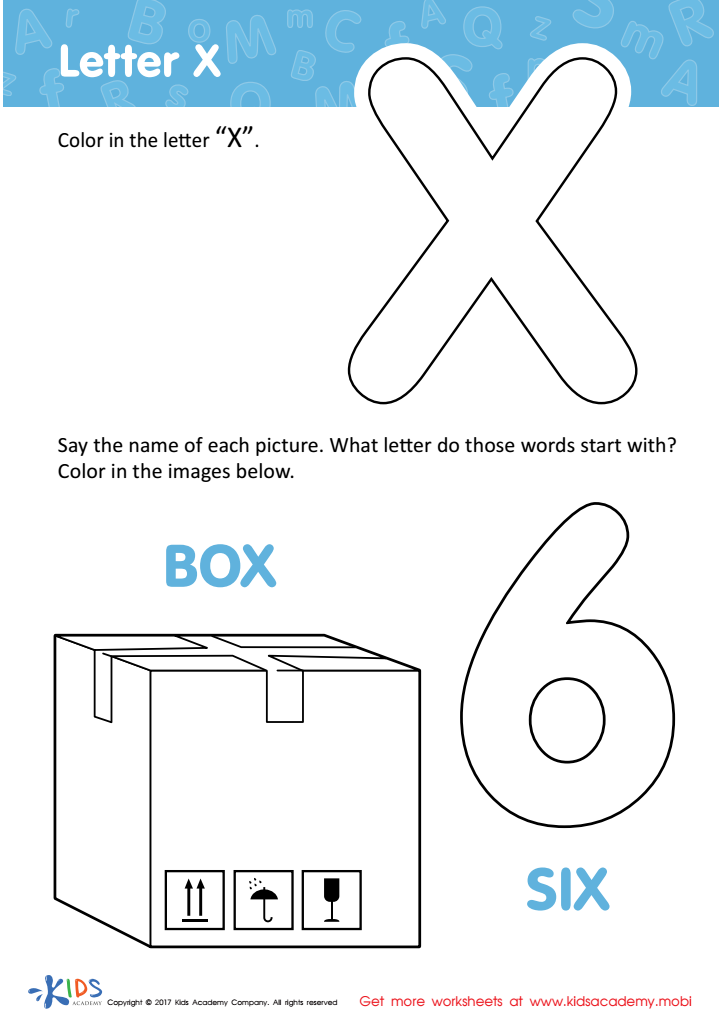
Letter X Coloring Sheet
Assign to My Students








Parents and teachers should prioritize letter recognition for 6-year-olds as it forms the bedrock of their literacy development. At this crucial age, a child’s brain is exceptionally receptive to learning, and recognizing letters is a fundamental skill that drives their ability to read and write. By understanding how each letter looks and sounds, children can start connecting letters with their corresponding sounds, an essential step towards phonemic awareness.
Letter recognition helps children decode words, enabling them to start reading simple texts. Mastery in this area also boosts their confidence and encourages a love for reading, which is integral to their academic and personal growth. Furthermore, early reading skills are tightly linked with future success in school, fostering a positive educational trajectory.
Moreover, letter recognition has broader cognitive benefits. It enhances attention to detail, strengthens memory, and improves visual acuity. As children progress in their ability to recognize letters, they better understand the structure and patterns of language, laying a solid foundation for grasping more complex literacy-related skills.
In summary, emphasizing letter recognition in early education is indispensable. It equips children with essential tools for literacy, nurtures cognitive development, and sets the stage for lifelong learning and achievement.







