Letter recognition Phonics Worksheets for 6-Year-Olds
11 filtered results
-
From - To
Unlock the magical world of reading with our Letter Recognition Phonics Worksheets for 6-Year-Olds! Specially designed for young learners, our worksheets offer entertaining and effective activities to help children master letter sounds, build phonemic awareness, and boost their early reading skills. With vibrant illustrations and engaging exercises, kids will enjoy tracing letters, matching sounds, and identifying letters within words. Perfect for parents and teachers, these worksheets provide a solid foundation in phonics, paving the way for confident, proficient readers. Start your child's literacy journey today and watch them flourish with our expertly crafted resources!
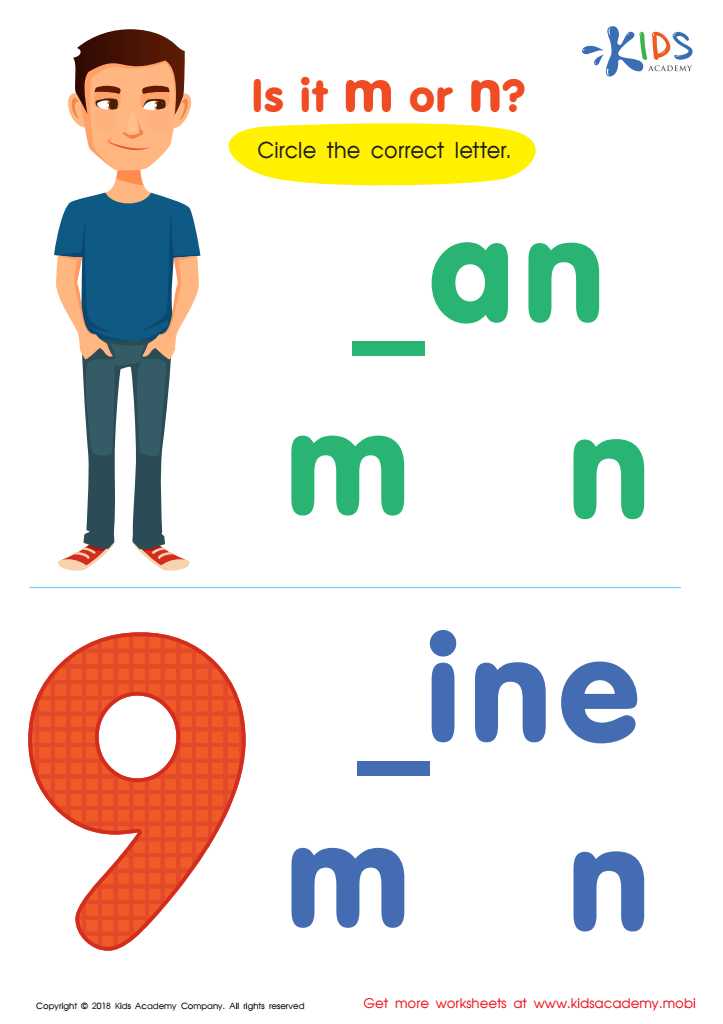
Is It m or n? Worksheet
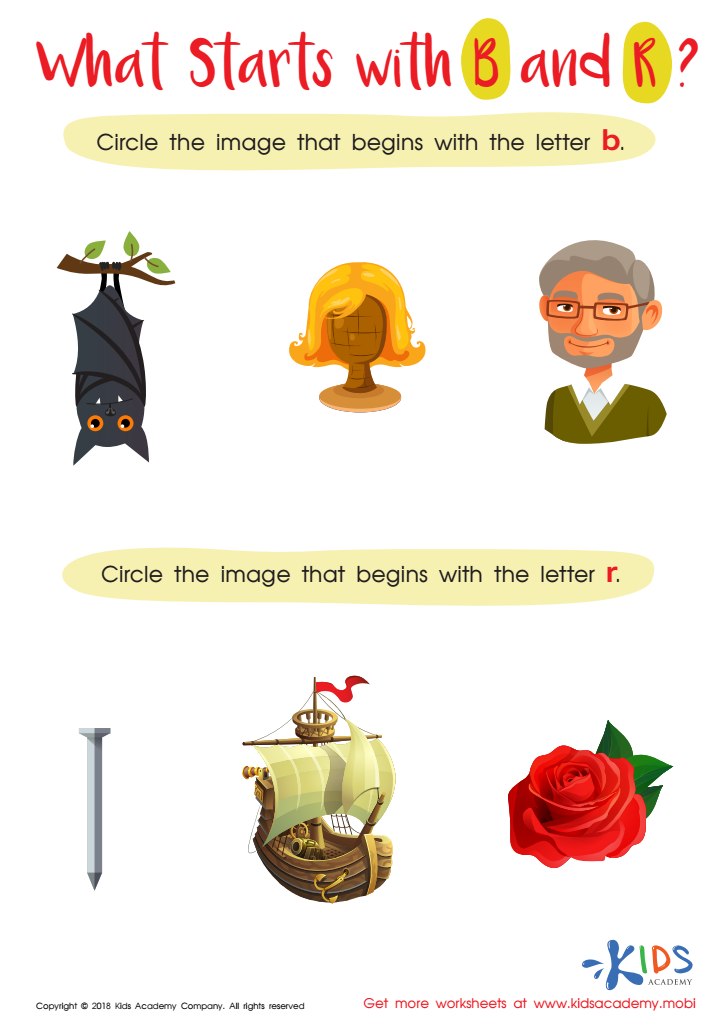
What Starts with B and R? Worksheet
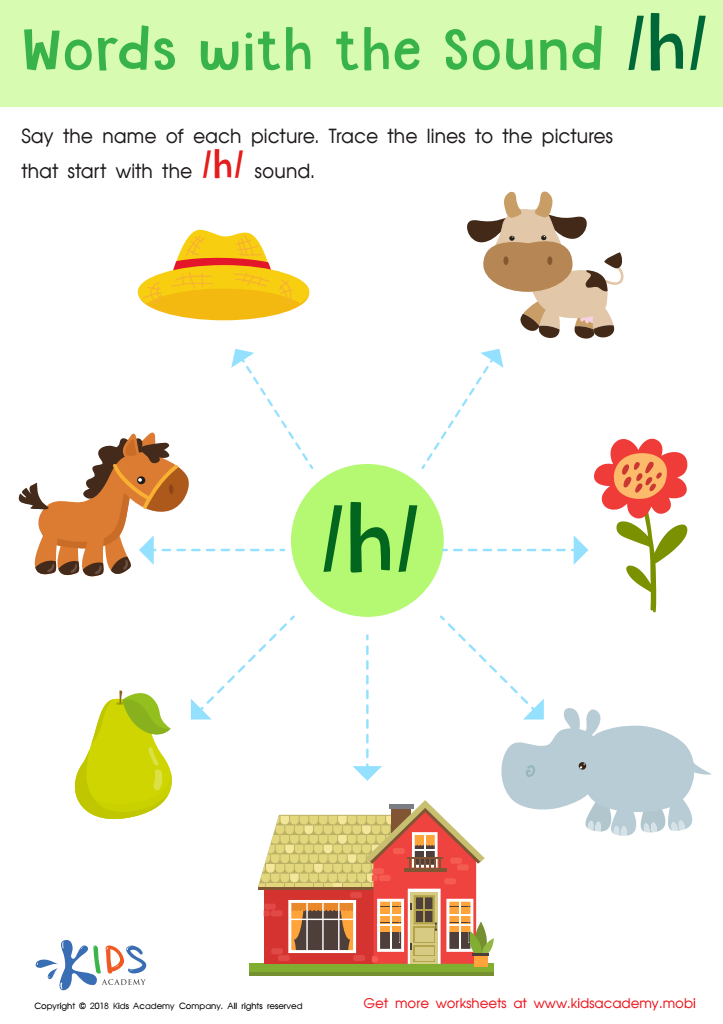
Words with sound h Reading Worksheet
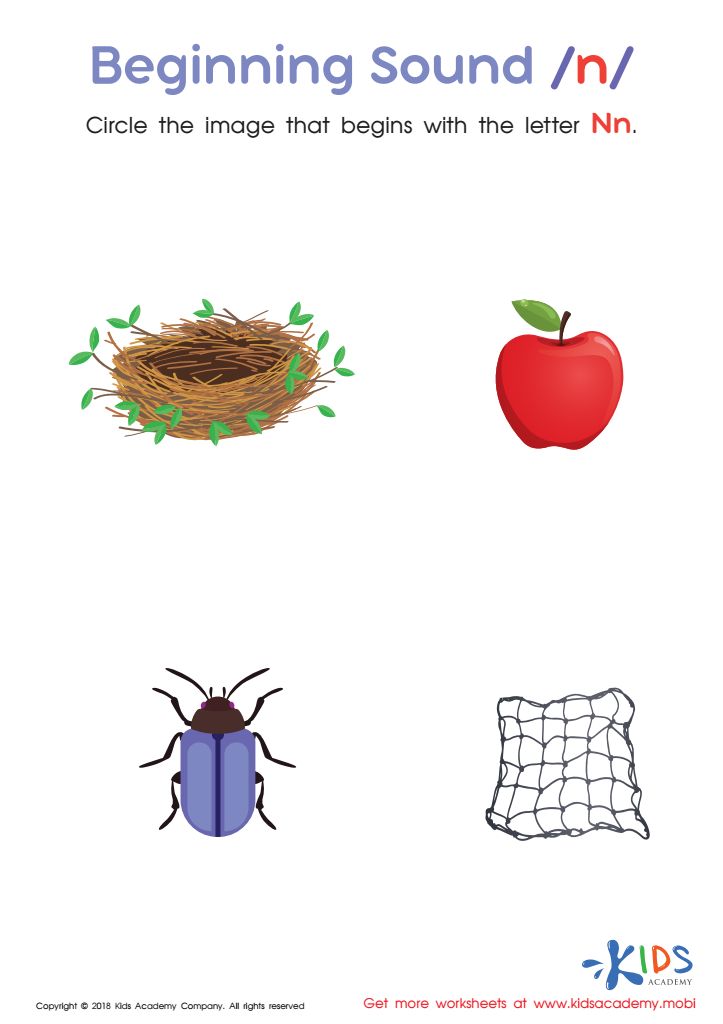
Beginning Sound «n» Worksheet
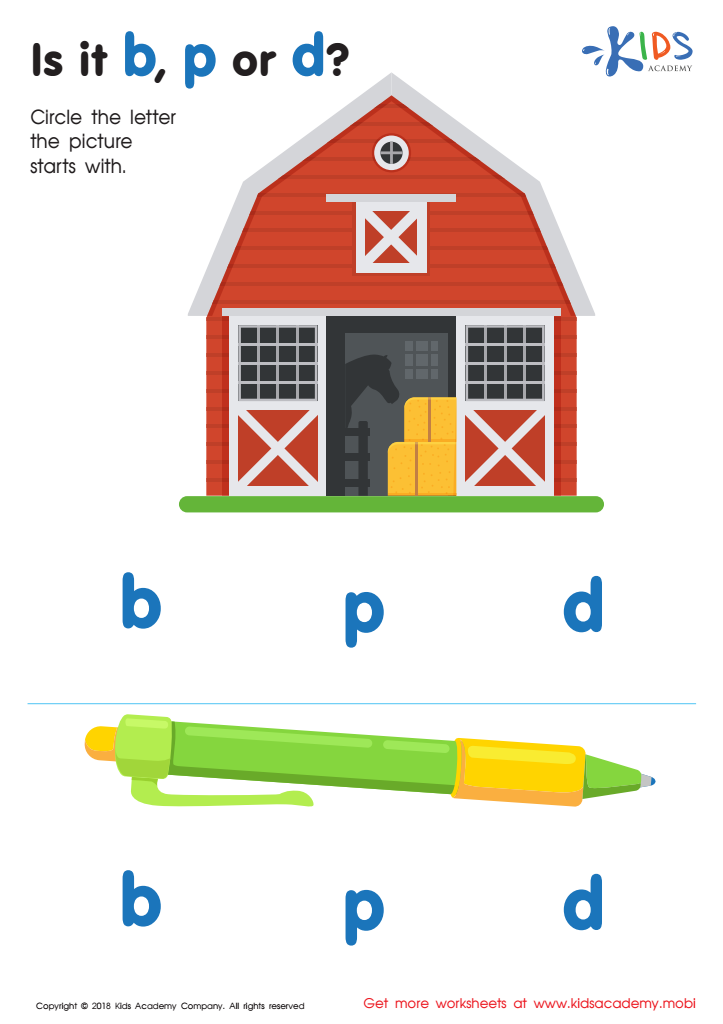
Is it b, p or d? Worksheet

Long and Short U Worksheet
 Assign to My Students
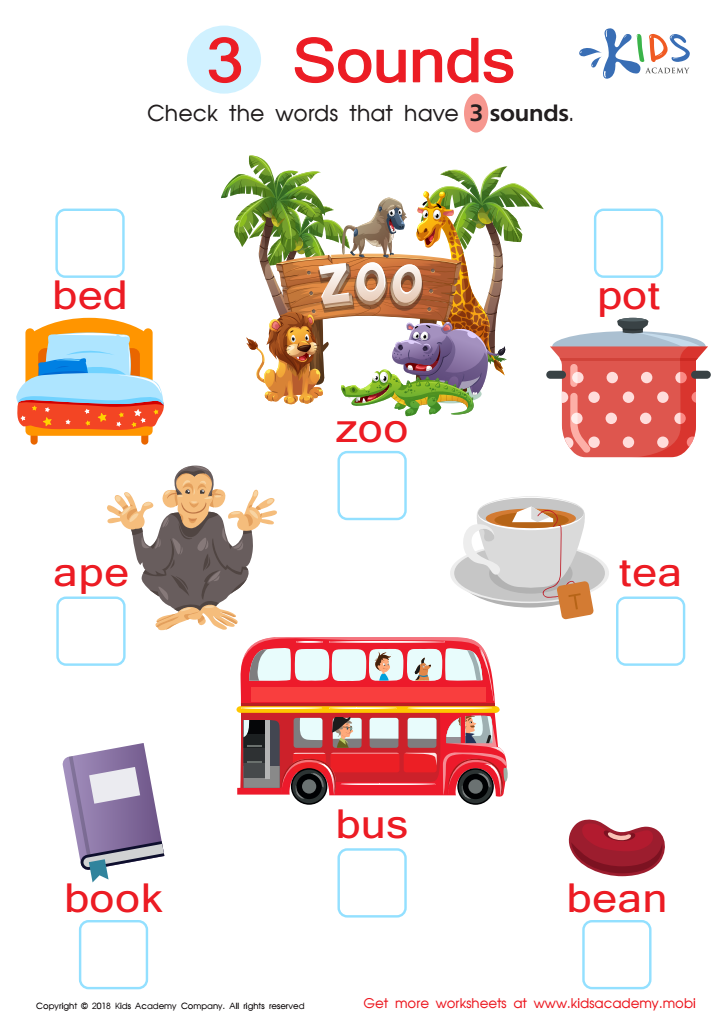
3 Sounds Worksheet
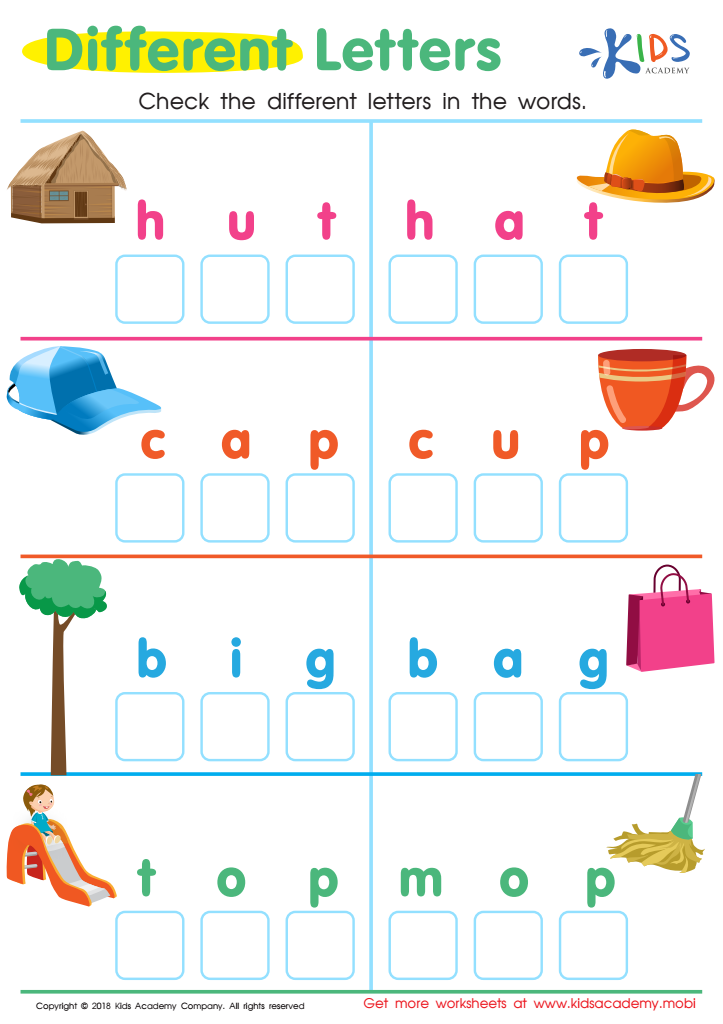
Different Letters Reading Worksheet
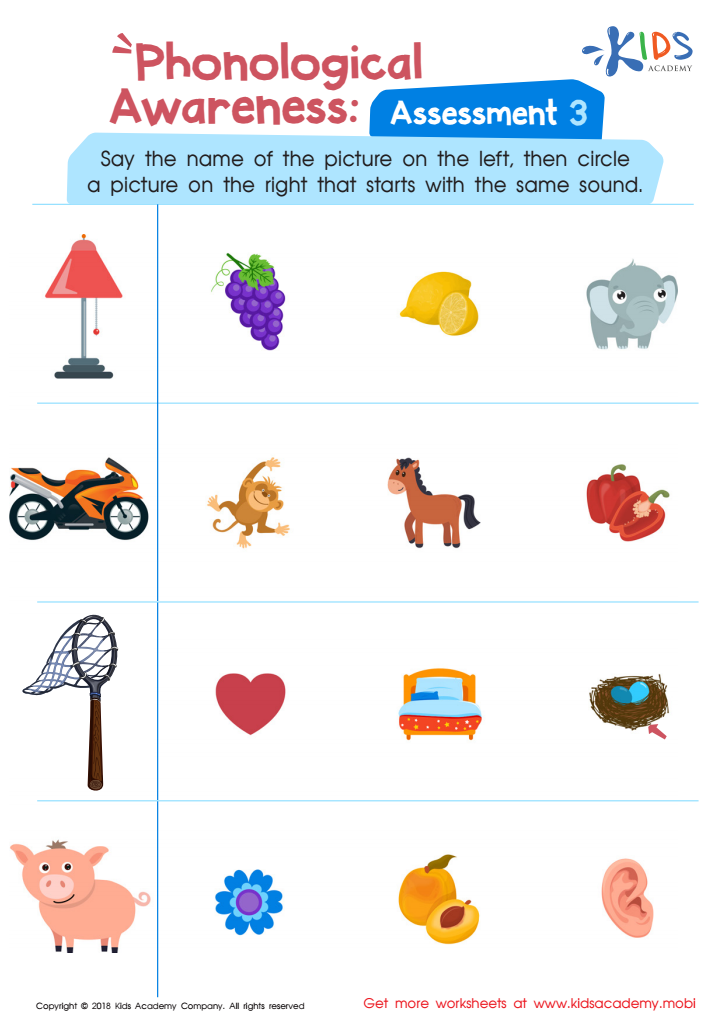
Phonological Awareness: Assessment 3 Worksheet
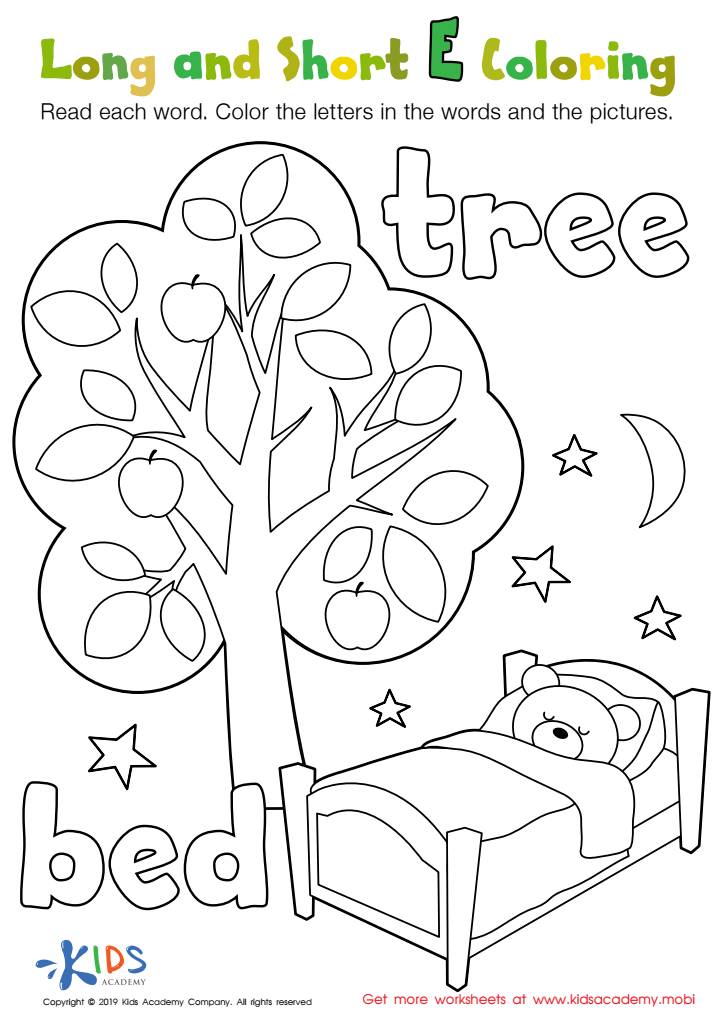
Long and Short E Worksheet
Assign to My Students
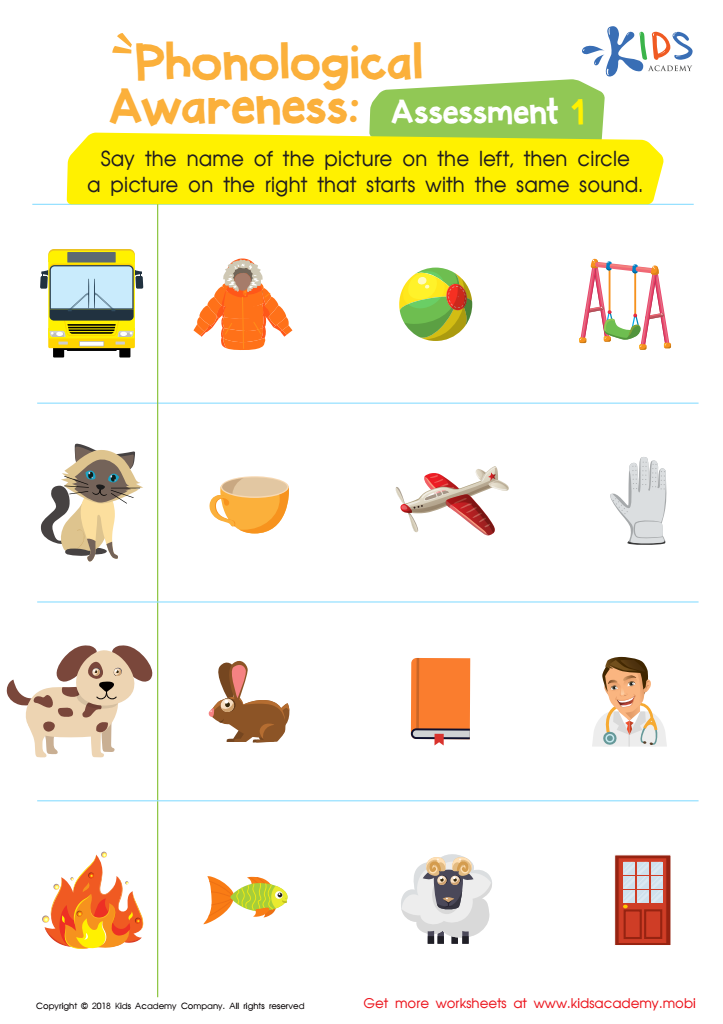
Phonological Awareness: Assessment 1 Worksheet








Letter recognition and phonics are fundamental building blocks for early literacy, making them essential skills for 6-year-olds to master. Parents and teachers should prioritize these skills because they form the foundation upon which reading and writing abilities are built.
Letter recognition involves identifying both the name and sound of each letter in the alphabet. This skill is crucial because it allows children to understand that each letter represents a specific sound, leading to easier decoding of words. When a child recognizes letters quickly and effortlessly, it accelerates their ability to blend sounds, an essential step in phonics.
Phonics instruction teaches children how to connect sounds with letters or groups of letters and how to use these associations to read words. Strong phonics skills help children decode new words, bolstering their ability to read fluently and comprehend text efficiently. As they become proficient readers, they are more likely to enjoy reading, which fosters a lifelong love of learning.
Moreover, early letter recognition and phonics skills are predictors of academic success. Children who struggle in these areas are often at risk for difficulties in other subjects, as literacy is integral to understanding most school material. Hence, investing time and resources in teaching letter recognition and phonics at this pivotal age sets children on a pathway to academic achievement and long-term educational success.







