Reading proficiency Phonics Worksheets for 6-Year-Olds
6 filtered results
-
From - To
Enhance your child's reading skills with our engaging Phonics Worksheets designed specifically for 6-year-olds! Our expertly crafted sheets focus on comprehensive phonics concepts, including letter sounds, blends, and decoding practice. Each worksheet combines stimulating activities and fun illustrations to captivate young learners, making reading both educational and enjoyable. By gradually increasing in complexity, these worksheets fully support children in developing essential foundational skills that boost reading proficiency and confidence in their abilities. Perfect for classroom use or homeschool environments, our phonics worksheets provide a solid groundwork for your child's literacy journey. Give your young reader the tools to succeed with Kids Academy!
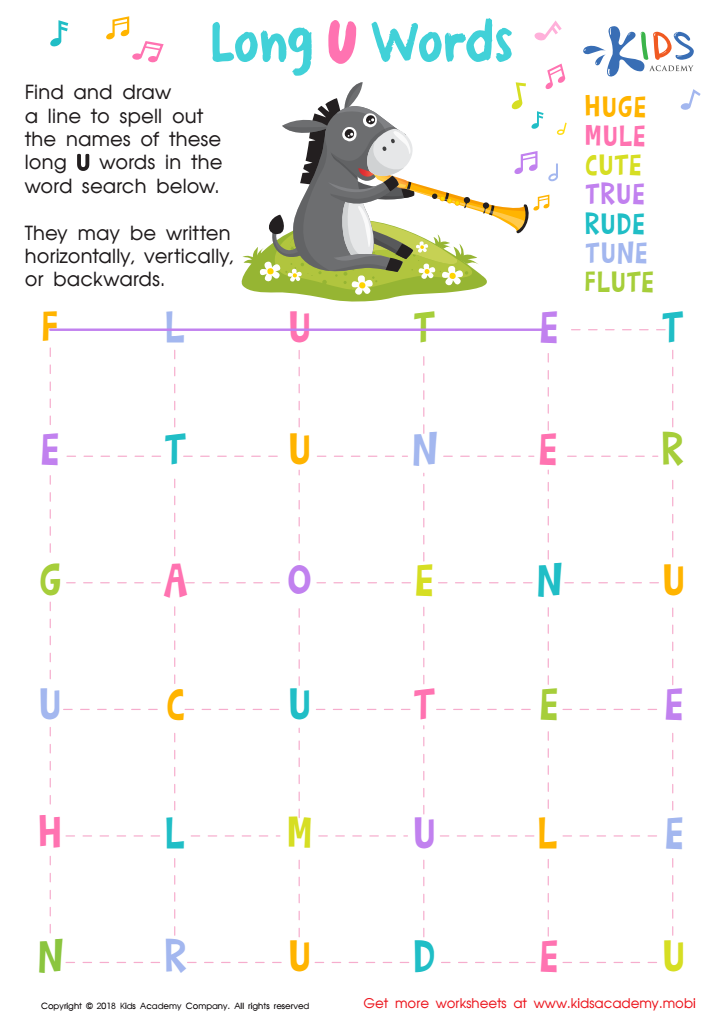
Long /u/ Words Worksheet
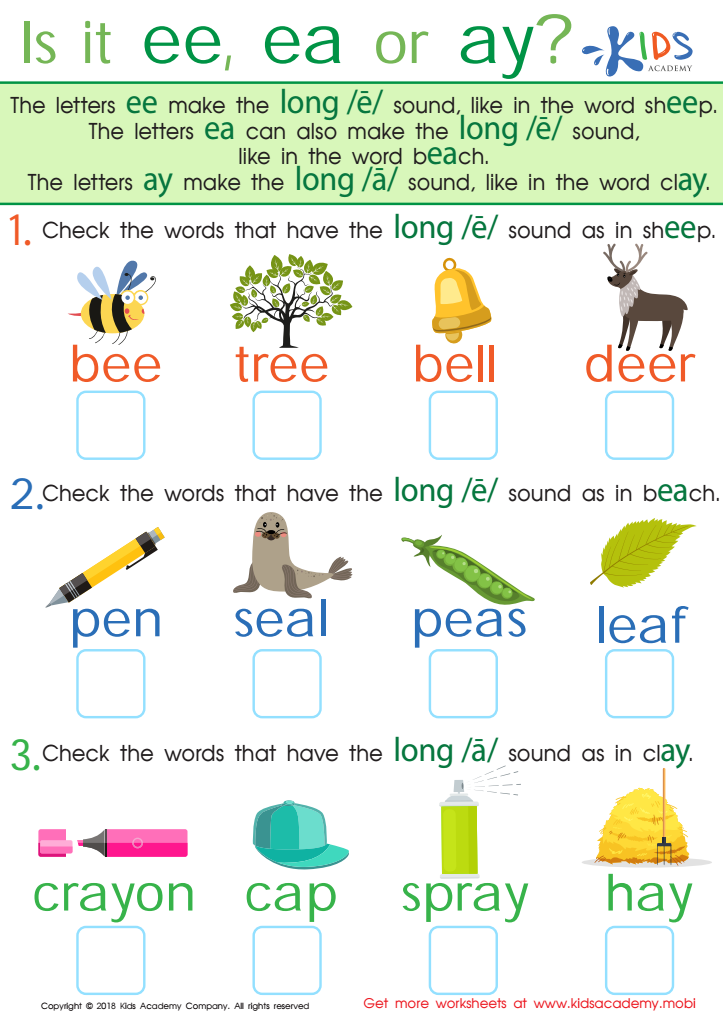
Is It EE, EA, or AY? Worksheet
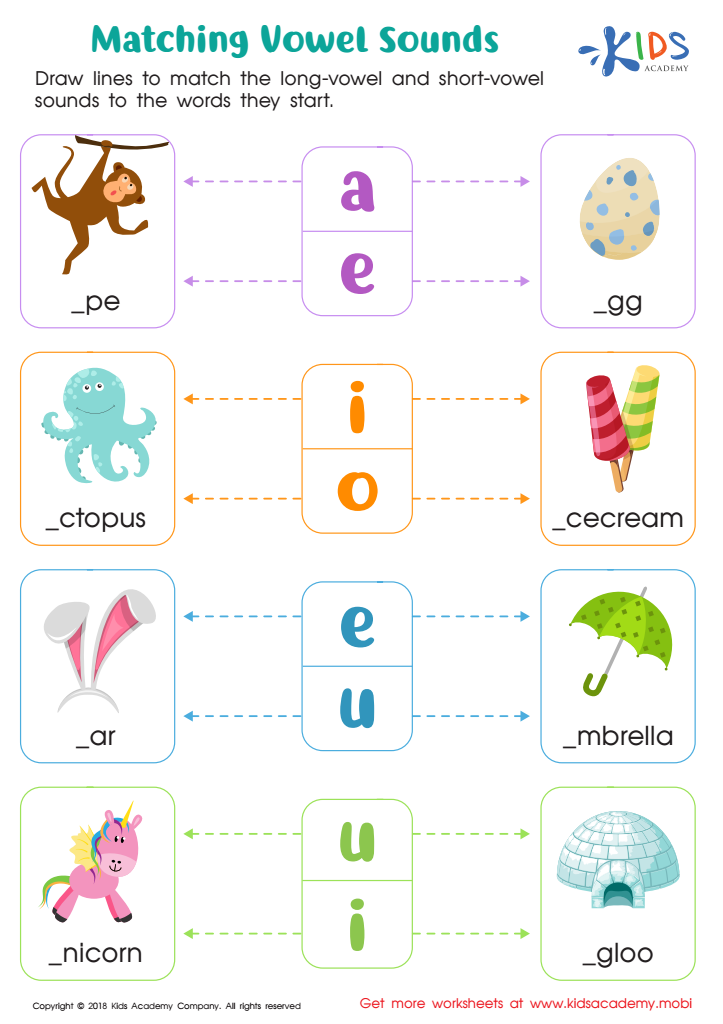
Matching Vowel Sounds Worksheet
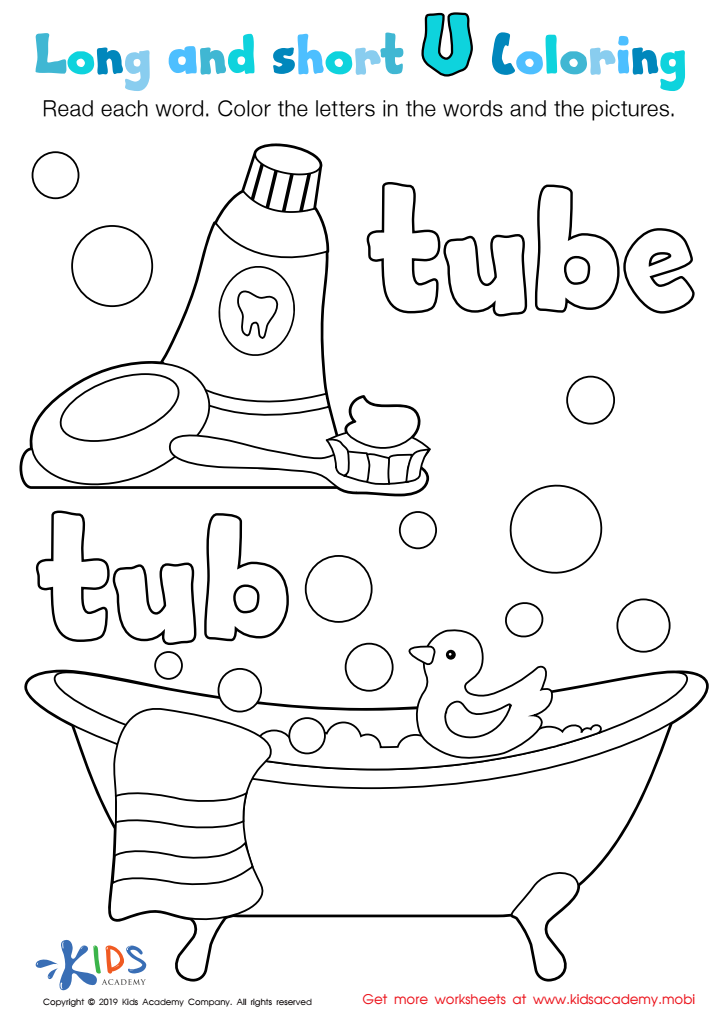
Long and Short U Worksheet
 Assign to My Students
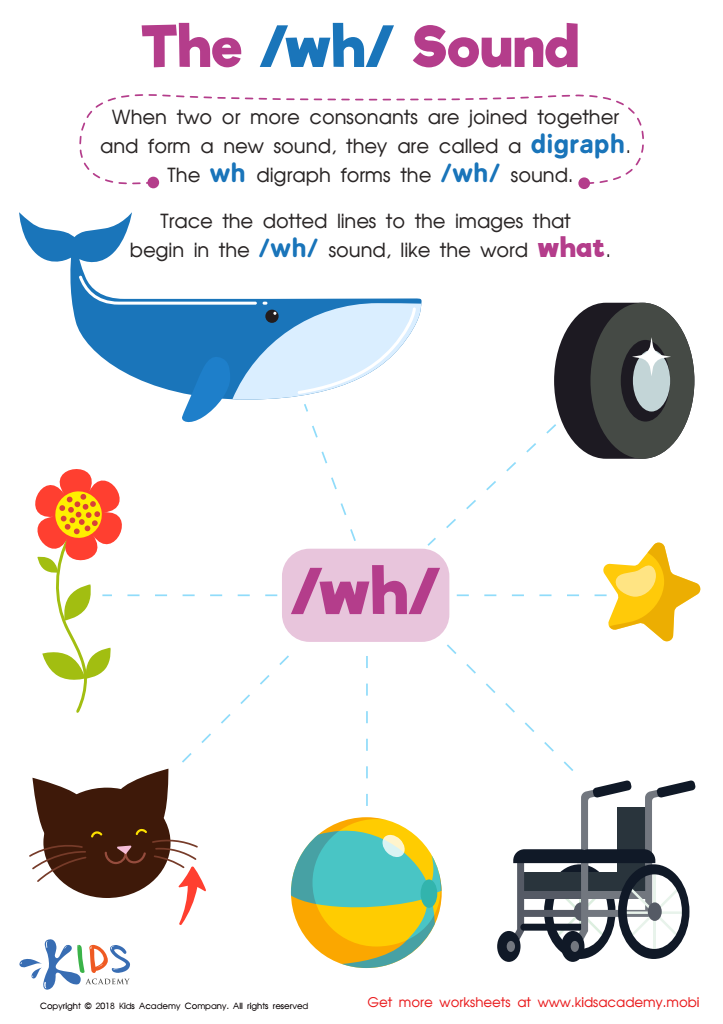
The /wh/ Sound Worksheet
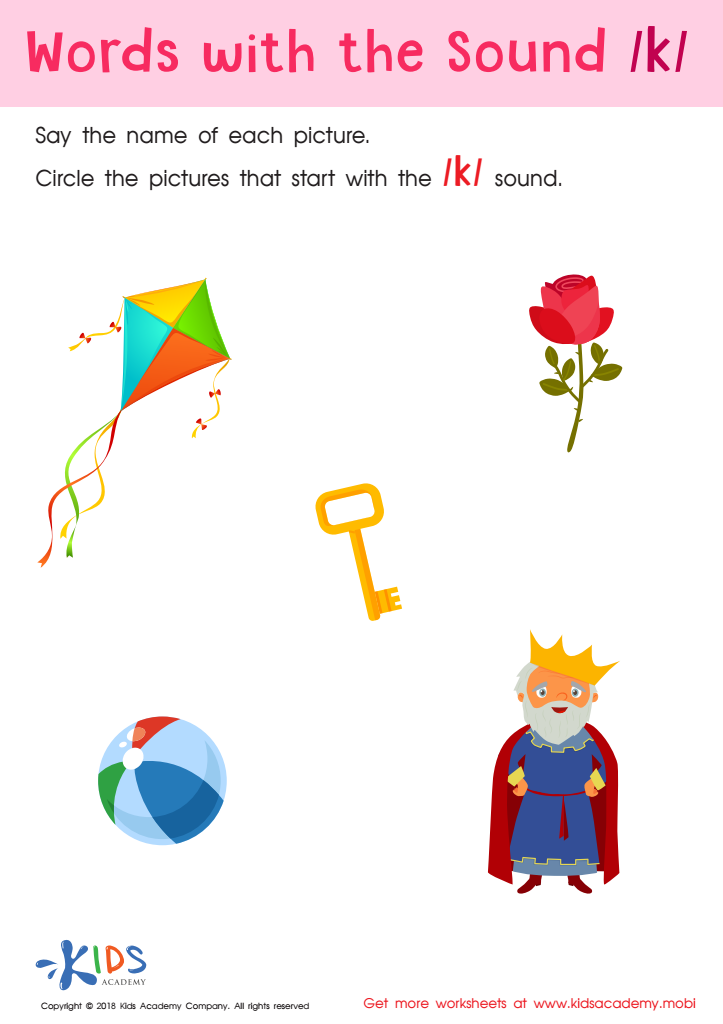
Words with sound k Reading Worksheet








Reading proficiency, especially through a solid foundation in phonics, is crucial for 6-year-olds for various compelling reasons. Phonics, which is the method of teaching reading based on sound-letter relationships, serves as the building block for all future literacy skills. At this developmental stage, children are highly receptive to learning how to decode words, an essential skill that directly impacts their ability to read fluently and comprehend text.
The significance of phonics extends beyond just reading. Proficiency in reading underpins academic success across all subjects, as it enables children to access, engage with, and understand instructional materials. Early reading skills foster a love for learning, boost confidence, and increase a child's eagerness to participate in the classroom. Moreover, children who master phonics and develop strong reading skills at a young age are better equipped to avoid future academic difficulties, as struggling readers often face challenges across other areas of school life.
Furthermore, reading proficiency is linked to improved concentration, critical thinking, and the ability to self-direct learning. These skills are critical as children grow and face more complex texts and rigorous academic standards. Therefore, parents and teachers should prioritize reading proficiency with phonics to enhance academic outcomes and support lifelong learning and literacy.







