Sound Association Phonics Worksheets for 6-Year-Olds
13 filtered results
-
From - To
Introduce your child to the exciting world of phonics with our Sound Association Phonics Worksheets designed specifically for 6-year-olds! These engaging worksheets help young learners develop crucial literacy skills by associating sounds with corresponding letters and words. With fun illustrations and interactive activities, children will enjoy practicing their phonetic recognition and improving their reading abilities. Ideal for homeschooling or classroom use, our worksheets provide a solid foundation for your child's educational journey. Equip your little one with the tools to succeed in reading and writing while having fun! Explore our collection and watch their confidence grow as they master sound associations!
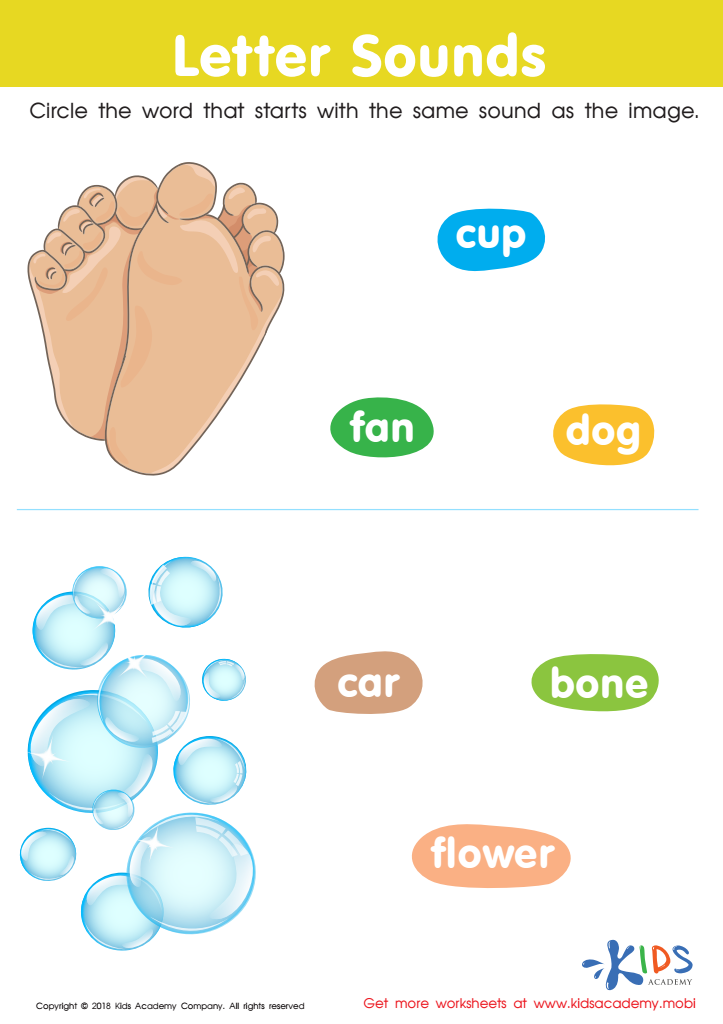
letter sounds Worksheet
 Assign to My Students
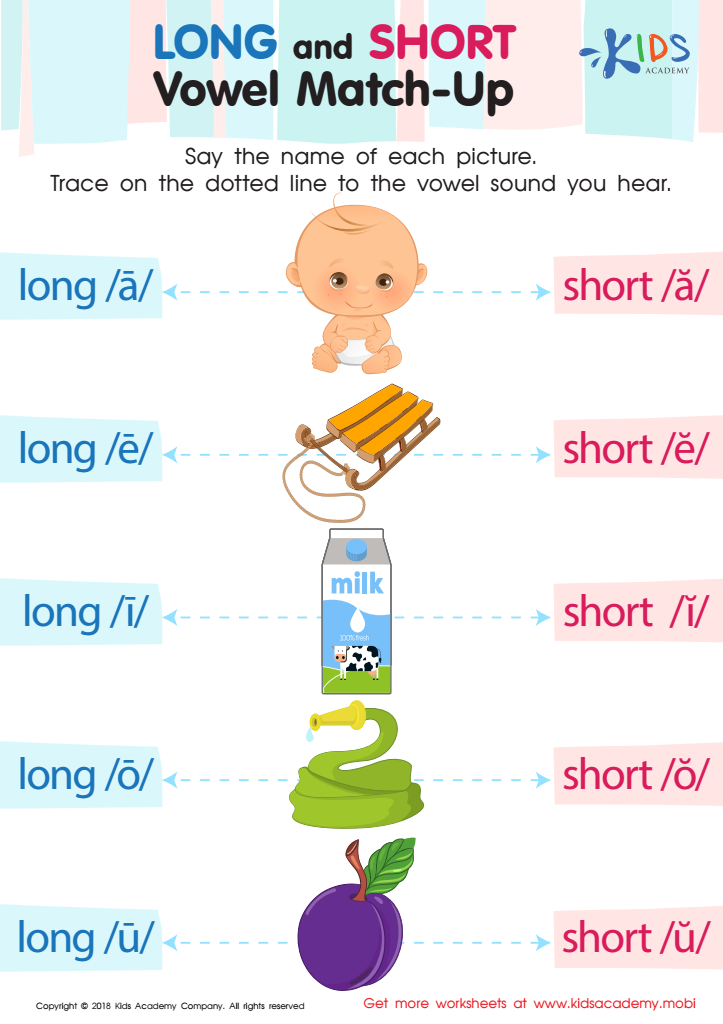
Long and Short Vowel Match up Reading Worksheet
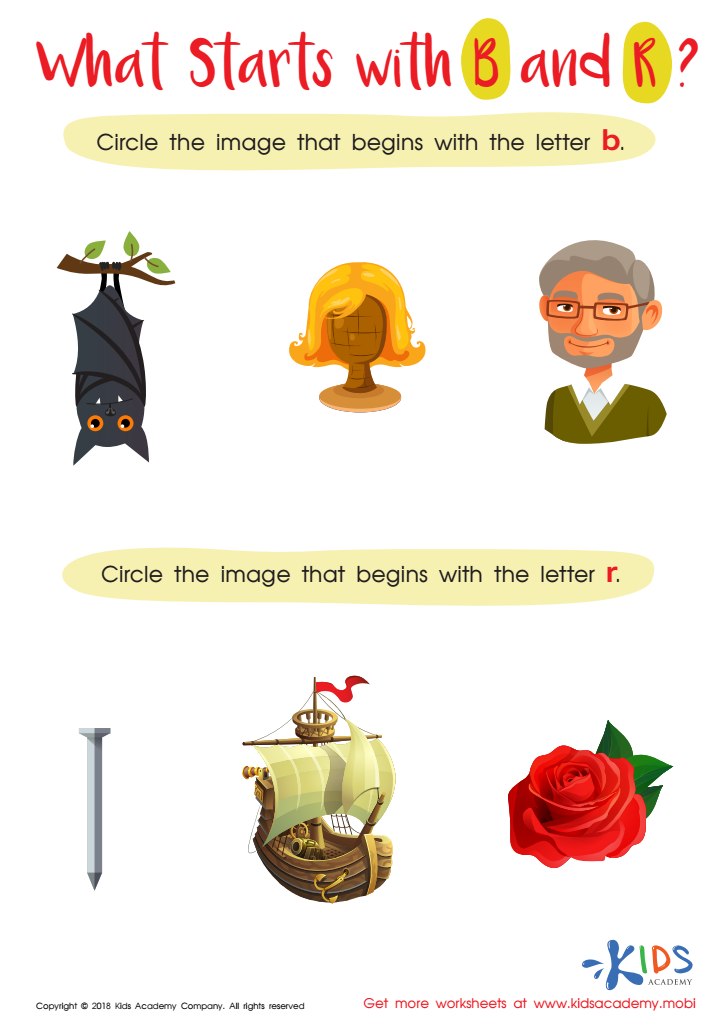
What Starts with B and R? Worksheet
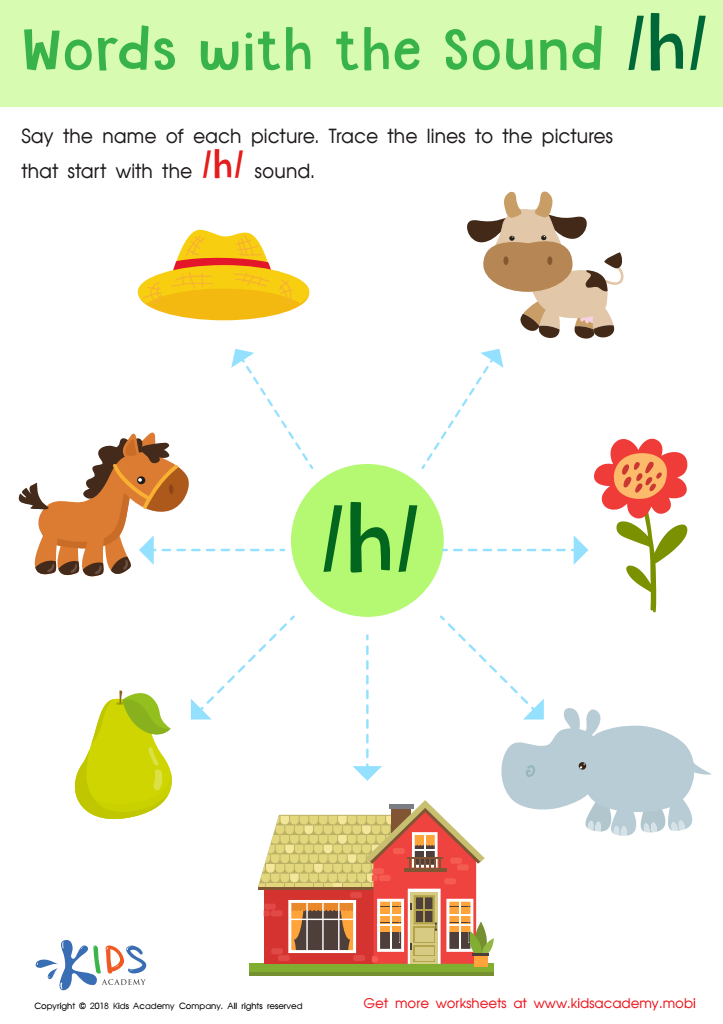
Words with sound h Reading Worksheet
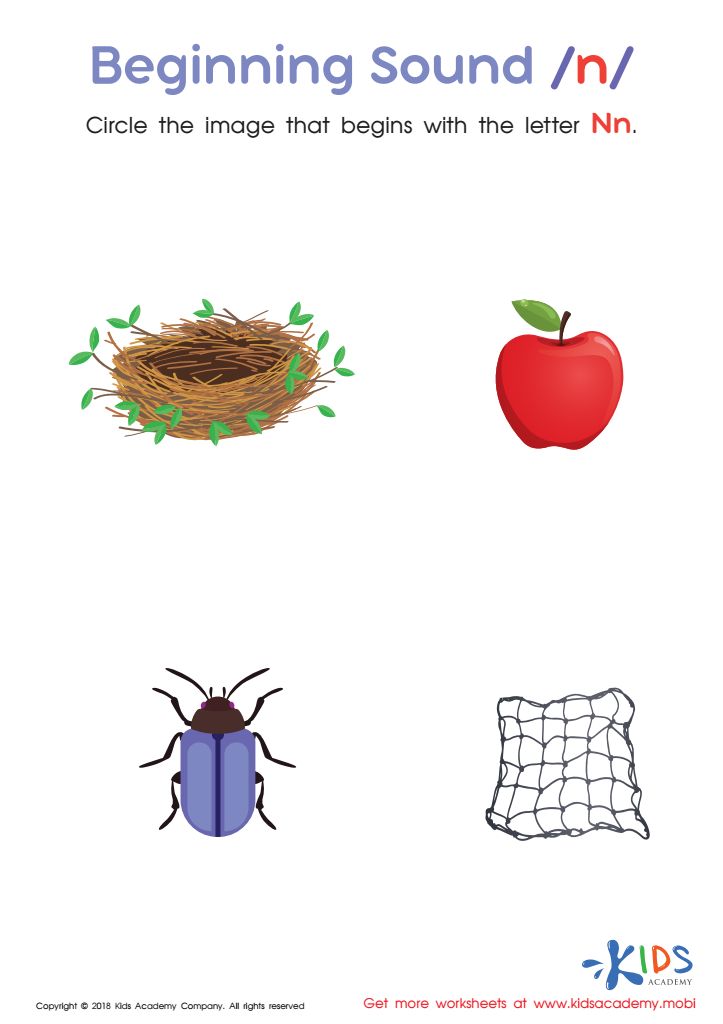
Beginning Sound «n» Worksheet
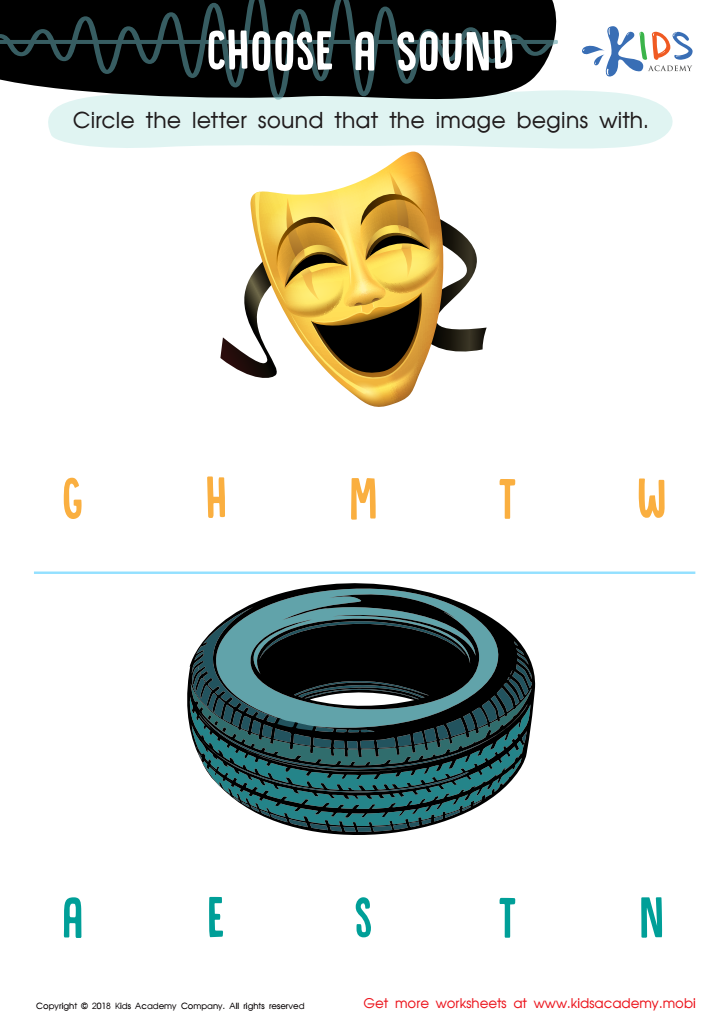
Choose a Sound Worksheet
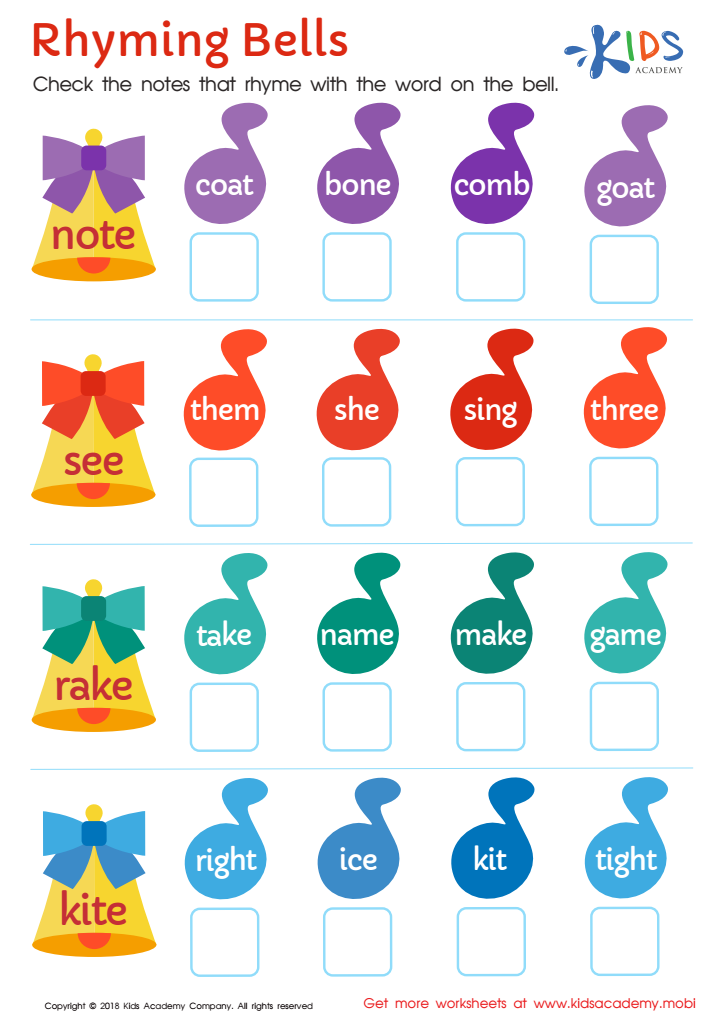
Rhyming Bells Worksheet
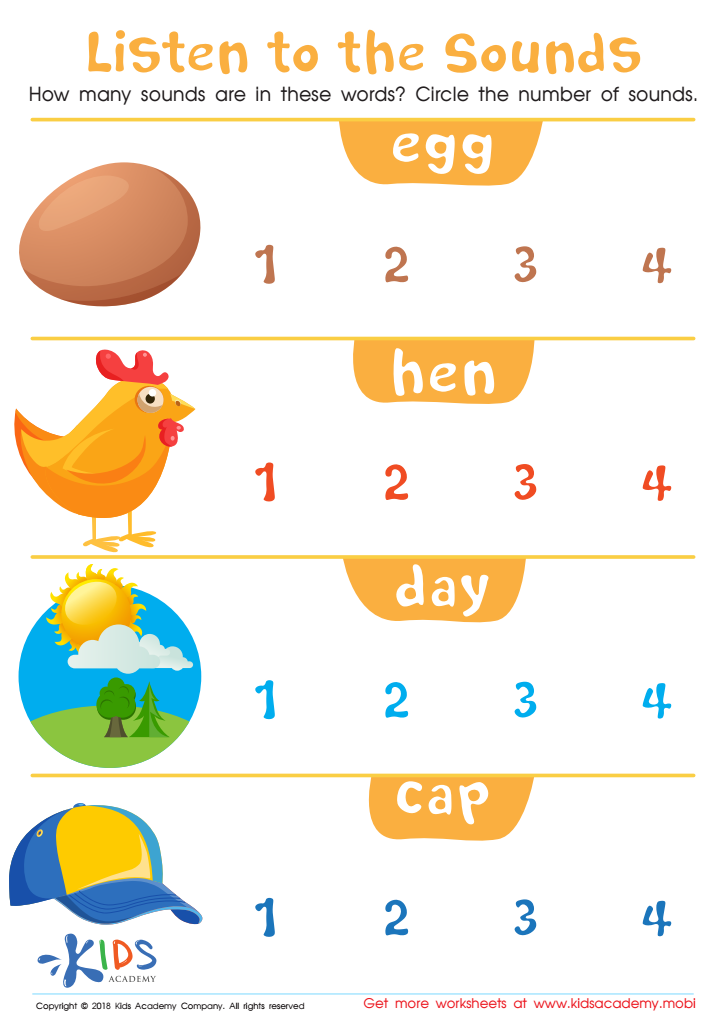
Listen to the Sounds Worksheet
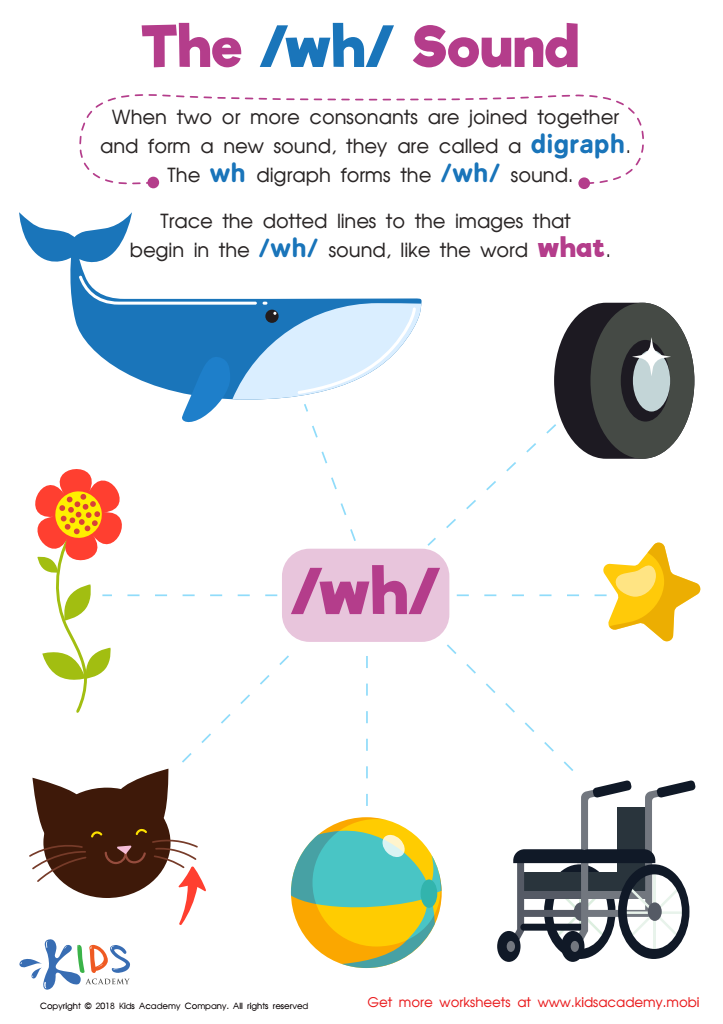
The /wh/ Sound Worksheet
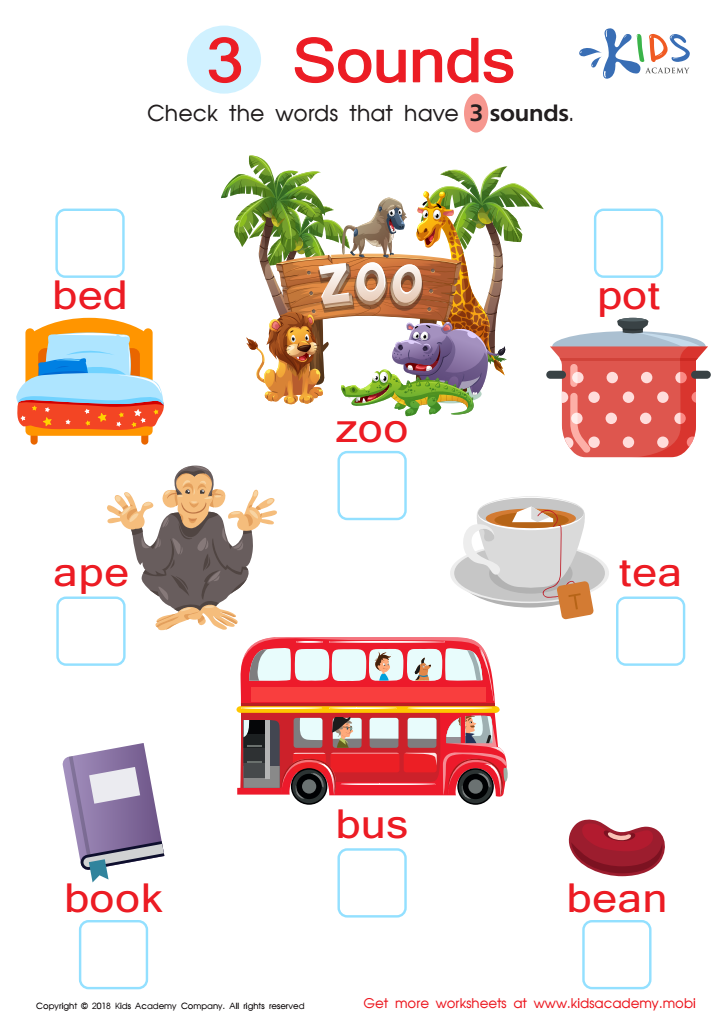
3 Sounds Worksheet
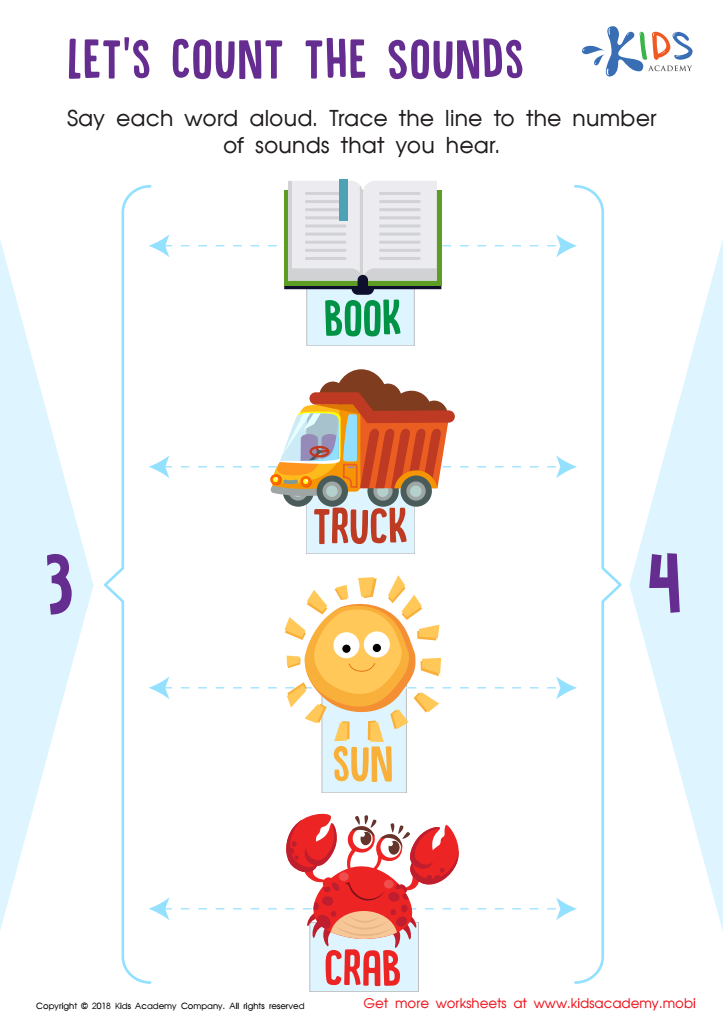
Let's Count the Sounds Worksheet
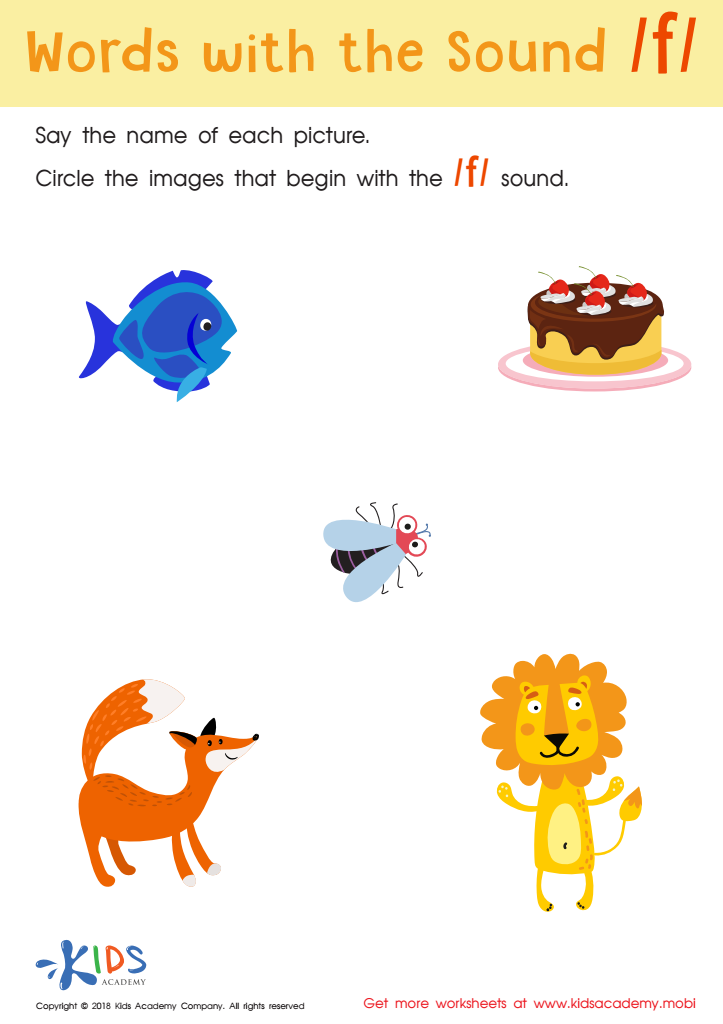
Words with sound f Reading Worksheet
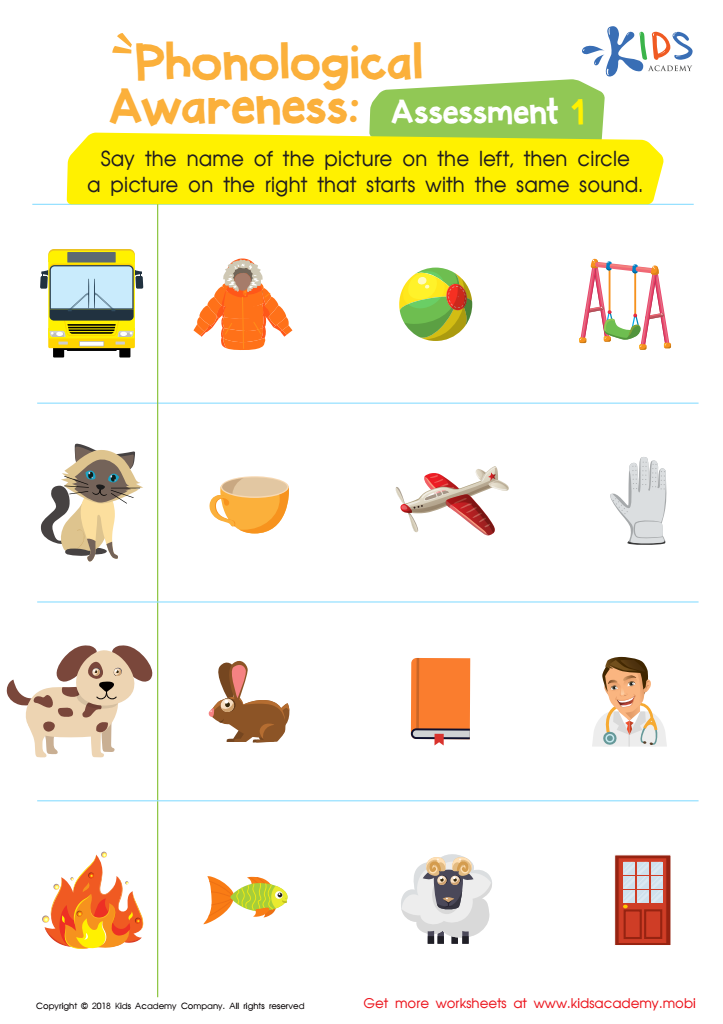
Phonological Awareness: Assessment 1 Worksheet








Sound Association Phonics is a crucial aspect of early literacy development for 6-year-olds. At this age, children are in a critical stage of learning to read, and understanding the relationship between sounds and letters greatly enhances their reading abilities. By focusing on sound association, children learn to connect phonemes (the sounds of speech) to graphemes (the letters and letter combinations that represent those sounds).
Parents and teachers should care about this approach because it lays the groundwork for fluent reading and comprehension skills. Proficient phonics instruction not only helps children decode words but also boosts their confidence in tackling new texts. When children grasp sound-letter connections, they are more likely to develop a love for reading, which can have lasting academic benefits. Furthermore, strong reading skills are linked to overall academic success, impacting math, science, and social studies.
Moreover, phonics instruction supports differentiated learning. Children with varying abilities in language and literacy will benefit from sound association strategies tailored to their unique needs. Thus, promoting a strong foundation in phonics helps ensure all children have equal opportunities to thrive in their educational journey, making it essential for both parents and teachers to prioritize this component of literacy education.







