Fine Motor Skills Tracing Letters Worksheets for 6-Year-Olds - Page 2
34 filtered results
-
From - To
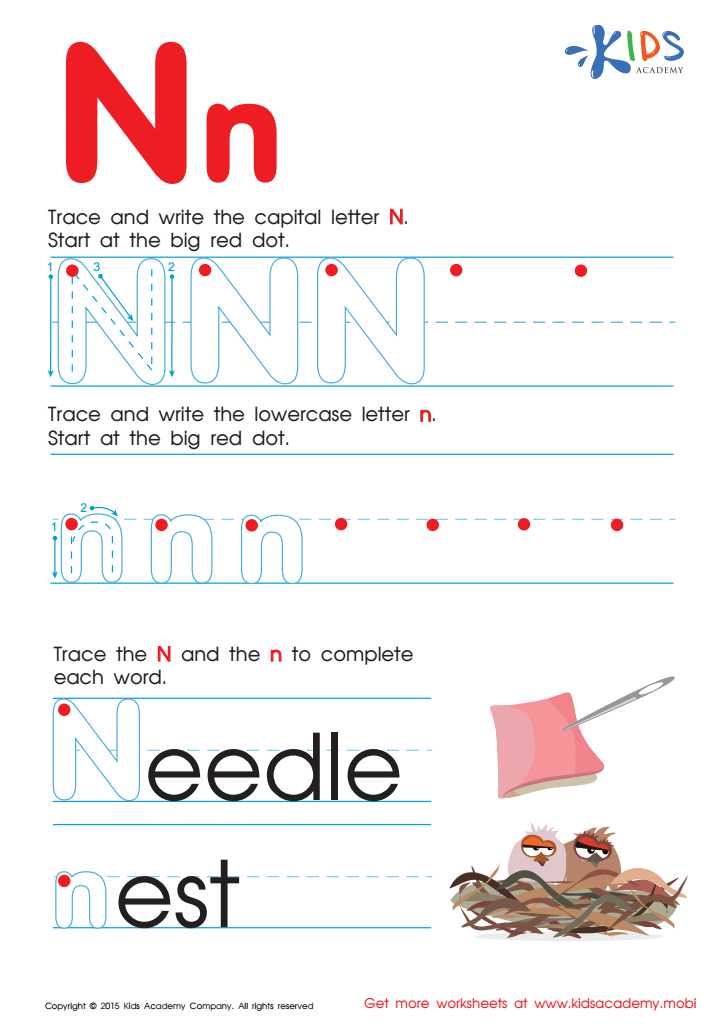
Letter N Tracing Page
 Assign to My Students
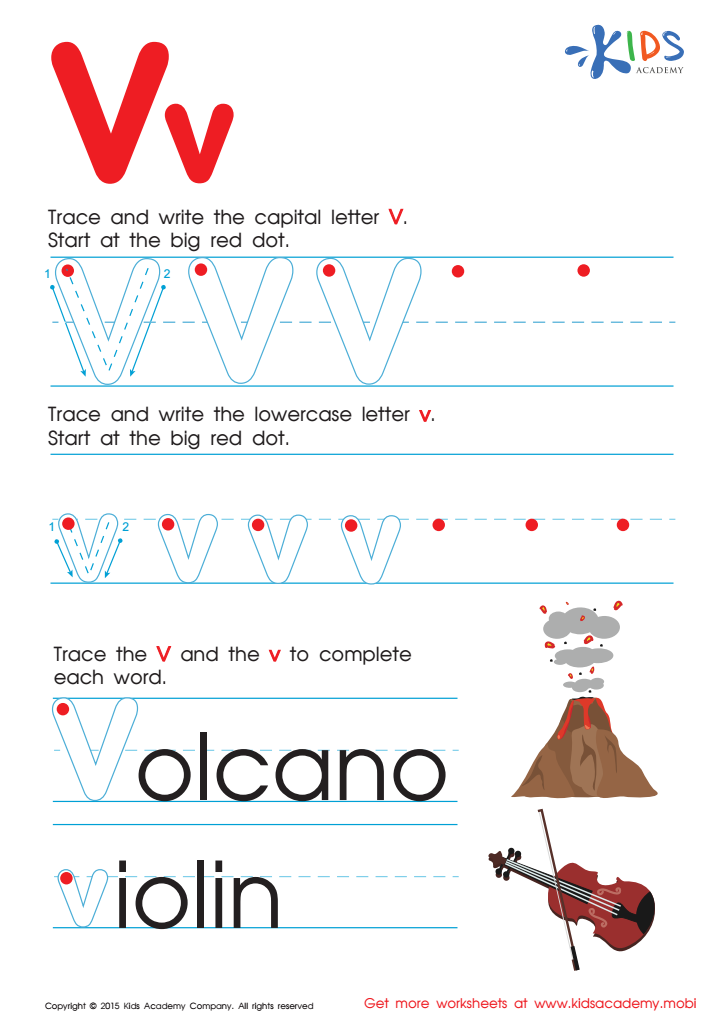
Letter V Tracing Page
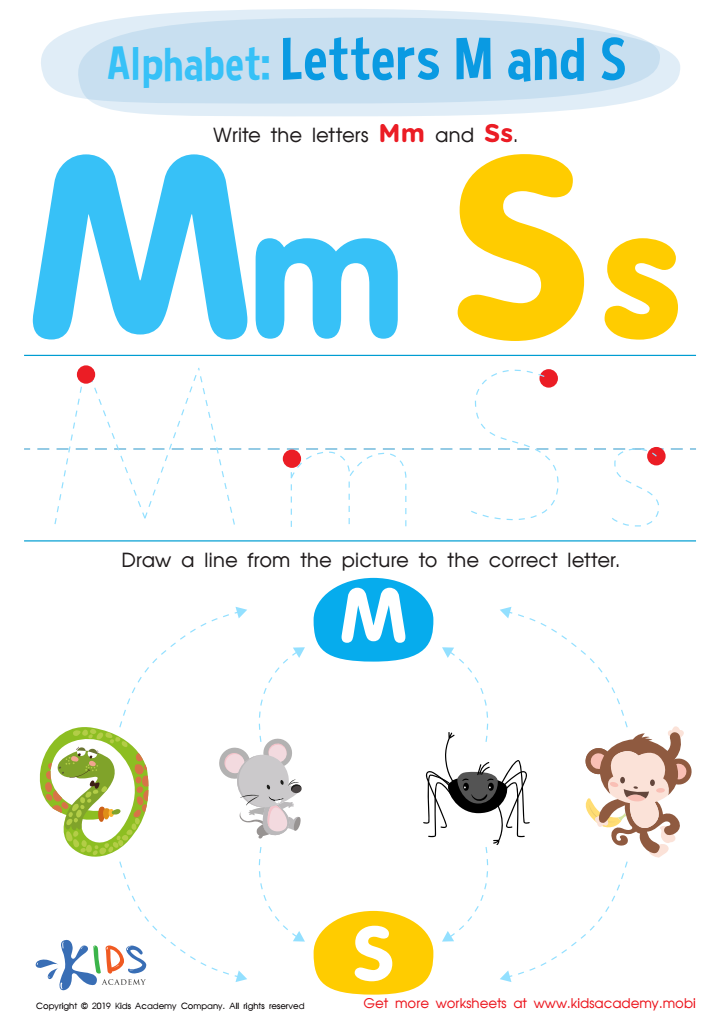
Letters M and S Tracing Worksheet
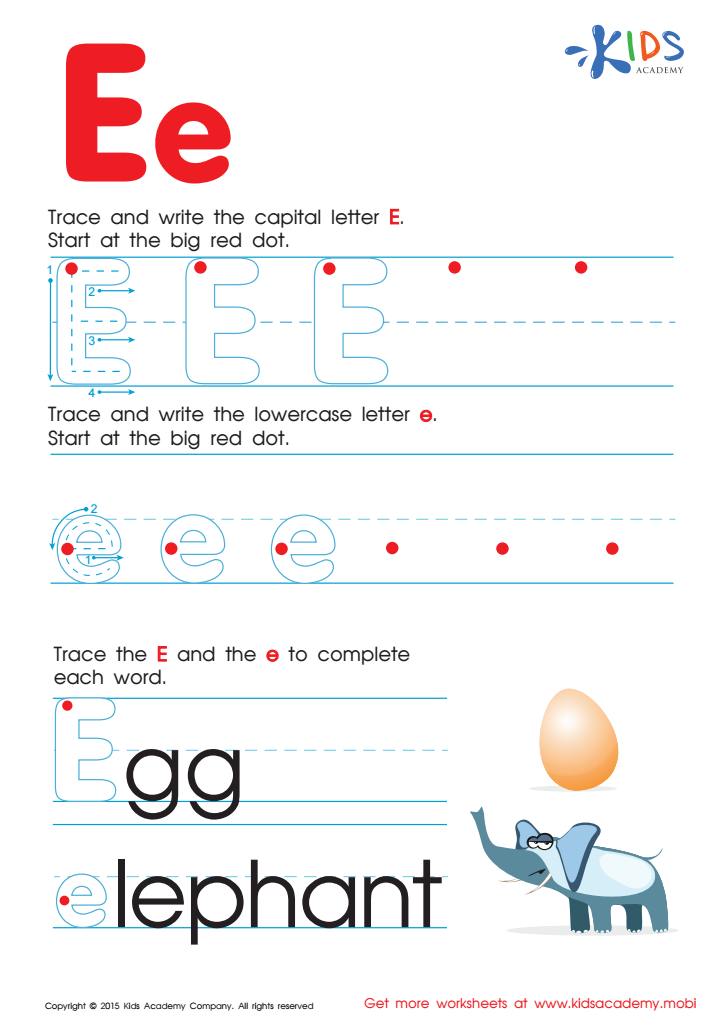
Letter E Tracing Page
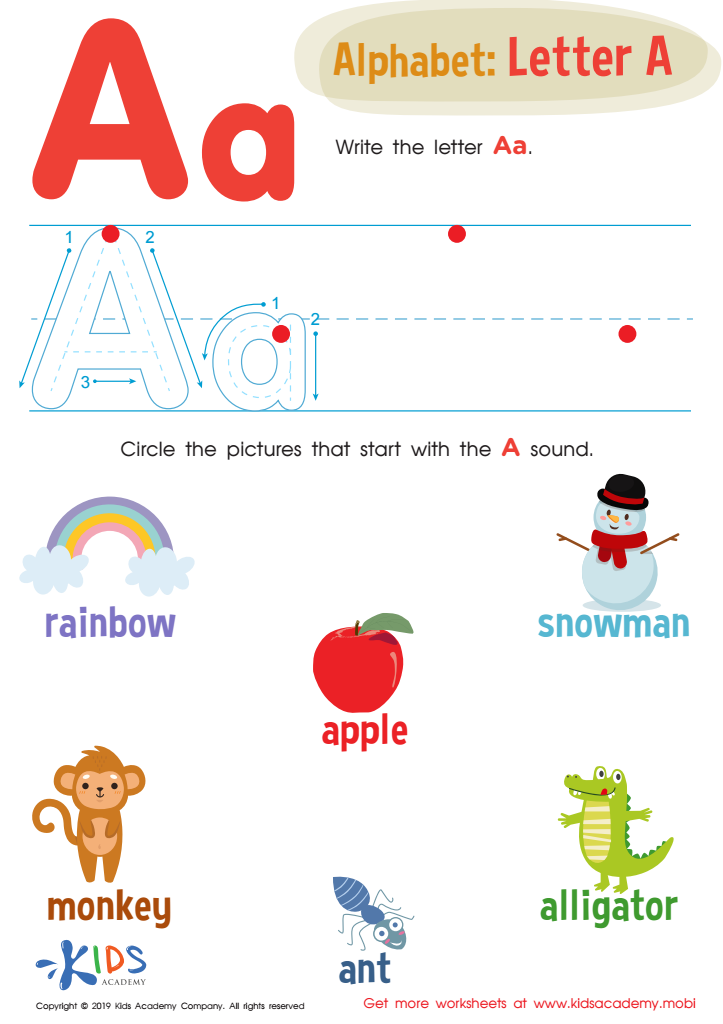
Letter A Tracing Worksheet
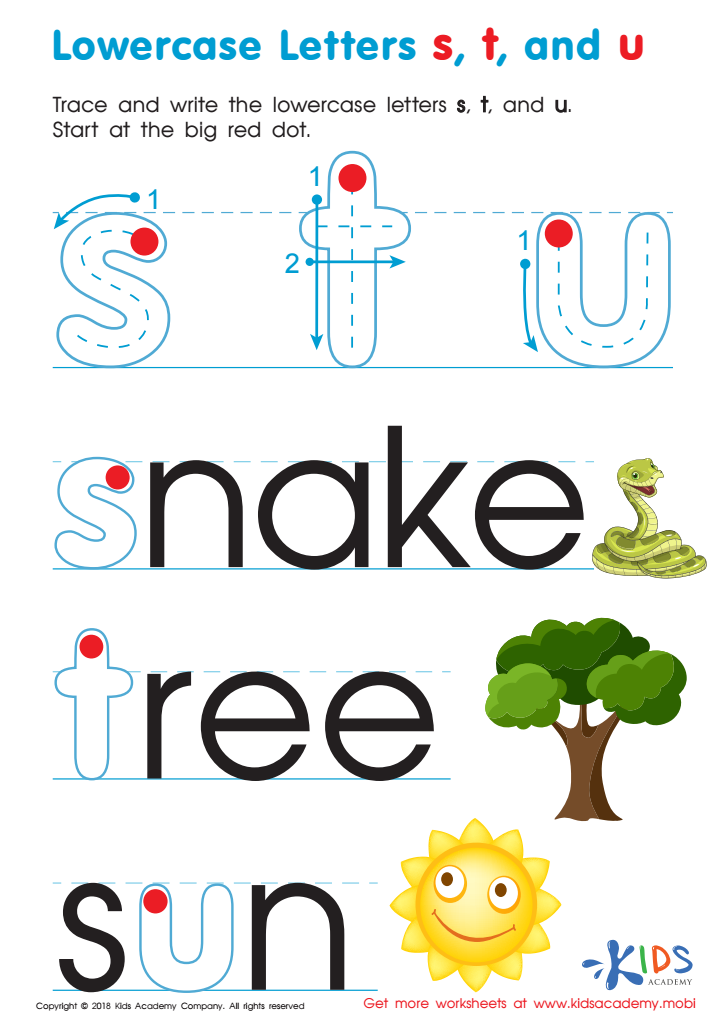
Lowercase Letters s t u Worksheet
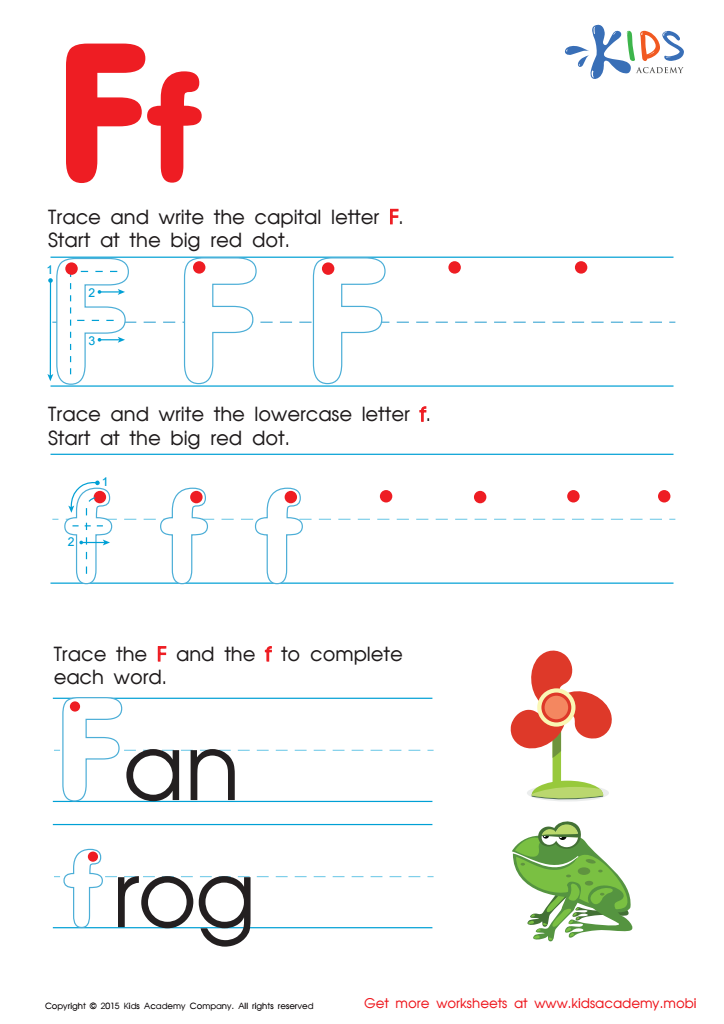
Letter F Tracing Page
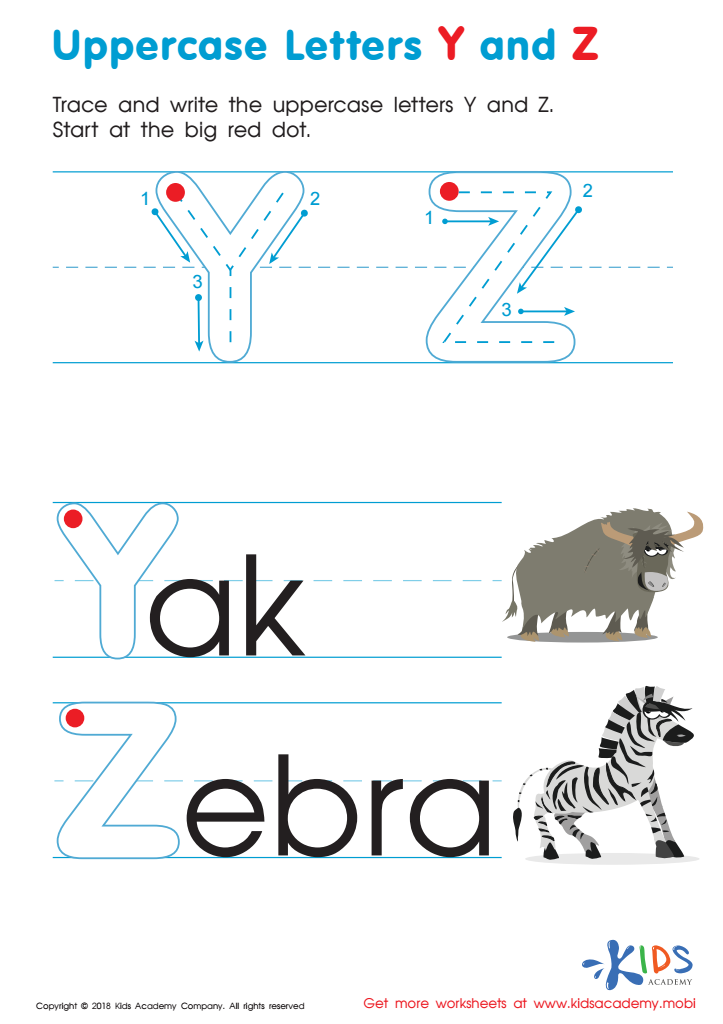
Uppercase Letters Y Z Worksheet
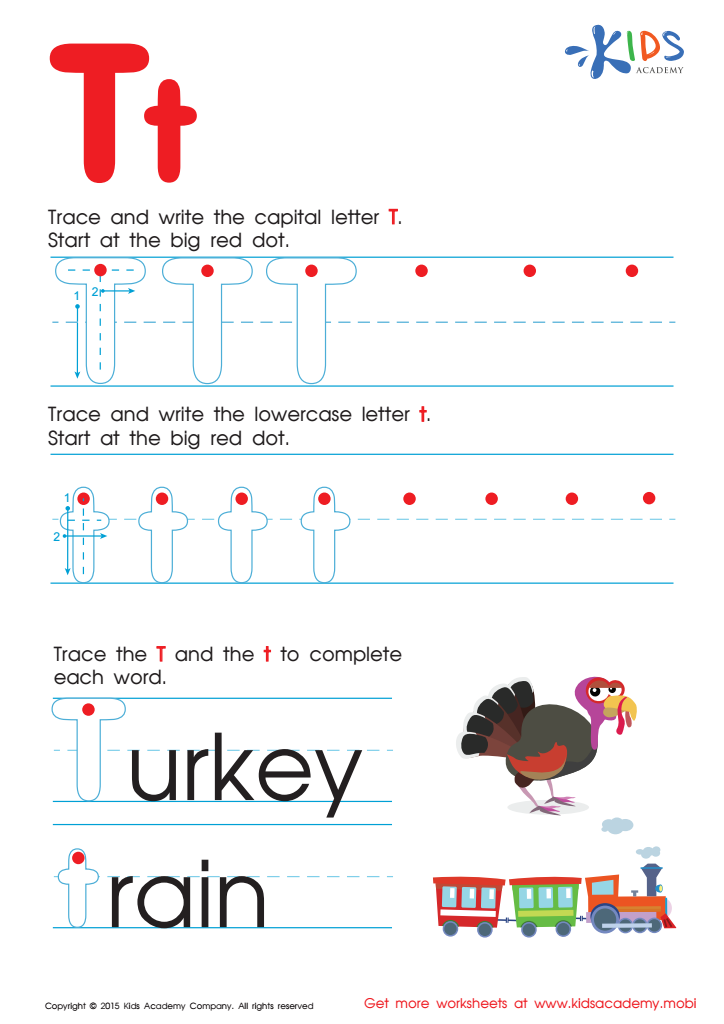
Letter T Tracing Page

Letter D Tracing Page








Fine motor skills are crucial for a child's development, especially in activities like tracing letters. At the age of six, children are at a vital stage in their fine motor development, which involves the coordination of small muscles in the hands and fingers. Tracing letters helps them improve hand-eye coordination, control, and dexterity, all of which are essential for tasks such as writing, cutting, and buttoning.
Parents and teachers should prioritize tracing letters as it lays the foundation for literacy. As children gain proficiency in gripping a pencil and forming letters, it enhances their confidence in writing, a skill they'll rely on throughout their academic journey. Additionally, fine motor skills contribute to cognitive development; as children engage in tracing, they are not only practicing letter shapes but also improving memory and focus.
Encouraging fine motor skill development through tracing makes learning enjoyable and interactive. It facilitates a strong connection between physical activity and academic achievement, fostering perseverance and patience in young learners. Ultimately, supporting children in mastering fine motor skills empowers them to communicate effectively and fosters a love for learning, setting the stage for lifelong educational success.








