Contextual understanding Worksheets for 6-Year-Olds
9 filtered results
-
From - To
Welcome to our Contextual Understanding Worksheets for 6-Year-Olds! These engaging and interactive resources are designed to enhance young learners' critical thinking and comprehension skills. Packed with colorful illustrations and age-appropriate scenarios, our worksheets help children understand context clues, make inferences, and improve their reading skills. Each activity encourages kids to think independently while applying their knowledge to real-life situations. Perfect for reinforcing classroom learning or as a fun home activity, these worksheets promote creativity and curiosity. Explore our collection today and watch your child thrive in their reading journey while developing essential skills for success!
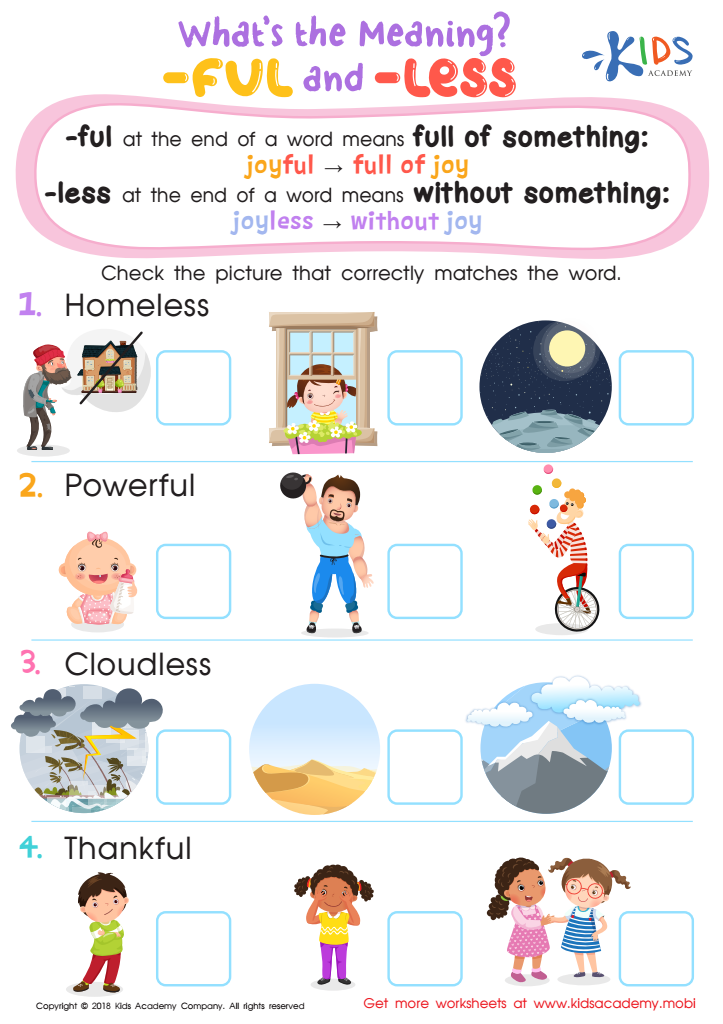
What's the Meaning? Worksheet
 Assign to My Students
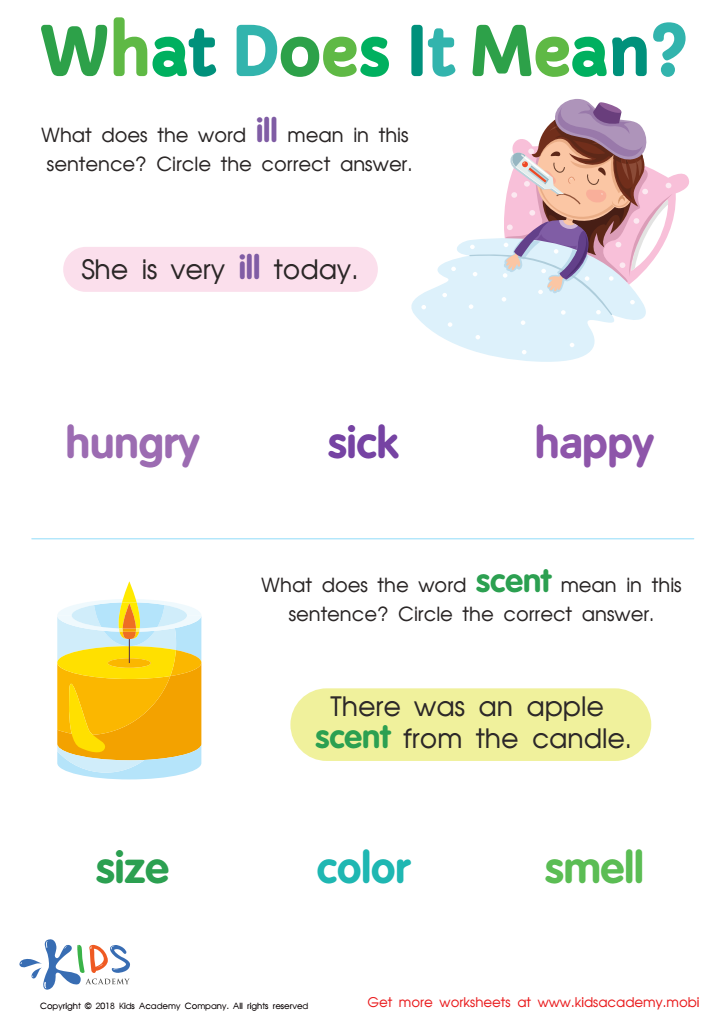
What Does It Mean? Worksheet
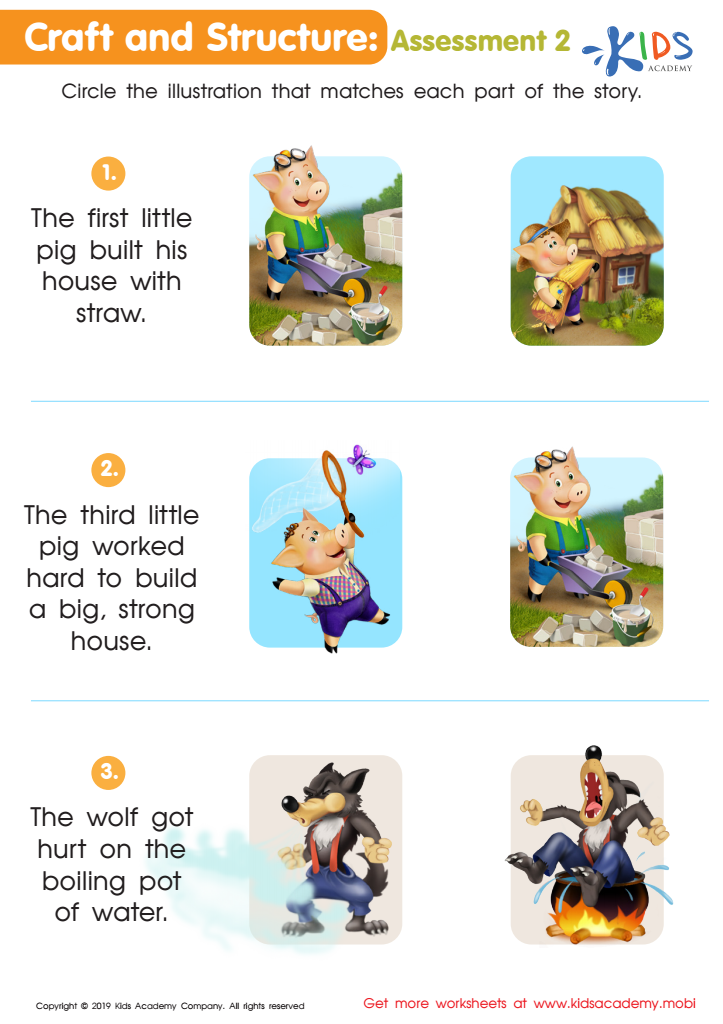
Craft and Structure: Assessment 2 Worksheet 2
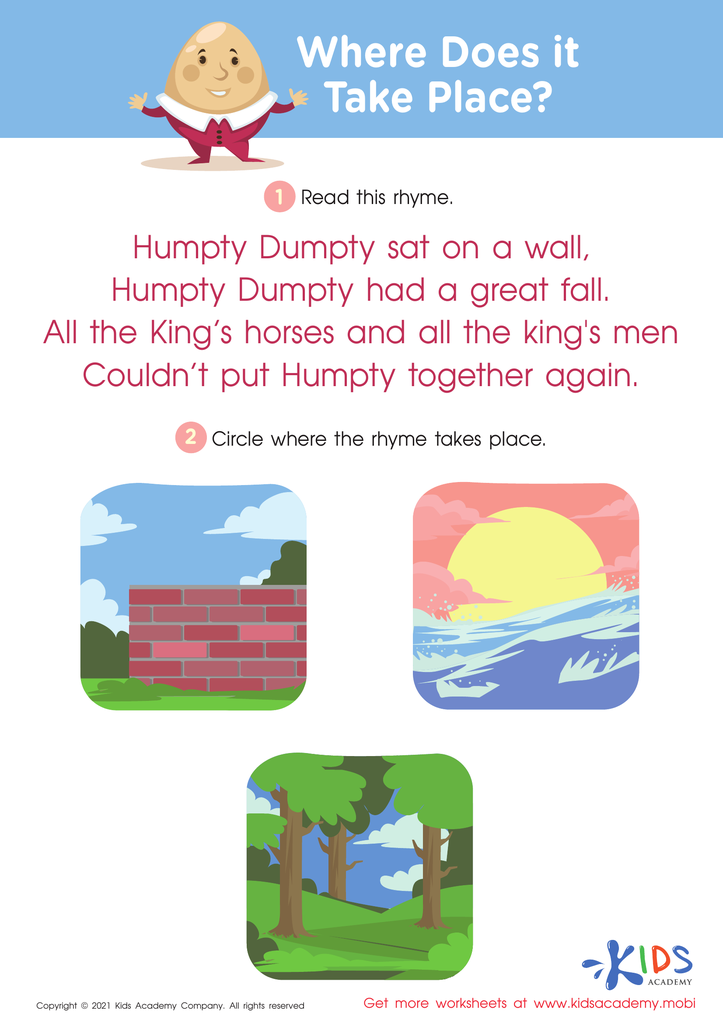
Where Does It Take Place? Worksheet
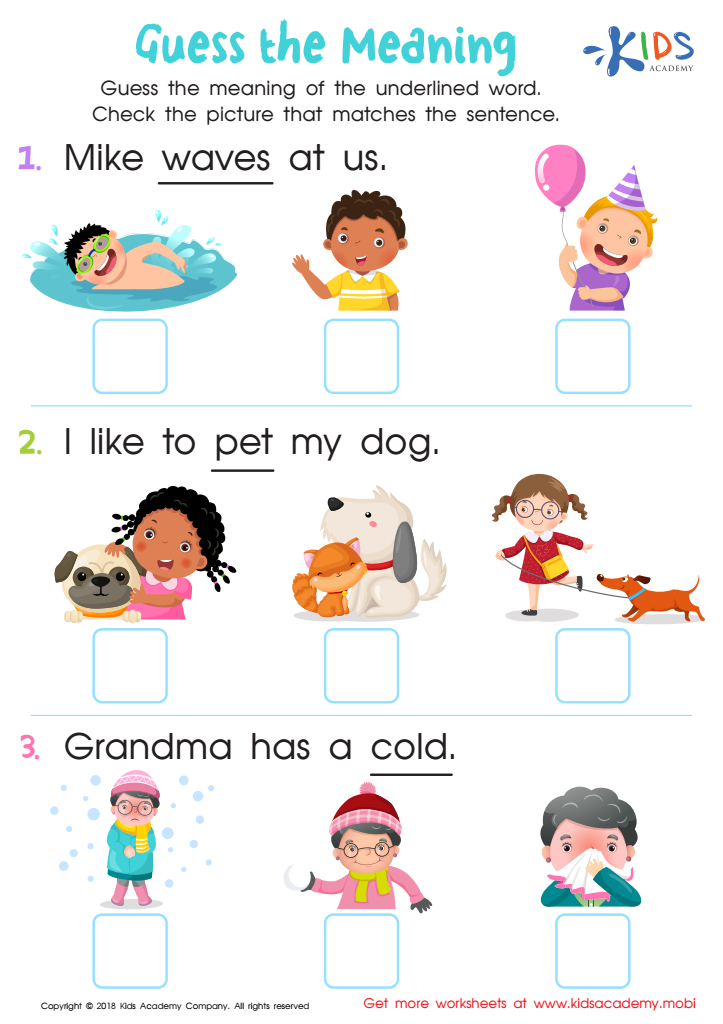
Guess the Meaning Worksheet
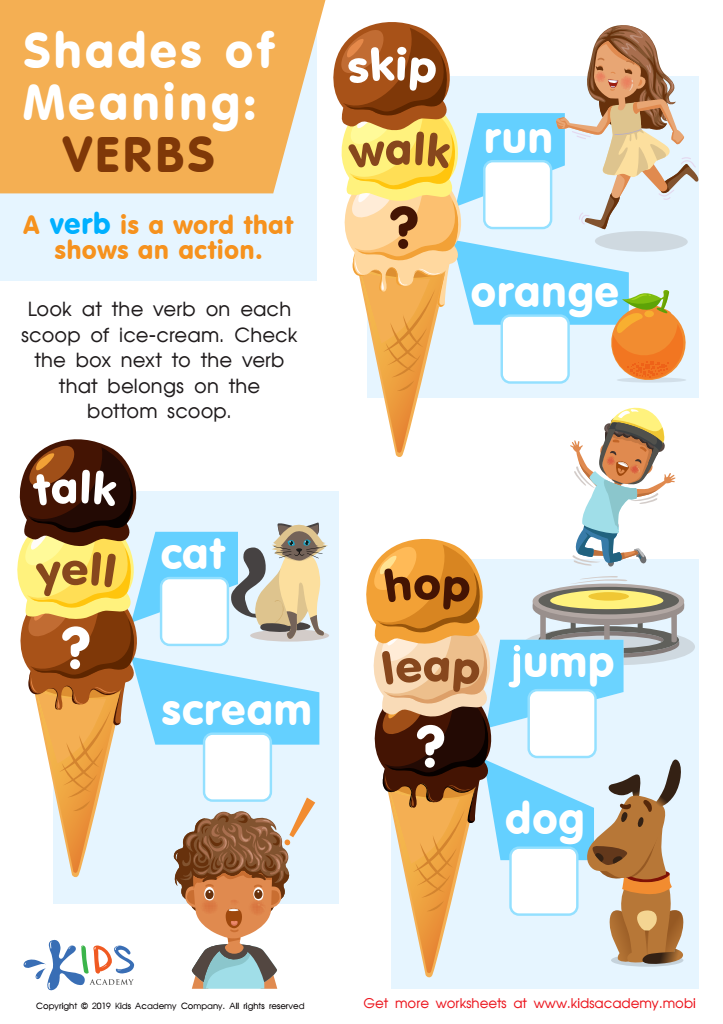
Shades of Meaning: Verbs Worksheet
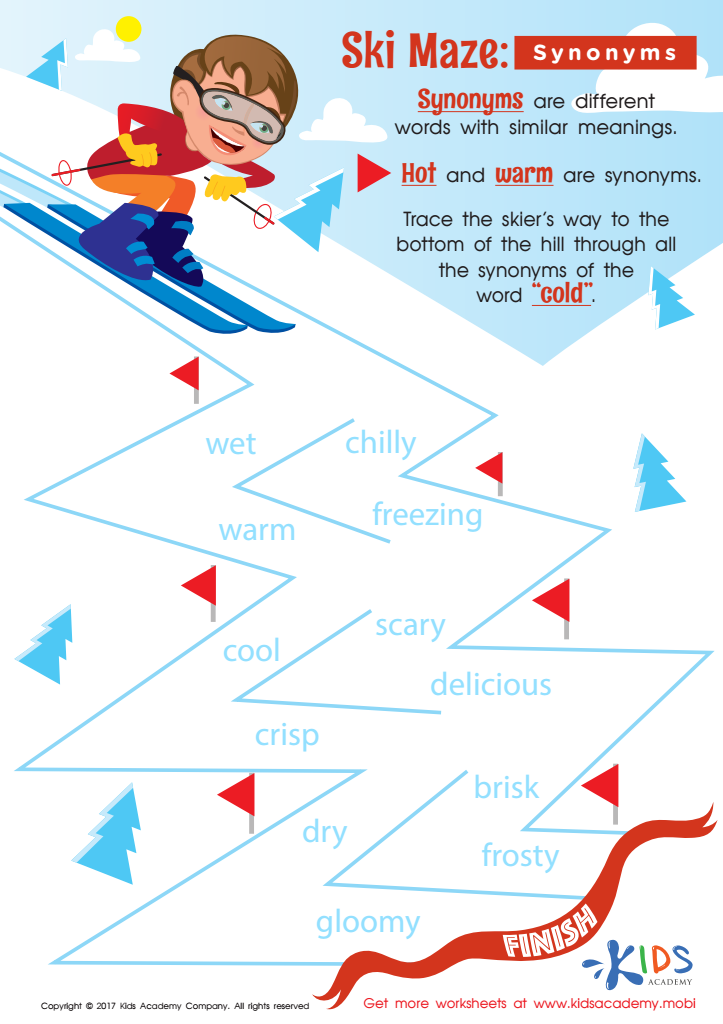
Free Printable Synonym Worksheet
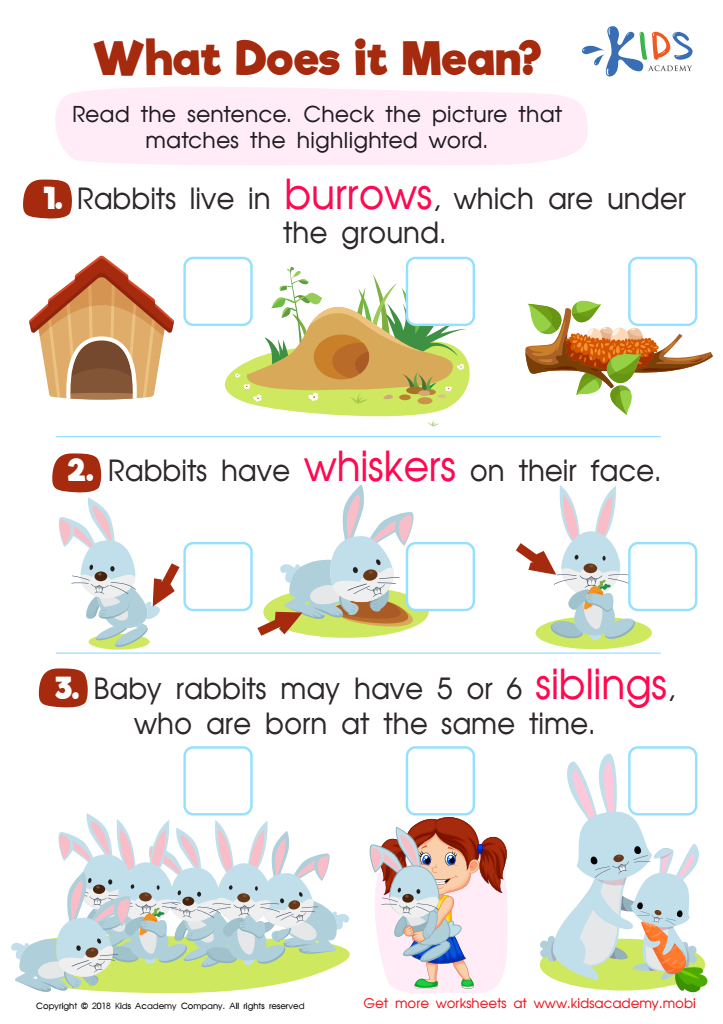
What Does It Mean? Worksheet
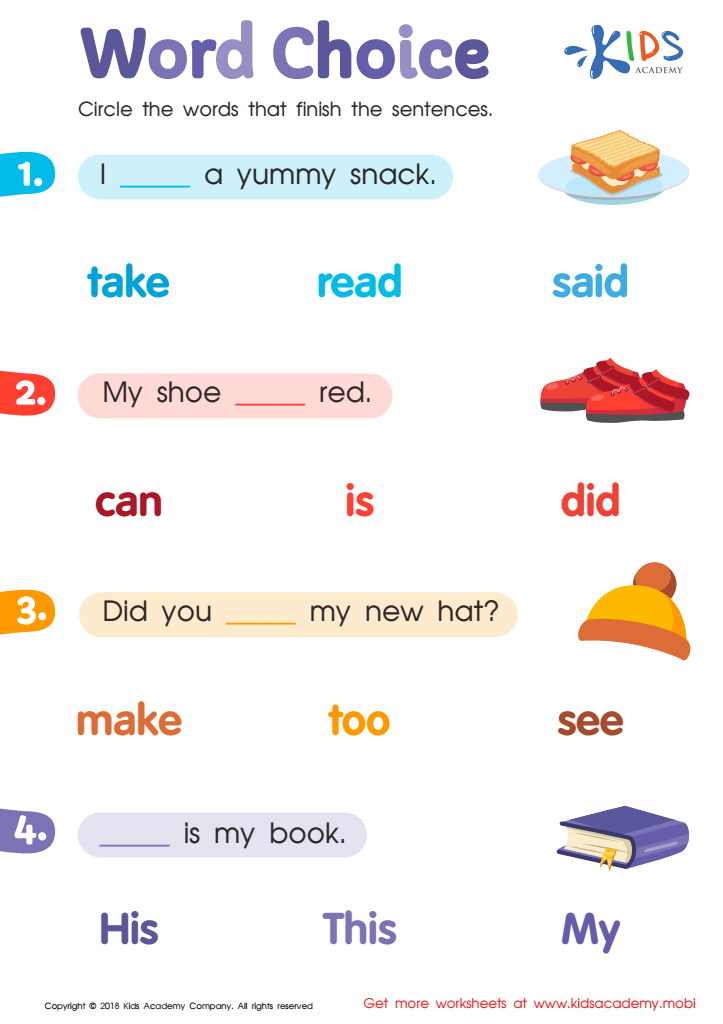
Word Choice Worksheet







Contextual understanding is vital for 6-year-olds as it lays the foundation for effective learning and communication. At this age, children begin to make connections between their experiences and the information they encounter in various subjects, including language arts, mathematics, and the sciences. When parents and teachers prioritize contextual understanding, they help children grasp the meanings behind words, concepts, and real-world situations, fostering greater engagement and retention.
Children without strong contextual understanding may struggle to comprehend stories, solve problems, and apply knowledge in new scenarios. By supporting their child’s or student’s ability to relate learning to everyday life, parents and teachers can develop critical thinking skills and promote curiosity.
Effective context-based learning also enhances a child's social and emotional development. When children are exposed to diverse contexts, they learn empathy, perspective-taking, and cultural awareness. They begin to appreciate differences and similarities among peers, which is essential for building positive relationships.
Ultimately, nurturing contextual understanding helps create confident learners who can navigate their environment, understand complex ideas, and answer the ever-present “why” behind their observations. In short, investing in this foundational skill is key to setting children on a path toward academic success and social cohesiveness.








