Counting proficiency Worksheets for 6-Year-Olds
3 filtered results
-
From - To
Explore our engaging Counting Proficiency Worksheets designed specifically for 6-year-olds! These fun, interactive resources help young learners develop essential counting skills through colorful illustrations and age-appropriate exercises. Our carefully crafted worksheets encourage kids to practice counting from 1 to 100, recognizing numbers, and understanding value through various activities. Each worksheet supports foundational math skills while promoting cognitive development and critical thinking. Perfect for classroom use or at-home practice, these worksheets will keep your child motivated and excited about learning. Enhance your child’s counting proficiency and equip them for future math success with our printable worksheets today!
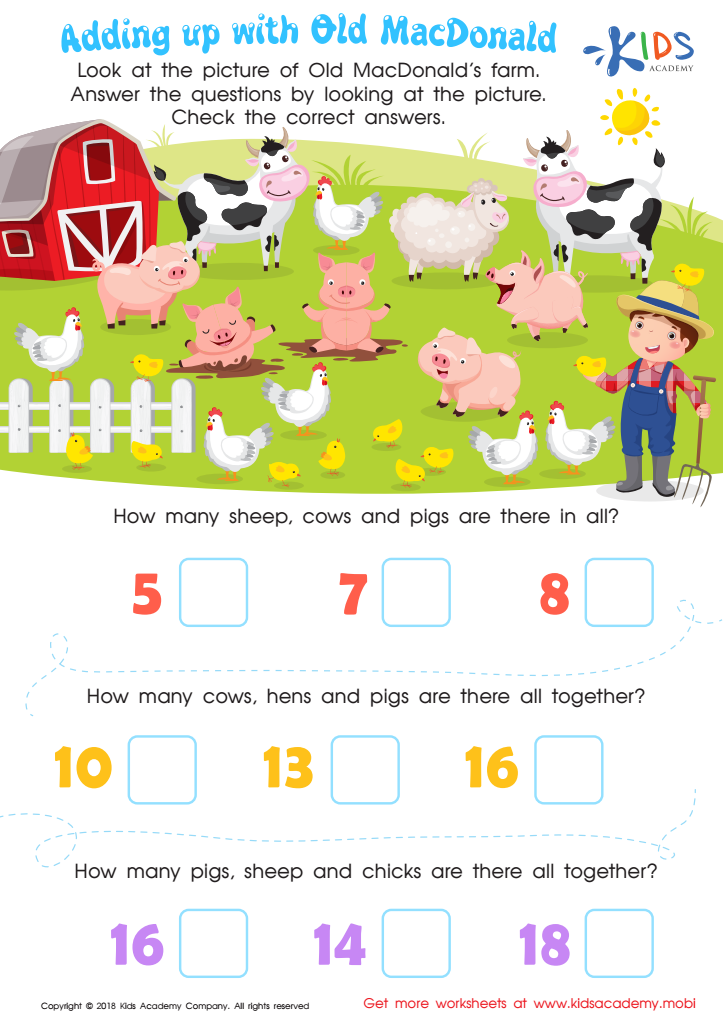
Adding Up with Old MacDonald Worksheet
 Assign to My Students
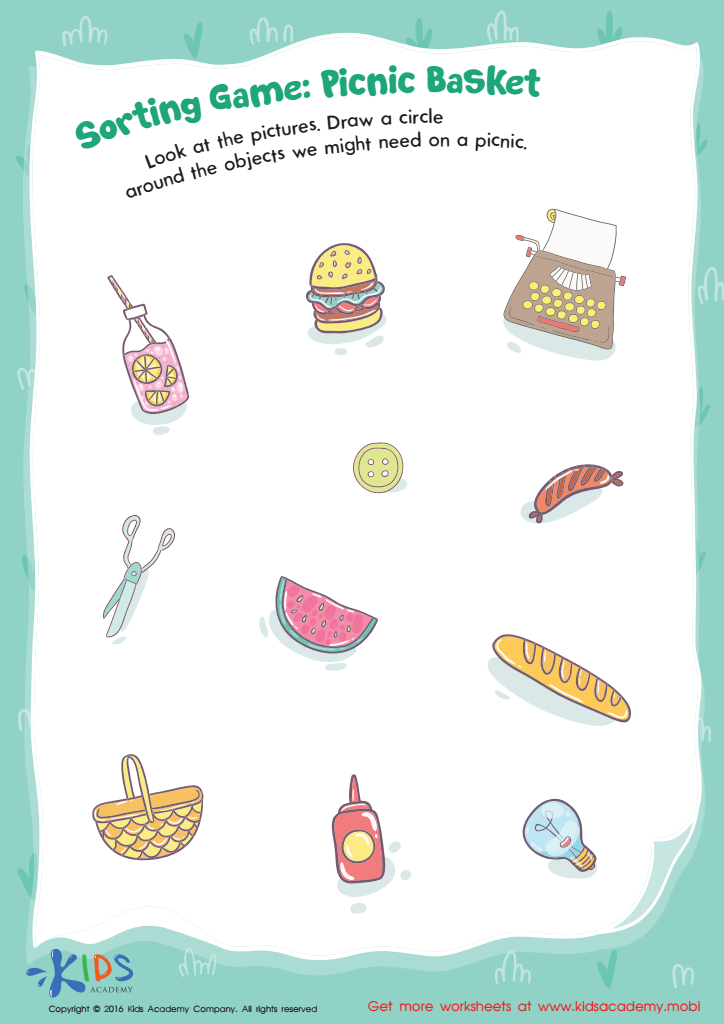
Picnic Basket Sorting Worksheet
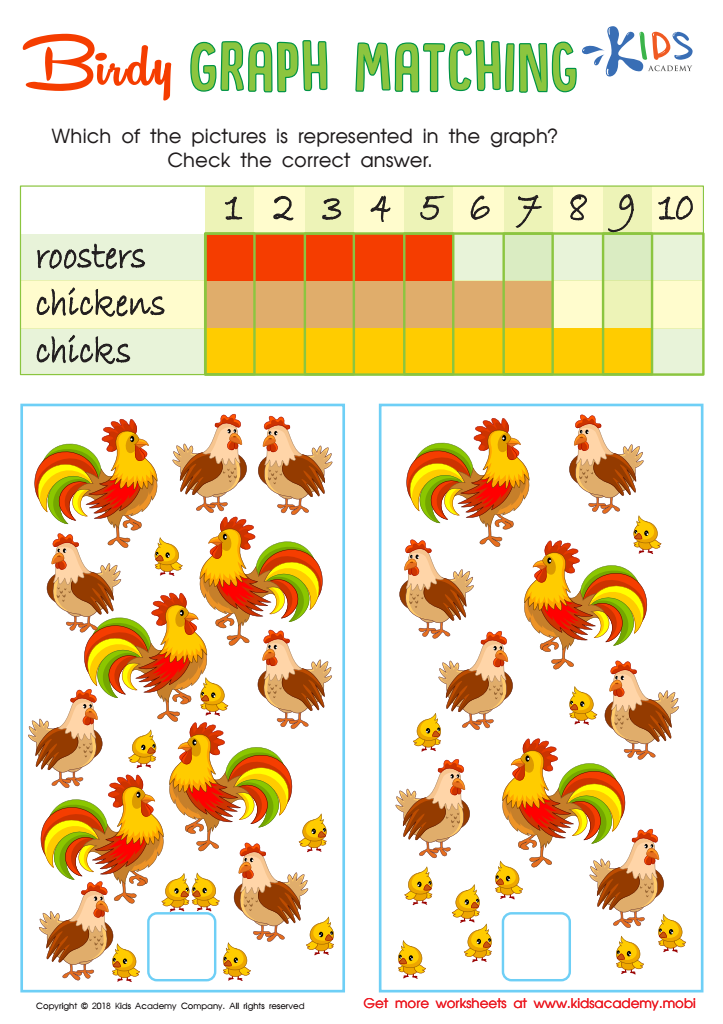
Birdy Graph Matching Worksheet





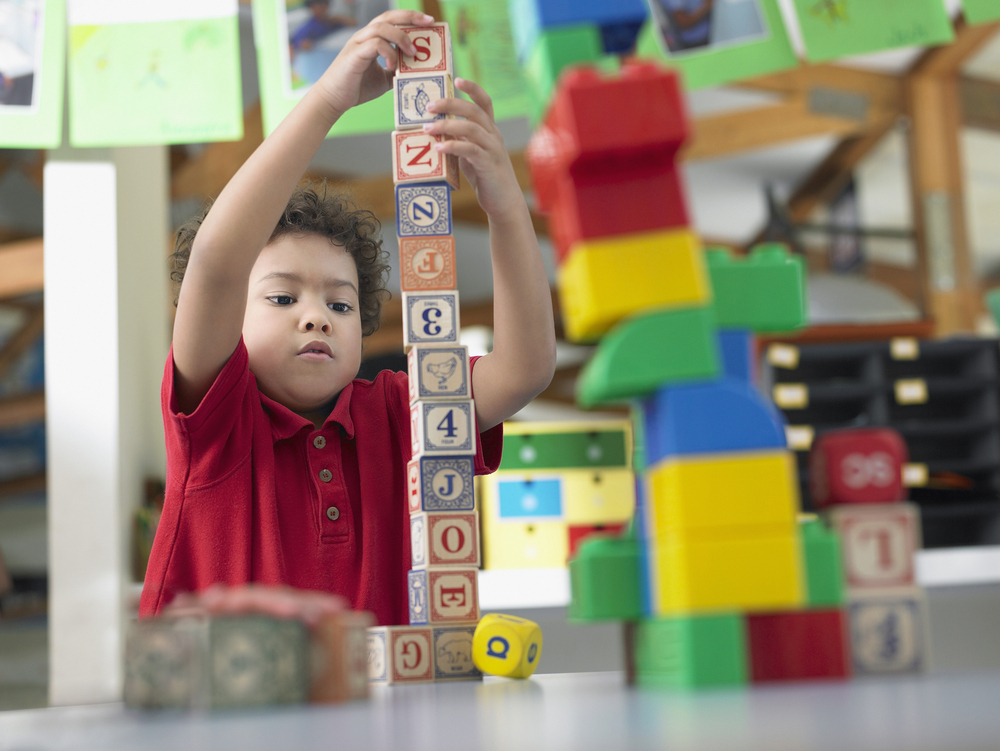
Counting proficiency in 6-year-olds is crucial for their overall mathematical development and cognitive growth. At this age, children are developing foundational numeracy skills that underpin future learning in mathematics. Mastery of counting not only aids in number sense but also enhances problem-solving skills and logical reasoning. When children grasp the concept of counting, they can better understand quantities, comparisons, and basic arithmetic operations, which are essential for later topics like addition, subtraction, and even fractions.
For parents and teachers, fostering counting proficiency can significantly influence a child's confidence and interest in math. Early positive experiences with numbers can lead to a growth mindset, making kids more willing to tackle complex math challenges as they advance in their education. Furthermore, counting skills are applicable in everyday life situations, from basic shopping to cooking, helping kids relate math to real-world experiences.
By nurturing counting skills, parents and teachers can set a strong foundation for lifelong learning. This sprightly engagement in counting activities encourages not only academic success but also the development of critical thinking and perseverance. Investing time in bolstering these skills can lead to more motivated, competent learners who view mathematics as a valuable tool rather than a daunting subject.








