Letter-sound correlation Worksheets for 6-Year-Olds
5 filtered results
-
From - To
Our Letter-Sound Correlation Worksheets for 6-Year-Olds provide essential practice for early readers. Tailored to integrate fun with education, these worksheets help children connect letters with their corresponding sounds, strengthening their phonemic awareness. Designed by educators, the resources encompass various engaging activities, from matching exercises to sound identification games. Perfect for parents and teachers, these worksheets support foundational reading skills, ensuring kids enhance their ability to decode words independently and confidently. Boost your young learner’s literacy journey with our interactive, expertly crafted exercises that make learning to read an exciting adventure. Take the first step towards academic success today!
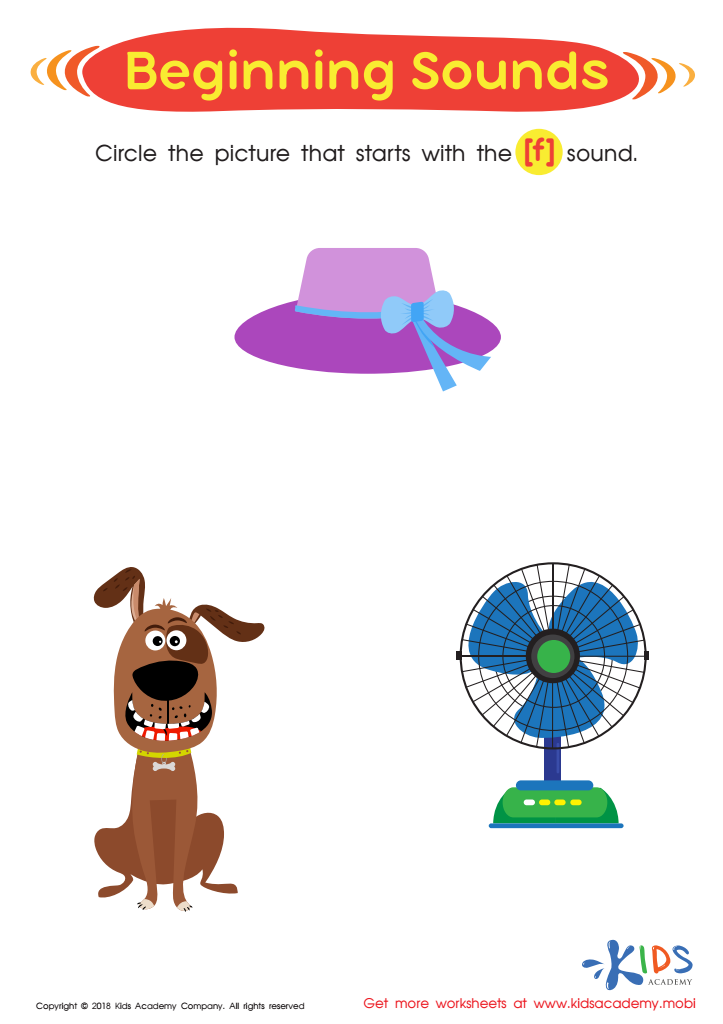
Beginning Sounds Assessment Printable
 Assign to My Students
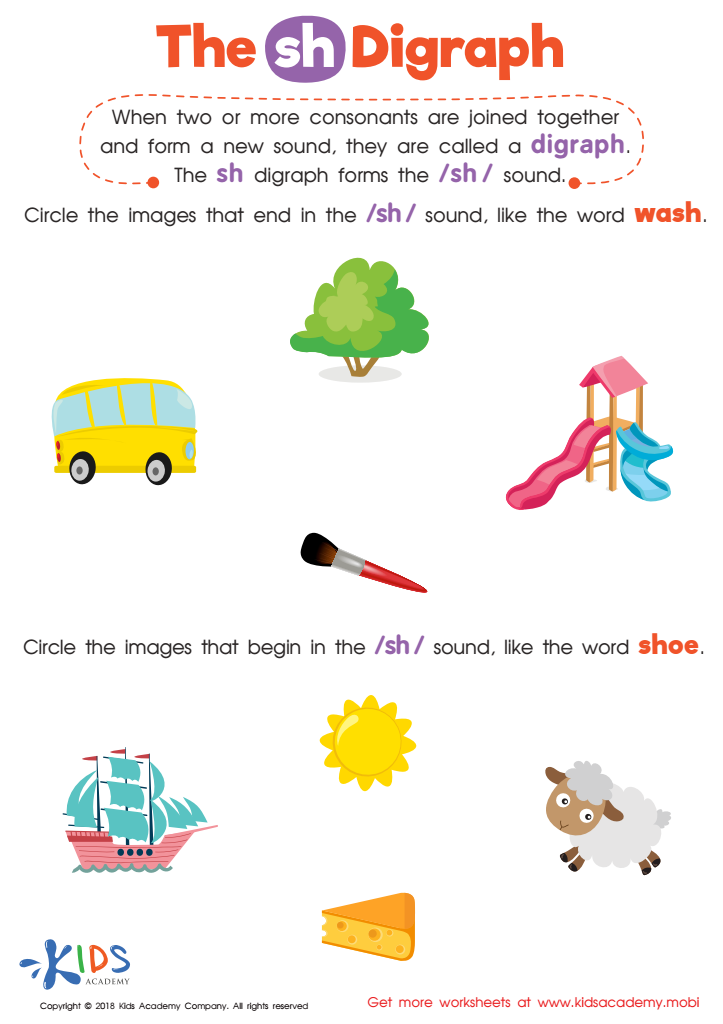
The SH Digraph Worksheet
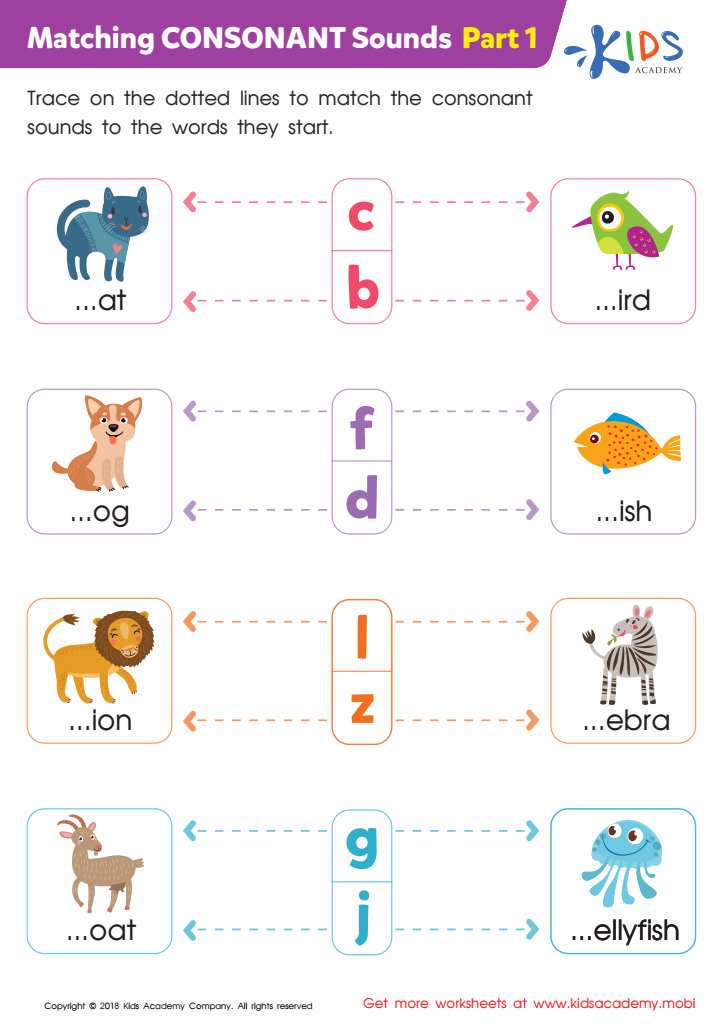
Matching Consonant Sounds: Part 1 Worksheet
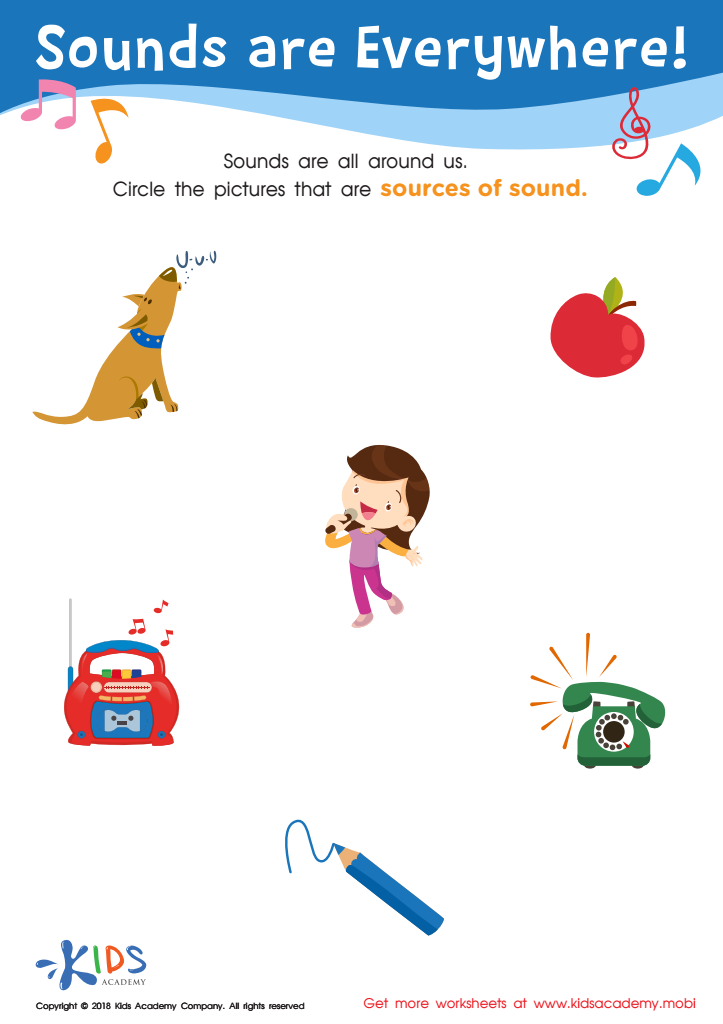
Sounds Are Everywhere! Worksheet
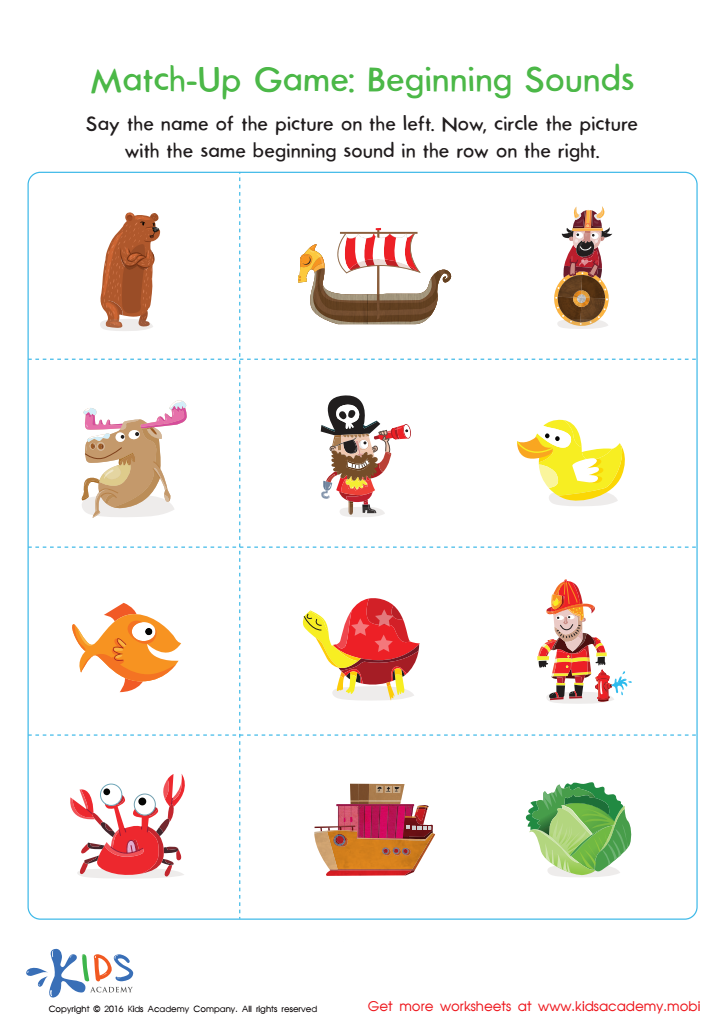
Match–Up Game: Beginning Sounds Worksheet







Understanding letter-sound correlations is foundational for young readers and therefore should be a priority for parents and teachers of 6-year-olds. At this age, children are beginning to acquire early literacy skills, which are crucial for their academic success and phonemic awareness. By learning that letters represent specific sounds (phonemes), children can start decoding words—a skill that allows them to read new words independently.
For parents and teachers, fostering this understanding means investing in a child’s ability to read fluently and comprehend text. Without a swift grasp of letter-sound relationships, children can struggle with reading, leading to frustration and often a reluctance towards academic activities. Moreover, early reading proficiency can predict future success in school, affecting a child's confidence and motivation.
Moreover, understanding letter-sound correlation aids in spelling and writing skills, thereby enabling children to express themselves more effectively. This comprehension also enhances their ability to expand their vocabularies, as they can independently read advanced stories and text.
Through engaging activities like phonics games, reading aloud, and hands-on learning tasks, parents and teachers can make learning both effective and enjoyable. Helping a child to master these fundamental skills sets the stage for lifelong literacy and academic enthusiasm.








