Phonics Skills Worksheets for 6-Year-Olds
55 filtered results
-
From - To
Enhance your child's reading ability with our engaging Phonics Skills Worksheets for 6-year-olds! Designed to make learning fun, these worksheets focus on essential phonetic skills such as letter recognition, sound-blending, and decoding tricky words. Our carefully crafted activities help children establish a strong foundation in literacy, aiding in their reading fluency and confidence. With colorful illustrations and interactive exercises, kids will enjoy learning sounds and building vocabulary. Perfect for homeschooling or classroom use, these printable resources support children's educational journey while keeping them entertained. Discover the joy of phonics and stimulate young minds with our comprehensive phonics worksheets today!
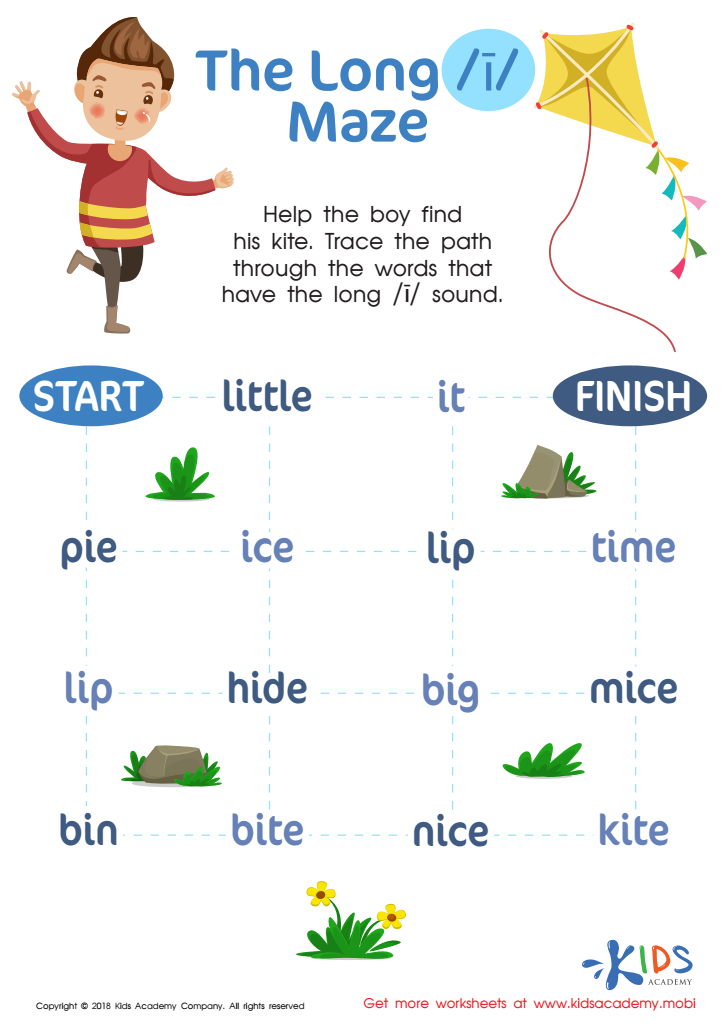
The Long I Maze Reading Worksheet
 Assign to My Students
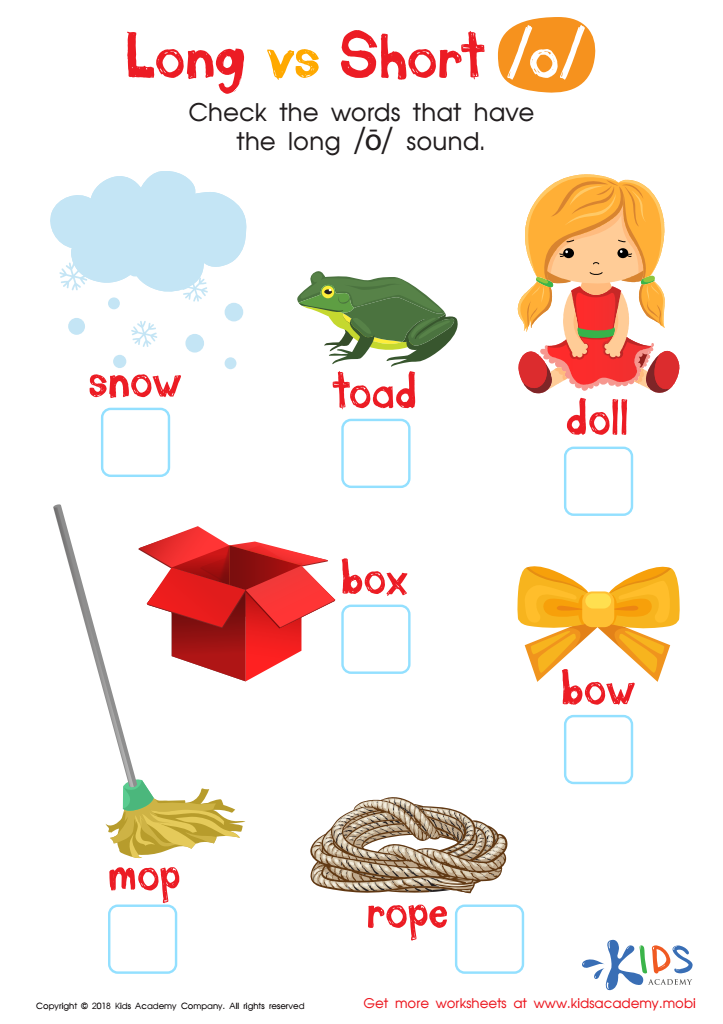
Long vs Short O Reading Worksheet
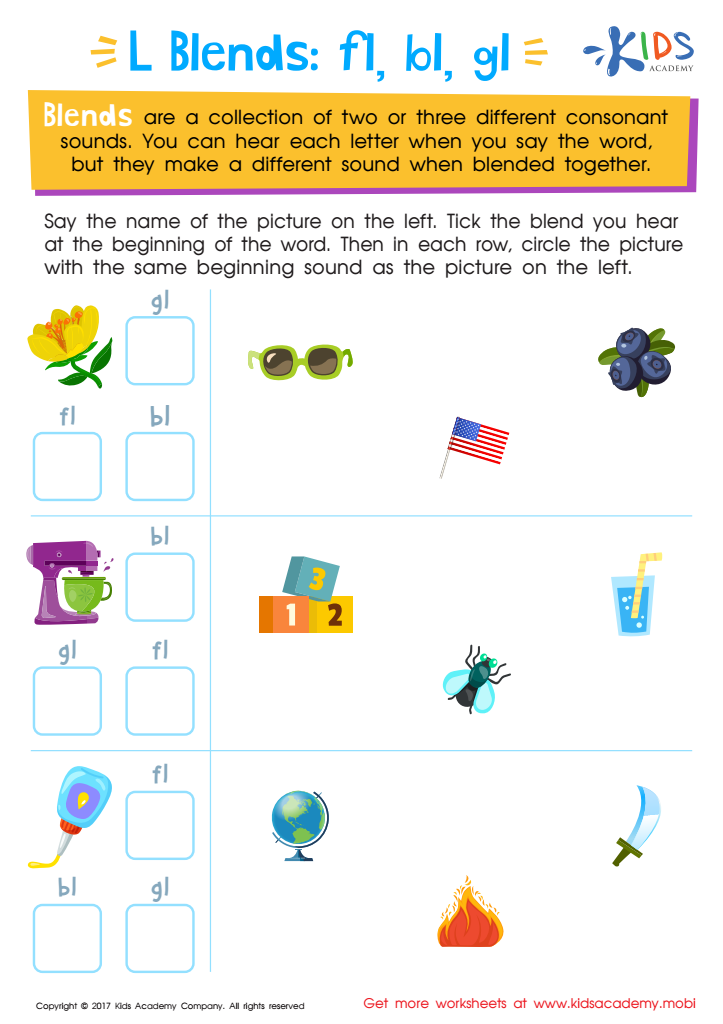
Blending Consonants: "Fl", "Bl" and "Gl" Printable
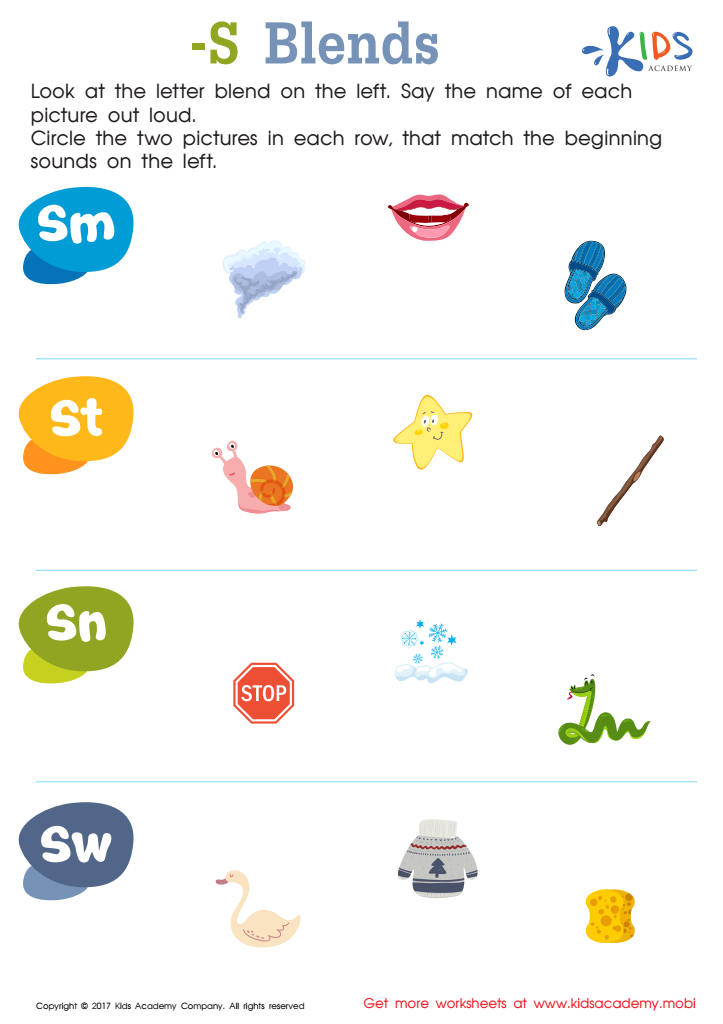
"s" Blends Spelling Printable
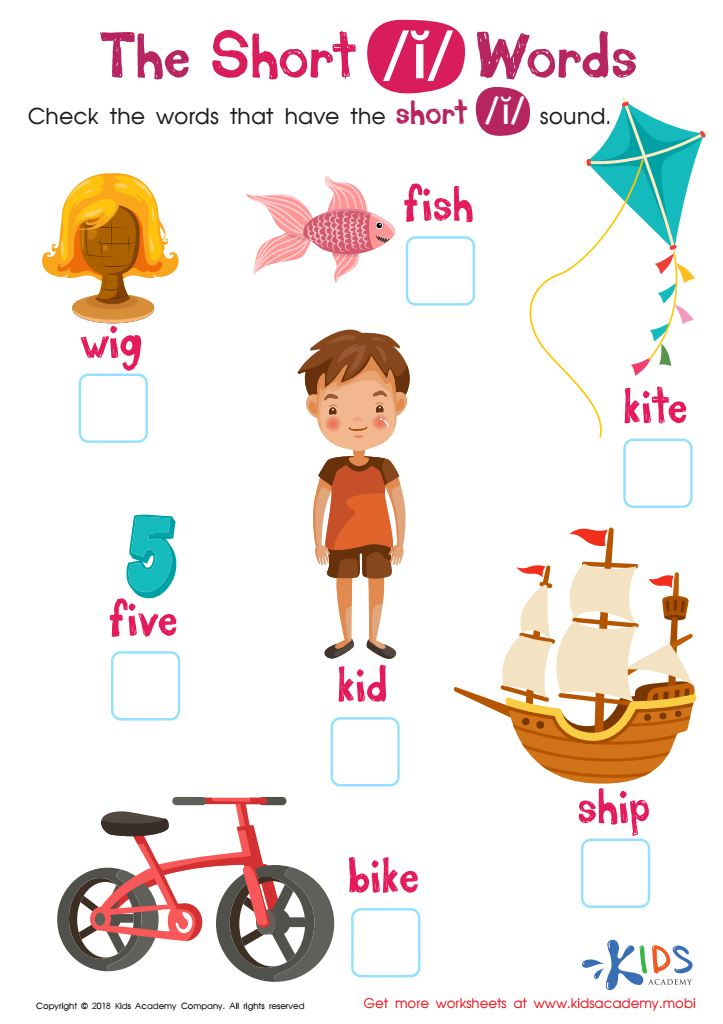
The Short I Words Reading Worksheet
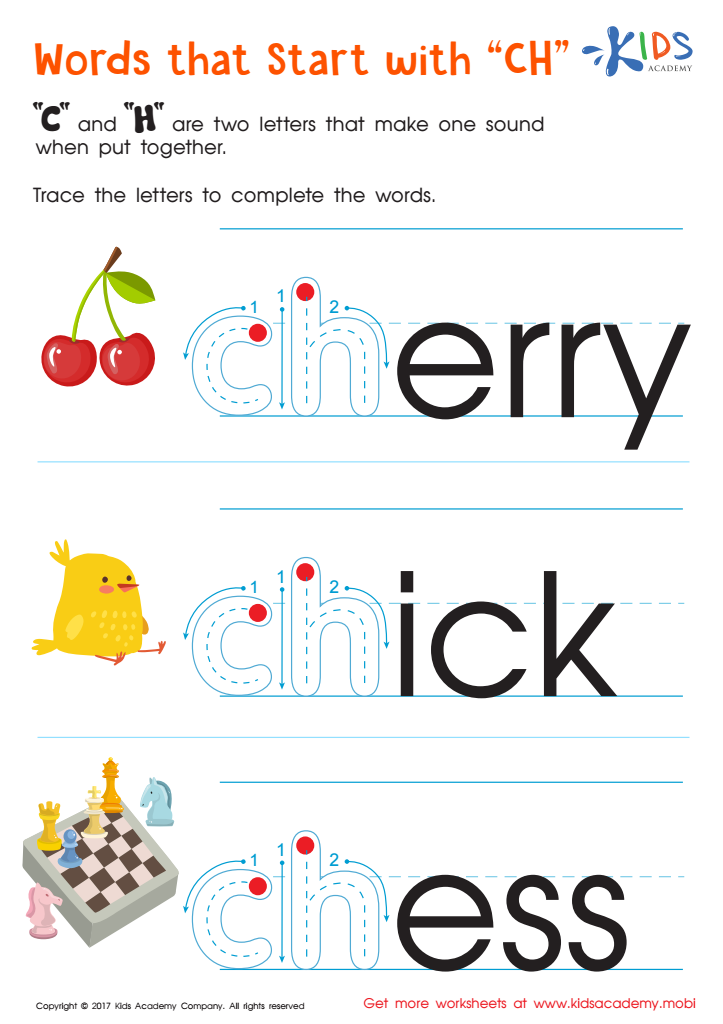
Words That Start with "ch" Spelling Worksheet
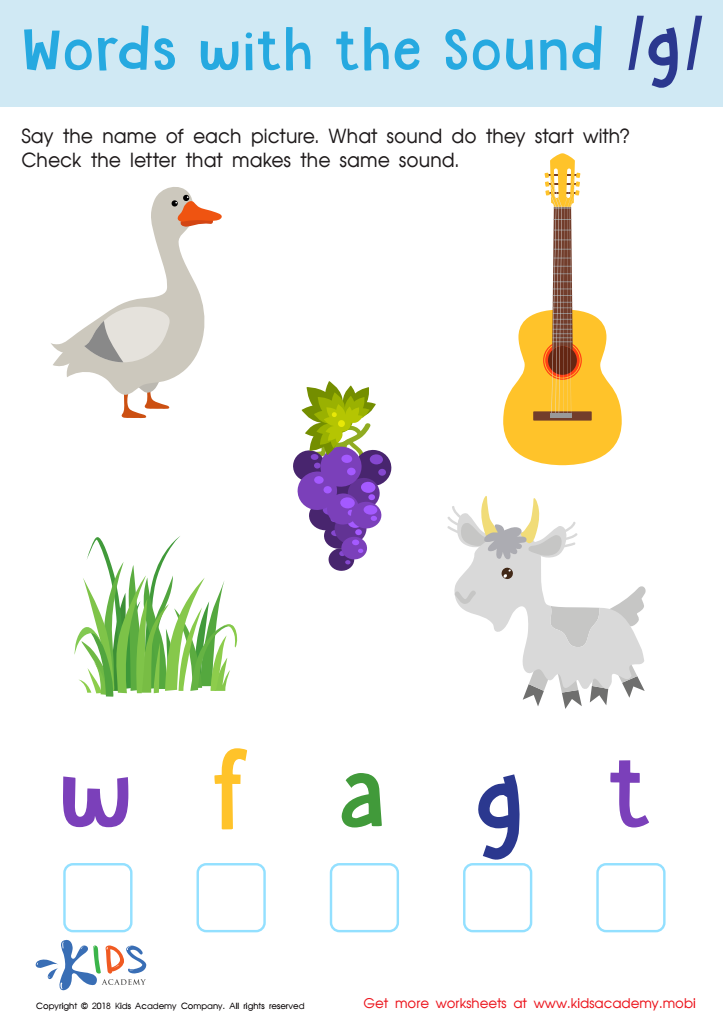
Words with sound g Reading Worksheet
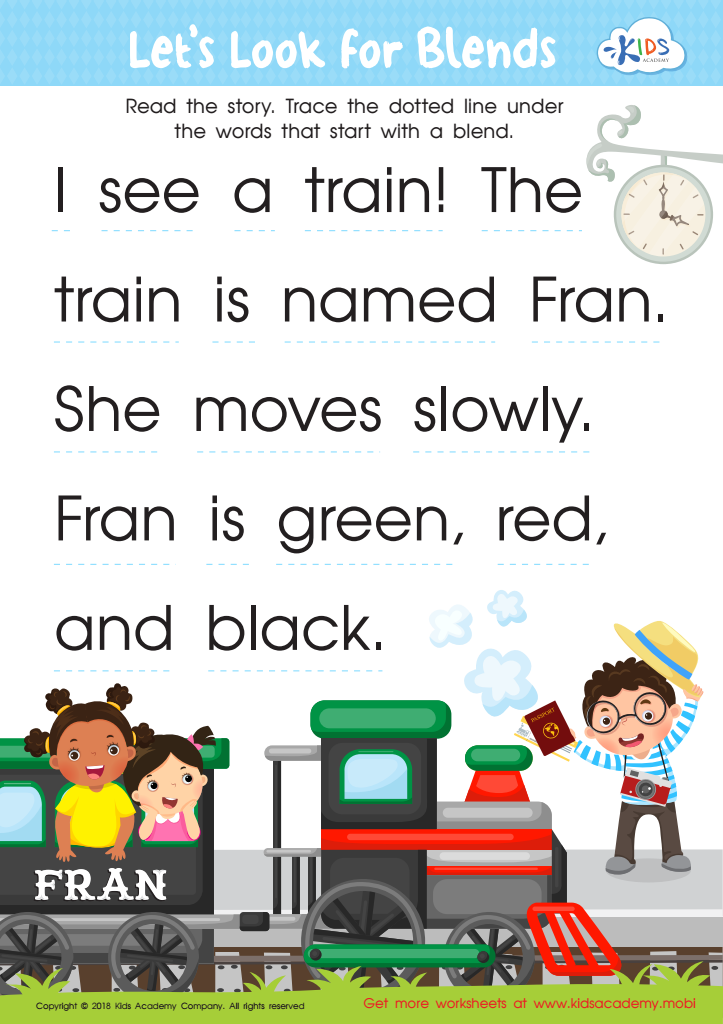
Let's Look for Blends Worksheet
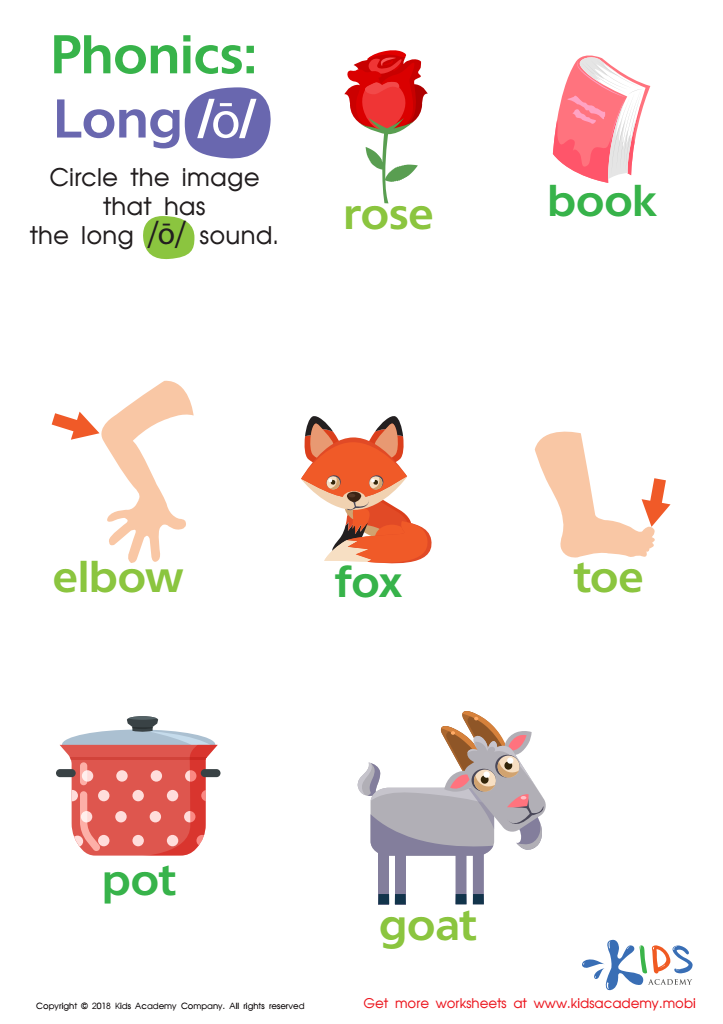
Phonics Long O Reading Worksheet
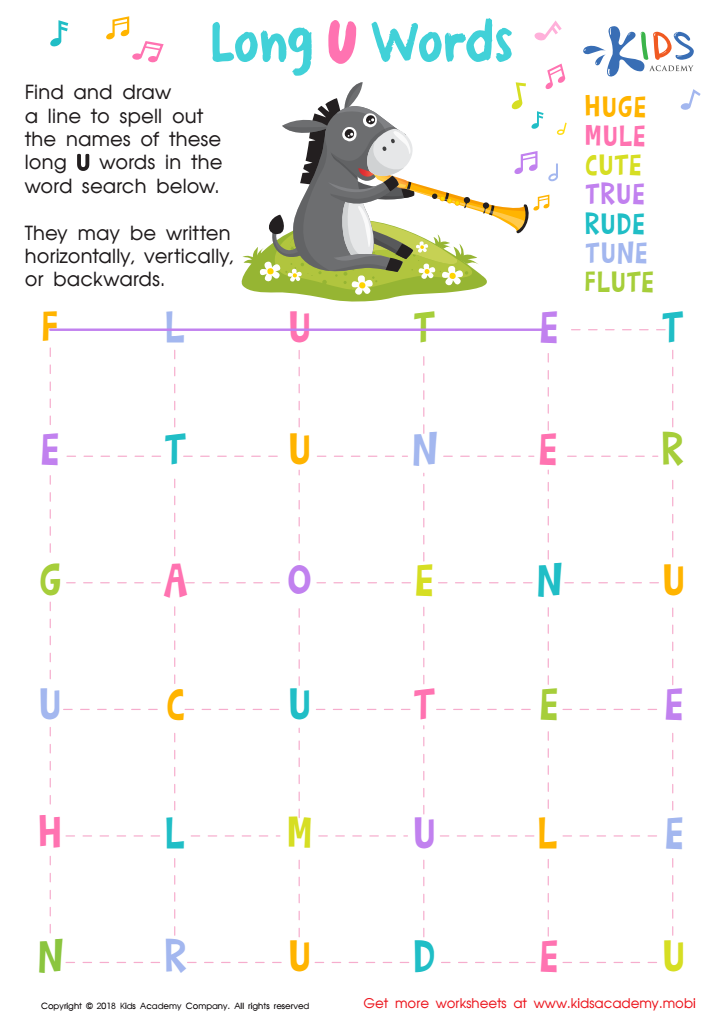
Long /u/ Words Worksheet
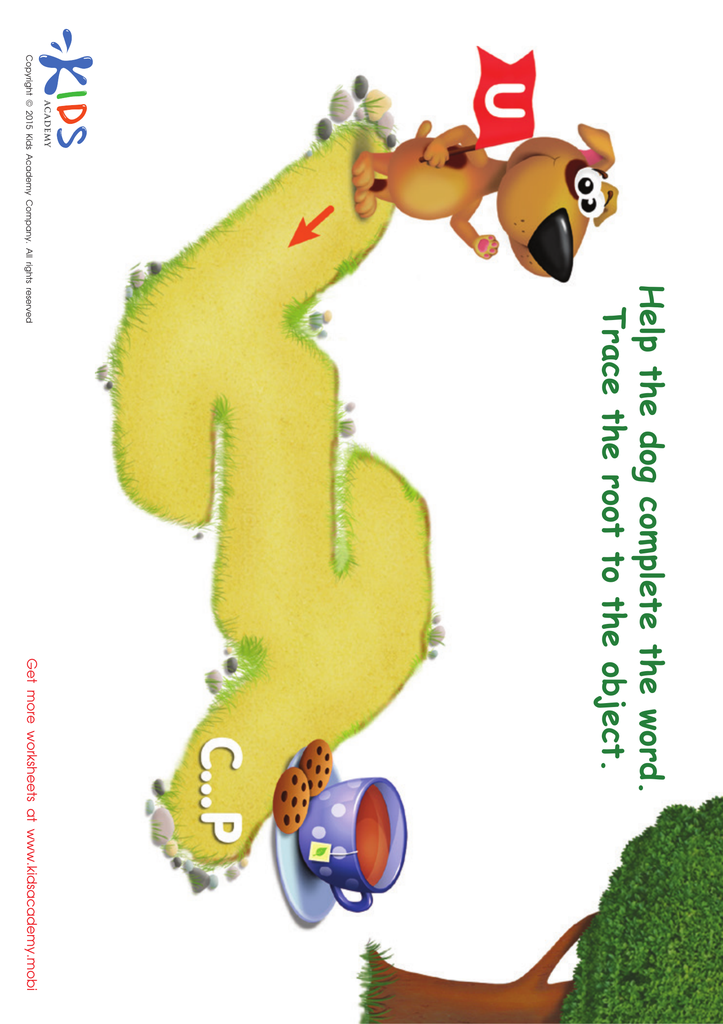
Short Vowel Sound U Worksheet Worksheet
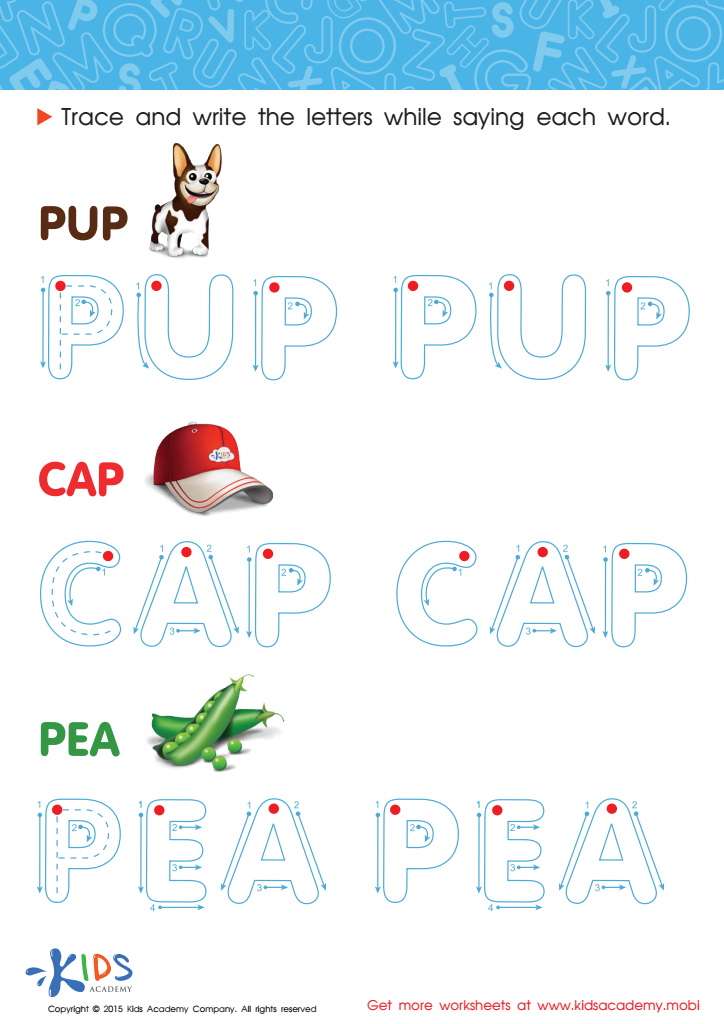
A Pup, a Cap and a Pea Spelling Worksheet
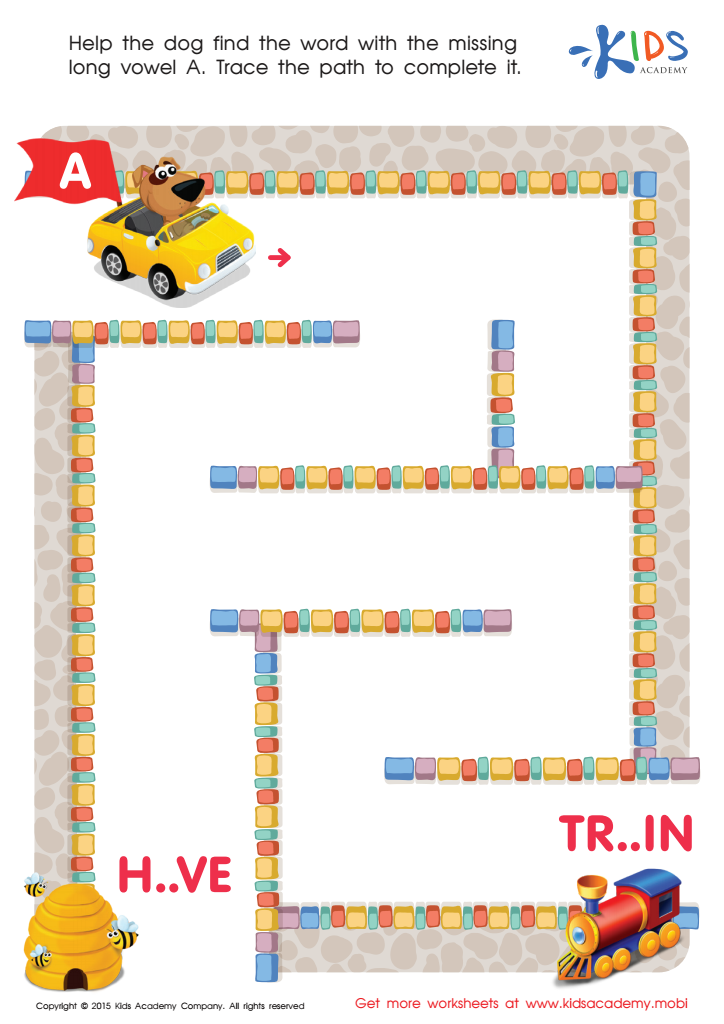
Long Vowel Sound A Worksheet
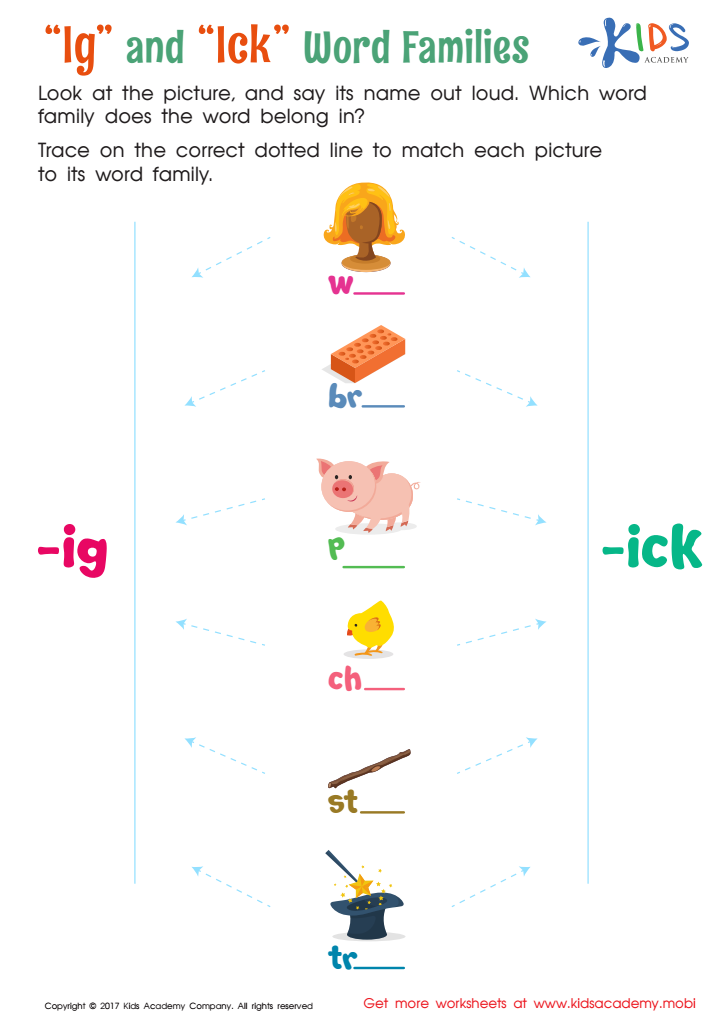
Words Families "ig" and "ick" Spelling Worksheet
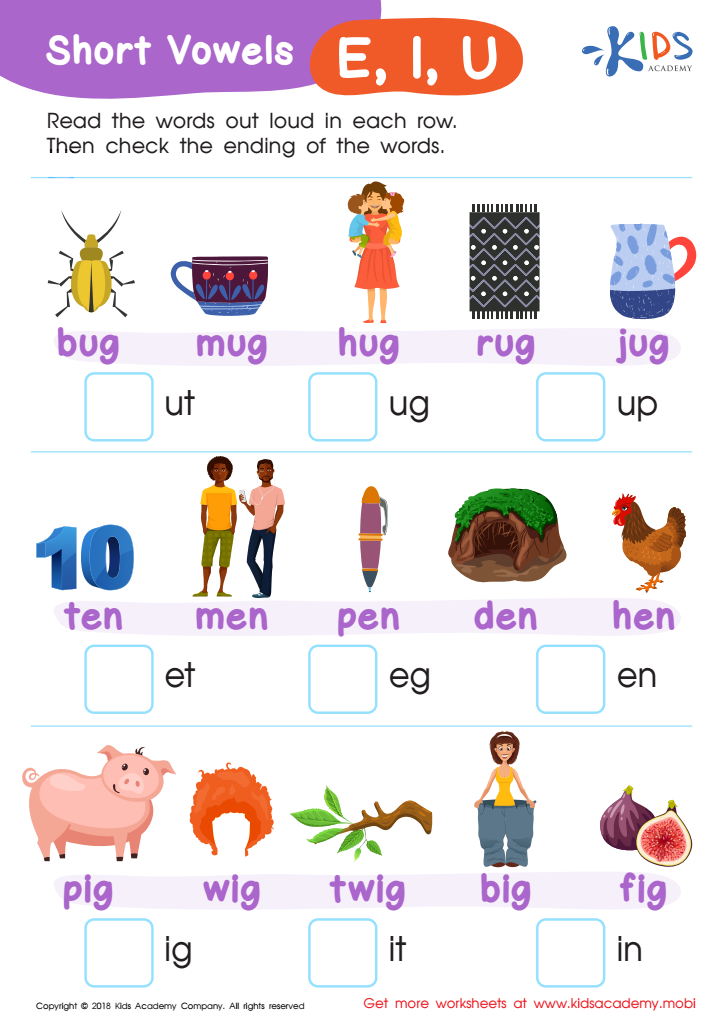
Short Vowels /e/, /i/, and /u/ Worksheet
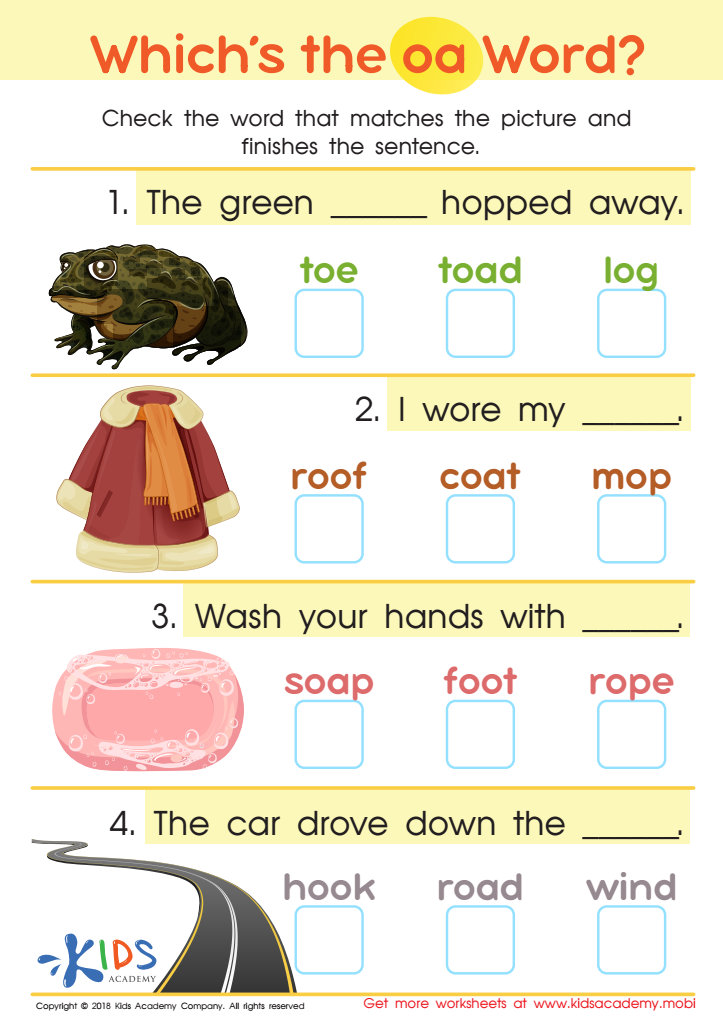
Which's the OA Word? Worksheet
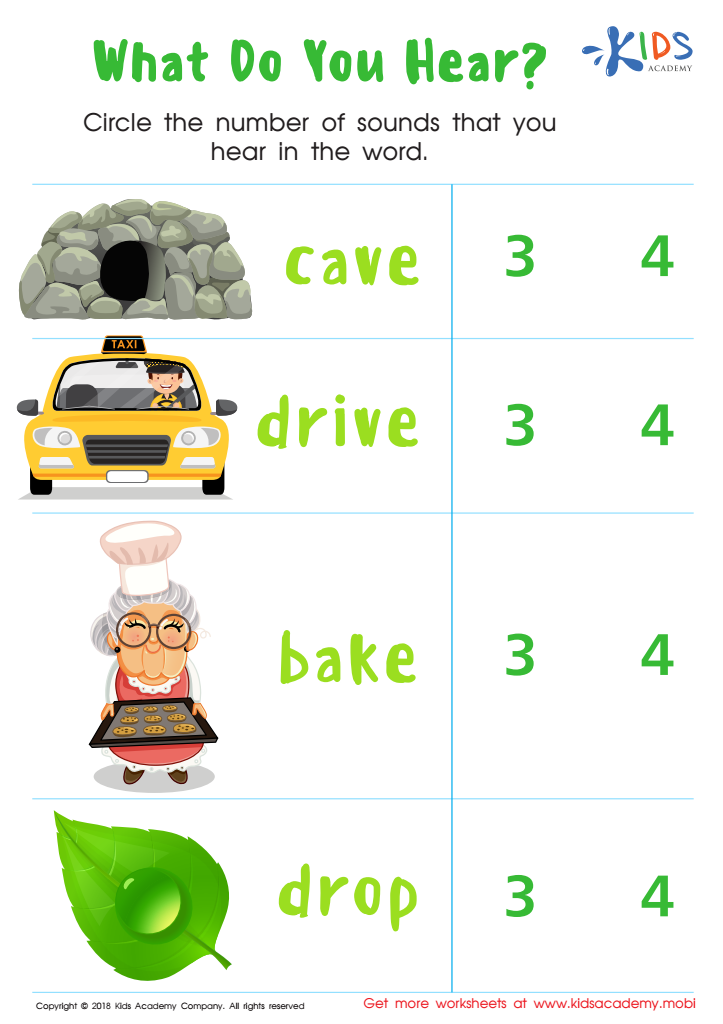
What Do You Hear? Worksheet
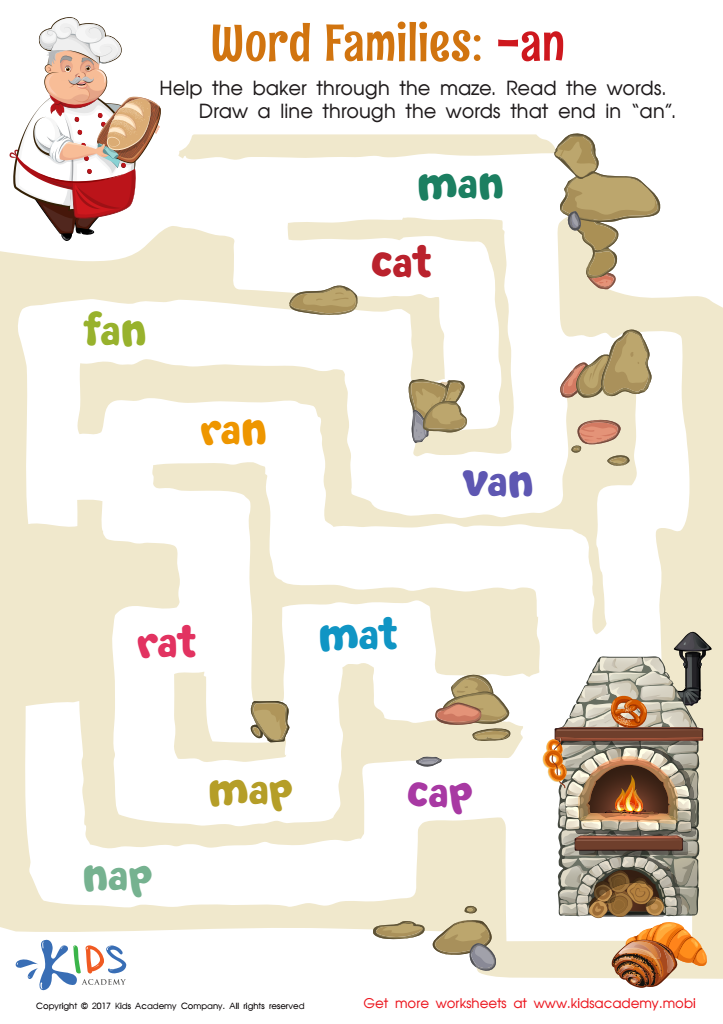
Words Families "an" Spelling Worksheet
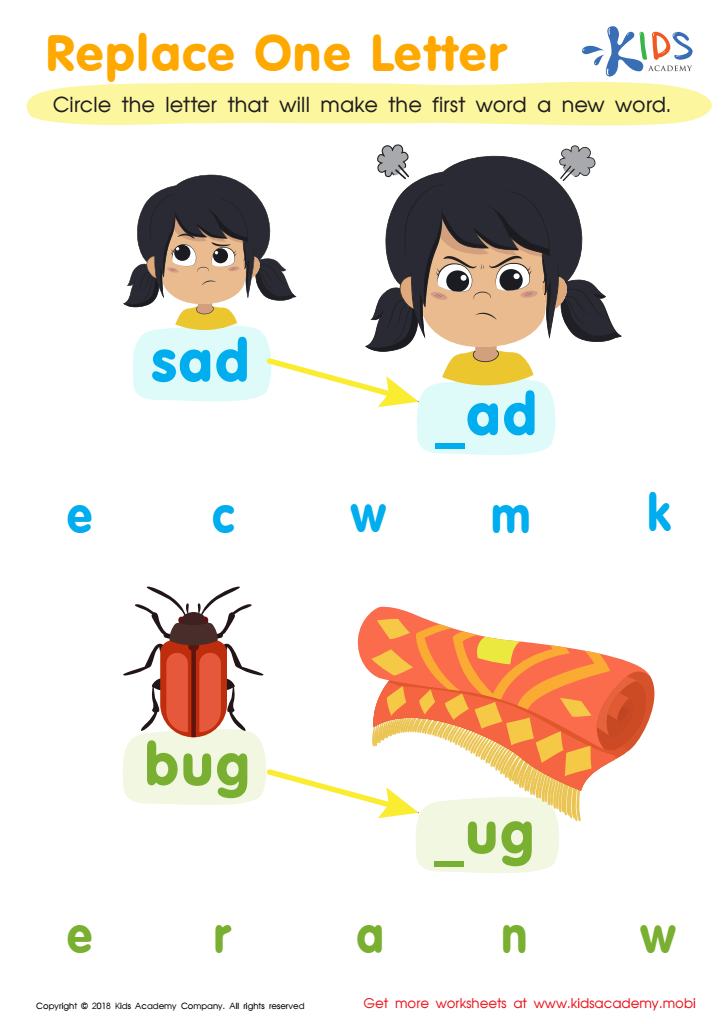
Replace One Letter Worksheet
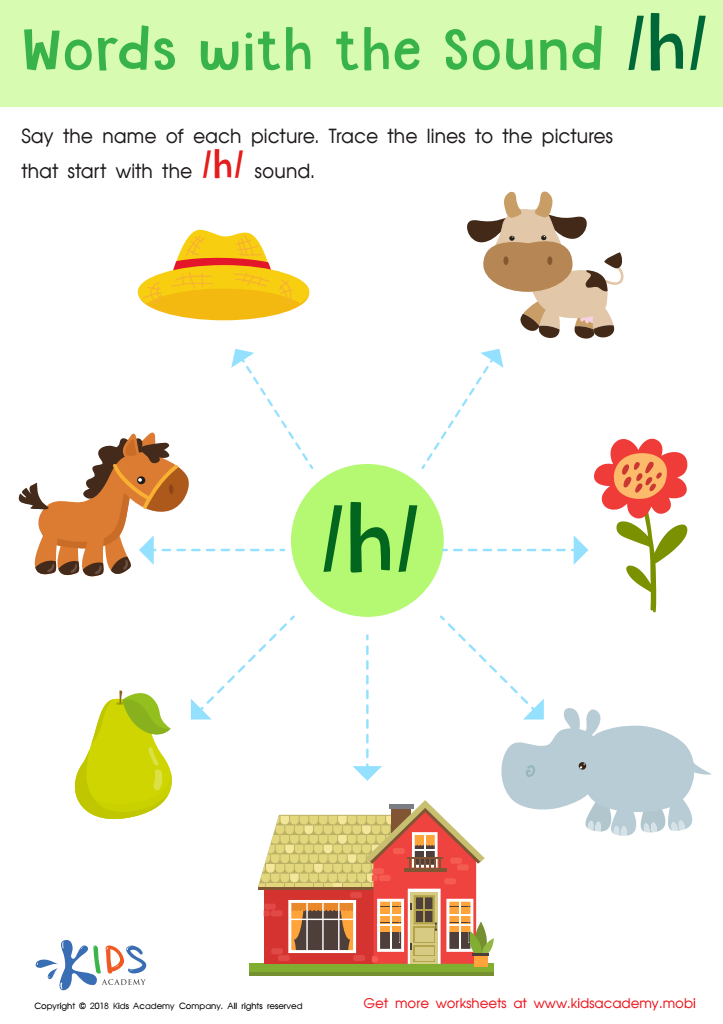
Words with sound h Reading Worksheet
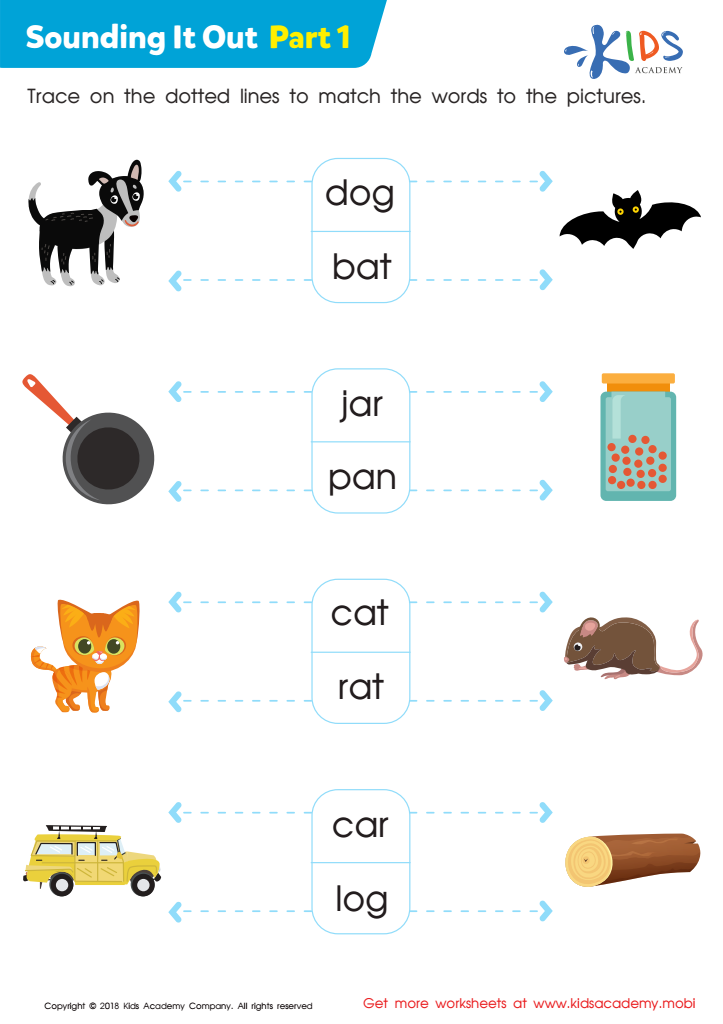
Sounding it Out: Part 1 Worksheet
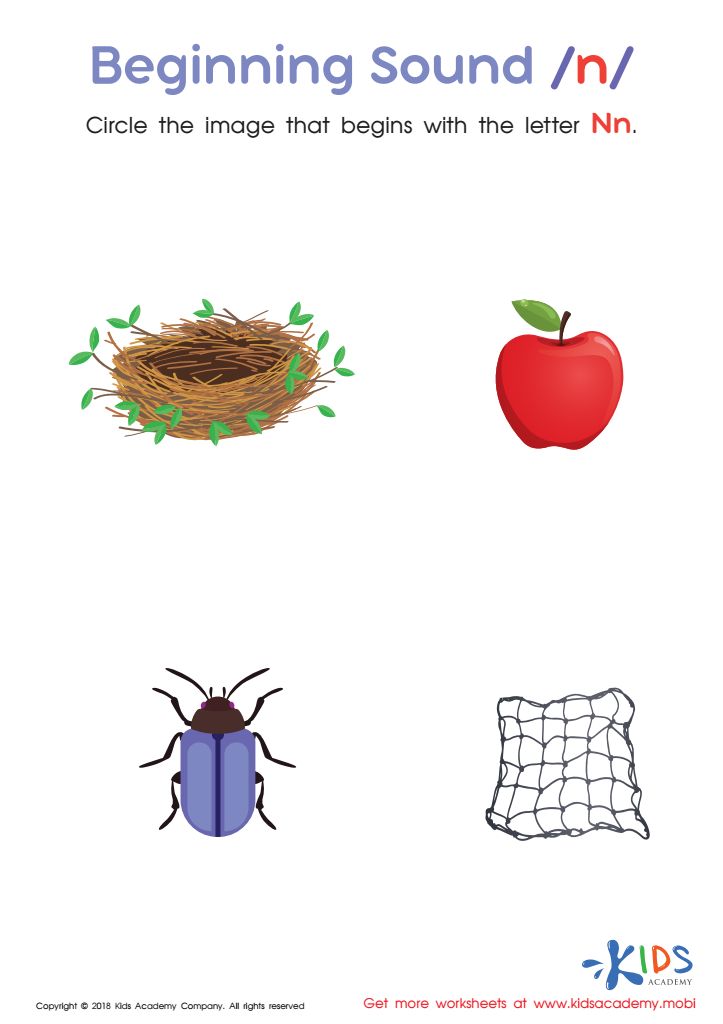
Beginning Sound «n» Worksheet
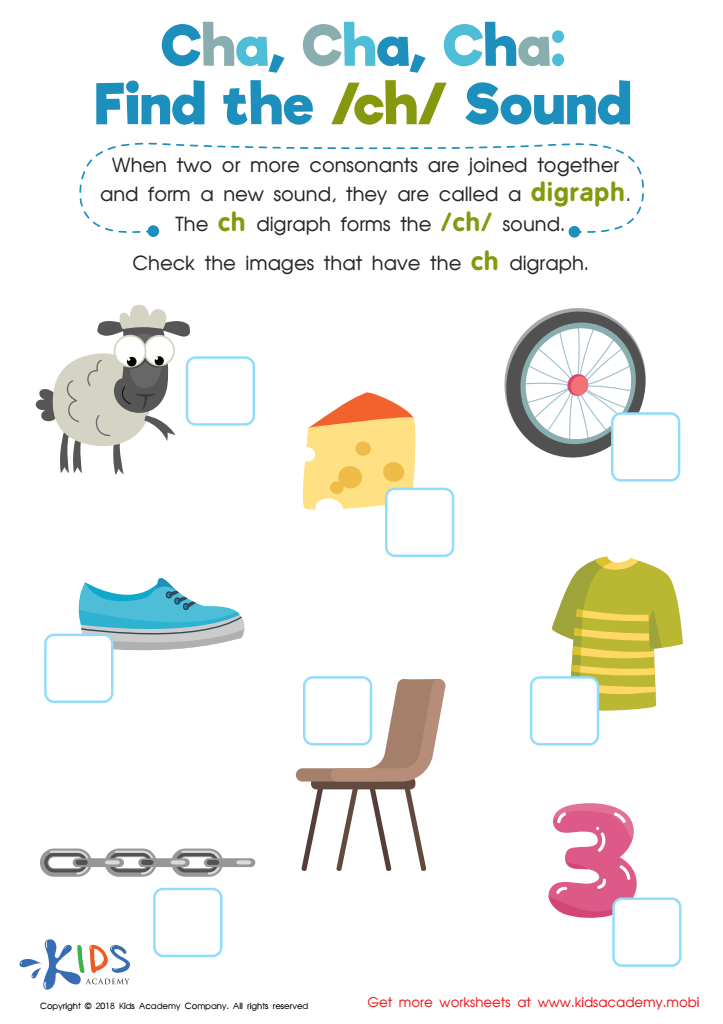
Cha, Cha, Cha: Find the /Ch/ Sound Worksheet
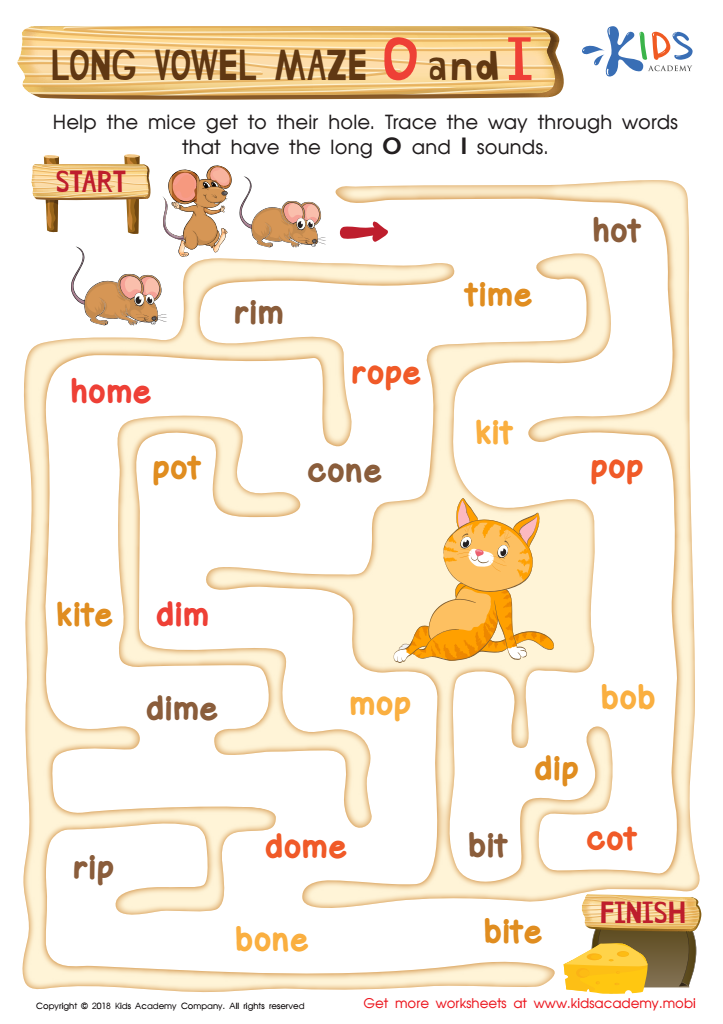
Long Vowel Maze /o/ and /i/ Worksheet





.jpg)
Phonics skills are crucial for six-year-olds as they serve as the foundation for reading and writing. At this age, children are typically in the early stages of literacy development, where understanding the relationship between letters and sounds is vital. Mastering phonics enables children to decode words, making reading more accessible and enjoyable. This skill not only supports their ability to recognize and pronounce new words but also fosters comprehension and vocabulary growth.
Additionally, strong phonics skills contribute to children's overall confidence in their reading abilities. When children can sound out words independently, they are more likely to engage with texts, enhancing their love for reading. This positive relationship with reading can lead to lifelong learning habits and academic success.
Furthermore, phonics instruction aligns with many educational standards and provides a structured framework for teaching literacy. Educators and parents who emphasize phonics can better equip children with the skills they need to excel in future academic endeavors. Investing in phonics education ultimately supports children's cognitive, social, and emotional development, cultivating not just proficient readers but enthusiastic learners. Thus, it is vital for parents and teachers to prioritize phonics in early education.








