Phonics Skills Worksheets for 6-Year-Olds - Page 3
55 filtered results
-
From - To
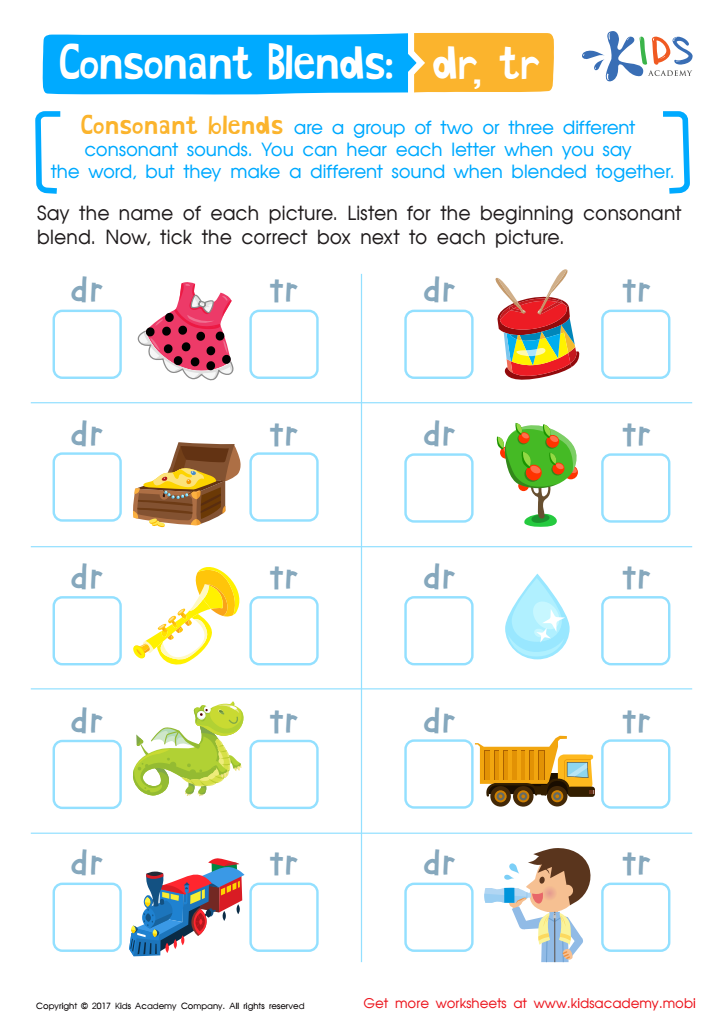
Consonant Blends: "Dr" and "Tr" Printable

Long and Short E Worksheet
 Assign to My Students
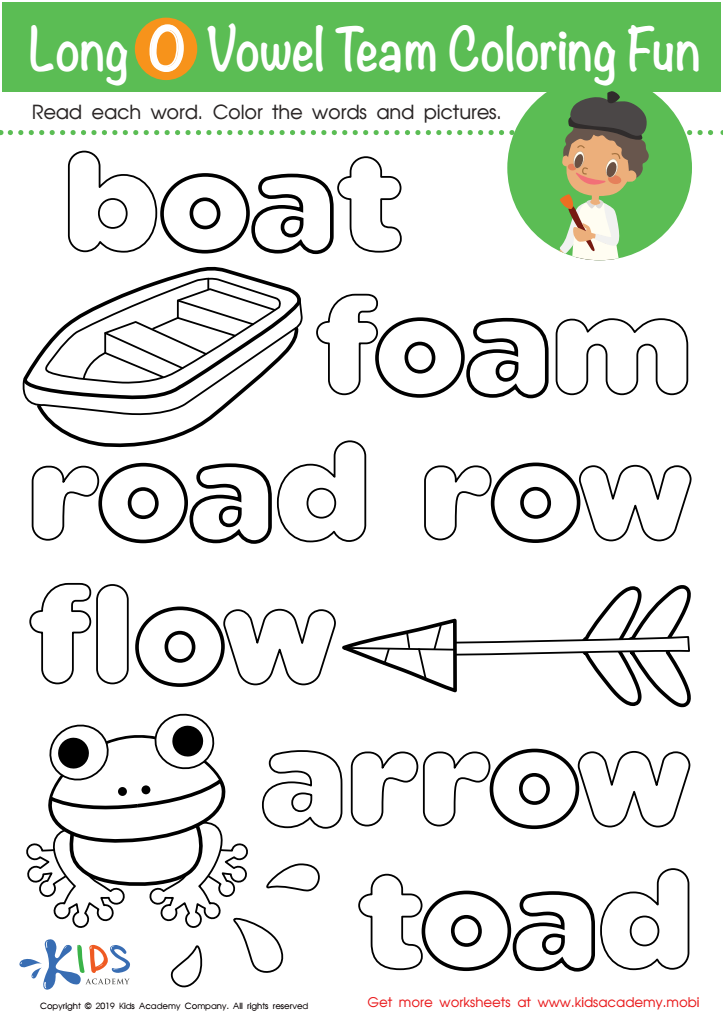
Long O Vowel Team Coloring Worksheet
Assign to My Students
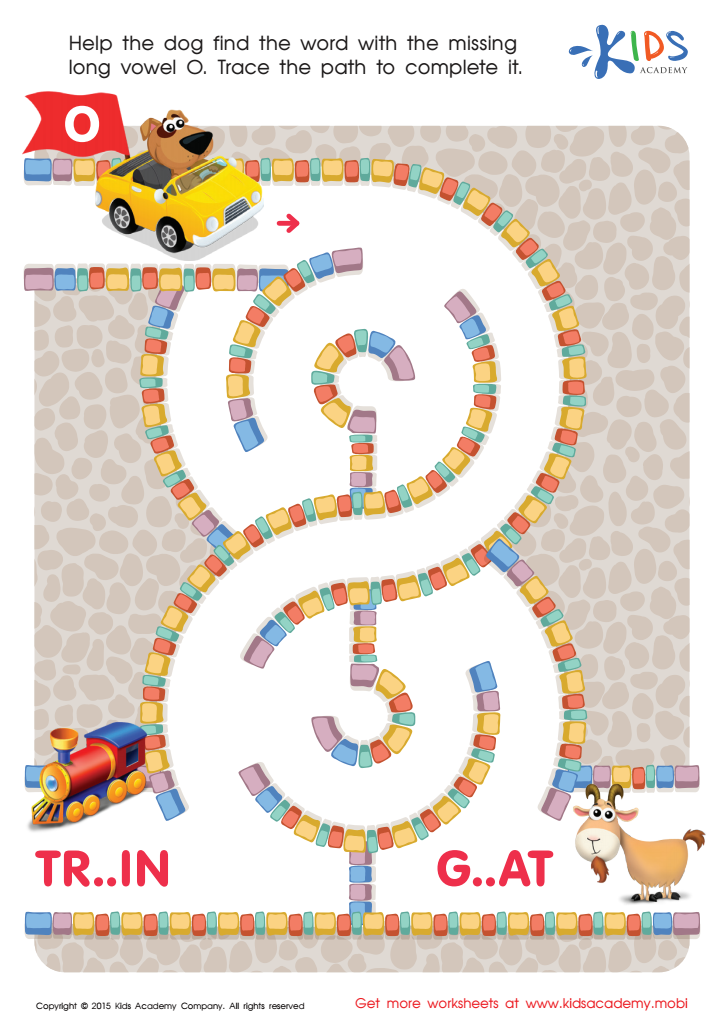
Long Vowel Sound O Worksheet
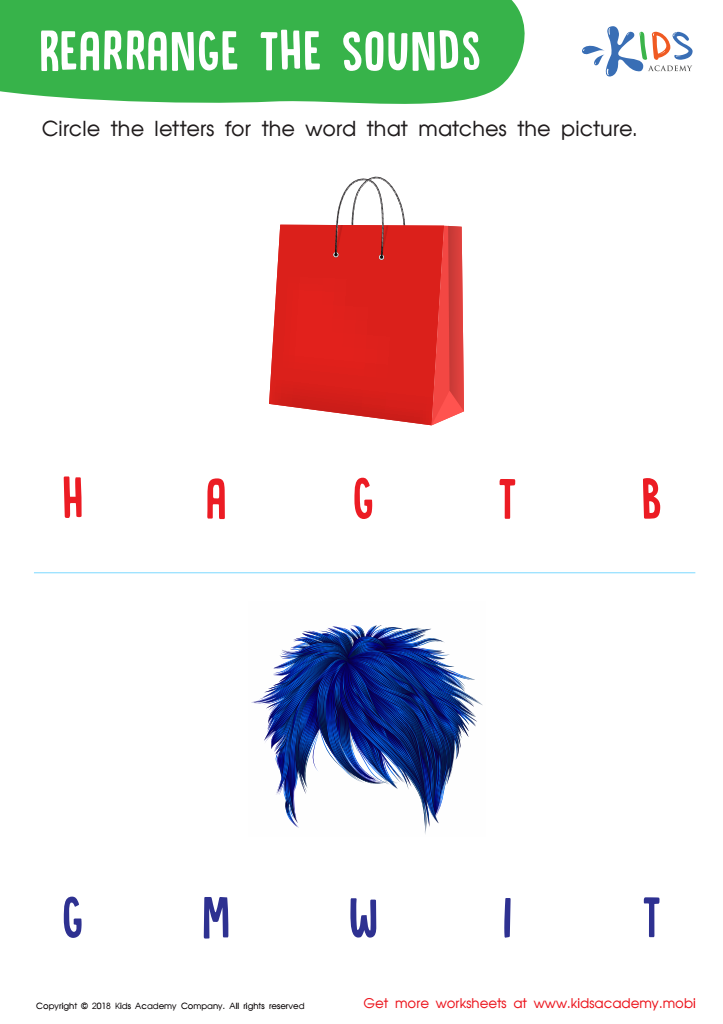
Rearrange the Sounds Worksheet
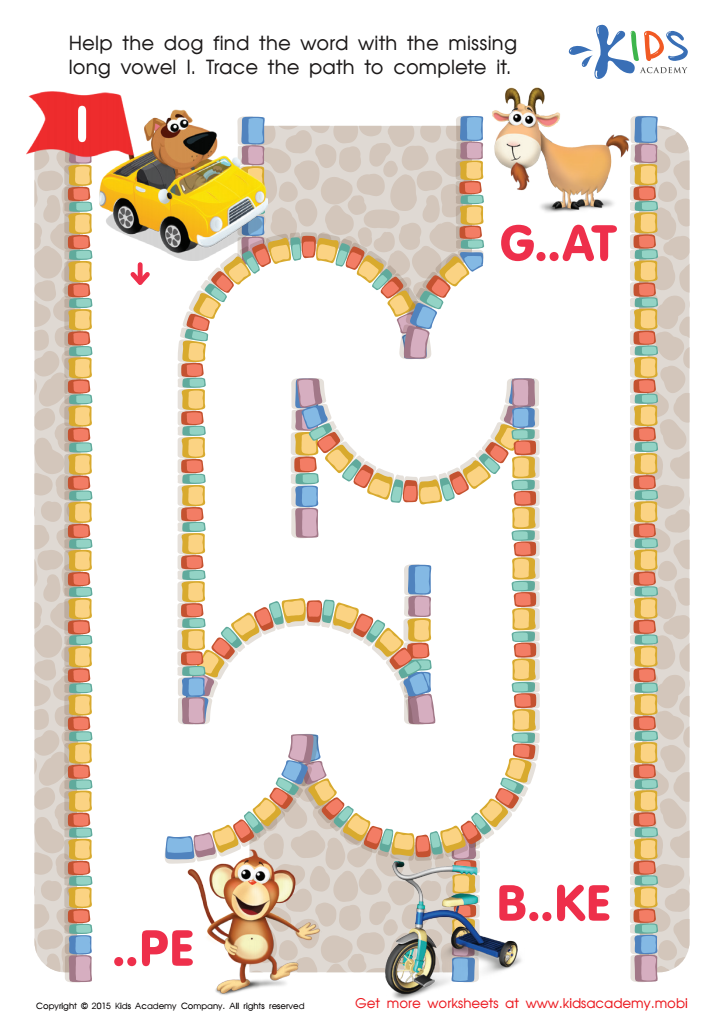
Long Vowel Sound I Worksheet
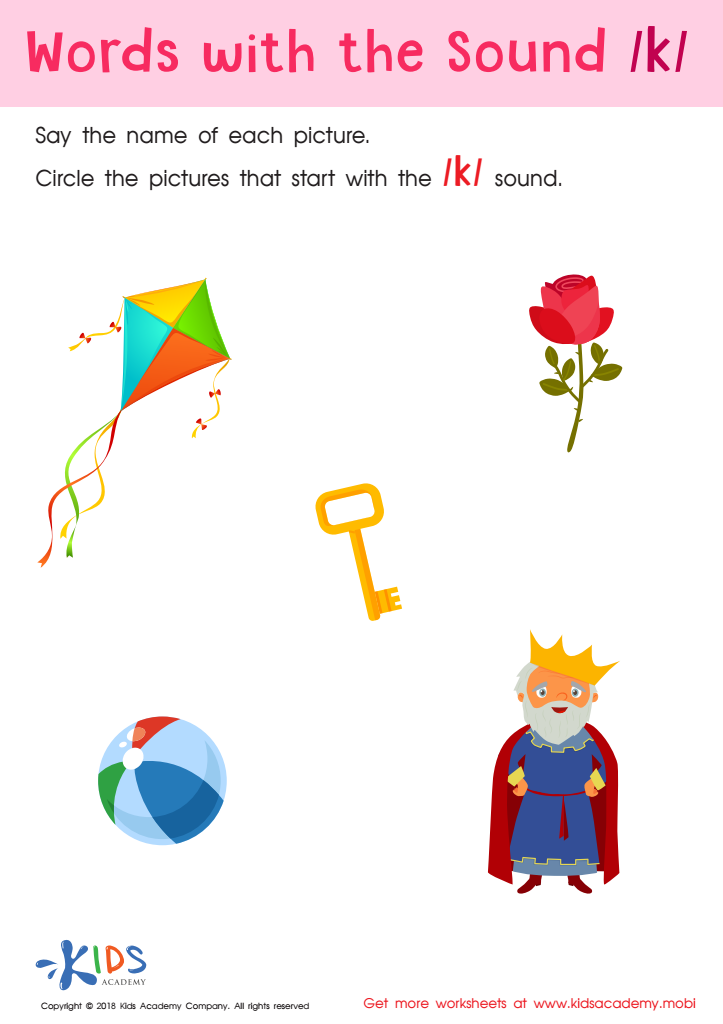
Words with sound k Reading Worksheet





.jpg)
Phonics skills are crucial for six-year-olds as they serve as the foundation for reading and writing. At this age, children are typically in the early stages of literacy development, where understanding the relationship between letters and sounds is vital. Mastering phonics enables children to decode words, making reading more accessible and enjoyable. This skill not only supports their ability to recognize and pronounce new words but also fosters comprehension and vocabulary growth.
Additionally, strong phonics skills contribute to children's overall confidence in their reading abilities. When children can sound out words independently, they are more likely to engage with texts, enhancing their love for reading. This positive relationship with reading can lead to lifelong learning habits and academic success.
Furthermore, phonics instruction aligns with many educational standards and provides a structured framework for teaching literacy. Educators and parents who emphasize phonics can better equip children with the skills they need to excel in future academic endeavors. Investing in phonics education ultimately supports children's cognitive, social, and emotional development, cultivating not just proficient readers but enthusiastic learners. Thus, it is vital for parents and teachers to prioritize phonics in early education.








