Visual discrimination 2D Shapes Worksheets for 6-Year-Olds
4 filtered results
-
From - To
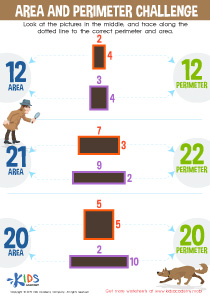
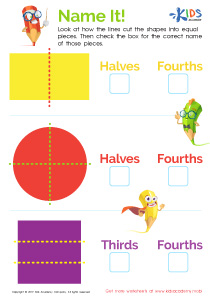
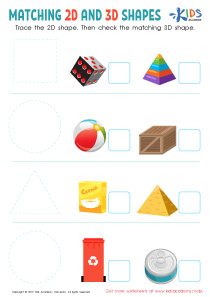
Enhance your child's foundational math skills with our engaging Visual Discrimination 2D Shapes Worksheets tailored for 6-year-olds. These worksheets are designed to help young learners identify, compare, and differentiate between various two-dimensional shapes, fostering critical thinking and attention to detail. With colorful illustrations and fun activities, your child will enjoy honing their visual recognition skills. These resources not only support early math education but also promote cognitive development through interactive learning. Perfect for classroom use or at-home practice, our worksheets encourage a love for shapes and geometry in young minds, setting the stage for future academic success. Get started today!
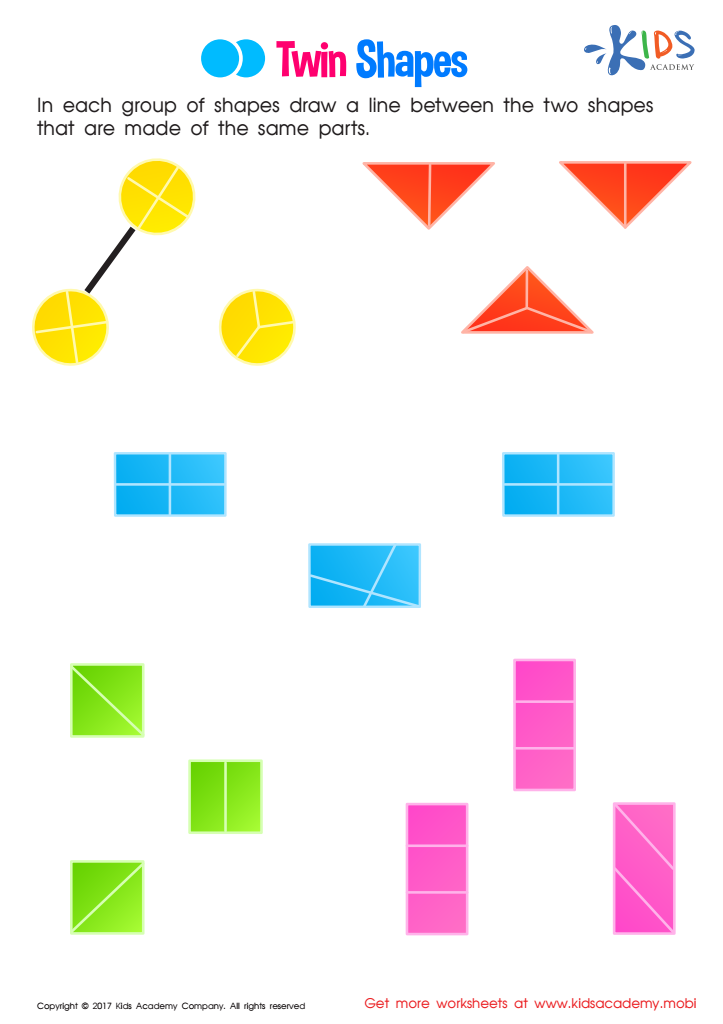
Twin Shapes Worksheet
 Assign to My Students




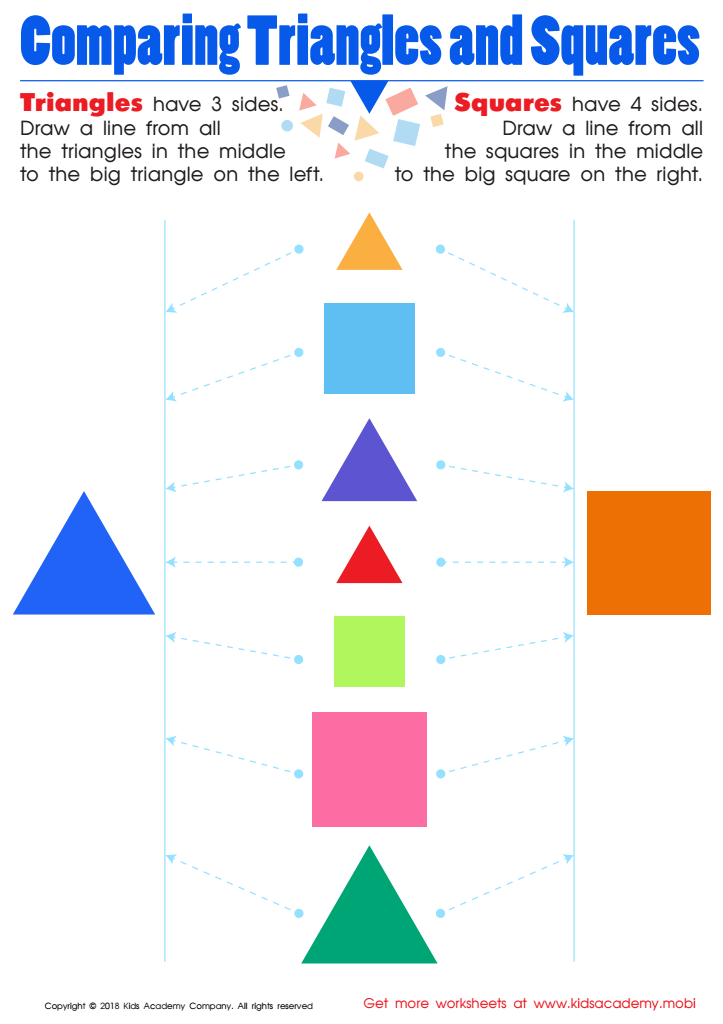
Comparing Triangles Squares Worksheet
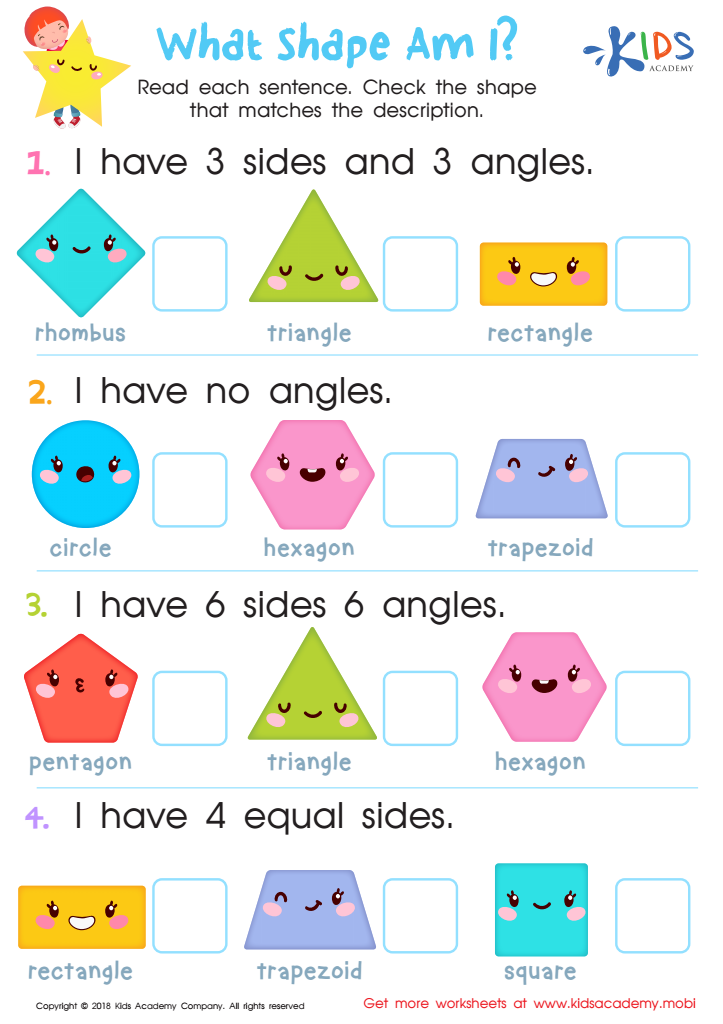
What Shape Am I? Worksheet
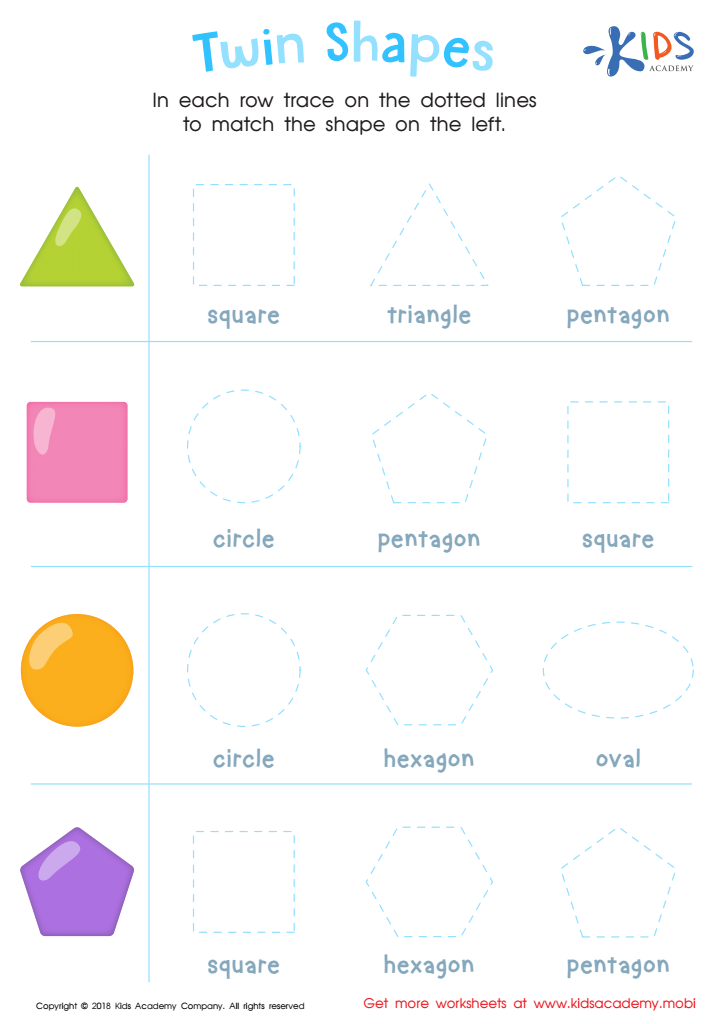
Twin Shapes Dot-to-Dot Worksheet








Visual discrimination of 2D shapes is a crucial skill for 6-year-olds and has significant implications for a child's overall development. At this age, children are beginning to build foundational cognitive skills that will support their academic journey. Recognizing and distinguishing between shapes helps children categorize and make sense of their environment, enhancing their critical thinking abilities.
Developing strong visual discrimination skills aids in mathematics, where understanding shapes is vital for geometry, spatial reasoning, and measurement. Additionally, these skills contribute to literacy, as recognizing shapes influences the ability to differentiate letters and numbers, which is crucial for reading and writing proficiency.
Moreover, visual discrimination fosters creativity and artistic expression. Children learn to appreciate design, as they can identify patterns in their surroundings. This skill can also enhance their problem-solving capabilities, as it nurtures logical reasoning when navigating various tasks.
Beyond academics, strong visual discrimination can boost a child's confidence. As they master shape identification, children are more likely to engage with learning activities, collaborate with peers, and participate in discussions. Therefore, parents and teachers should prioritize activities that promote visual discrimination of 2D shapes, creating a solid foundation for lifelong learning and development.