Problem-Solving Skills Comparing Numbers Worksheets for 6-Year-Olds
3 filtered results
-
From - To
Enhance your child's math journey with our "Problem-Solving Skills Comparing Numbers Worksheets" designed specifically for 6-year-olds. These engaging worksheets focus on helping young learners develop essential skills for comparing numbers, fostering critical thinking and problem-solving abilities. Through fun activities, children will practice identifying greater or lesser values, filling in the blanks, and answering questions that reinforce their understanding of number comparison. With colorful illustrations and interactive exercises, our worksheets make learning enjoyable! Perfect for homeschooling or classroom use, these resources support early math education while building confidence in young mathematicians. Explore the world of numbers today!
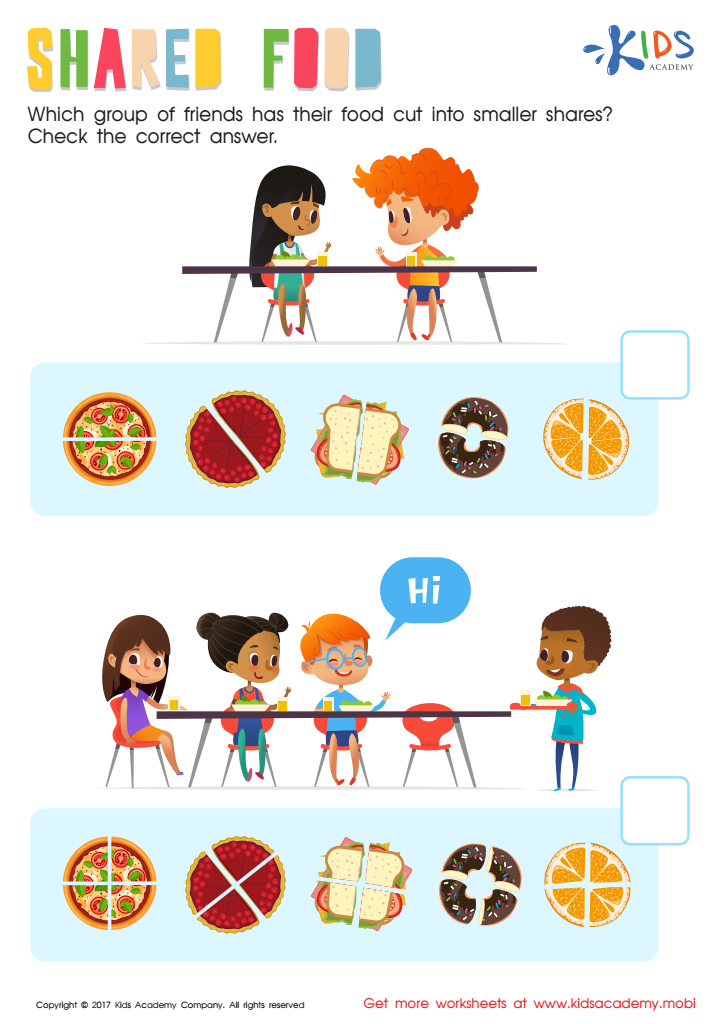
Shared Food Worksheet
 Assign to My Students
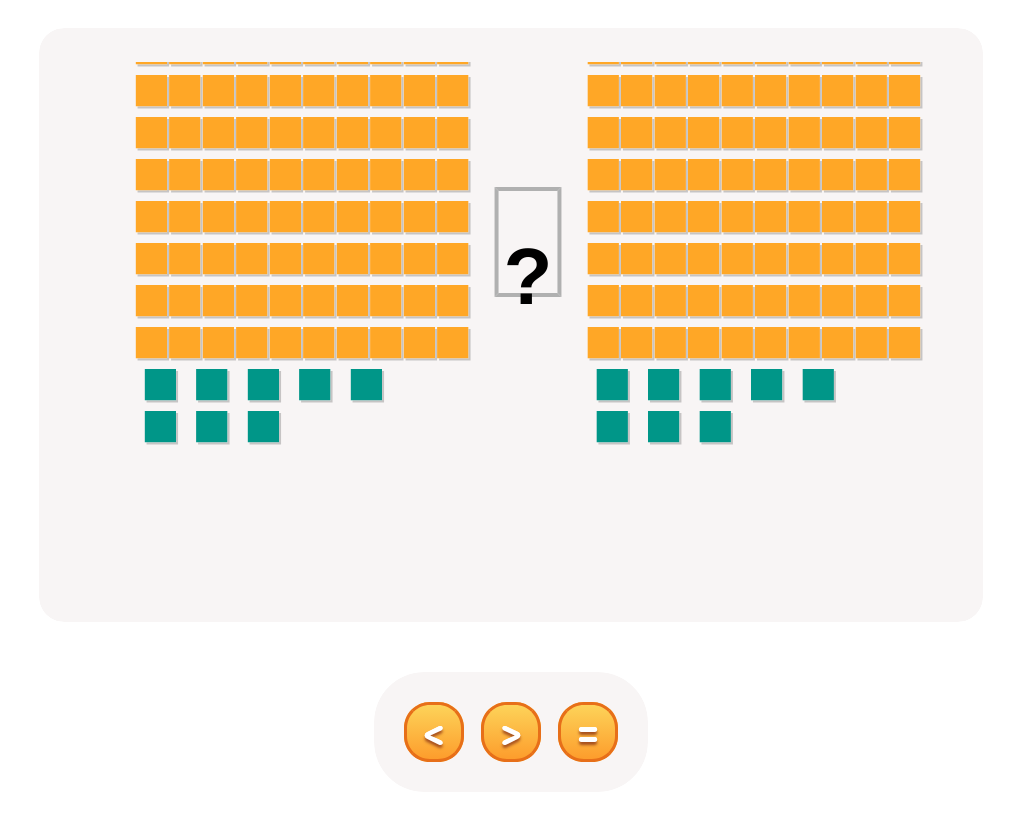

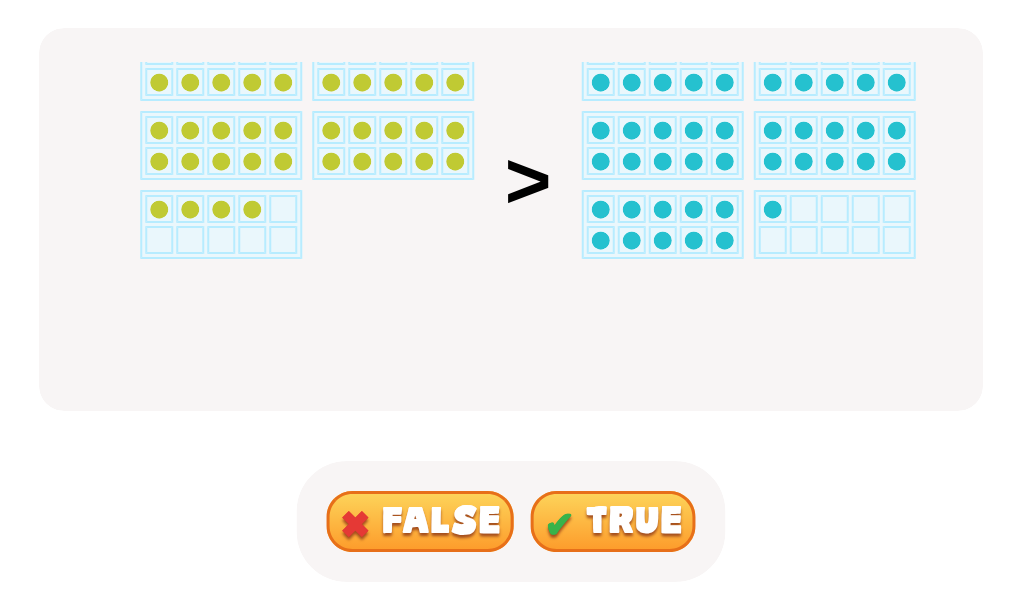
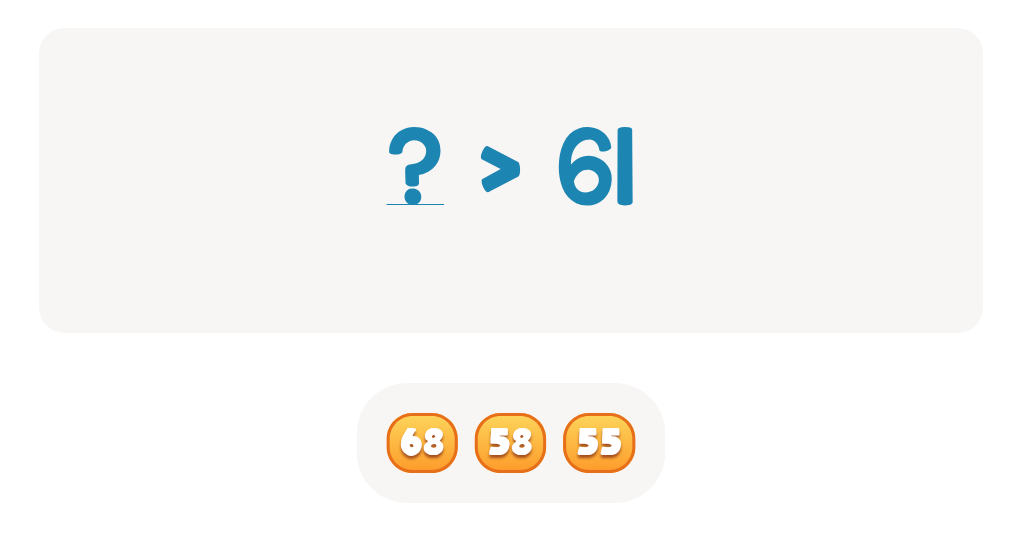
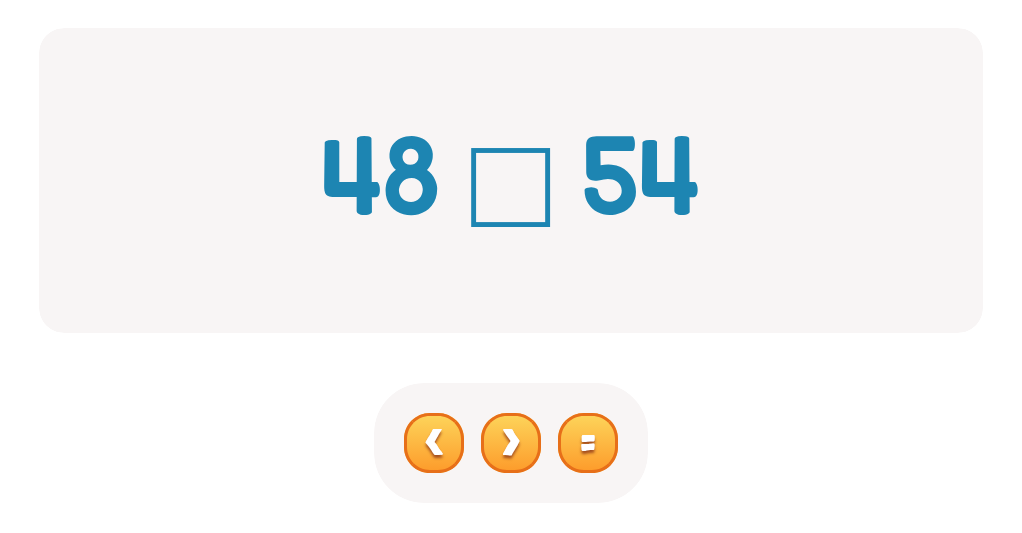
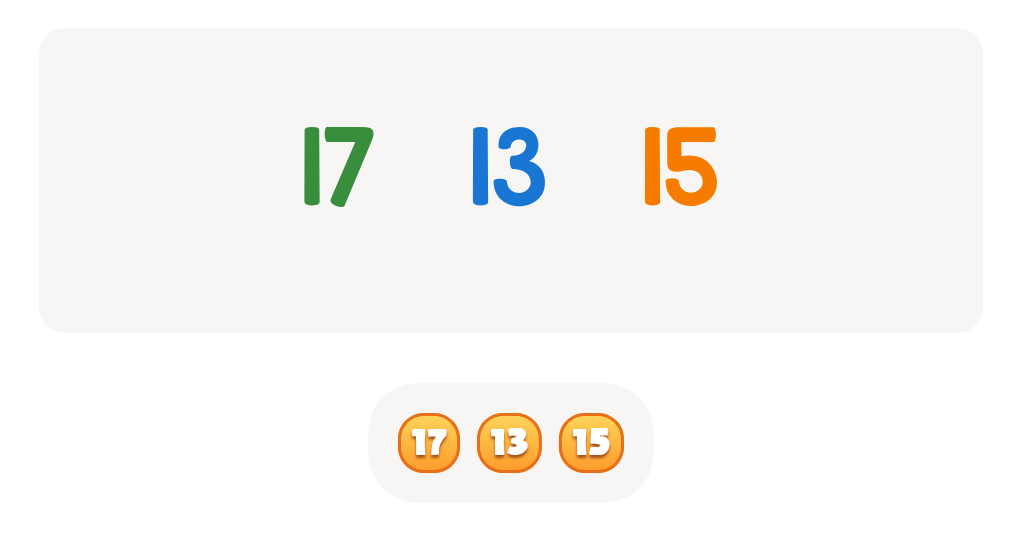
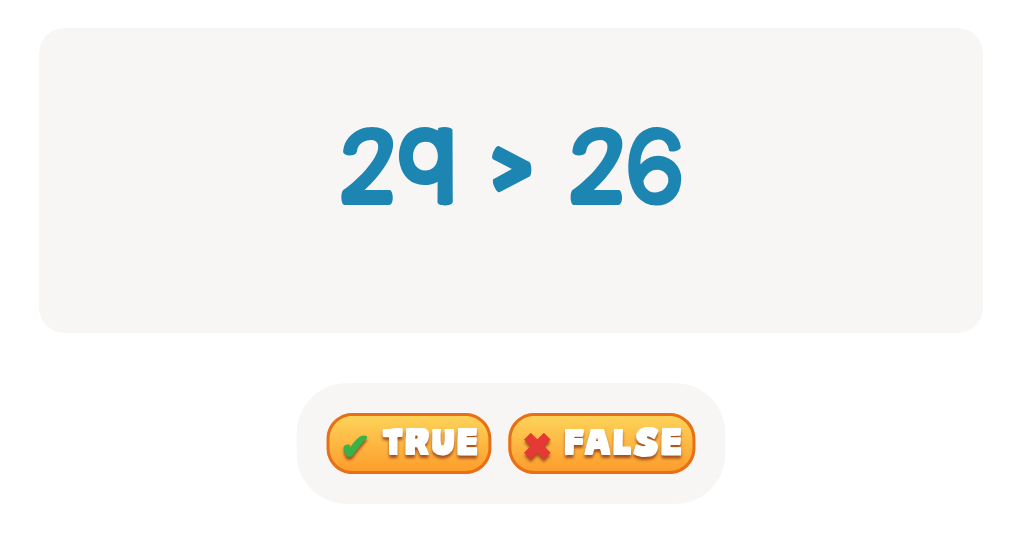
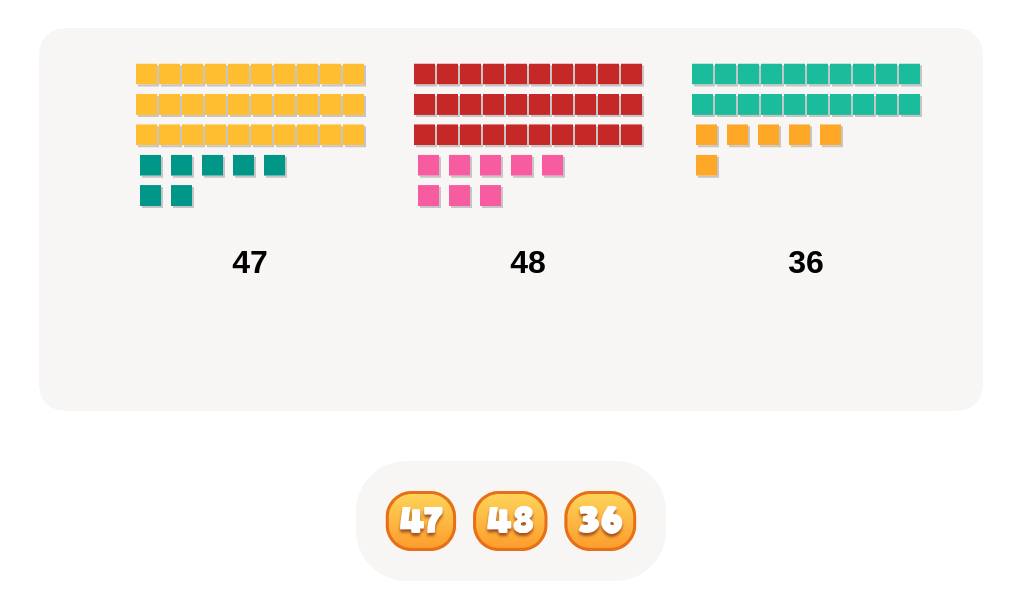
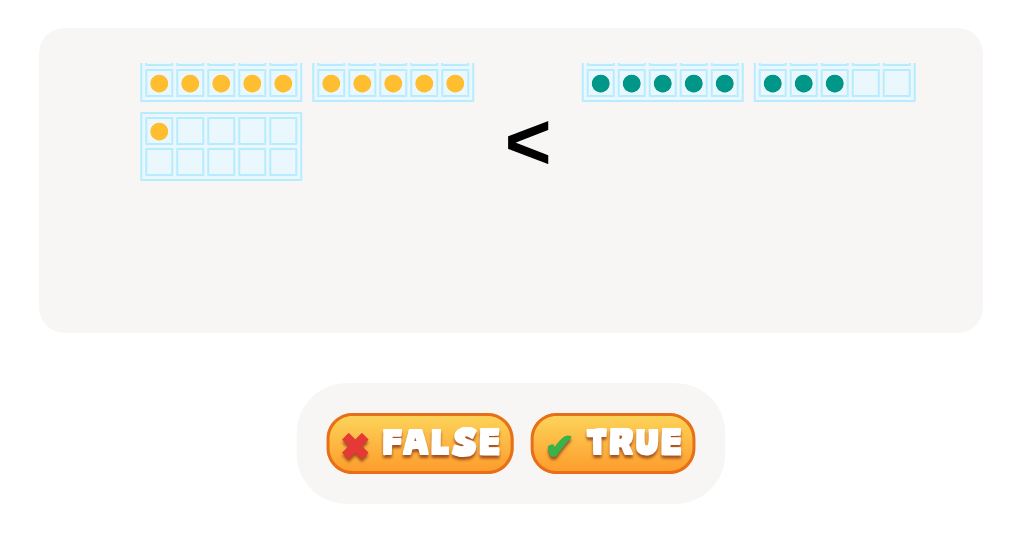
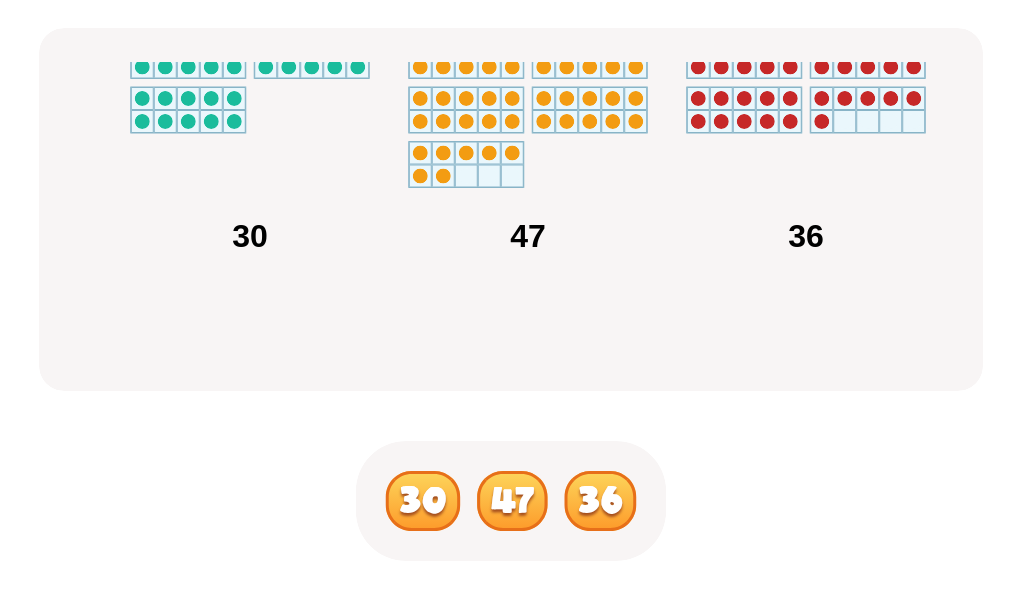
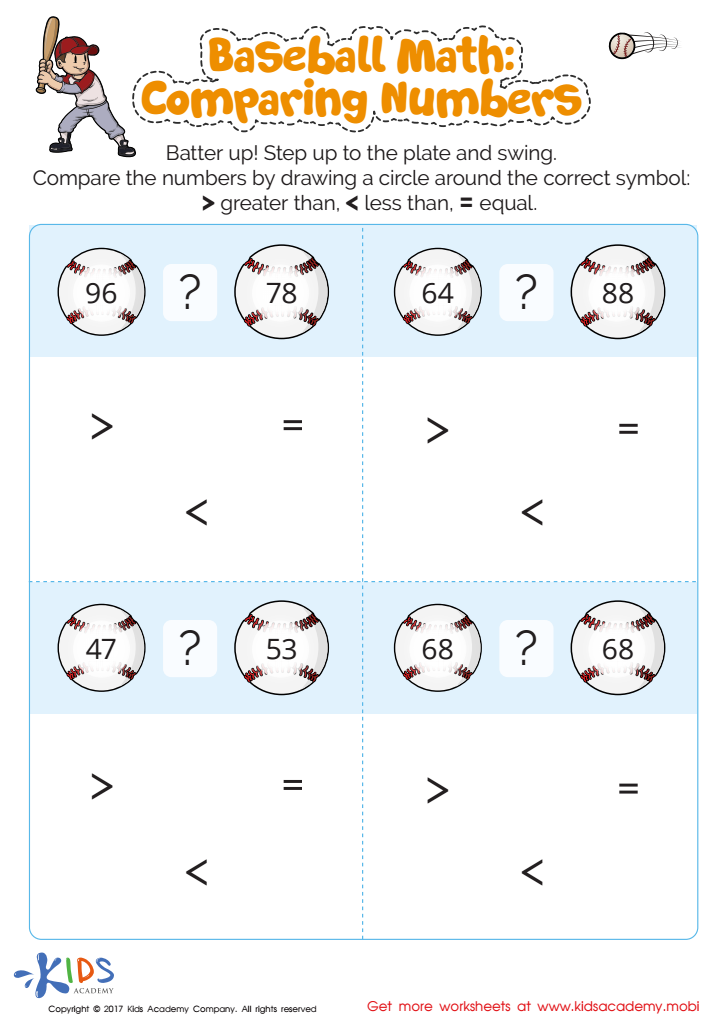
Compare Numbers Printable
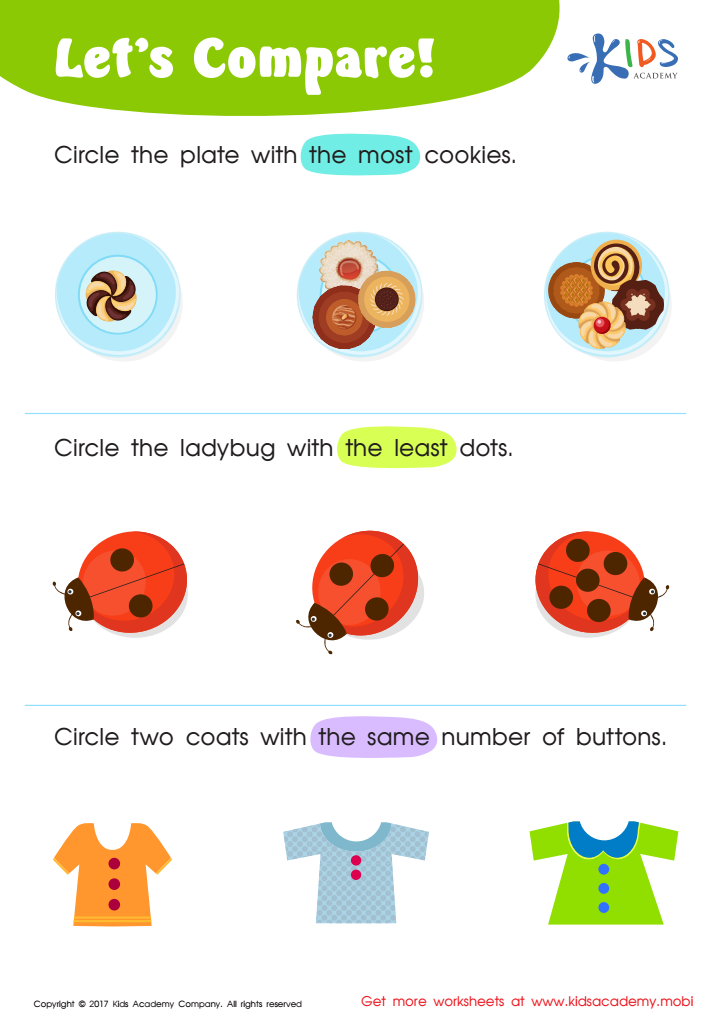
Matching: Classifying Toys by Size Worksheet







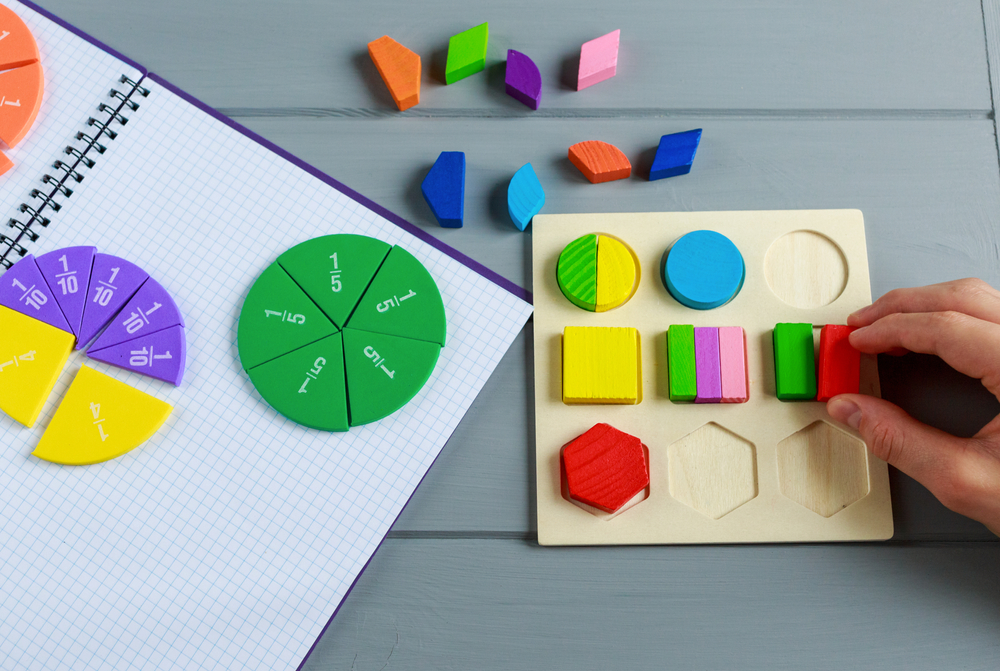
Problem-solving skills are crucial for 6-year-olds, especially when comparing numbers, as they lay the foundation for critical thinking and mathematical proficiency. Teaching children to compare numbers helps them understand relationships between quantities, fosters logical reasoning, and develops their ability to articulate and communicate their thought processes. This skill is essential not only in mathematics but also in everyday decision-making situations.
By incorporating problem-solving skills into number comparisons, educators and parents can encourage a growth mindset in children. They learn to approach challenges with resilience, allowing them to tackle more complex problems as they progress academically. Additionally, engaging in these activities promotes active learning; children become participants in their educational journey, developing a sense of ownership and interest in math.
Furthermore, strong problem-solving skills can lead to increased confidence in students. As they gain proficiency in comparing and understanding numbers, they can better navigate their academic courses, reducing anxiety about future mathematics-related tasks.
Ultimately, equipping 6-year-olds with these foundational skills not only enhances their mathematical abilities but also prepares them for a wide array of life situations, enabling them to become capable, independent thinkers. Therefore, parents and teachers should prioritize teaching problem-solving in number comparisons.