Basic Math Skills Comparison Worksheets for 6-Year-Olds
3 filtered results
-
From - To
Explore our engaging Basic Math Skills Comparison Worksheets designed specifically for 6-year-olds! These interactive worksheets provide young learners with a fun and effective way to enhance their math abilities, focusing on comparison skills. Children will practice comparing numbers, sizes, and quantities through colorful and age-appropriate exercises. Our worksheets foster critical thinking and problem-solving skills while keeping learning enjoyable. Ideal for parents and teachers, these resources support foundational math skills in a dynamic way. Download our worksheets today to help your child build confidence and proficiency in basic math concepts! Perfect for early grade learners at home or in the classroom.
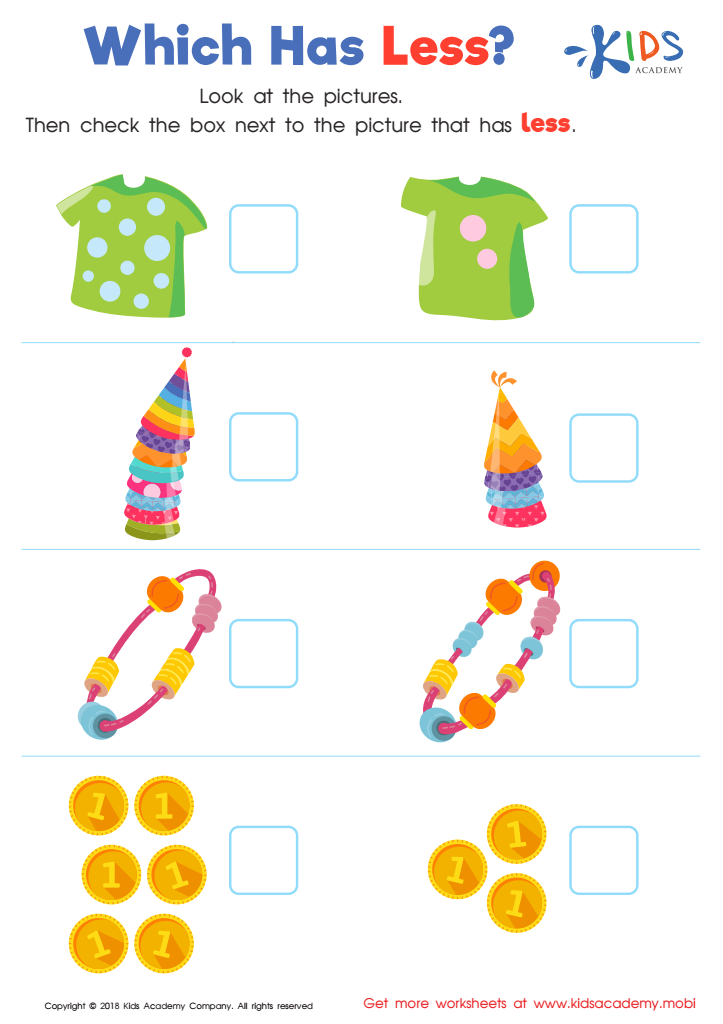
Which Has Less? Worksheet
 Assign to My Students
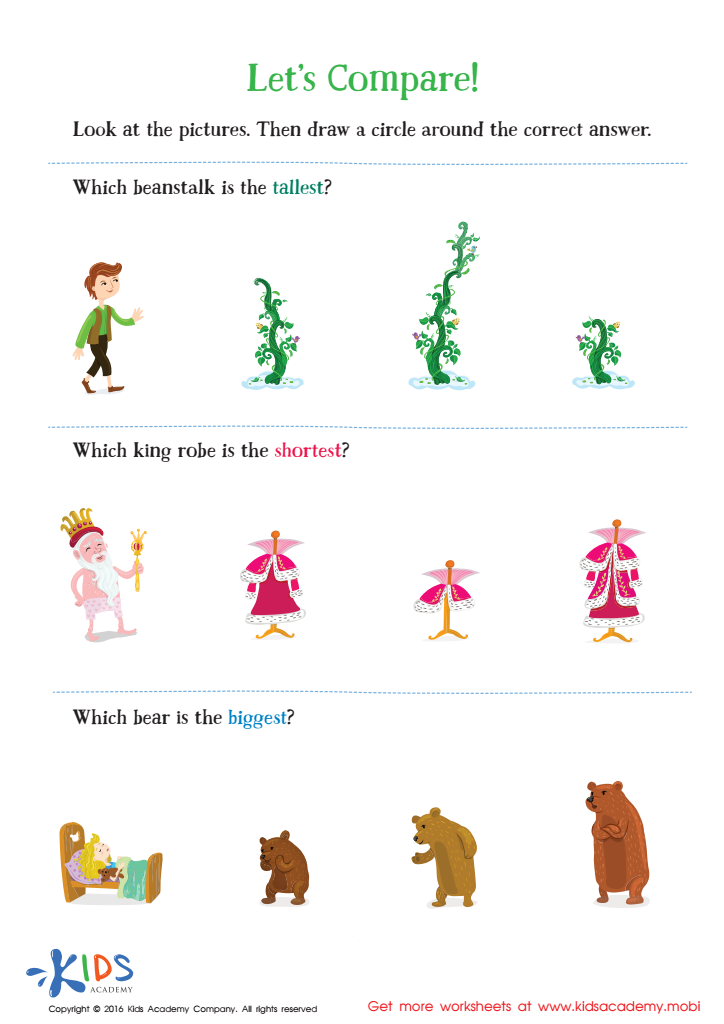
Fairy Tale Worksheet: Let's Compare
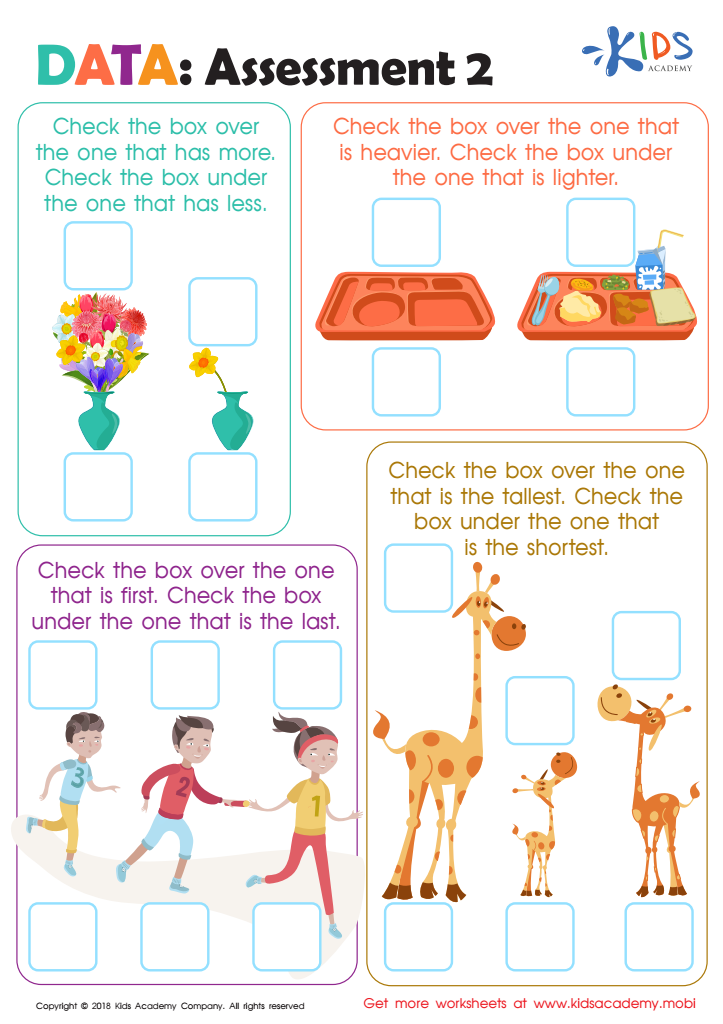
Data: Assessment 2 Worksheet



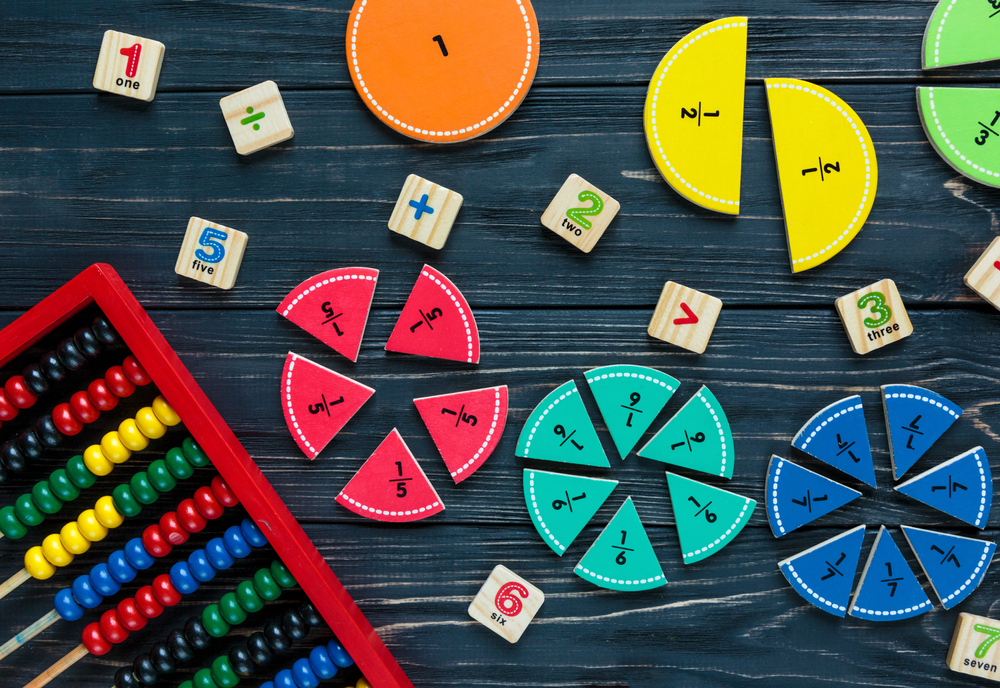
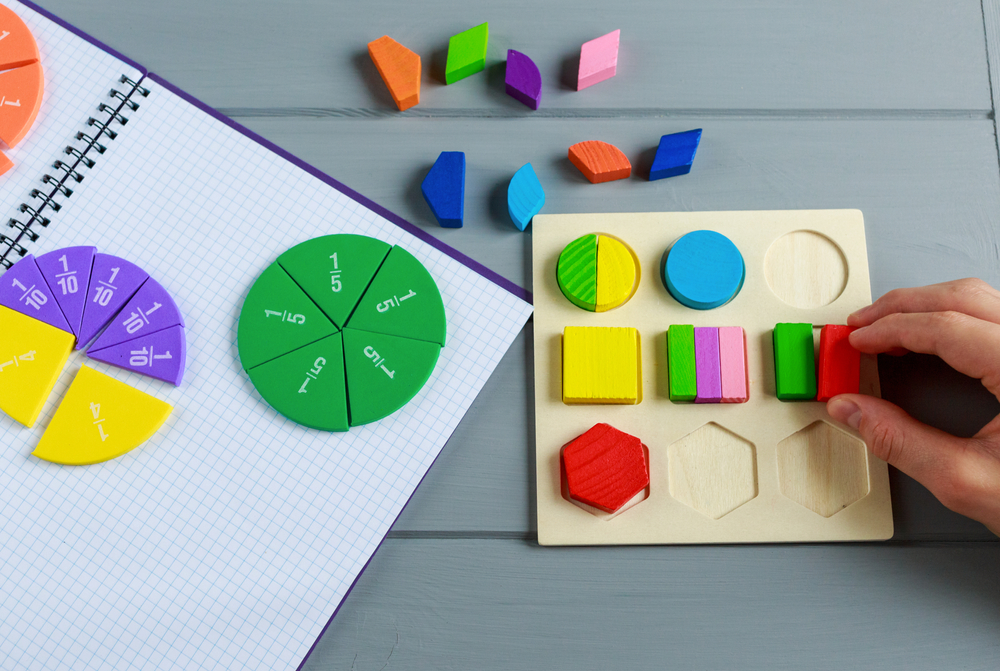


Basic math skills are crucial for 6-year-olds, as they form the foundation for all future learning in mathematics and related subjects. Parents and teachers should care about math skills comparison at this age for several reasons.
Firstly, early math proficiency significantly correlates with later academic success. Identifying strengths and weaknesses through skills comparison allows adults to tailor learning strategies to individual needs, fostering a love for math and bolstering confidence.
Secondly, basic math skills contribute to essential problem-solving skills in everyday life. Children who grasp these concepts early are better equipped to tackle real-world situations, such as budgeting or understanding time.
Additionally, math skills comparison highlights any gaps in knowledge that could lead to challenges in later education. Addressing these gaps early on prevents potential struggles and promotes a smoother transition into more complex mathematical concepts.
Lastly, fostering a strong mathematical foundation at this age encourages critical thinking and analytical skills, which extend beyond math itself into areas like science and literacy.
By focusing on children’s basic math skills and understanding their development through comparisons, parents and teachers can create a nurturing environment that encourages lifelong learning and prepares children for future academic success.








