Fine Motor Skills Counting Worksheets for 6-Year-Olds
6 filtered results
-
From - To
Boost your child's counting abilities and fine motor skills with our expertly designed Fine Motor Skills Counting Worksheets for 6-Year-Olds. These worksheets integrate engaging math concepts and vibrant illustrations to make learning enjoyable and effective. Each activity is crafted to enhance precision, hand-eye coordination, and number recognition, laying a solid foundation for future academic success. Ideal for both classroom and home use, our worksheets help children develop essential skills while sparking a love for learning. Download today and watch your child’s skills flourish as they count, trace, and master numbers with confidence!
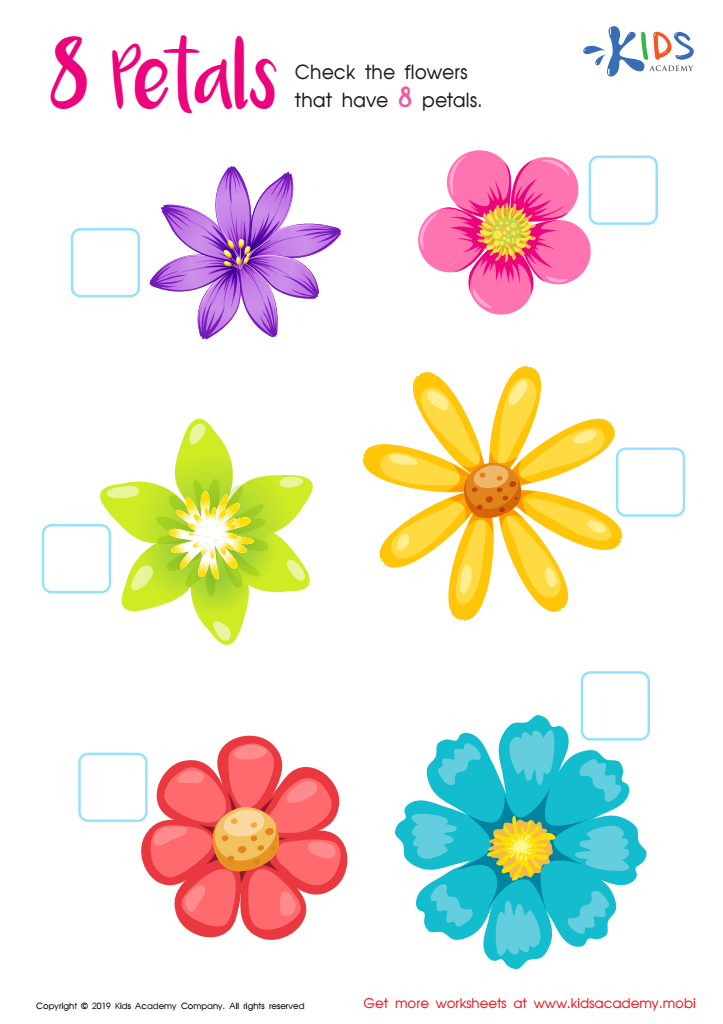
8 Petals Worksheet
 Assign to My Students


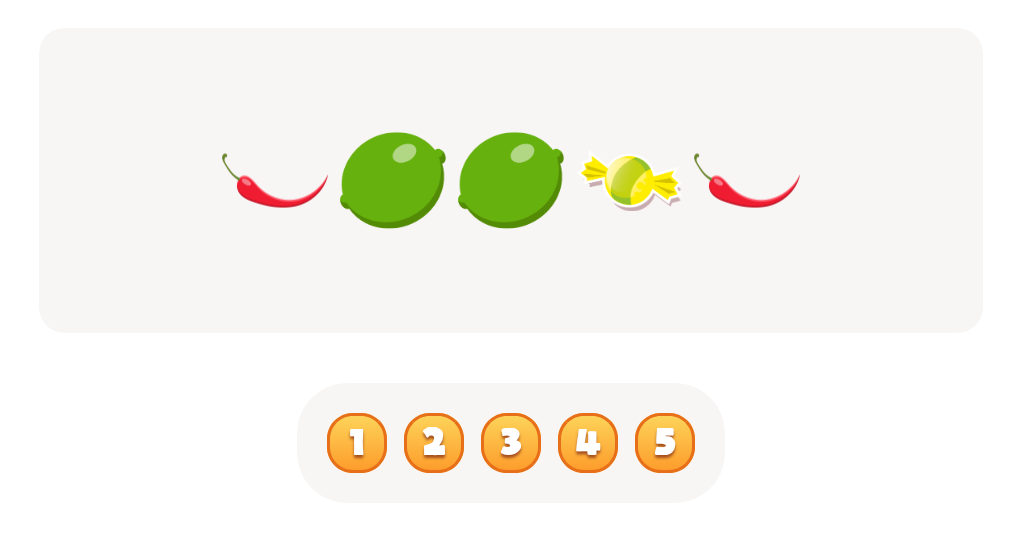

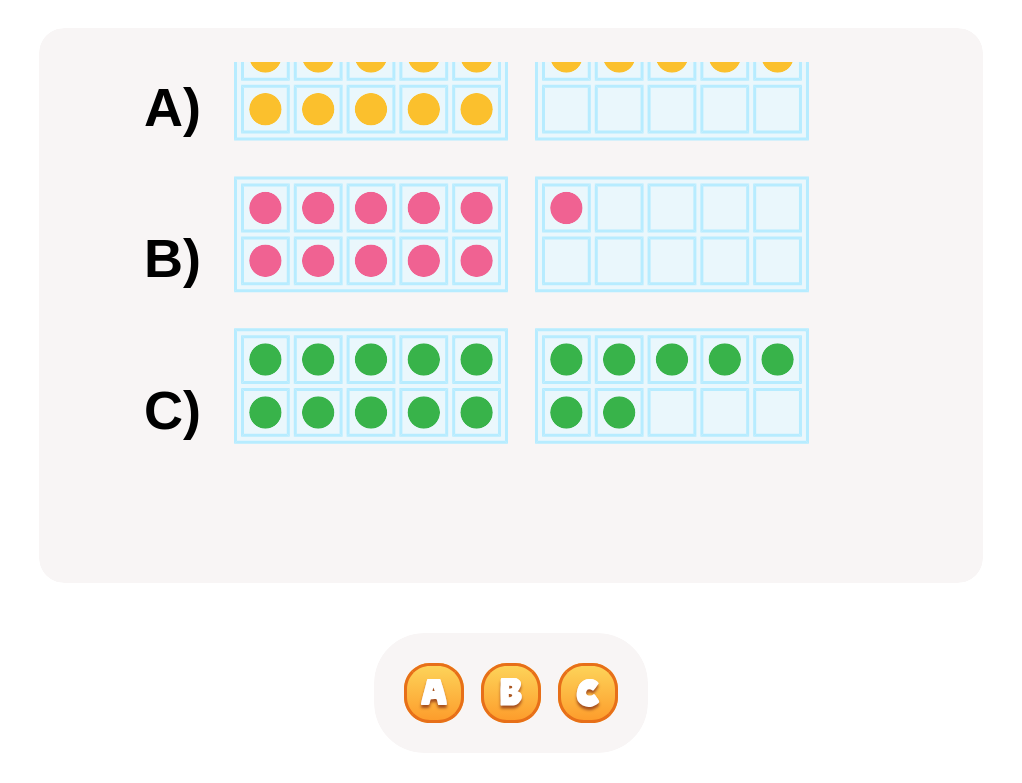
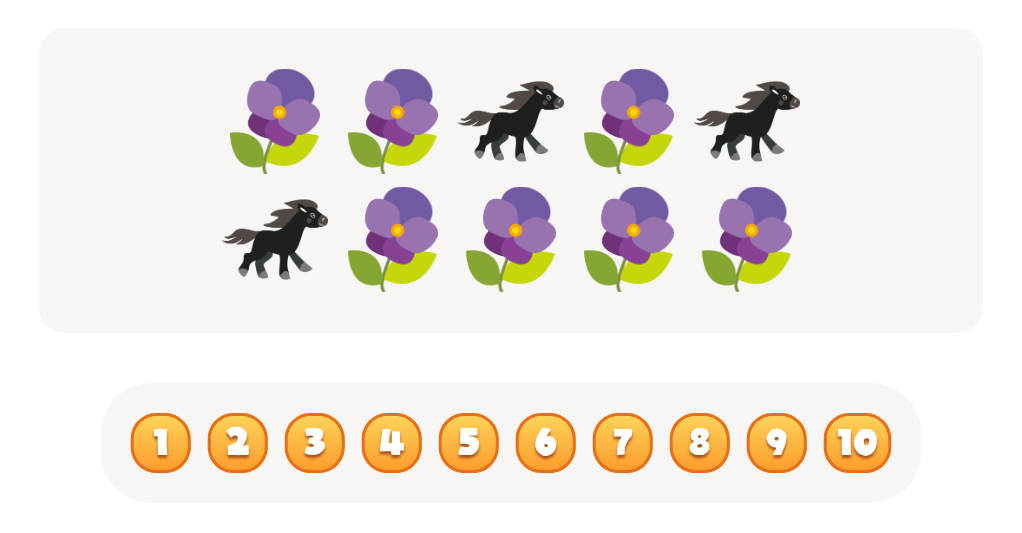


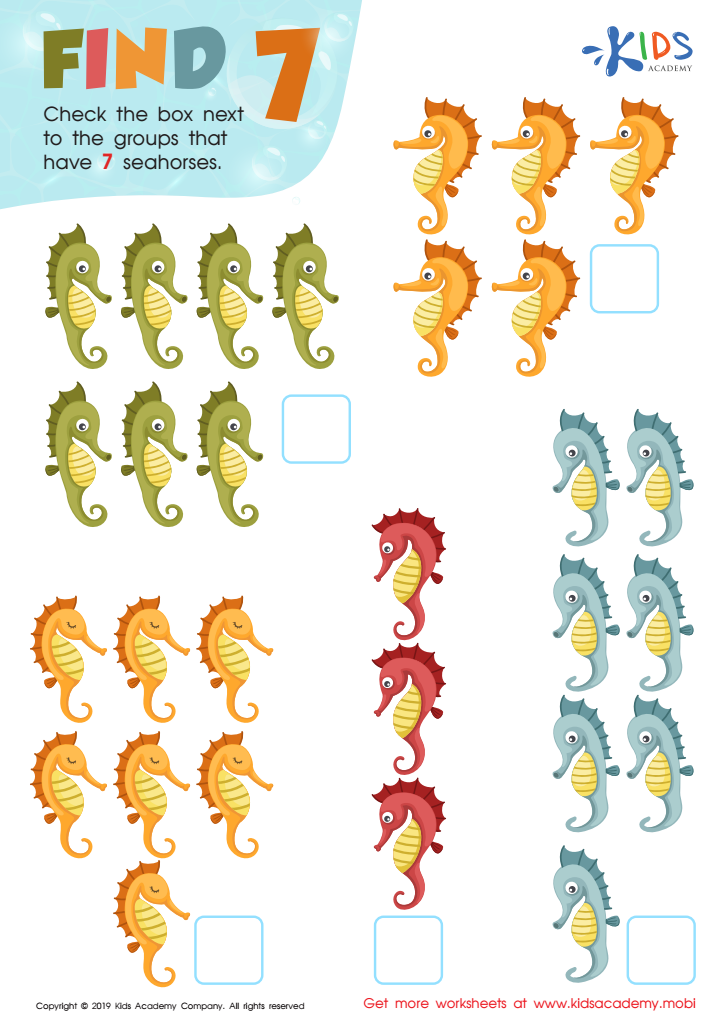
Find 7 Worksheet
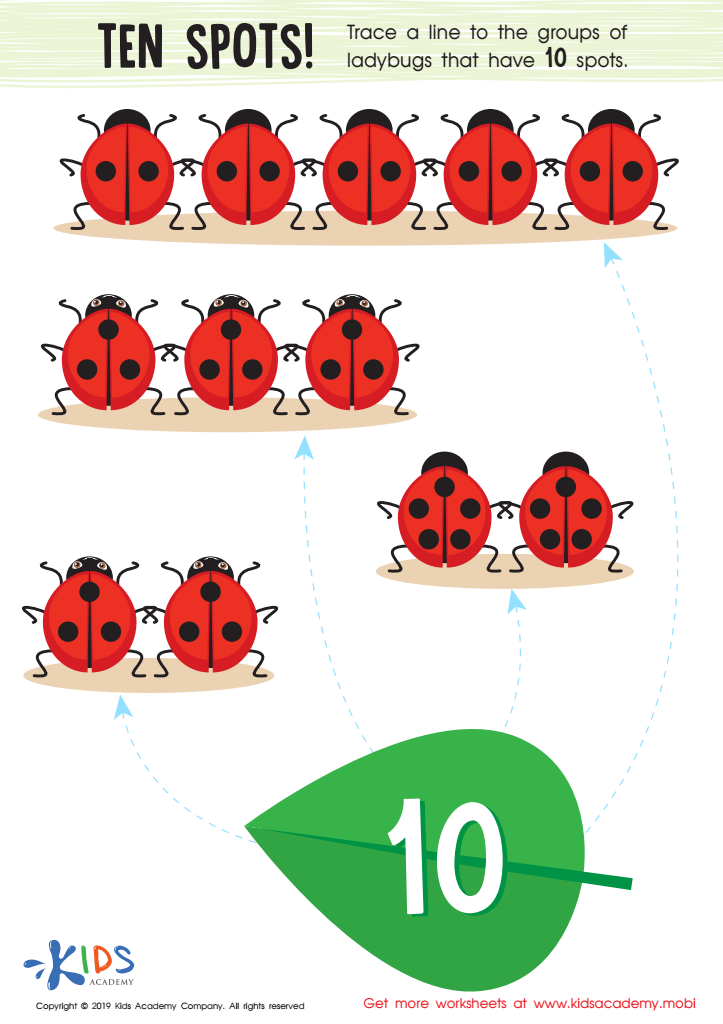
Ten Spots Worksheet
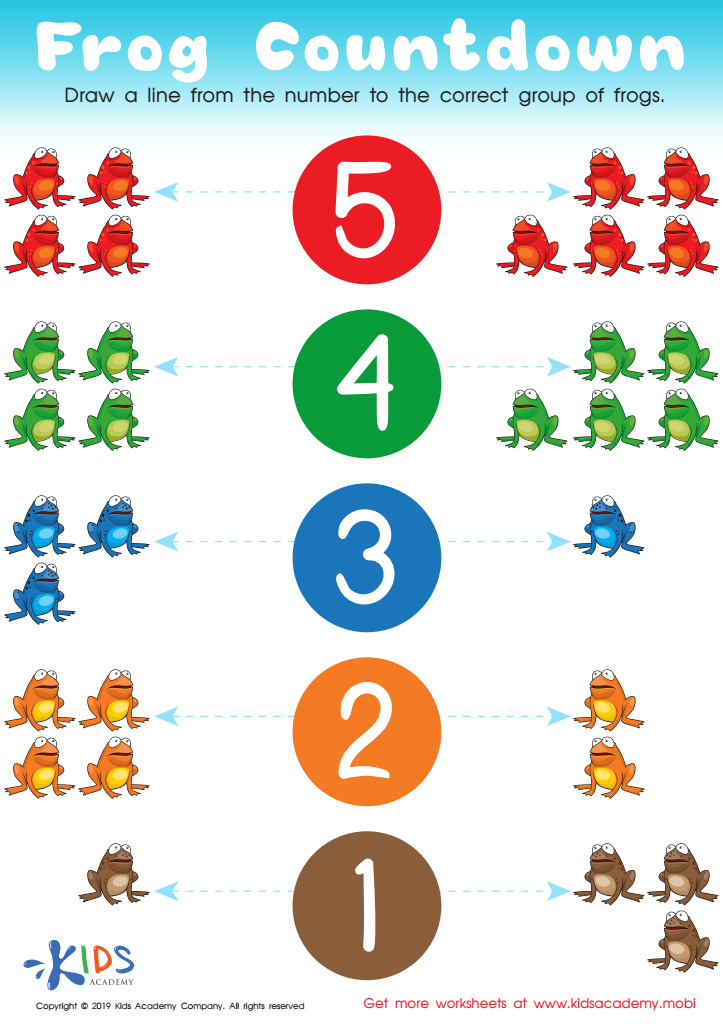
Frog Countdown Worksheet
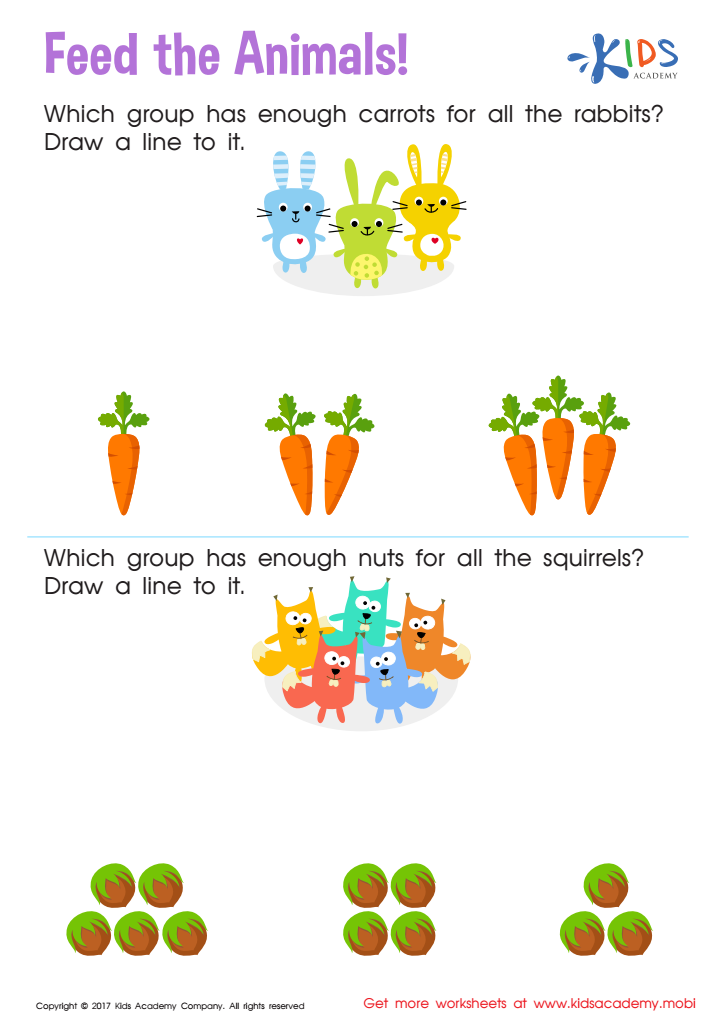
Count and Match: Feed the Animals Worksheet
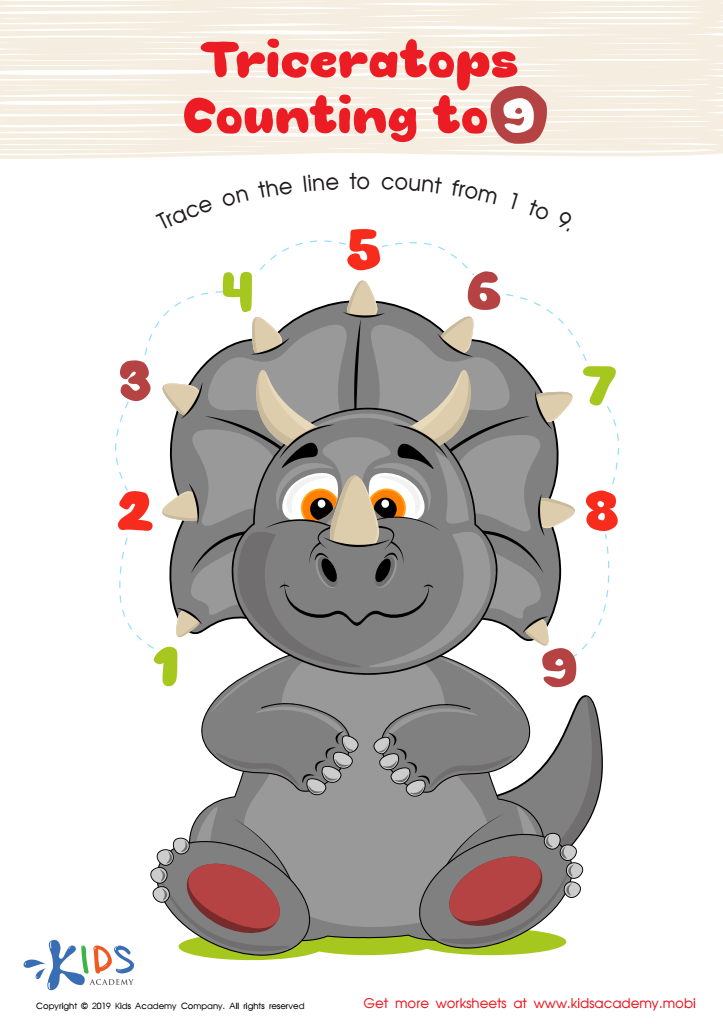
Triceratops Counting to 9 Worksheet







%20(1).jpg)
Parents and teachers should place a high importance on developing fine motor skills in 6-year-olds, particularly through activities like counting with small objects. Fine motor skills involve the coordination of small muscles in the hands and fingers, which are essential for a child's ability to perform everyday tasks such as writing, buttoning clothes, and using utensils. By integrating fine motor skill practice with counting exercises, children not only enhance their numerical knowledge but also strengthen their finger dexterity and hand-eye coordination.
For instance, counting small objects like beads or buttons requires a child to pick up and manipulate tiny items, thereby improving their grip strength and finger control. This dual-focused activity is incredibly beneficial: it supports cognitive development by reinforcing number sense and math skills, while also fostering essential motor development. Improved fine motor skills can lead to better handwriting, increased independence in self-care activities, and higher overall confidence.
Moreover, these early skills set a foundation for future academic and daily living tasks. By investing time in such activities now, parents and teachers are equipping children with the necessary tools for academic success and personal growth. In summary, fine motor skills counting not only enhances a child’s precision and coordination but also plays a crucial role in their holistic developmental journey.








