Shape Recognition Numbers Worksheets for 6-Year-Olds
7 filtered results
-
From - To
Introducing our Shape Recognition Numbers Worksheets designed specifically for 6-year-olds! These engaging worksheets seamlessly combine number learning with shape recognition, fostering both mathematical and cognitive skills. Each printable is thoughtfully crafted to help young learners identify and understand numbers through fun, shape-based activities. Perfect for classroom use or at-home practice, these resources provide a creative approach to early math education. Our worksheets support essential learning skills, including attention to detail, fine motor development, and spatial awareness, making math an enjoyable and exciting adventure for children. Start your child's educational journey with our comprehensive and dynamic worksheets today!
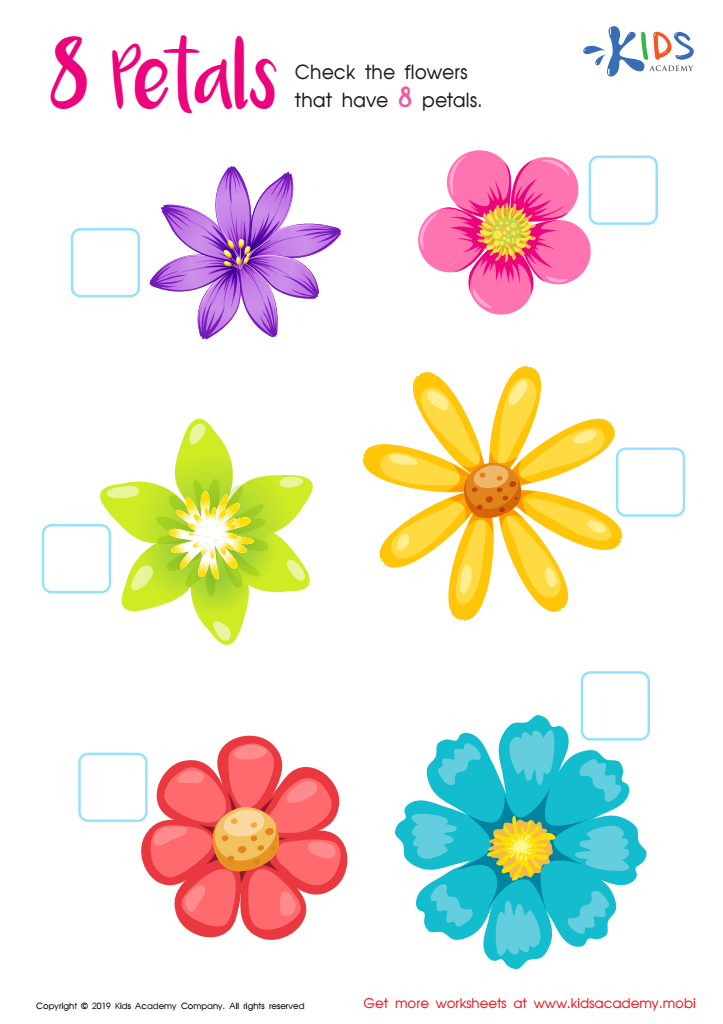
8 Petals Worksheet
 Assign to My Students
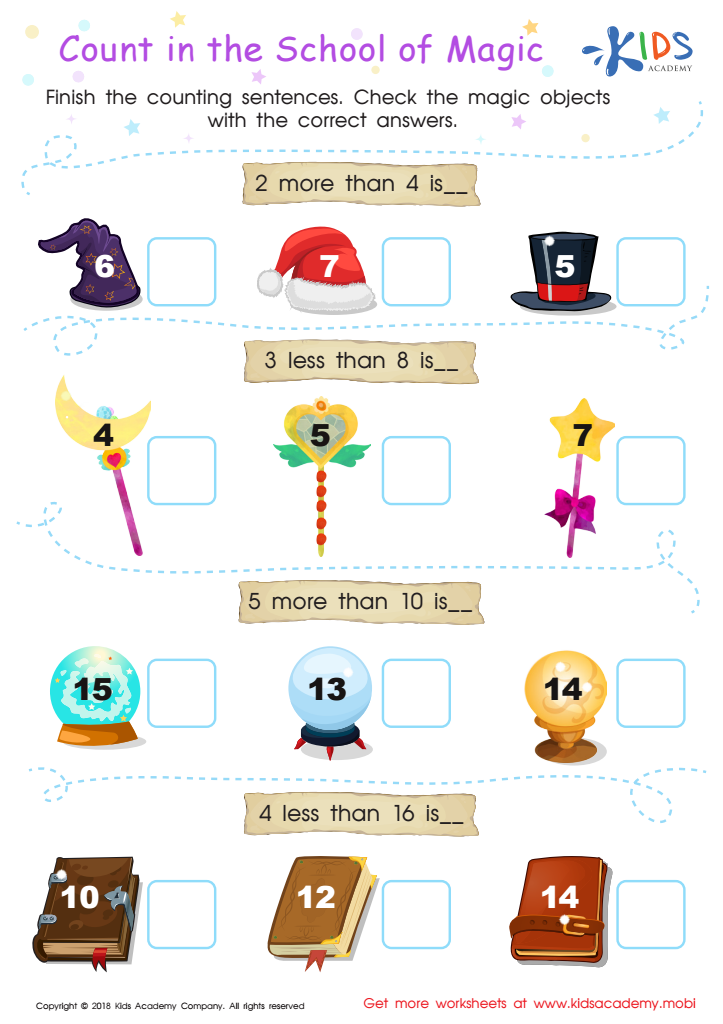
Count in the School of Magic Worksheet
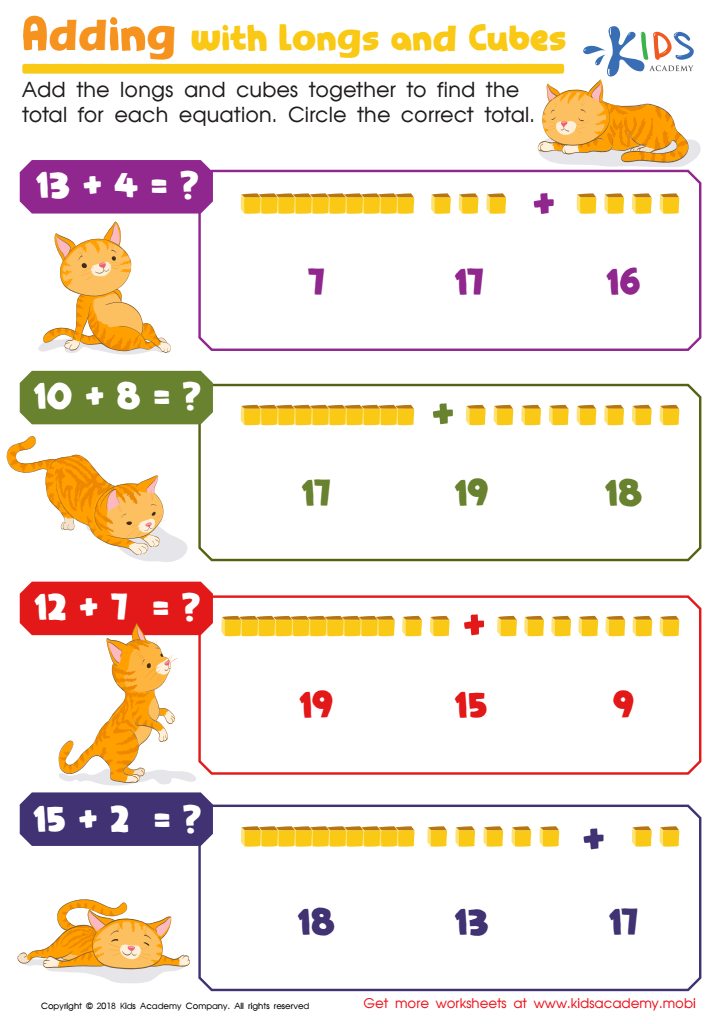
Adding With Longs and Cubes Worksheet
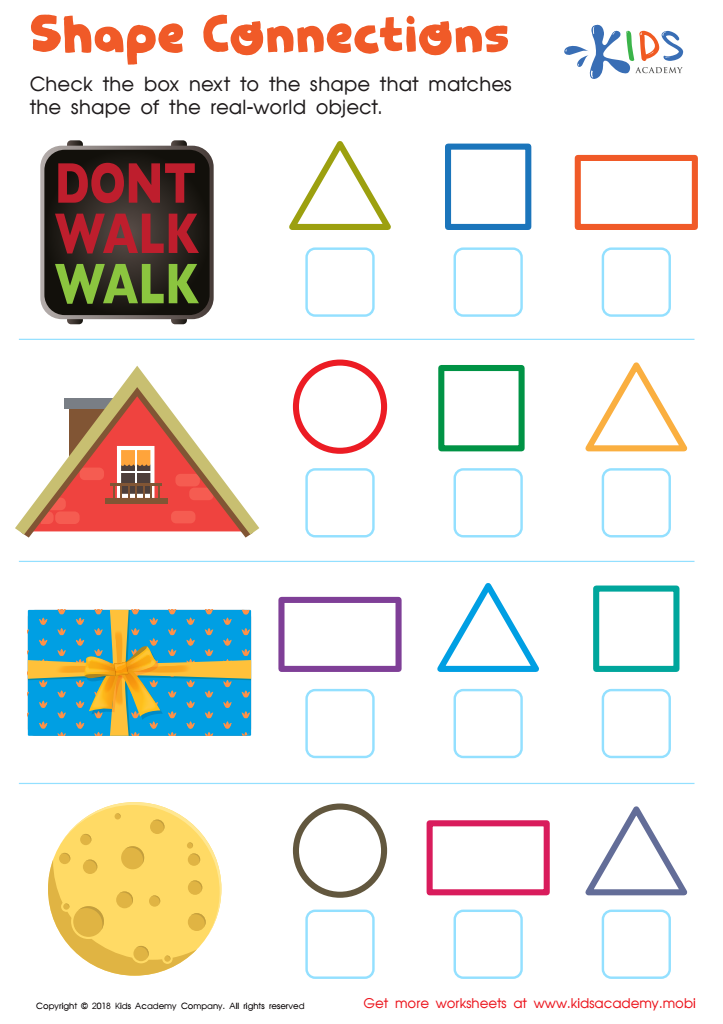
Shape Connections Worksheet
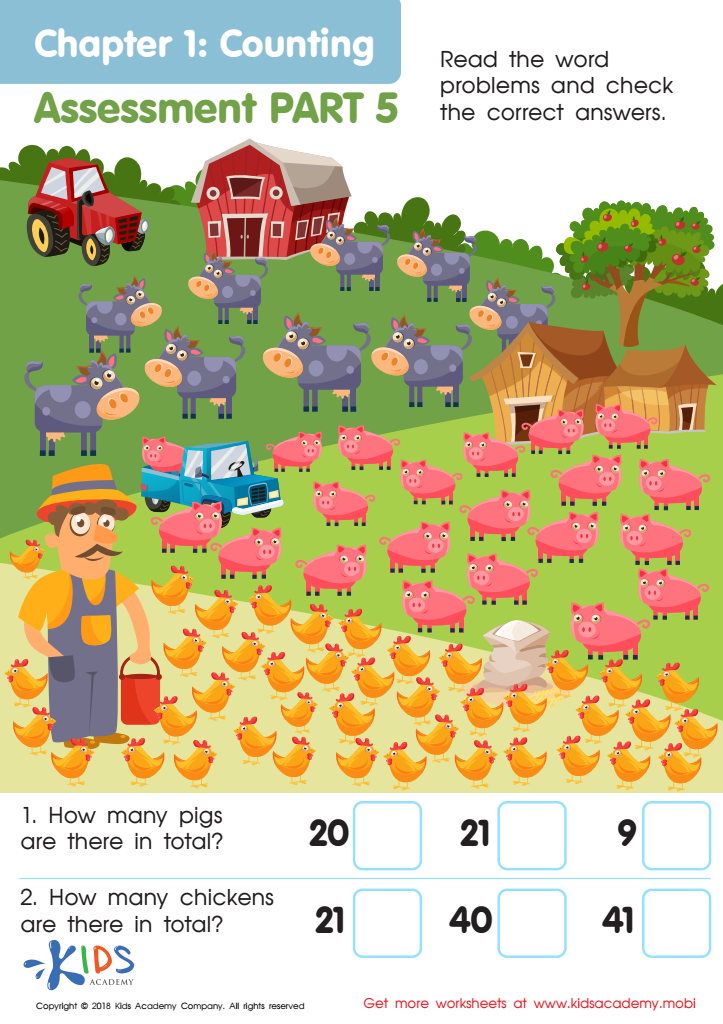
Counting: Assessment 5 Worksheet
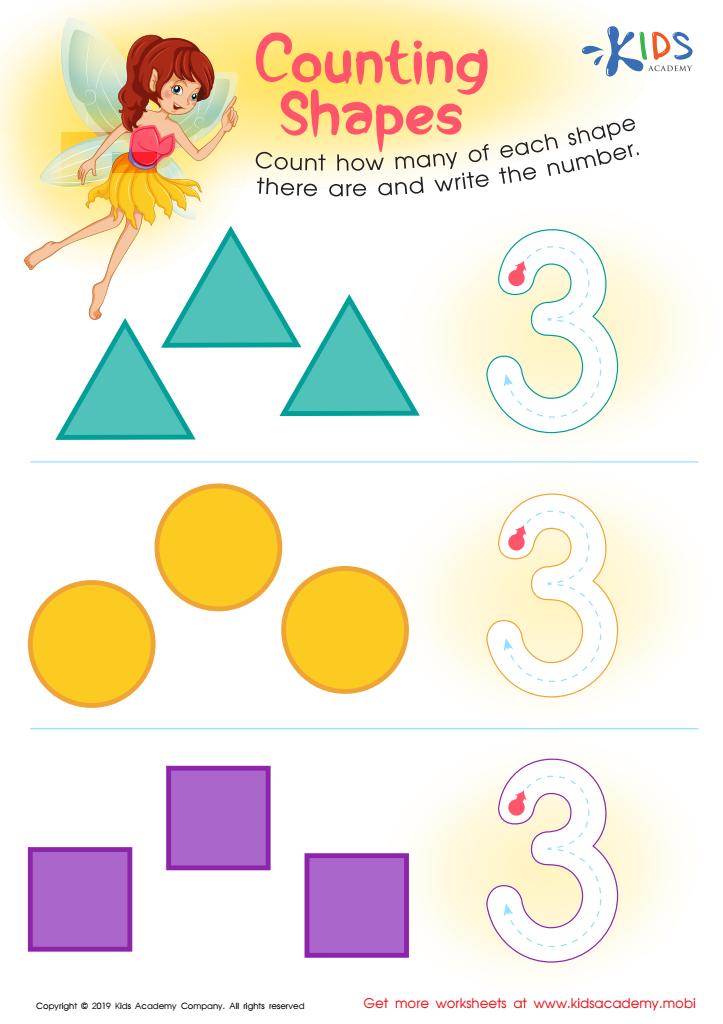
Counting Shapes Worksheet
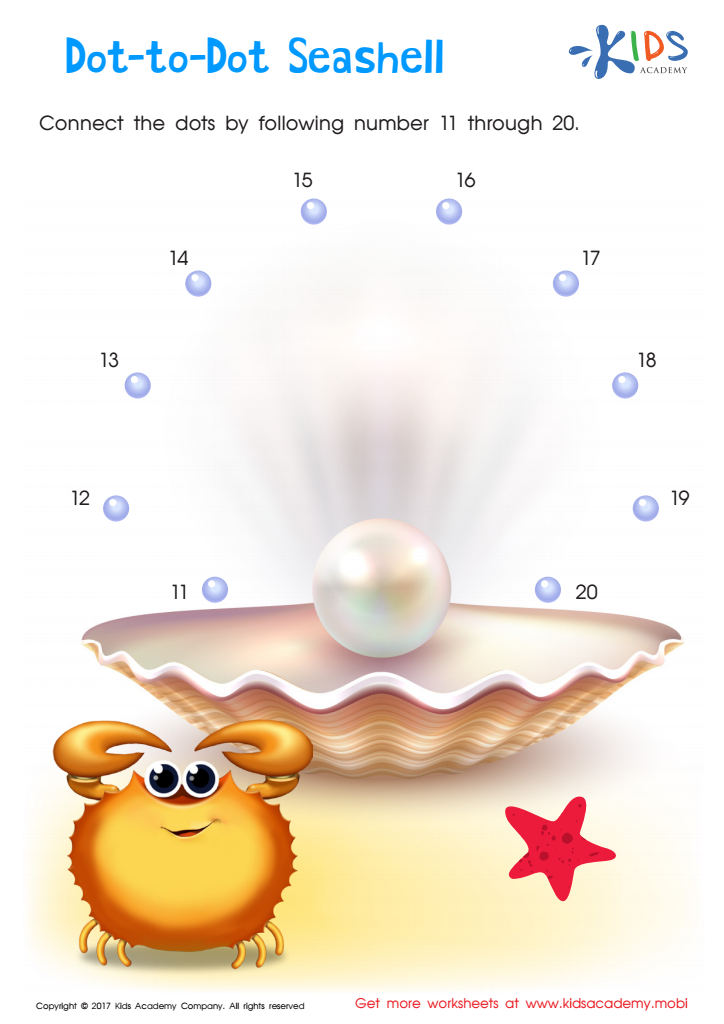
Ordering 11–20: Dot–to–dot Seashell Printable








Shape recognition and number awareness are fundamental building blocks in a child's early education, particularly by the age of six. Understanding shapes help children identify and organize visual information, which enhances their ability to recognize numbers and letters. This cognitive skill is vital as it translates to various everyday contexts, such as differentiating between similar-looking letters (e.g., 'b' and 'd') and numbers (e.g., '6' and '9').
When children grasp these concepts early, they develop better spatial awareness, a critical skill tied to math proficiency. Geometry, for instance, is a subject that heavily relies on shape recognition. It is intertwined with their ability to understand more complex mathematical concepts as they grow older.
Moreover, the social and emotional benefits shouldn't be overlooked. Successfully identifying shapes and numbers instills a sense of accomplishment, boosting a child's confidence and enthusiasm for learning. Interactive activities centered around shape and number recognition promote problem-solving skills, critical thinking, and cooperative play—fostering an environment of curiosity and collaboration.
Lastly, parental and teacher involvement in developing these skills provides a supportive learning atmosphere, encouraging children to explore and enjoy the educational process. This holistic approach equates to better academic outcomes and a solid foundation for future learning.








