Visual perception Numbers Worksheets for 6-Year-Olds - Page 2
28 filtered results
-
From - To
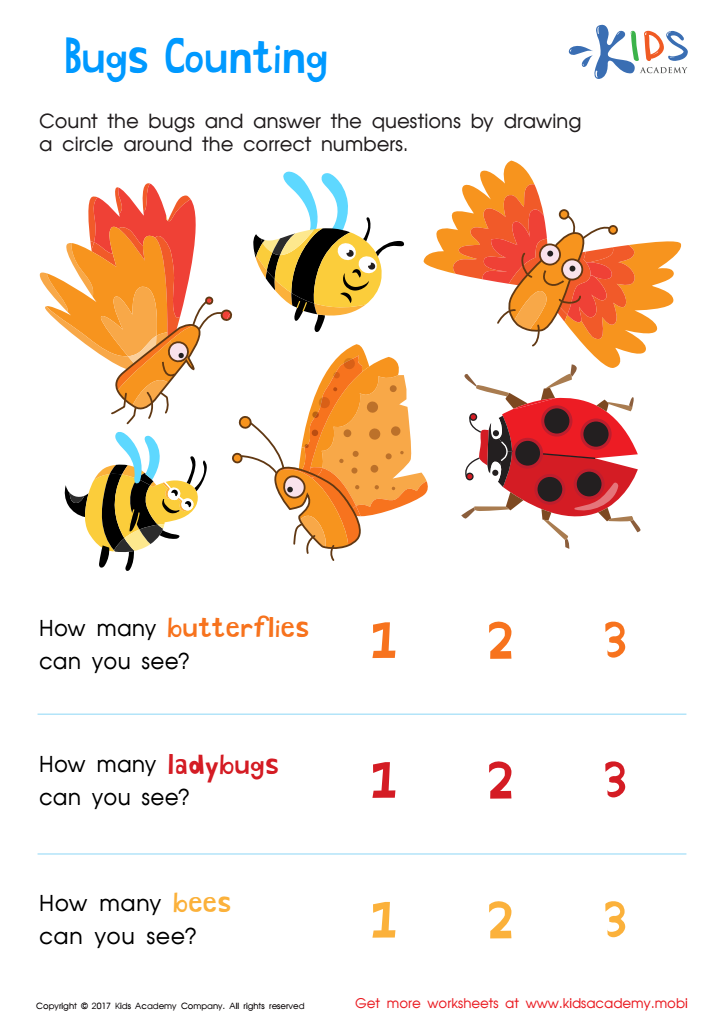
Bugs Counting Worksheet
 Assign to My Students
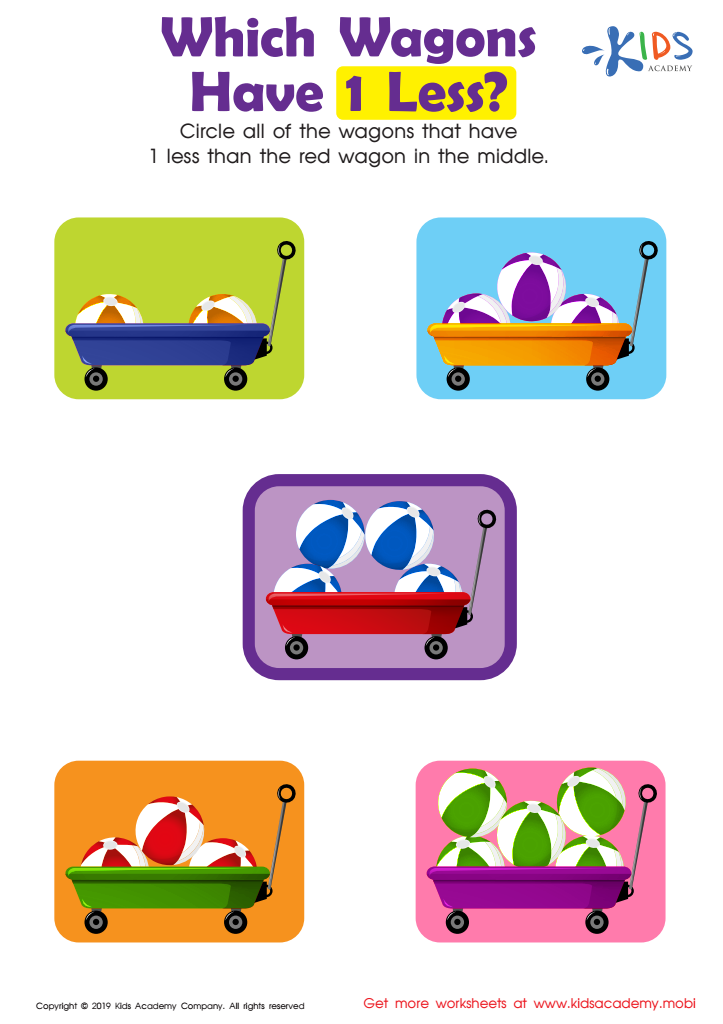
Which Wagons Have 1 Less? Worksheet
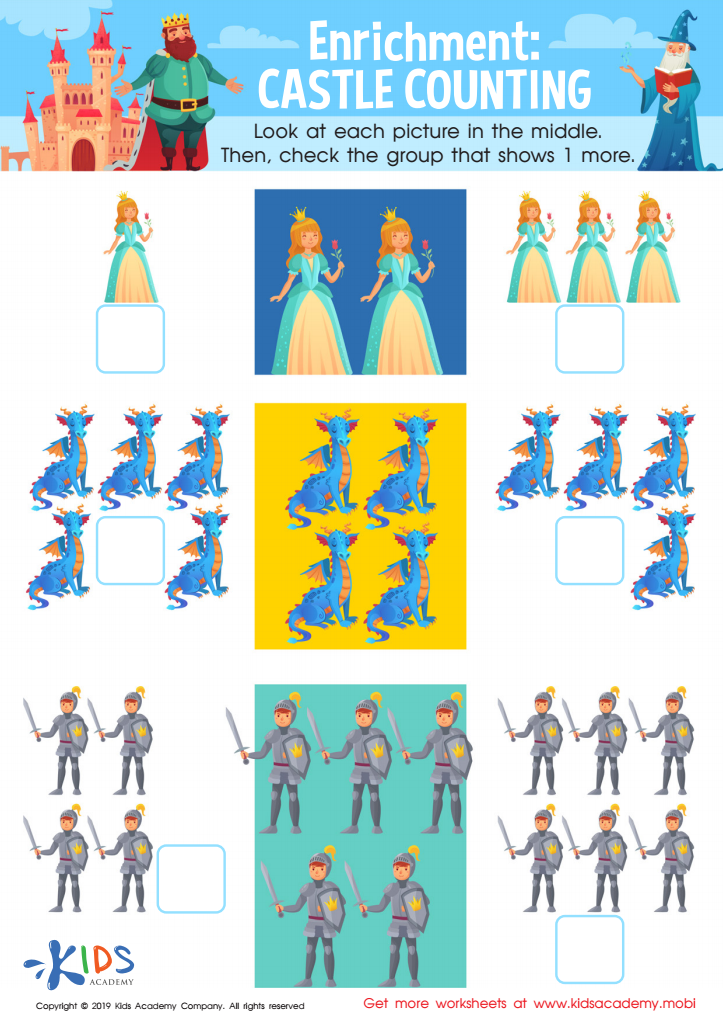
Enrichment: Castle Counting Worksheet
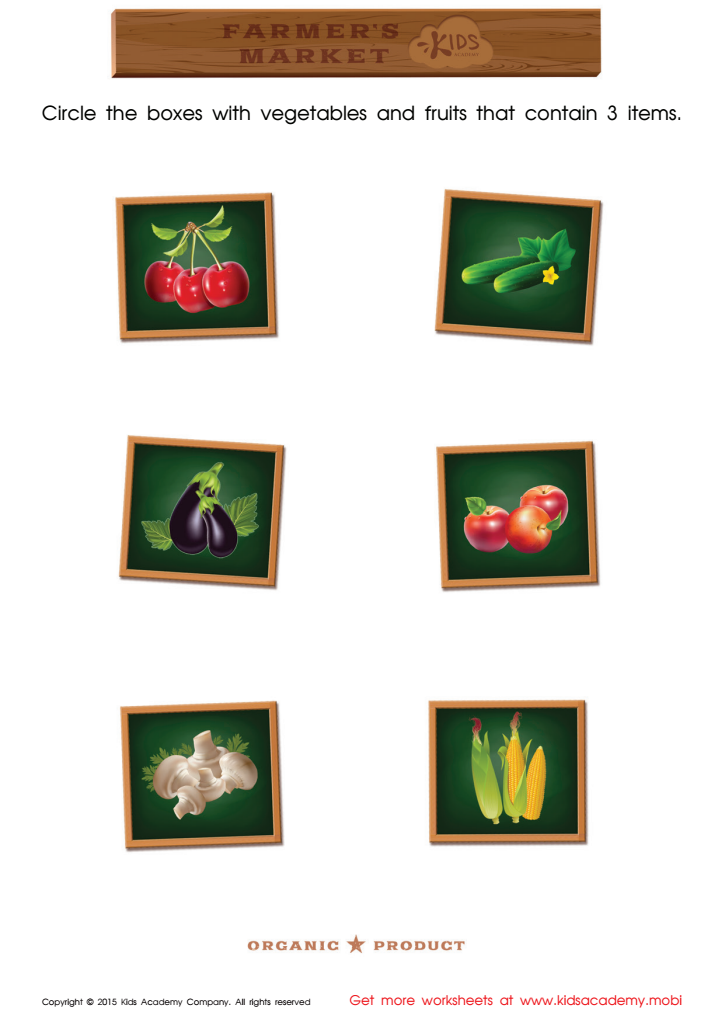
Count and Match Vegetables 1 – 5 Math Worksheet








Visual perception is crucial for 6-year-olds as it forms the foundation for important cognitive and academic skills, particularly in mathematics. As children learn to recognize and understand numbers, their ability to visually perceive shapes, patterns, and quantities directly impacts their number sense and mathematical reasoning. Parents and teachers should care about visual perception because it plays a significant role in early learning, helping children distinguish numbers, understand relationships between quantities, and develop spatial awareness.
Strong visual perception skills enhance a child's ability to solve problems and make connections between visual inputs and their mathematical concepts. Children with effective visual perception can better take in information from their environment, making learning more efficient and enjoyable. Early diagnosis of visual perception difficulties can lead to interventions that improve these skills, fostering confidence and motivation in young learners.
Additionally, activities that promote visual perception—like puzzles, games, and art—can help solidify number concepts while making learning fun. Encouraging these skills at home and in the classroom supports not only academic success but also boosts a child's overall development, laying the groundwork for future learning experiences and lifelong skills. By prioritizing visual perception, parents and teachers contribute to a solid foundation for children's educational trajectories.








