Fine Motor Skills Math Worksheets for 6-Year-Olds - Page 5
115 filtered results
-
From - To
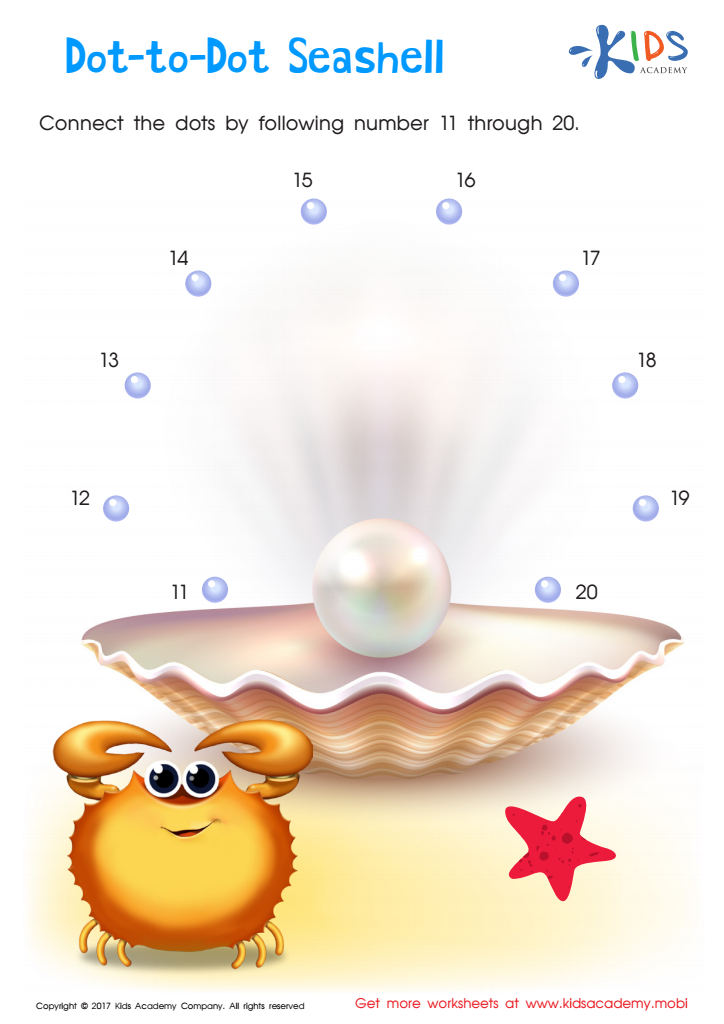
Ordering 11–20: Dot–to–dot Seashell Printable
 Assign to My Students
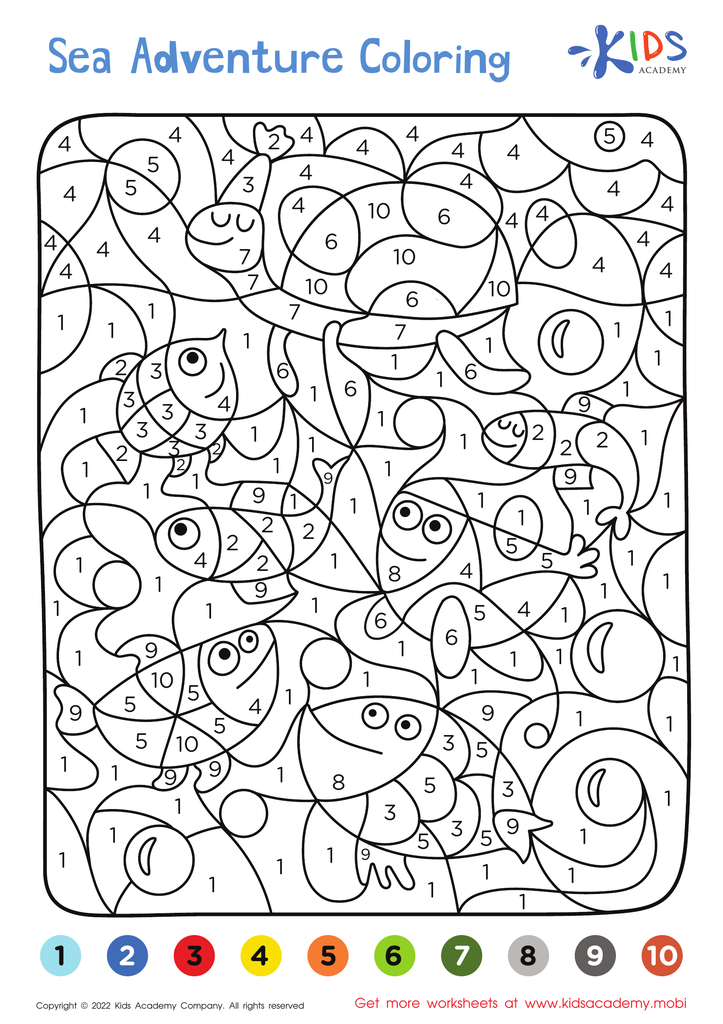
Sea Adventure – Coloring by Numbers
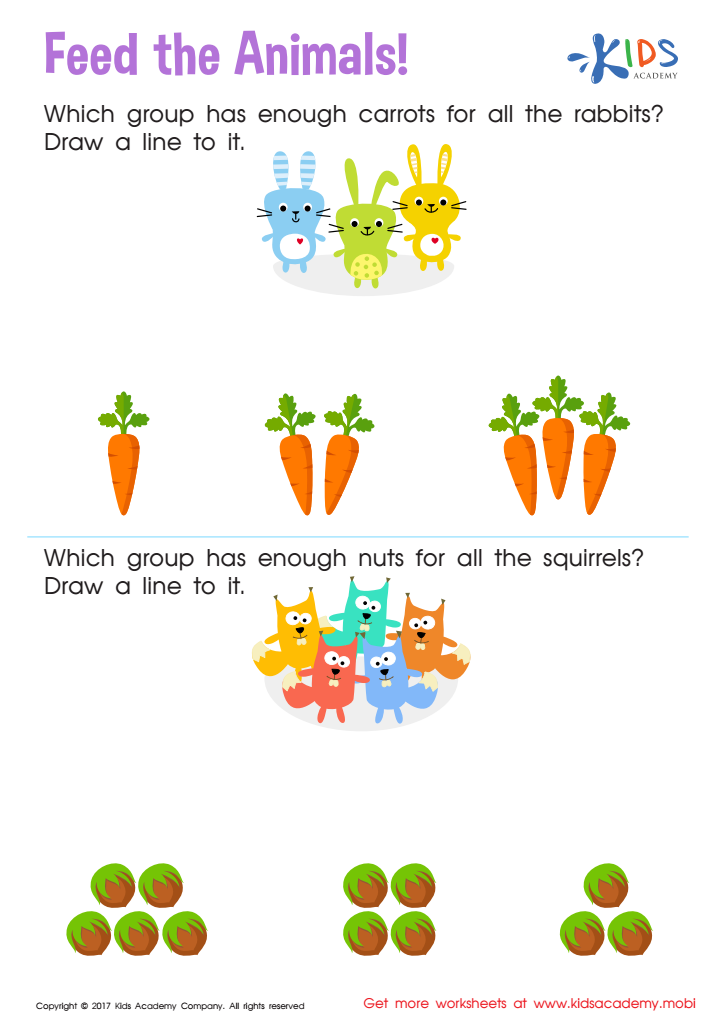
Count and Match: Feed the Animals Worksheet
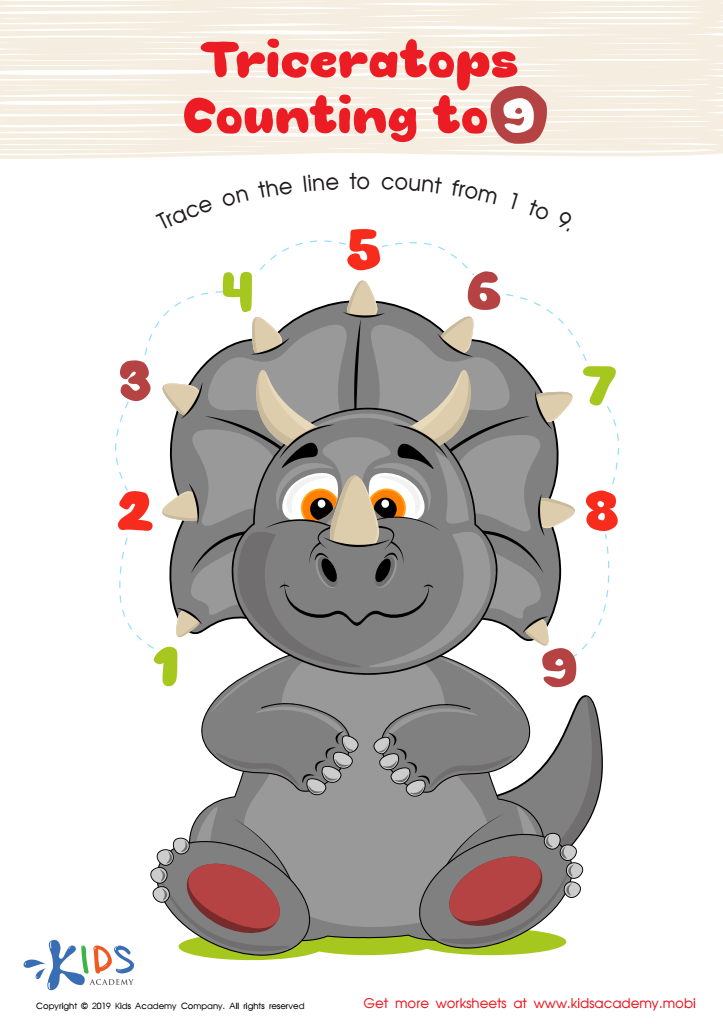
Triceratops Counting to 9 Worksheet
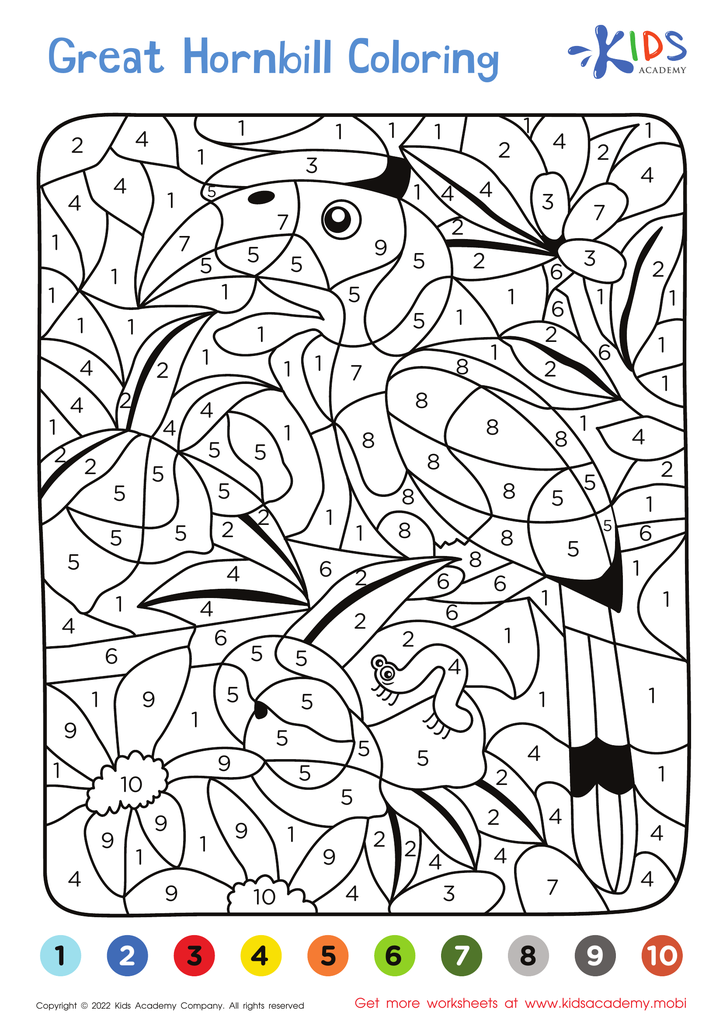
Great Hornbill – Coloring by Numbers

Counting on the City Skyline: Dot-to-Dot Worksheet
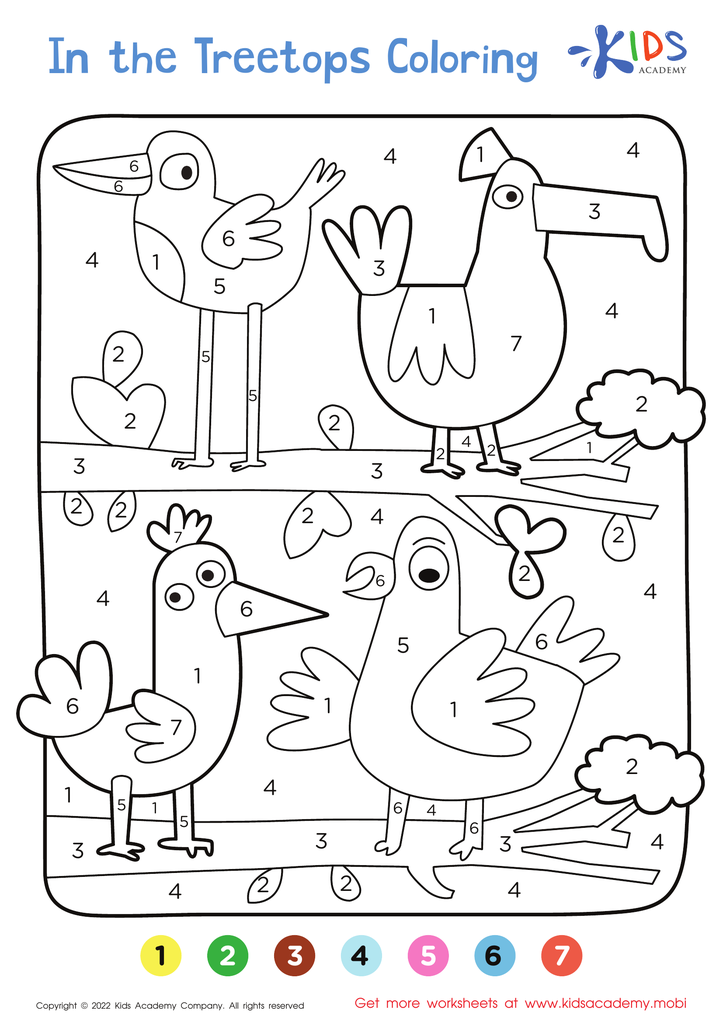
In the Treetops – Coloring Page

Twinkle, Twinkle, Little Star – Coloring by Numbers
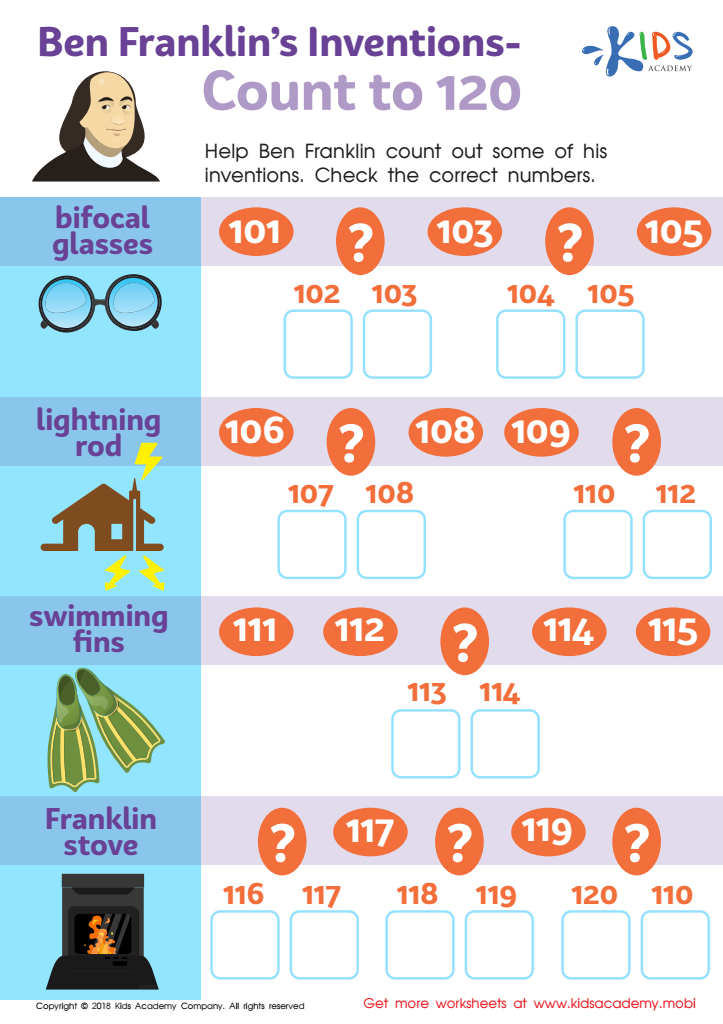
Ben Franklin’s Inventions – Count to 120 Worksheet
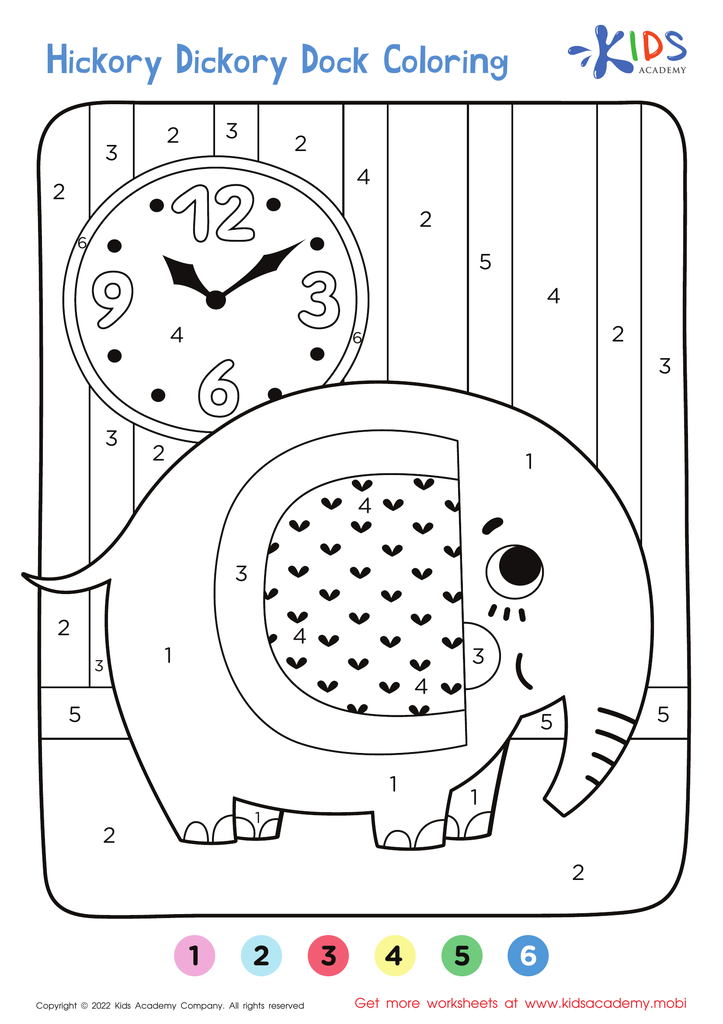
Hickory Dickory Dock – Coloring by Numbers
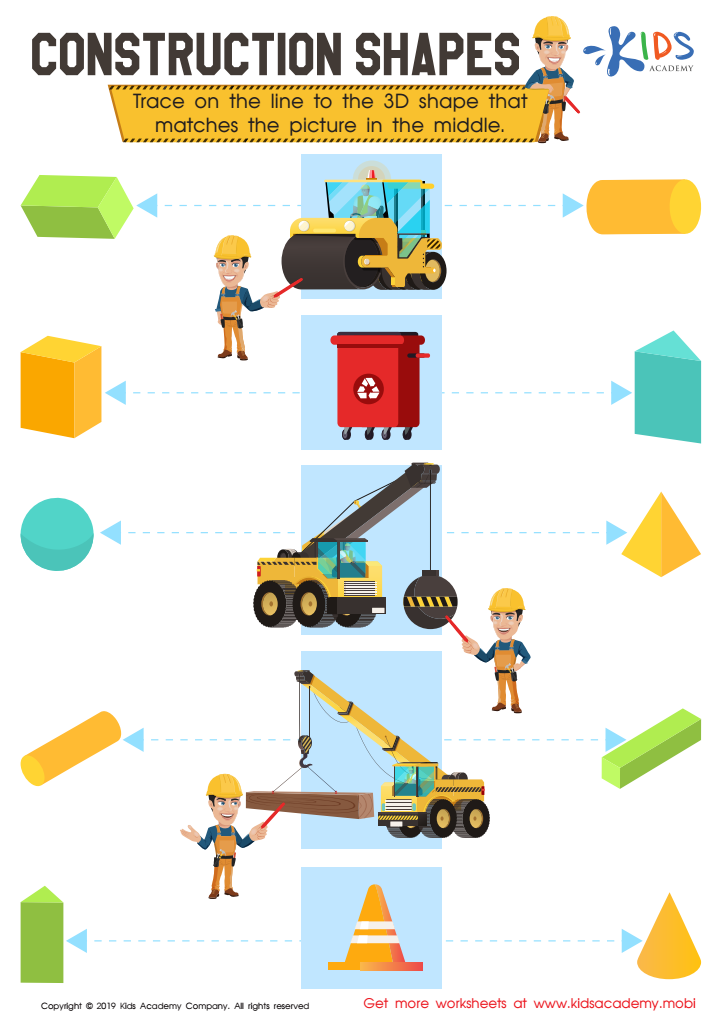
Construction Shapes Worksheet
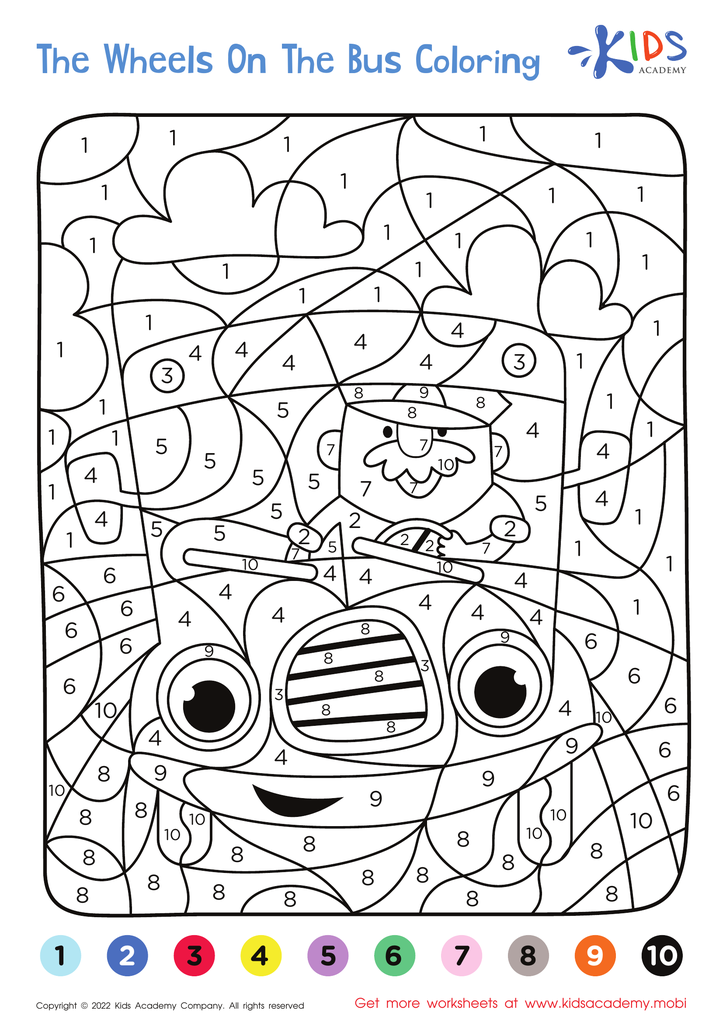
Wheels on the Bus – Coloring by Numbers
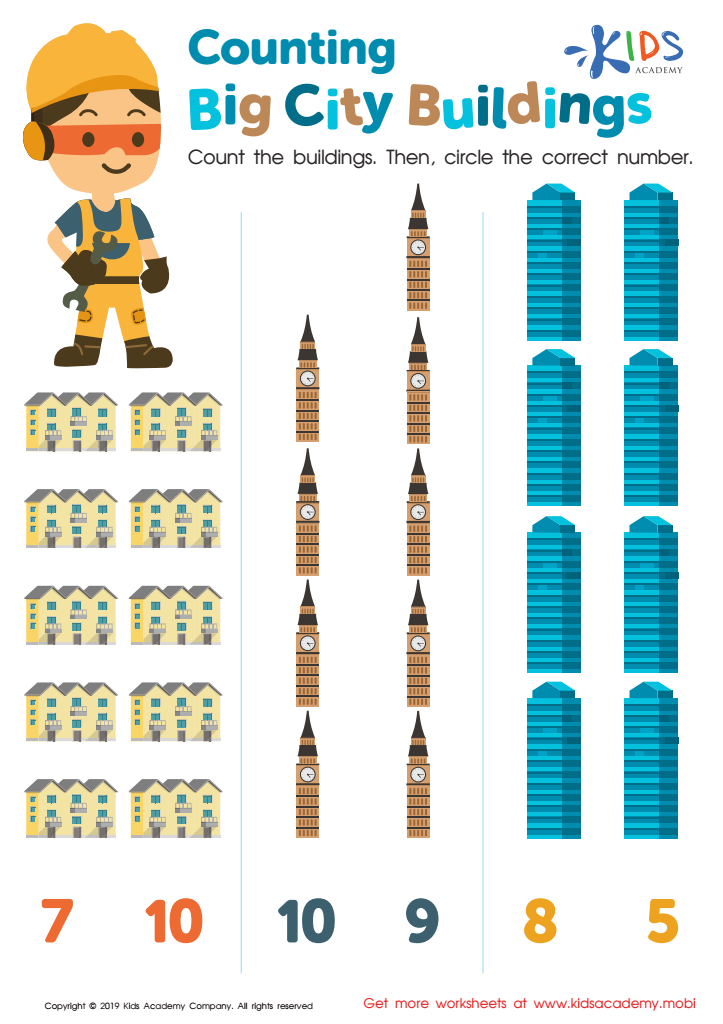
Counting Big City Buildings Worksheet

Night Sky Numbers Worksheet
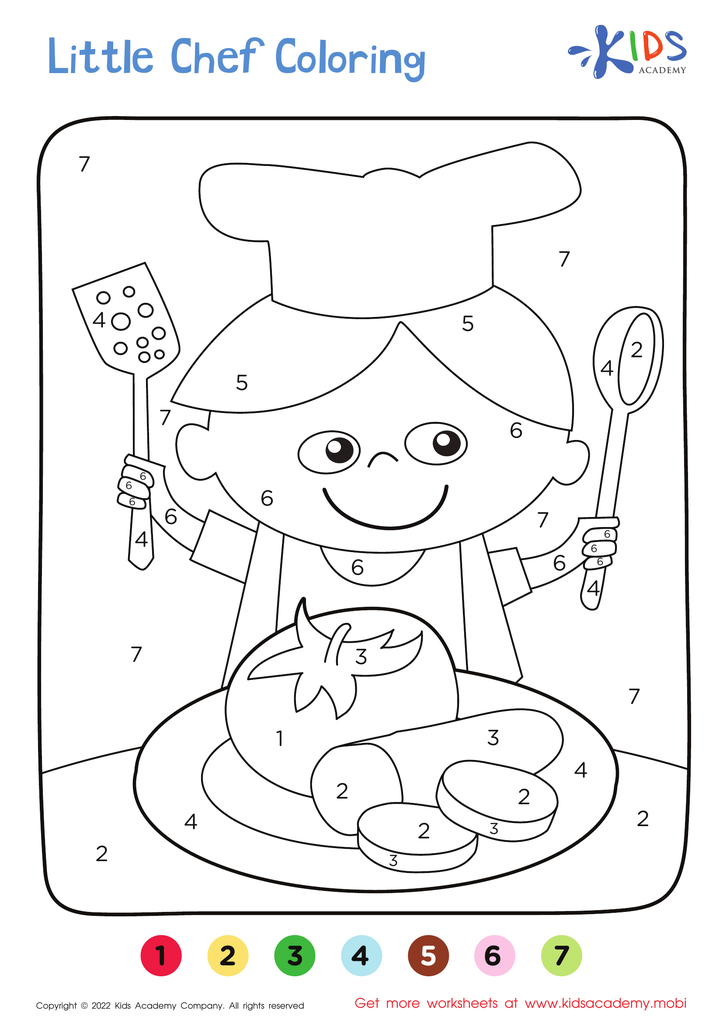
Little Chef – Coloring by Numbers
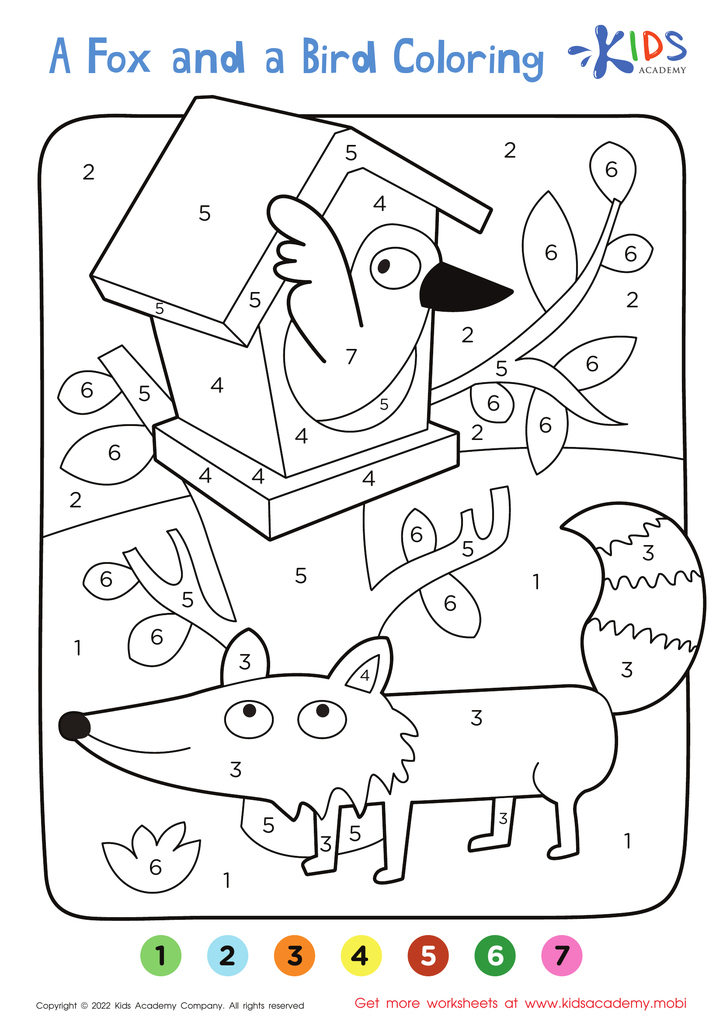
A Fox and a Bird – Coloring by Numbers
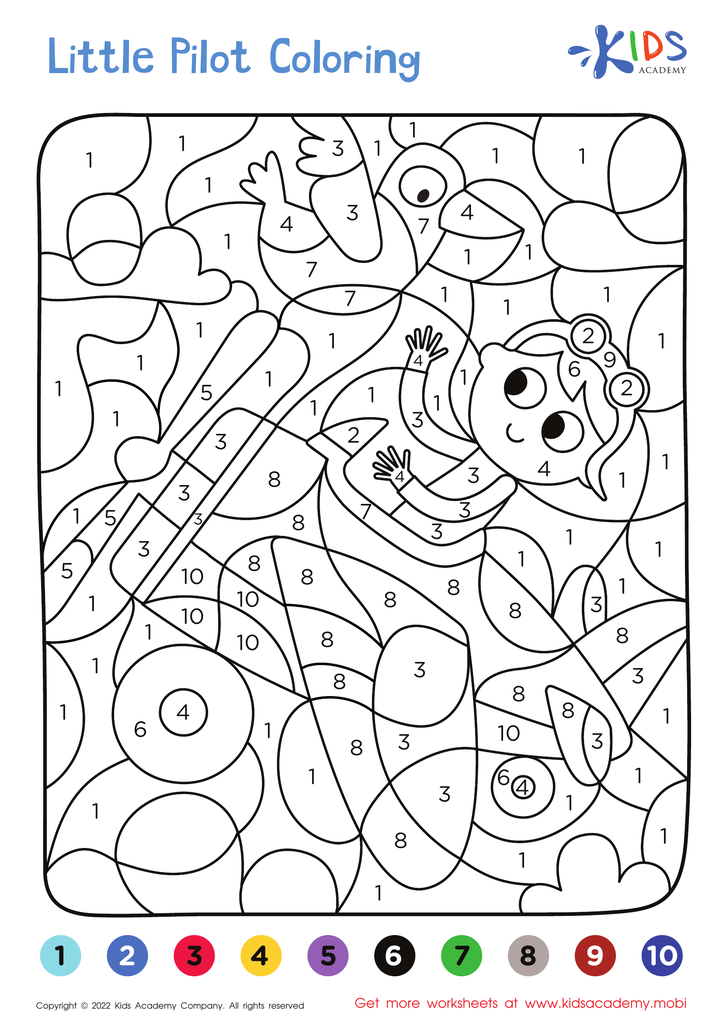
Little Pilot – Coloring by Numbers
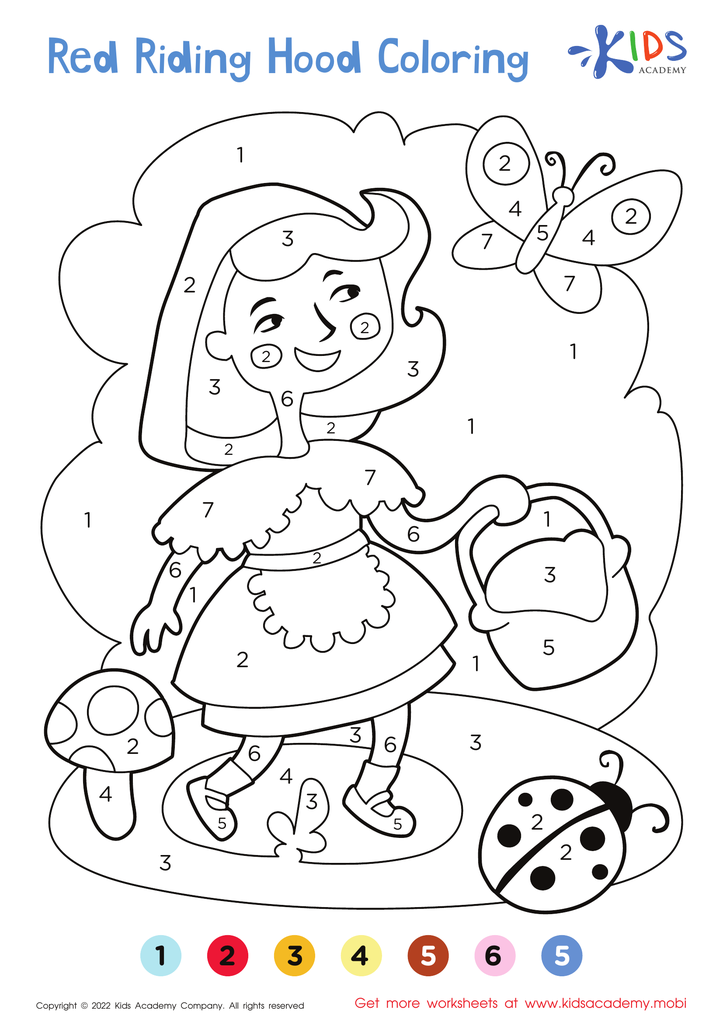
Little Red Riding Hood – Coloring by Numbers
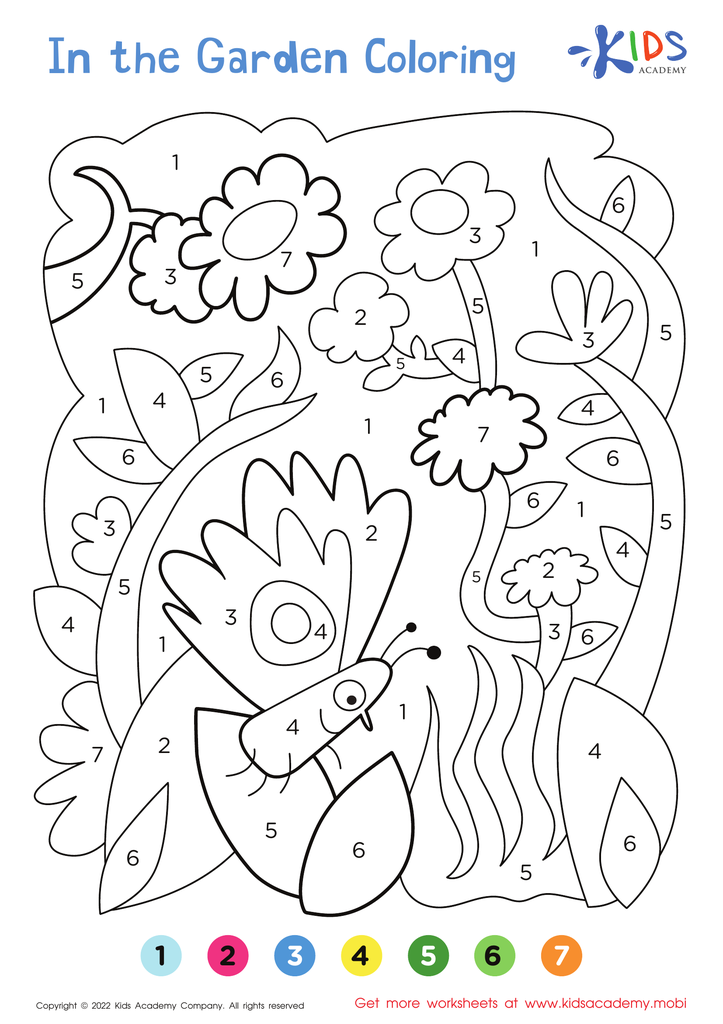
In the Garden – Coloring by Numbers








Fine motor skills are essential for young children, particularly when it comes to learning foundational math concepts. At age six, children hone their ability to manipulate small objects, which directly impacts their math skills. Fine motor activities like cutting, coloring, and using playdough not only strengthen hand-eye coordination but also enhance their ability to grasp tools like pencils and manipulatives used in math exercises.
By engaging in fine motor activities, children develop the dexterity needed for writing numbers, creating shapes, and experiencing spatial awareness—key elements in math understanding. These skills also promote problem-solving abilities as they learn to manipulate objects to explore mathematical concepts such as counting, sorting, and measuring.
For parents and teachers, fostering fine motor skills is crucial in laying the groundwork for future academic success. Children who struggle with fine motor skills may find math tasks challenging, leading to frustration and avoidance. By prioritizing activities that improve fine motor skills within mathematical contexts, adults help children build confidence, promote a love for learning, and set a solid foundation for more complex math concepts in the future. Supporting the development of these skills is an investment in their overall academic journey.








