Pattern identification Math Worksheets for 6-Year-Olds
4 filtered results
-
From - To
Discover our engaging Pattern Identification Math Worksheets designed specifically for 6-year-olds! These interactive worksheets enhance young learners' critical thinking and problem-solving skills by helping them recognize, analyze, and create patterns. With colorful illustrations and age-appropriate activities, children will enjoy exploring various patterns with shapes, colors, and numbers. Our worksheets make learning fun and enjoyable while developing essential math skills through visual and hands-on experiences. Perfect for home or classroom use, these resources support early math education and boost confidence in young mathematicians. Download and watch your child thrive in their understanding of patterns today!
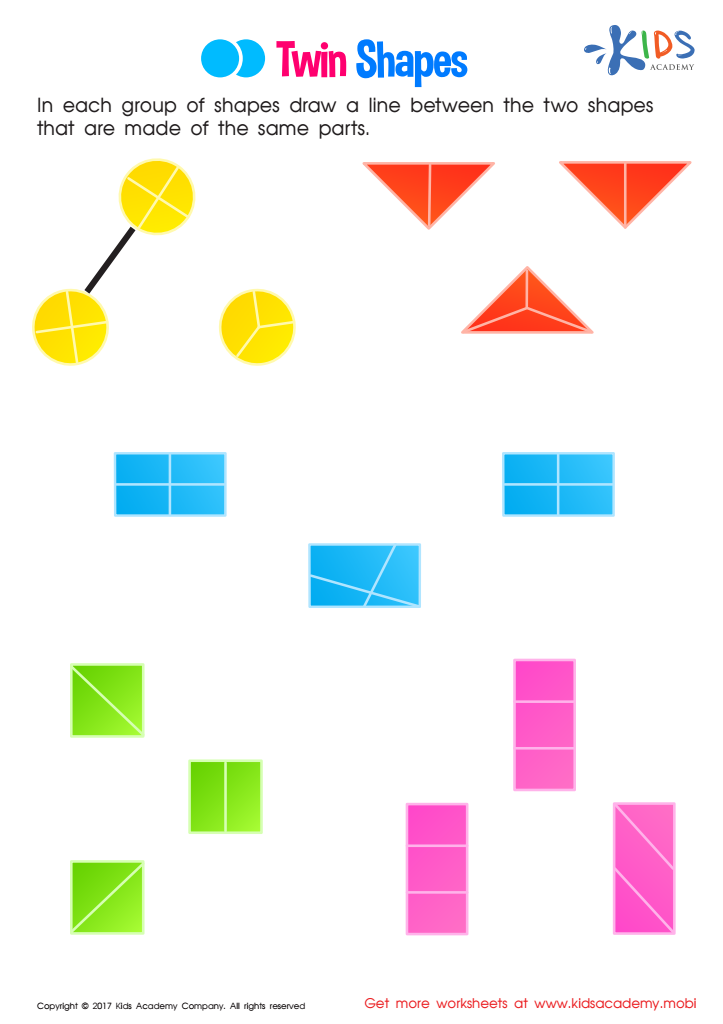
Twin Shapes Worksheet
 Assign to My Students
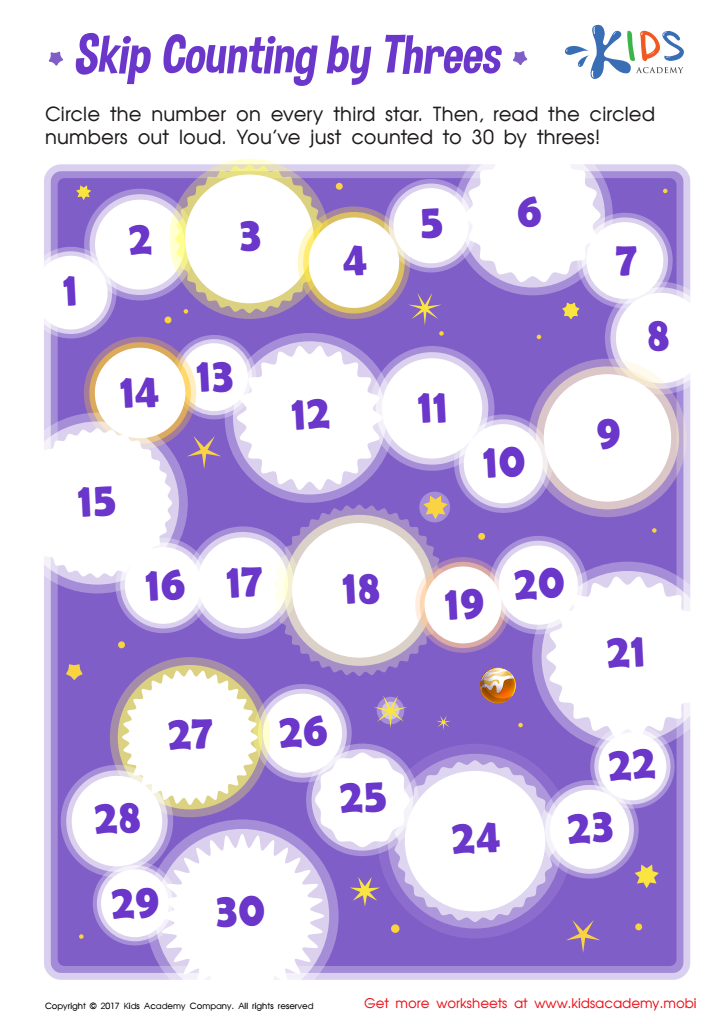
Skip Counting By Three Printable
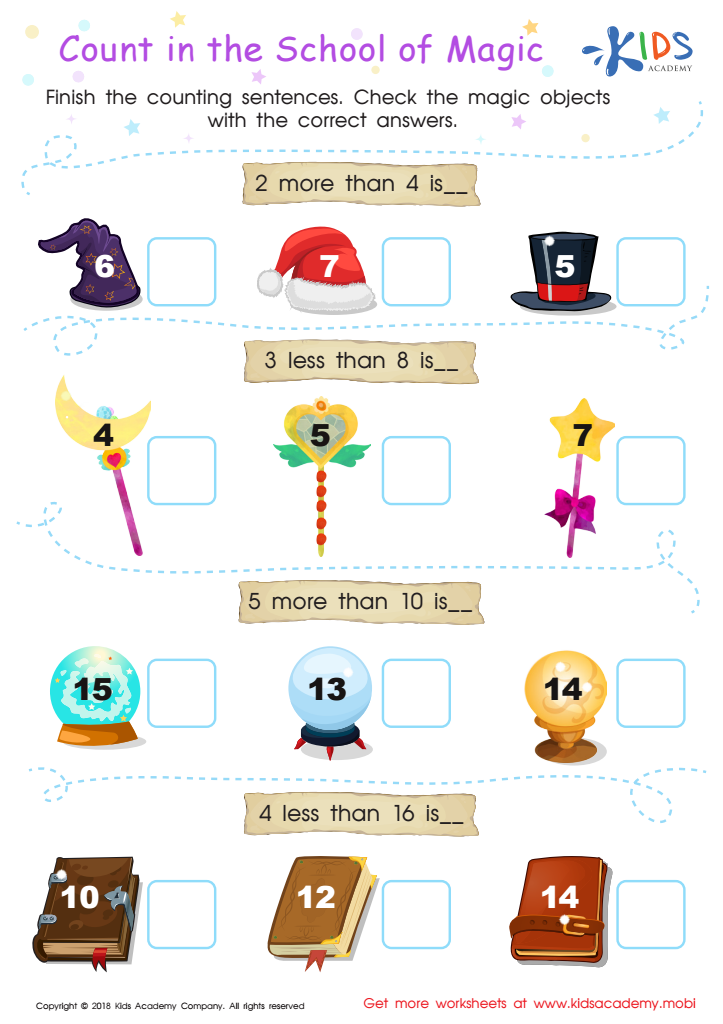
Count in the School of Magic Worksheet
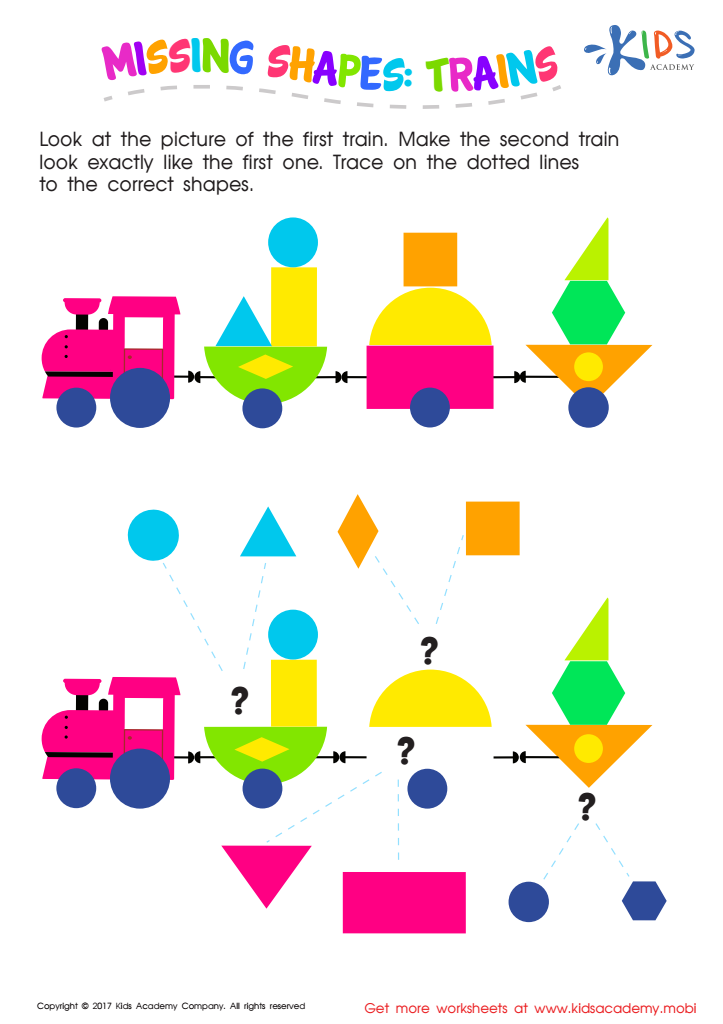
Missing Shapes: Trains Worksheet








Pattern identification is a foundational skill for 6-year-olds, crucial for their overall mathematical development. When parents and teachers emphasize pattern recognition, they help children develop critical thinking and problem-solving abilities that extend far beyond math. Recognizing patterns encourages children to look for relationships, make predictions, and understand the rules governing numbers and shapes, which fosters a deeper understanding of mathematics.
Moreover, engaging with patterns in a supportive environment builds confidence in young learners. When children are able to identify and create patterns, they gain a sense of accomplishment and curiosity, motivating them to explore more complex concepts. This skill serves as an early introduction to mathematics, including addition, subtraction, sequencing, and even later topics like algebra.
Additionally, pattern identification is integral to real-world applications—from organizing items and recognizing rhythms in music to understanding schedules and predicting outcomes. Parents and teachers who prioritize this skill enable children to connect their learning experiences to everyday life, making math engaging and relevant. By nurturing pattern recognition at this formative age, caregivers ensure that children are not only prepared for future academic challenges but also equipped with useful life skills.








