Basic Addition Skills Reading Worksheets for 6-Year-Olds
3 filtered results
-
From - To
Unlock your child's potential in math with our Basic Addition Skills Reading Worksheets for 6-Year-Olds. Designed to make learning fun and engaging, these printable worksheets combine simple addition problems with captivating reading exercises. Kids will build essential math skills while practicing reading and comprehension. Perfect for both classroom use and at-home learning, these worksheets help children develop confidence in their abilities through play-based activities. Even reluctant learners will love the colorful, interactive format. Ideal for young students, these resources provide a strong foundation in fundamental math concepts, setting the stage for future success. Explore and download today!





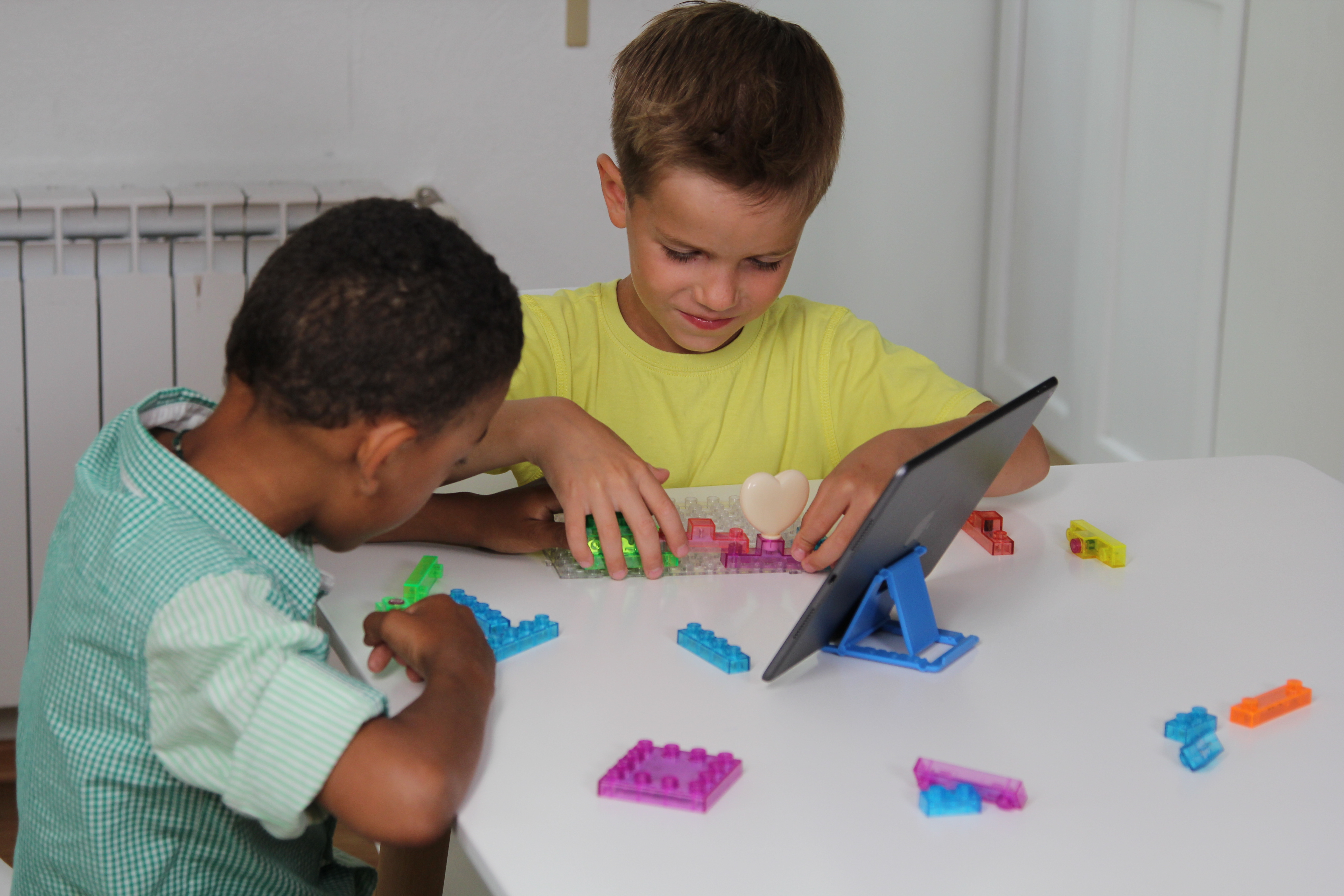

Basic addition skills form a cornerstone of early math education, playing a critical role in a child's academic and cognitive development. For 6-year-olds, mastering basic addition is not only about performing calculations; it feeds into essential life skills like problem-solving, logical thinking, and the ability to understand and manipulate numbers, which are foundational for future learning in mathematics and other subjects.
Parents and teachers should care about nurturing these skills because they foster a sense of confidence and achievement in children. When children grasp addition concepts, they often feel more positive about their capabilities, which encourages a love for learning. Moreover, early proficiency in addition paves the way for tackling more advanced math topics, such as subtraction, multiplication, and division, making transitions smoother and less daunting.
Basic addition skills also have practical applications in everyday life. Simple activities, like counting toys, sharing snacks, or adding numbers during games, provide real-world contexts where math becomes meaningful and enjoyable. Ensuring children possess strong addition skills reduces future academic frustrations and helps bridge learning gaps.
In a world increasingly driven by data, technology, and science, early numerical literacy is indispensable. By caring about basic addition skills, parents and teachers are investing in a child’s foundational education, equipping them with the tools they need to succeed academically and in life.








