Fraction comparison Reading Worksheets for 6-Year-Olds
6 filtered results
-
From - To
Boost your child's mathematics skills with our engaging Fraction Comparison Reading Worksheets, crafted especially for 6-year-olds. These worksheets help young learners grasp the concept of fractions through fun and interactive activities. By comparing fractions, kids enhance their reading and analytical skills in a supportive and enjoyable environment. Our resources are designed with colorful visuals and easy-to-understand instructions, making learning effortless for little minds. Perfect for both classroom and at-home practice, these worksheets pave the way for a solid mathematical foundation. Explore more at Kids Academy and make fraction learning delightful for your first grader!
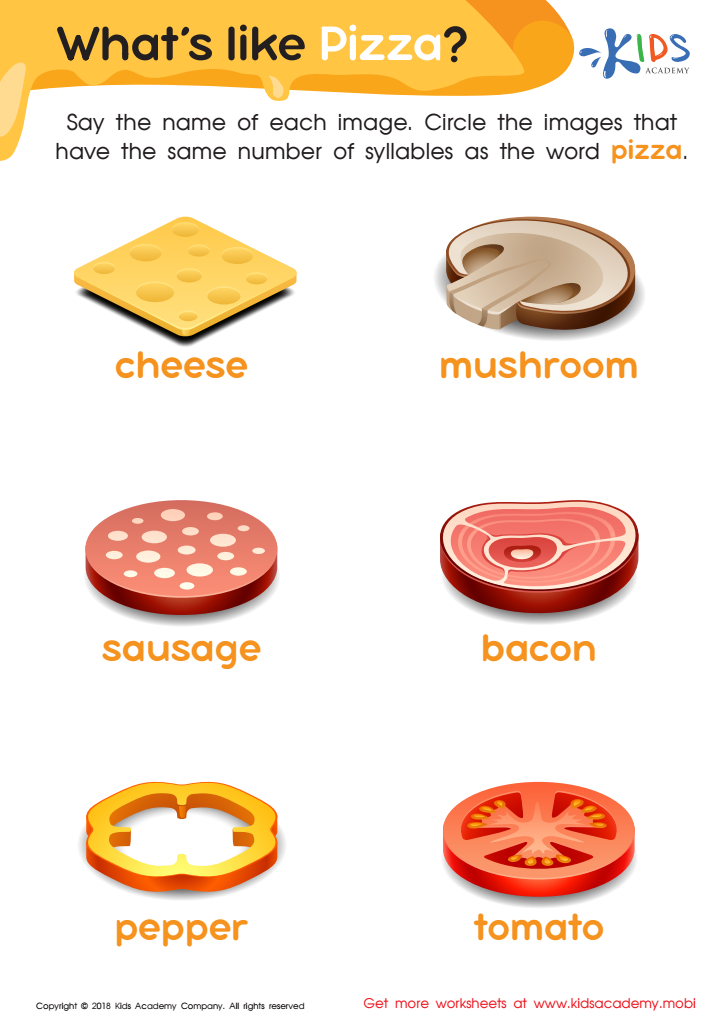
What's Like Pizza? Worksheet
 Assign to My Students
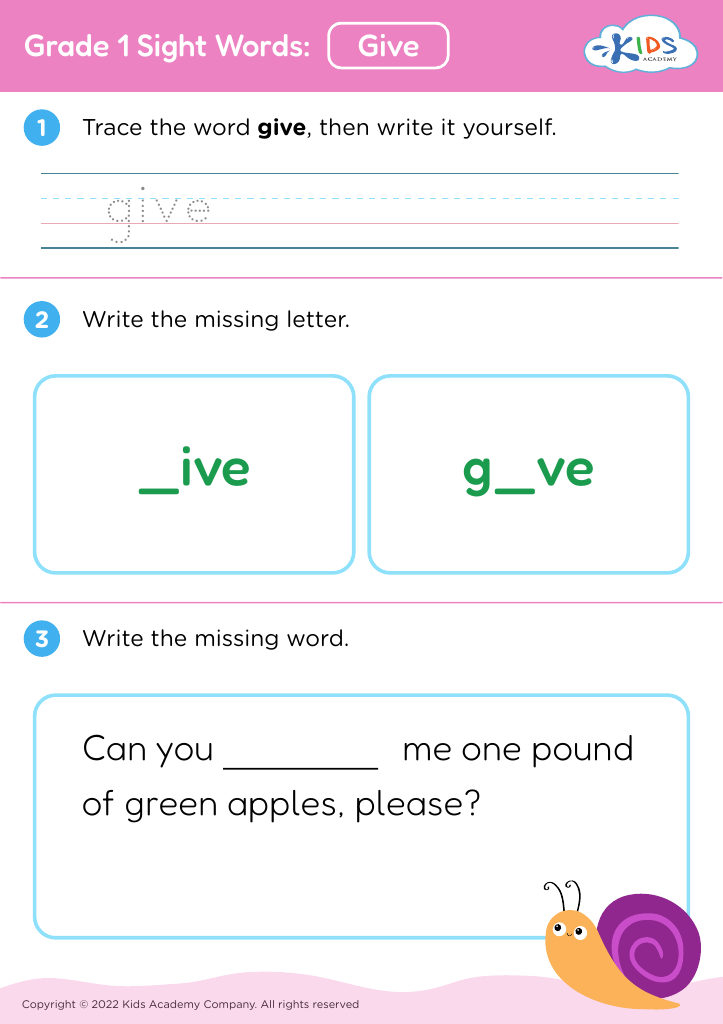
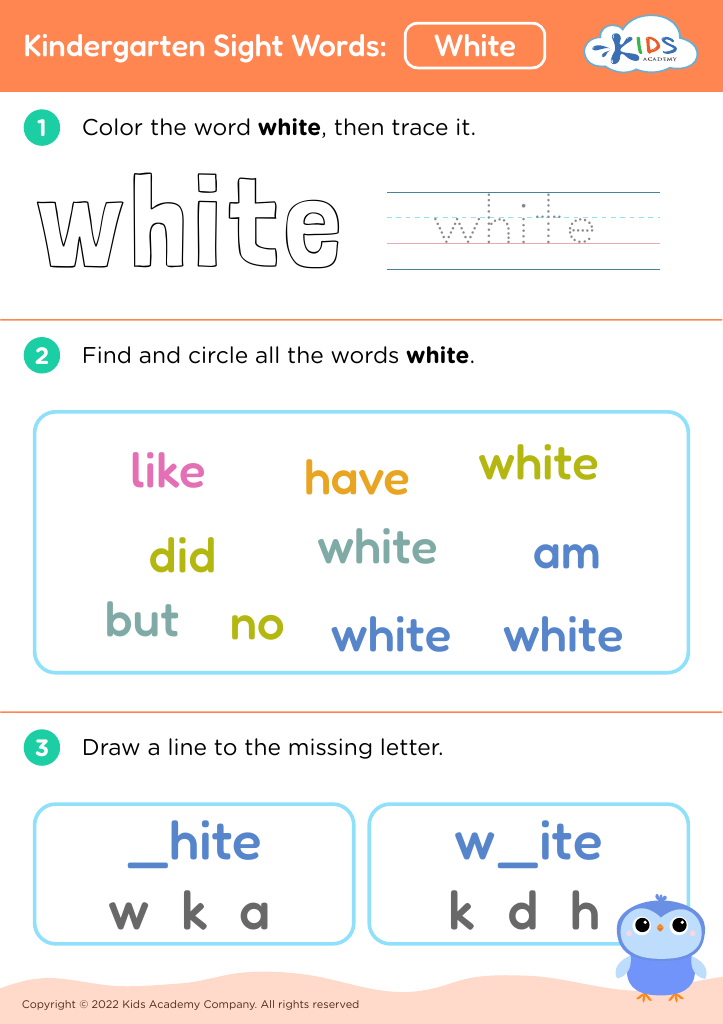
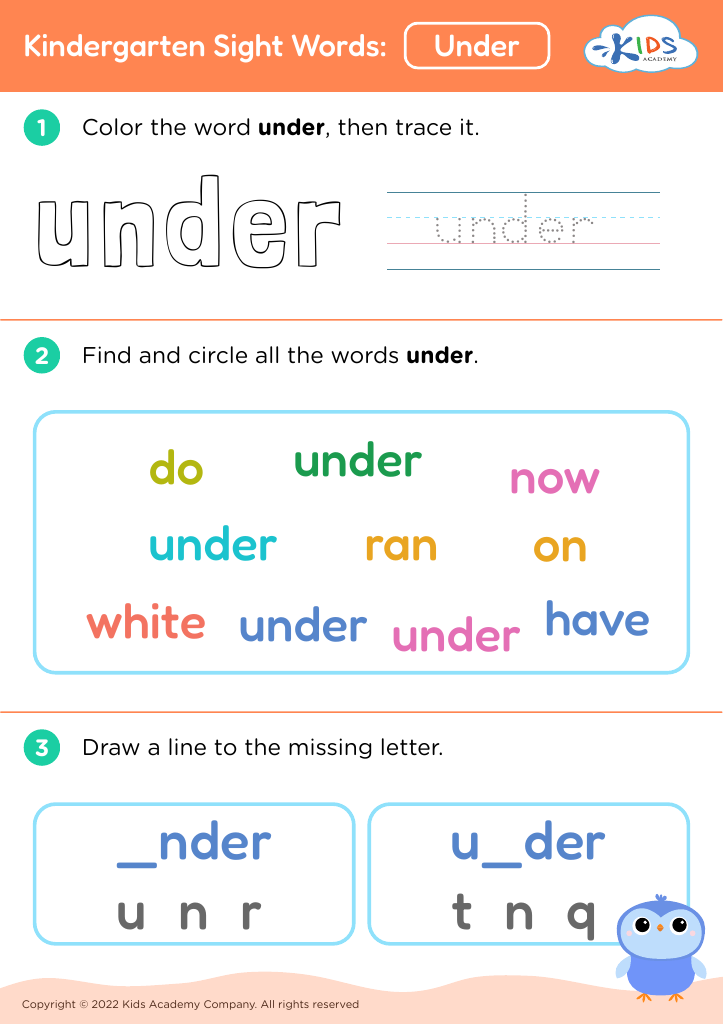






Parents and teachers have crucial roles in nurturing the foundational skills of 6-year-olds, and understanding fraction comparison is an essential part of mathematical literacy. Identifying and comparing fractions helps children grasp the concept of proportionality and divisions of a whole, which are fundamental elements in numerous real-world scenarios, from dividing a pizza into equal parts to managing time effectively.
Early exposure to fractions aids in developing a child's number sense and flexibility in thinking about quantities. It lays the groundwork for more complex math problems they will encounter later, such as algebra and geometry. Additionally, understanding fractions enhances a child's problem-solving and critical thinking abilities, skills that extend beyond mathematics into everyday decision-making and reasoning.
For teachers, incorporating fraction comparison into early grade curricula aligns with educational standards and prepares students for the progression of math topics in subsequent grades. For parents, engaging children with practical fraction comparisons deepens their engagement and interest in math, making learning a dynamic and enjoyable process.
By supporting 6-year-olds in mastering the basics of fractions, parents and teachers help create a strong mathematical foundation that benefits their overall academic achievement and lifelong appreciation for learning.








