Recognizing numbers Reading Worksheets for 6-Year-Olds
3 filtered results
-
From - To
Welcome to our "Recognizing Numbers Reading Worksheets for 6-Year-Olds" page! Here, we've designed fun and engaging worksheets that help young learners master number recognition. These interactive activities combine reading skills with basic math concepts, fostering a joyful learning environment. From colorful visuals to hands-on challenges, kids will enjoy practicing their number identification while enhancing their reading abilities. Ideal for parents and teachers, our worksheets cater to various learning styles and promote a solid foundation in early numeracy. Explore our collection and support your child's journey to becoming confident readers and number whizzes today! Download and print your favorites now!
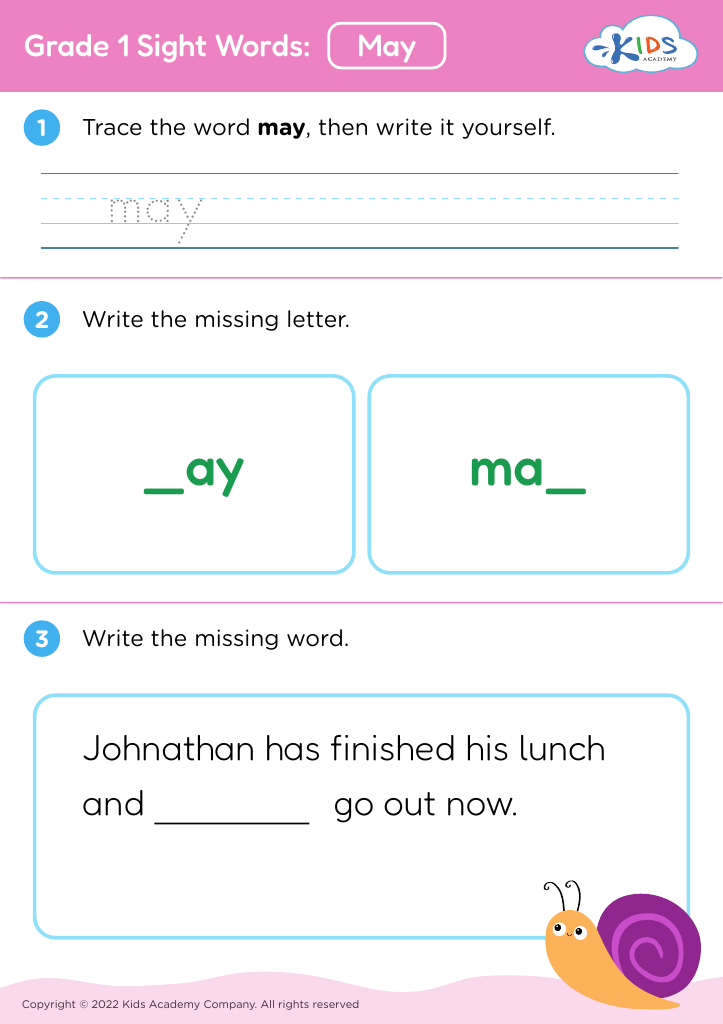
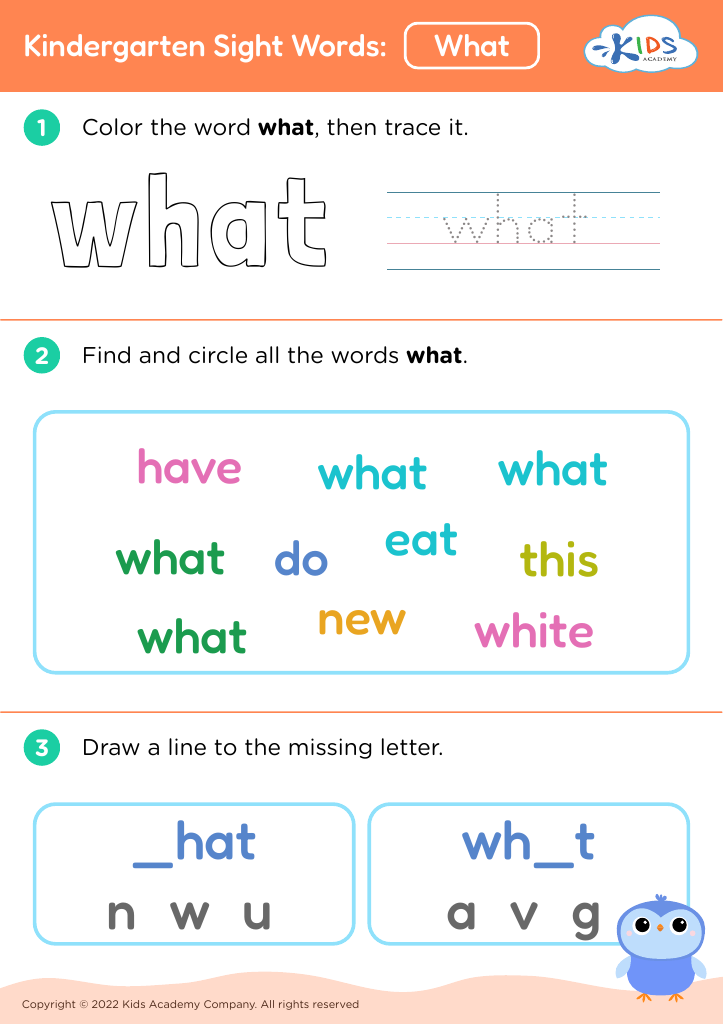
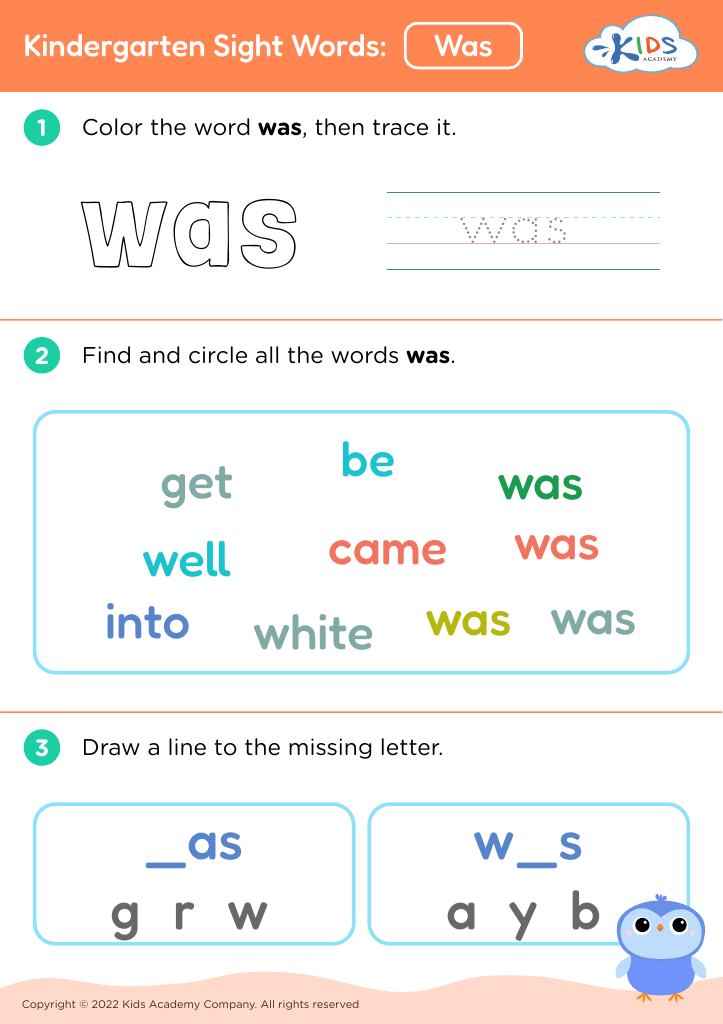








Recognizing numbers and developing reading skills in 6-year-olds is crucial for their overall cognitive and social development. At this age, children are at a critical stage of learning where foundational skills are established. Recognizing numbers not only supports their proficiency in math but also enhances their problem-solving abilities. It enables them to understand everyday concepts like time, money, and quantities, which are essential for day-to-day functioning.
Simultaneously, reading is a gateway to knowledge. It aids in vocabulary expansion, improves communication skills, and boosts imagination. As children recognize letters and sounds, they begin to associate these with meaning, leading to comprehension and the ability to express themselves.
Furthermore, these skills cultivate a sense of independence and confidence in young learners, empowering them to explore and interact with their environment more effectively. When parents or teachers prioritize these skills, they are investing in the child's future academic success and encouraging a lifelong love of learning. By fostering an engaging, supportive, and nurturing environment, adults can significantly influence a child's educational journey and ultimately help them thrive in school and beyond.








