Understanding fractions Reading Worksheets for 6-Year-Olds
25 filtered results
-
From - To
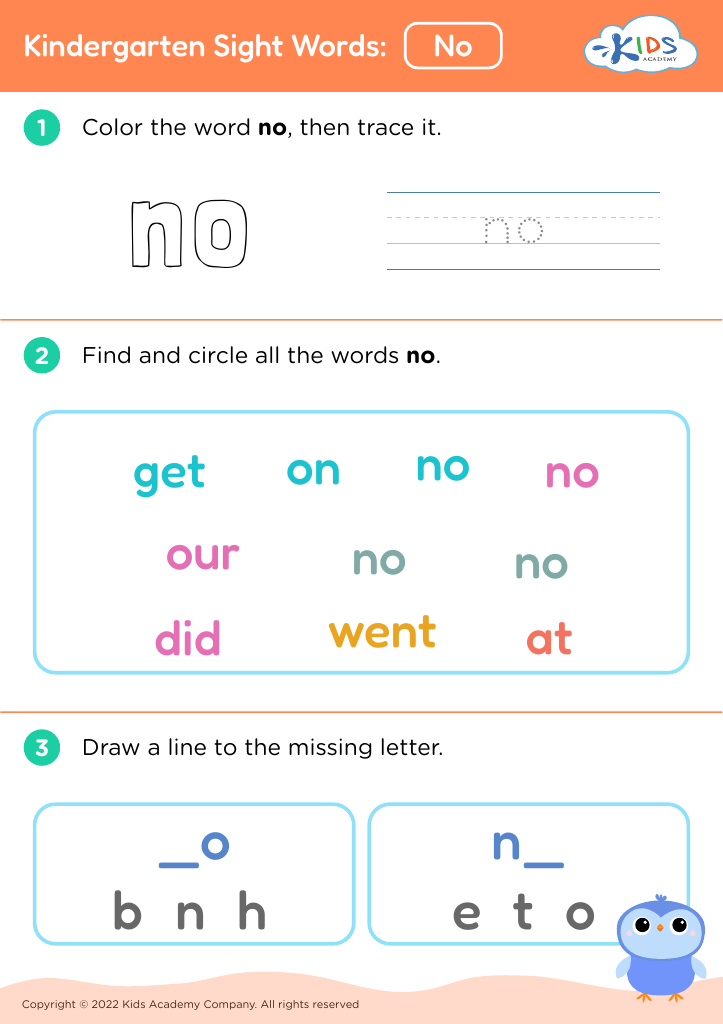
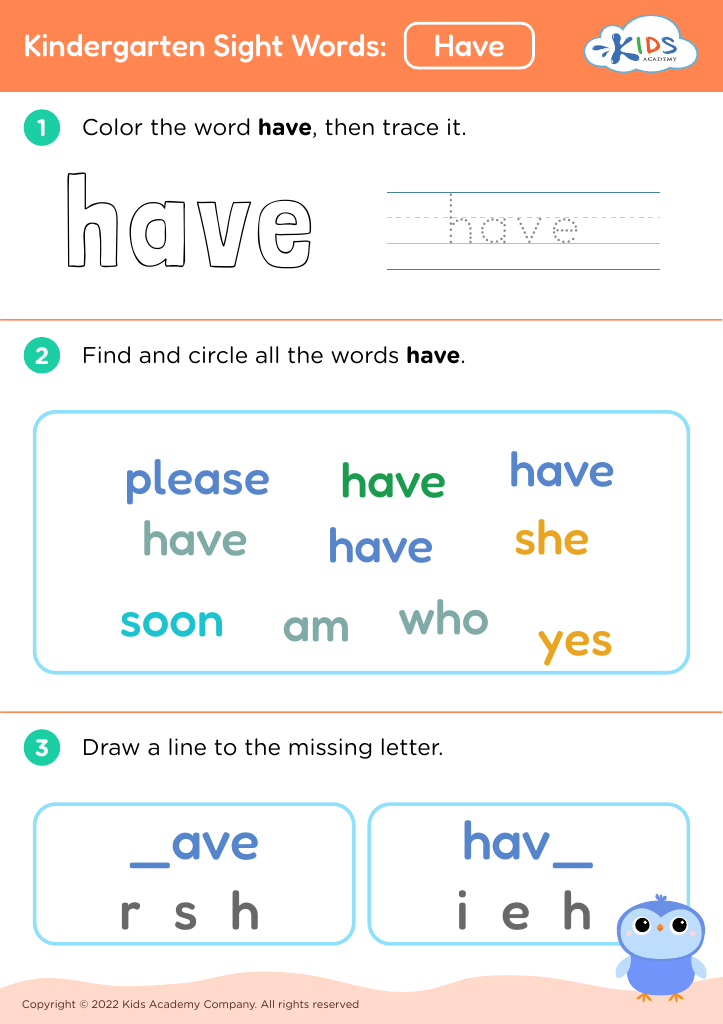
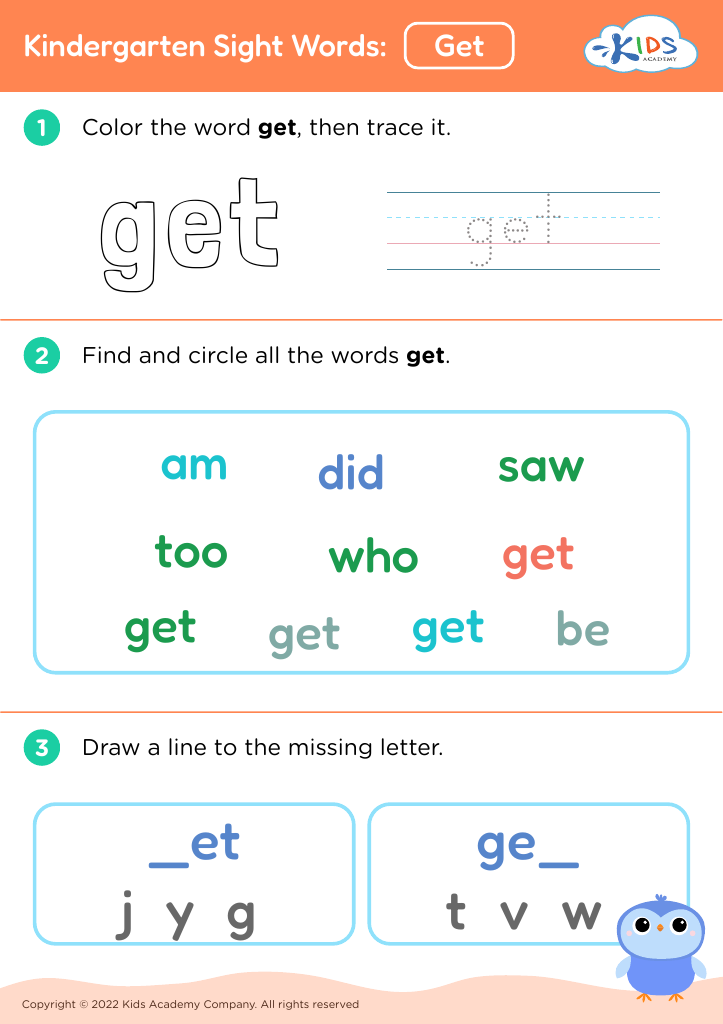
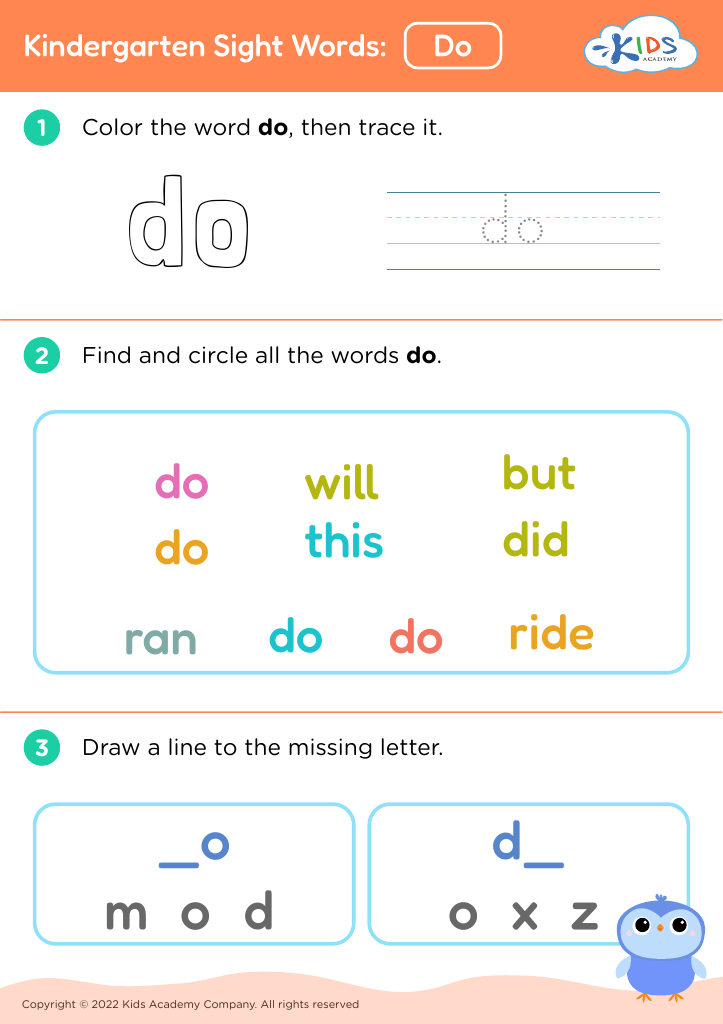
Explore our "Understanding Fractions Reading Worksheets for 6-Year-Olds" designed to make learning fractions fun and engaging. These expertly crafted printable worksheets help young learners grasp the basics of fractions through exciting and interactive reading exercises. With a focus on visual aids and simple explanations, our resources ensure that first graders effortlessly understand halves, quarters, and more. Ideal for easing into math concepts, these worksheets foster confidence and proficiency in young students. Equip your child with essential fraction skills today, and turn math learning into a joyful adventure with Kids Academy!





.jpg)


Understanding fractions and reading skills are fundamental elements in early education that amplify a child's learning journey in profound ways. Firstly, grasping fractions can open the door to comprehending more complex mathematical concepts. When young children, as early as six, start appreciating the parts of a whole, it builds a strong foundation for later topics like ratios, percentages, and even algebra. This mathematical literacy is crucial for problem-solving and logical reasoning skills that they will use throughout their education and in everyday life.
Reading, on the other hand, is the gateway to all learning. It encourages imagination, enhances vocabulary, and builds better communication and comprehension skills. When parents and teachers invest time in nurturing reading habits, they are effectively equipping children with the tools to explore and understand the world around them. The narratives and information that children engage with through reading also build their knowledge and empathy, fostering emotional and intellectual growth.
Combined, emphasizing both fractions and reading for young children harmonizes cognitive and analytical progress with linguistic and social development. This balanced growth is vital for lifelong learning and is instrumental in creating well-rounded individuals who are better prepared for the academic challenges ahead and their future roles in society.








