Sentence construction Reading Comprehension Worksheets for 6-Year-Olds
4 filtered results
-
From - To
Our "Sentence Construction Reading Comprehension Worksheets for 6-Year-Olds" at Kids Academy are designed to boost young learners' reading skills and writing fluency. Each worksheet provides easy-to-follow activities that encourage children to read, comprehend, and practice building complete sentences. These fun and engaging exercises enhance grammar, vocabulary, structure, and understanding. Ideal for early learners, our resources help develop critical literacy skills, ensuring a strong reading foundation. Tailored for 6-year-olds, our worksheets bring learning to life with colorful images and interactive content, making education both enjoyable and effective. Download now to elevate your child’s reading journey!
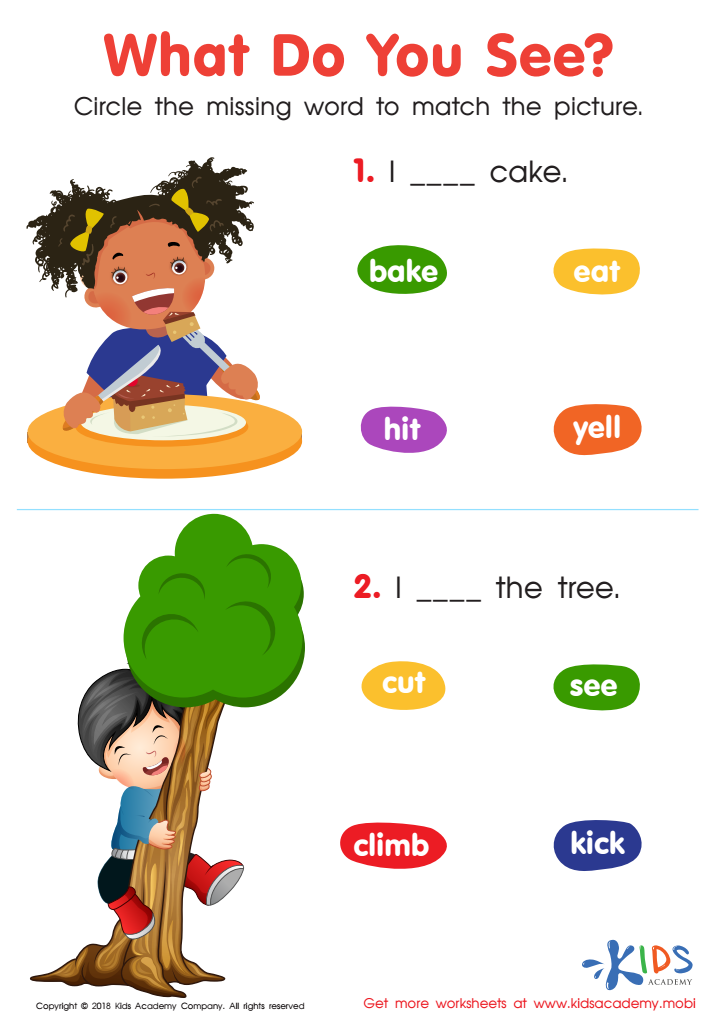
What Do You See? Reading Worksheet
 Assign to My Students
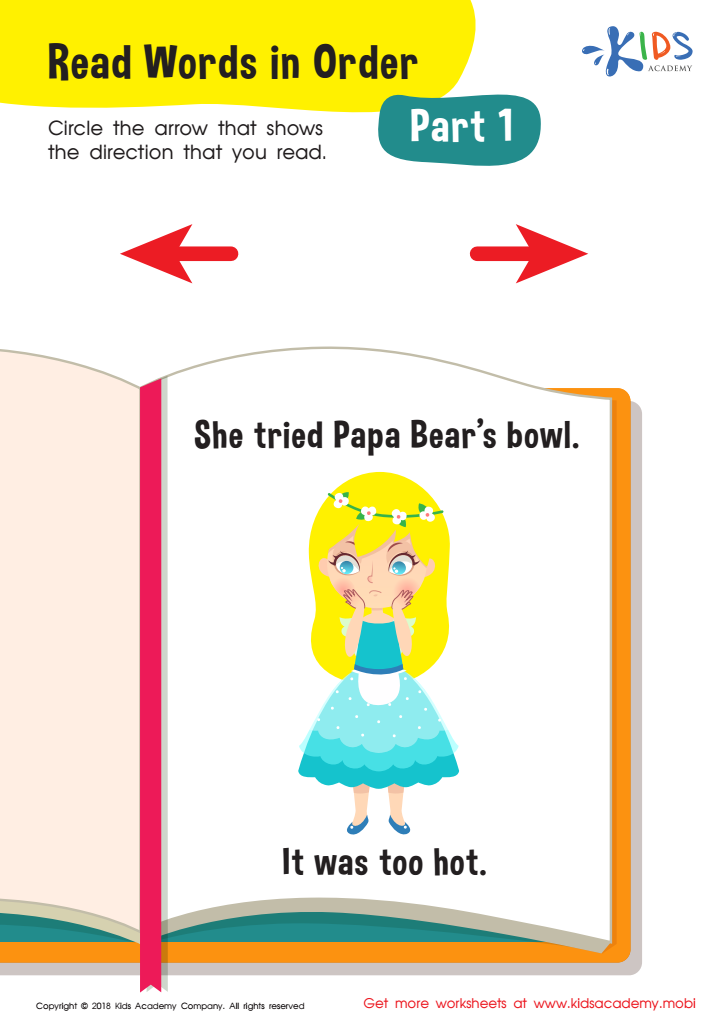
Read Words Order Part 1 Worksheet
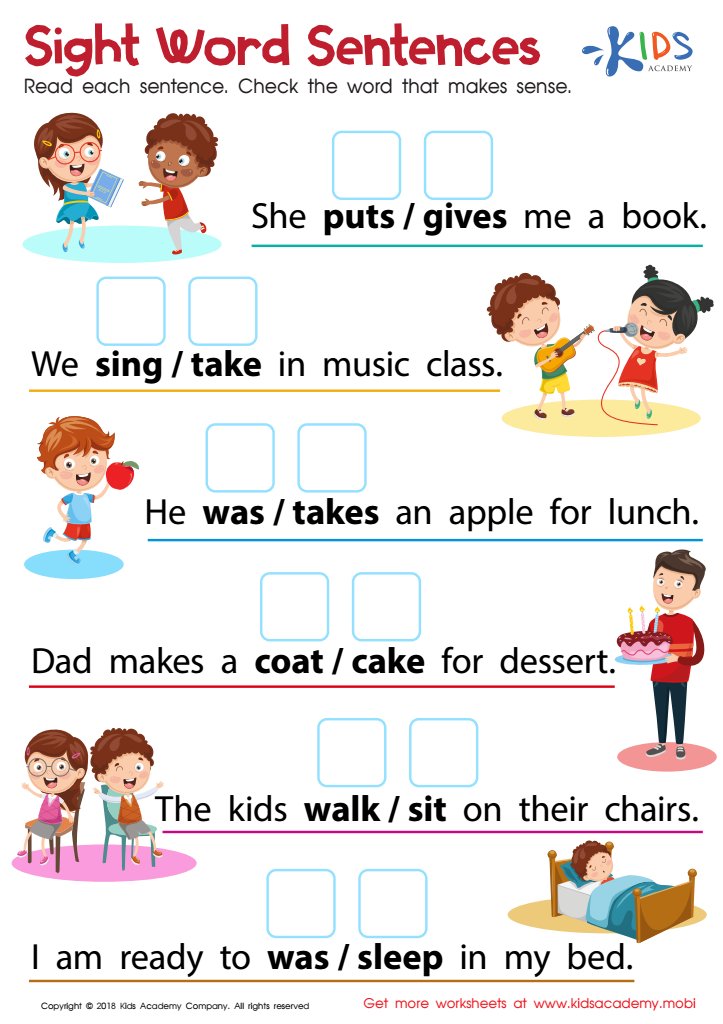
Sight Words Sentences Worksheet
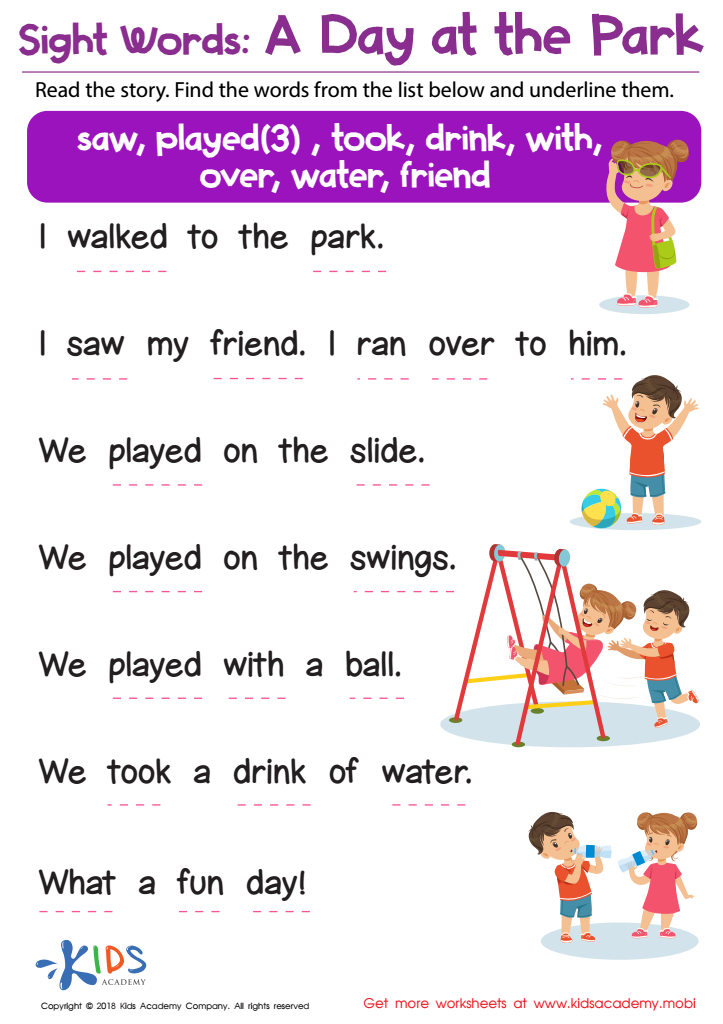
Sight Words: A Day at the Park Worksheet






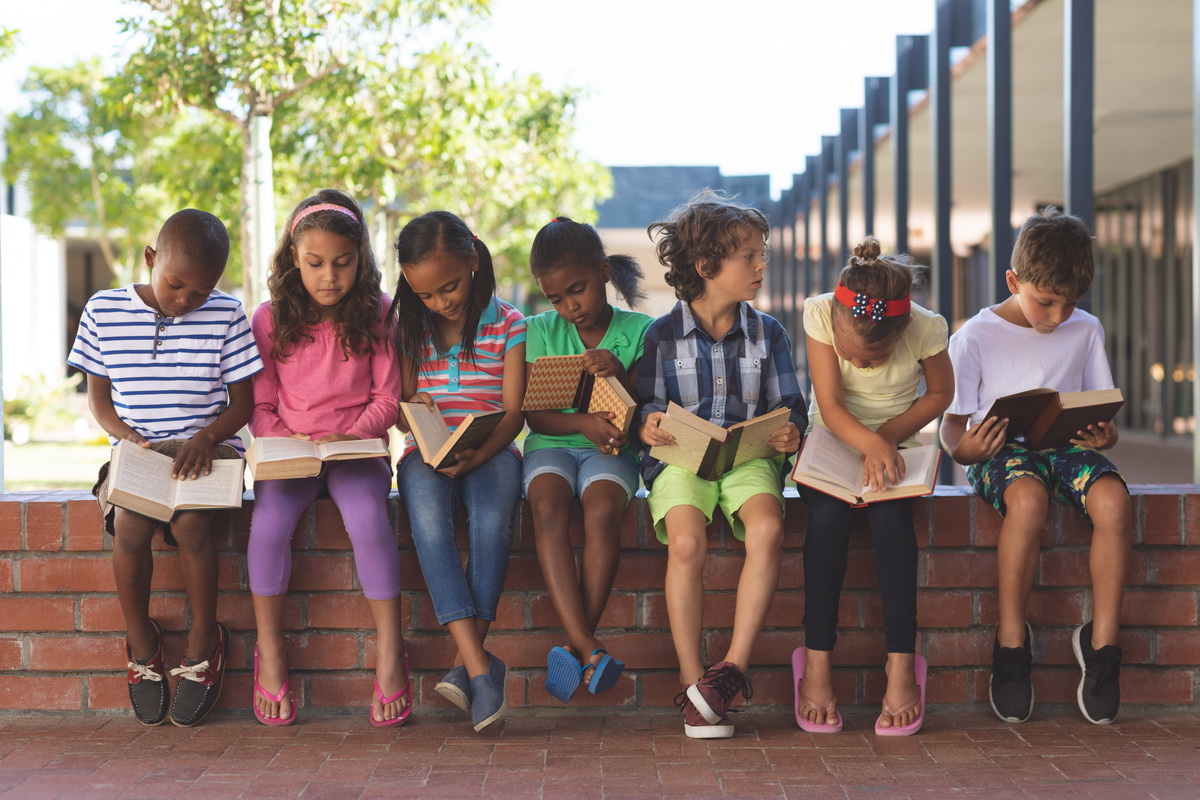

Sentence construction and reading comprehension are critical for 6-year-olds as they form the foundation of effective communication and lifelong learning. At this age, children are blossoming into early readers and writers, and developing strong skills in these areas can significantly influence their academic and personal growth.
Sentence construction abilities help children articulate their thoughts clearly and correctly, which enhances their speaking and writing skills. Understanding how words form sentences also enables them to grasp more complex language structures as they progress in school. This skill is pivotal for subjects beyond English; whether in math, science, or social studies, clear sentence construction aids in understanding instructions and expressing ideas.
Reading comprehension, on the other hand, allows children to derive meaning from texts, making reading an enjoyable and informative activity. Good comprehension skills lead to better retention of information, fostering a love for learning. Comprehension also sparks curiosity and critical thinking, as children learn to ask questions and make connections with their world.
Parents and teachers should emphasize these skills to ensure children can effectively navigate both academic challenges and everyday communication. By supporting children's abilities in sentence construction and reading comprehension, we pave the way for their success in school and beyond, contributing to their overall cognitive and emotional development.








