Enhancing vocabulary Science Worksheets for 6-Year-Olds
5 filtered results
-
From - To
Welcome to our "Enhancing Vocabulary Science Worksheets for 6-Year-Olds"! These engaging and interactive worksheets are designed to help young learners expand their vocabulary while exploring fascinating scientific concepts. Tailored for early grade science education, each worksheet incorporates fun visuals and age-appropriate activities that encourage curiosity and learning. Kids will discover new words related to nature, the human body, animals, and more, making science both enjoyable and educational. Perfect for classrooms or at-home learning, these worksheets support educators and parents in fostering essential vocabulary skills in young minds. Explore our resources to inspire a love for science and language in your child today!
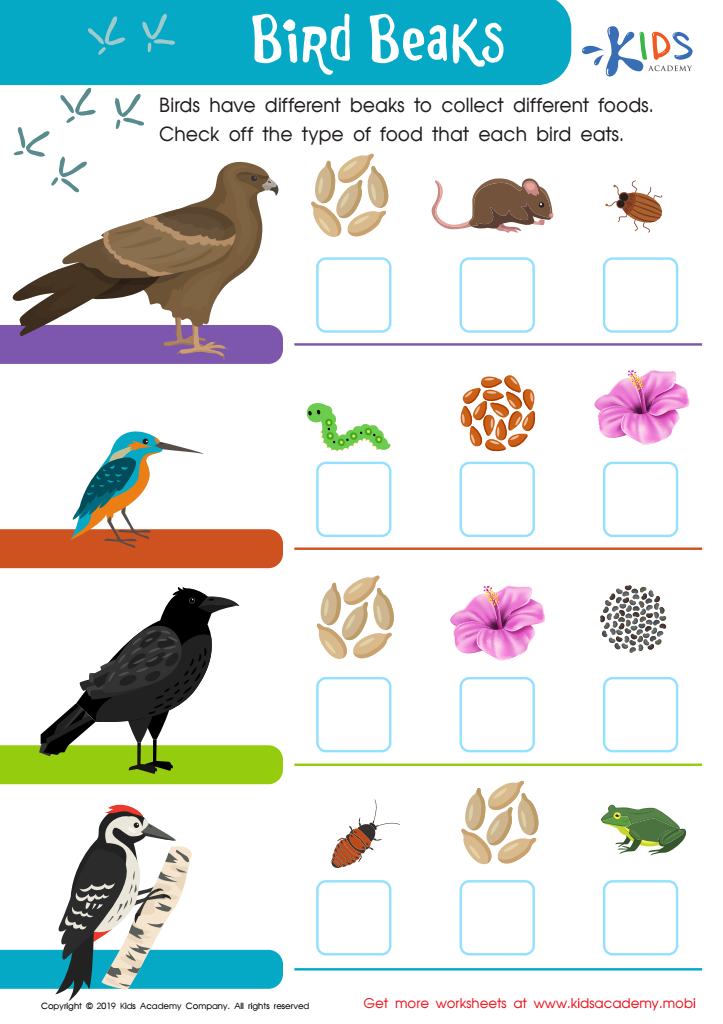
Bird Beaks Worksheet
 Assign to My Students
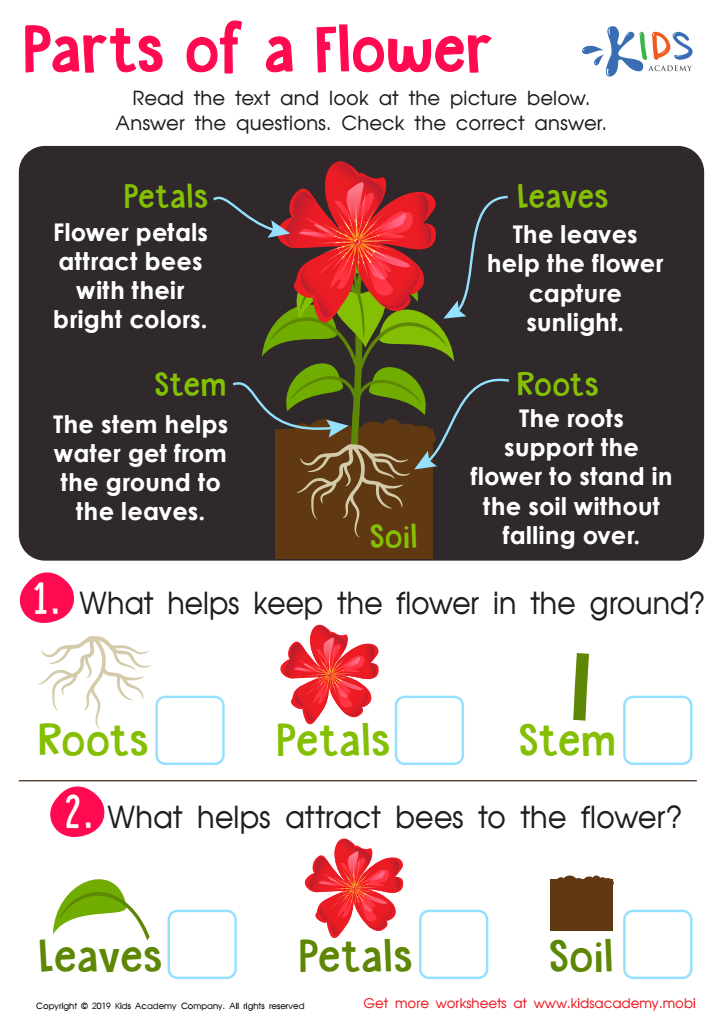
Parts of Flower Worksheet
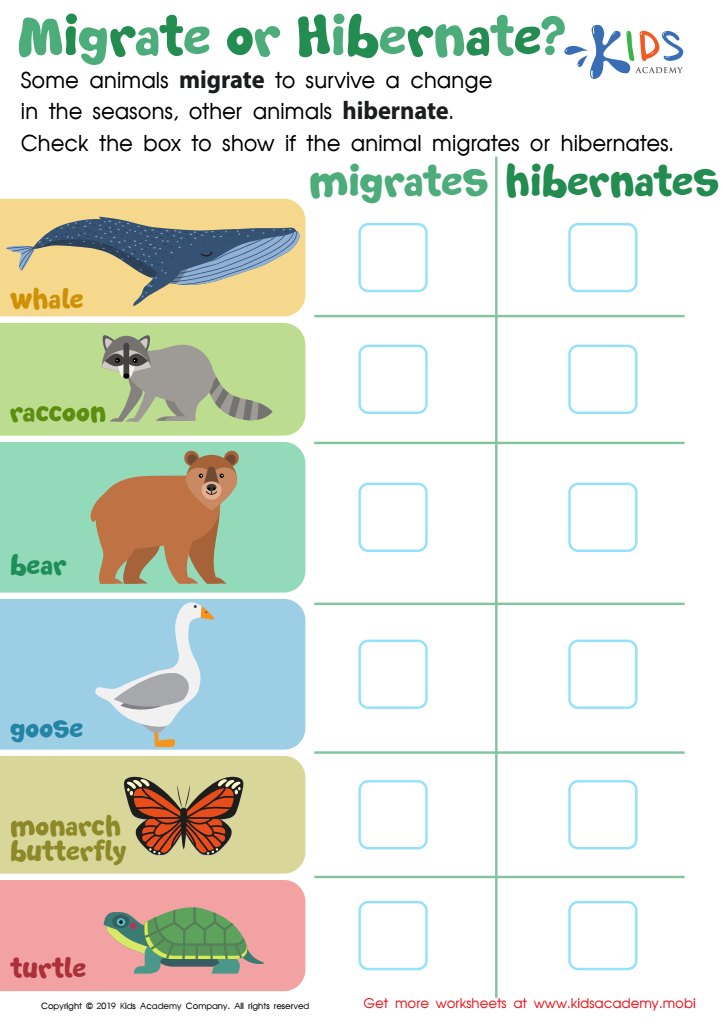
Migrate or Hibernate? Worksheet
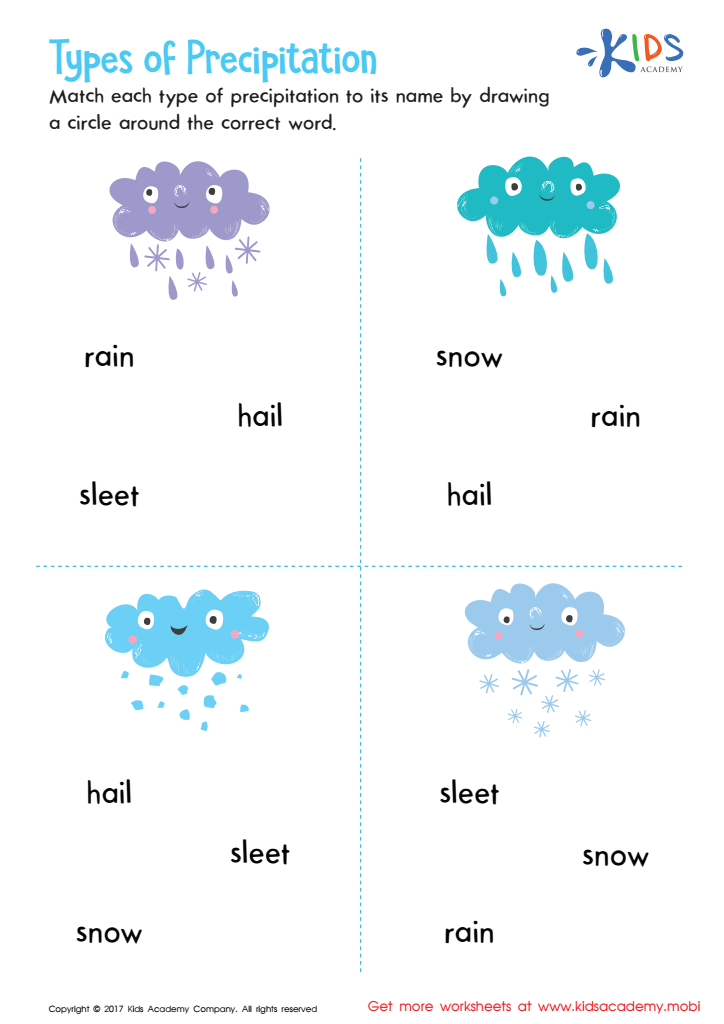
Types of Precipitation Printable
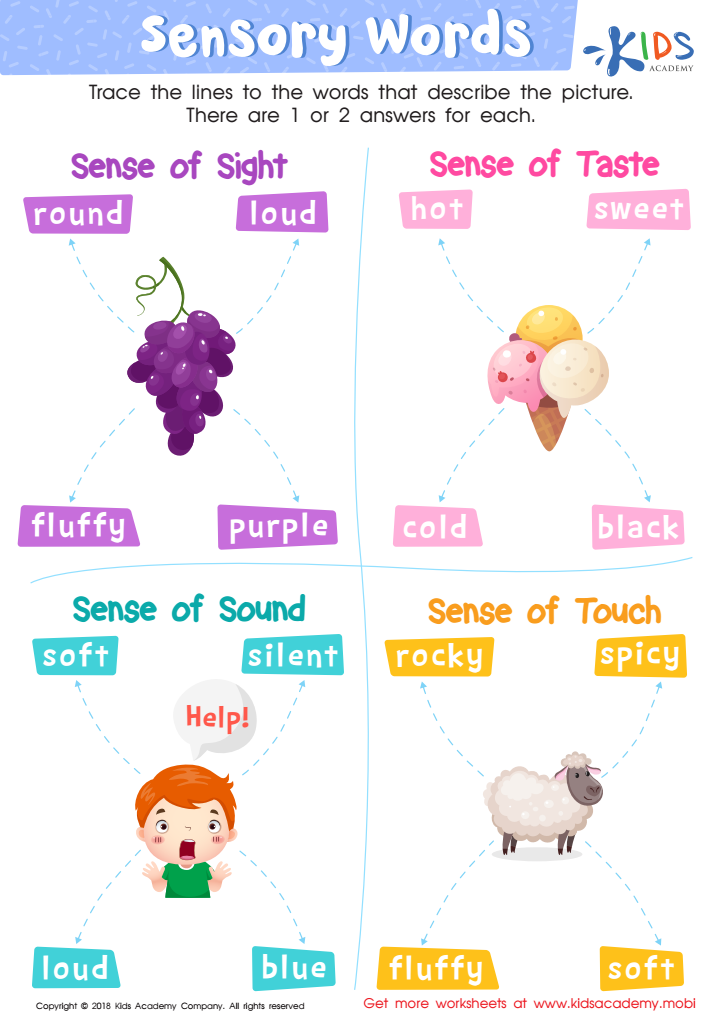
Sensory Words Worksheet



.jpg)




Enhancing vocabulary in science for 6-year-olds is crucial for several reasons. At this developmental stage, children are naturally curious and eager to learn about the world around them. A rich scientific vocabulary not only helps them articulate their observations and ideas but also fosters critical thinking skills by enabling them to engage in discussions and ask questions. When children understand and can use scientific terms, they build a foundation for more complex concepts in the future.
Moreover, a strong vocabulary supports literacy development. The ability to comprehend and express thoughts is vital in all subjects, including reading and writing. Introducing scientific vocabulary through fun activities can make learning enjoyable, sparking a lifelong interest in science. This engagement can lead to improved academic performance and a greater confidence in tackling challenging subjects later.
Finally, parents and teachers who prioritize vocabulary development are investing in a child's overall educational success. By emphasizing scientific language, we equip young learners with essential tools for understanding their environment, fostering a sense of agency and curiosity that can last a lifetime. Enhancing vocabulary in science is fundamental to nurturing well-rounded, educated children who are ready to explore and innovate.







