Color recognition Geography Worksheets for 6-Year-Olds
3 filtered results
-
From - To
Discover our engaging Color Recognition Geography Worksheets designed specifically for 6-year-olds! Our fun and interactive activities help young learners develop essential skills in identifying colors while exploring geographic concepts. Each worksheet incorporates vibrant images and easy-to-follow instructions, making it simple and enjoyable for children to understand different locations, maps, and cultural landmarks. Perfect for home or classroom use, these worksheets encourage creativity and critical thinking, fostering a love for geography at an early age. Dive into a world of color and exploration today—help your child recognize colors while sparking their interest in the diverse world around them!
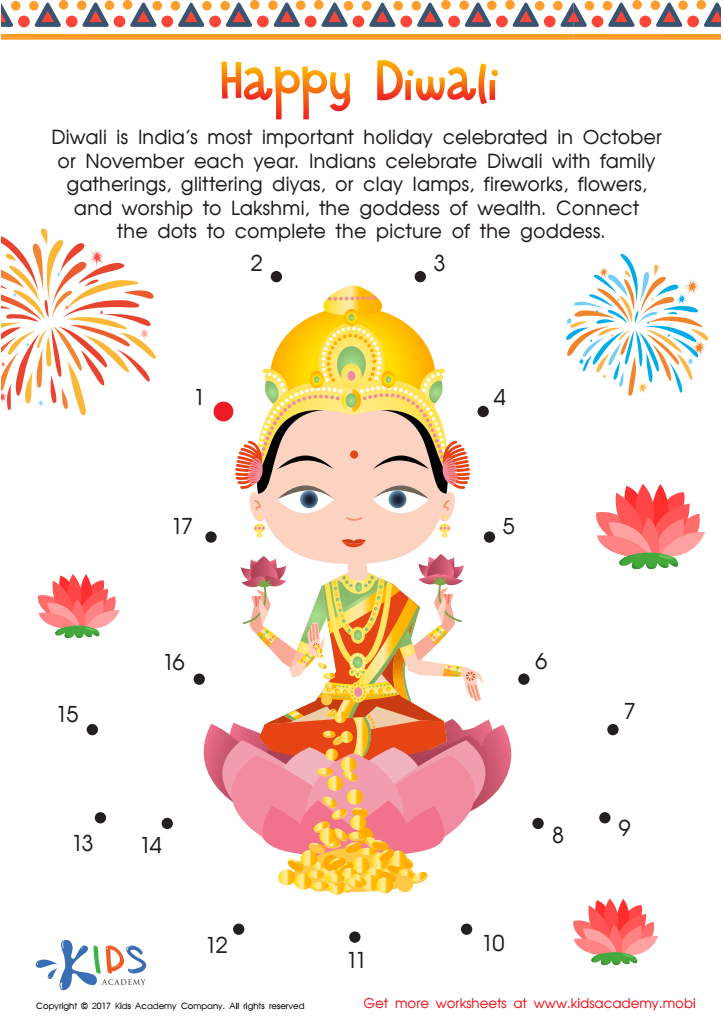
Happy Diwali Printable
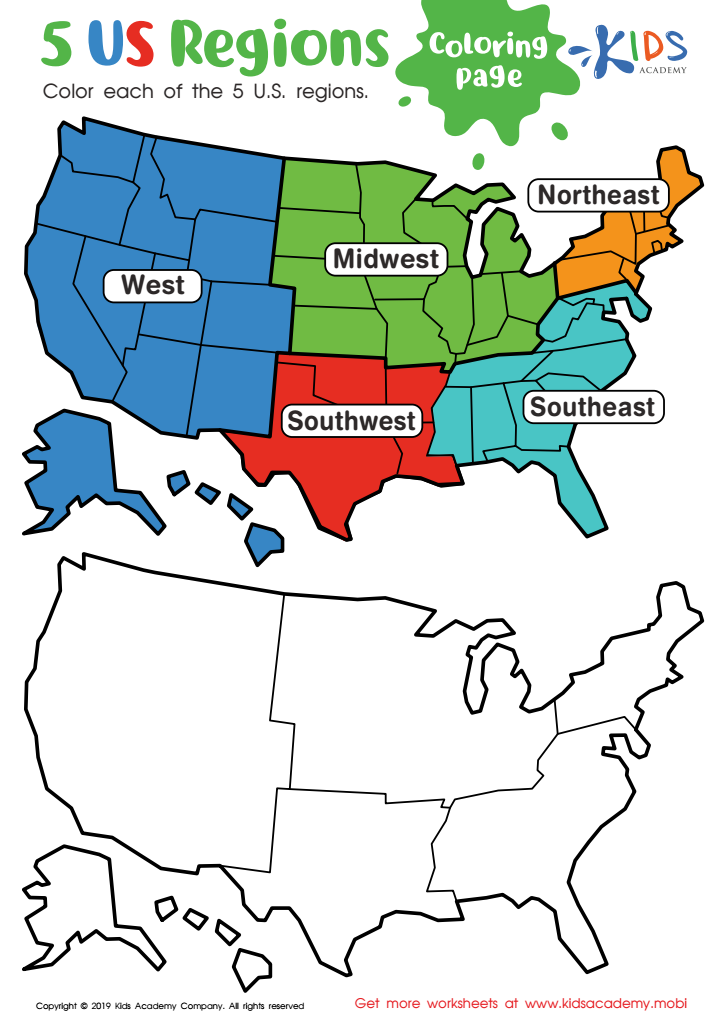
US Regions Coloring Page Worksheet
 Assign to My Students
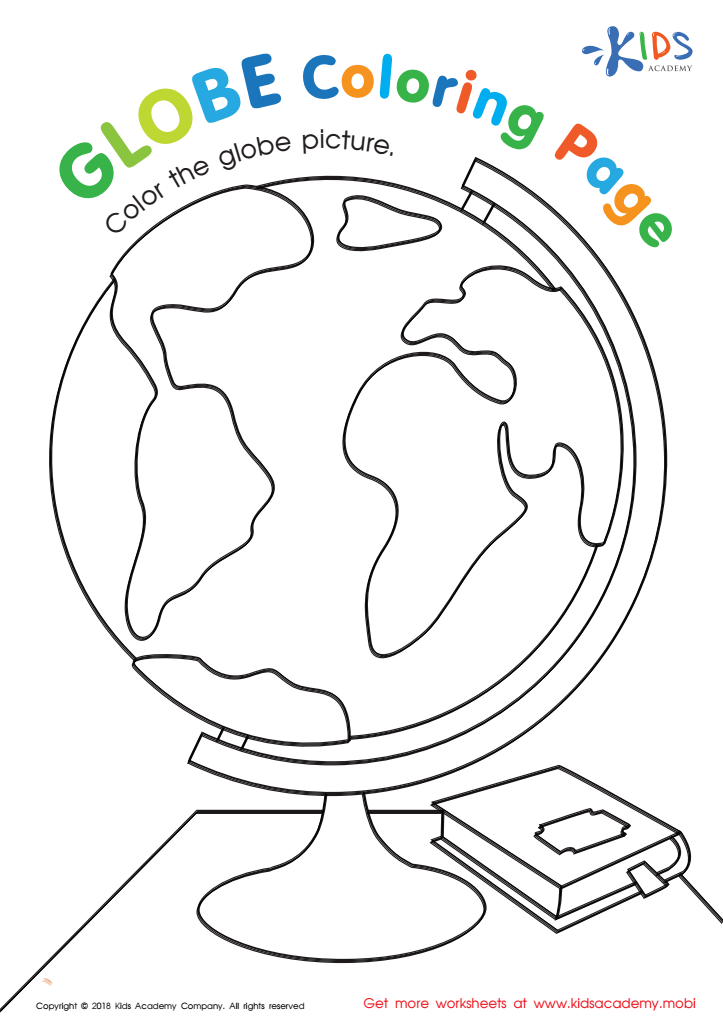
Globe Coloring Page Worksheet
Assign to My Students






Color recognition is a foundational skill that plays a vital role in a child's development, particularly in the context of geography for 6-year-olds. Parents and teachers should prioritize this skill for several reasons.
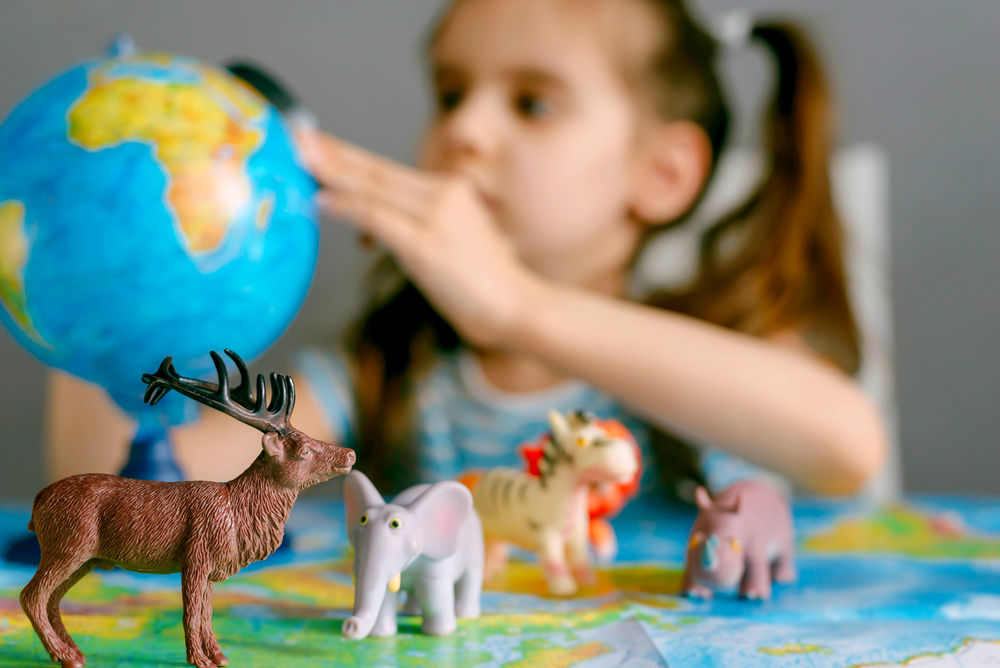
Firstly, color recognition enhances cognitive abilities. By associating colors with geographic elements—like blue for oceans, green for forests, and brown for mountains—children can better understand and remember geographical concepts. These associations create mental links that aid in information retention.
Secondly, learning about colors within a geographic context fosters curiosity about the world. As children explore maps and globes, their fascination with colors can spark a deeper interest in different cultures, terrains, and ecosystems. This curiosity is essential for developing a well-rounded worldview.
Moreover, introducing color recognition in geography supports language development. As young learners describe and identify colors, they also expand their vocabulary related to geography, including terms like “river,” “desert,” and “continent.”
Finally, engaging children with visual aids and colorful maps enhances their learning experience and makes geography fun. Overall, integrating color recognition into geography helps build a robust foundation for critical thinking, creativity, and emotional connection to the world around them. It fosters engagement and promotes a lifelong love for learning.








