Problem-Solving Skills Writing Worksheets for 6-Year-Olds
6 filtered results
-
From - To
Nurture your child's critical thinking with our Problem-Solving Skills Writing Worksheets for 6-Year-Olds. Designed by educators, these engaging worksheets make learning fun with captivating scenarios and age-appropriate challenges that stimulate young minds. Our collection helps children develop essential skills such as logical reasoning, decision-making, and creativity while improving their writing abilities. Each worksheet promotes active learning through puzzles, storytelling, and practical tasks that encourage kids to think outside the box. Ideal for both classroom and home use, these printable resources support your child's educational journey, enhancing their confidence and preparing them for future academic success.
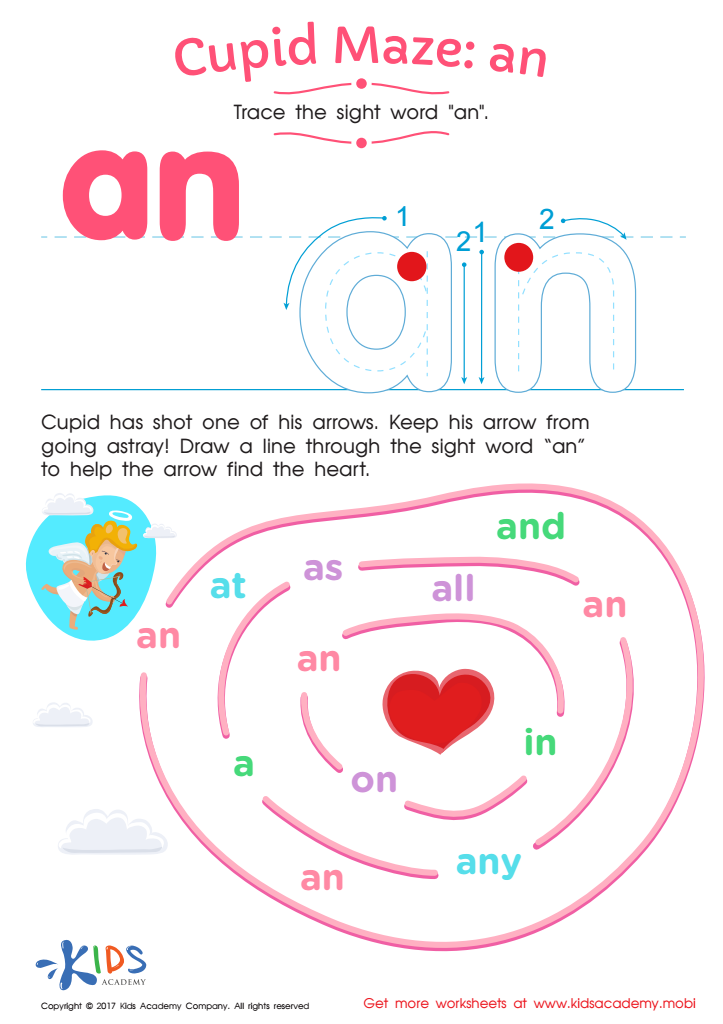
Cupid Maze: An Printable
 Assign to My Students
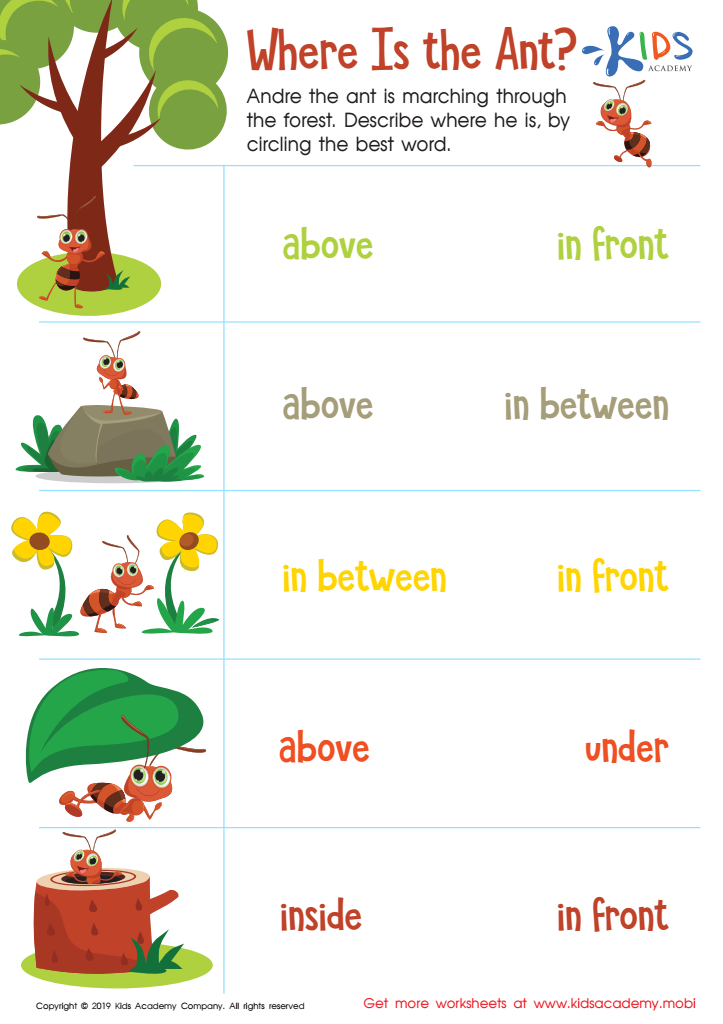
Where Is the Ant? Worksheet
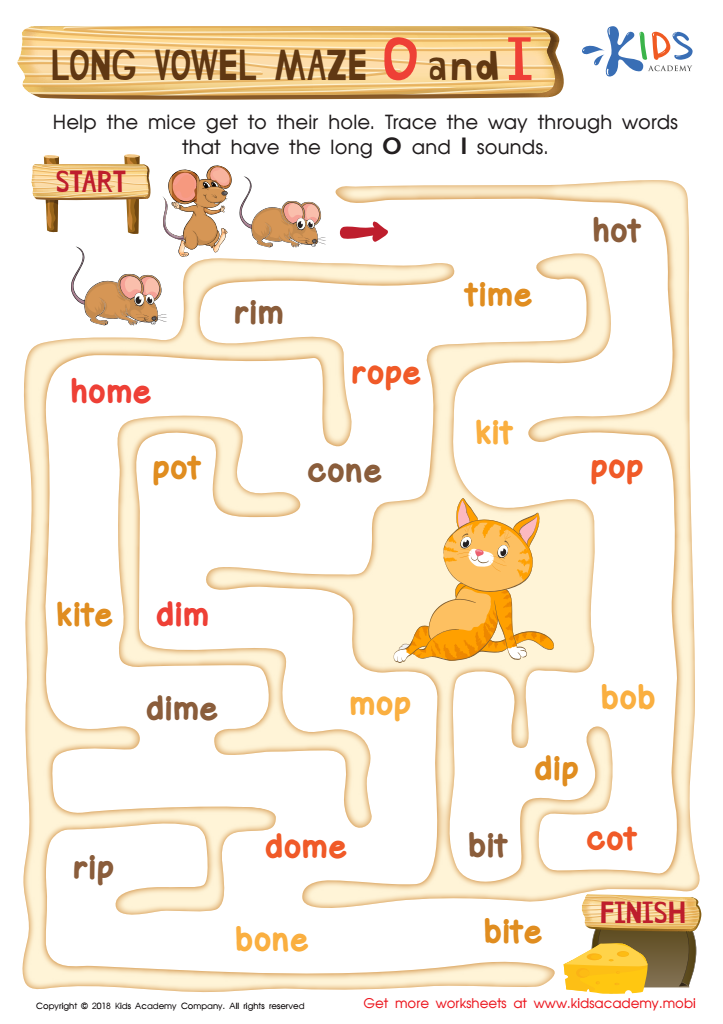
Long Vowel Maze /o/ and /i/ Worksheet
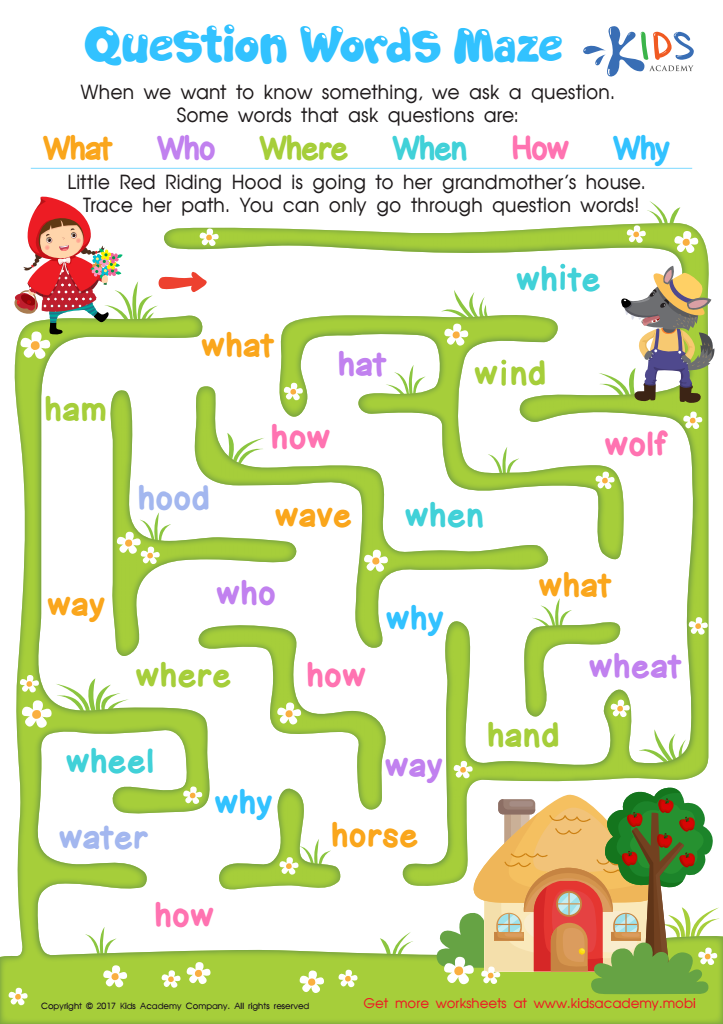
Question Words Maze Worksheet
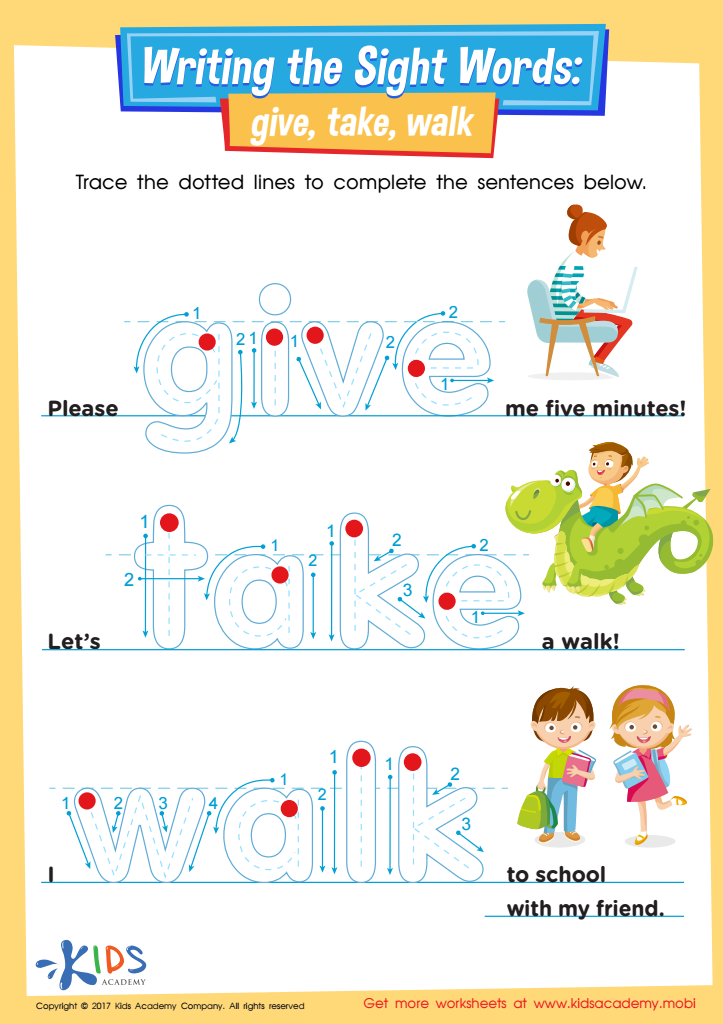
Give, Take, Walk Printable Sight Words Worksheet
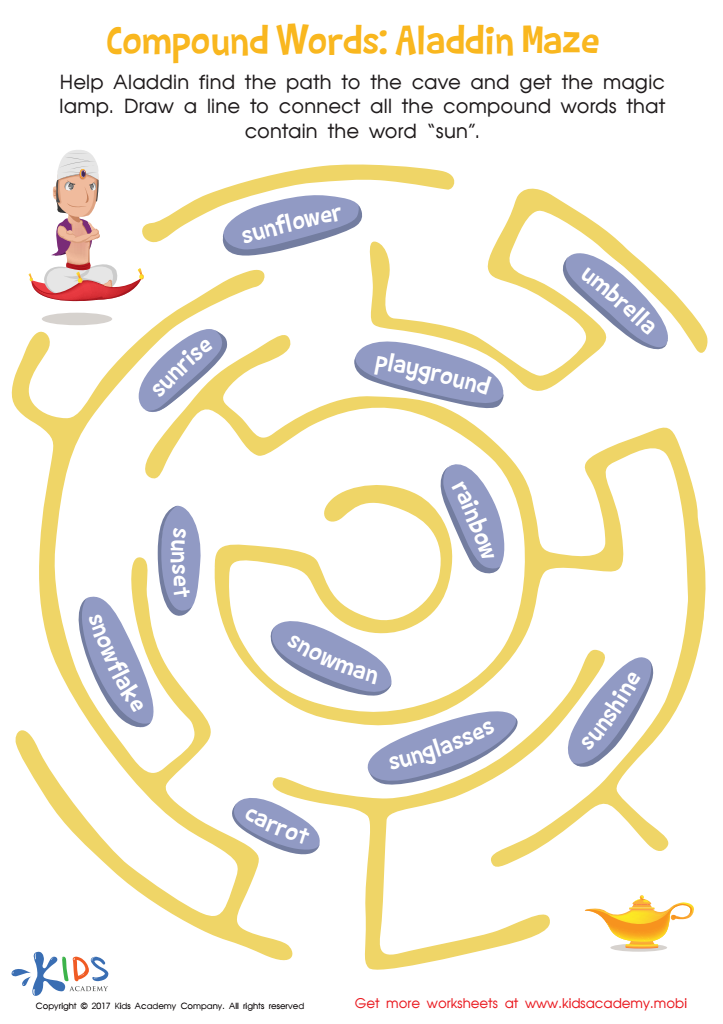
Compound Aladdin Maze Word Structure Worksheet



.jpg)



Problem-solving skills are crucial for 6-year-olds, acting as the foundation for both cognitive and emotional development. These skills enable children to approach challenges methodically and brainstorm effective solutions, promoting logical thinking and creativity. For parents and teachers, emphasizing problem-solving through writing can be particularly beneficial, as it supports several key areas of a child’s growth.
First and foremost, writing about problems invites children to articulate their thoughts clearly and coherently. This nurtures language development and enhances vocabulary, sentence structure, and comprehension. Writing activities that focus on problem-solving encourage critical thinking, helping children break down complex tasks into manageable steps. This can improve their ability to tackle academic problems and everyday issues independently.
Furthermore, when children write out their thoughts and strategies, they practice self-reflection. This fosters emotional intelligence as they learn to understand and manage their own feelings, and to empathize with others. Documenting solutions in writing also builds persistence as children learn that solving problems often requires revising and trying different approaches.
Finally, problem-solving skills are essential for success in the 21st century. Teaching these skills early prepares children for future educational challenges and helps develop resilience and adaptability—qualities that are increasingly important in a rapidly changing world. By valuing and nurturing problem-solving through writing, parents and teachers give children tools for lifelong success.








