Fine Motor Skills ABC Letters Worksheets for Ages 7-8 - Page 2
36 filtered results
-
From - To
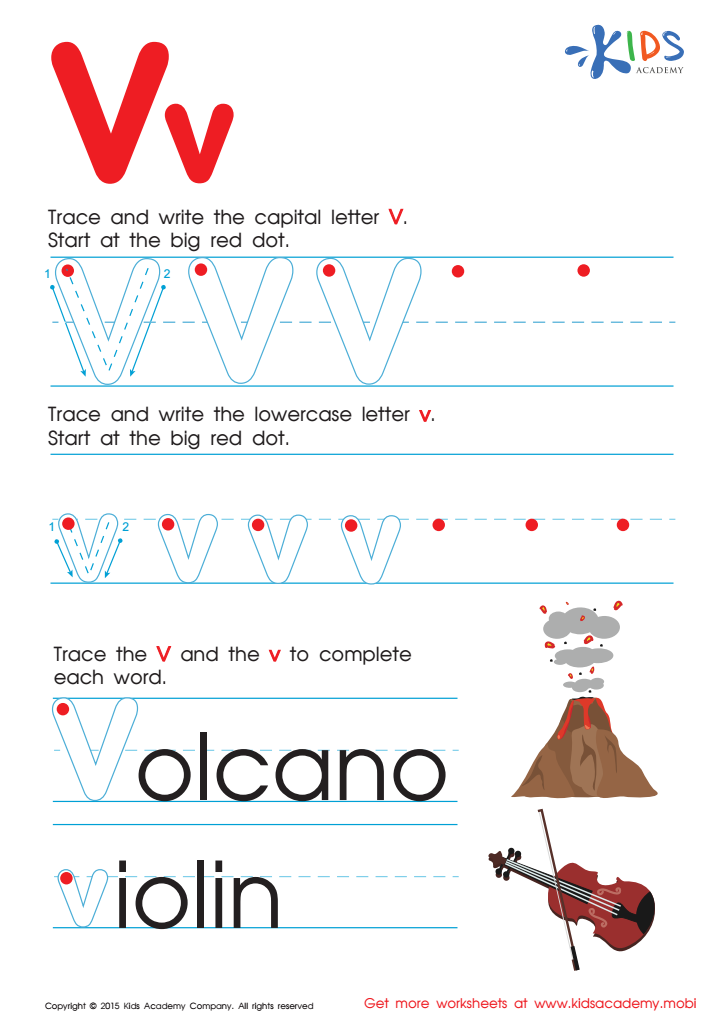
Letter V Tracing Page










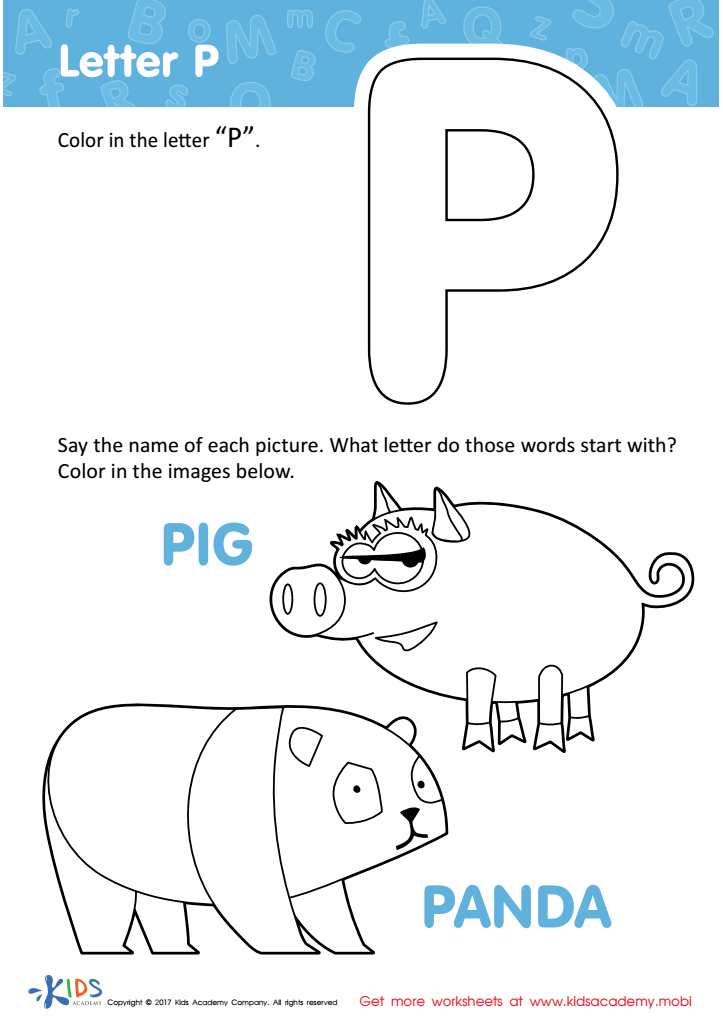
Letter P Coloring Sheet
 Assign to My Students
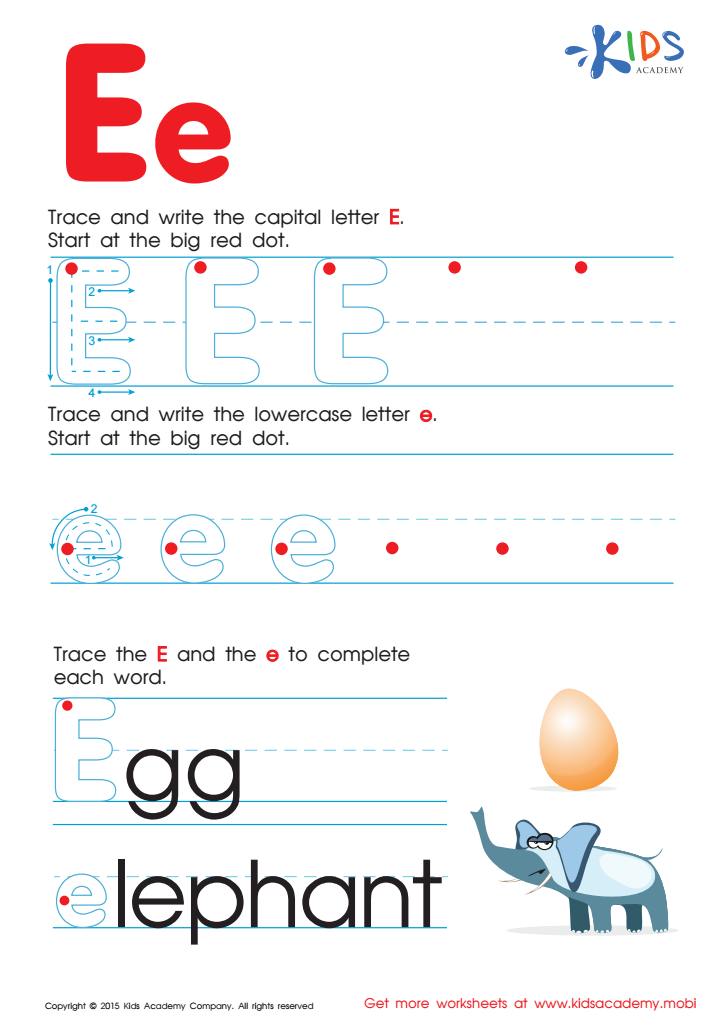
Letter E Tracing Page
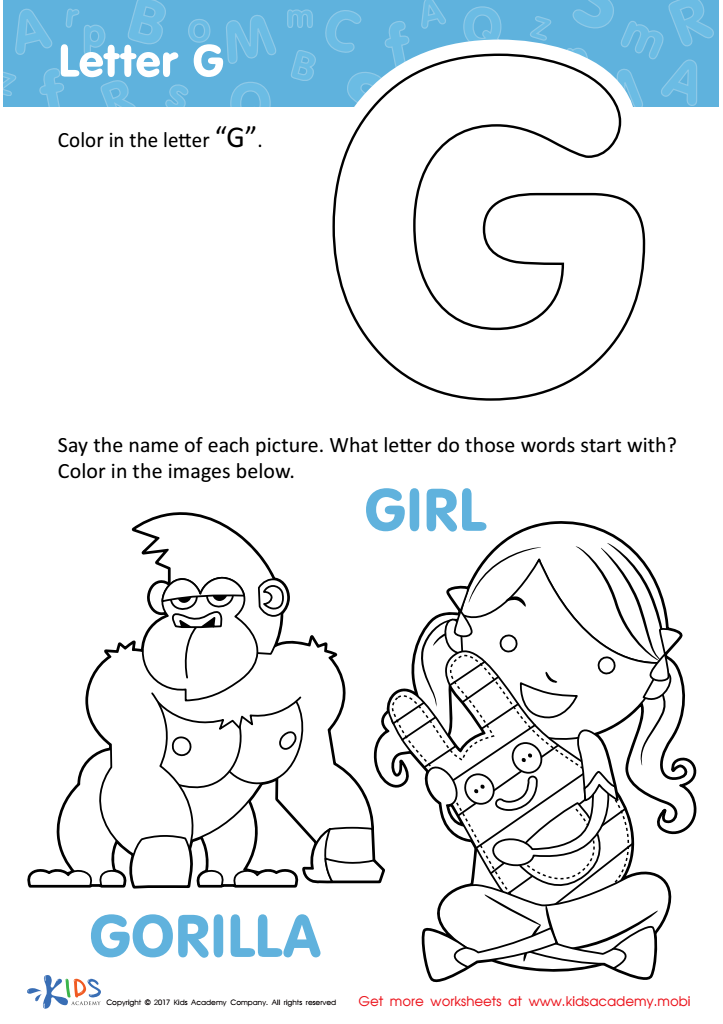
Letter G Coloring Sheet
Assign to My Students
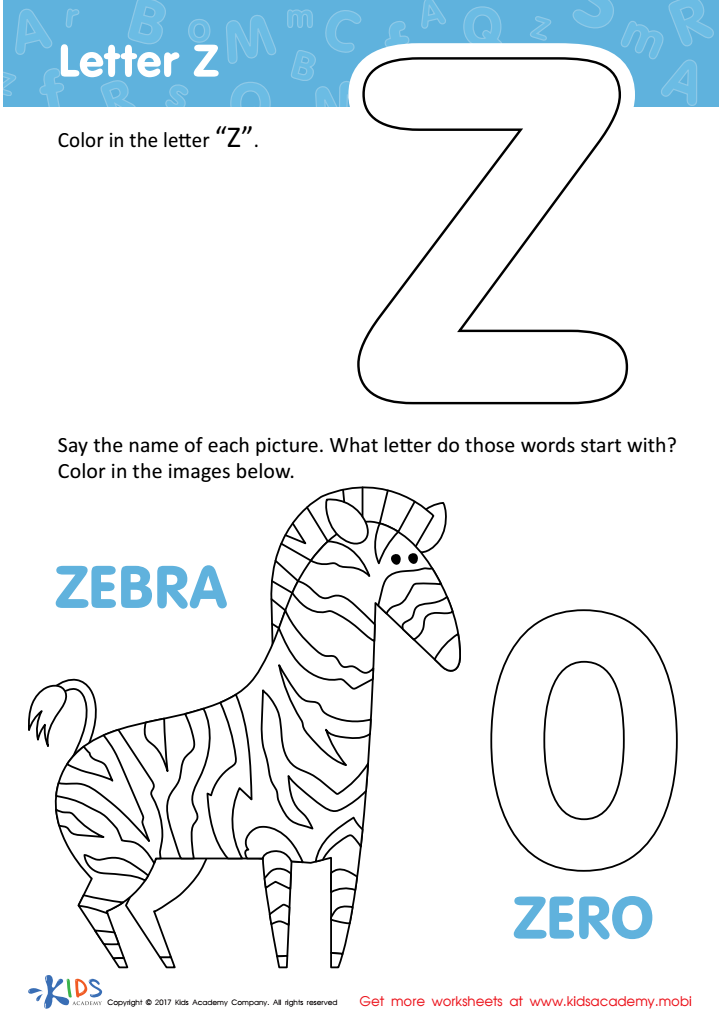
Letter Z Coloring Sheet
Assign to My Students
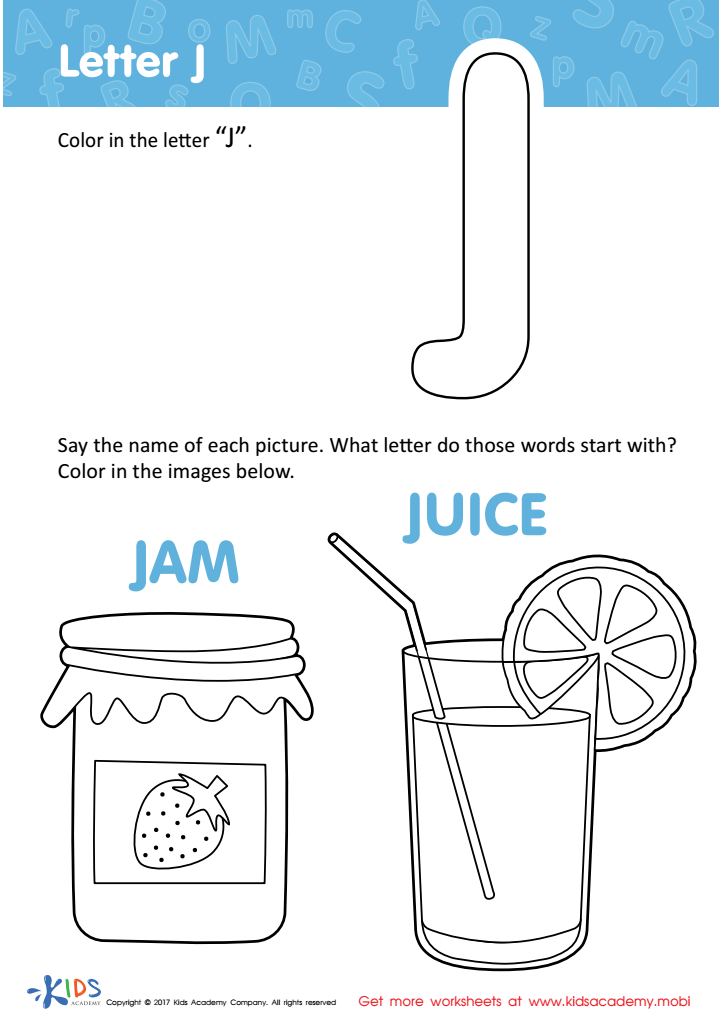
Letter J Coloring Sheet
Assign to My Students
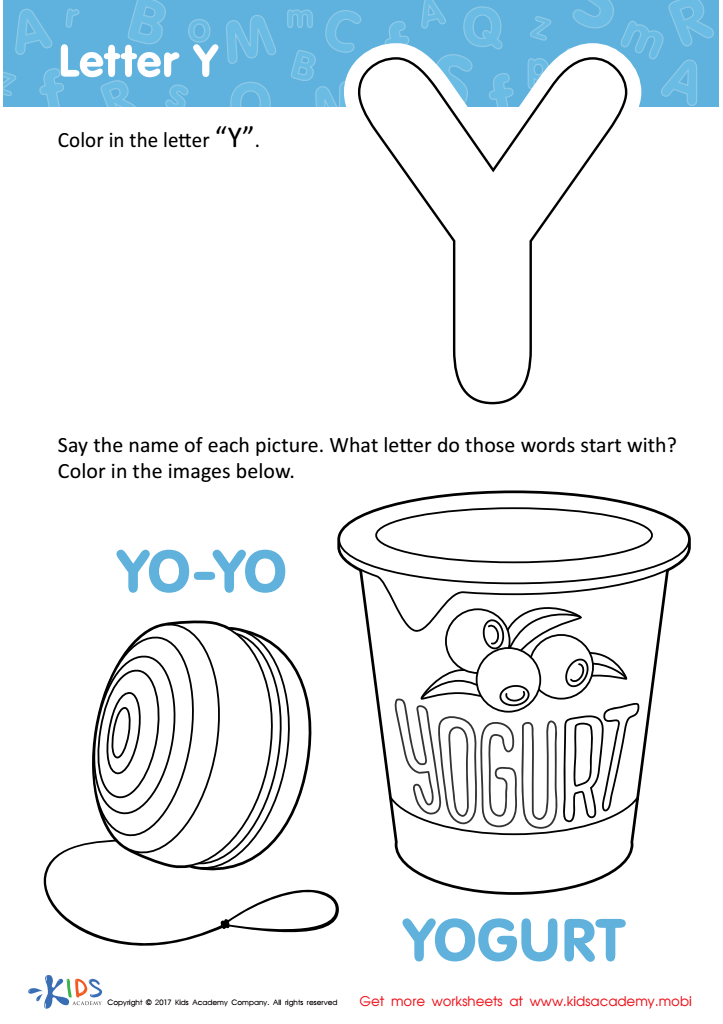
Letter Y Coloring Sheet
Assign to My Students
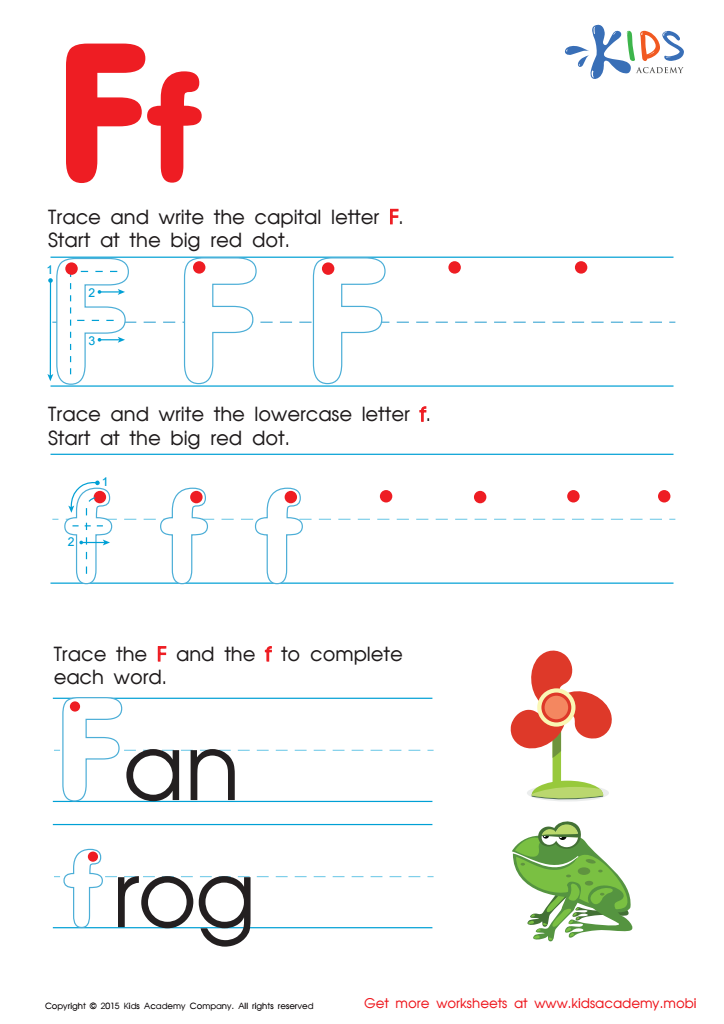
Letter F Tracing Page
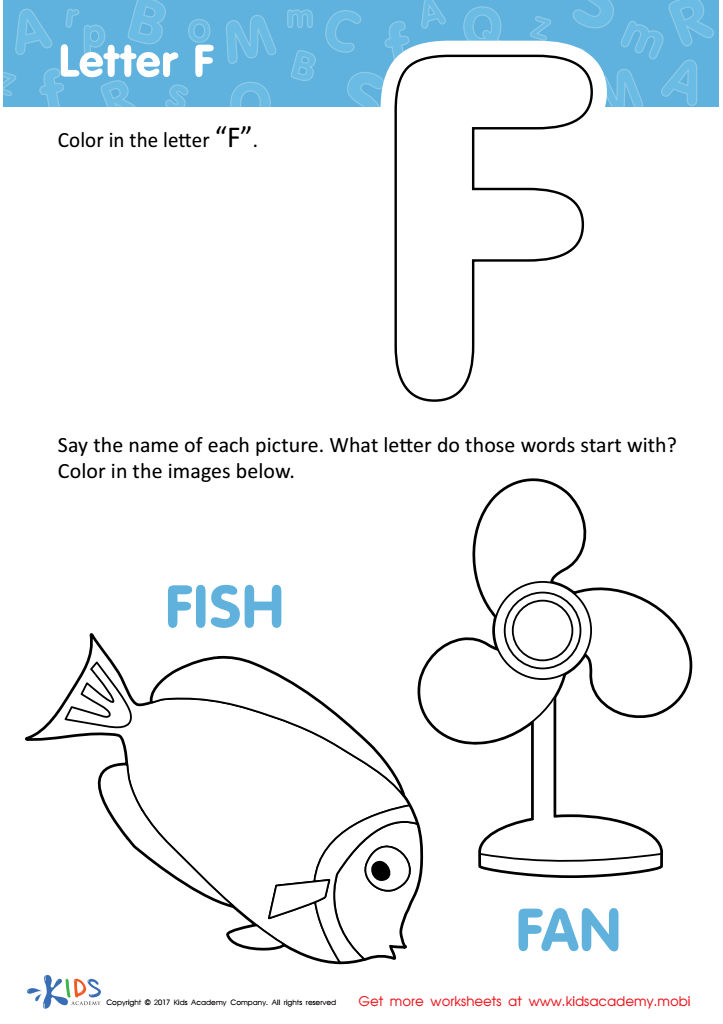
Letter F Coloring Sheet
Assign to My Students
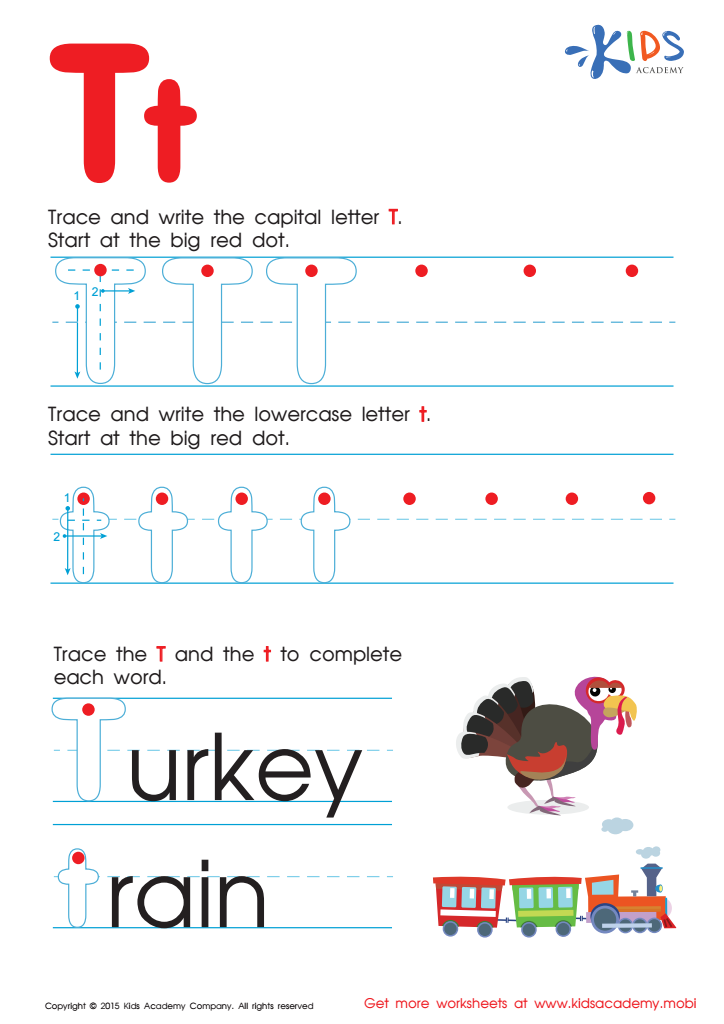
Letter T Tracing Page
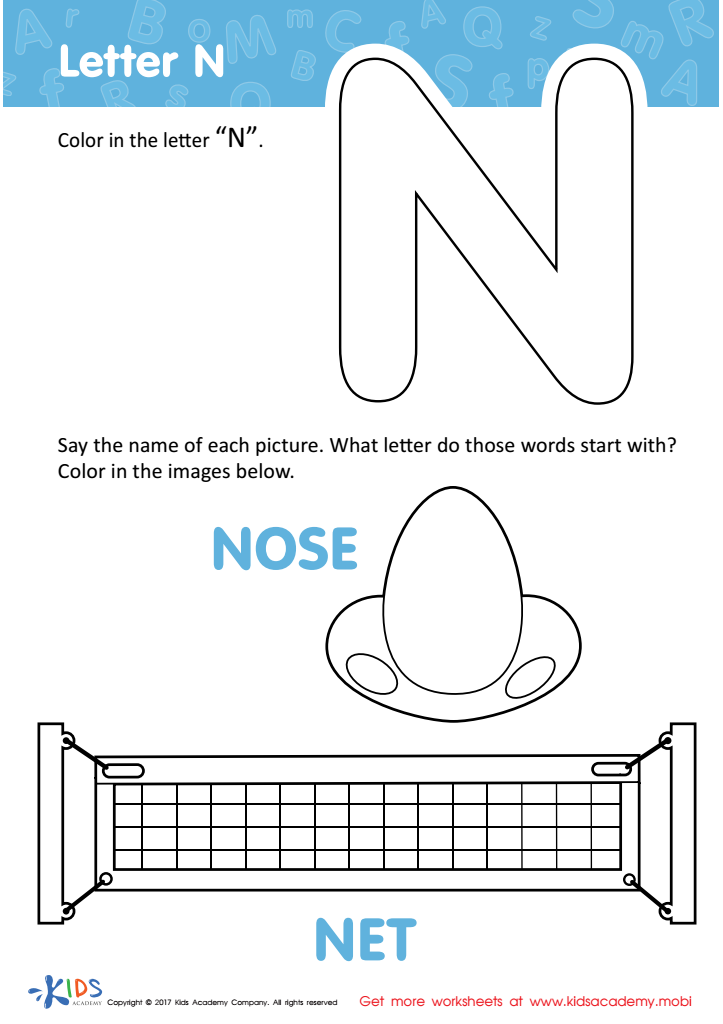
Letter N Coloring Sheet
Assign to My Students

Letter D Tracing Page







Fine motor skills are crucial for children, especially those aged 7-8, as they significantly influence academic performance and everyday tasks. These skills involve small muscle movements primarily in the hands and fingers, essential for writing, drawing, and manipulating objects. Paying attention to the development of fine motor skills in tandem with learning letter shapes and sounds not only aids literacy but also promotes confidence and creativity.
As children at this age start to express their individuality through writing and artistic expression, strong fine motor skills provide the foundation for effective communication and self-expression. Mastering ABC letters and their formation enhances cognitive skills, allowing children to connect letters with sounds, reinforcing reading and spelling.
Moreover, proficiency in fine motor tasks prepares them for more complex academic challenges. It supports independent activities such as fastening buttons, tying shoelaces, and using various tools, fostering self-reliance in everyday activities.
Ultimately, parents and teachers should prioritize developing fine motor skills along with alphabet recognition and writing. By investing in these skills, they can facilitate a smoother transition into more advanced educational milestones while nurturing a child’s overall growth and development.







