
Number identification Worksheets for Ages 7-8
16 filtered results
Difficulty Level
Grade
Age
-
From - To
Subject
Activity
Standards
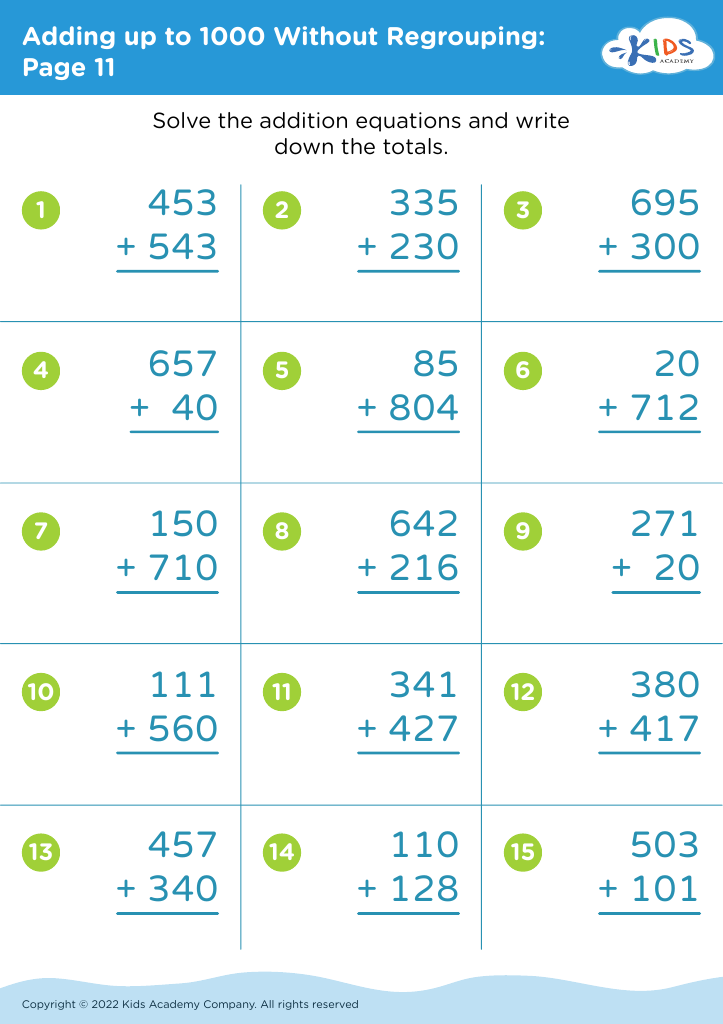
Discover our engaging number identification worksheets designed for children aged 7-8! These worksheets provide a fun and interactive way for kids to strengthen their understanding of numbers. Perfect for enhancing numeracy skills, they include a variety of exercises, such as counting, number matching, and sequencing activities. Each worksheet is tailored to make learning enjoyable, allowing children to practice at their own pace. As they work through the problems, kids will build confidence and reinforce their math foundations. Whether in class or at home, these worksheets are an excellent resource for nurturing essential number skills in young learners. Get started today!
Favorites
With answer key
Interactive
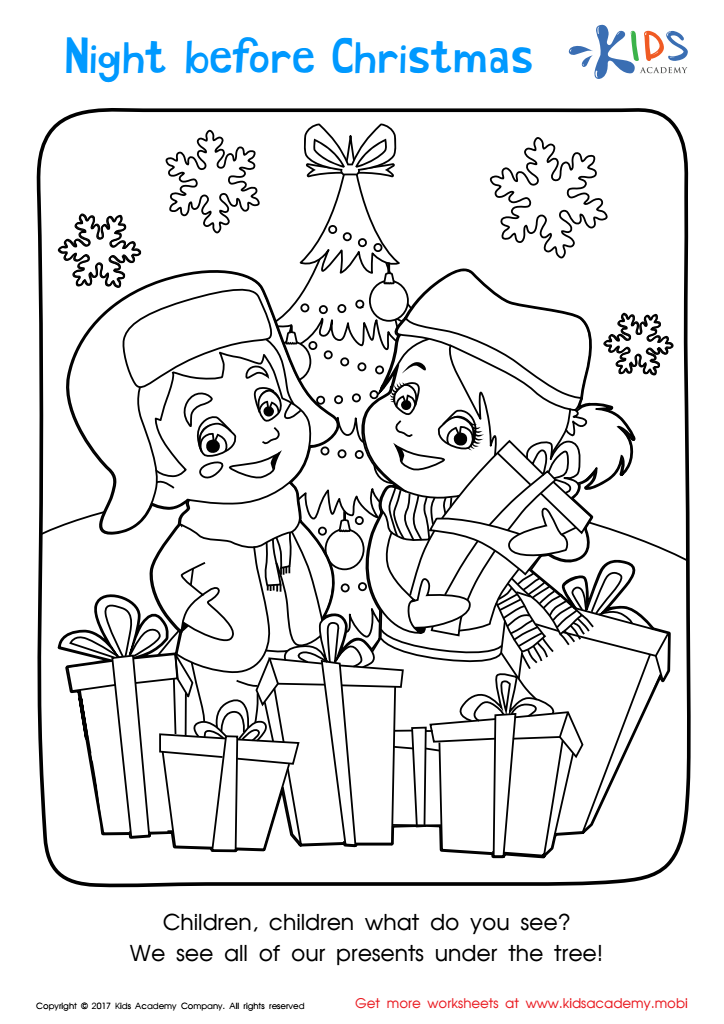
Christmas: Night Before Christmas Printable
Give your kids the gift of coloring this season! Use this boy and girl page to start a conversation on the spirit of giving. Ask your child what they'd like to give and remind them that giving is just as important as receiving. Then, help them pick the perfect colors to bring the image to life! Your child will get in the Christmas spirit while getting ready for Santa's arrival. Print the festive page and spread the joy of the season!
Download (PDF)
 Assign to My Students
Assign to My Students
Christmas: Night Before Christmas Printable
Worksheet
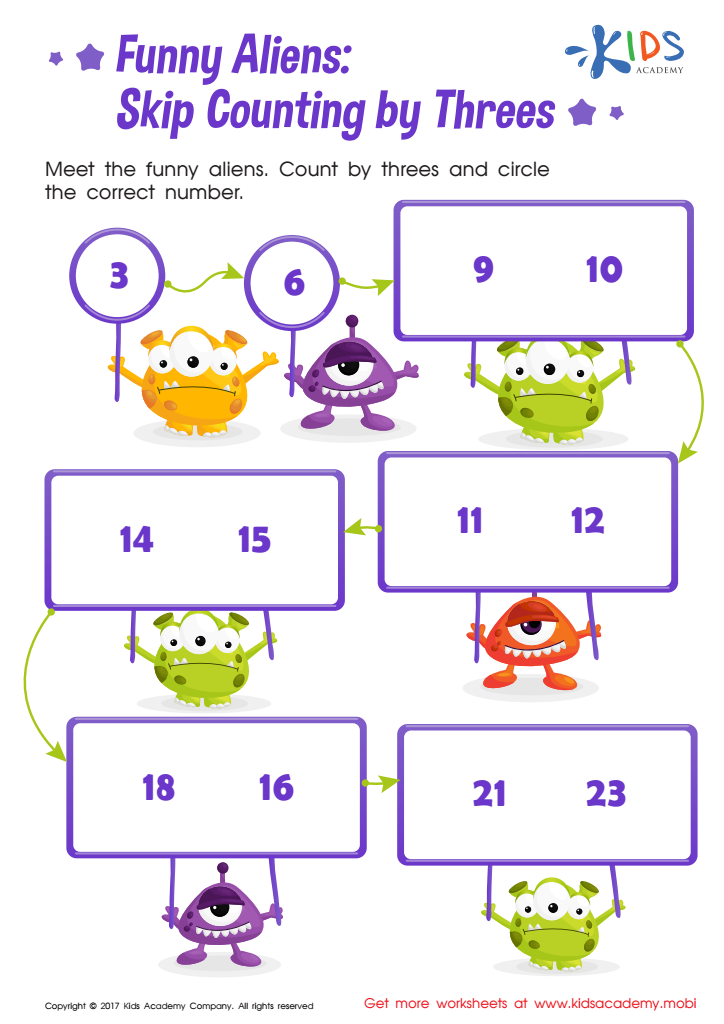
Skip Counting by 3s: Funny Aliens Printable
Blast off to outer space learning fun with this skip counting by 3 worksheet!
Skip Counting by 3s: Funny Aliens Printable
Worksheet
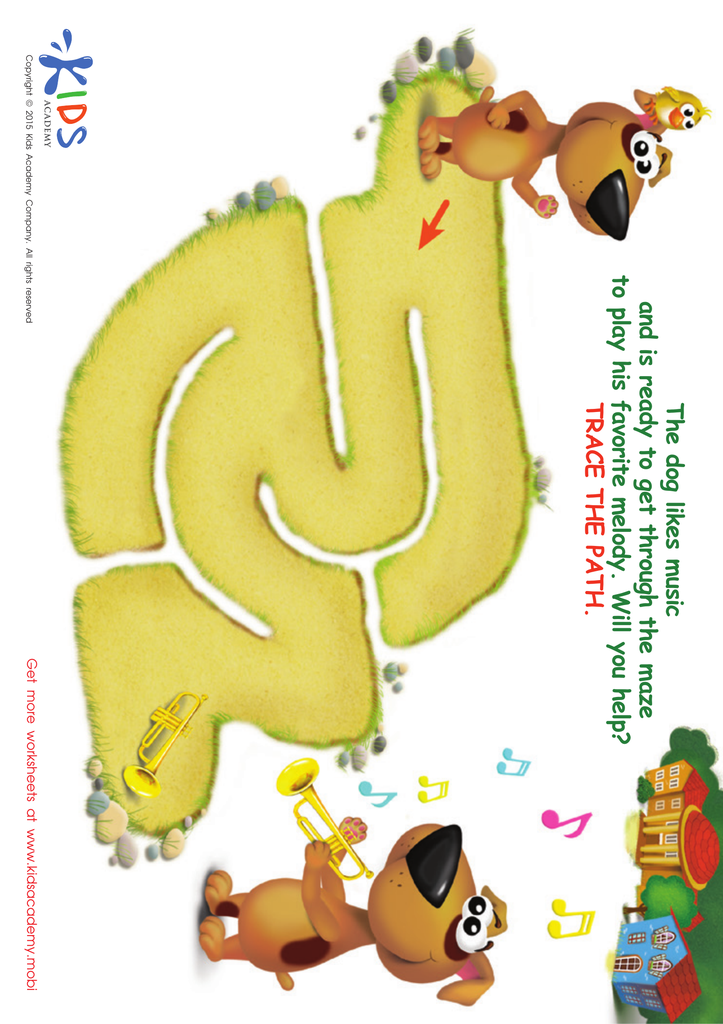
Trumpeter Maze Worksheet
Help your kid to find the way out of the maze to hear their favorite melody! Visit Kids Academy now and explore plenty of fun and educational resources.
Trumpeter Maze Worksheet
Worksheet
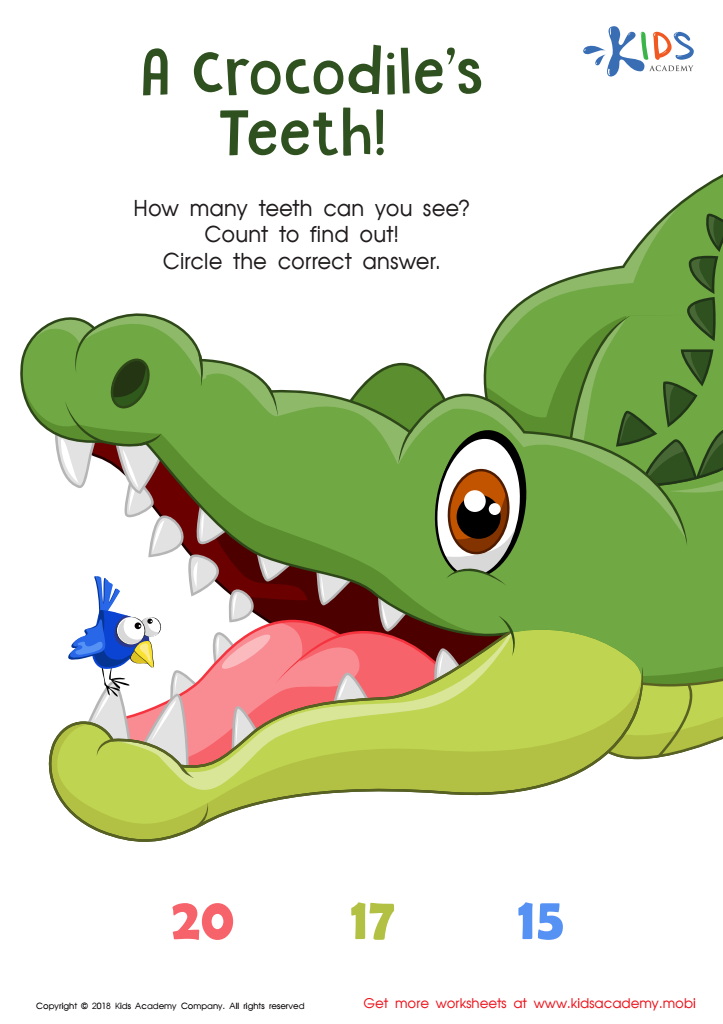
A Crocodile's Teeth Worksheet
Show your child the animal image and ask them to identify it. If they watch animal shows, they'll likely be interested. Count the teeth together, then look at the options and help them circle the right one.
A Crocodile's Teeth Worksheet
Worksheet
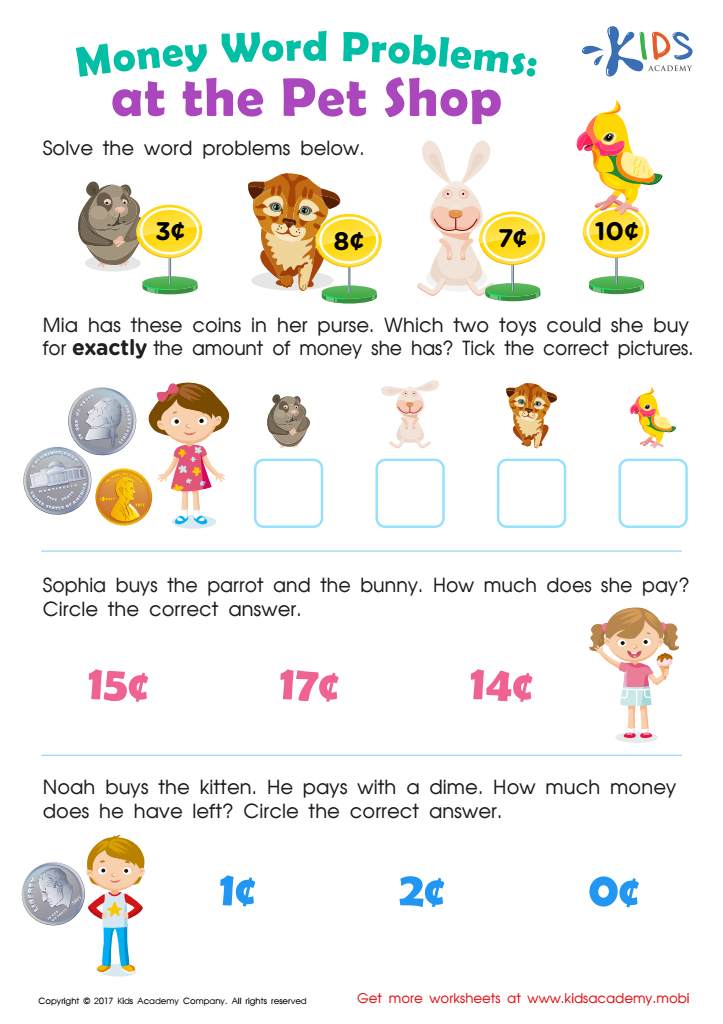
Pet Shop Worksheet
Teach your child a key life skill: counting and managing money. With this worksheet, they'll learn to count coins and calculate purchases at the pet shop. Give them colorful, fun math practice!
Pet Shop Worksheet
Worksheet
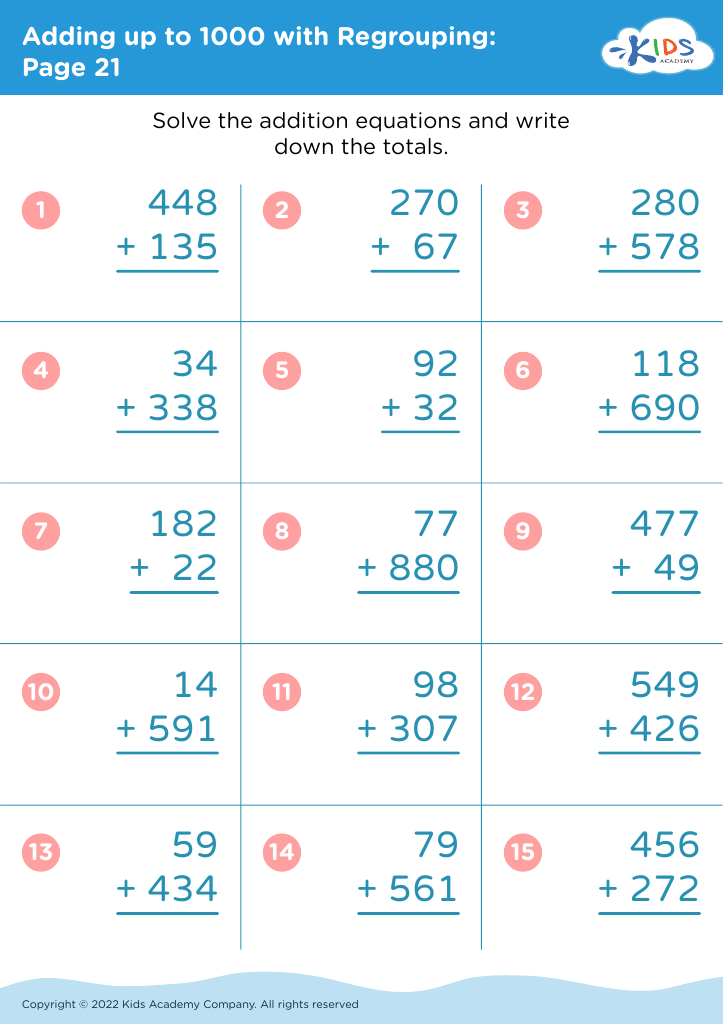
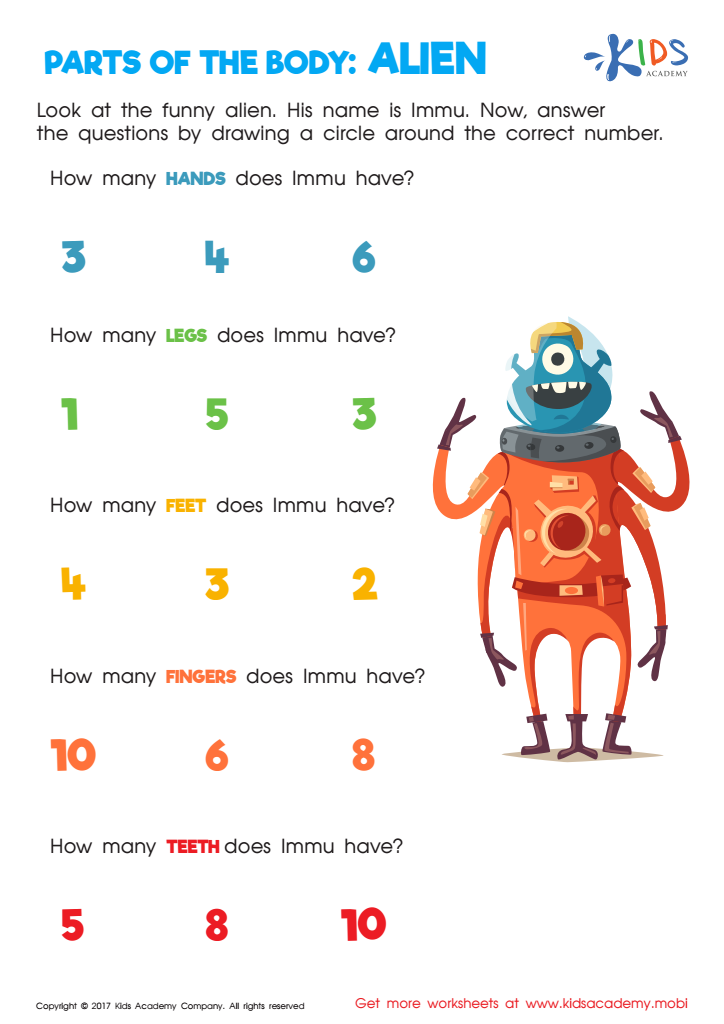
Alien Worksheet
Take your child on an out-of-this-world learning adventure with Immu, our friendly alien! This worksheet helps your child practice counting, recognize body parts and sharpen problem solving skills. Get started with this fun, educational activity today and watch as they learn and grow. Print it now and blast off to outer space!
Alien Worksheet
Worksheet
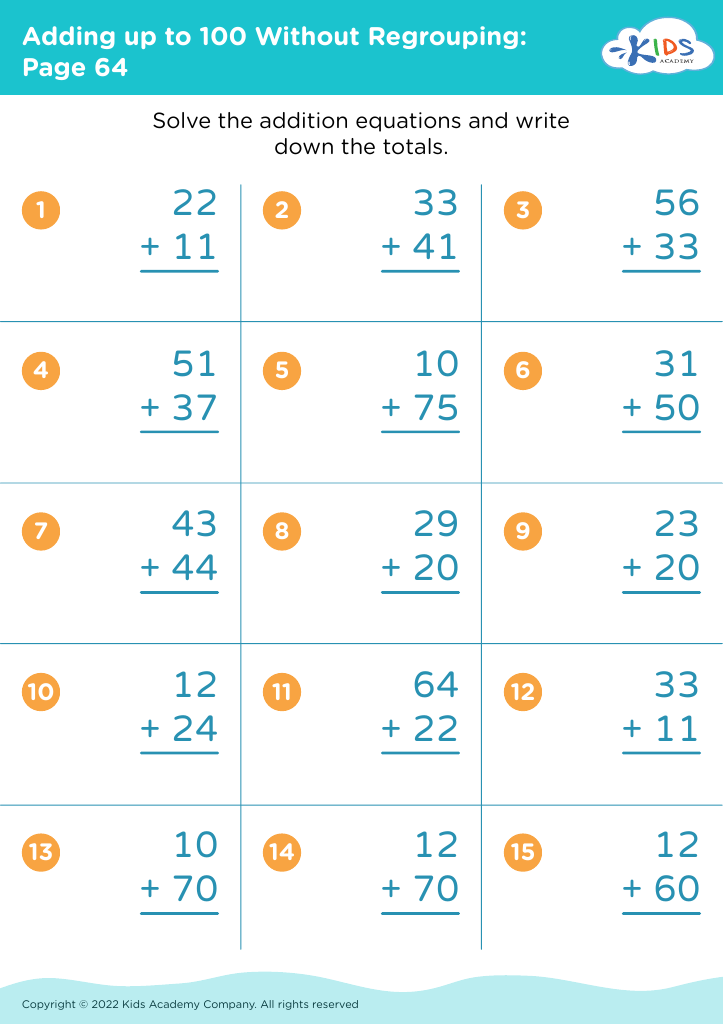
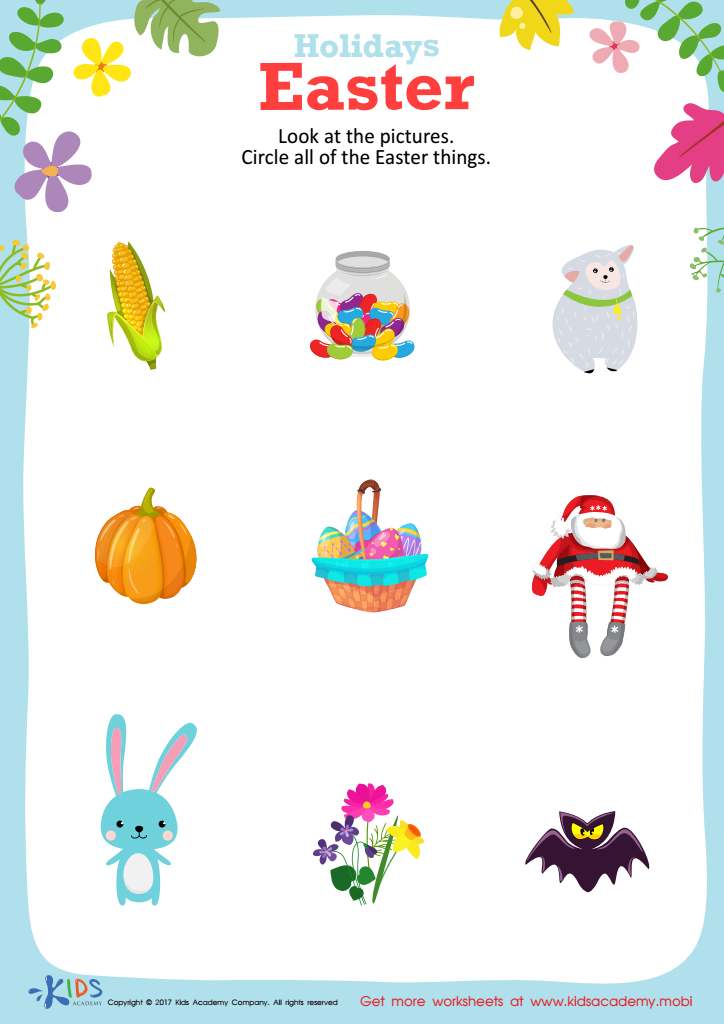
Easter Holiday Printable
This printable Easter worksheet helps your child identify symbols associated with the holiday. Pick out the pictures that usually signify Easter and your little one will gain an understanding of the holiday's meaning. With this free activity, springtime just got more exciting!
Easter Holiday Printable
Worksheet
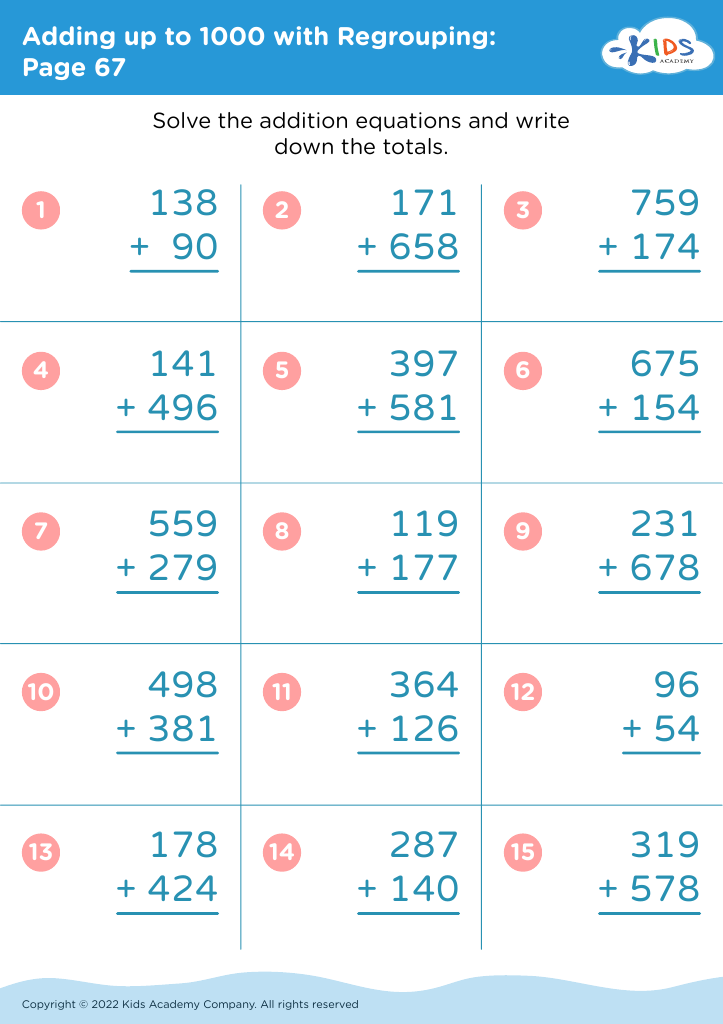
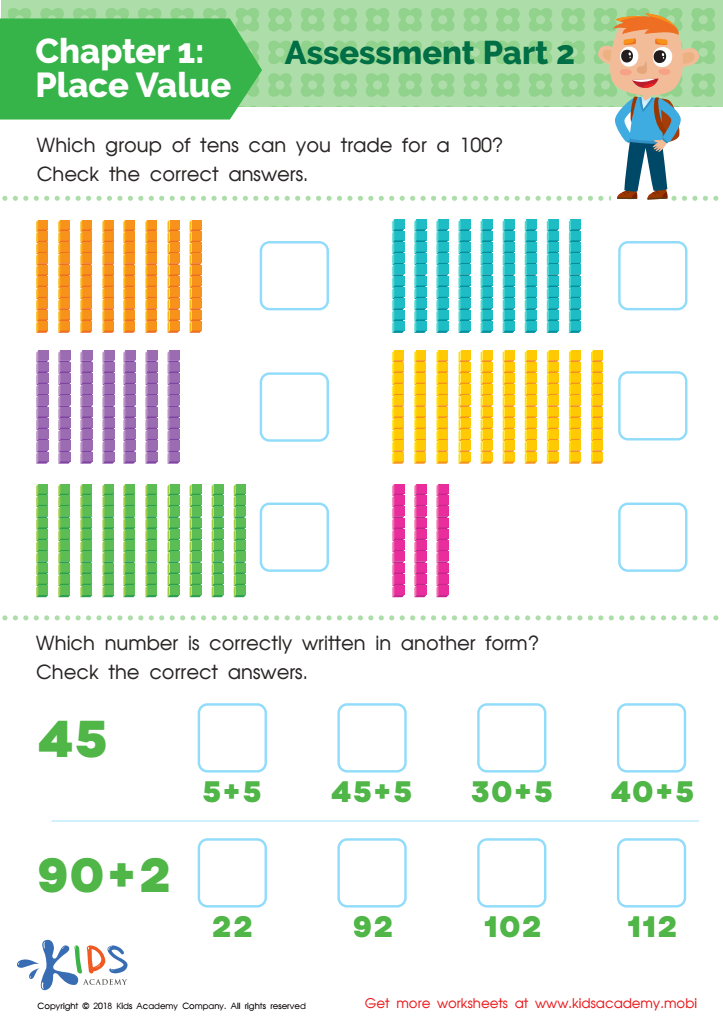
Place Value: Chapter 2 Worksheet
Place value is a key math topic. If your child needs more practice, use this worksheet. It challenges them to figure out which group of tens equals a 100, then check the answer and move to the next question.
Place Value: Chapter 2 Worksheet
Worksheet
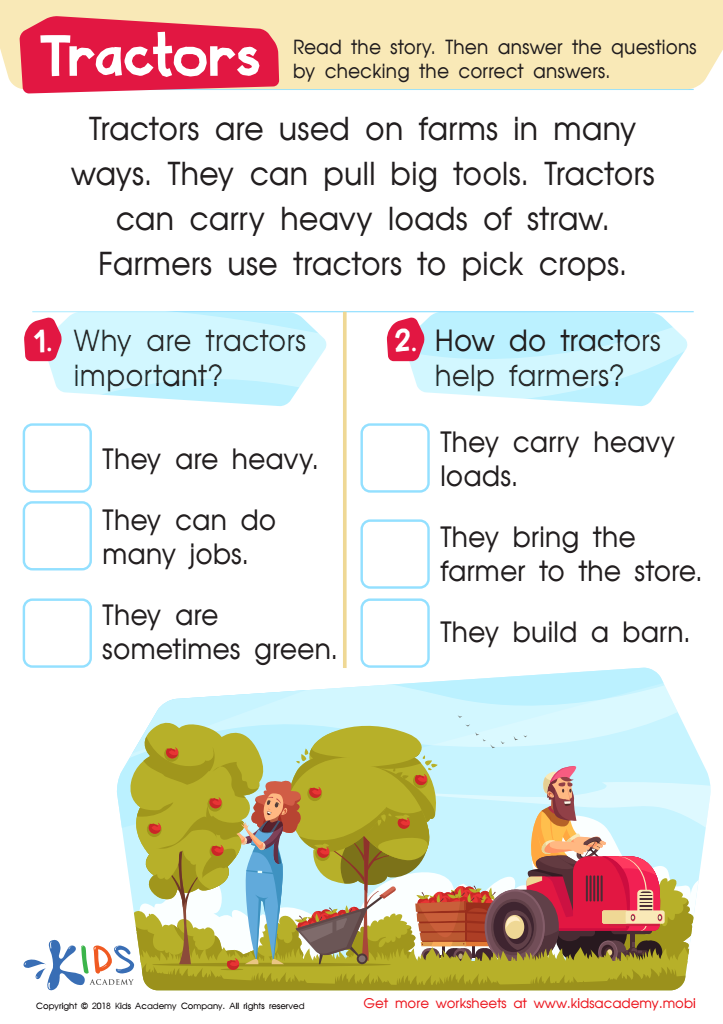
Tractors Worksheet
Kids love tractors! Let them read about what they do, what they use, and who uses them with this free worksheet. After reading, they can answer reading comprehension questions to test their knowledge; multiple choices make it easy! Little do they know, they're boosting their literacy skills along the way!
Tractors Worksheet
Worksheet
Join Kids Academy for Free
Who is primarily going to use this learning content?







Number identification is a crucial skill for children ages 7-8, serving as the foundation for their overall mathematical understanding. At this developmental stage, children are transitioning from basic number sense to more complex mathematical concepts, making it essential for parents and teachers to support their learning in this area.
Understanding number identification can refine a child’s ability to recognize, read, and write numbers, which is vital for solving mathematical problems. Accurate number identification enhances calculations, fosters logical reasoning, and aids in self-confidence when approaching math-related tasks. Furthermore, it correlates strongly with later mathematical abilities; children who struggle with number identification may encounter difficulty in more advanced topics like fractions and algebra.
Engaging in activities that promote number identification—such as counting games, matching exercises, and real-world applications—can make learning enjoyable and relatable. Additionally, parents and teachers should be vigilant about diverse learning styles, as some children may need tailored approaches to grasp these concepts effectively.
Ultimately, nurturing number identification at this age sets the groundwork for academic achievement, ensuring that children develop strong numeracy skills that are vital not just in their school life but also in everyday decision-making tasks in adulthood.








