Shape Recognition 2D Shapes Worksheets for Ages 7-8
18 filtered results
-
From - To
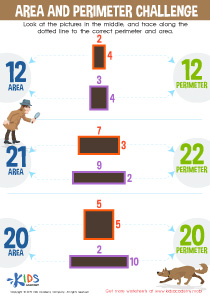
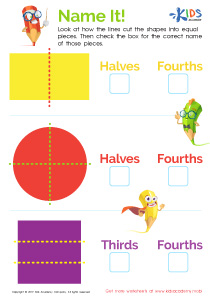
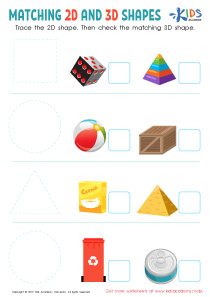
Enhance your child's understanding of 2D shapes with our engaging Shape Recognition worksheets designed for ages 7-8. These printable resources will help learners identify, compare, and classify various shapes, fostering foundational math skills through fun and interactive activities. Each worksheet presents vibrant illustrations and varied exercises that make learning shapes enjoyable. Whether your child is a visual learner or enjoys hands-on practice, these worksheets cater to diverse learning styles. Perfect for both classroom use and at-home reinforcement, our Shape Recognition materials enable children to master important geometry concepts while building confidence in their math abilities. Start exploring the world of shapes today!
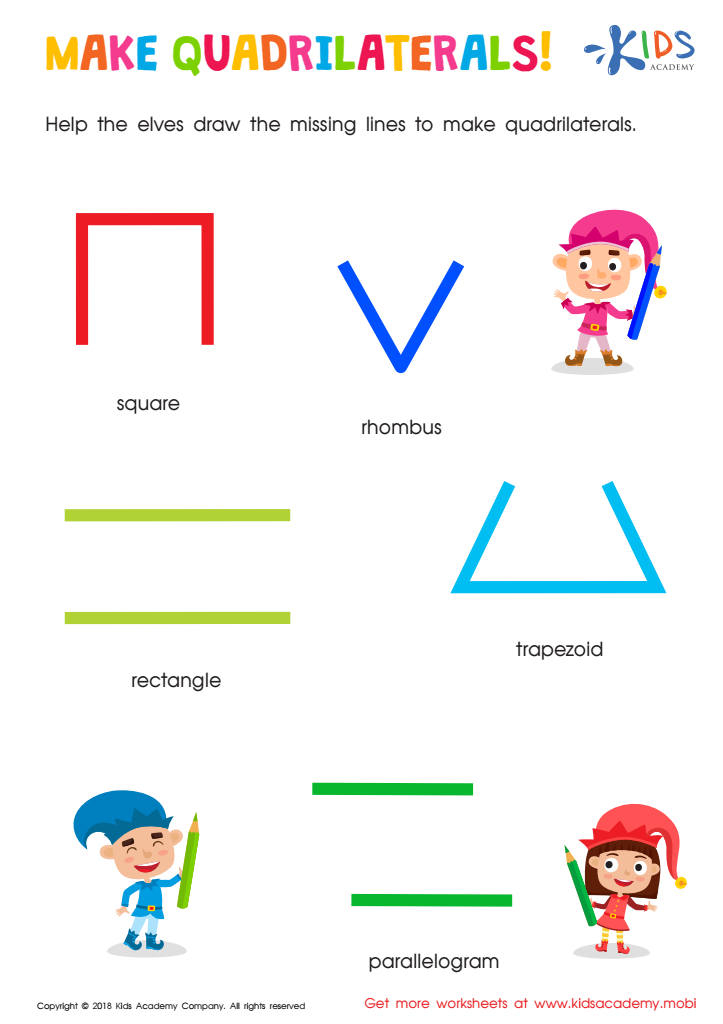
Make Quadrilaterals Worksheet
 Assign to My Students


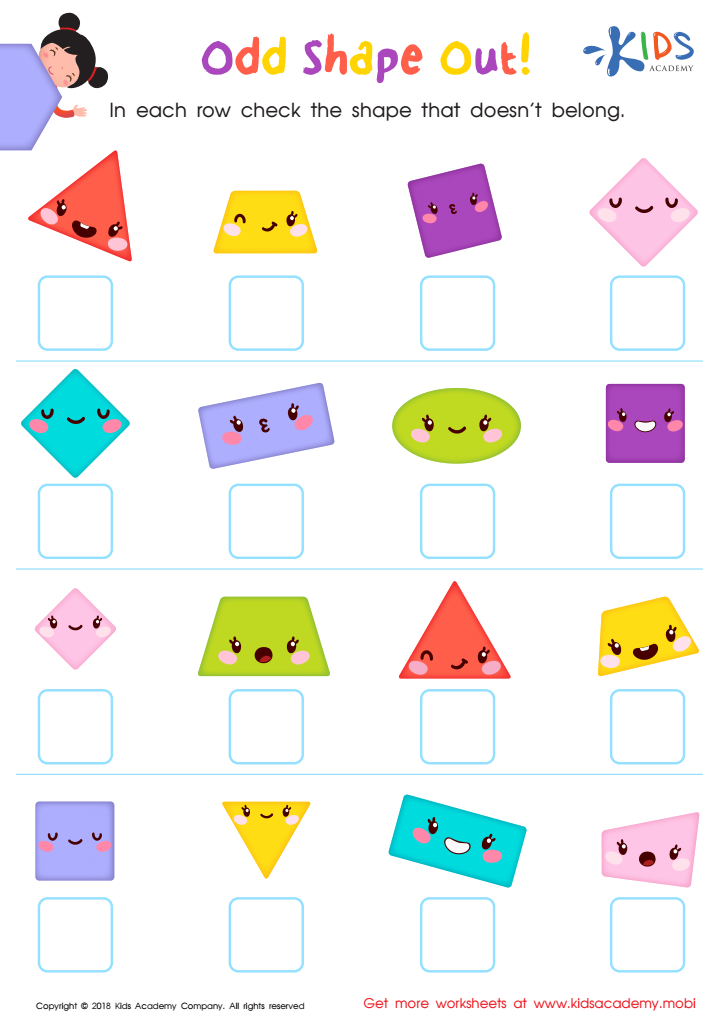
Odd Shape Out Worksheet for Grade 3
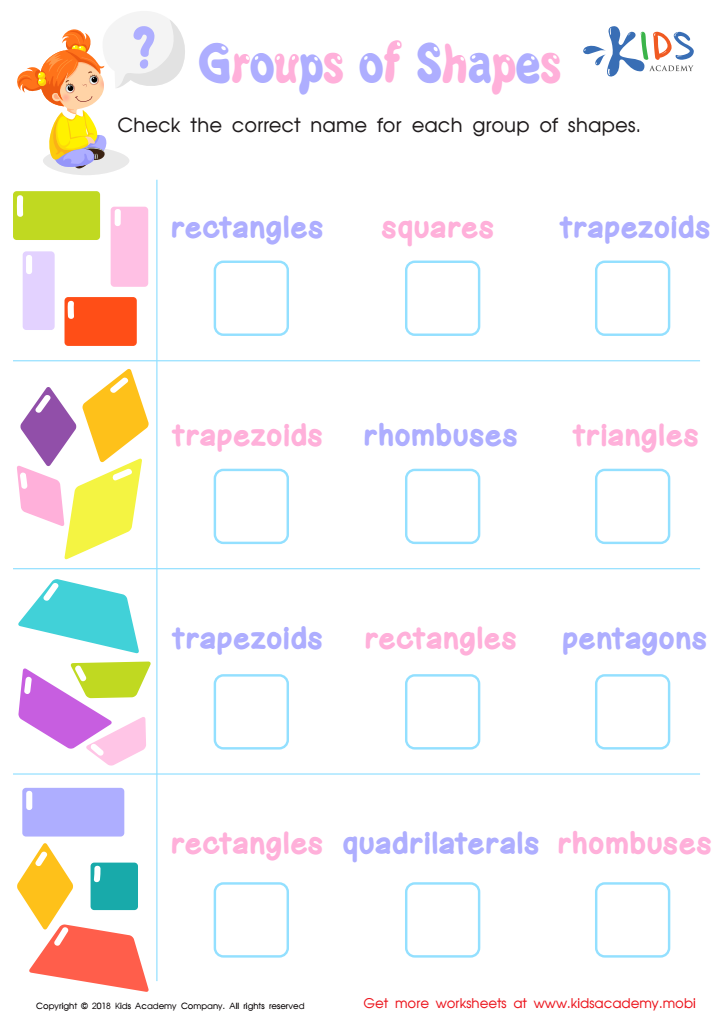
Groups of Shapes Worksheet
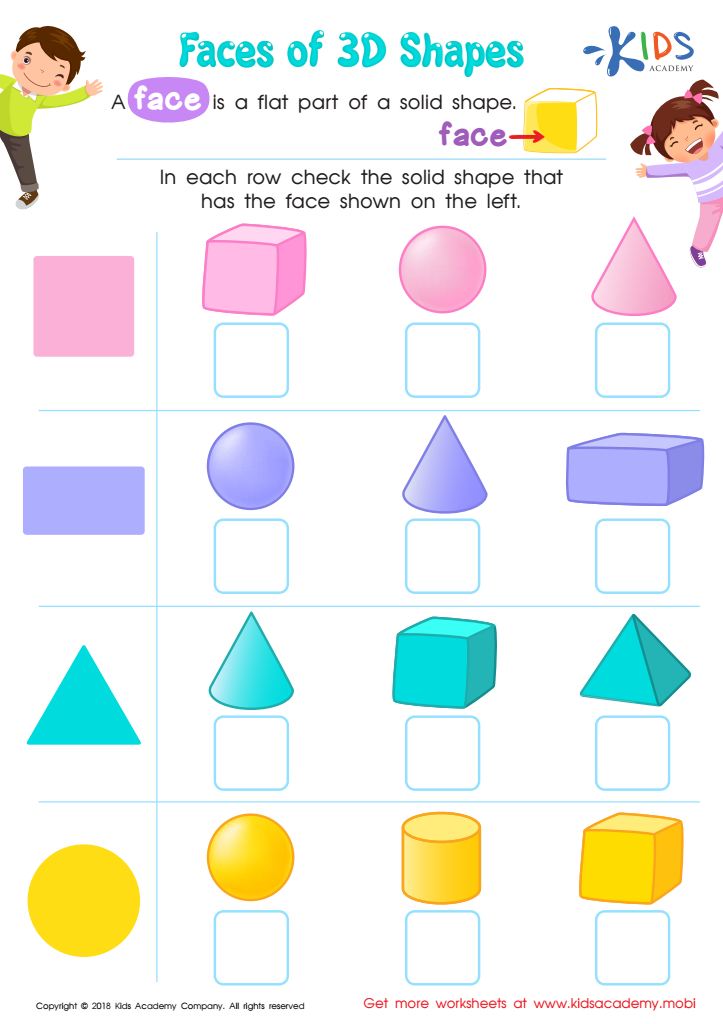
Faces of 3D Shapes Worksheet
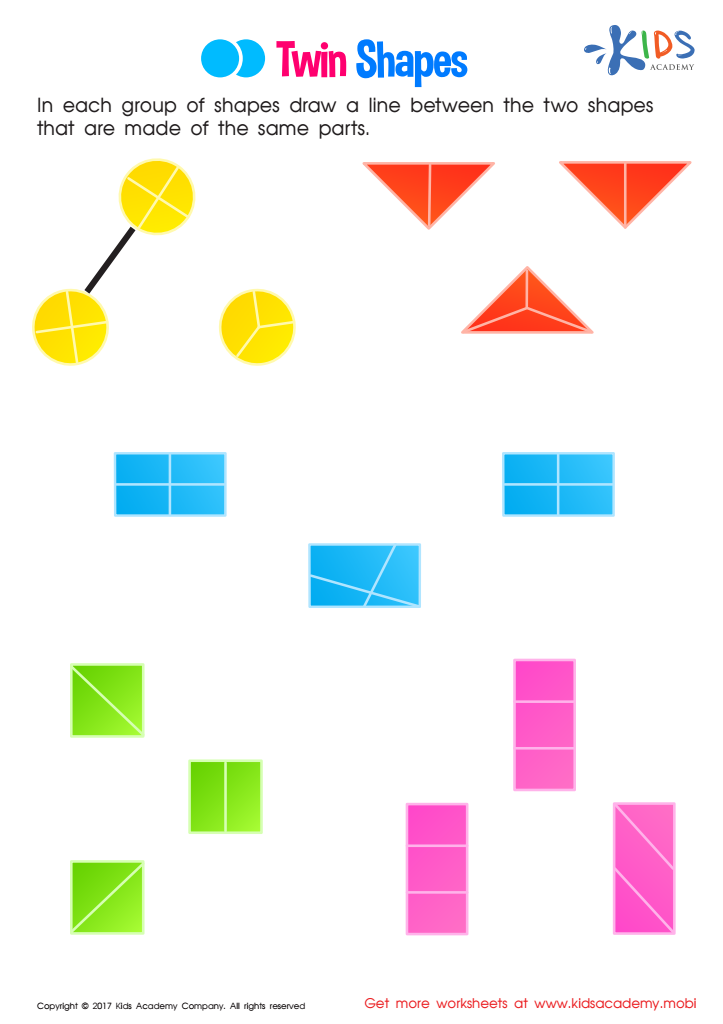
Twin Shapes Worksheet
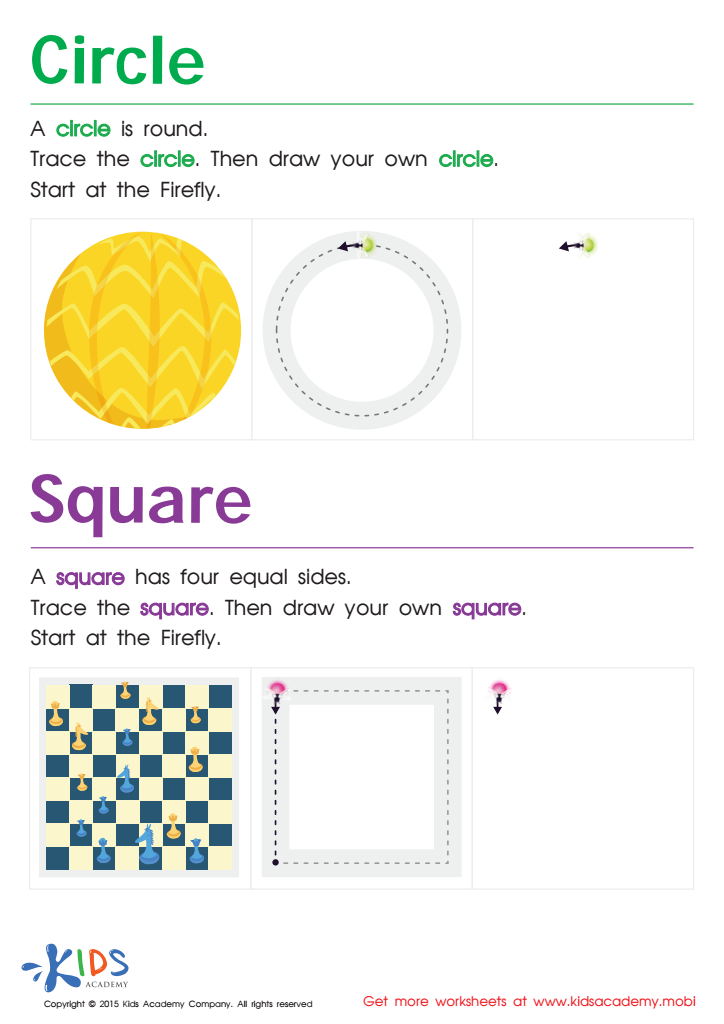
Trace And Draw a Circle And a Square Worksheet
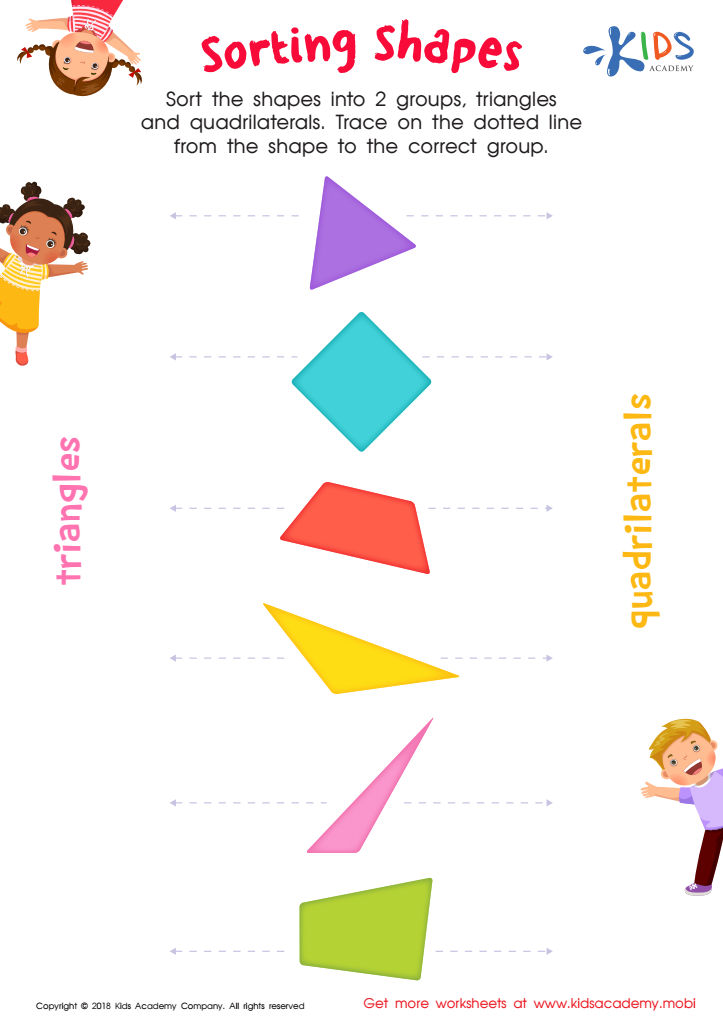
Sorting Shapes Worksheet
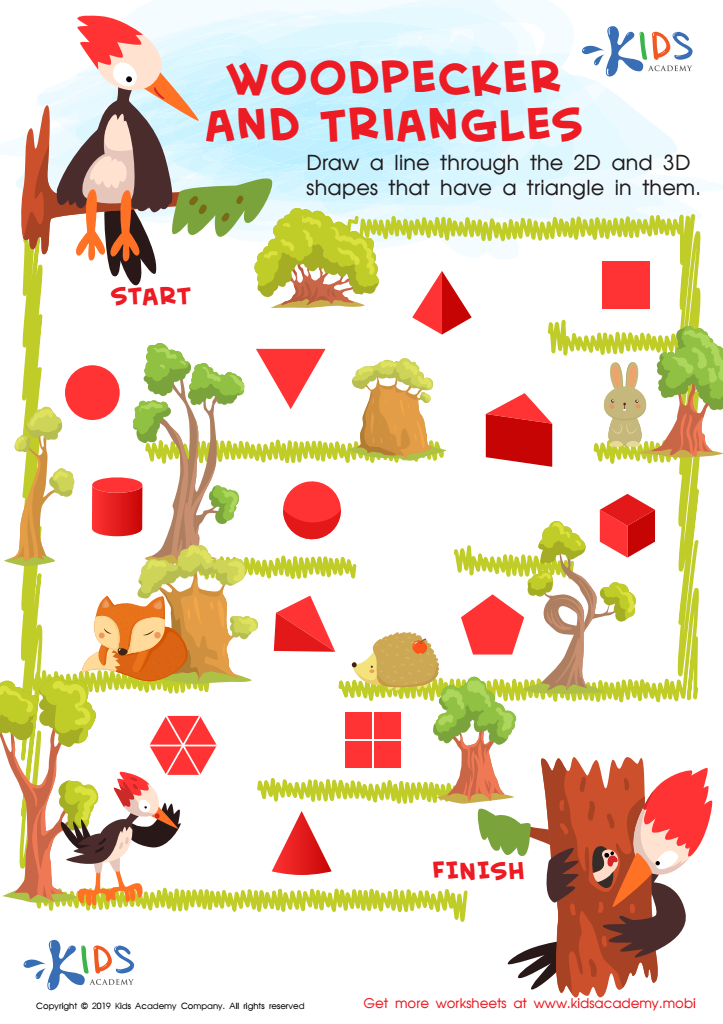
Woodpecker and Triangles Worksheet
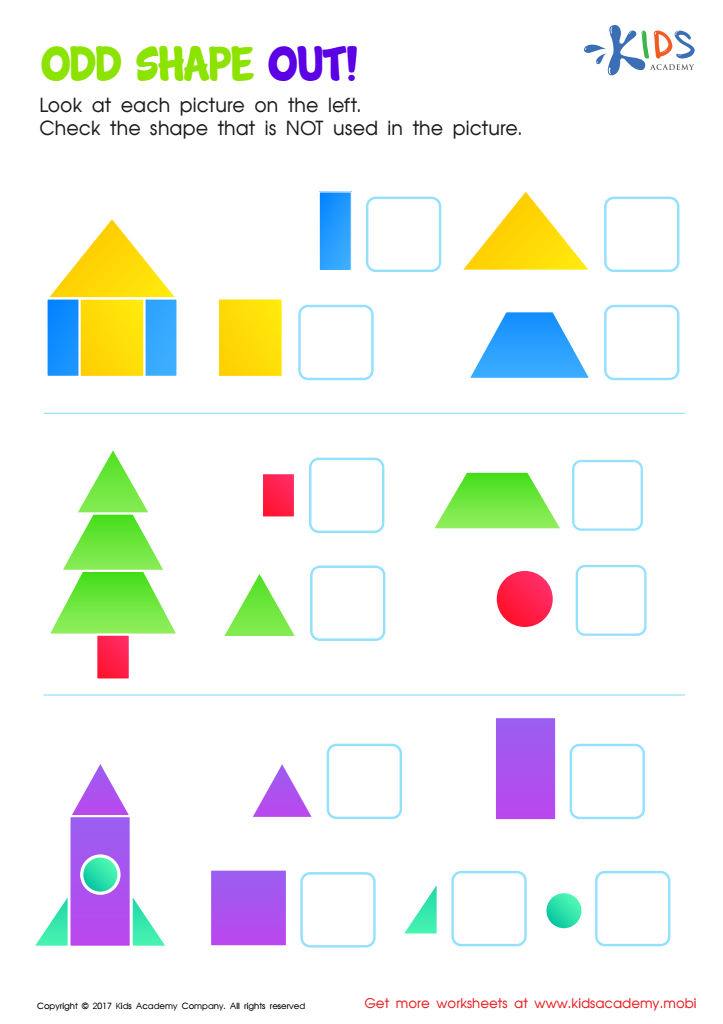
Odd Shape Out Worksheet for Grade 1
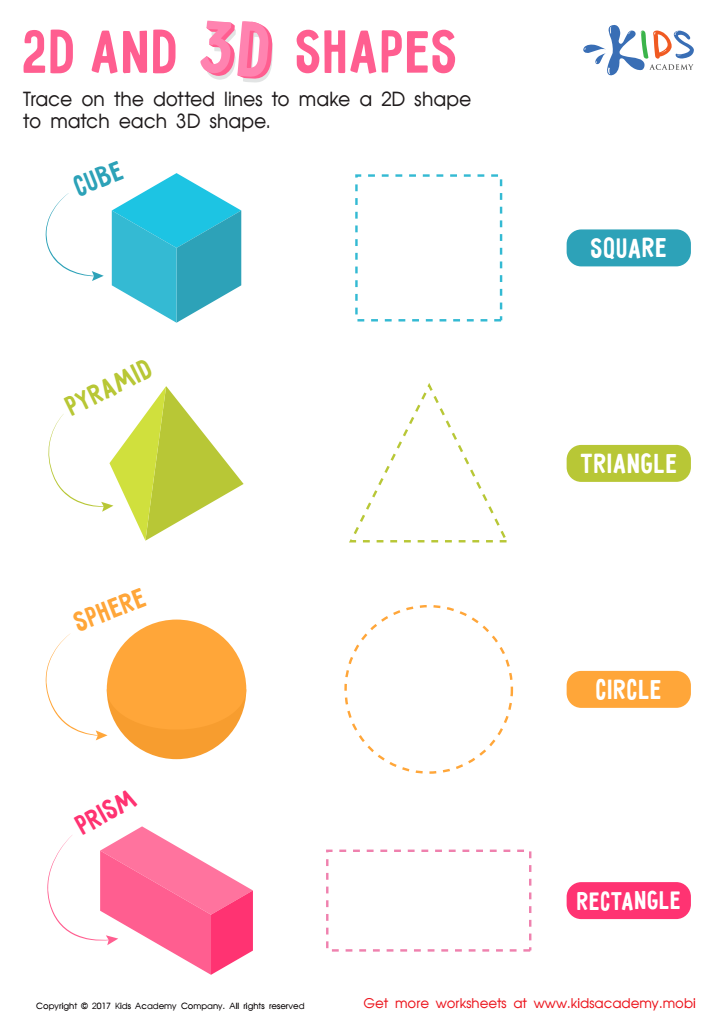
2D and 3D Shapes Worksheet
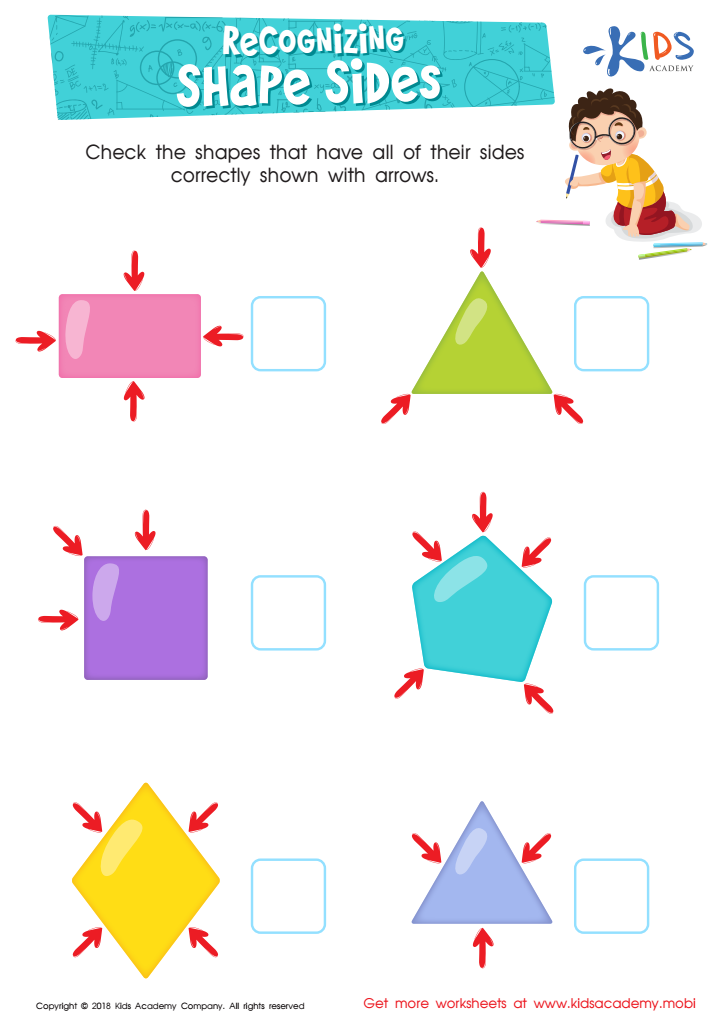
Recognizing Shape Sides Worksheet
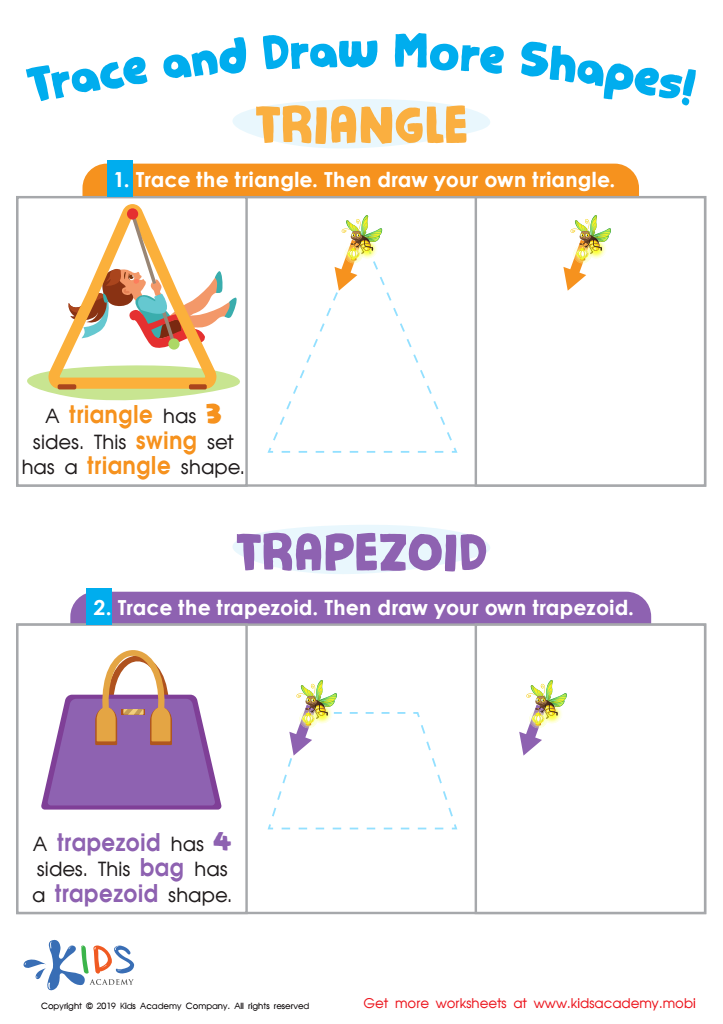
Trace and Draw More Shapes Worksheet
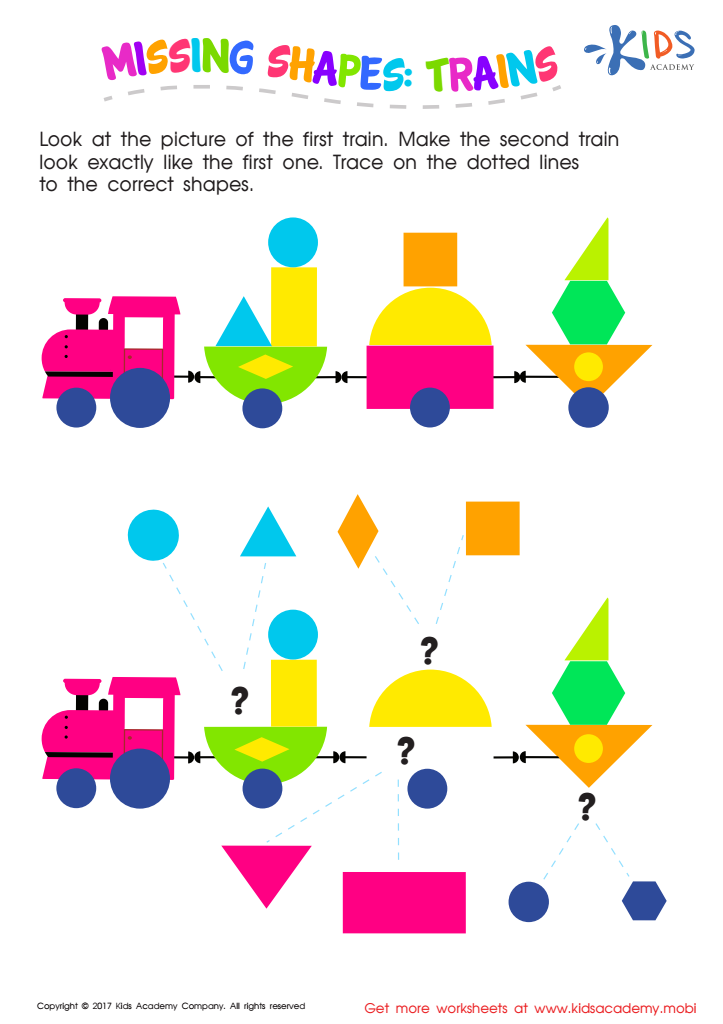
Missing Shapes: Trains Worksheet
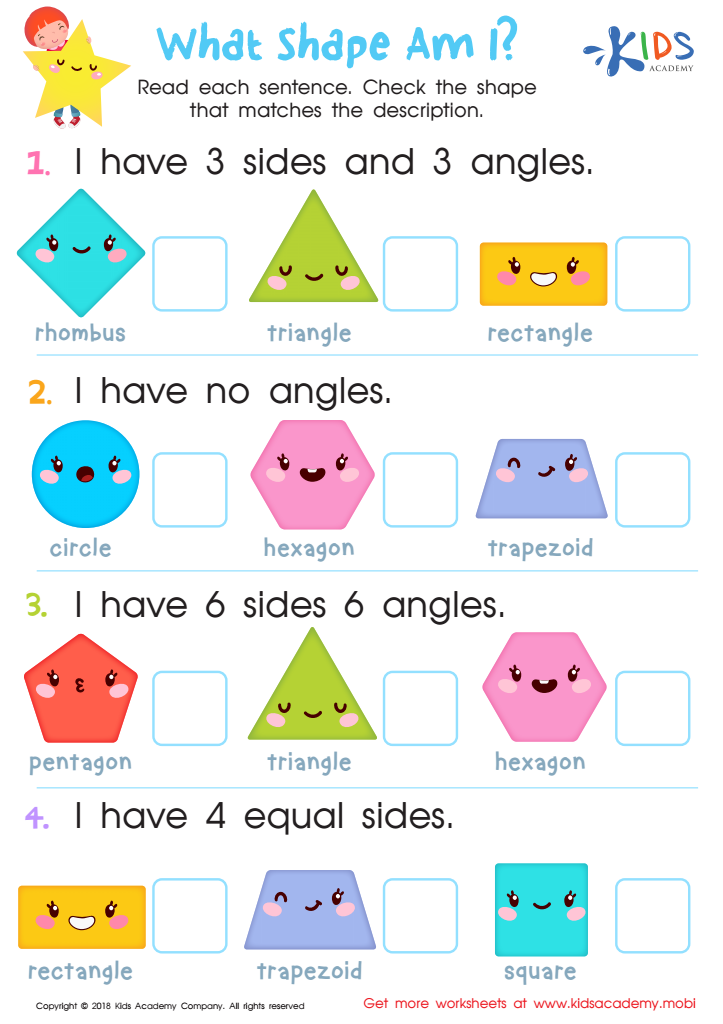
What Shape Am I? Worksheet
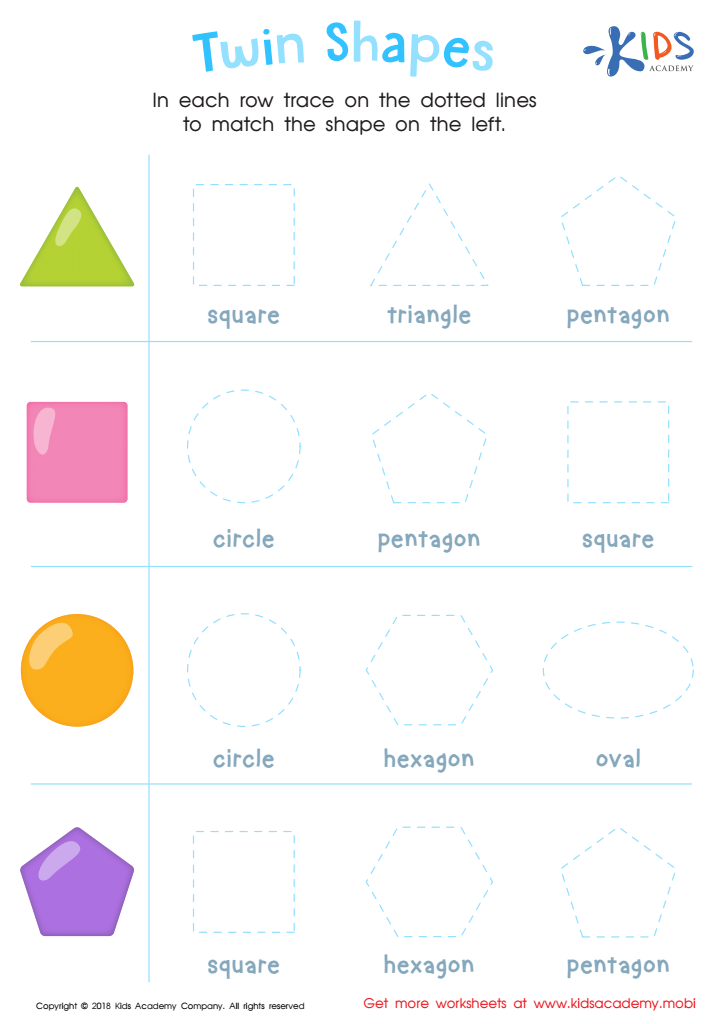
Twin Shapes Dot-to-Dot Worksheet
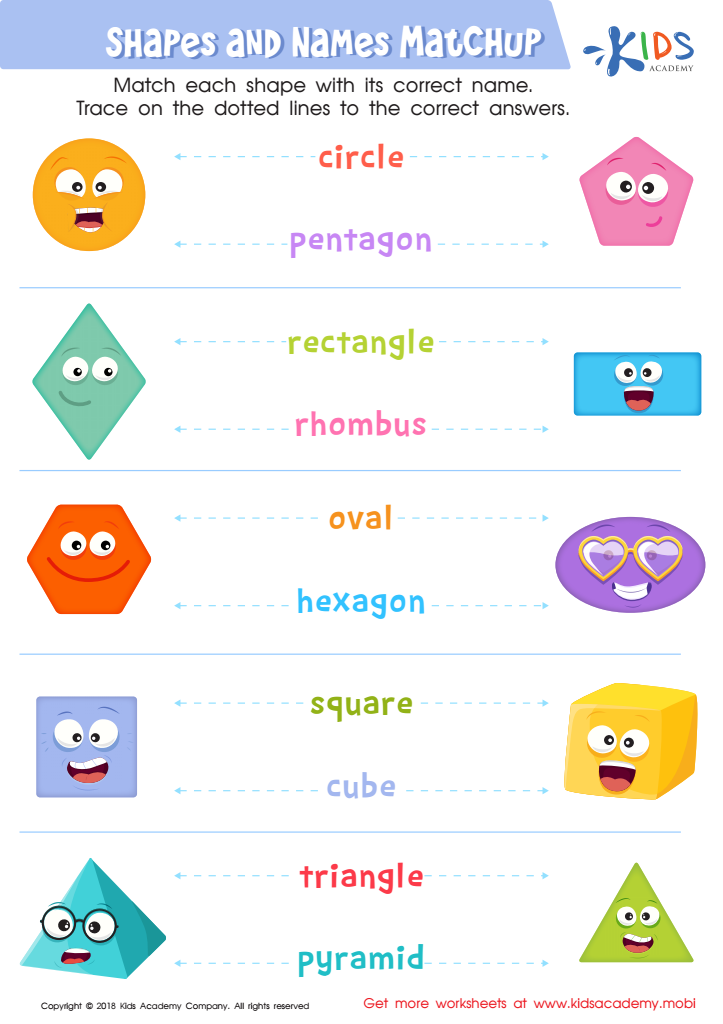
Shapes and Names Matchup Worksheet
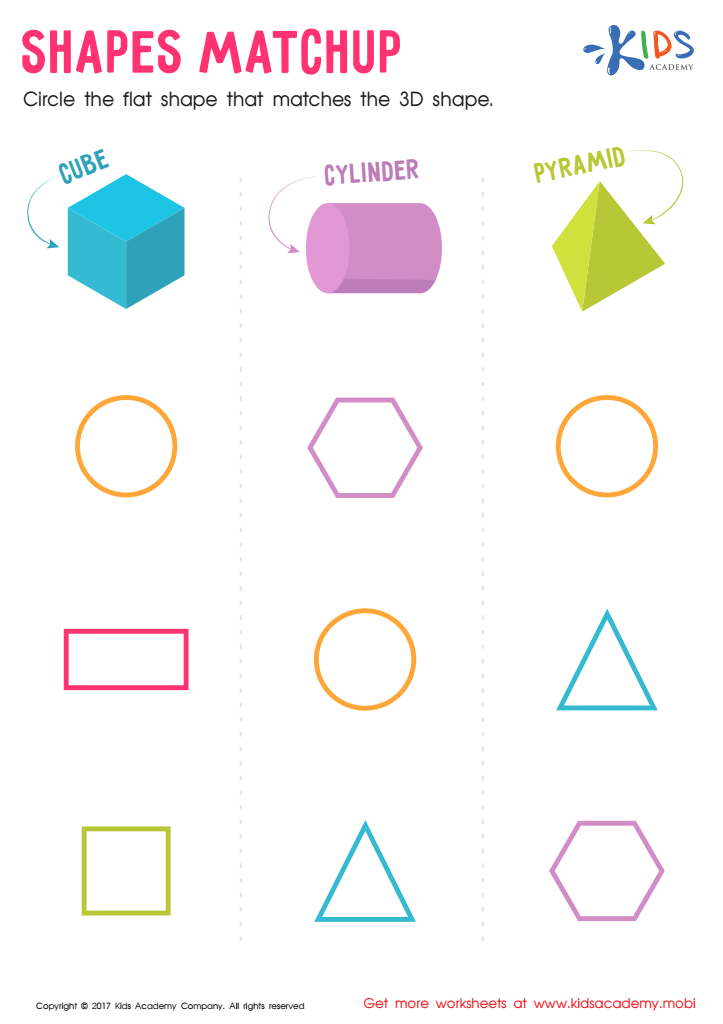
Shapes Matchup Worksheet
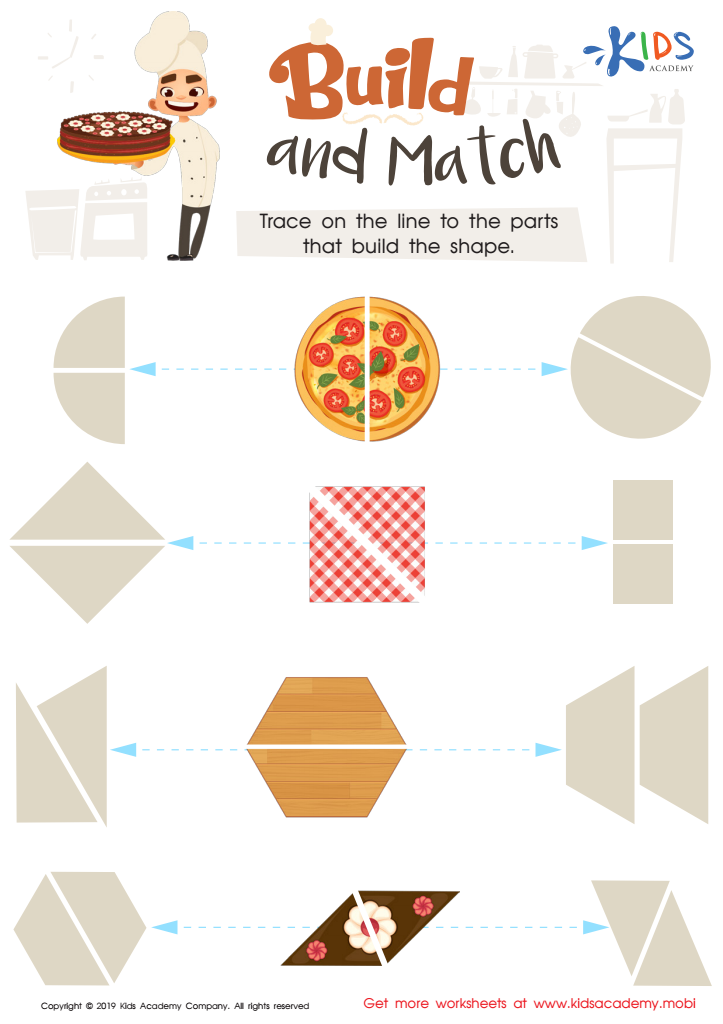
Build and Match Worksheet








Shape recognition is a fundamental skill in a child’s cognitive development, particularly for ages 7-8. At this stage, children not only learn to identify and differentiate basic 2D shapes—such as circles, squares, triangles, and rectangles—but also begin to understand their properties and relationships. This knowledge lays the groundwork for more complex mathematical concepts, including geometry and spatial reasoning.
Parents and teachers should care about shape recognition because it encourages critical thinking and enhances problem-solving skills. Recognizing shapes helps children develop visual perceptual skills, which are essential in everyday tasks and activities, such as reading maps, understanding diagrams, and even designing art projects.
Additionally, shape recognition activities often involve interactive learning, promoting engagement and collaboration among peers. When children discuss and classify shapes, they strengthen their communication skills and vocabulary. In a world where visual and spatial understanding is increasingly important in countless careers, a strong foundation in shape recognition prepares children for academic success and future opportunities. Prioritizing this skill in education allows children to build confidence in based structures, leading to a more profound appreciation of mathematics and art in their daily lives. Encouraging shape recognition at this age directly supports their holistic development and lifelong learning journey.