Hand-eye Coordination Addition & Subtraction Worksheets for Ages 7-8
11 filtered results
-
From - To
Enhance your child's math skills with our engaging Hand-eye Coordination Addition & Subtraction Worksheets, designed specifically for ages 7-8. These worksheets combine fundamental arithmetic practice with activities that improve hand-eye coordination, making learning both fun and effective. Each worksheet features vibrant illustrations and exciting exercises that challenge young learners while keeping them entertained. Perfect for in-home practice or classroom use, our worksheets seamlessly integrate math concepts with motor skill development. Help your child master addition and subtraction through interactive exercises that promote cognitive growth and dexterity. Download your worksheets today and watch your child's confidence soar in mathematics!
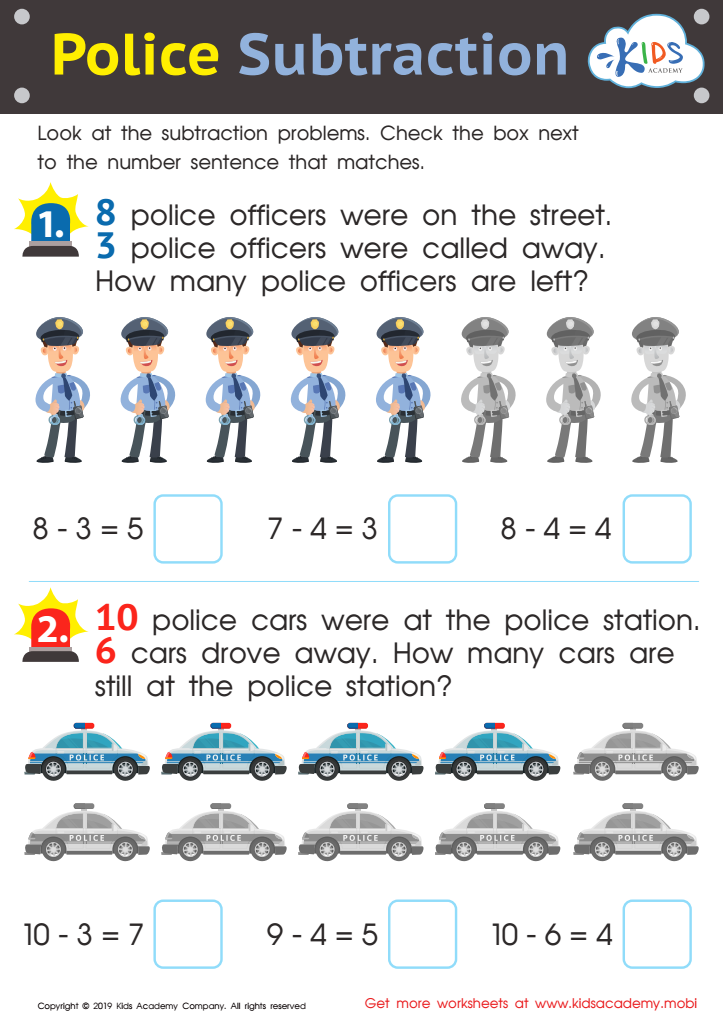
Police Subtraction Worksheet
 Assign to My Students
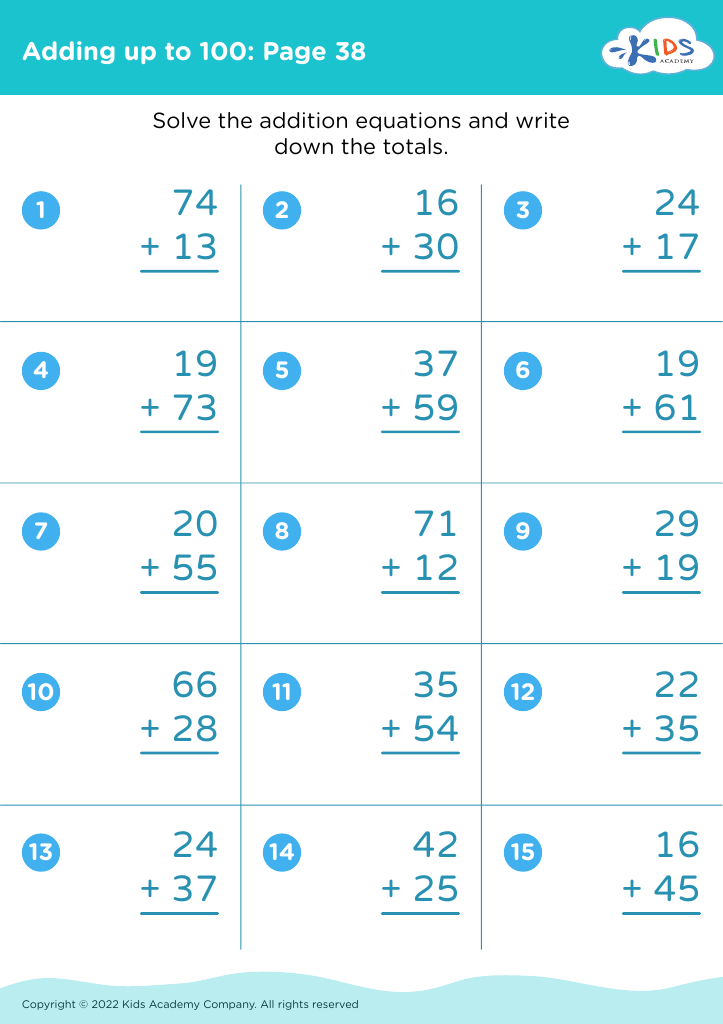
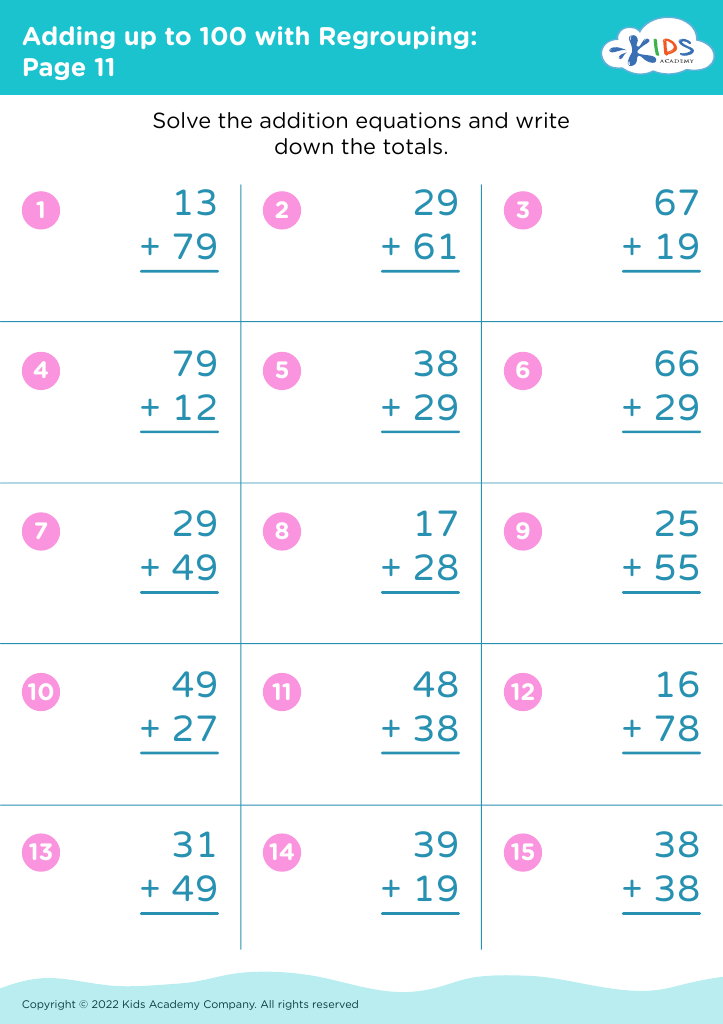
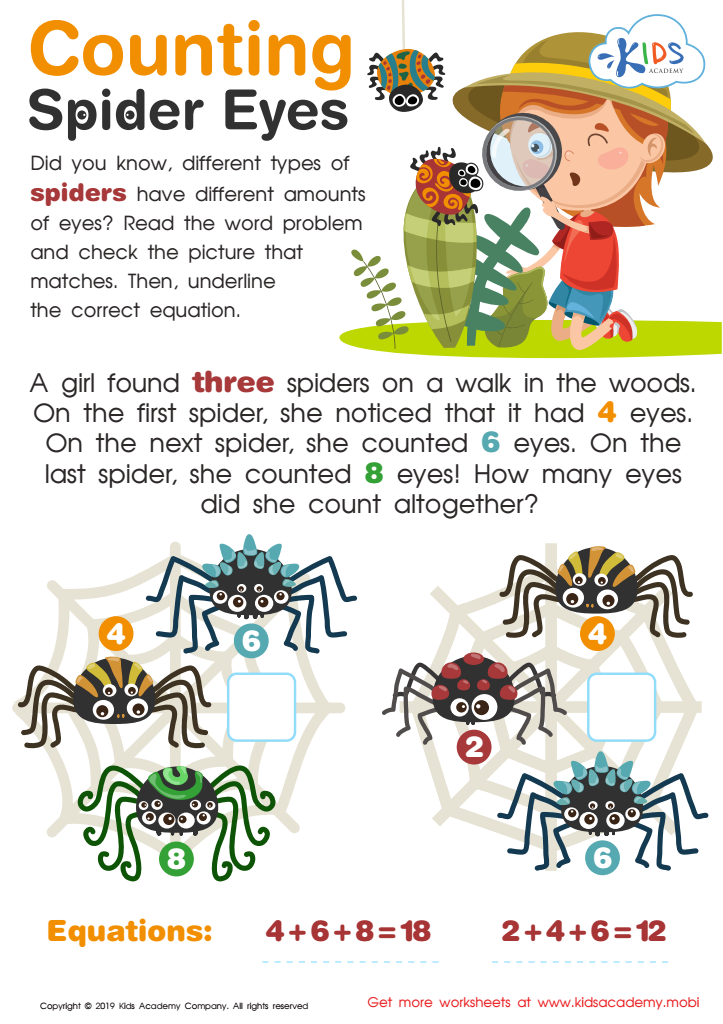
Counting Spider Eyes Worksheet
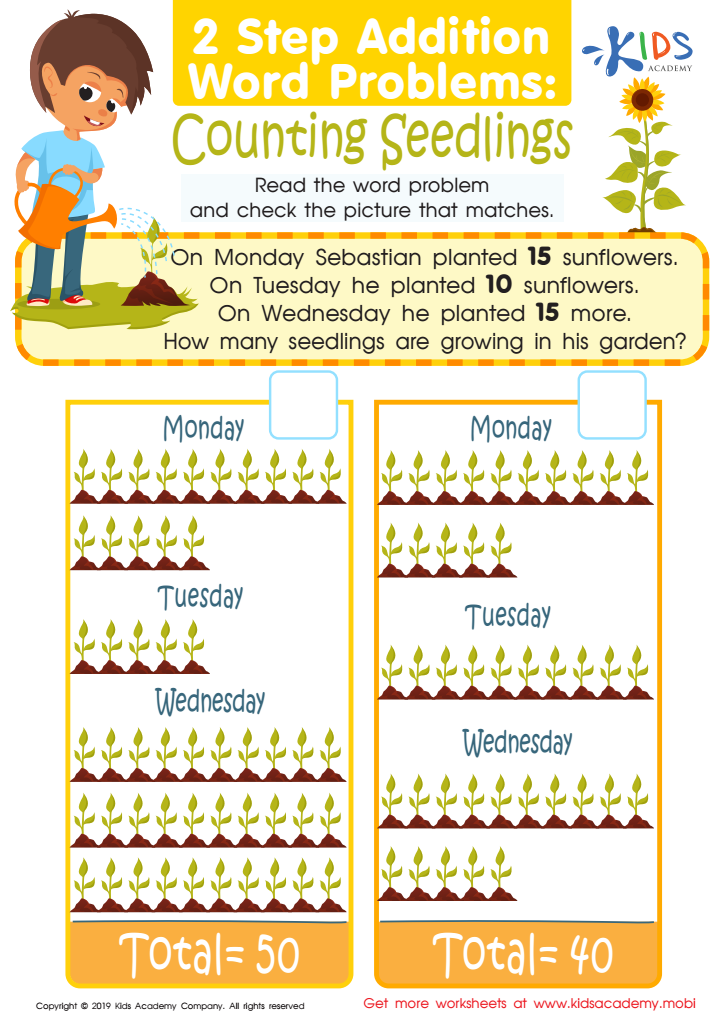
Counting Seedlings Worksheet
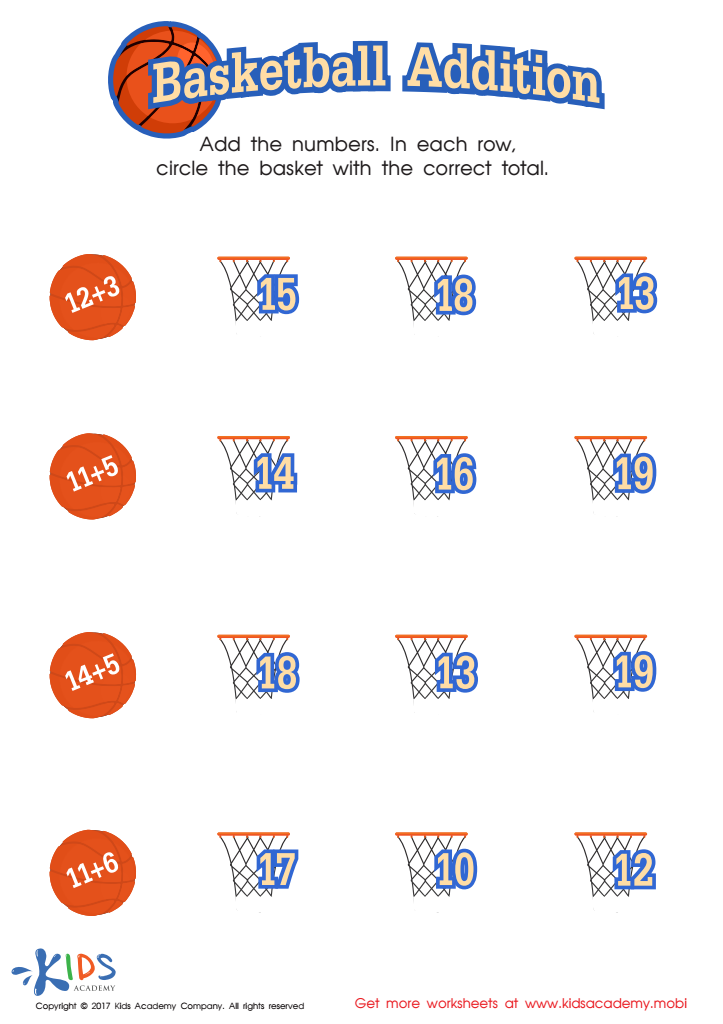
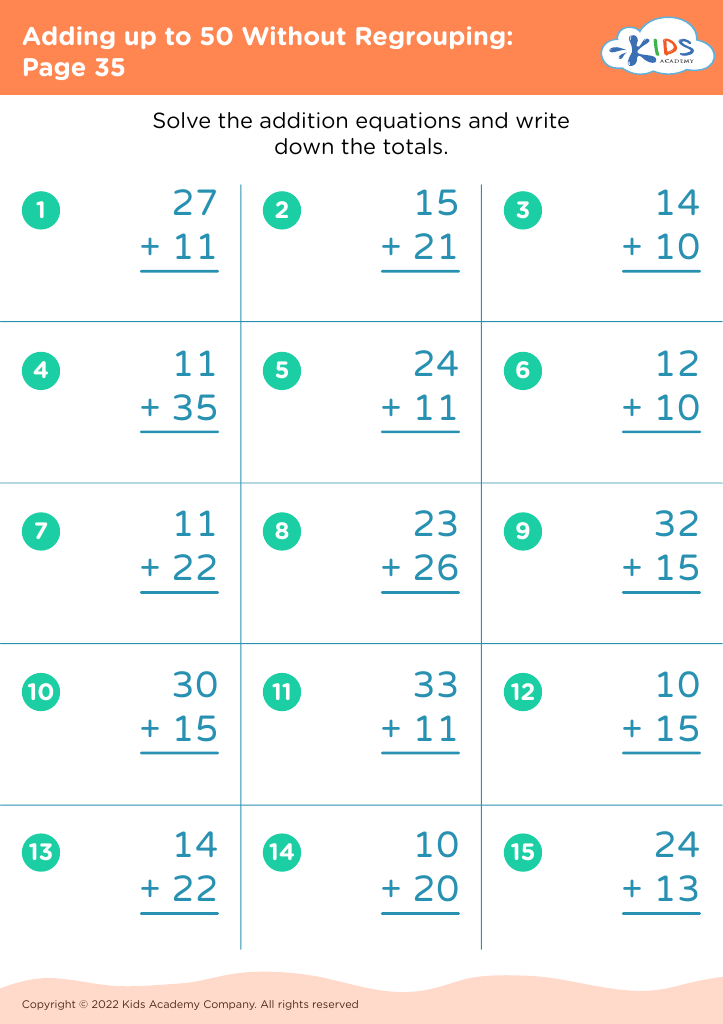
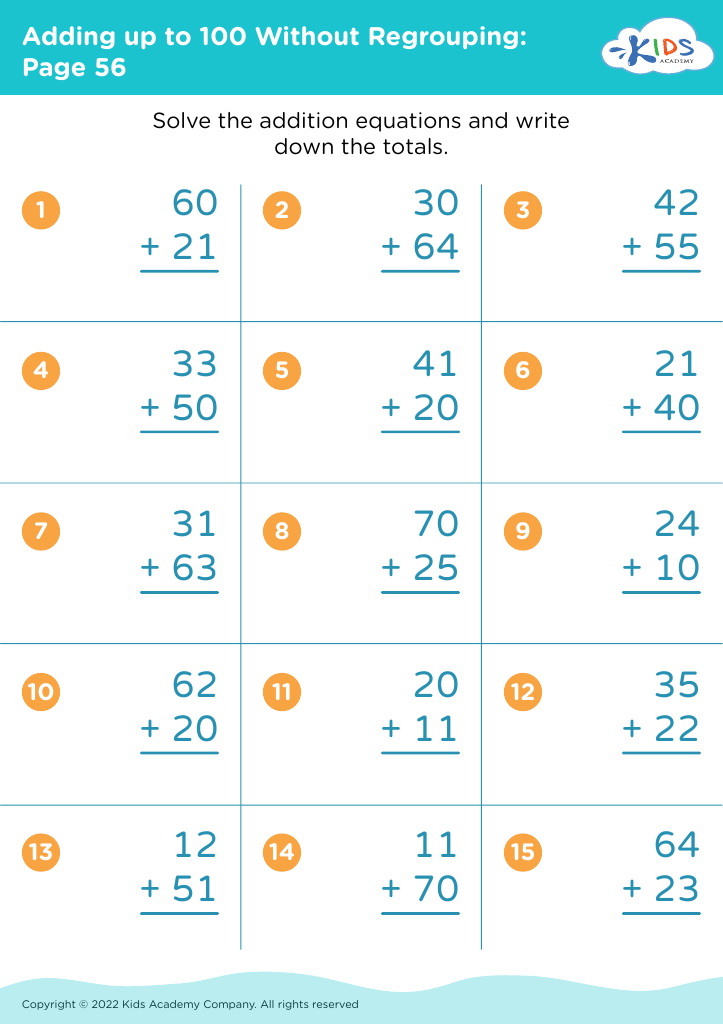
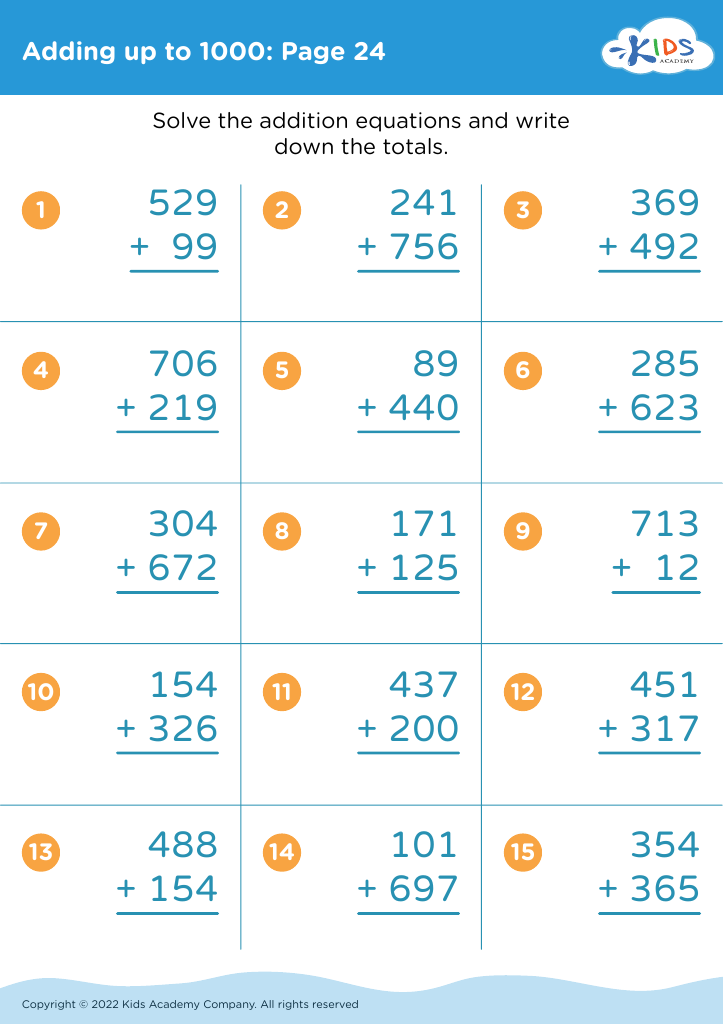
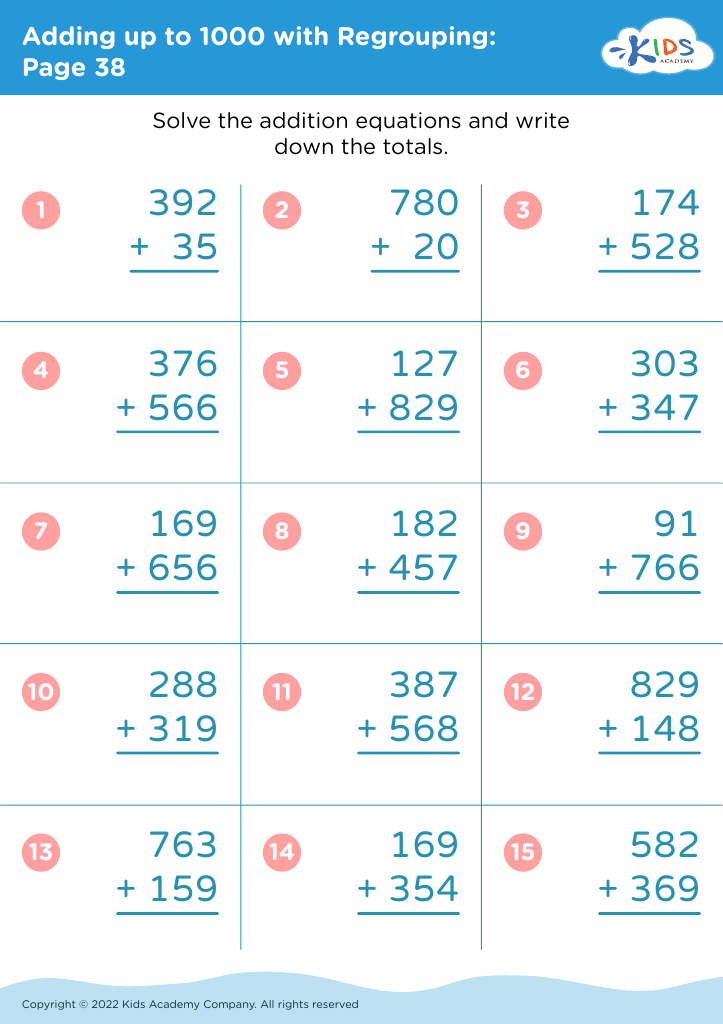
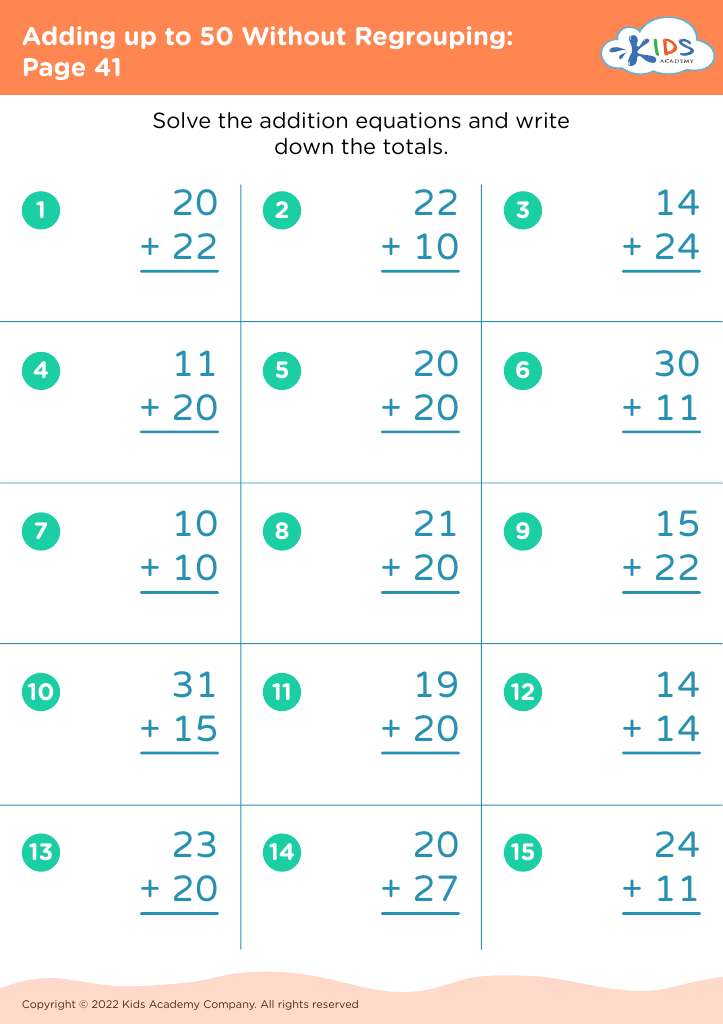








Hand-eye coordination is a critical skill that develops during early childhood, particularly for students aged 7-8, typically in the second and third grades. At this age, children are not only mastering basic math concepts but also refining their fine motor skills through activities like writing and crafting. Incorporating hand-eye coordination exercises into addition and subtraction can enhance their learning experience in several ways.
Firstly, improved hand-eye coordination aids in consolidating cognitive functions, allowing children to process mathematical information more efficiently. When kids engage in hands-on math activities that require physical manipulation of objects (like counting beads or puzzles), they strengthen their understanding of quantity and number relationships.
Moreover, developing these motor skills alongside math prowess can boost children's confidence. Many students struggle with traditional learning methods; incorporating a kinesthetic approach fosters a more inclusive learning environment that appeals to various learning styles.
Lastly, these skills are foundational for future learning. Proficient hand-eye coordination lays the groundwork for more complex tasks involving counting, measuring, and problem-solving—essential skills in both academic settings and daily life. Therefore, parents and teachers play pivotal roles in supporting this holistic development through purposeful engagement in math-related hand-eye coordination activities.








