
Comparing sizes Math Worksheets for Ages 7-8
6 filtered results
Difficulty Level
Grade
Age
-
From - To
Subject
Activity
Standards
Discover our engaging "Comparing Sizes Math Worksheets" designed specifically for children ages 7-8. These worksheets offer a fun and interactive way for young learners to develop their understanding of measurement concepts. Students will practice comparing the sizes of various objects, using visual aids and hands-on activities to enhance their learning experience. With easy-to-follow instructions, colorful illustrations, and diverse problem-solving exercises, these resources are perfect for fostering critical thinking skills. Ideal for both classroom use and at-home learning, our worksheets not only boost mathematical abilities but also promote curiosity and confidence in young mathematicians. Explore our collection and inspire a love for math!
Favorites
With answer key
Interactive
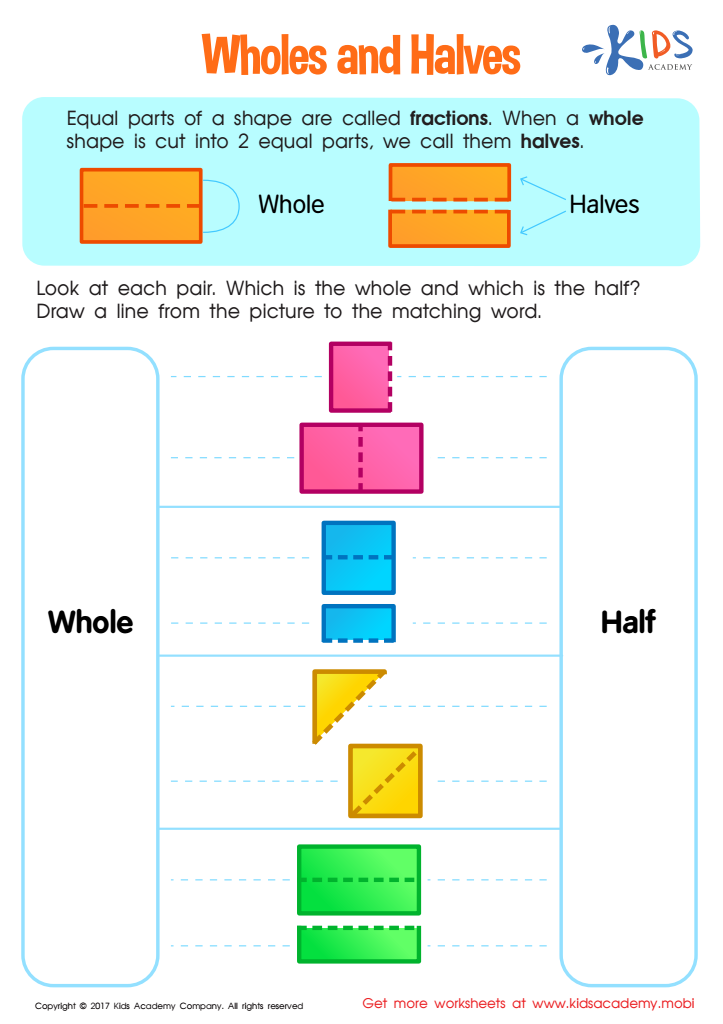
Wholes and Halves Worksheet
Students can feel overwhelmed with fractions. Help take the stress off by using a colorful worksheet to explain whole shapes and how to find halves. Ask them to identify the whole and point to the matching word for the half. A free printout can help guide them.
 Assign to My Students
Wholes and Halves Worksheet
Worksheet
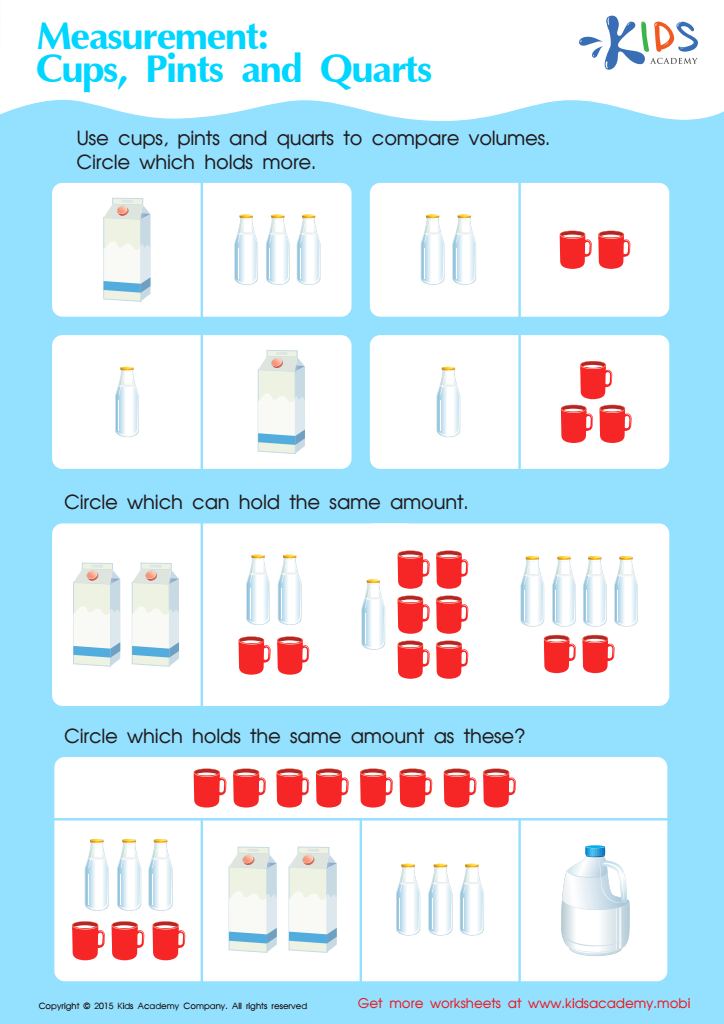
Measurement: Compare Volumes Worksheet
Compare volumes with Kids Academy and have fun! (80 words)
Practice measuring with Kids Academy and have fun! Compare volumes in pictures and circle which holds more. Keep learning with free math worksheets available on our website. Enjoy the process and have fun!
Measurement: Compare Volumes Worksheet
Worksheet
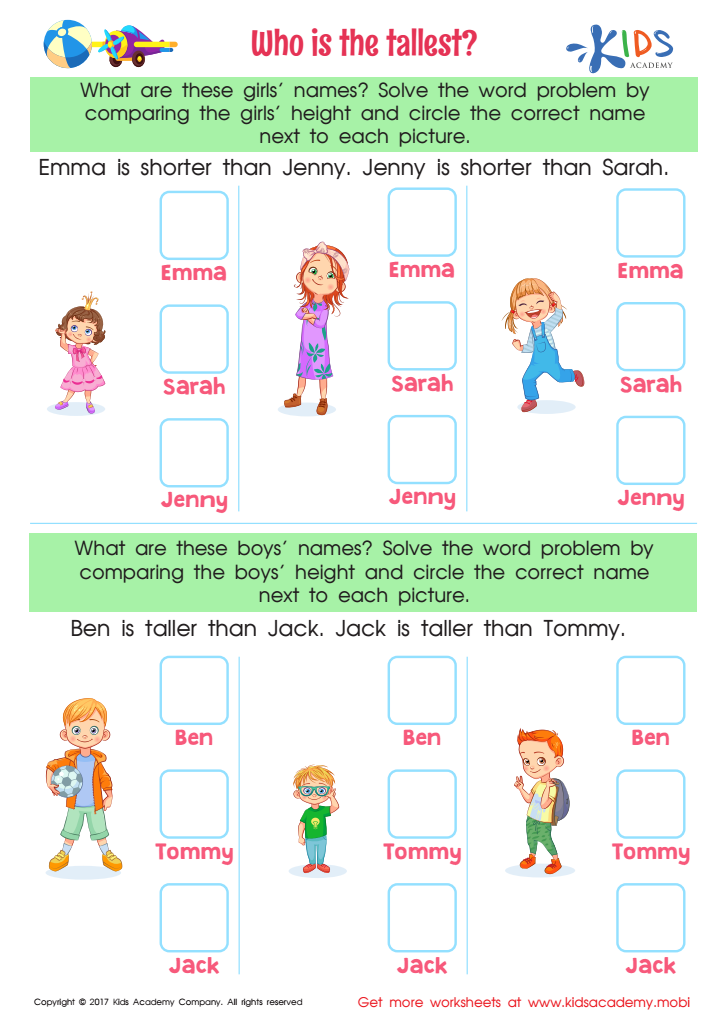
Who Tallest Printable
Help your child observe the kids in the worksheet and compare their heights to answer the question: Who is the Tallest? This is an excellent way for them to practice and better understand measurement concepts.
Who Tallest Printable
Worksheet
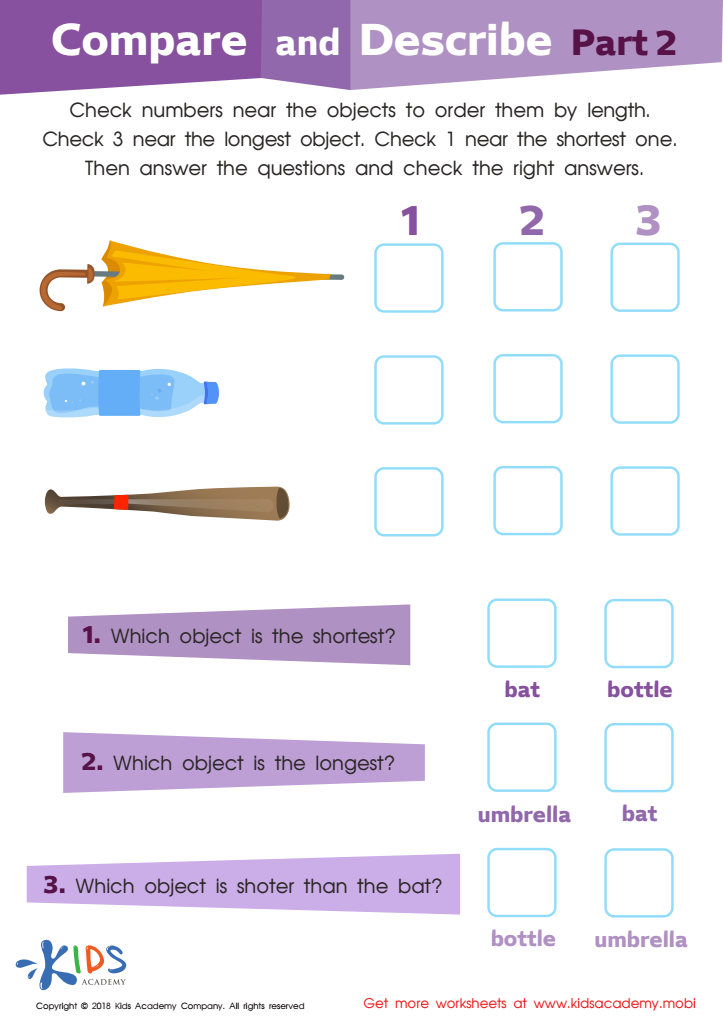
Compare and Describe: Part 2 Worksheet
Help kids hone their comparison skills with this fun measurement worksheet! Kids will sort objects by length and check off the boxes as they go. At the bottom, they'll read the questions and take a final look at the images to complete the exercise. An exciting way to learn measurement!
Compare and Describe: Part 2 Worksheet
Worksheet
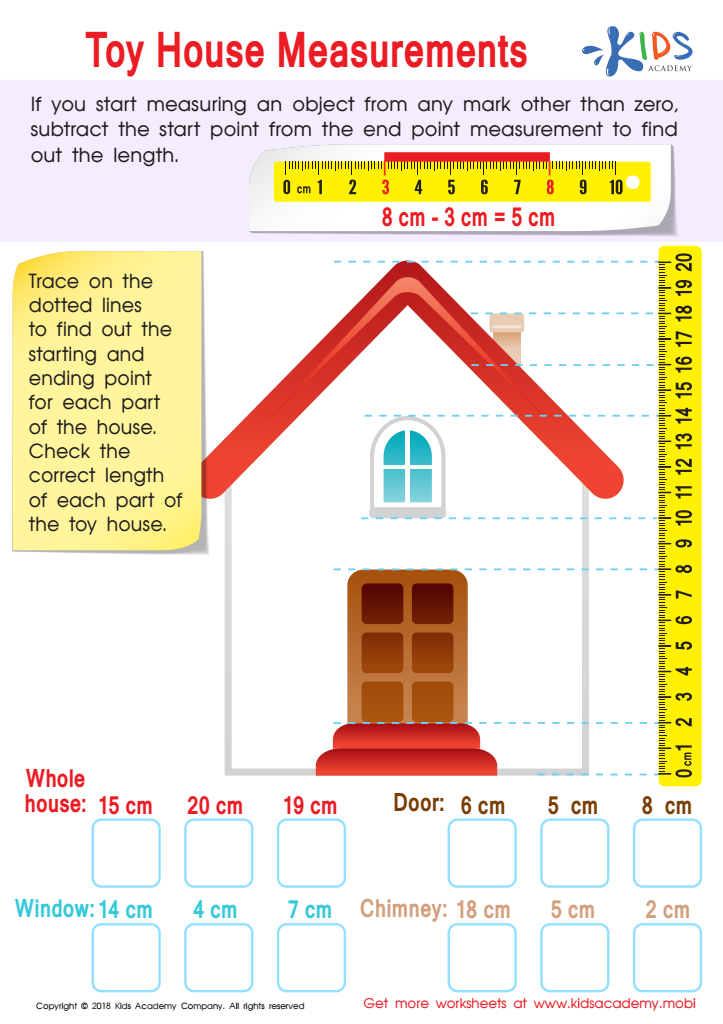
Toy House Measurements Worksheet
This worksheet requires math and measuring skills. When measuring an object from a non-zero starting point, subtract the start point from the end point to get the correct length. Kids must trace the dotted lines to get the right length for each part of the house.
Toy House Measurements Worksheet
Worksheet
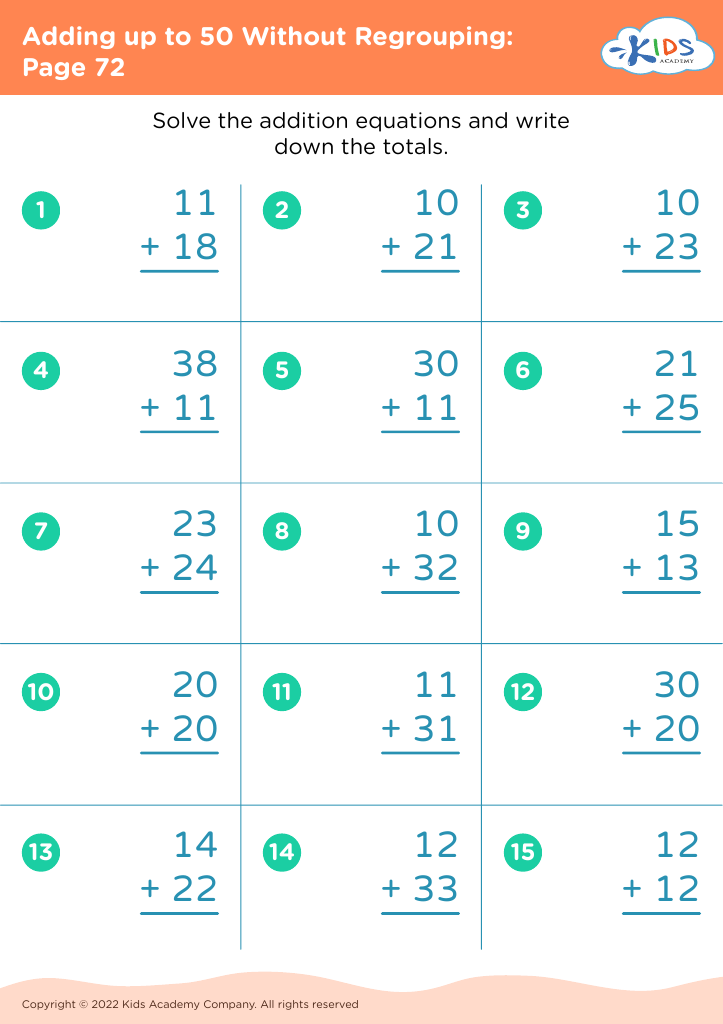
Join Kids Academy for Free
Who is primarily going to use this learning content?





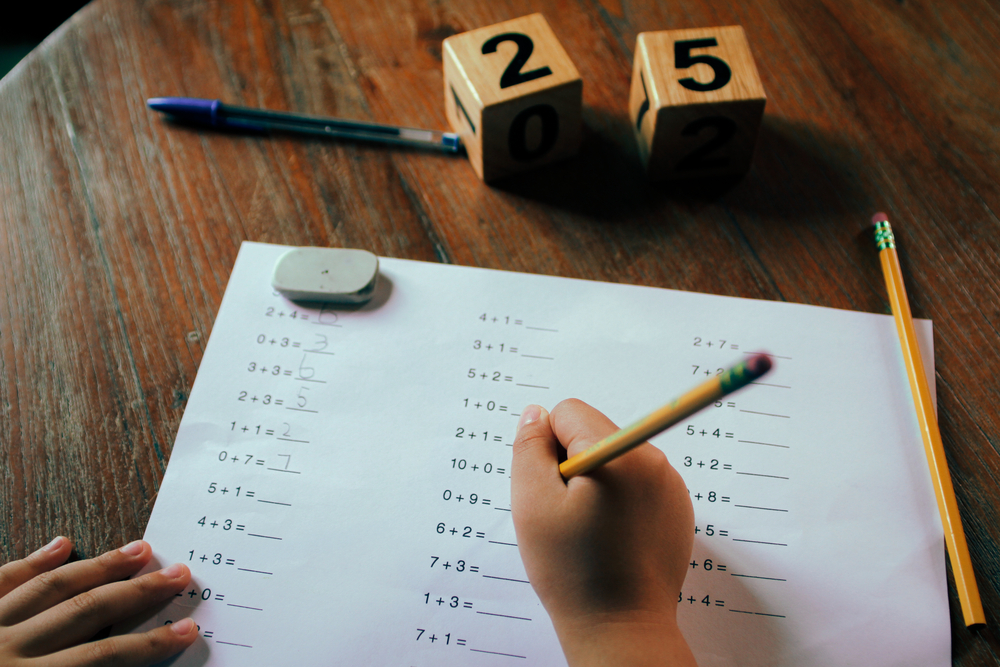

Comparing sizes in math is crucial for children aged 7-8, as it strengthens their foundational understanding of measurement, a key mathematical concept. At this age, children are developing their analytical thinking skills and the ability to make logical comparisons, which are essential for problem-solving in real-world situations. When parents and teachers engage children in activities that involve comparing sizes, such as determining which object is taller, heavier, or larger, they help enhance spatial reasoning skills and improve critical thinking.
Moreover, mastering size comparison aids in language development, as children learn to express their observations using vocabulary related to size, order, and measurement. This forms a bridge between mathematical concepts and everyday situations, allowing students to relate academic learning to real-life experiences.
Additionally, these skills are foundational for more complex math topics later in their education, including geometry and data analysis. By fostering an understanding of size comparisons, parents and teachers are preparing children not only for future academic success but also for practical decision-making and estimation skills in daily life. Ultimately, a strong grasp of size comparison paves the way for confidence in math and an enduring appreciation for the subject.








