Fraction simplification Math Worksheets for Ages 7-8
58 filtered results
-
From - To
Explore our engaging Fraction Simplification Math Worksheets designed specifically for children aged 7-8! These printable resources provide a fun and interactive way for young learners to grasp the concept of simplifying fractions. Our worksheets feature a variety of exercises that encourage critical thinking and reinforce essential math skills, helping children understand the relationship between numbers. Perfect for classroom use or home learning, these activities are tailored to enhance comprehension and build confidence in mathematical problem-solving. Give your child the tools they need to master fractions! Check out our curated collection and watch their math skills flourish.
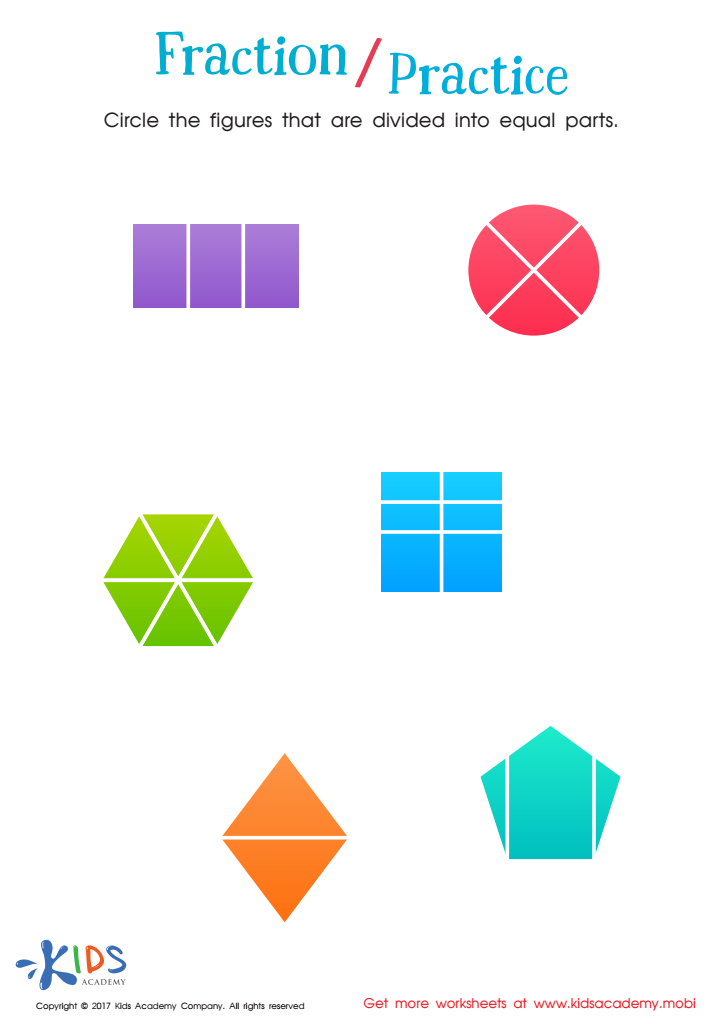
Fractions: Shapes Worksheet
 Assign to My Students
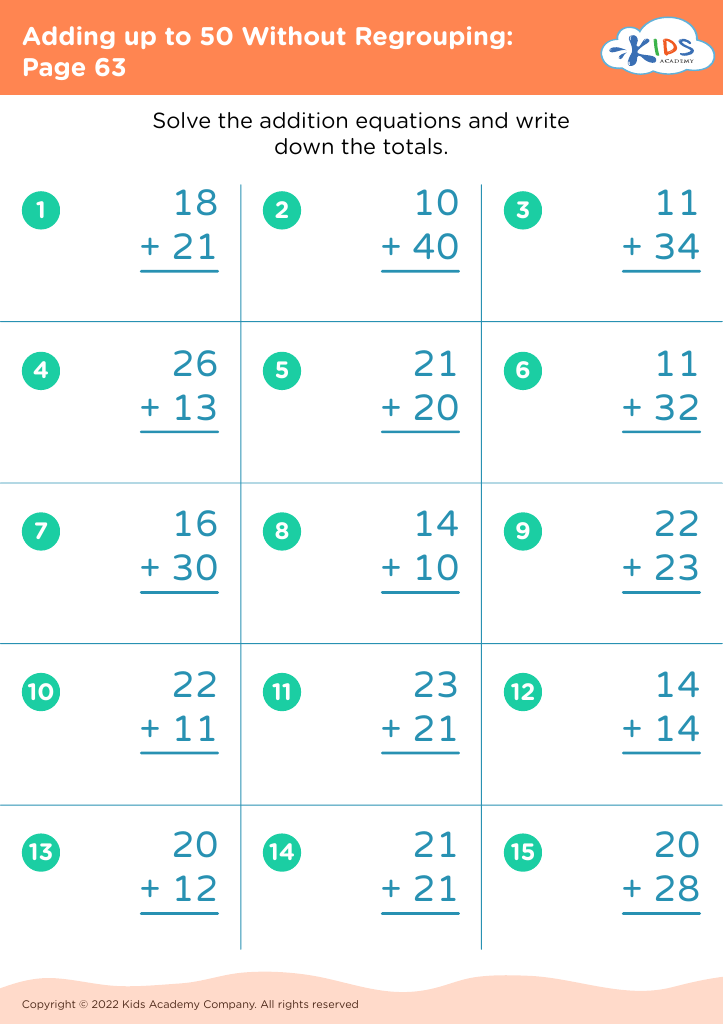
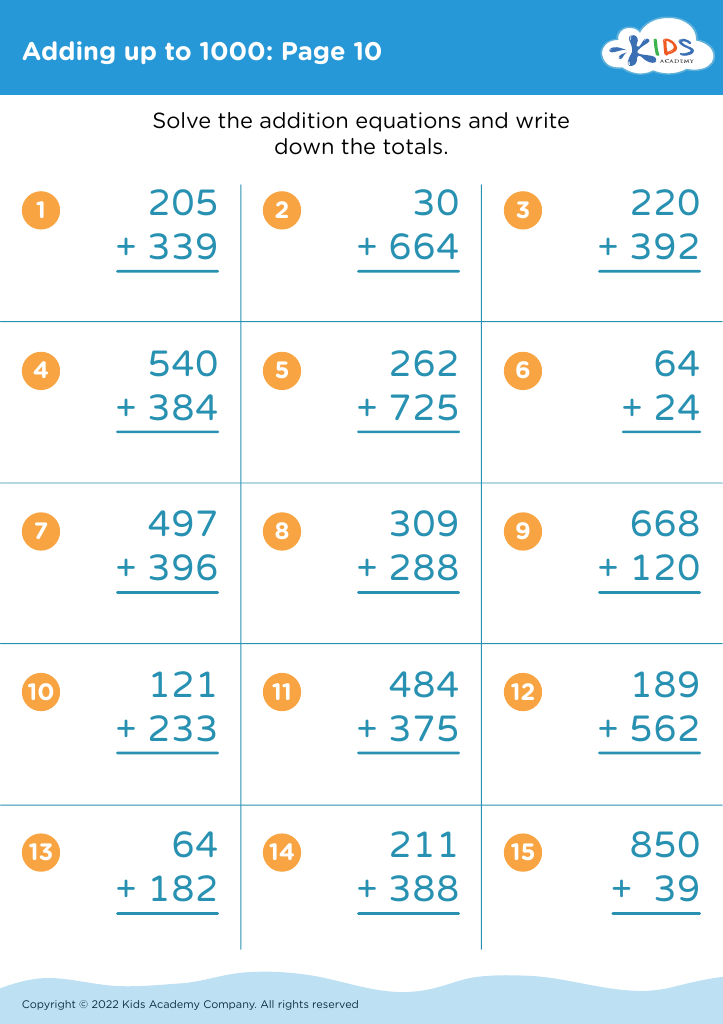
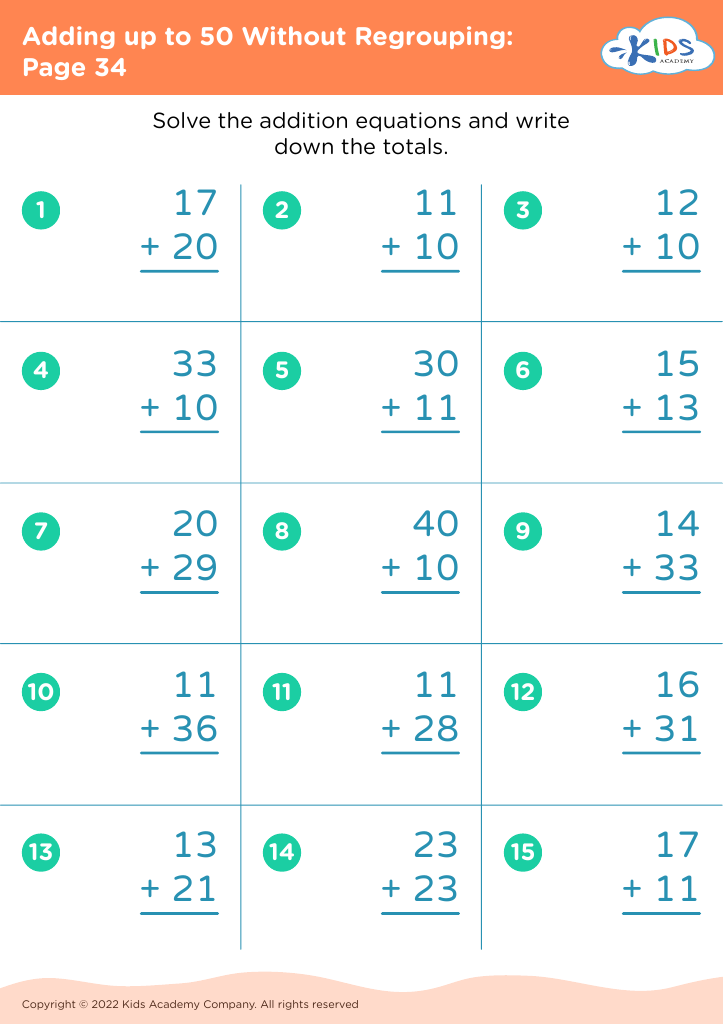
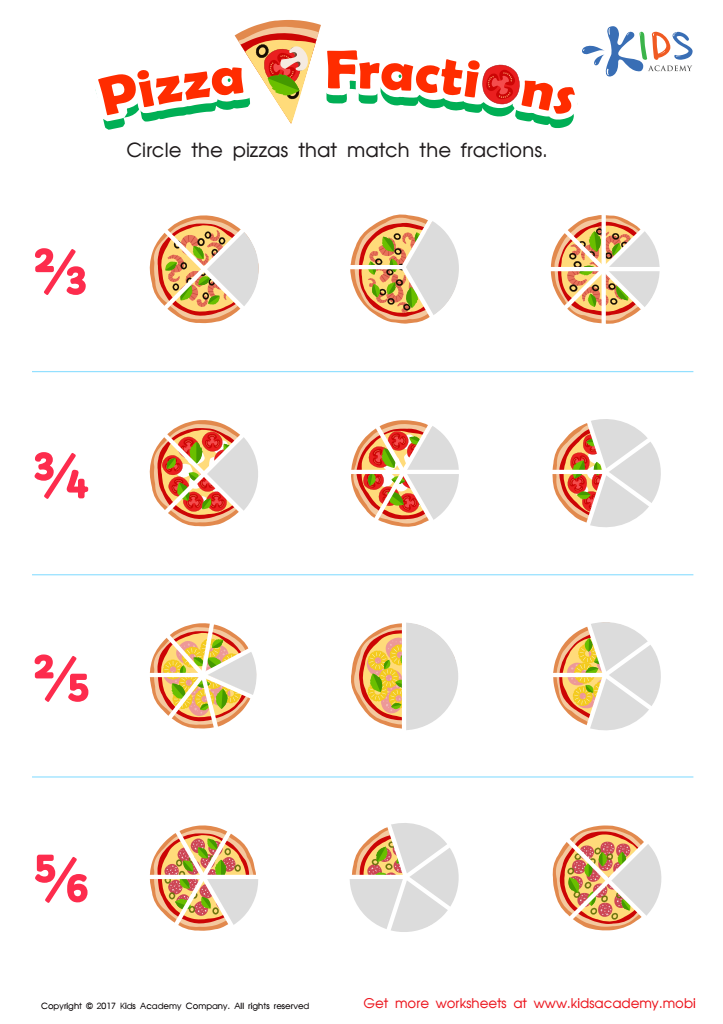
Fractions: Pizza Printable





.jpg)

Fraction simplification is a fundamental skill for children aged 7-8 that significantly lays the groundwork for their entire mathematical understanding. At this age, children begin to confront fractions in their learning, often using them to represent parts of a whole in everyday contexts, such as sharing pizza or dividing candies. Therefore, teaching them to simplify fractions enables them to grasp the concept more thoroughly, promoting better problem-solving skills.
Simplifying fractions enhances critical thinking; it encourages children to recognize patterns and relationships among numbers. It also builds confidence, as students feel a sense of achievement when they translate complex problems into more manageable ones.
Moreover, understanding how to simplify fractions is essential for more advanced concepts they'll encounter later in school, including equivalency, ratios, and addition or subtraction of fractions. Parents and teachers should care because mastering this skill addresses not only mathematical competence but also nurtures a growth mindset. When students effectively simplify fractions, they develop persistence and a positive attitude towards tackling challenging subjects. Engaging parents in this process can reinforce these lessons at home, creating a cohesive learning experience that ultimately benefits the child’s overall academic journey.








