Problem-Solving Skills Math Worksheets for Ages 7-8 - Page 8
238 filtered results
-
From - To
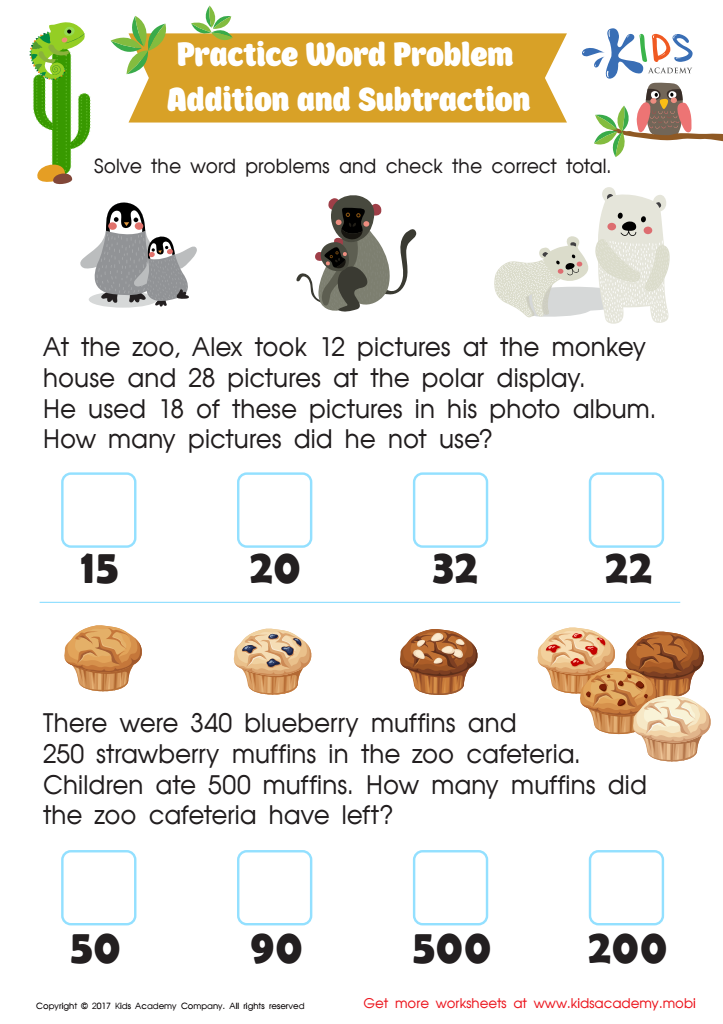
Addition and Subtraction: Word Problems Worksheet
 Assign to My Students
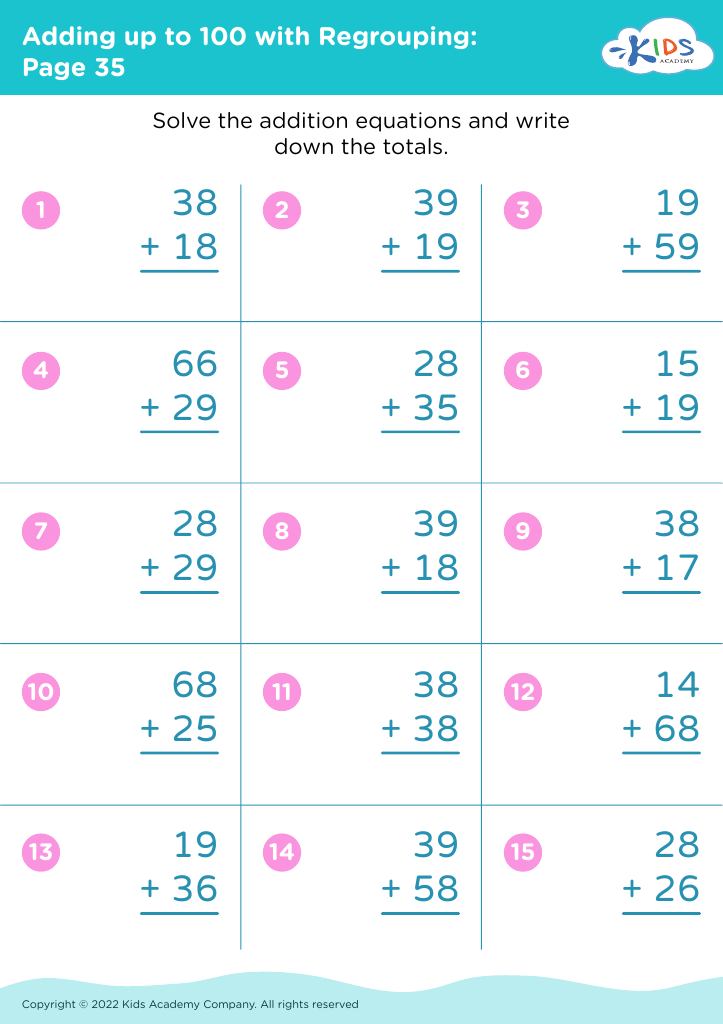
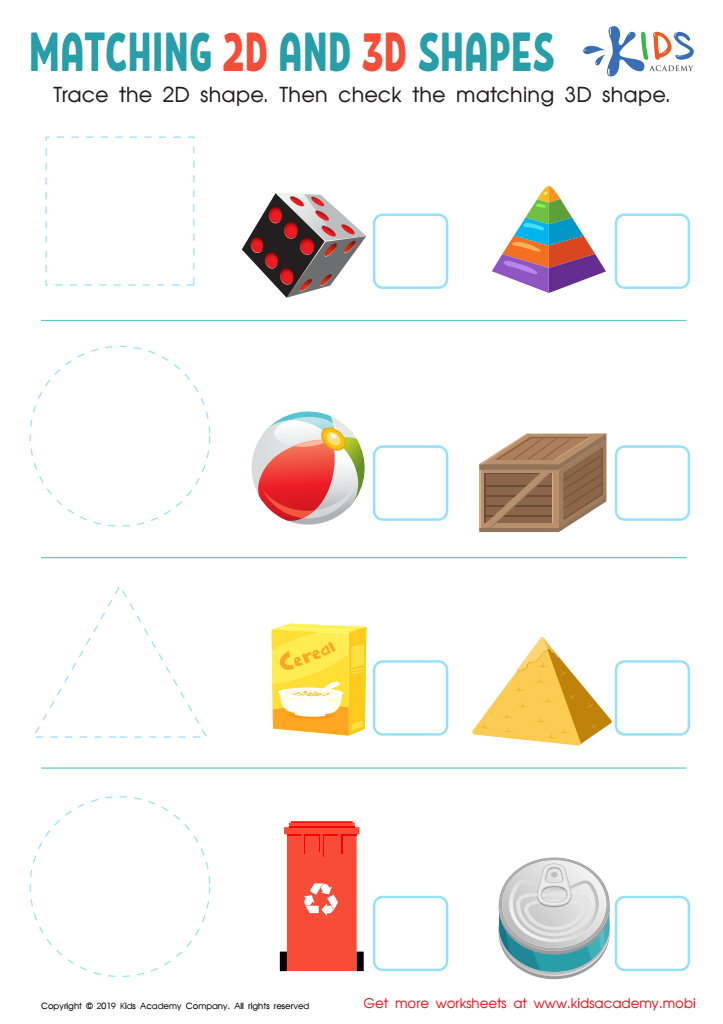
Matching 2D and 3D Shapes Worksheet
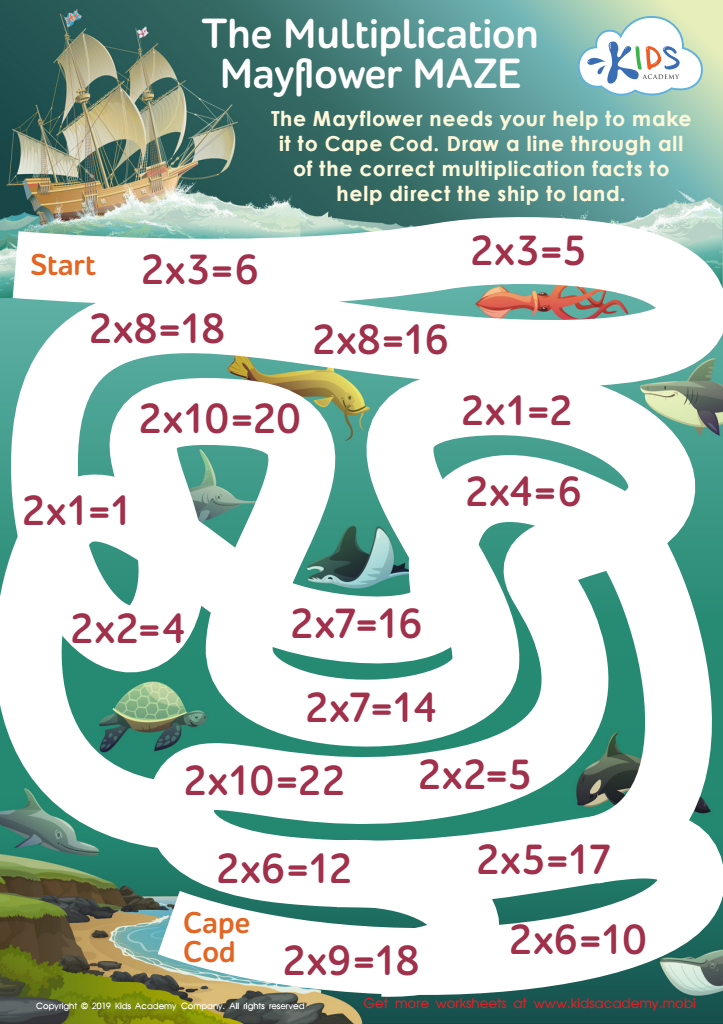
The Multiplication Mayflower Maze Worksheet
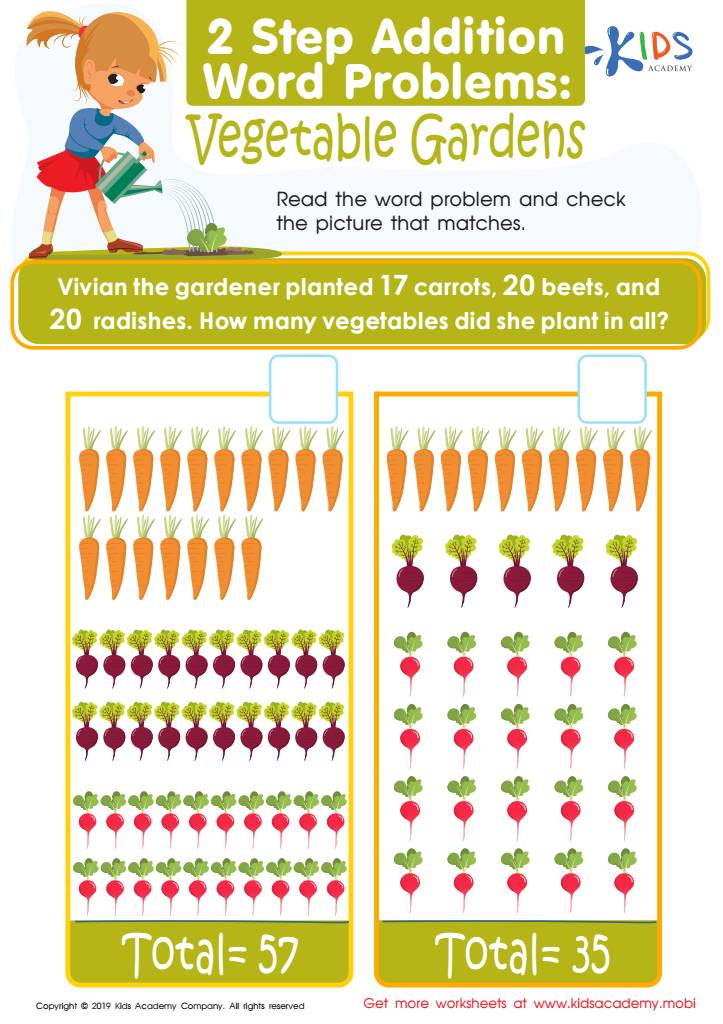
Vegetable Gardens Worksheet
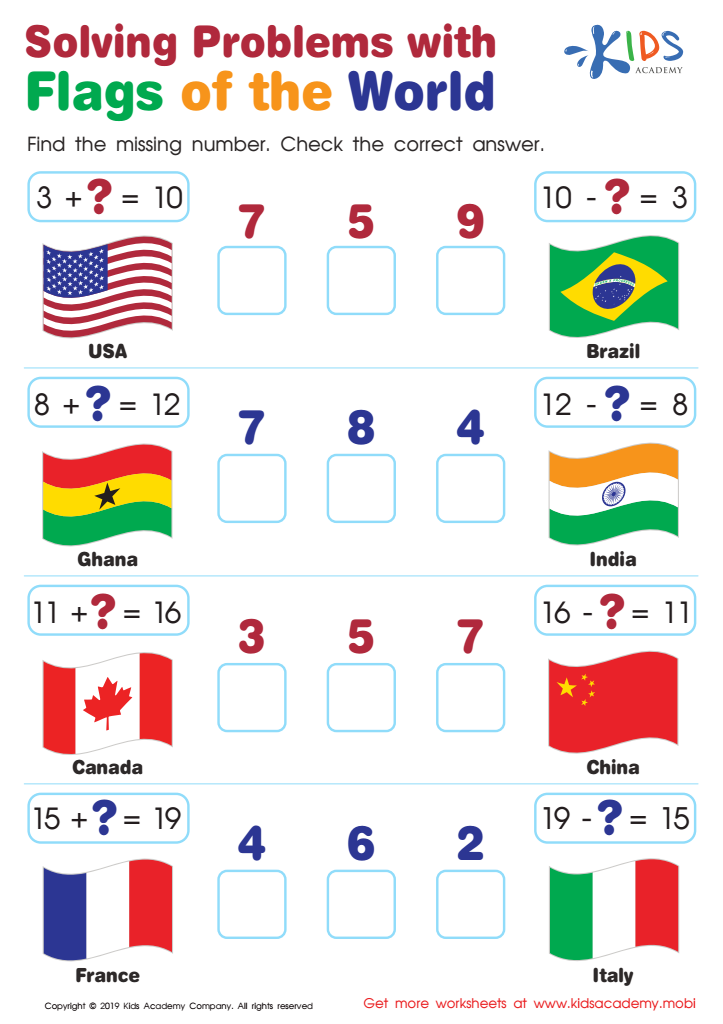
Solving Problems with Flags of the World Worksheet
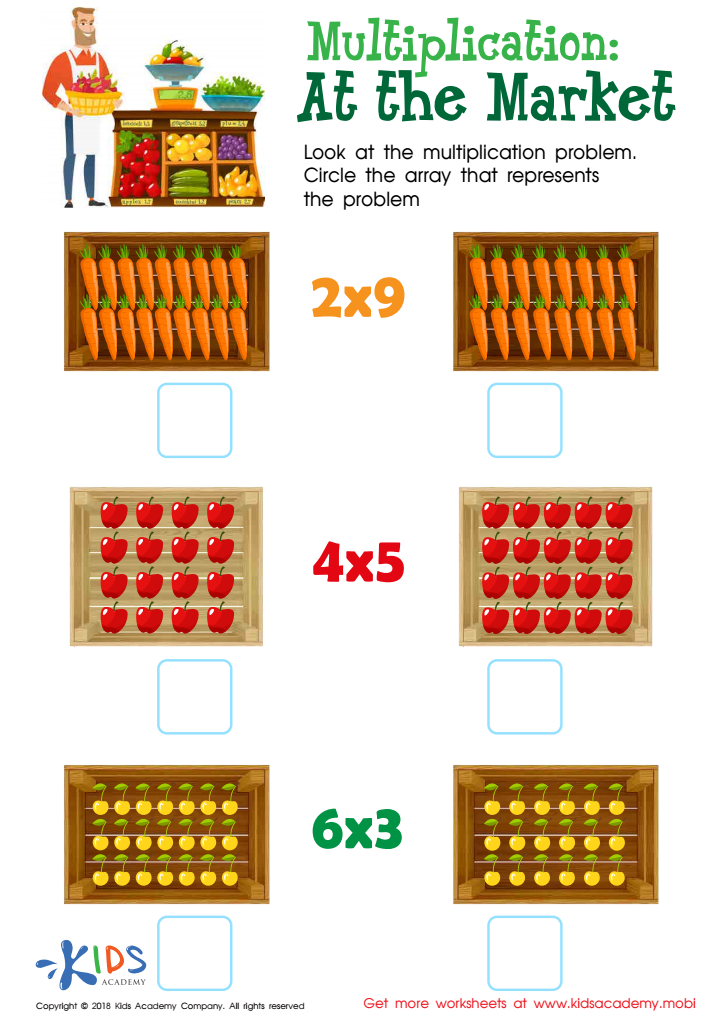
At the Market Worksheet
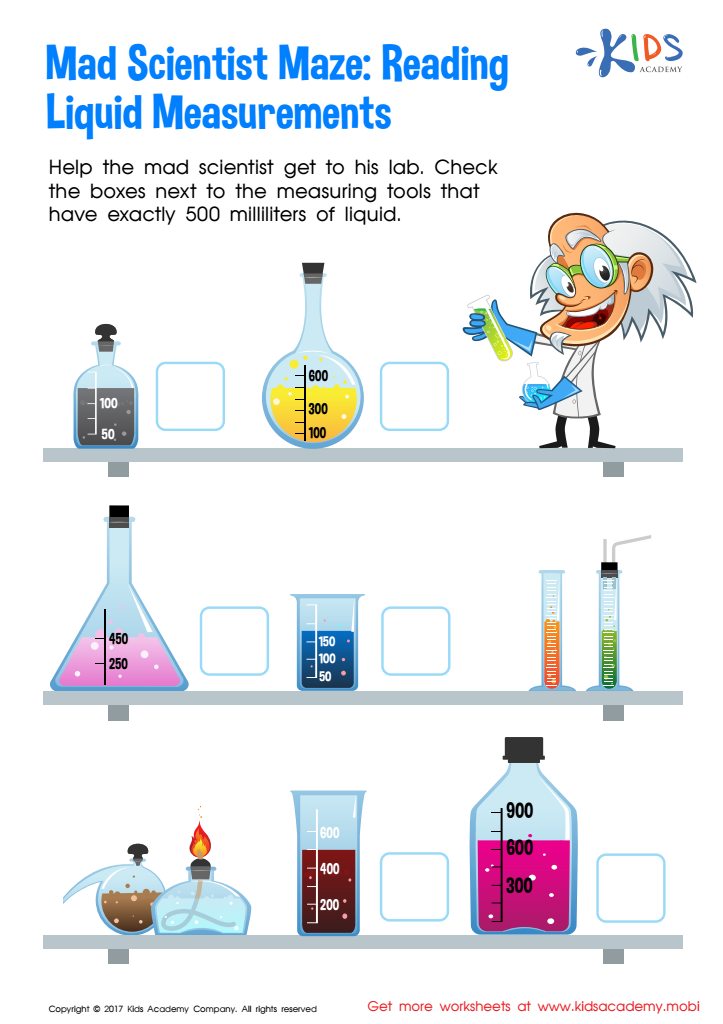
Reading Liquid Measurement Worksheet
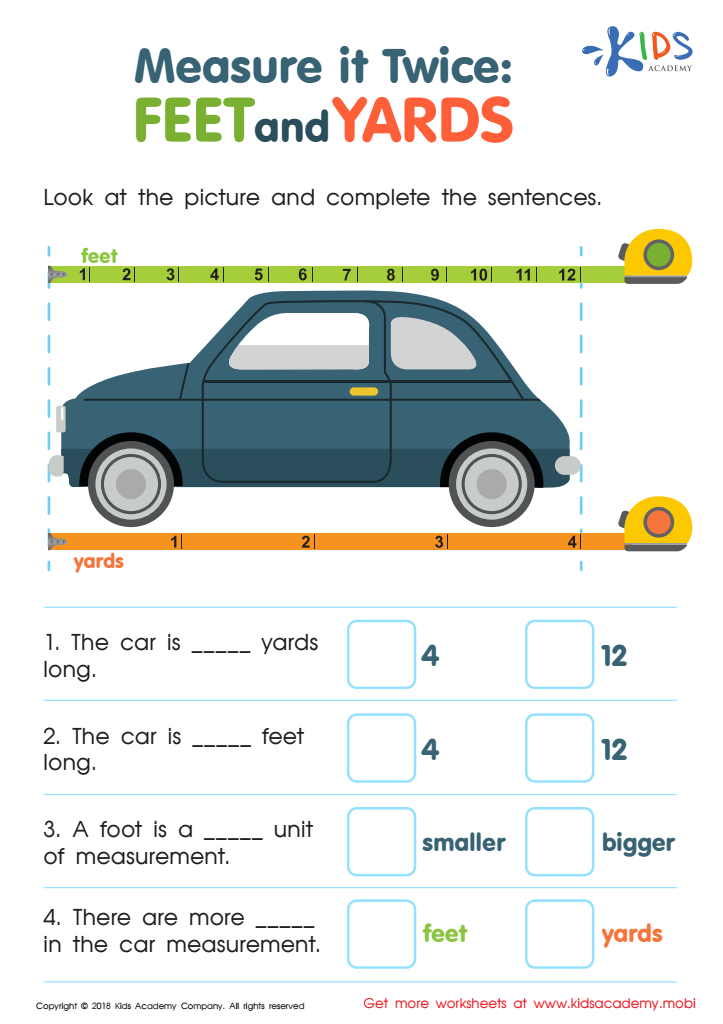
Measure It Twice: Feet and Yards Worksheet
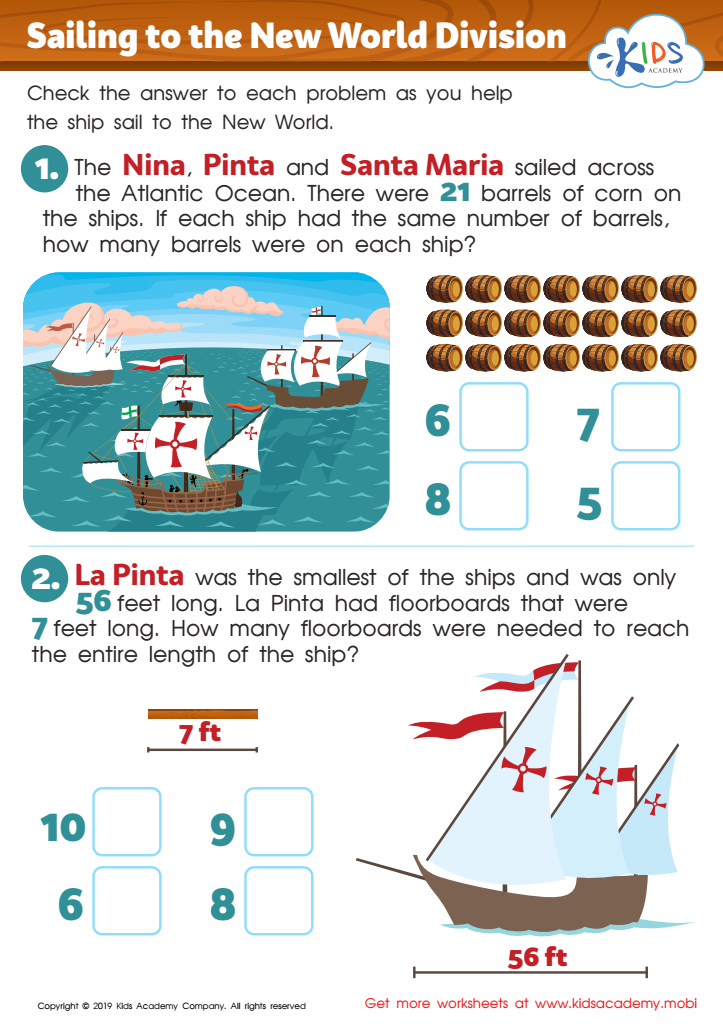
Sailing to the New World Division Worksheet
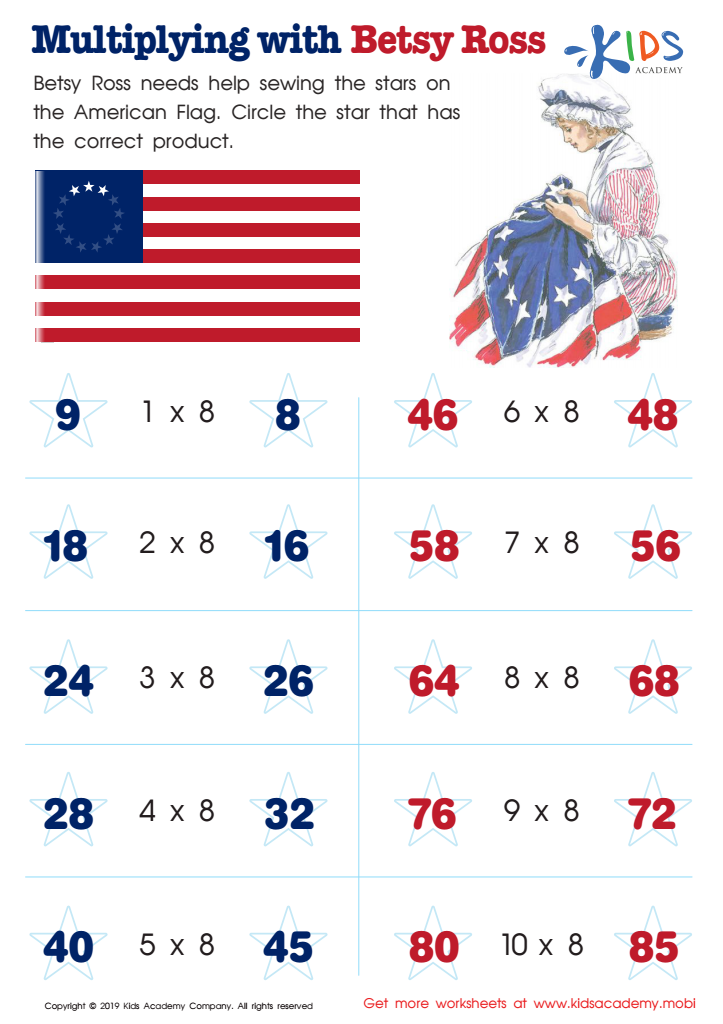
Multiplying with Betsy Ross Worksheet
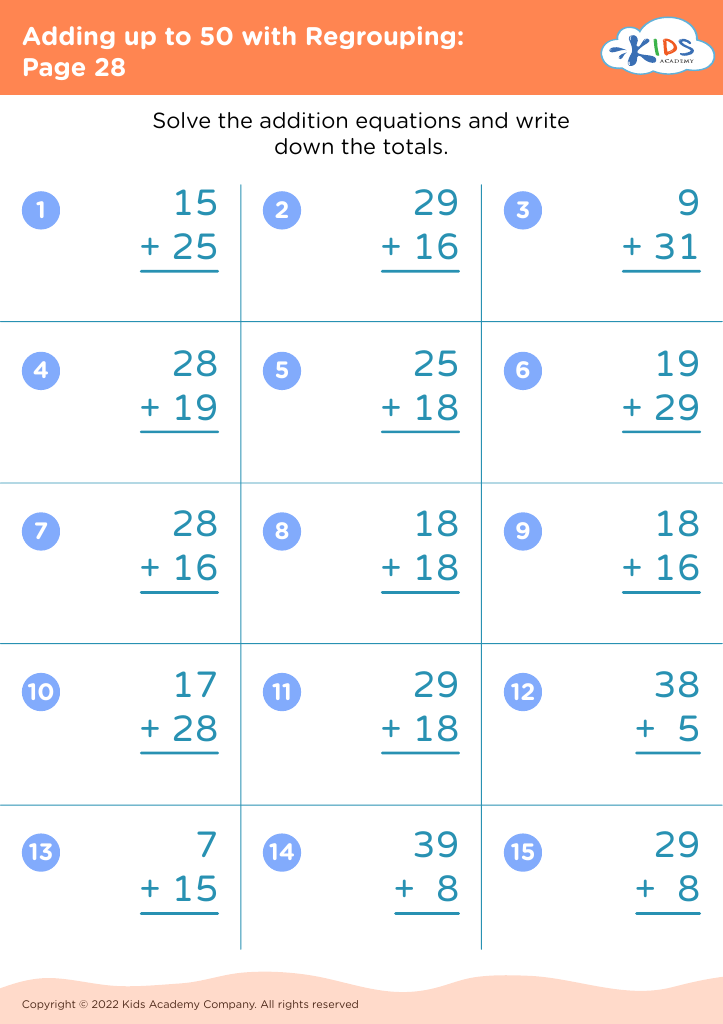
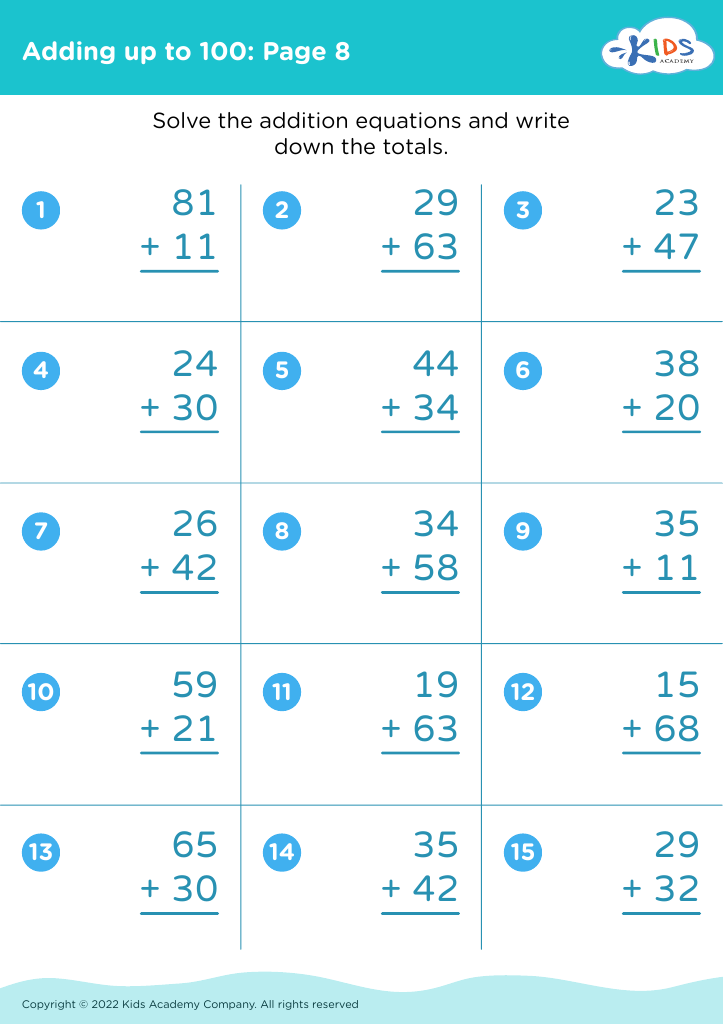
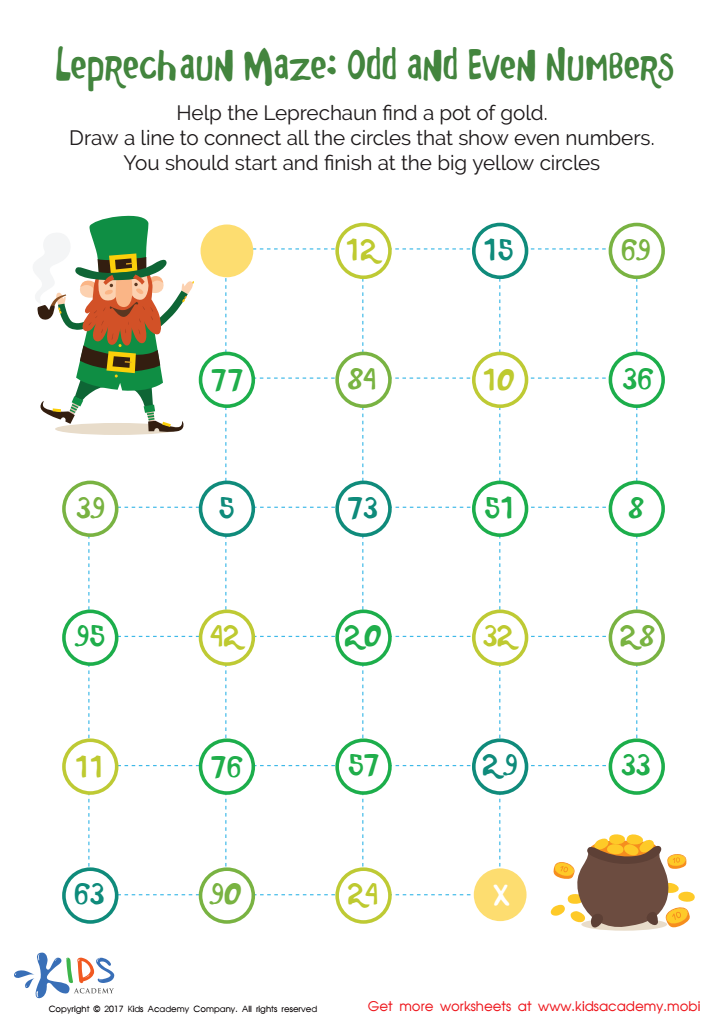
Leprechaun Maze Printable
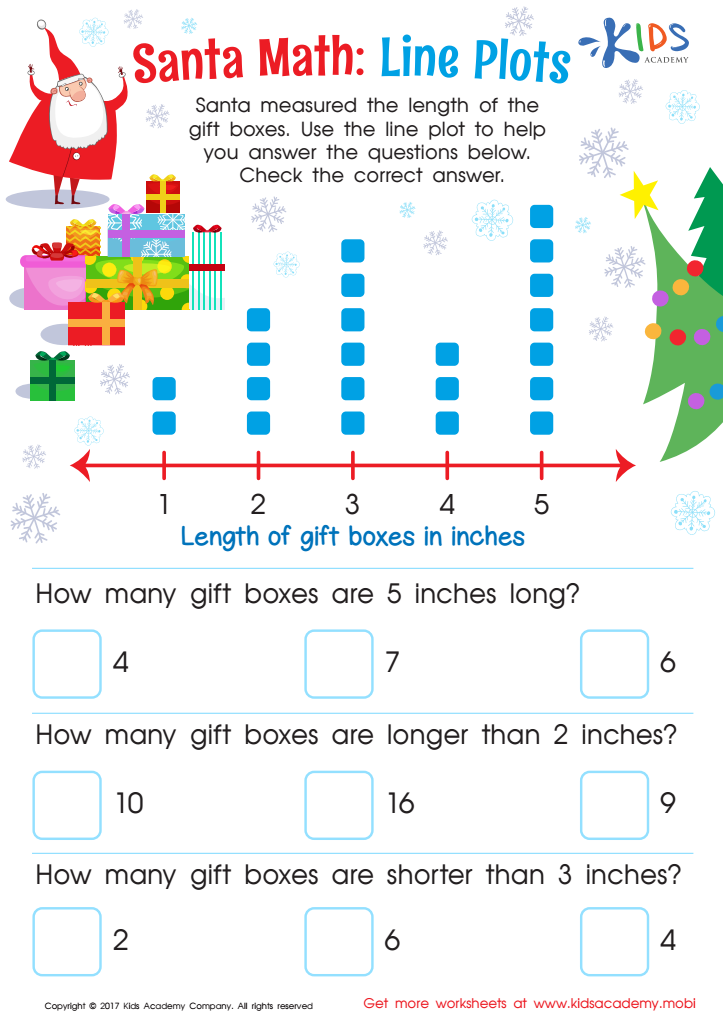
Line Plot Worksheet
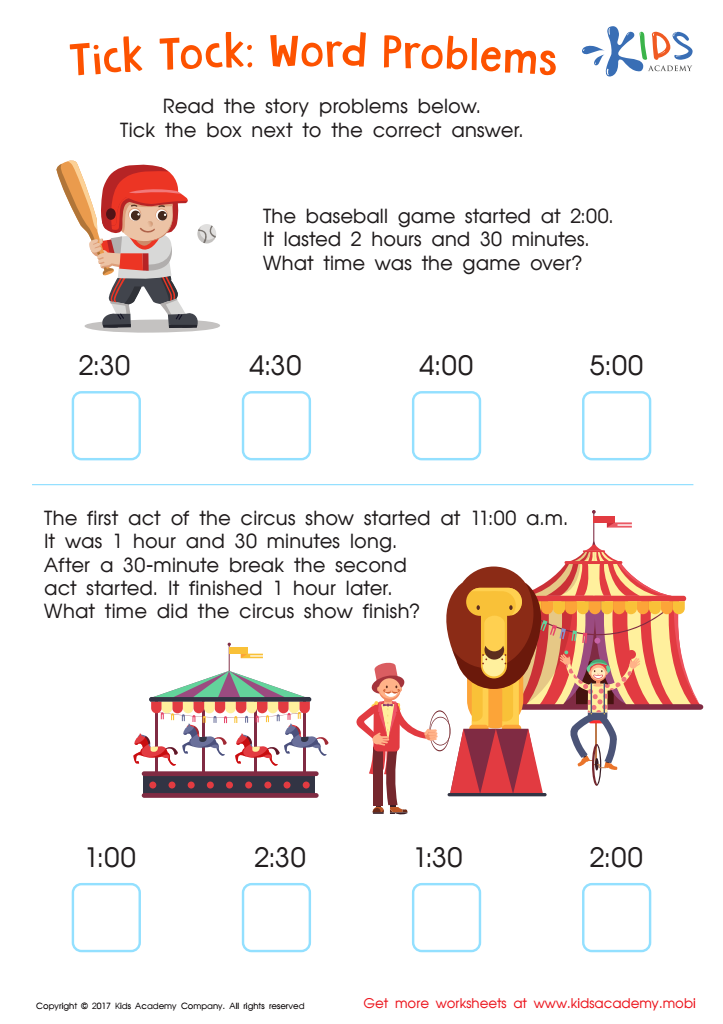
Tick Tock Word Problems Time Worksheet
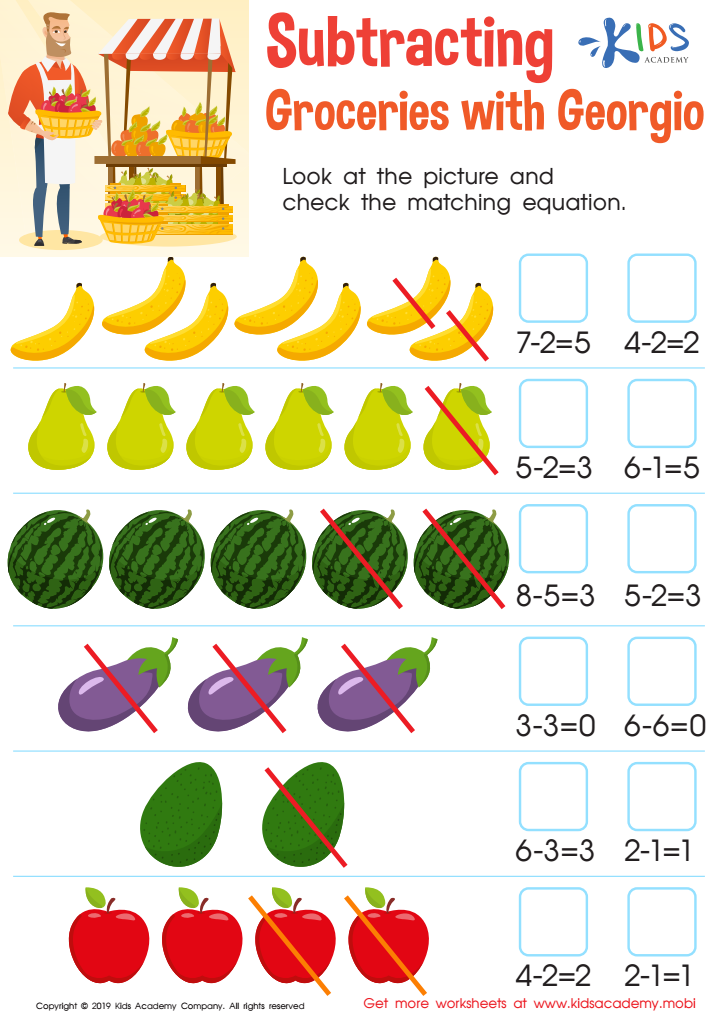
Subtracting: Groceries with Georgio Worksheet







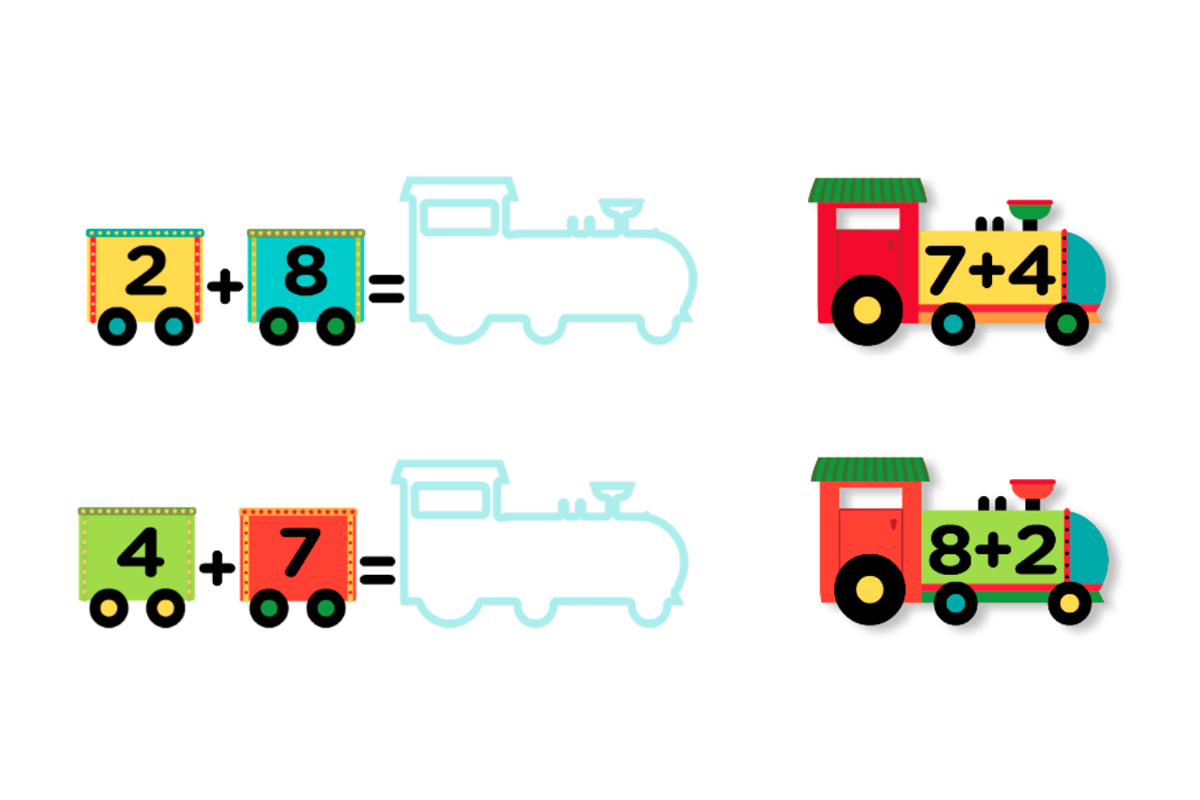
Problem-solving skills in math are crucial for children aged 7-8, forming the foundation for not only future academic success but also essential life skills. At this age, children's brains are developing rapidly, and they begin to acquire the ability to think critically and reason logically. Emphasizing problem-solving in math helps strengthen these cognitive skills, fostering an ability to approach complex challenges with confidence and creativity.
Moreover, problem-solving in math enhances a child’s understanding of mathematical concepts beyond rote memorization. It encourages them to apply what they've learned in diverse and practical ways, nurturing a deeper comprehension of the subject. This method promotes persistence and resilience, teaching children that challenges can be tackled through various strategies, thus instilling a growth mindset.
Parents and teachers play vital roles by providing supportive environments that stimulate curiosity and exploration. Early engagement in problem-solving activities can also identify and address learning gaps, ensuring children are better prepared for more advanced math concepts in later years. Additionally, these skills are highly transferable, positively impacting areas like science, technology, and everyday decision-making.
Thus, caring about math problem-solving skills at this formative stage sets a strong educational and practical foundation, nurturing well-rounded and capable individuals prepared to face future challenges with confidence and adaptability.








