Discover our engaging "Recognizing Shapes" math worksheets designed specifically for children aged 7-8. These worksheets provide an excellent opportunity for young learners to develop their understanding of shapes, enhancing their recognition skills through fun and interactive activities. With a variety of exercises ranging from identifying two-dimensional and three-dimensional shapes to solving shape-related puzzles, children will gain confidence in their geometric knowledge. Our worksheets are aligned with educational standards and encourage critical thinking while keeping learning enjoyable. Perfect for classroom use or at-home practice, these resources are invaluable tools to prepare your child for future mathematical concepts. Explore shapes today!
Check out this FREE Trial Lesson on Math for age 7-8!

P

Favorites
With answer key
Interactive
  • 7-8
  • Recognizing shapes
  • Math
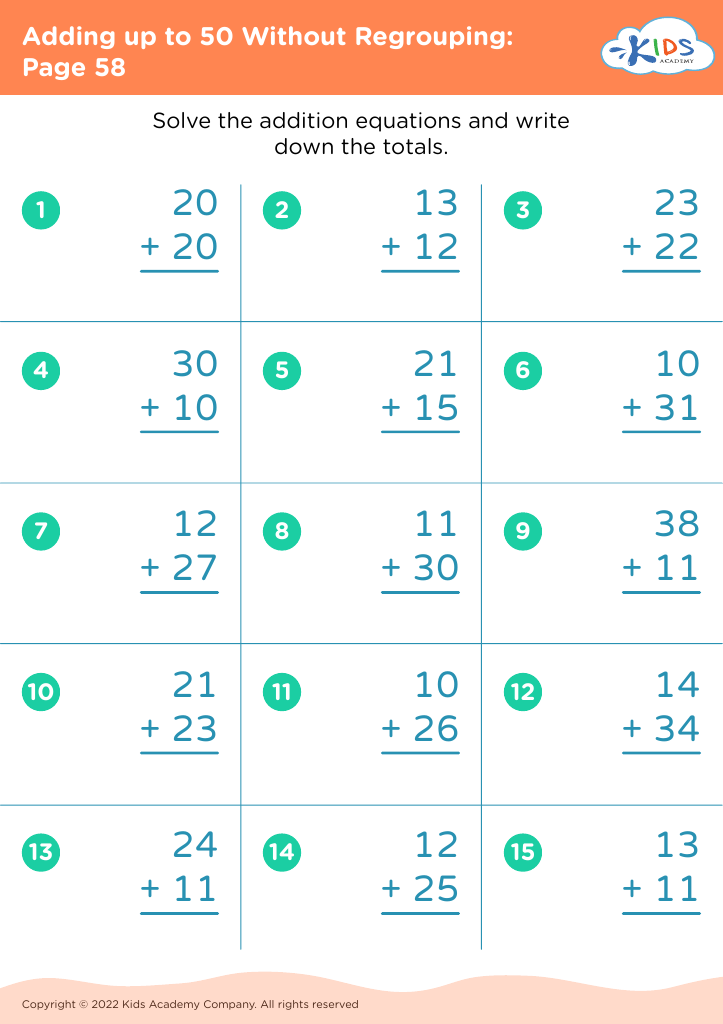
Adding up to 50 Without Regrouping: Page 58
Worksheet
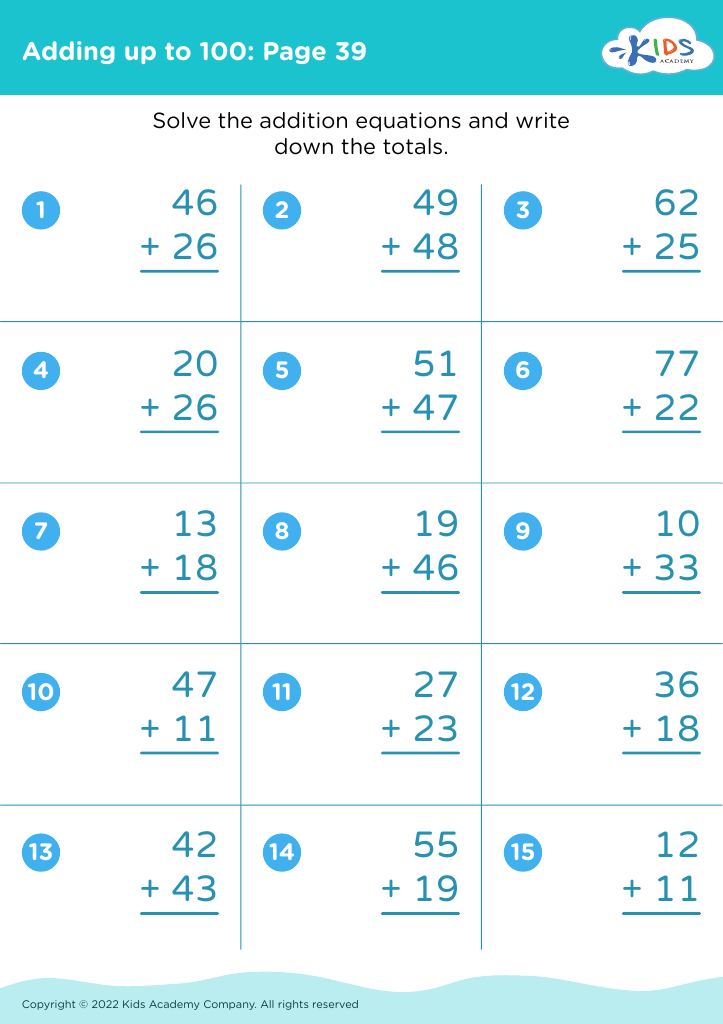
Adding up to 100: Page 39

Adding up to 100: Page 39

Adding up to 100: Page 39
Worksheet
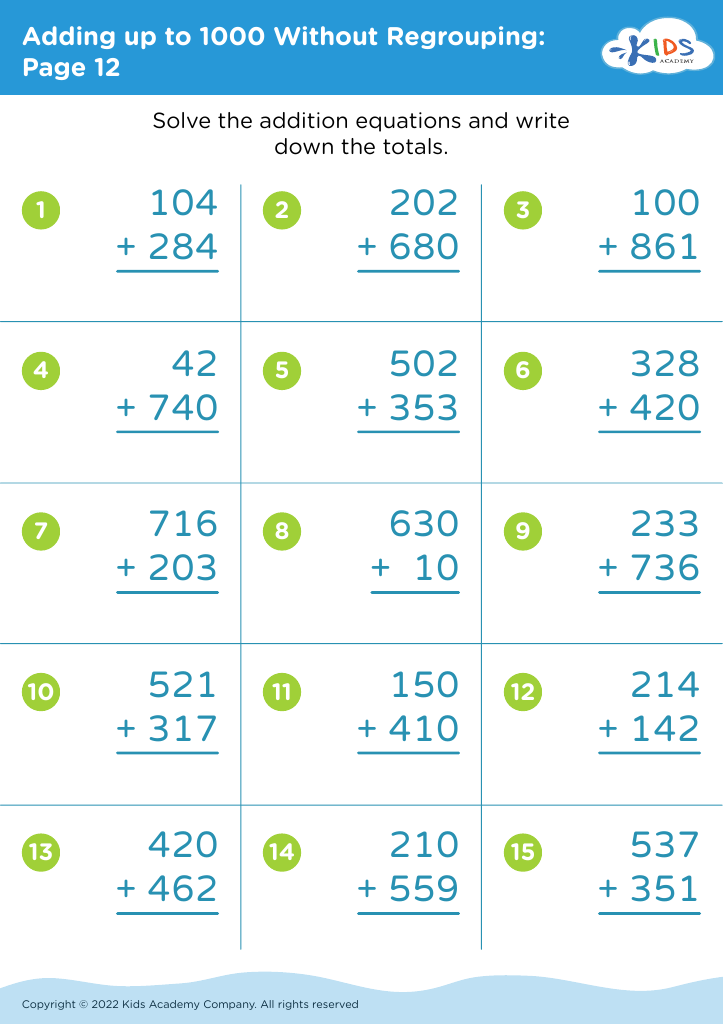
Adding up to 1000 Without Regrouping: Page 12
Worksheet
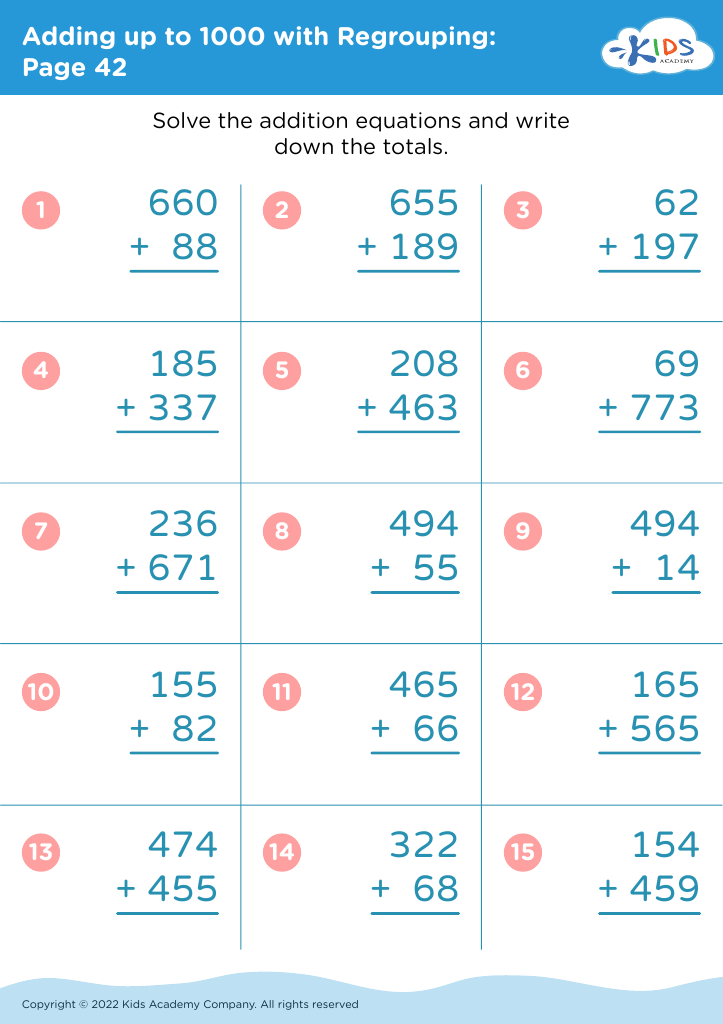
Adding up to 1000 with Regrouping: Page 42
Worksheet
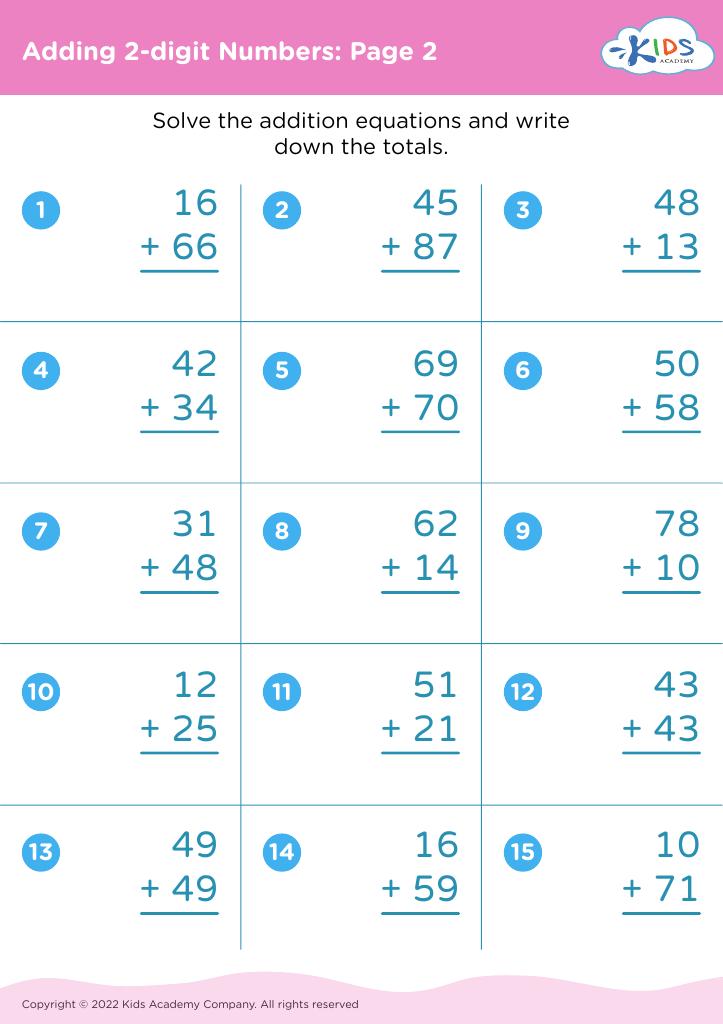
Adding 2-digit Numbers: Page 2

Adding 2-digit Numbers: Page 2

Adding 2-digit Numbers: Page 2
Worksheet
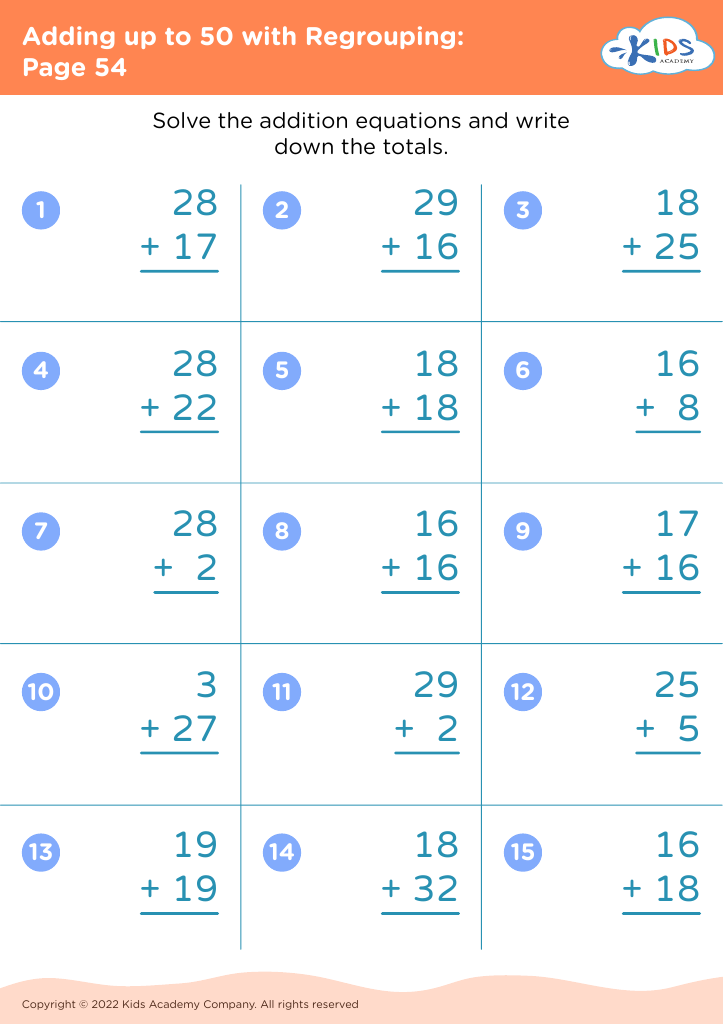
Adding up to 50 with Regrouping: Page 54
Worksheet
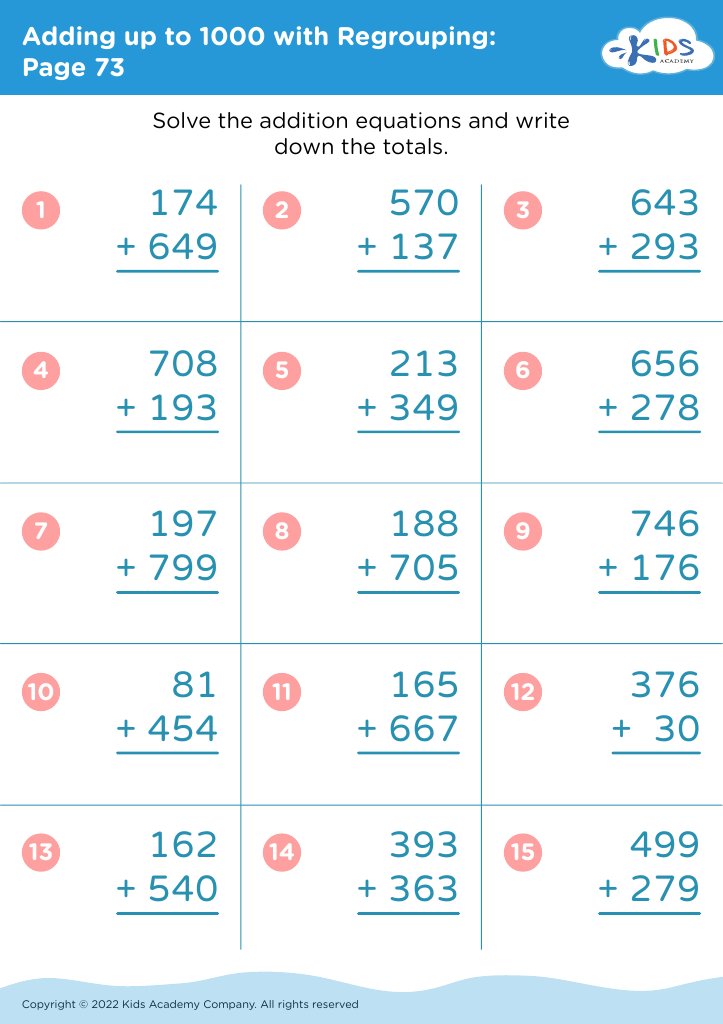
Adding up to 1000 with Regrouping: Page 73
Worksheet
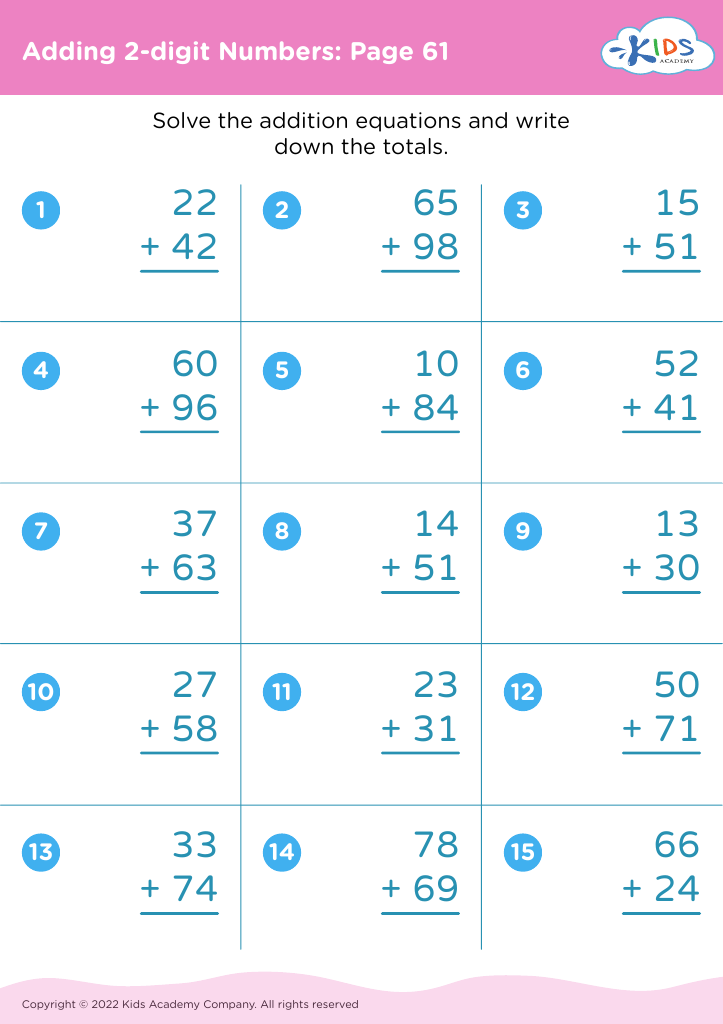
Adding 2-digit Numbers: Page 61

Adding 2-digit Numbers: Page 61

Adding 2-digit Numbers: Page 61
Worksheet
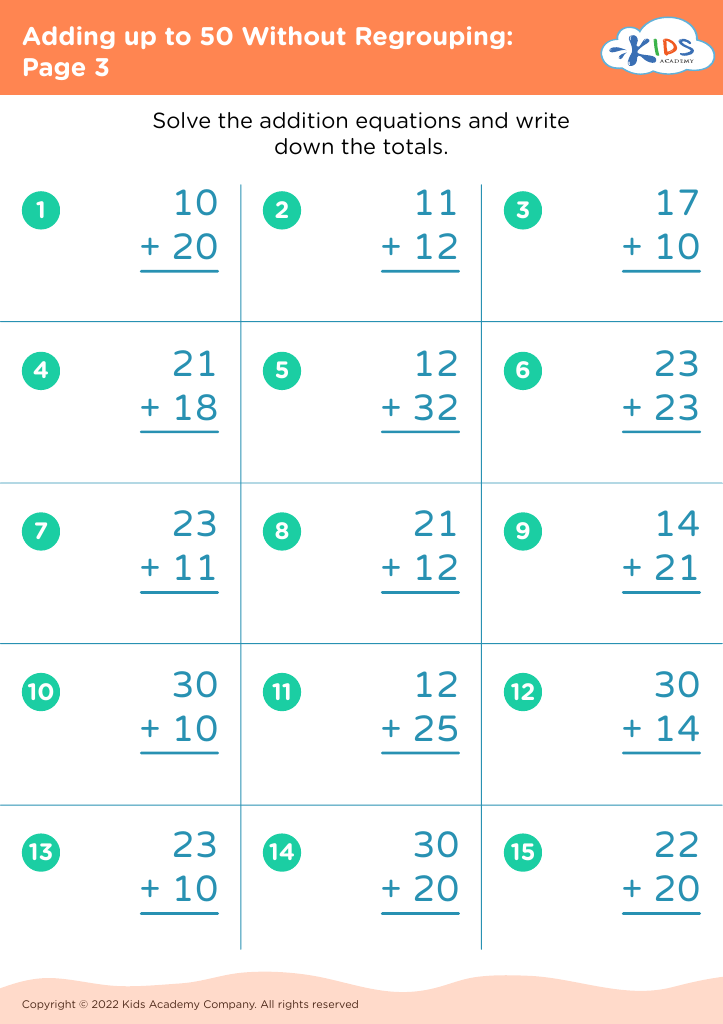
Adding up to 50 Without Regrouping: Page 3
Worksheet
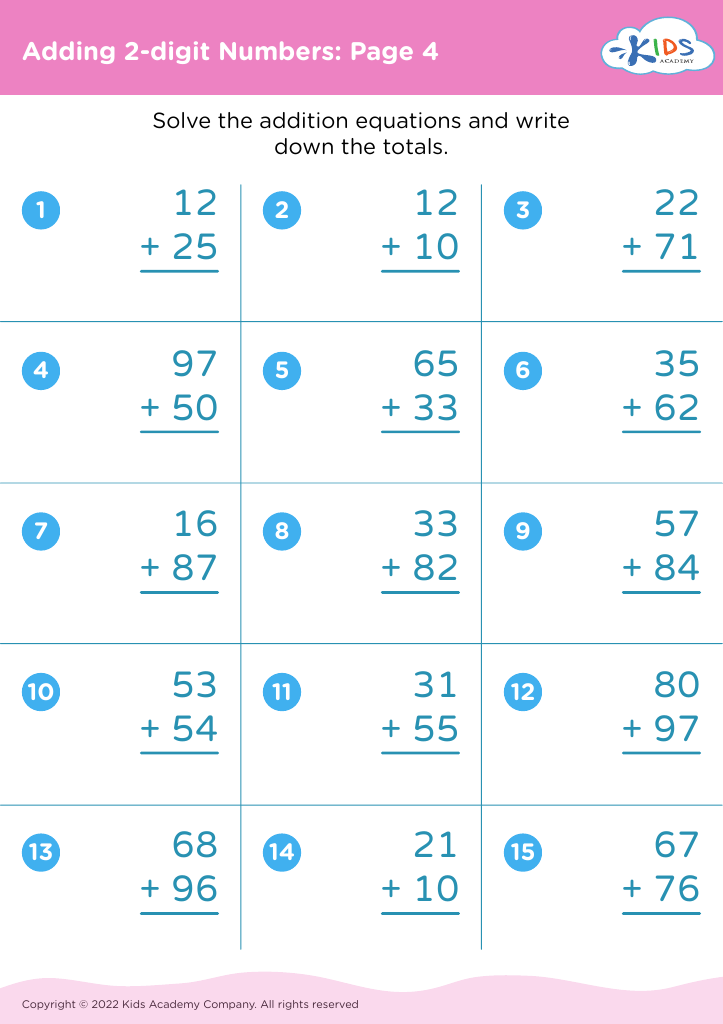
Adding 2-digit Numbers: Page 4

Adding 2-digit Numbers: Page 4

Adding 2-digit Numbers: Page 4
Worksheet
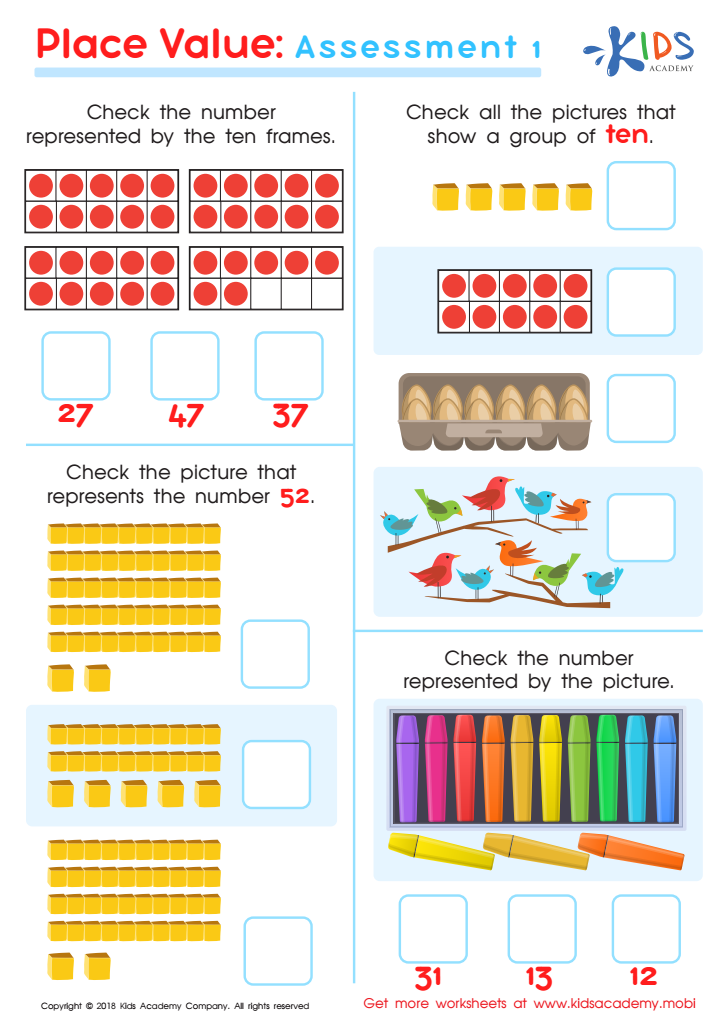
Place Value: Assessment 1 Worksheet

Place Value: Assessment 1 Worksheet

Assess your child's place value and number representation with this PDF worksheet. It lets them count and compare numbers and practice chiseling numbers into groups of ten. It's a great way to identify any concepts that need to be reinforced.
Place Value: Assessment 1 Worksheet
Worksheet
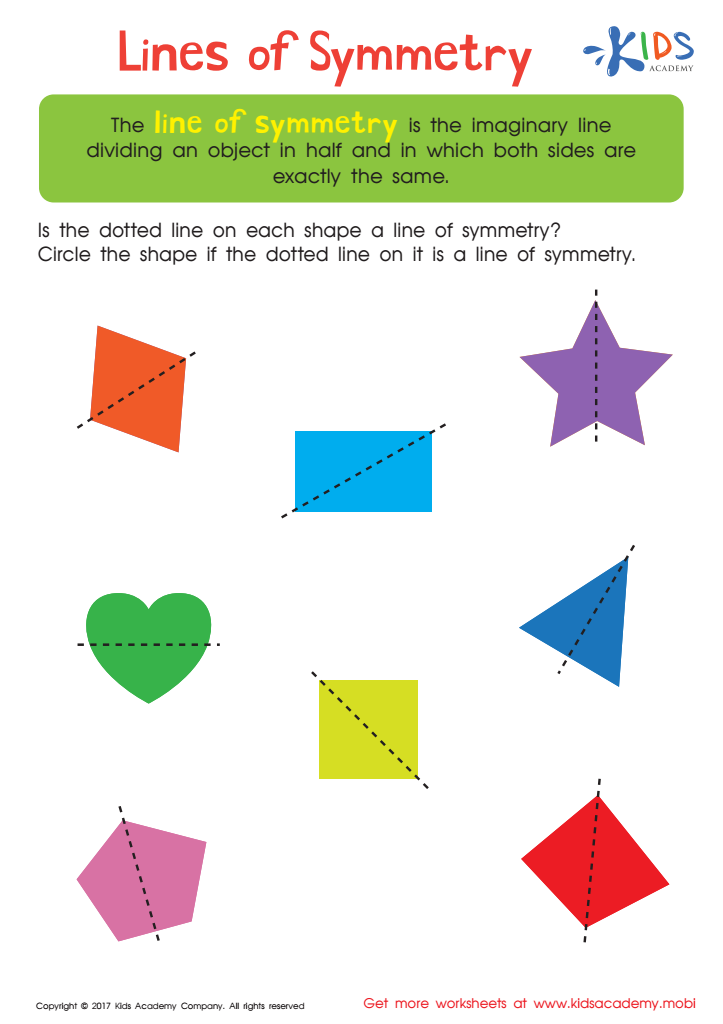
Lines of symmetry worksheet

Lines of Symmetry Printable

Symmetry is a key math concept that kids must learn to develop their geometry skills. This fun worksheet helps build this skill, by encouraging kids to recognize symmetrical shapes and find equal parts.
Lines of Symmetry Printable
Worksheet
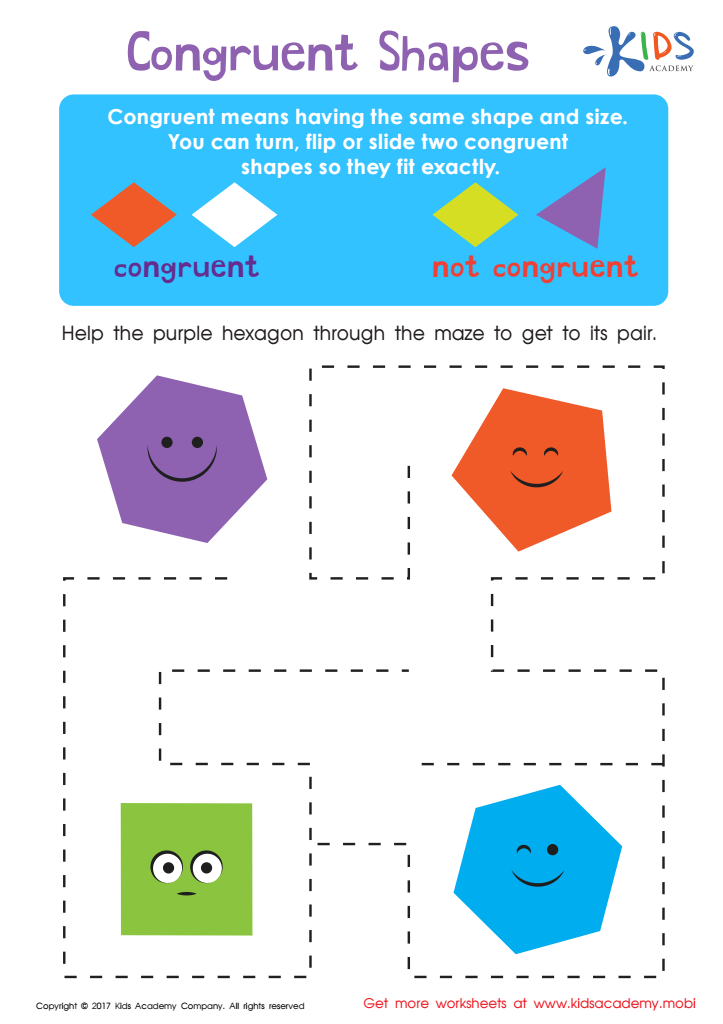
Congruent shapes worksheet

Congruent Shapes Worksheet

Help your child find the twin of the purple hexagon! This congruent shapes worksheet is great for increasing vocabulary while challenging mental rotation skills.
Congruent Shapes Worksheet
Worksheet
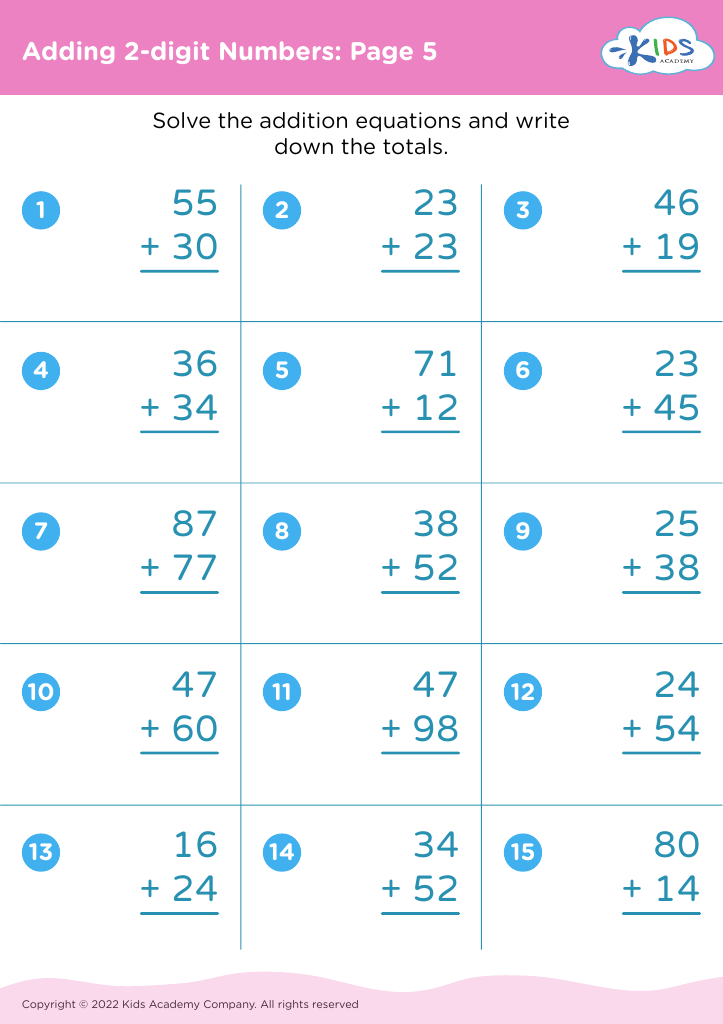
Adding 2-digit Numbers: Page 5

Adding 2-digit Numbers: Page 5

Adding 2-digit Numbers: Page 5
Worksheet
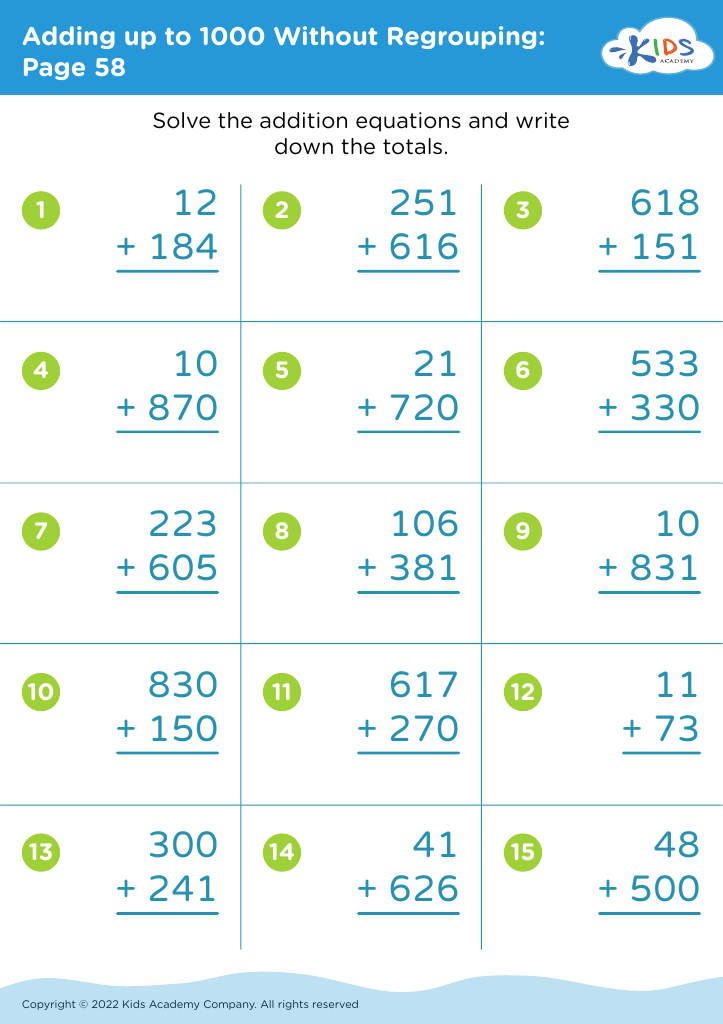
Adding up to 1000 Without Regrouping: Page 58
Worksheet
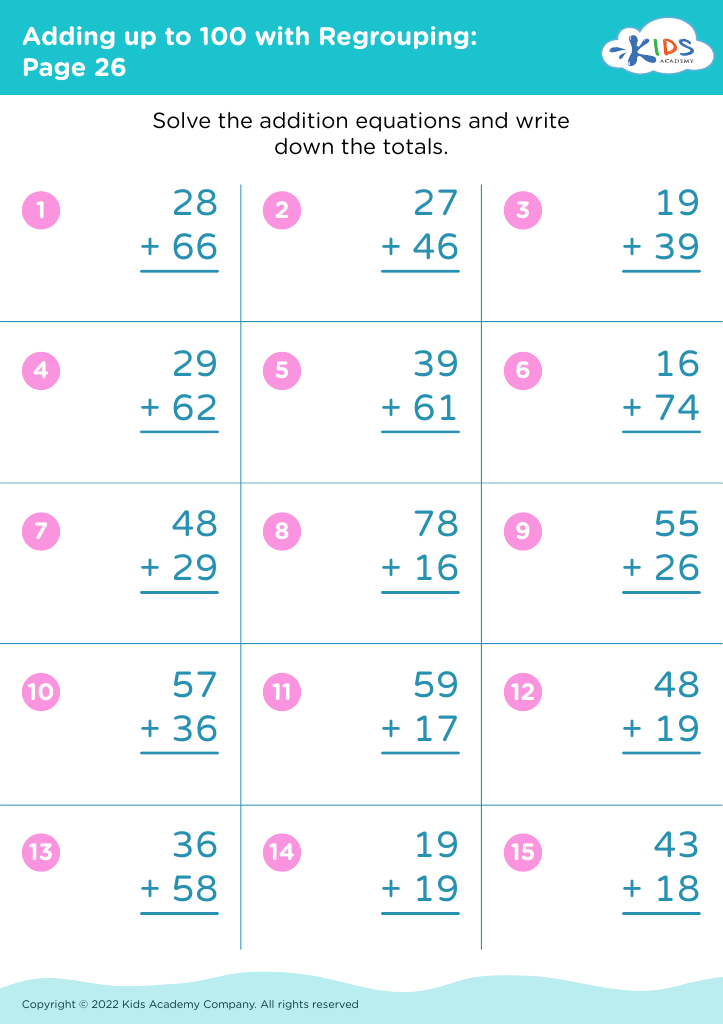
Adding up to 100 with Regrouping: Page 26
Worksheet
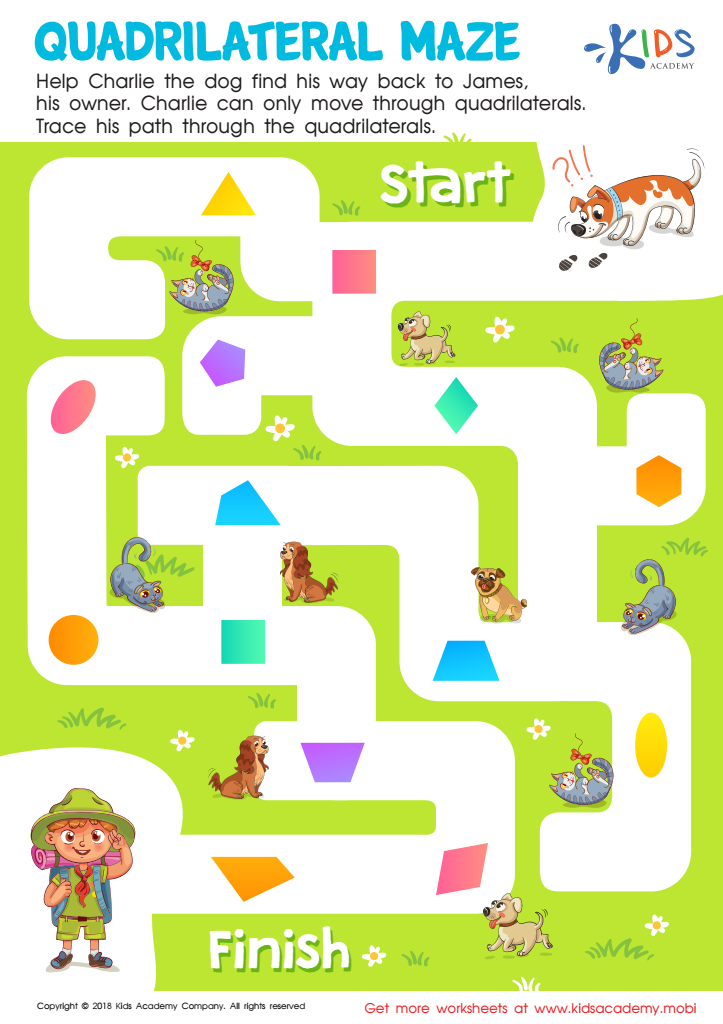
Quadrilateral Maze Worksheet
Quadrilateral Maze Worksheet
Does your kid love dogs? If so, this exercise is ideal for them! Help Charlie the pup find his way back to his owner, James, in the quadrilateral maze worksheet. Your child must trace Charlie's path only through squares and rhombuses in order to solve it. Careful planning is key!
Quadrilateral Maze Worksheet
Worksheet
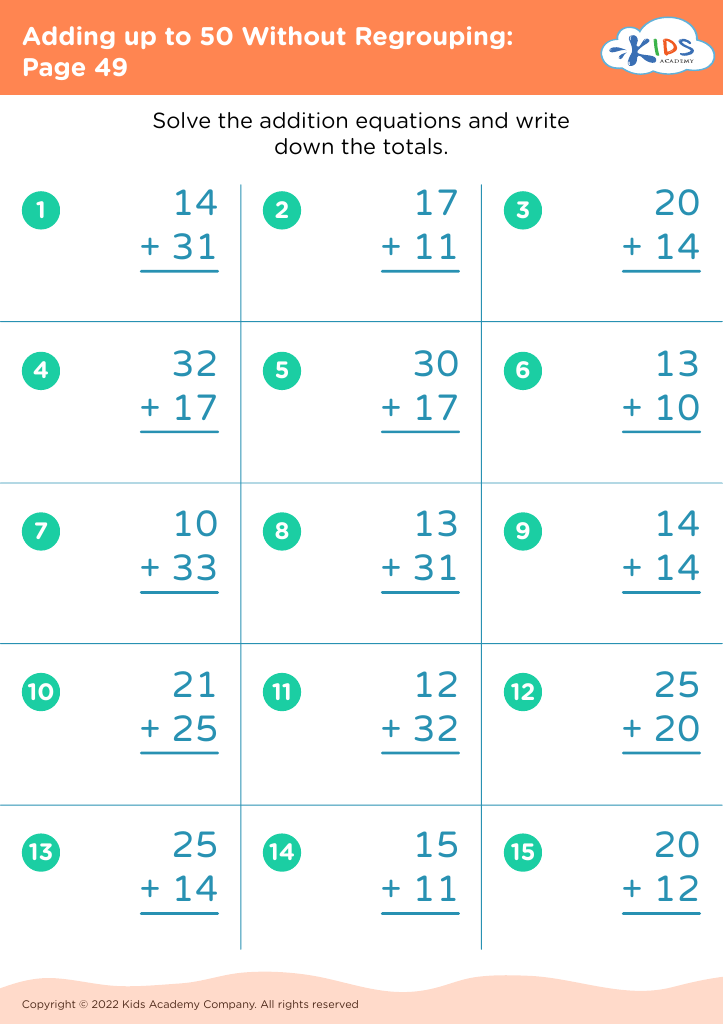
Adding up to 50 Without Regrouping: Page 49
Worksheet
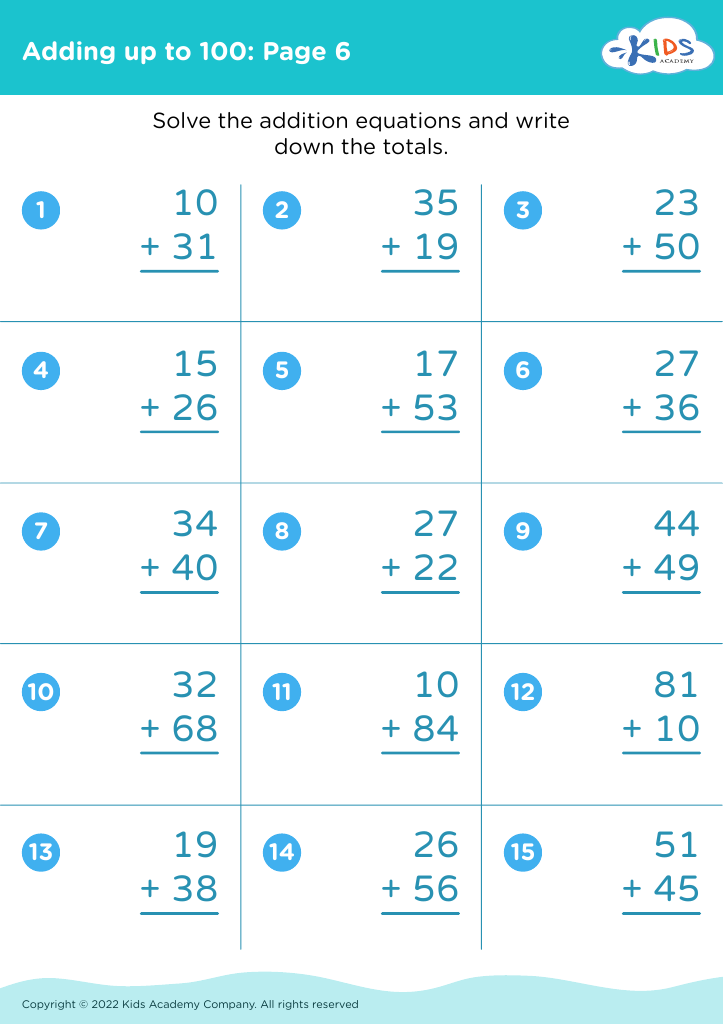
Adding up to 100: Page 6

Adding up to 100: Page 6

Adding up to 100: Page 6
Worksheet
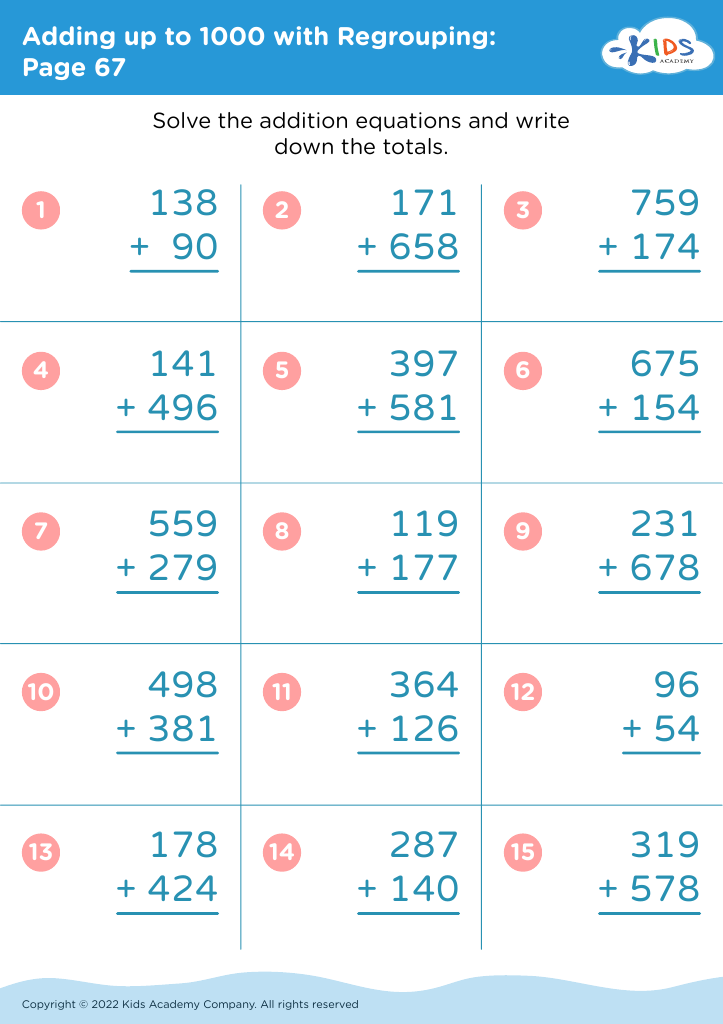
Adding up to 1000 with Regrouping: Page 67
Worksheet
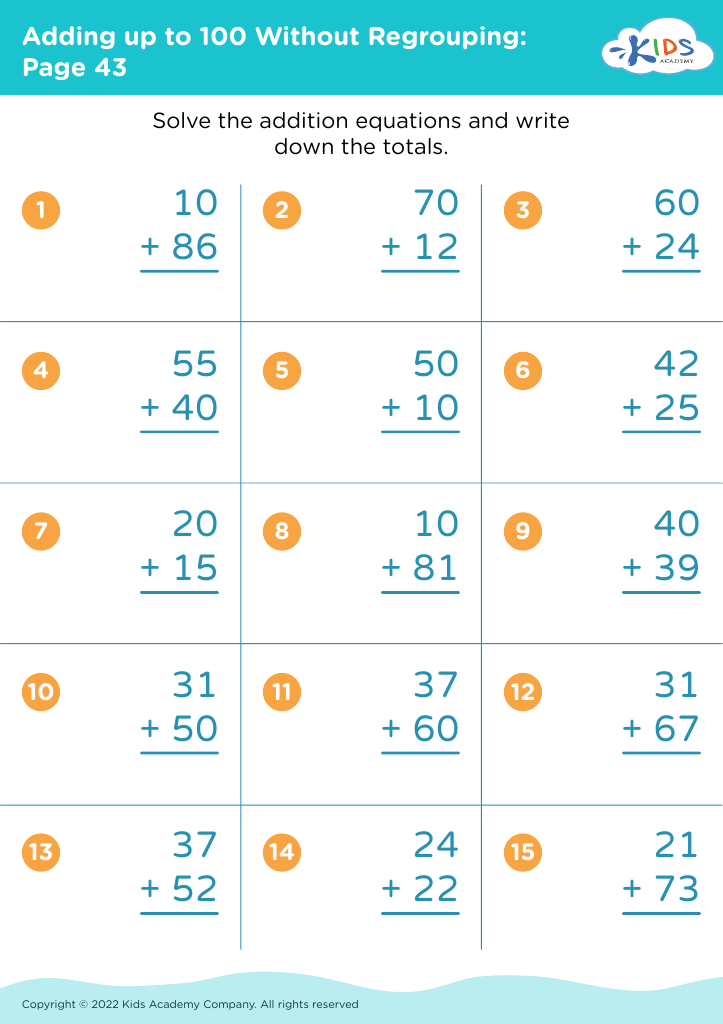
Adding up to 100 Without Regrouping: Page 43
Worksheet
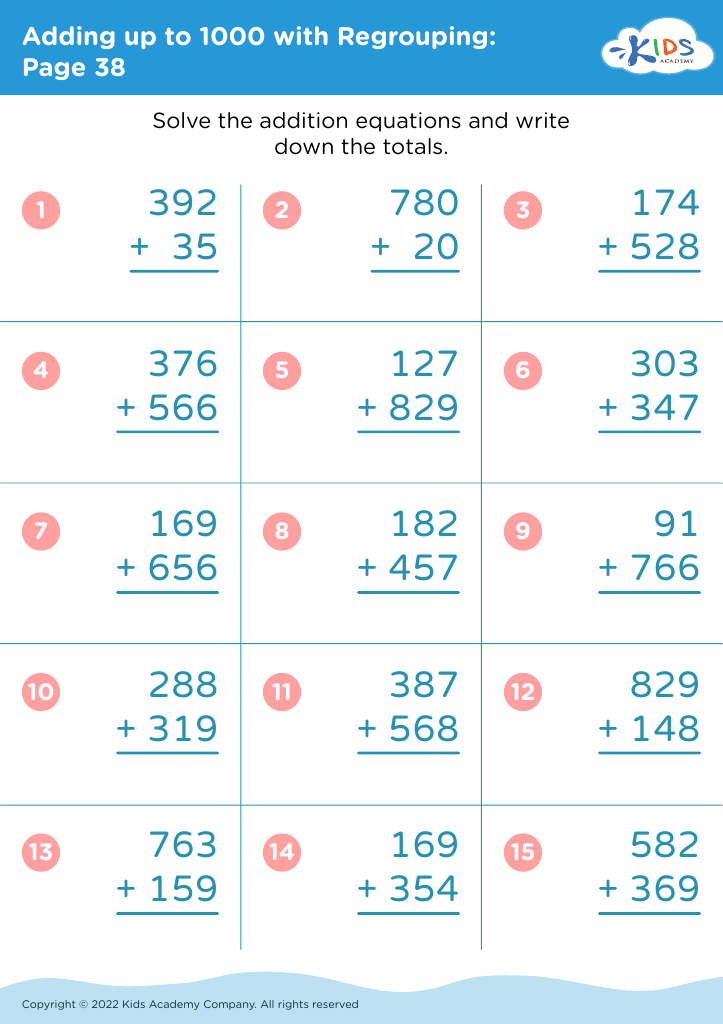
Adding up to 1000 with Regrouping: Page 38
Worksheet
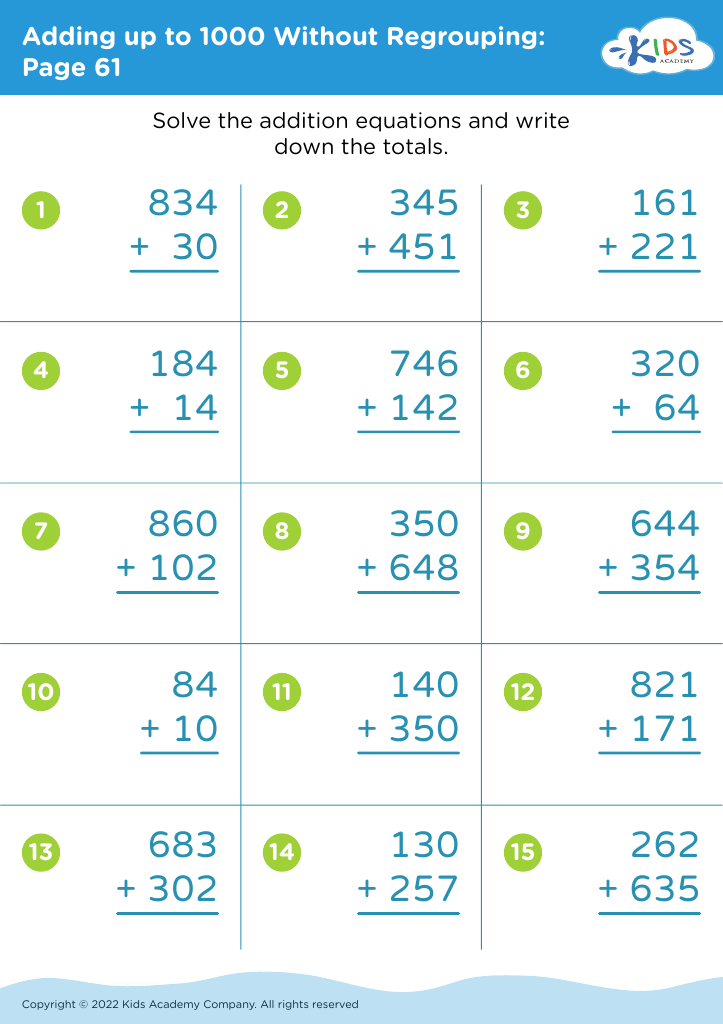
Adding up to 1000 Without Regrouping: Page 61
Worksheet
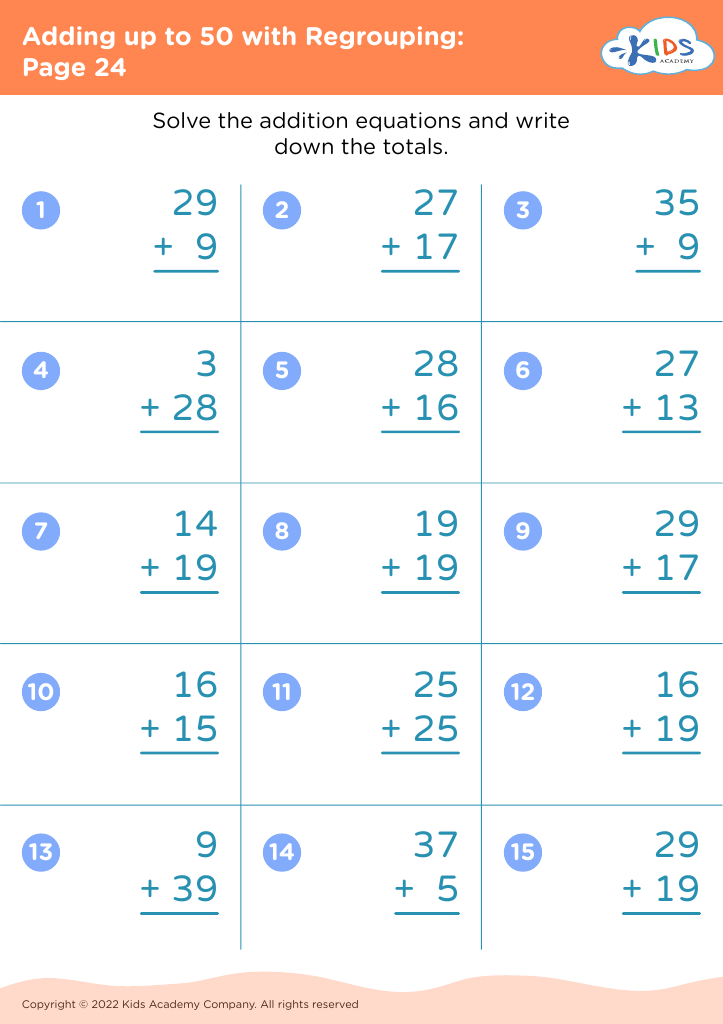
Adding up to 50 with Regrouping: Page 24
Worksheet


Recognizing shapes is a fundamental skill for children aged 7-8, serving as the foundation for their mathematical understanding and critical thinking skills. At this age, children are developing spatial awareness, which is crucial for everyday tasks and advanced math concepts. By recognizing and distinguishing between different shapes—such as circles, squares, triangles, and more—they begin to understand their properties, such as vertices and edges, laying the groundwork for geometry.

Moreover, recognizing shapes enhances problem-solving abilities. When children can identify shapes in their environment, they build the confidence needed to tackle more complex mathematical ideas, such as measurement, symmetry, and area. This skill also promotes logical reasoning, allowing them to make connections between geometric concepts and their real-world applications.

For parents and teachers, encouraging shape recognition is vital as it can spark children's interest in math and foster a love for learning. Engaging activities that involve shapes—such as art, building, and creating—can make math enjoyable, contributing to a positive attitude toward the subject. By prioritizing shape recognition, parents and teachers play a crucial role in paving the way for future academic success and lifelong learning.