Understanding patterns Math Worksheets for Ages 7-8 - Page 2
47 filtered results
-
From - To
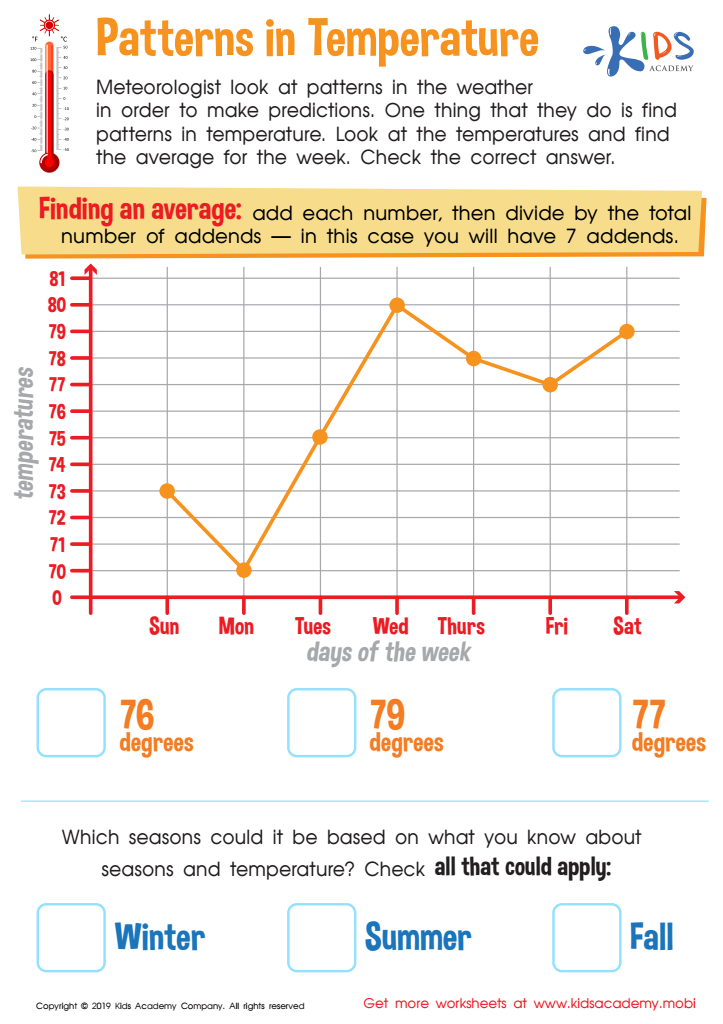
Patterns in Temperature Worksheet
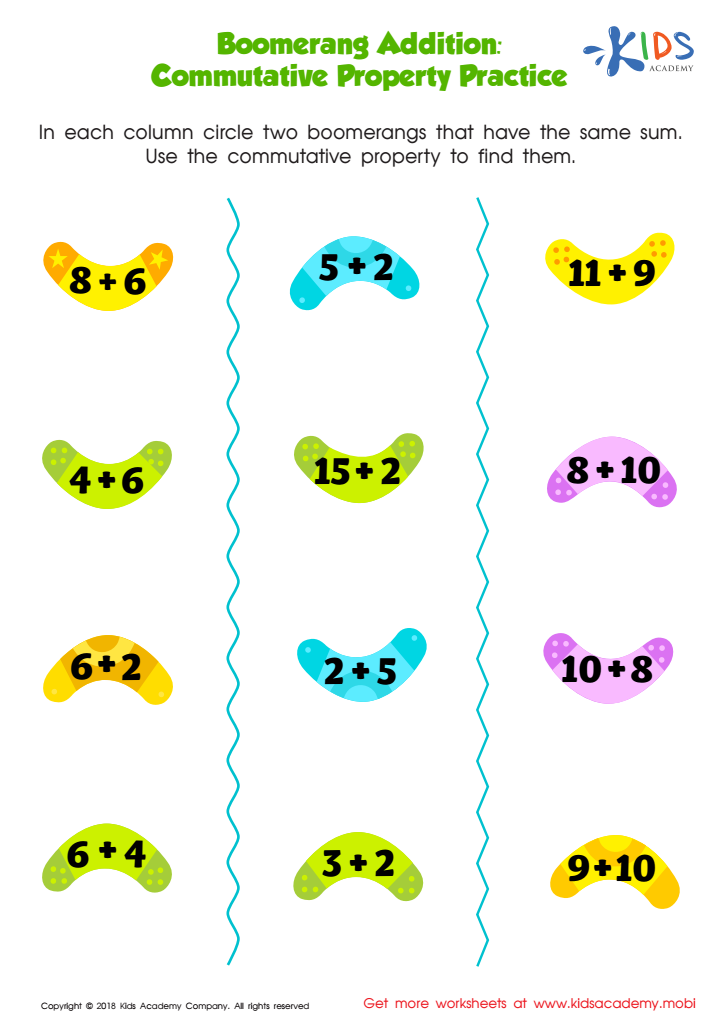
Boomerang Addition Worksheet
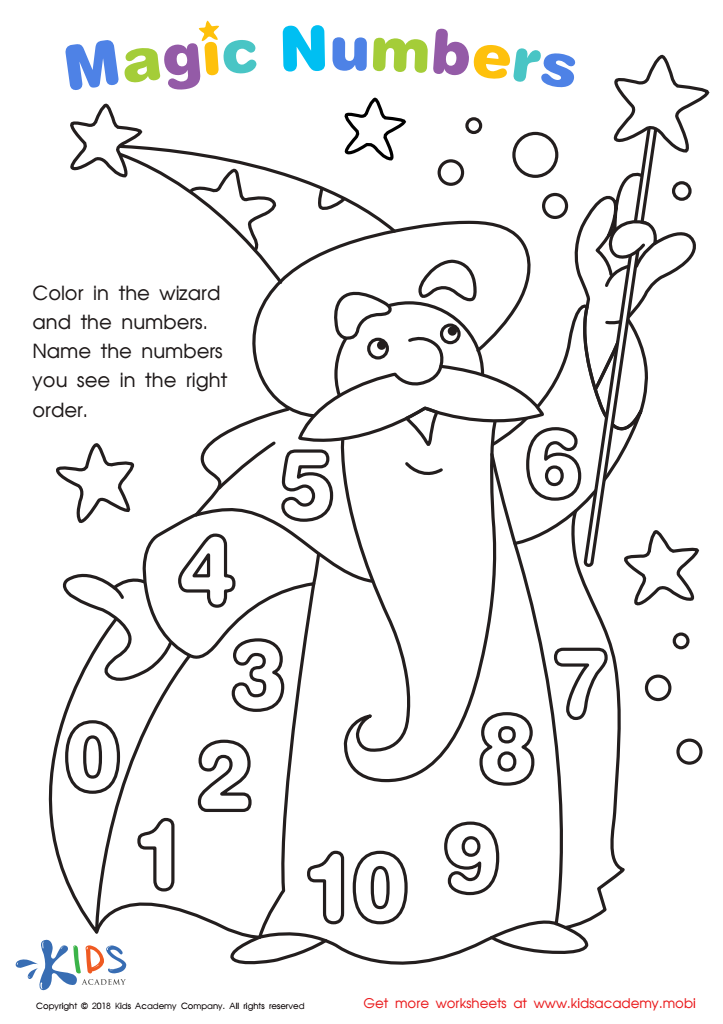
Magic Numbers Worksheet
 Assign to My Students
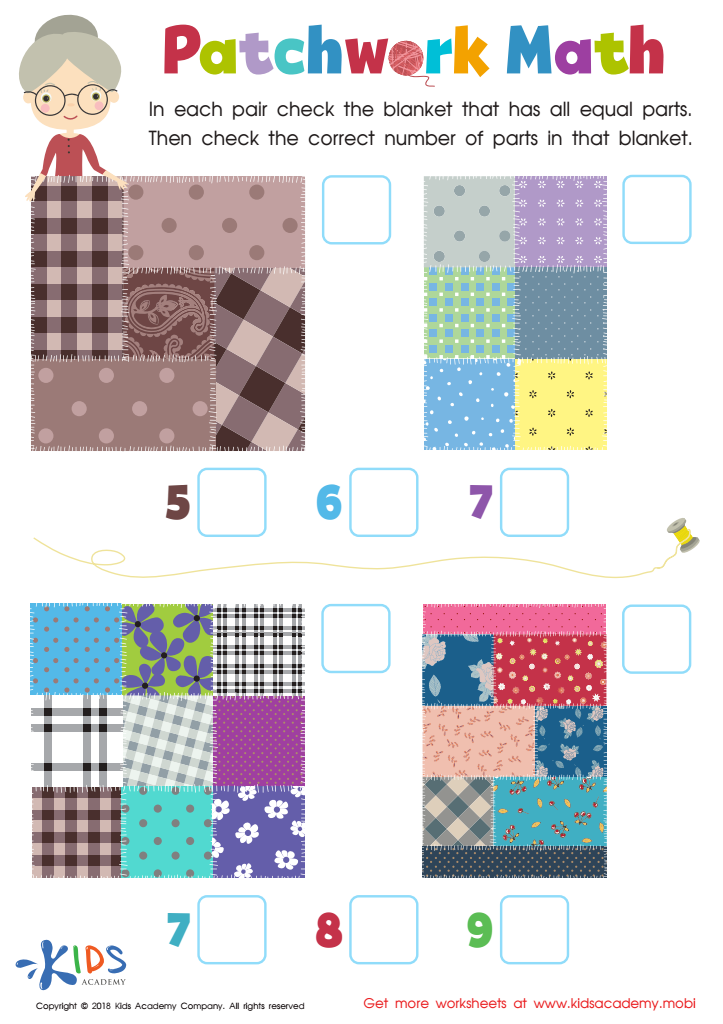
Patchwork Math Worksheet
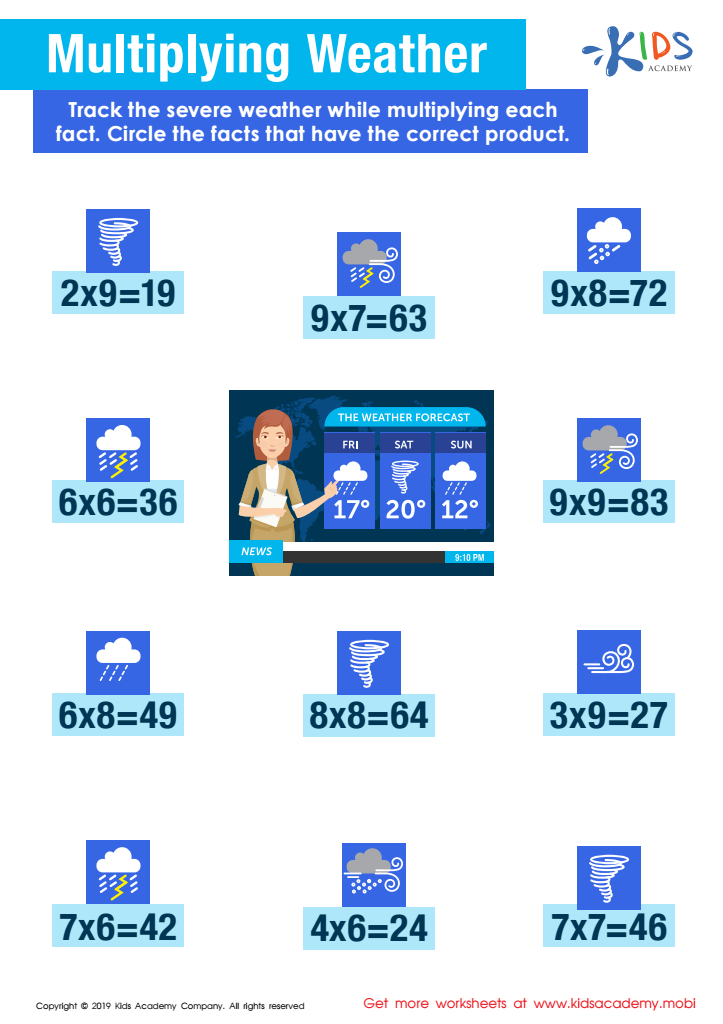
Multiplying Weather Worksheet
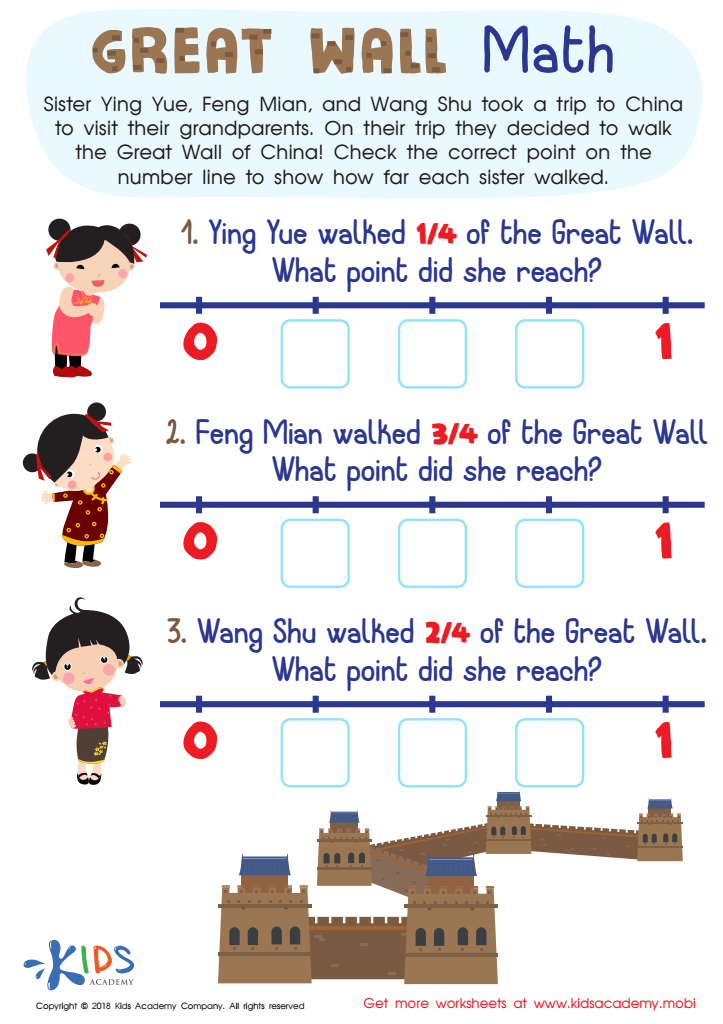
Great Wall Math Worksheet
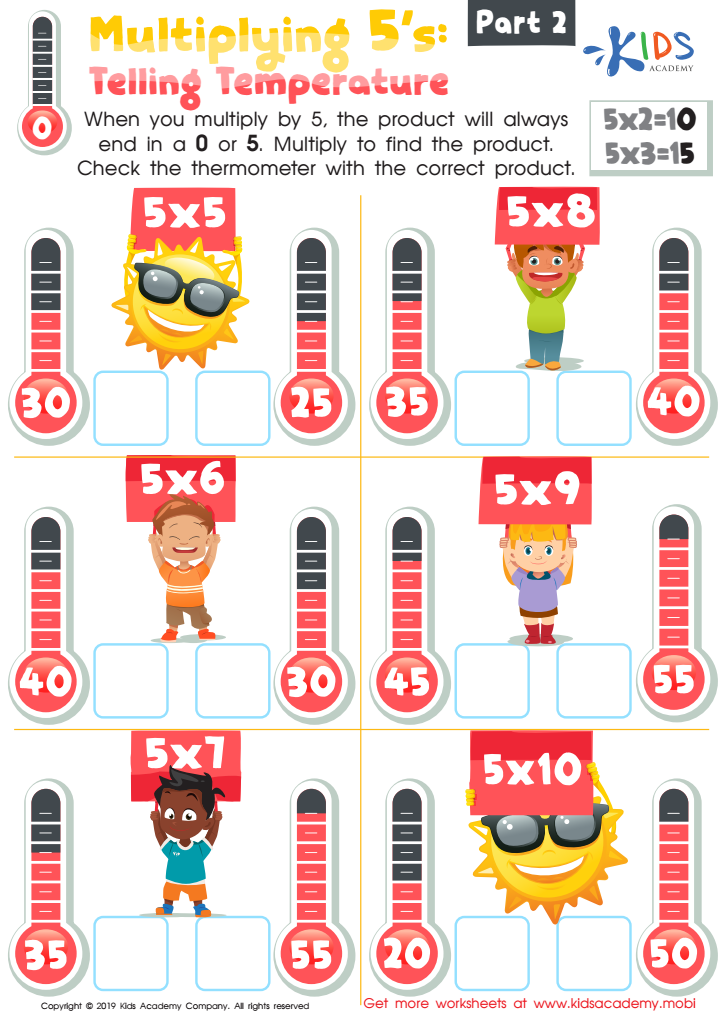
Multiplying 5’s: Telling Temperature Part 2 Worksheet
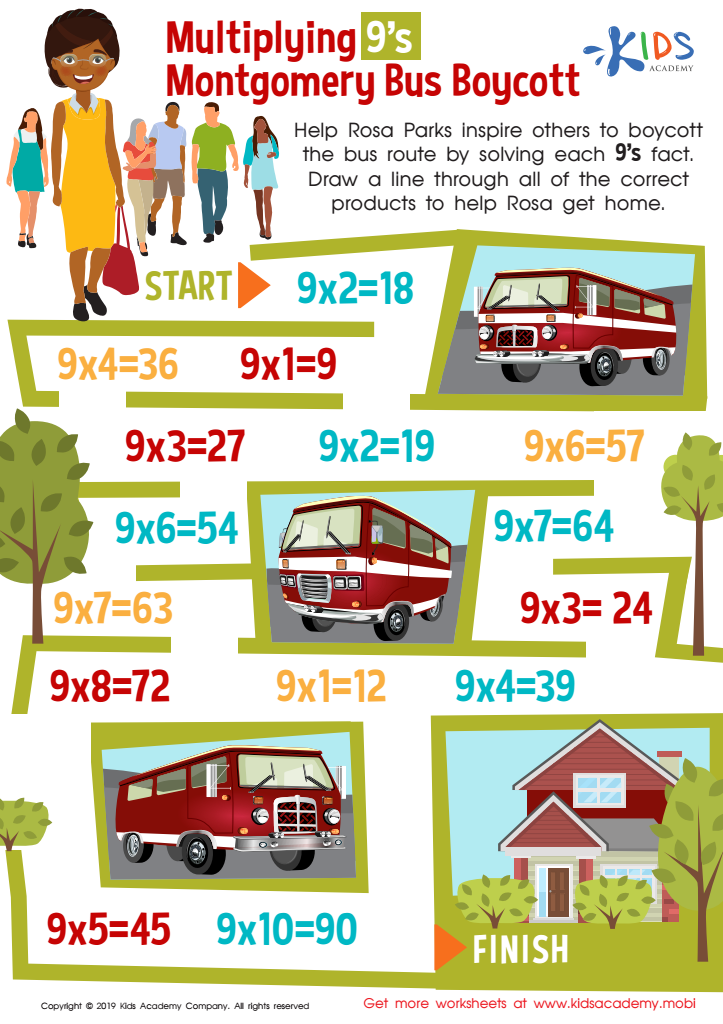
Multiplying 9’s Montgomery Bus Boycott Worksheet
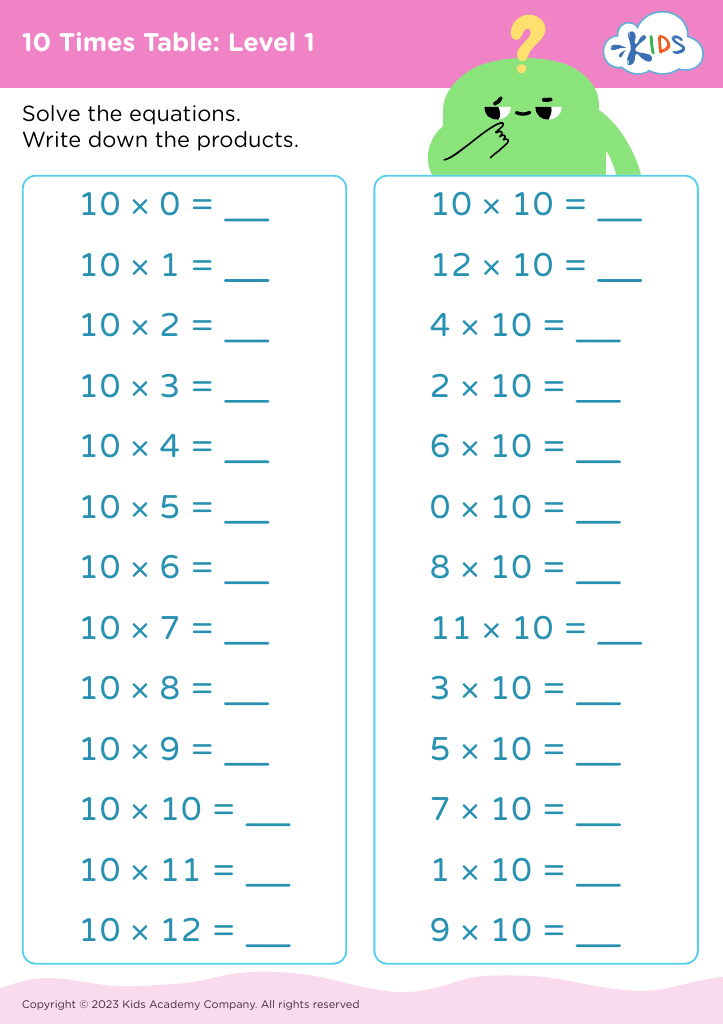
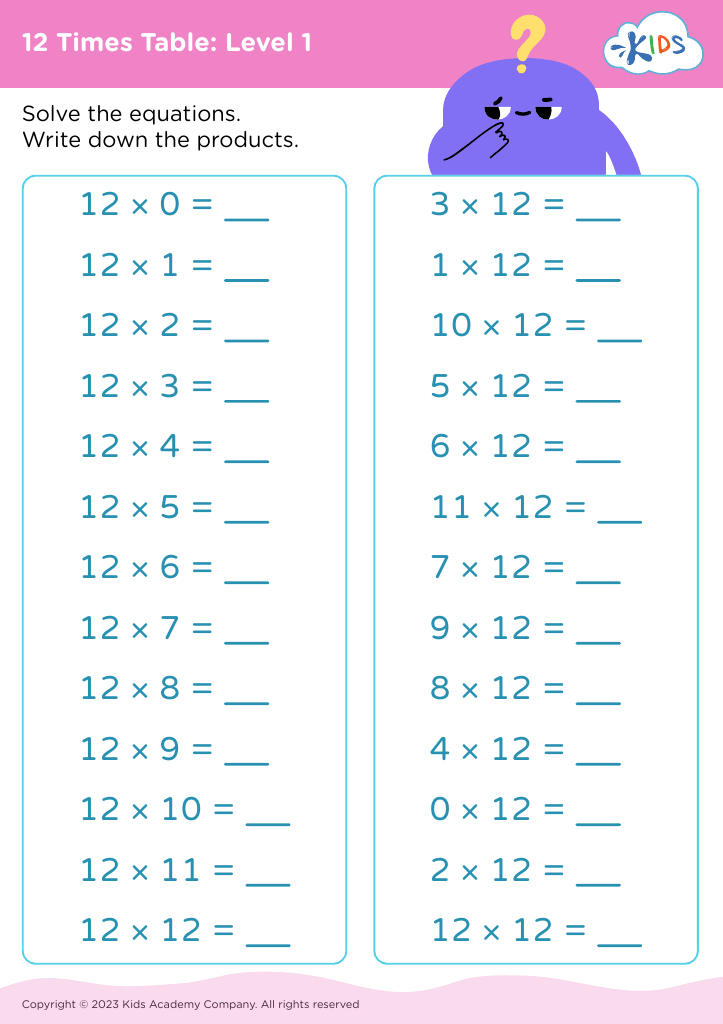
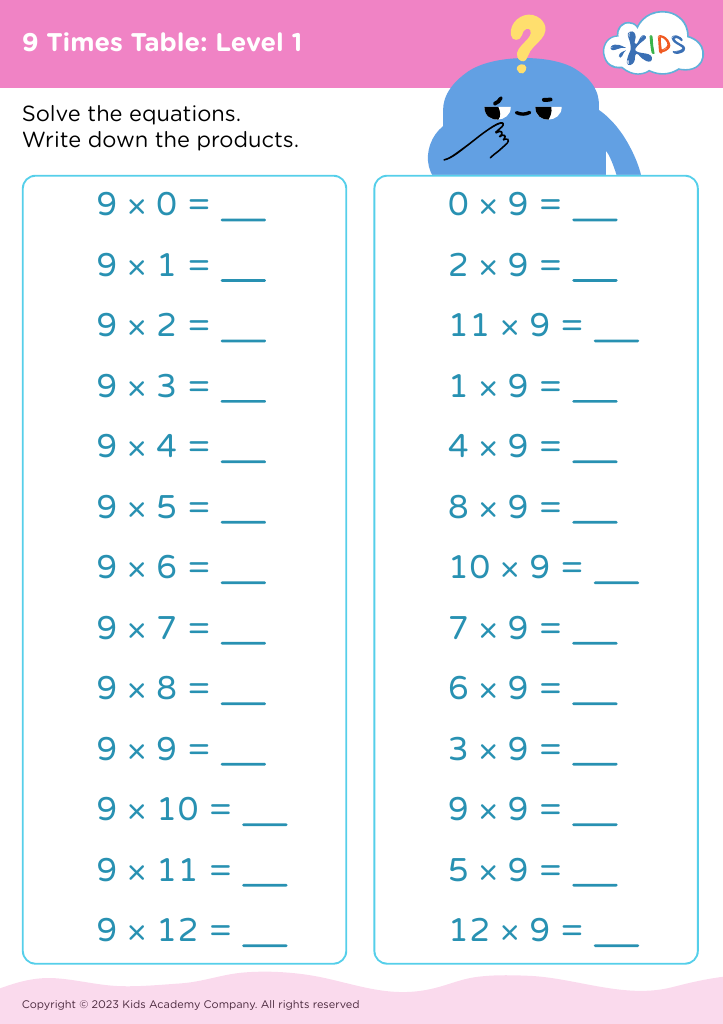








Understanding patterns in mathematics is crucial for children aged 7-8 as it forms a foundational skill that significantly enhances their overall math proficiency. At this developmental stage, children begin to notice relationships and structures in numbers, which is essential for grasping more complex math concepts later on. Recognizing patterns helps learners identify sequences and develop problem-solving skills, which are vital not only in math but across various subjects.
Parents and teachers should foster this understanding because it encourages critical thinking. For example, when children explore number patterns, they not only enhance their computational skills, but they also learn to predict outcomes, a skill that is beneficial in real-life situations. Furthermore, pattern recognition aids in developing algebraic thinking early on.
Engaging in pattern activities—including sorting, building sequences, or exploring visual patterns—makes mathematics more tangible and exciting, improving children's motivation and confidence. When learners realize the connection between math lessons and everyday experiences, it becomes less abstract and far more relatable. Ultimately, by prioritizing pattern understanding, adults can lay a strong mathematical foundation that empowers children to approach future learning with a greater sense of curiosity and enthusiasm.








