Visual discrimination Math Worksheets for Ages 7-8
9 filtered results
-
From - To
Enhance your child’s visual discrimination skills with our engaging math worksheets designed specifically for ages 7-8. These worksheets offer a fun and interactive way for young learners to identify patterns, shapes, and differences, essential for building strong foundational math skills. Each printable activity focuses on improving concentration and critical thinking, making math enjoyable and accessible. Perfect for classroom or at-home learning, our visual discrimination worksheets support children in developing their observational abilities while reinforcing key math concepts. Explore our diverse range of exercises to inspire a love for learning and help your child succeed in their educational journey!
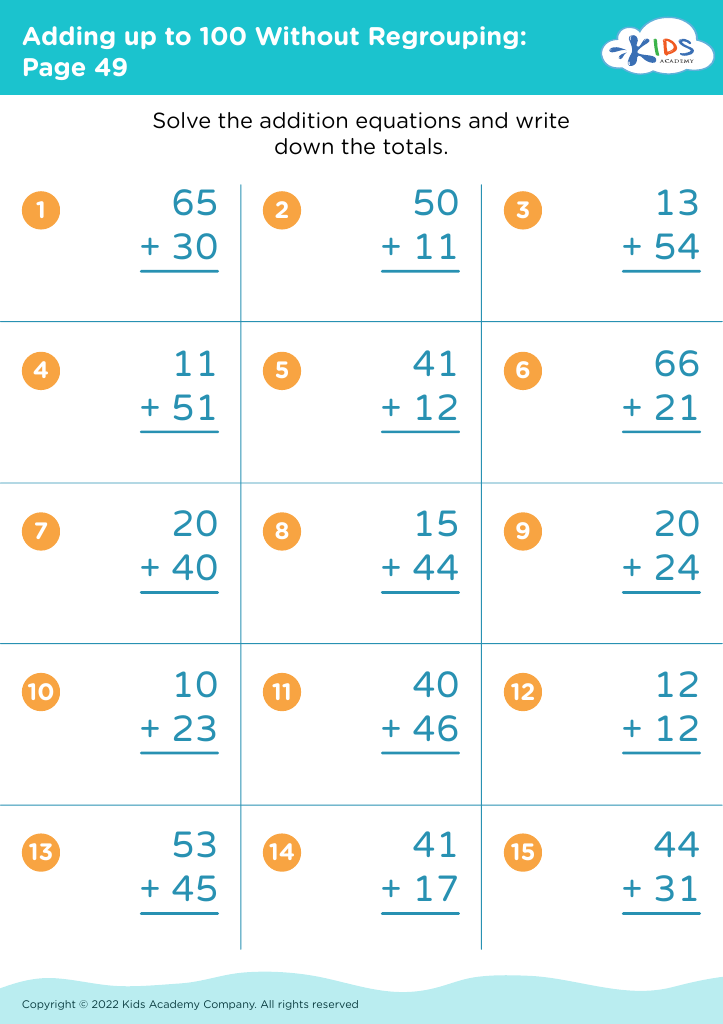
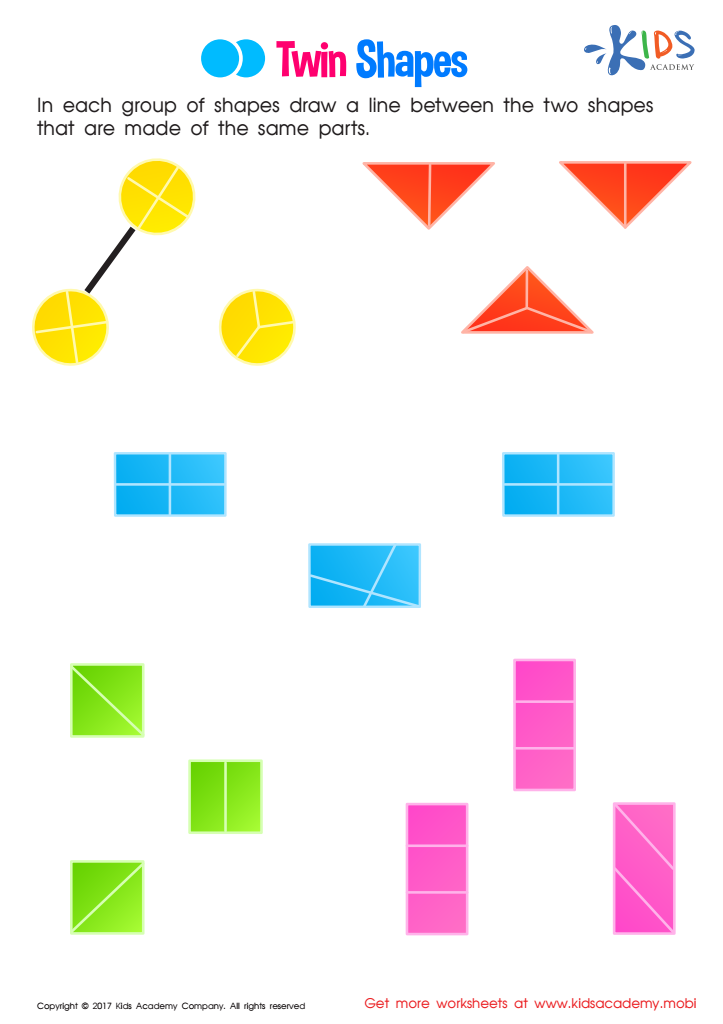
Twin Shapes Worksheet
 Assign to My Students
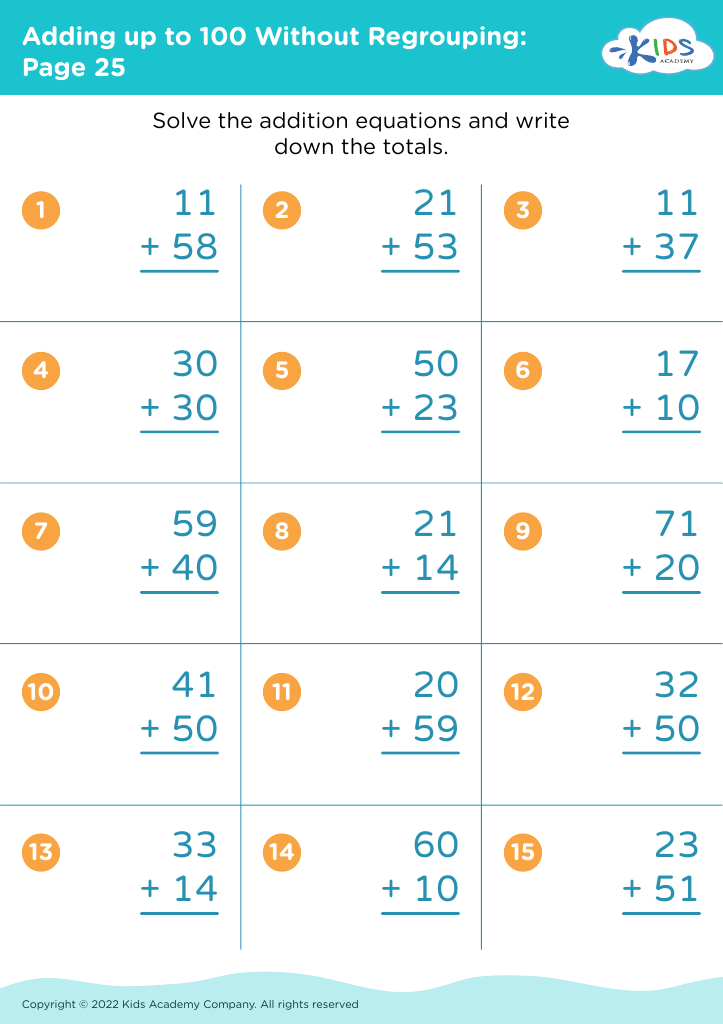
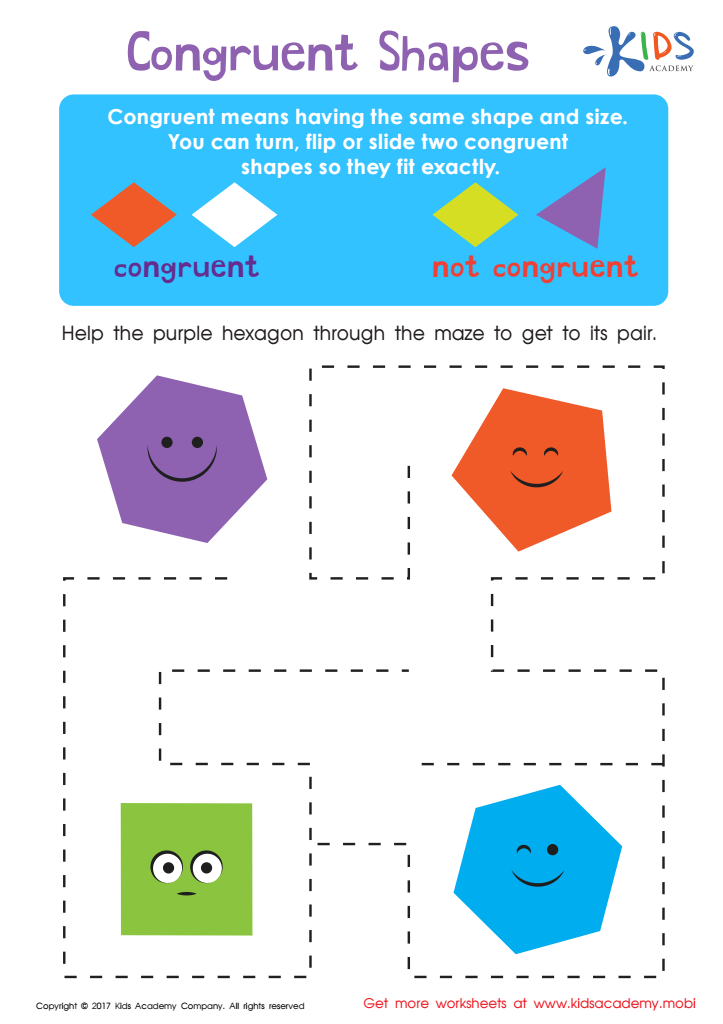
Congruent Shapes Worksheet
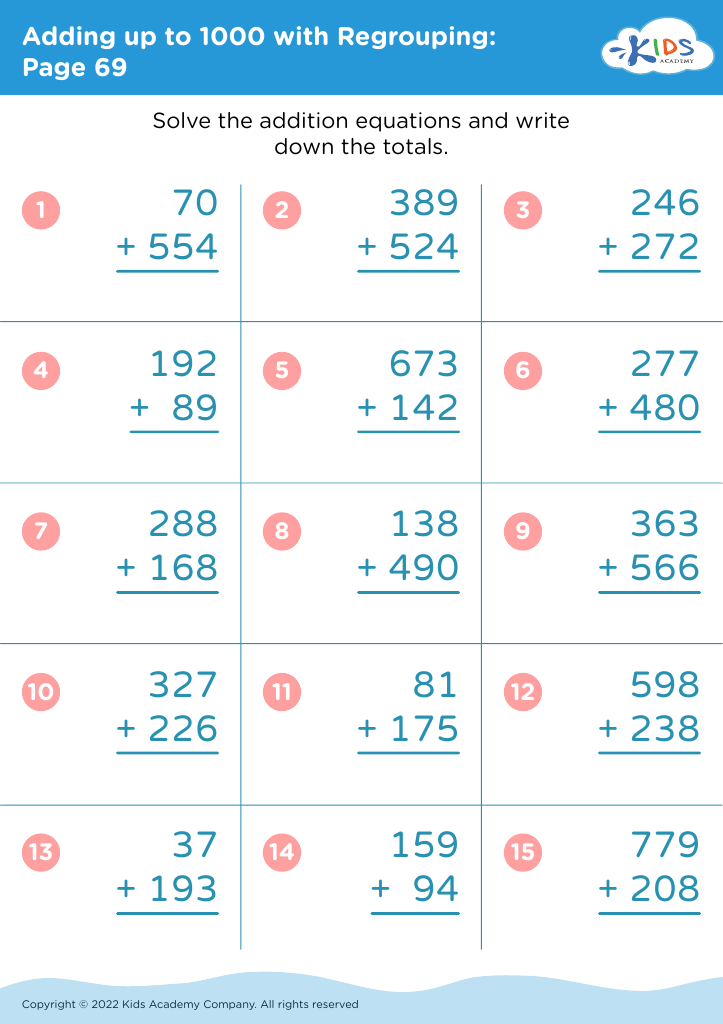
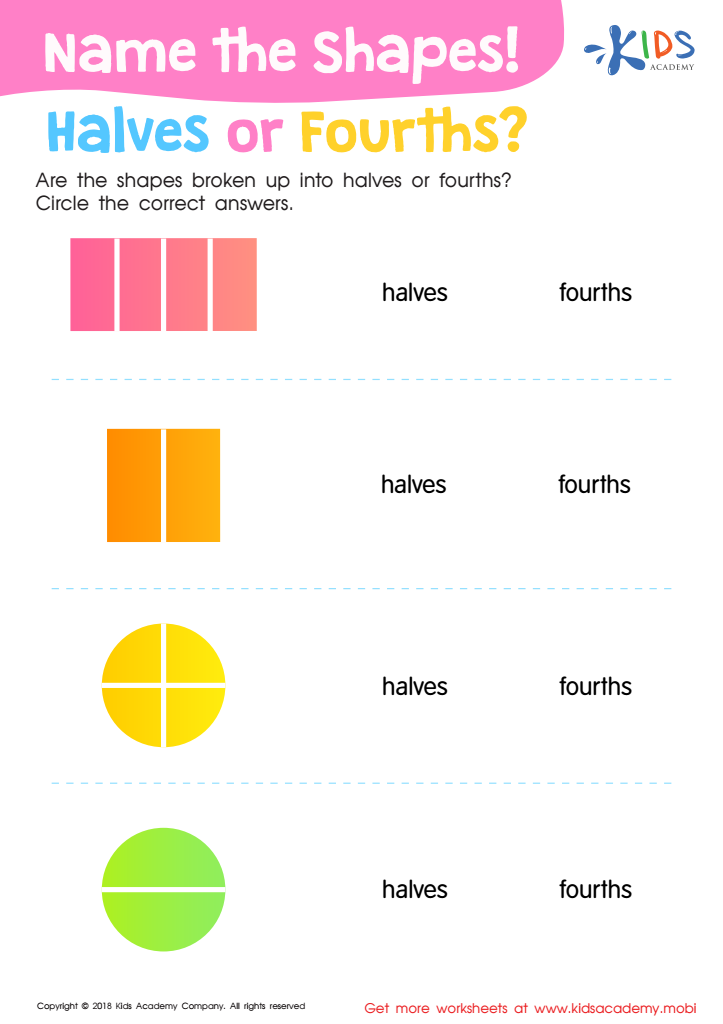
Name the Shapes Halves or Fourths? Worksheet
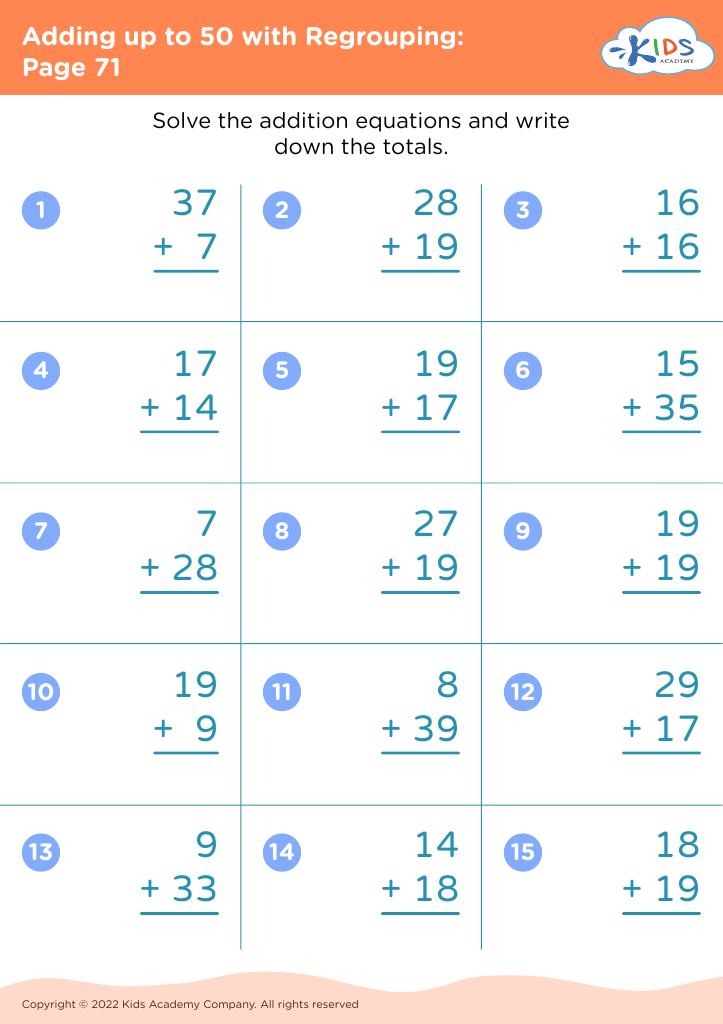
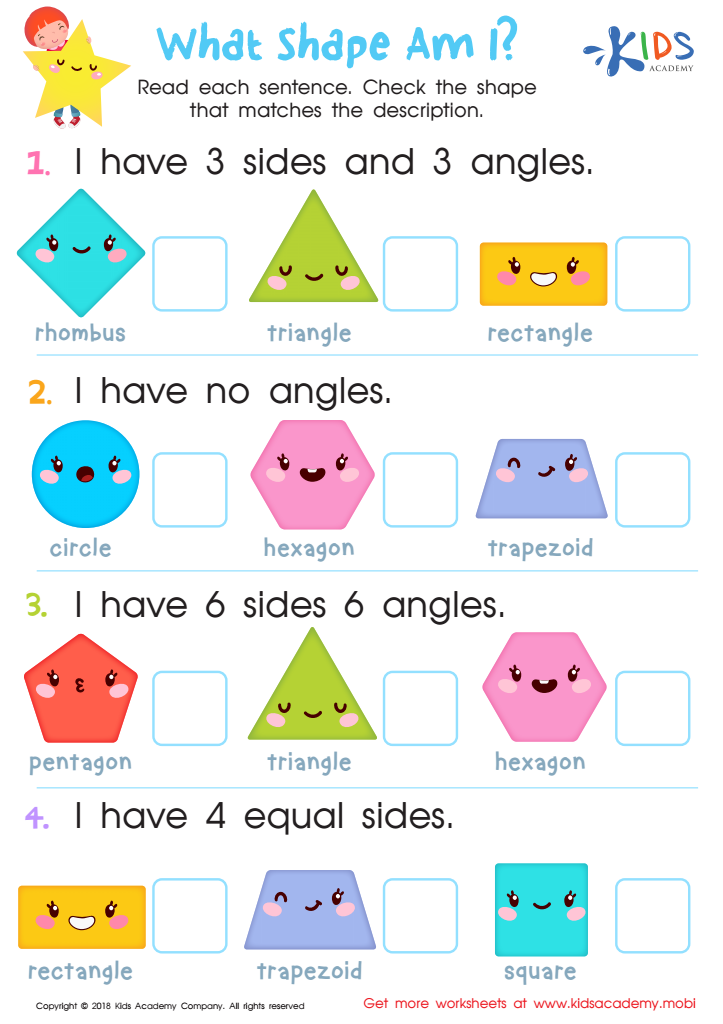
What Shape Am I? Worksheet
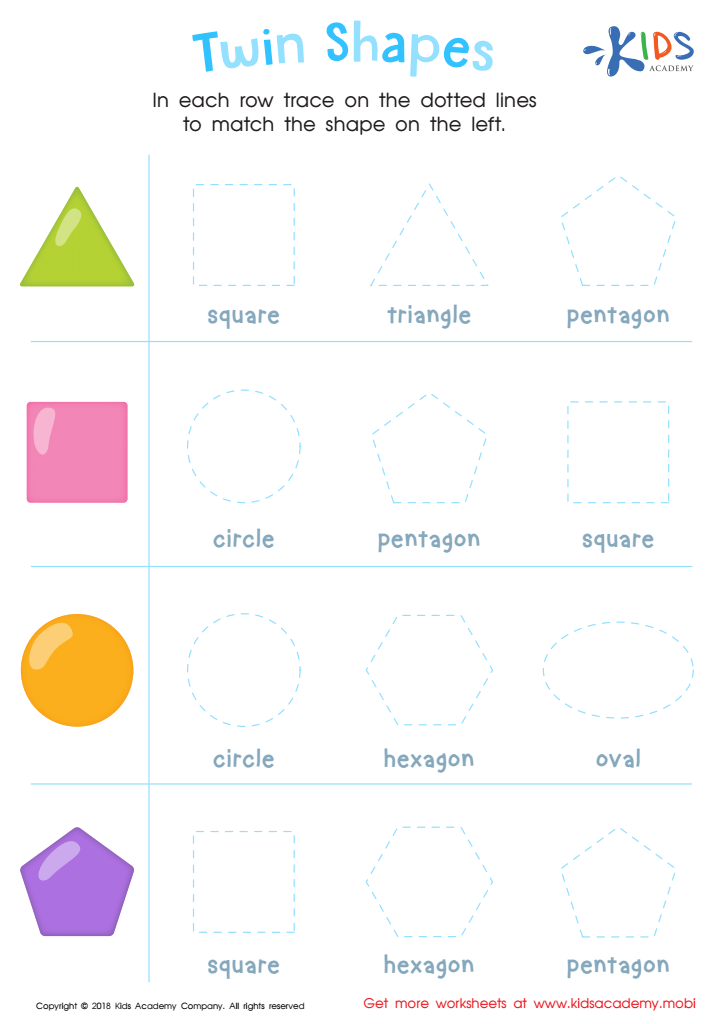
Twin Shapes Dot-to-Dot Worksheet








Visual discrimination is a crucial skill for children aged 7-8 during their math learning journey. At this age, students encounter increasingly complex mathematical concepts that require sharp observation and the ability to discern differences in shapes, sizes, patterns, and quantities. For instance, recognizing slight variances in numerical symbols or understanding the difference between similar geometric figures is essential for problem-solving and critical thinking.
Parents and teachers should be concerned about developing visual discrimination because it plays a foundational role in a child's ability to grasp basic arithmetic, geometry, and even later stages of algebra. Children with well-developed visual discrimination skills can more easily identify errors in their work and improve their reasoning abilities, leading to greater confidence in their mathematical skills.
Additionally, fostering these skills early on can enhance overall academic success, as visual discrimination also supports literacy development by aiding in letter and word recognition. Thus, incorporating activities like puzzles, sorting games, and visual memory exercises into daily learning not only makes math more enjoyable but also reinforces this essential cognitive skill. By prioritizing visual discrimination, parents and teachers can significantly contribute to a child’s mathematical proficiency and self-esteem.








