Critical Thinking Reading Worksheets for Ages 7-8
42 filtered results
-
From - To
Boost your child's comprehension skills with our expertly designed Critical Thinking Reading Worksheets for ages 7-8. These engaging printables aim to enhance critical thinking by encouraging young learners to analyze, interpret, and evaluate texts. Each worksheet presents thought-provoking questions and stimulating activities that promote deeper understanding while making reading fun. Perfect for classroom use or at-home practice, our worksheets help develop essential skills such as logical reasoning, drawing inferences, and understanding figurative language. Watch as your child's reading abilities flourish through these thoughtfully crafted tools, tailored specifically for curious minds eager to discover the depths of literature.
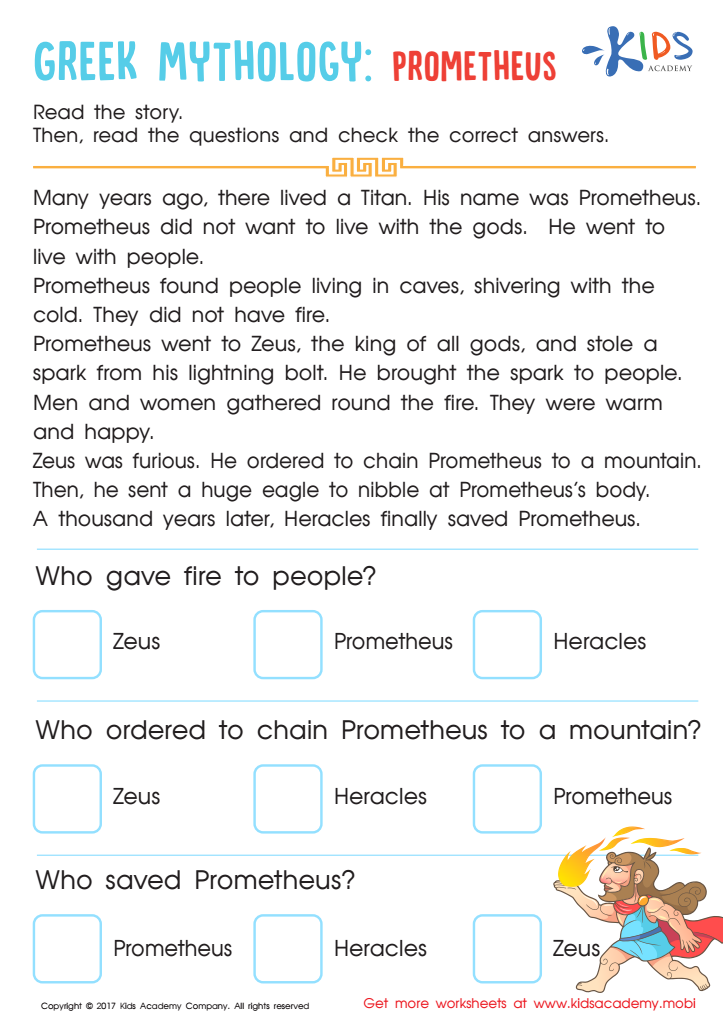
Prometheus Story Worksheet
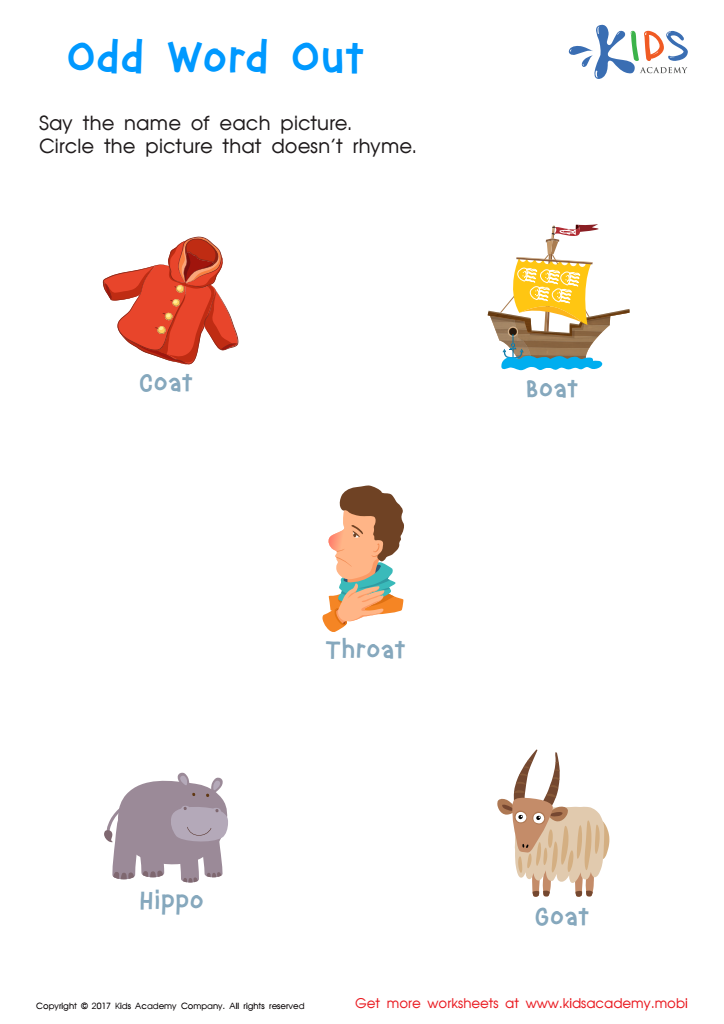
Odd Word Out Rhyming Worksheet
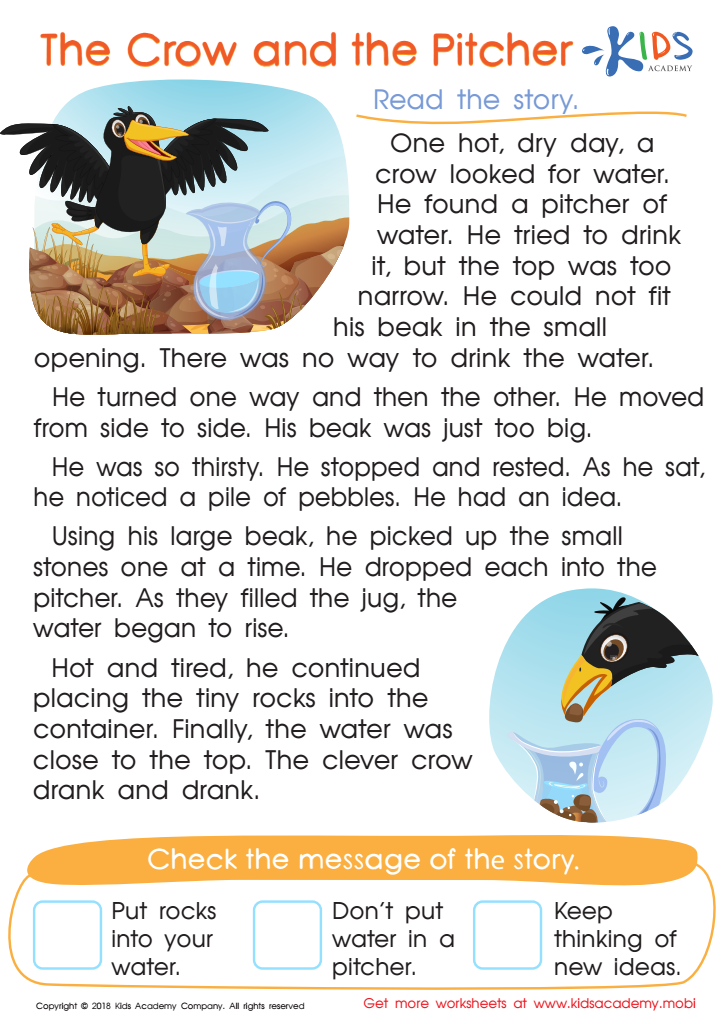
The Crow and the Pitcher Worksheet
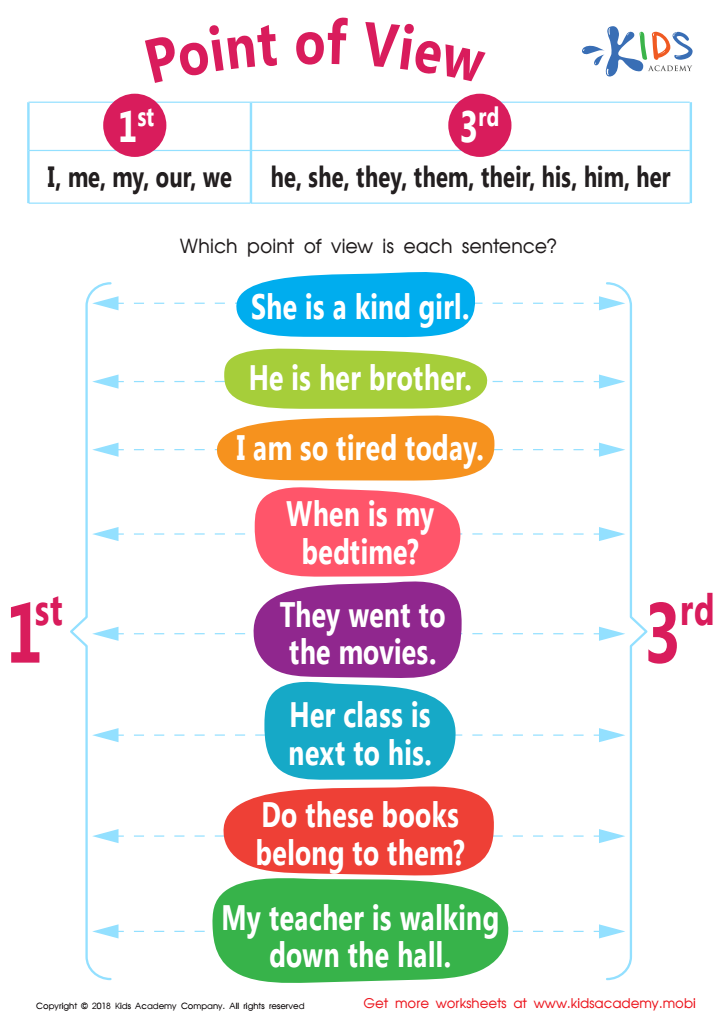
Point of View Worksheet
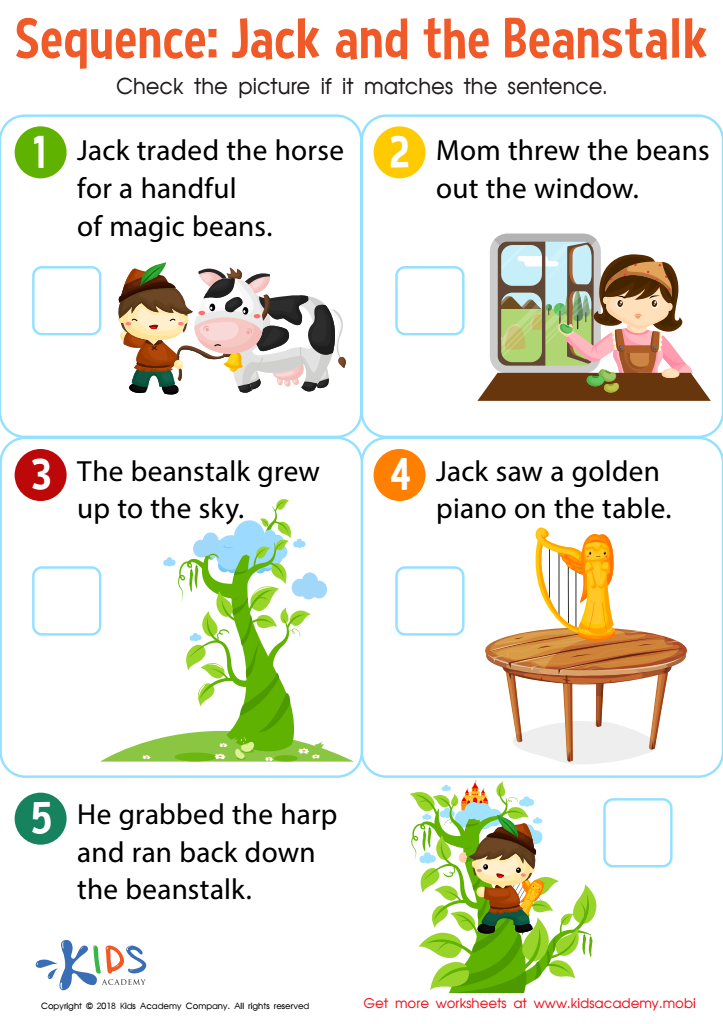
Sequence: Jack and The Beanstalk Worksheet
Folktales Printable PDF Worksheet: The 3 Little Pigs
 Assign to My Students
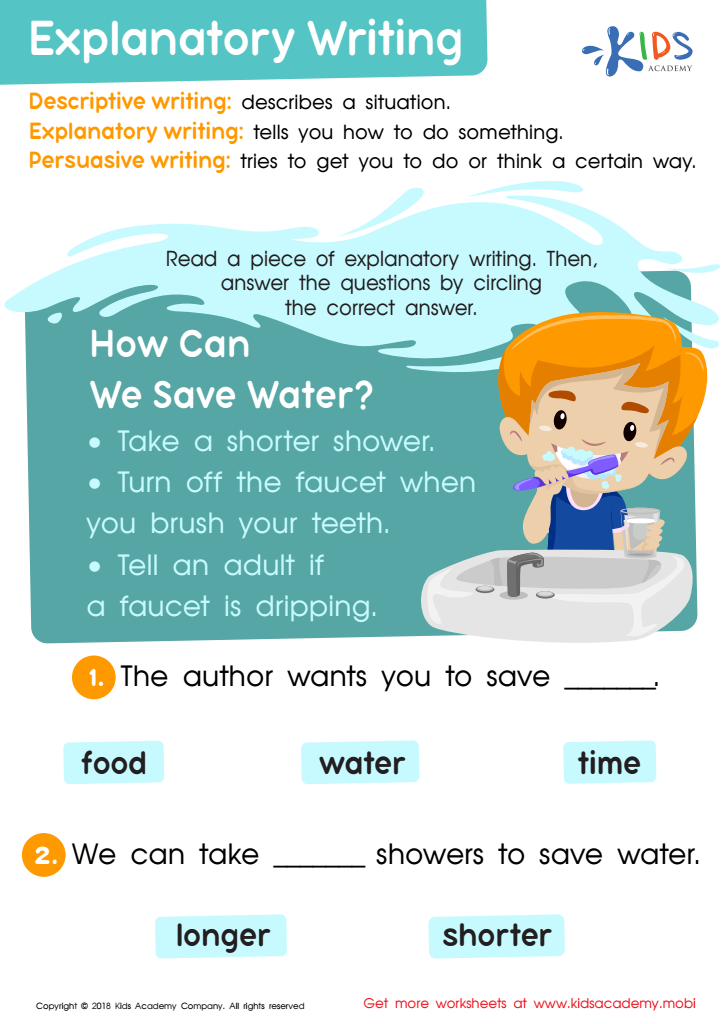
Explanatory Writing Worksheet
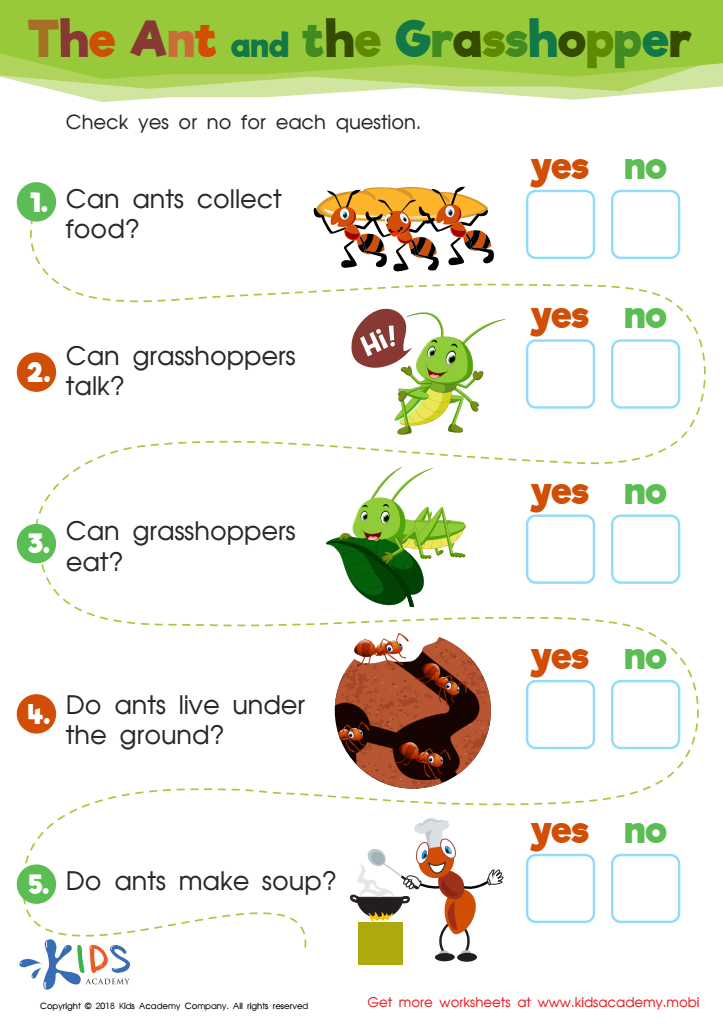
The Ant and The Grasshopper Worksheet

Native American Word Search Printable
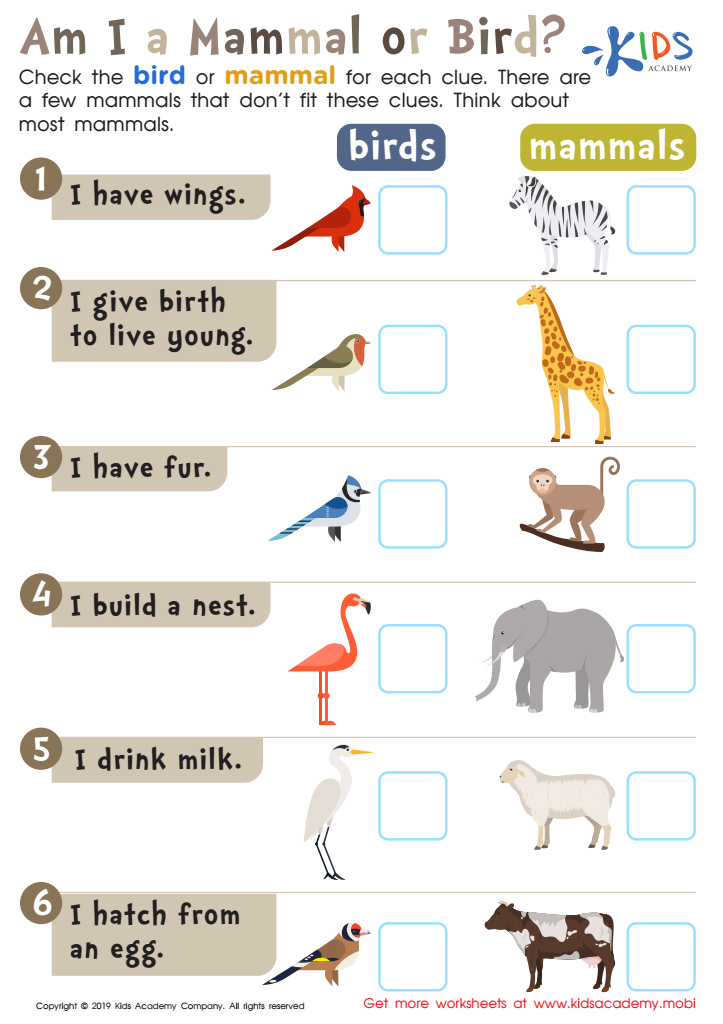
Am I a Mammal or Bird? Worksheet
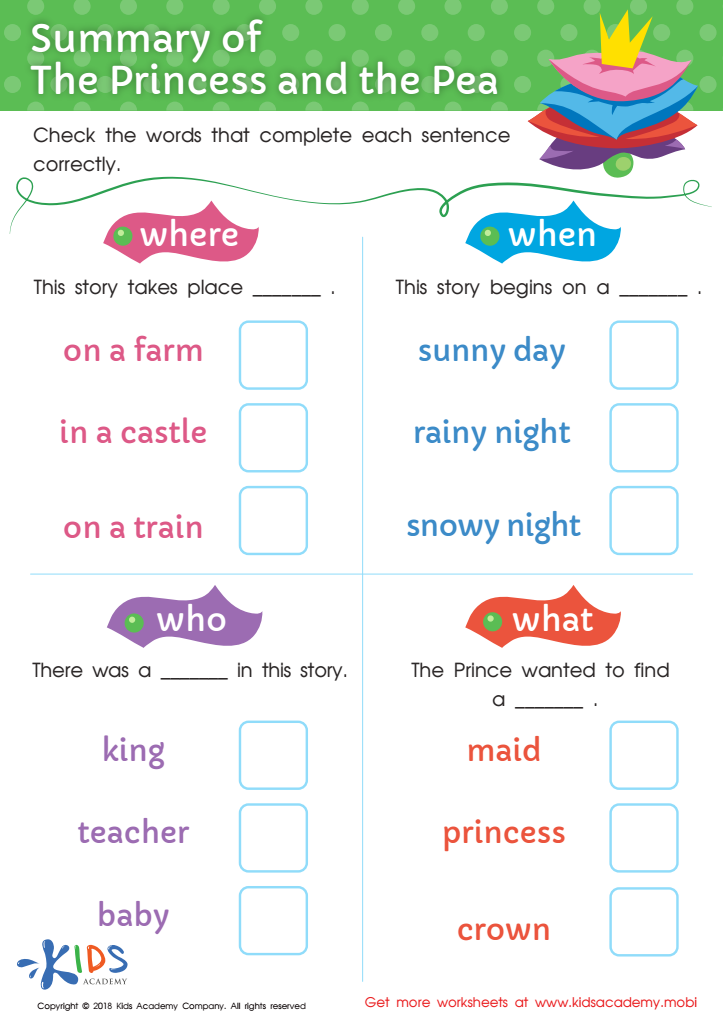
The Summary of the Princess and the Pea Worksheet
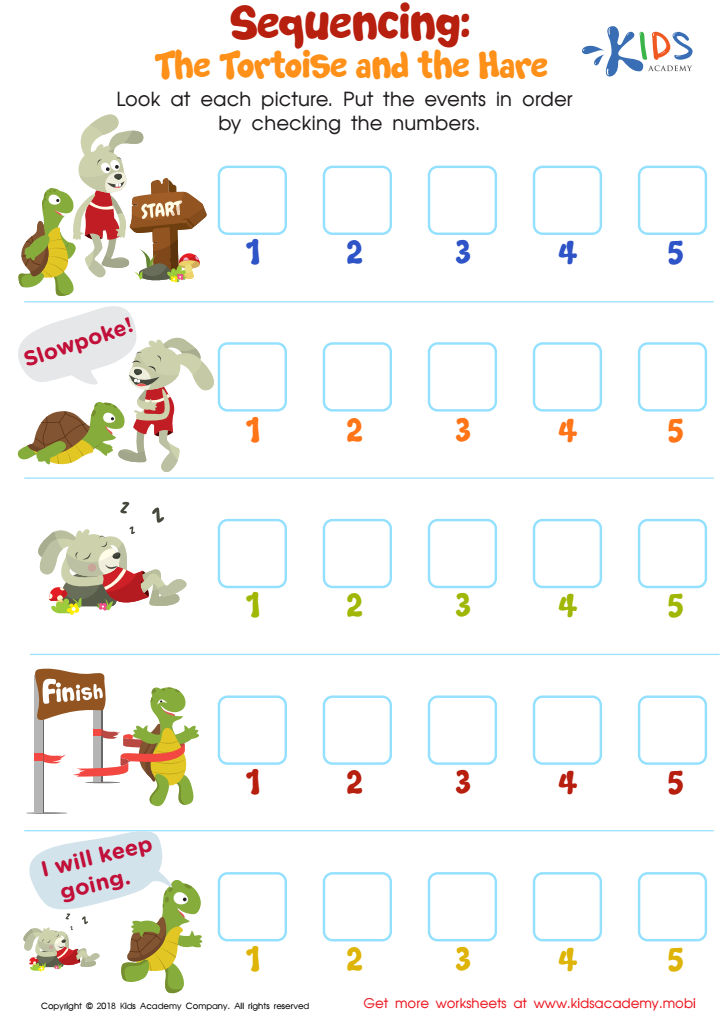
Sequencing: The Tortoise and the Hare Worksheet
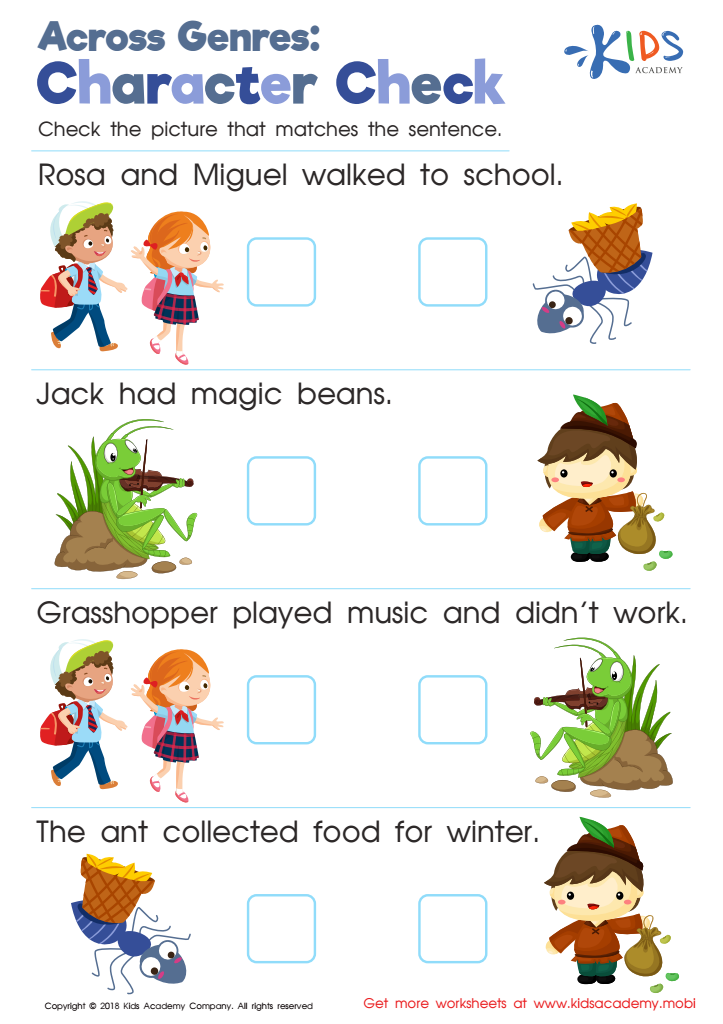
Across Genres: Character Check Worksheet
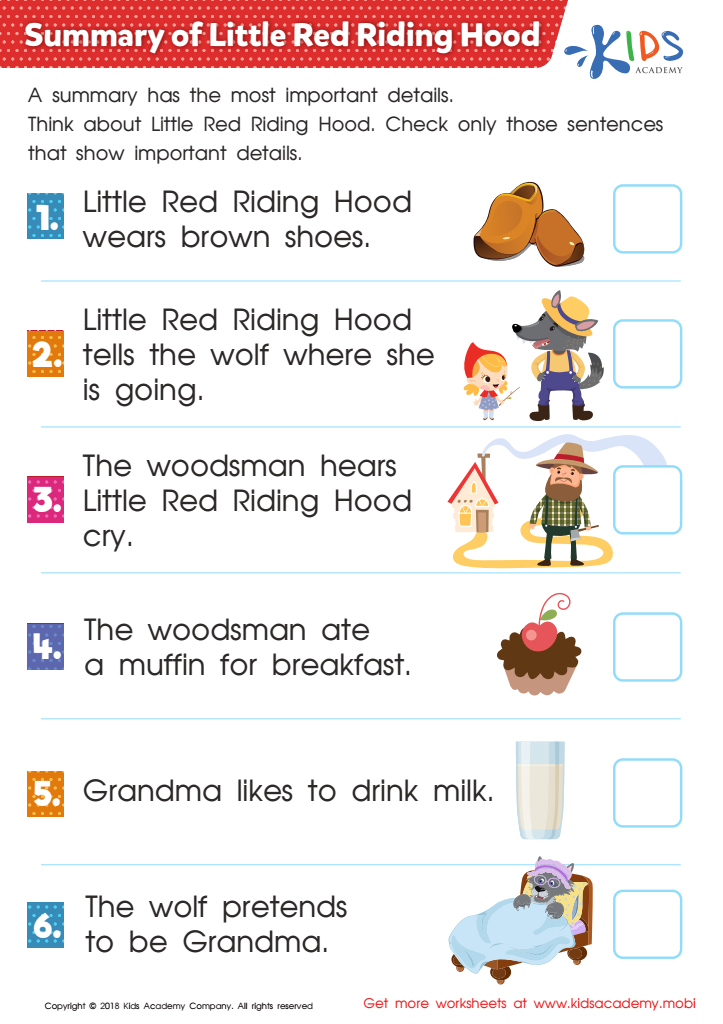
Summary of Little Red Riding Hood Worksheet
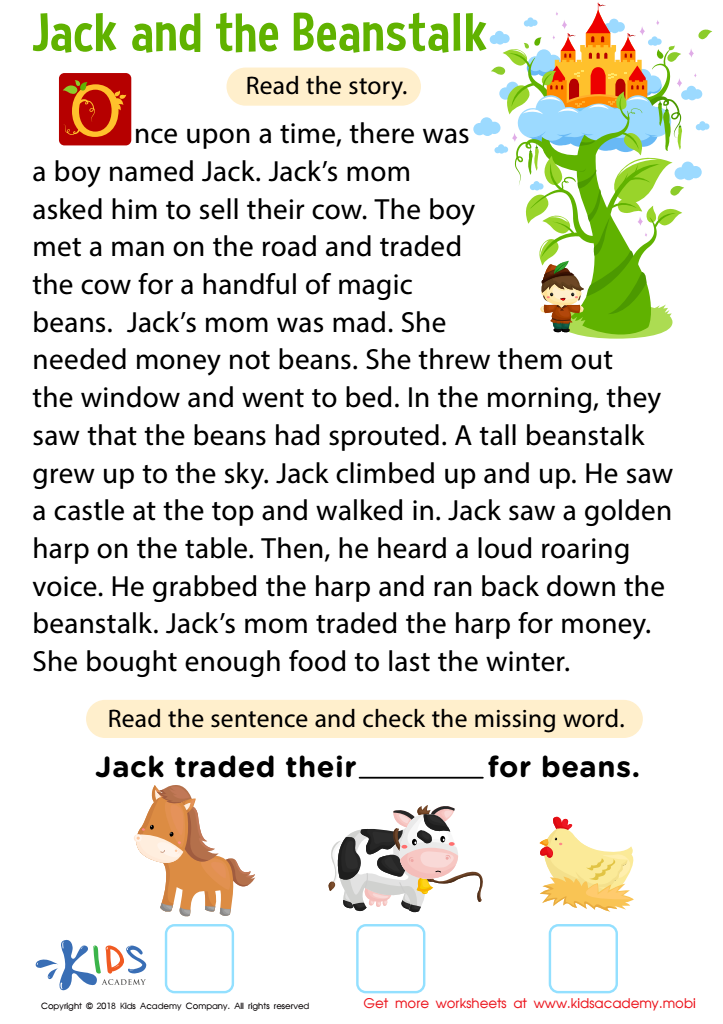
Jack and Beanstalk Worksheet
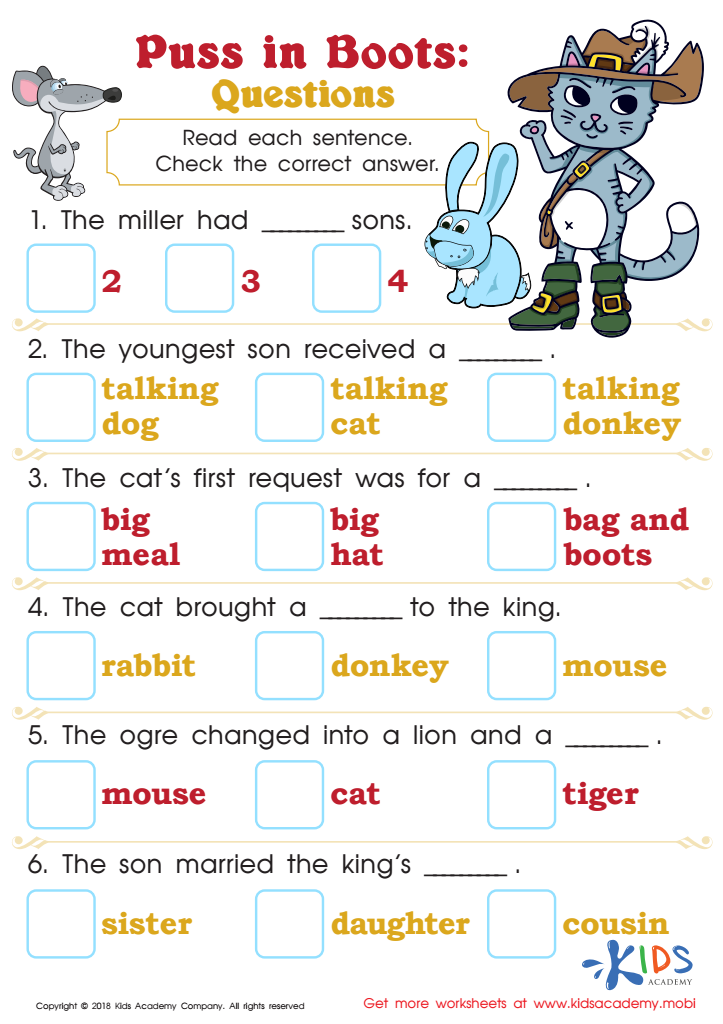
Puss in Boots: Questions Worksheet
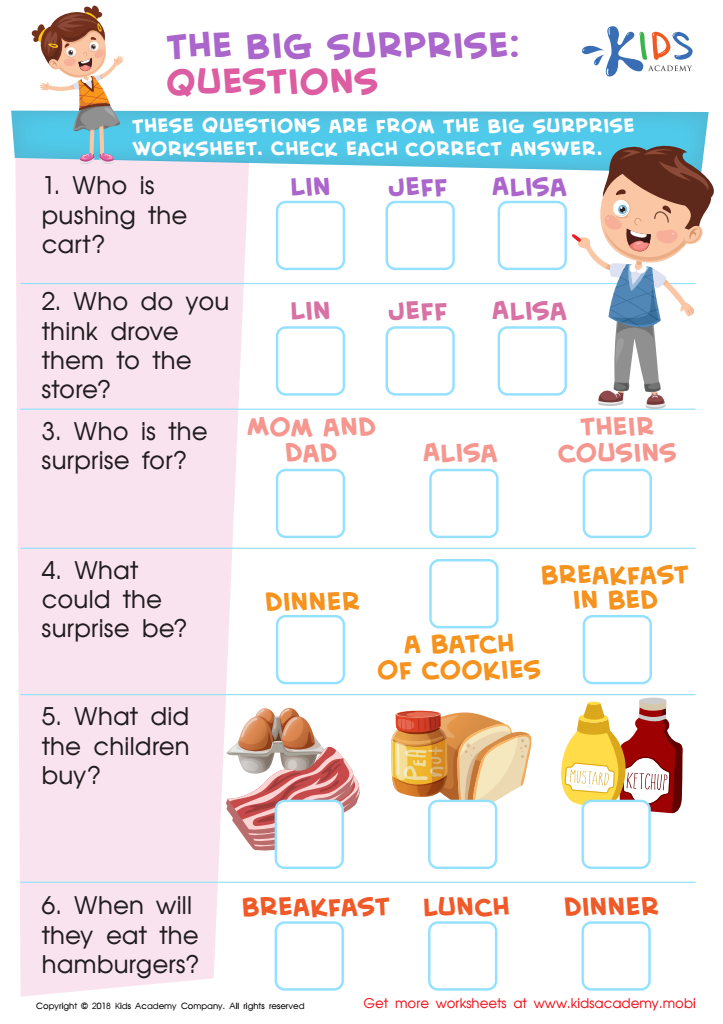
The Big Surprise: Questions Worksheet
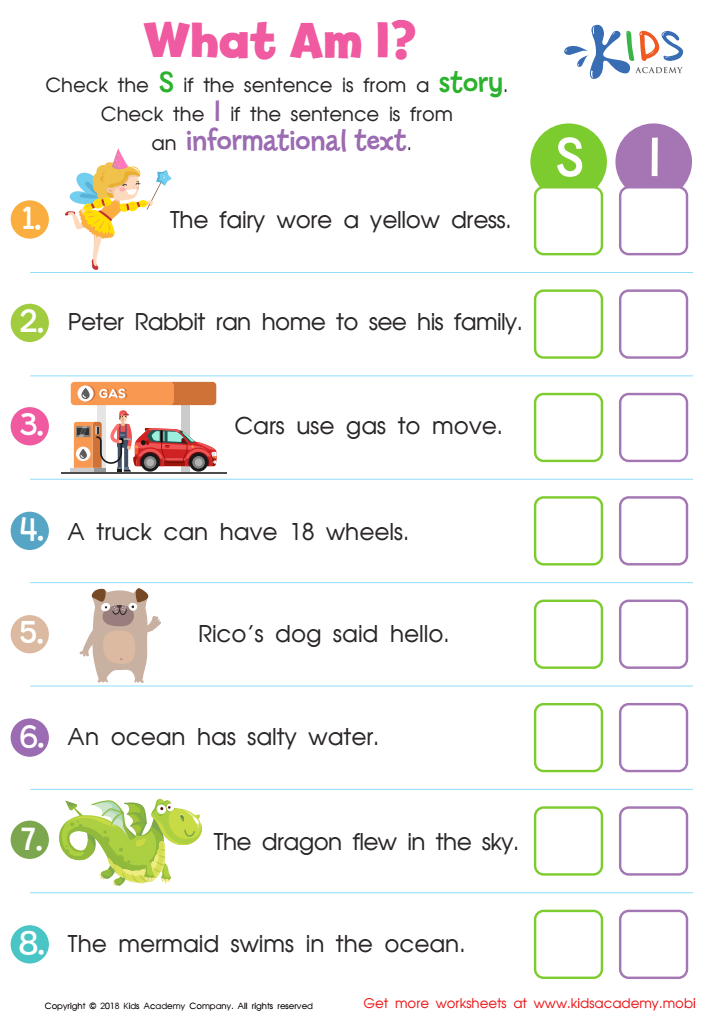
What Am I? Worksheet
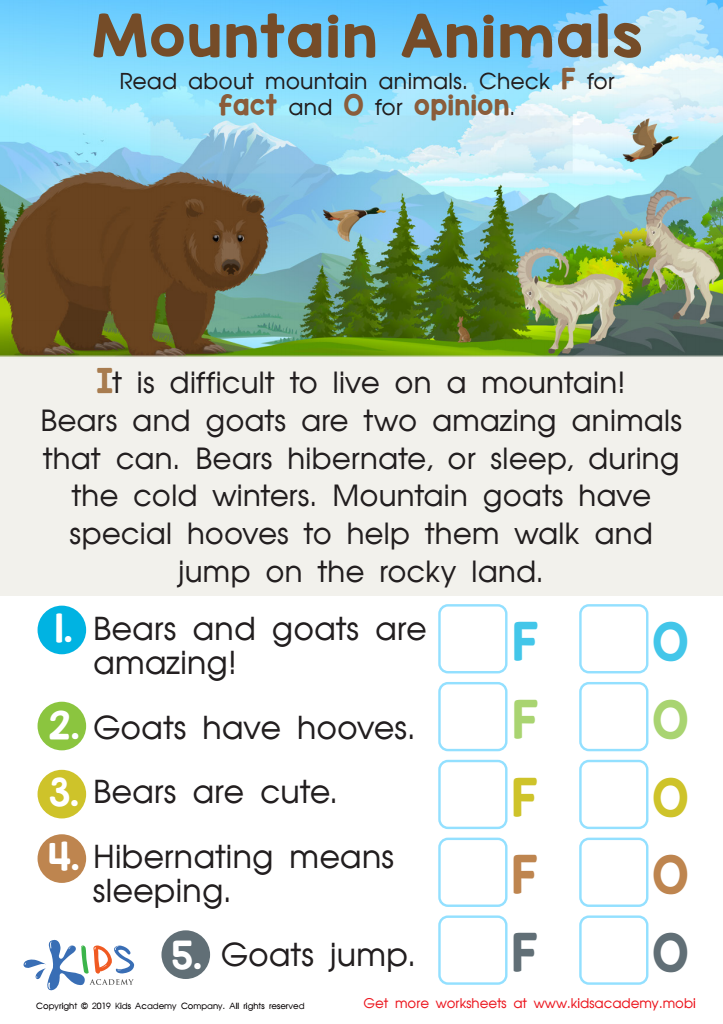
Mountain Animals Worksheet
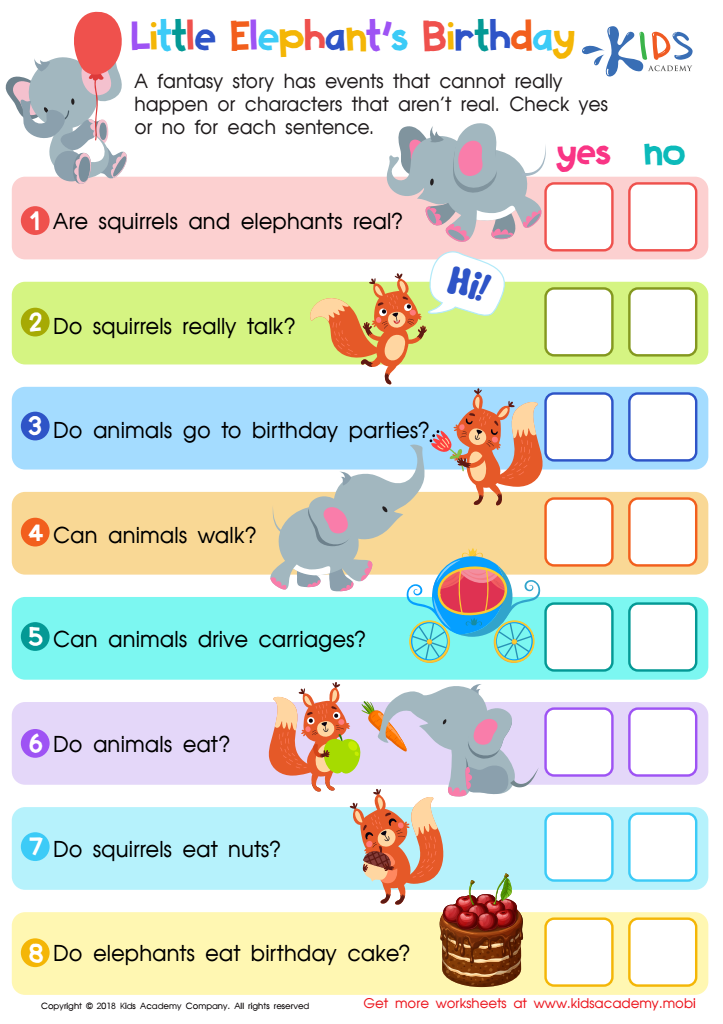
Little Elephant's Birthday Worksheet
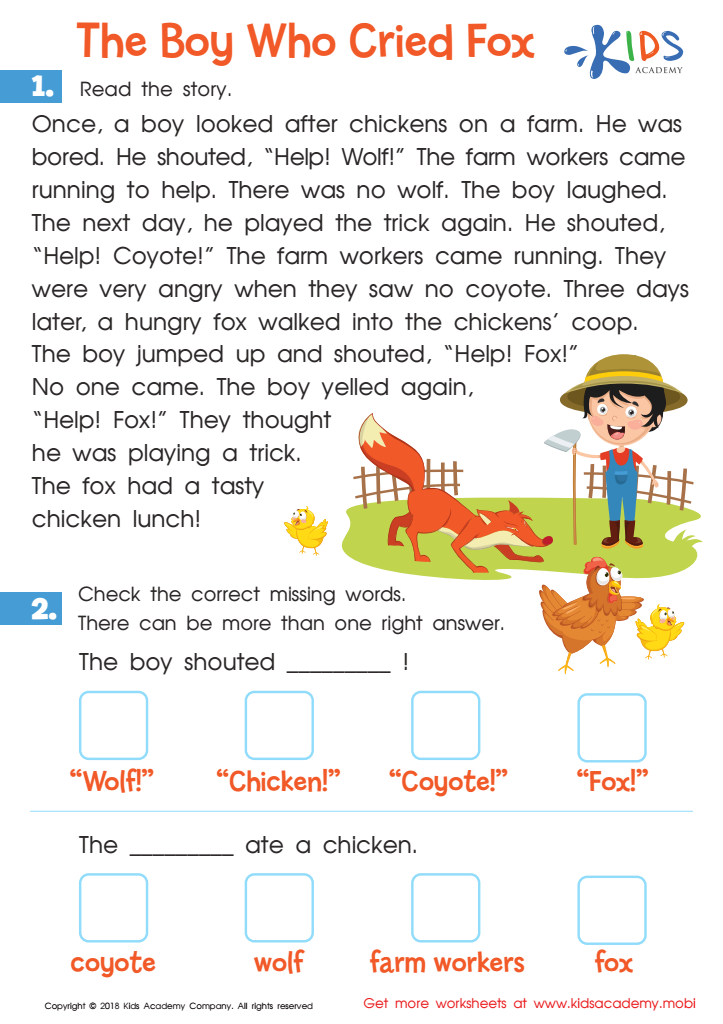
The Boy Who Cried Fox Worksheet
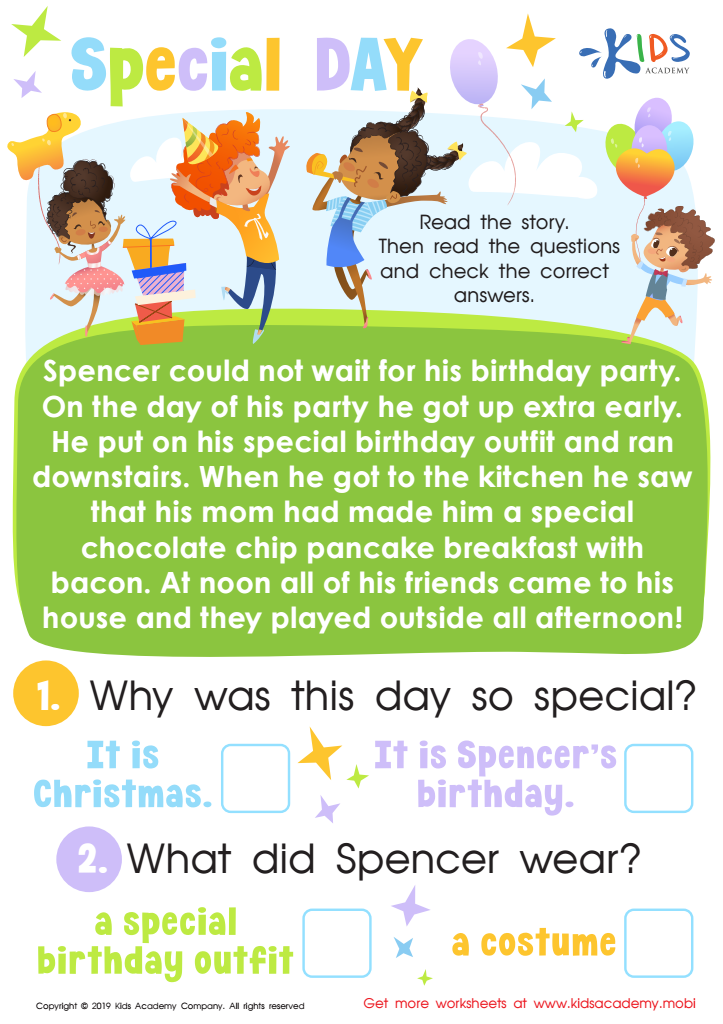
Special Day Worksheet

Traditional Music Worksheet
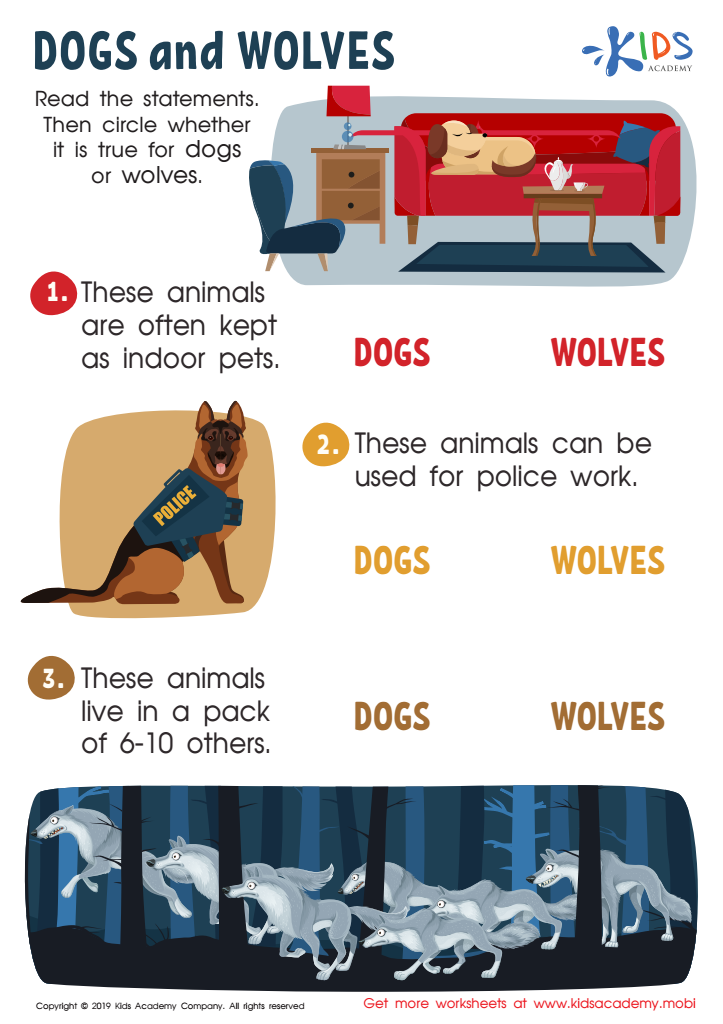
Dogs and Wolves Worksheet








Parents and teachers play a pivotal role in cultivating critical thinking skills in children aged 7-8 through reading. At this developmental stage, children transition from basic reading skills to deeper comprehension and analytical thinking. Introducing critical thinking skills harnesses their natural curiosity and encourages them to question and reflect on the text, rather than passively absorbing information.
Critical thinking reading reinforces cognitive development by prompting children to make inferences, identify themes, and draw connections between the text and their own experiences. This not only improves their understanding of the material but also enhances memory retention and promotes problem-solving abilities. By engaging with challenging questions and diverse perspectives, young readers become more adaptable and creative thinkers.
Moreover, fostering critical thinking through reading builds a foundation for lifelong learning. It prepares children for complex subjects they will encounter in higher grades, encourages them to be skeptical of information, and equips them with essential skills to navigate an increasingly information-rich world.
Involving both parents and teachers in this process creates a supportive learning environment. Parents can reinforce these skills at home, while teachers can provide structured opportunities for practice in the classroom. Together, they can nurture confident, thoughtful, and independent readers ready to face future academic and life challenges.








