
Understanding patterns Reading Worksheets for Ages 7-8
4 filtered results
Difficulty Level
Grade
Age
-
From - To
Subject
Activity
Standards
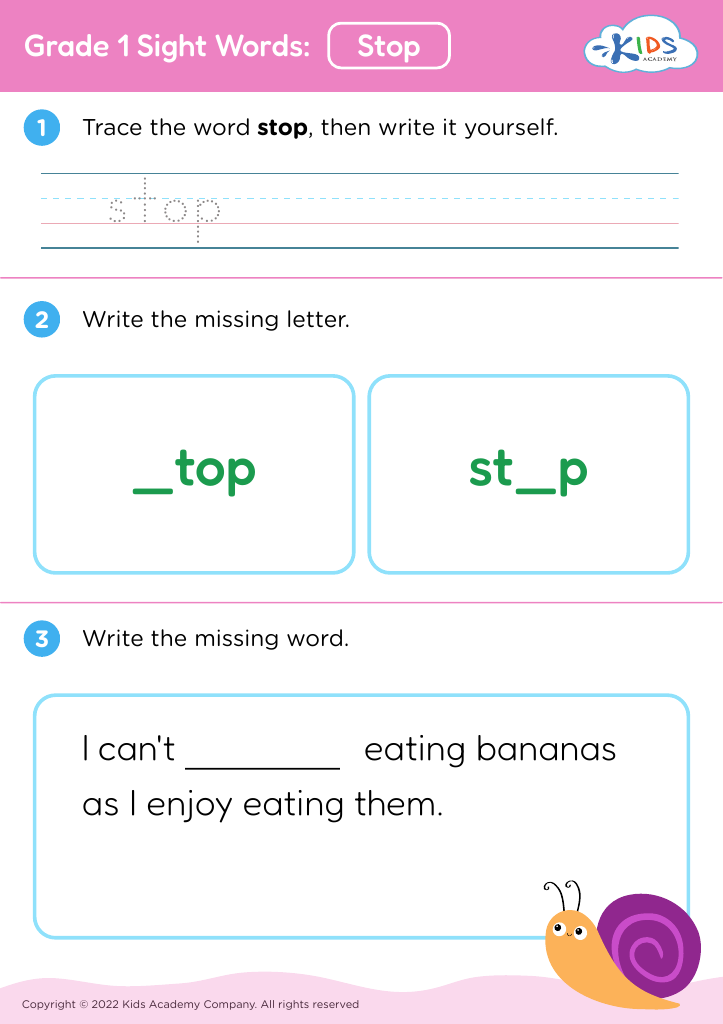
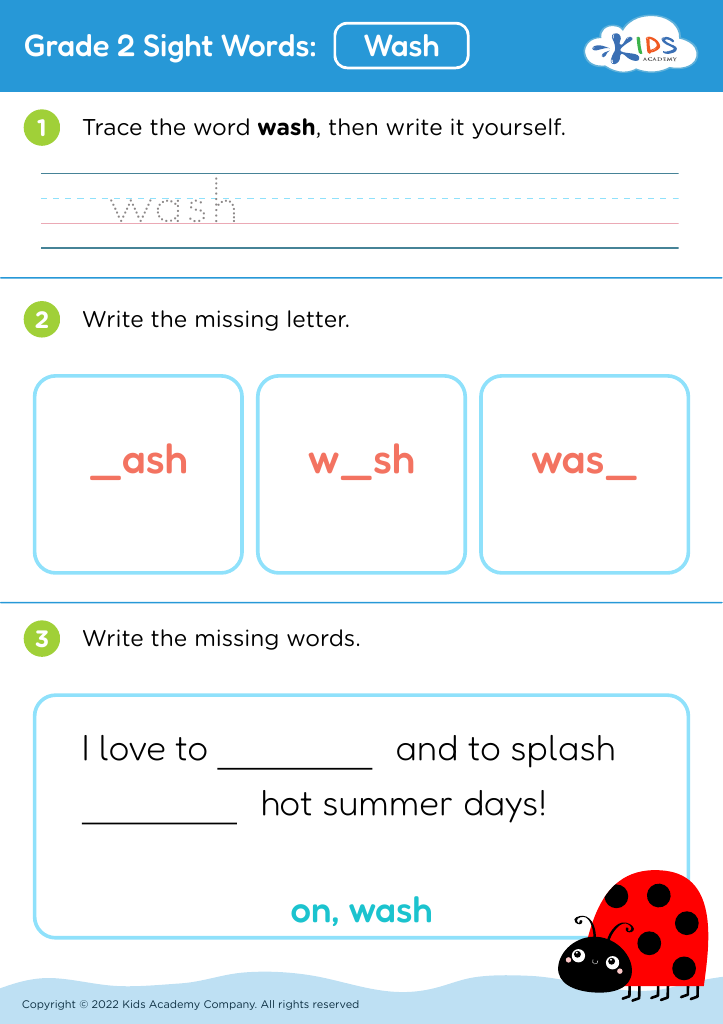
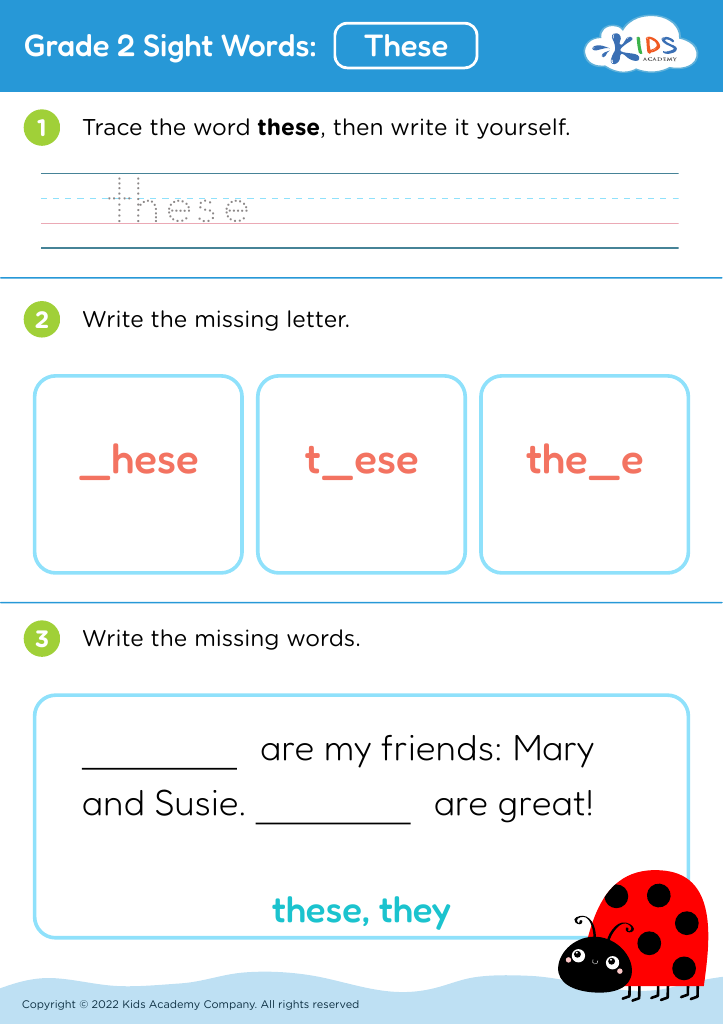
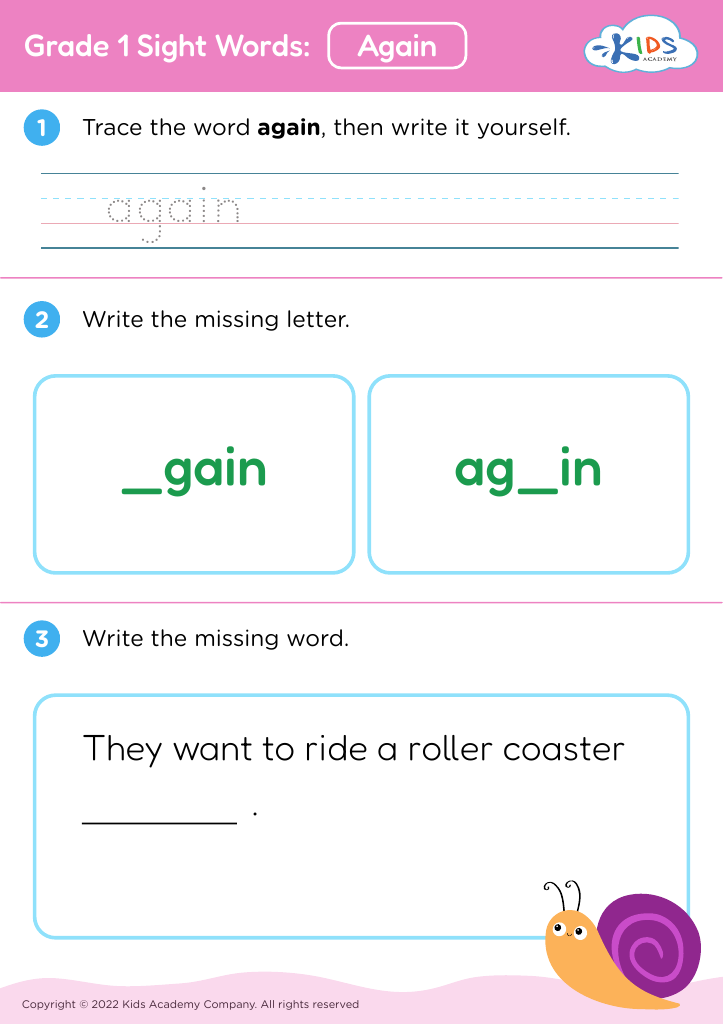
Our "Understanding Patterns Reading Worksheets for Ages 7-8" are designed to enhance your child's reading and comprehension skills through fun and engaging activities. These worksheets help young learners recognize and understand patterns within text, boosting their critical thinking and problem-solving abilities. By identifying sequences and predicting outcomes, students build a strong foundation for advanced reading skills. Each worksheet is thoughtfully crafted by educational experts to align with curriculum standards and make learning enjoyable. Perfect for classroom use or at-home practice, these resources ensure that children not only improve their reading proficiency but also add joy to their learning journey.
Favorites
With answer key
Interactive
Join Kids Academy for Free
Who is primarily going to use this learning content?





Understanding patterns is a crucial component in the intellectual development of children aged 7-8 and has profound implications in both reading and broader academic success. Patterns help children make predictions, understand sequentially occurring events, and recognize logical order, which are essential skills in reading and comprehension.
When children can identify patterns in stories, such as recurring themes, plots, or character behaviors, they become more active readers. They make predictions about what might happen next and better understand how different parts of the story relate to each other. This comprehension boosts their confidence and motivates them to read more.
Moreover, pattern recognition is a foundational skill embedded in other subjects like mathematics and science. For instance, spotting patterns helps in solving math problems and understanding scientific concepts, fostering a more rounded intellectual capability.
Teachers and parents should care about teaching pattern recognition because it cultivates critical thinking and problem-solving skills. Activities such as rhyming games, sequence puzzles, and analysis of story structures enhance these skills. By engaging with patterns, children learn to piece together information methodically, make educated guesses, and build a more assertive relationship with reading. These abilities form the backbone for their future academic journeys, making pattern recognition a vital area of focus during these formative years.








