Understanding Sequences Reading Worksheets for Ages 7-8
3 filtered results
-
From - To
Unlock your child's reading potential with our Understanding Sequences Reading Worksheets, specifically designed for ages 7-8! These engaging worksheets help young learners develop critical reading comprehension skills by focusing on the importance of sequences in stories and information. Through fun activities and relatable examples, children will practice identifying the order of events and enhance their ability to retell stories accurately. Ideal for home or classroom use, these worksheets also foster critical thinking and boost confidence in young readers. Empower your child’s journey in literacy with our thoughtfully crafted educational resources tailored for their developmental needs!
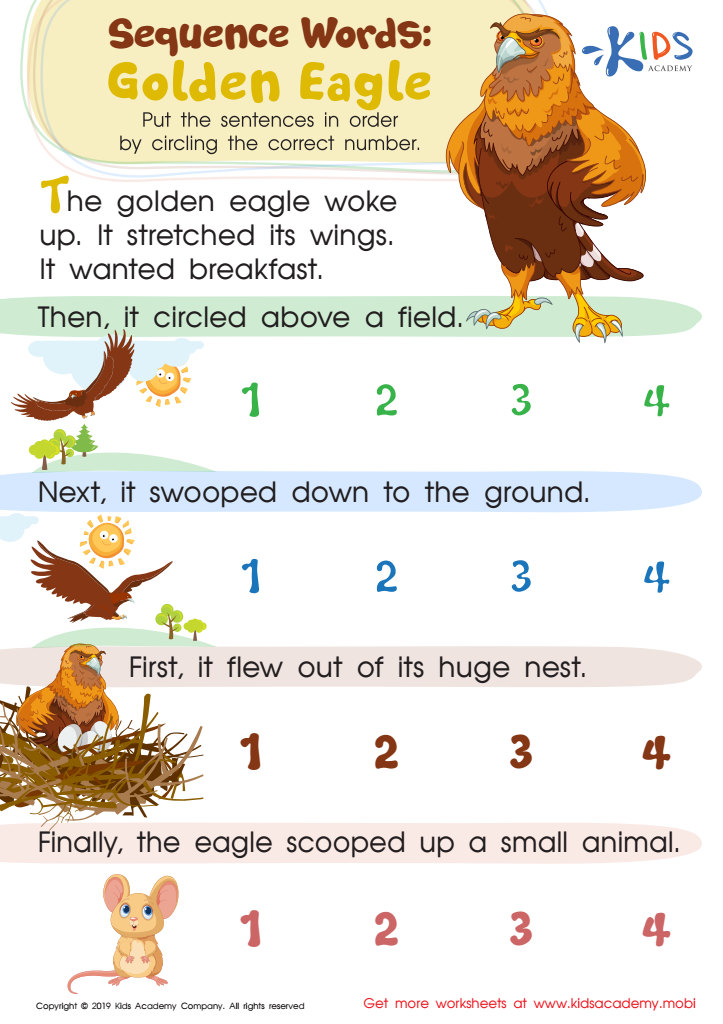
Sequence Word Eagle Worksheet
 Assign to My Students
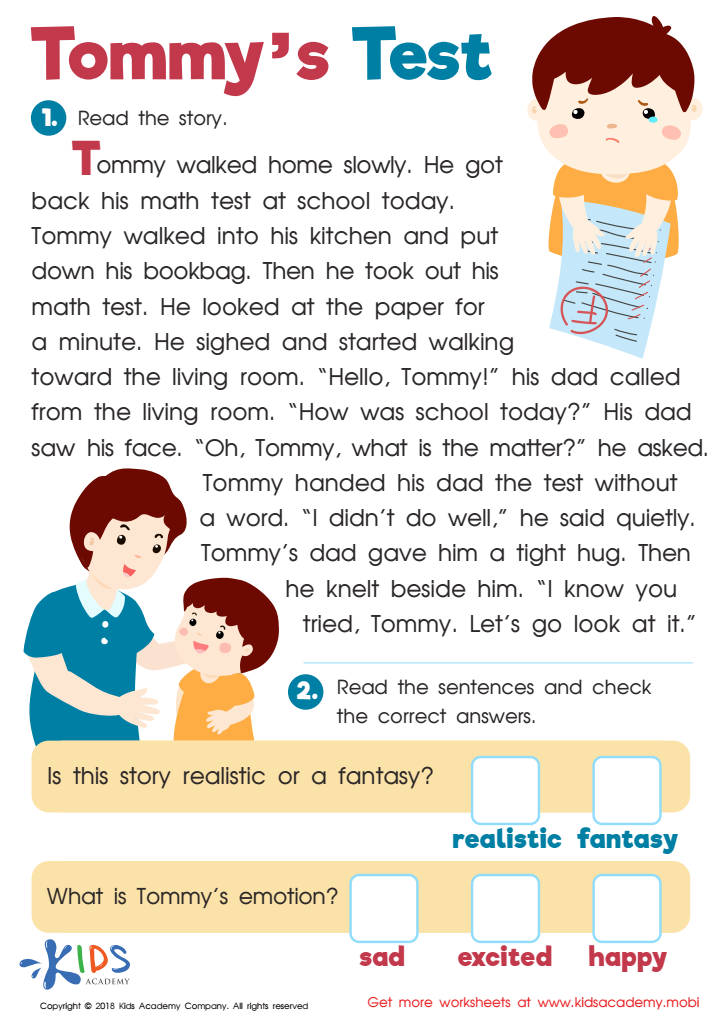
Tommys Test Worksheet
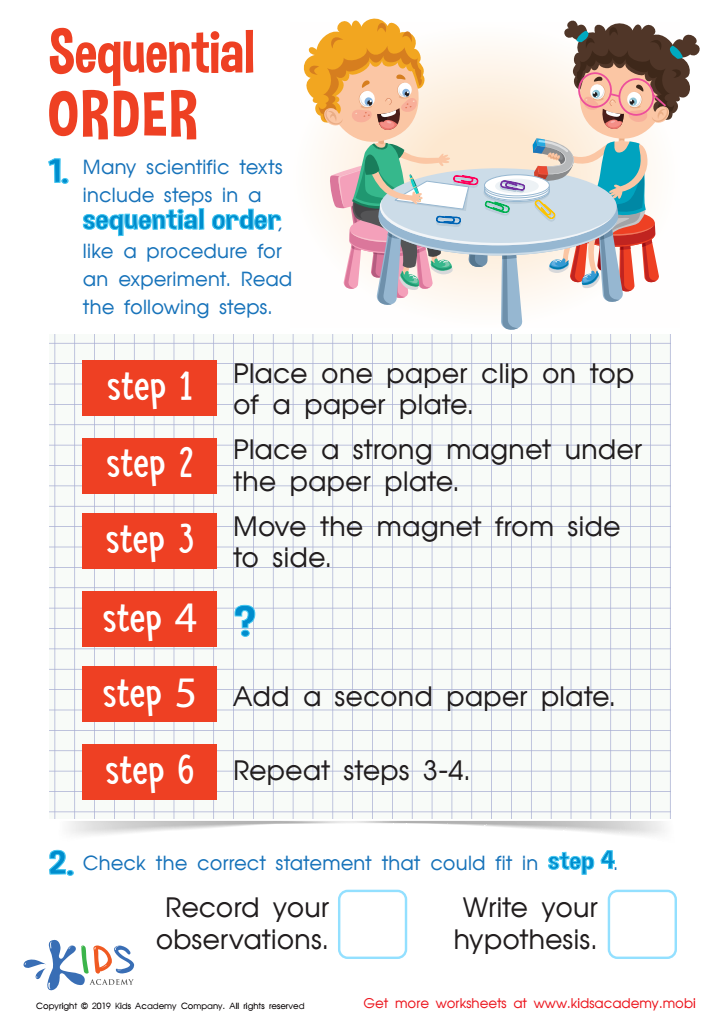
Sequencential Order Worksheet




.jpg)



Understanding sequences in reading is crucial for both parents and teachers of children aged 7-8. At this developmental stage, children begin to grasp the concept of narrative flow, which enhances their comprehension skills and fosters a love for storytelling. Recognizing sequences helps children learn how events unfold, making it easier for them to predict outcomes and understand cause and effect.
Additionally, these skills are essential for developing critical thinking and cognitive abilities. As children discuss the sequence of events in a story, they practice articulating their thoughts and connecting ideas, which boosts their verbal skills and enhances vocabulary. This understanding also deepens their engagement with the text, empowering them to relate personal experiences to storylines, thereby enriching their emotional and social development.
Furthermore, sequences form the basis for more complex literacy skills, such as summarization and thematic analysis, crucial for academic success in later grades. For teachers, incorporating sequence identification within reading lessons nurtures a structured approach to literacy, paving the way for effective instructional strategies. For parents, supporting this learning at home through discussions about stories creates a supportive learning environment, fostering a collaborative journey in their child’s educational growth. Recognizing the importance of sequence reading is essential for nurturing well-rounded, capable readers.








