Vocabulary expansion Reading Comprehension Worksheets for Ages 7-8 - Page 2
30 filtered results
-
From - To
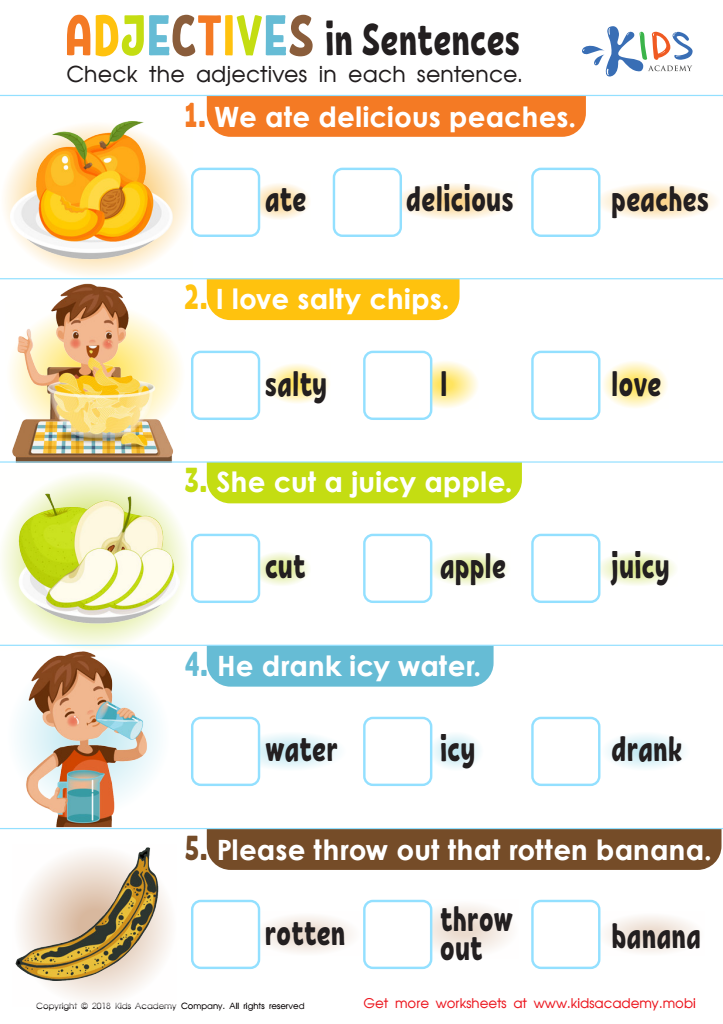
Adjectives in Sentences Worksheet
 Assign to My Students
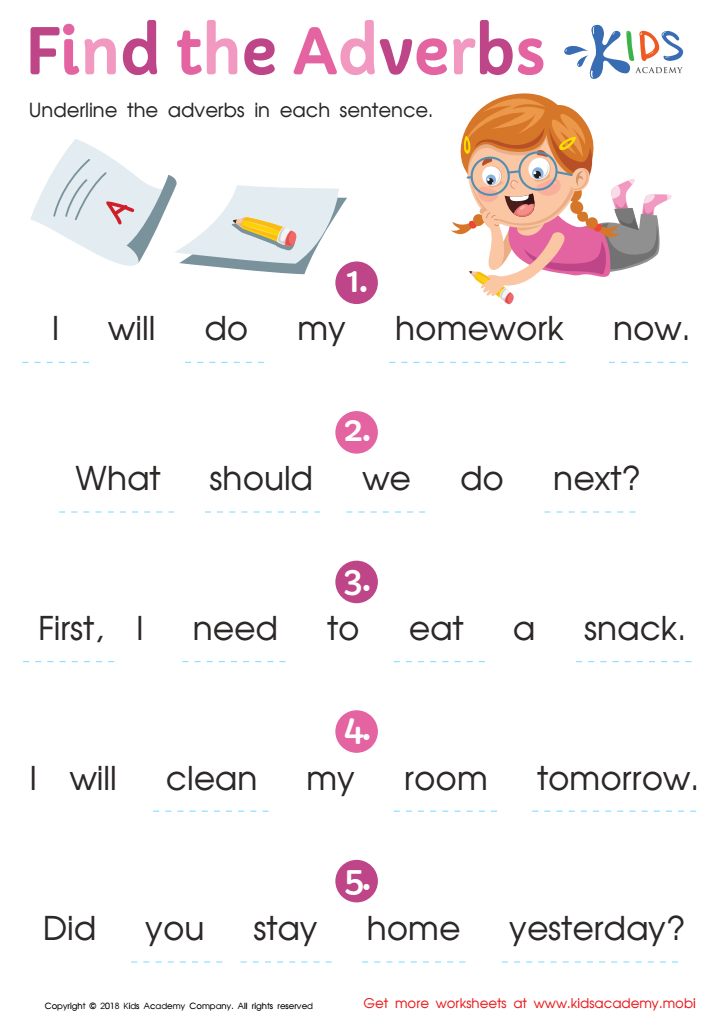
Finding the Adverbs Worksheet
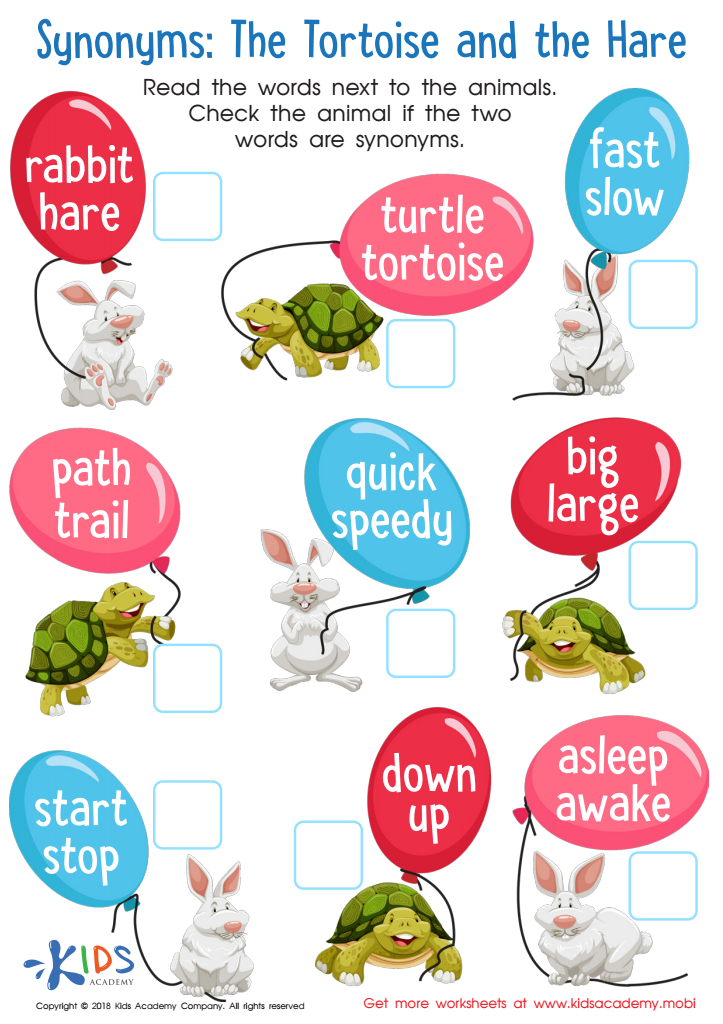
Synonyms: The Tortoise and Hare Worksheet
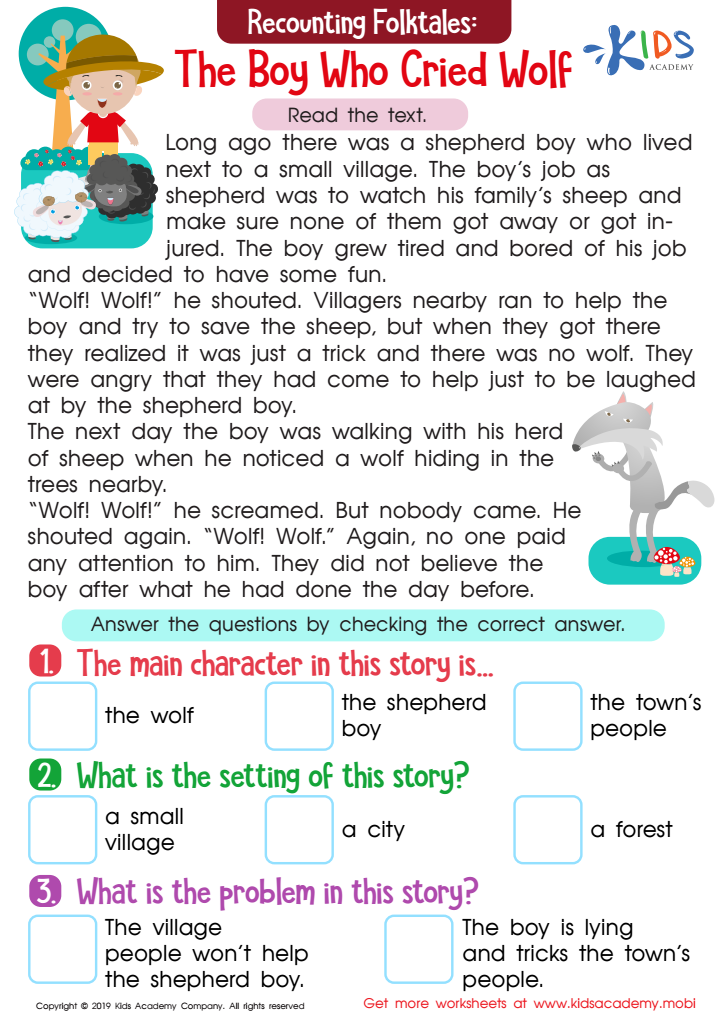
The Boy Who Cried Wolf Part 1 Worksheet
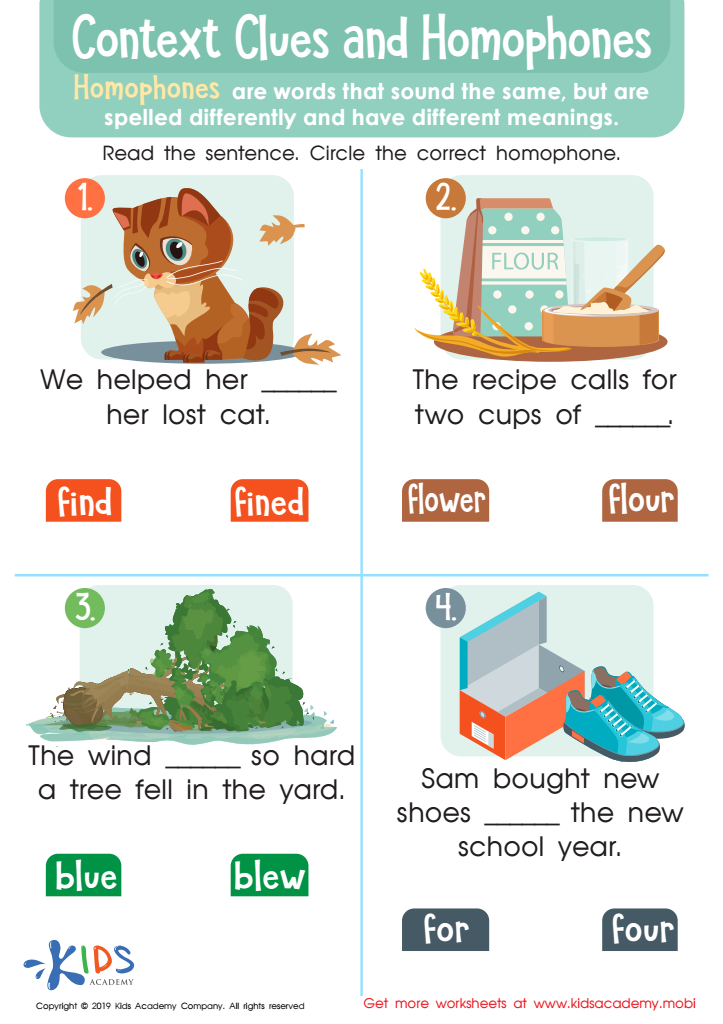
Context Clues and Homophones Worksheet
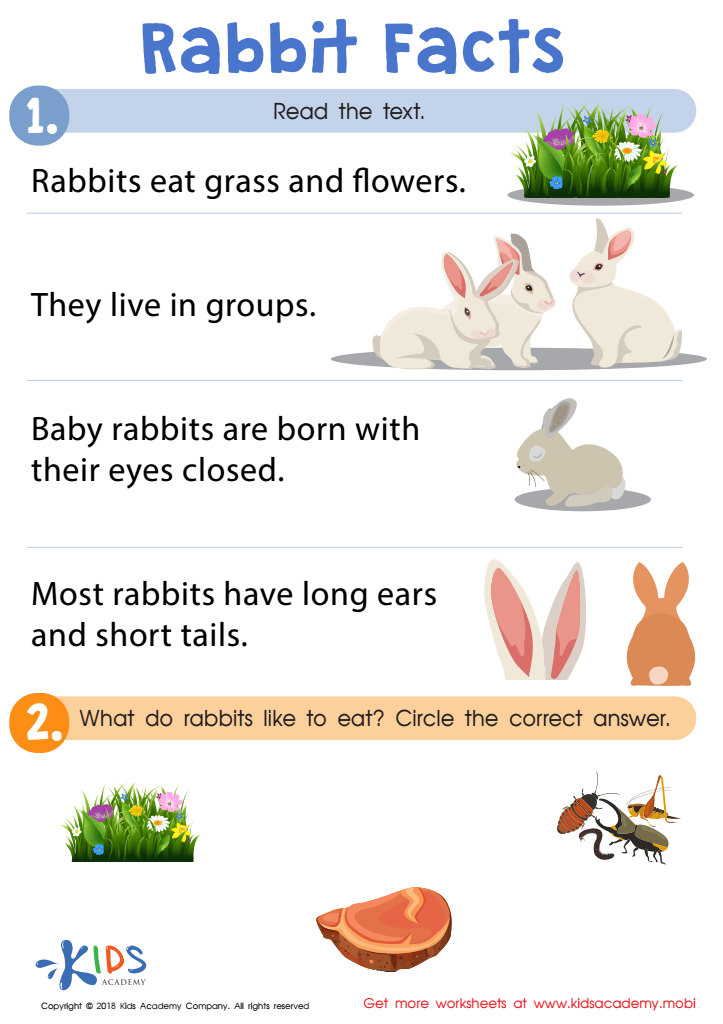
Rabbit Facts Worksheet





.jpg)

Vocabulary expansion and reading comprehension are foundational skills crucial for the cognitive and linguistic development of 7- to 8-year-olds. At this critical stage, children are transitioning from "learning to read" to "reading to learn." A robust vocabulary enables them to understand and engage with increasingly complex texts. When children encounter unfamiliar words frequently, their comprehension can wane, potentially diminishing their interest and confidence in reading.
Moreover, a strong vocabulary supports academic achievement across numerous subjects, including mathematics, science, and social studies. The ability to understand instructions, grasp new concepts, and articulate thoughts clearly relies heavily on language proficiency. Children who develop a rich vocabulary early on are often better-equipped to excel in academic settings and effectively communicate their ideas.
Teachers and parents play significant roles in this developmental phase by providing rich, varied language exposure. They can introduce new words in context, encourage frequent reading, and ask questions that promote critical thinking. Interactive activities such as word games and discussions engage children and make learning enjoyable. By prioritizing vocabulary expansion and reading comprehension, we set the foundation for lifelong learning, curiosity, and a love of reading, ensuring children can navigate and succeed in an increasingly complex world.








