Comparative analysis Science Worksheets for Ages 7-8
3 filtered results
-
From - To
Discover our engaging Comparative Analysis Science Worksheets designed specifically for children aged 7-8. These interactive resources help young learners develop critical thinking skills through hands-on activities that encourage observation and comparison. Perfect for classroom or home use, our worksheets simplify complex concepts, making science both fun and informative. Kids can explore similarities and differences among various scientific elements, enhancing their understanding of the world around them. Each worksheet is thoughtfully created to align with educational standards, ensuring a comprehensive learning experience. Foster curiosity and analytical skills in your child today with our collection of easy-to-use science worksheets!
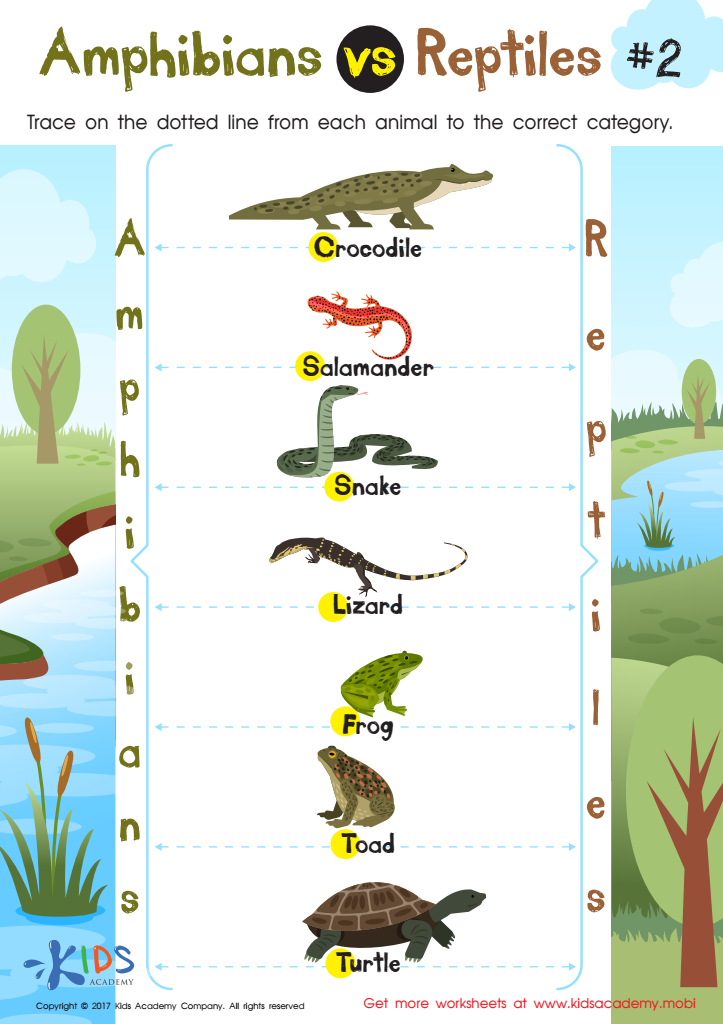
Amphibians vs Reptiles Worksheet for 3rd Grade
 Assign to My Students
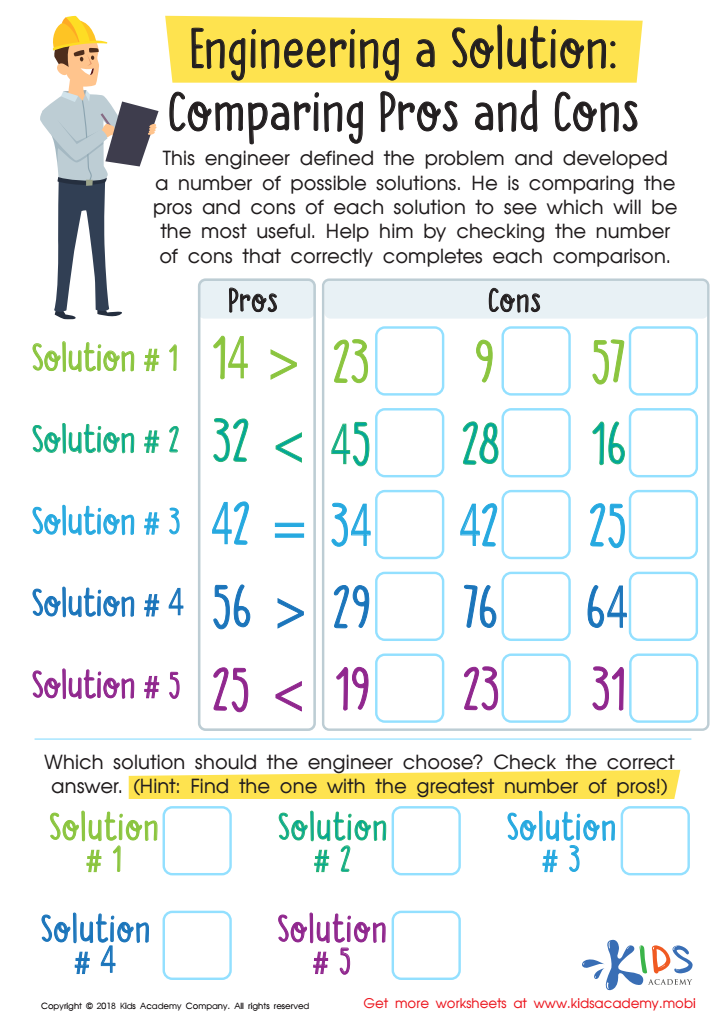
Engineering a Solution: Comparing Pros and Cons Worksheet
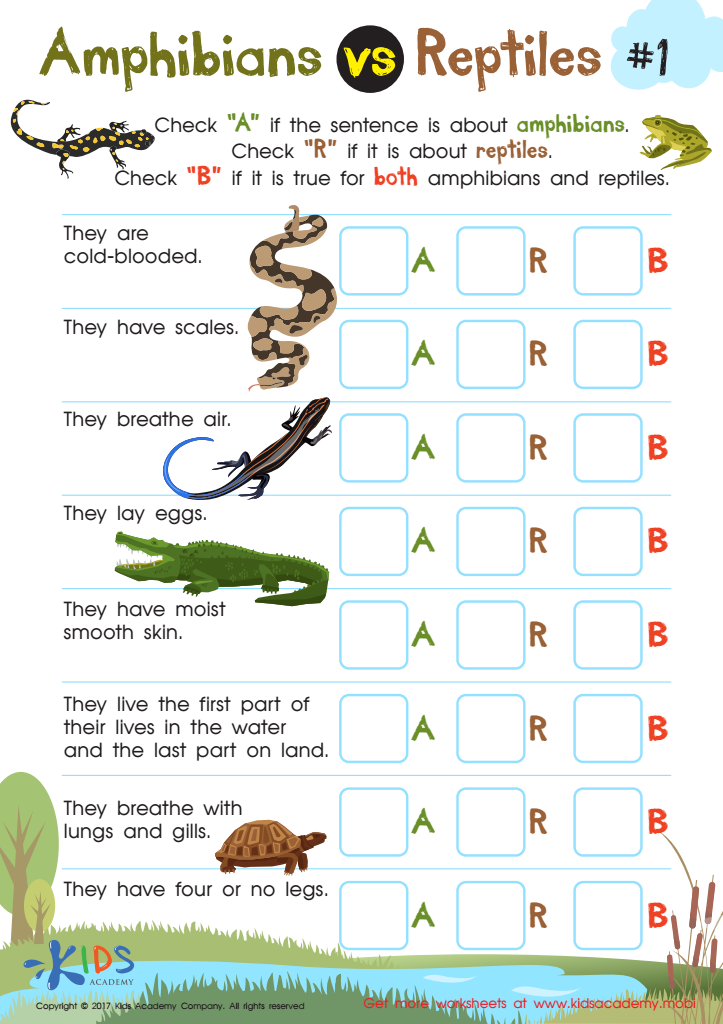
Amphibians vs Reptiles Worksheet








Comparative analysis in science for ages 7-8 is crucial because it fosters critical thinking, encourages curiosity, and develops analytical skills early in life. Through comparative analysis, children learn to observe similarities and differences between various elements in the natural world, such as animals, plants, or scientific phenomena. This process not only enhances their understanding of scientific concepts but also builds foundational skills in reasoning and problem-solving.
Engaging in comparative analysis also nurtures a sense of exploration and inquiry. As students investigate varying attributes, they become more adept at asking probing questions, leading to deeper scientific comprehension. Furthermore, this practice pushes them to think creatively, consider multiple perspectives, and make connections across different subjects, enriching their overall learning experience.
For parents and teachers, emphasizing this approach aligns with cultivating a well-rounded education that prepares children for future challenges. It cultivates a love for learning and promotes collaboration and communication as students share findings and insights. Ultimately, investing in comparative analysis in science at this formative stage creates not just informed individuals but also thoughtful, engaged citizens who can navigate and contribute to an increasingly complex world.







