Enhancing observation skills Science Worksheets for Ages 7-8
6 filtered results
-
From - To
Enhance your child’s observation skills with our engaging Science Worksheets designed specifically for ages 7-8. These creative and interactive activities aim to inspire curiosity and foster critical thinking by encouraging young learners to explore their surroundings. Through fun exercises, children will practice identifying patterns, making predictions, and documenting their findings, all while developing foundational scientific skills. Each worksheet is tailored to align with educational standards, ensuring both efficacy and enjoyment. Boost your child’s confidence as they embark on exciting observational adventures, perfect for home learning or classroom activities. Discover the joy of science through observation today!
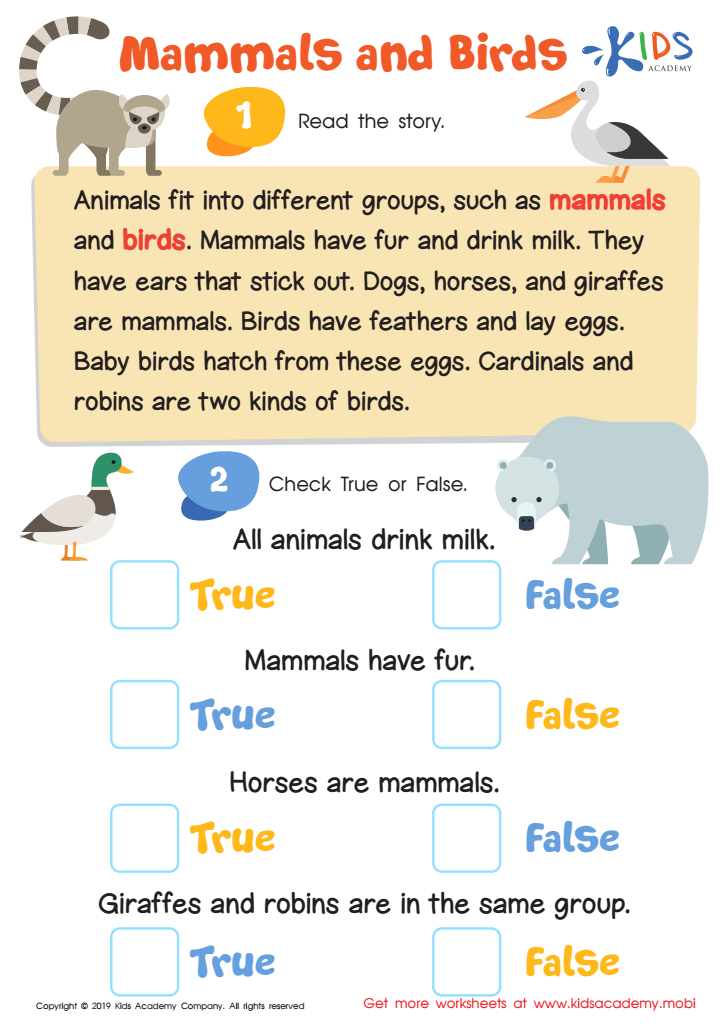
Mammals and Birds Worksheet
 Assign to My Students
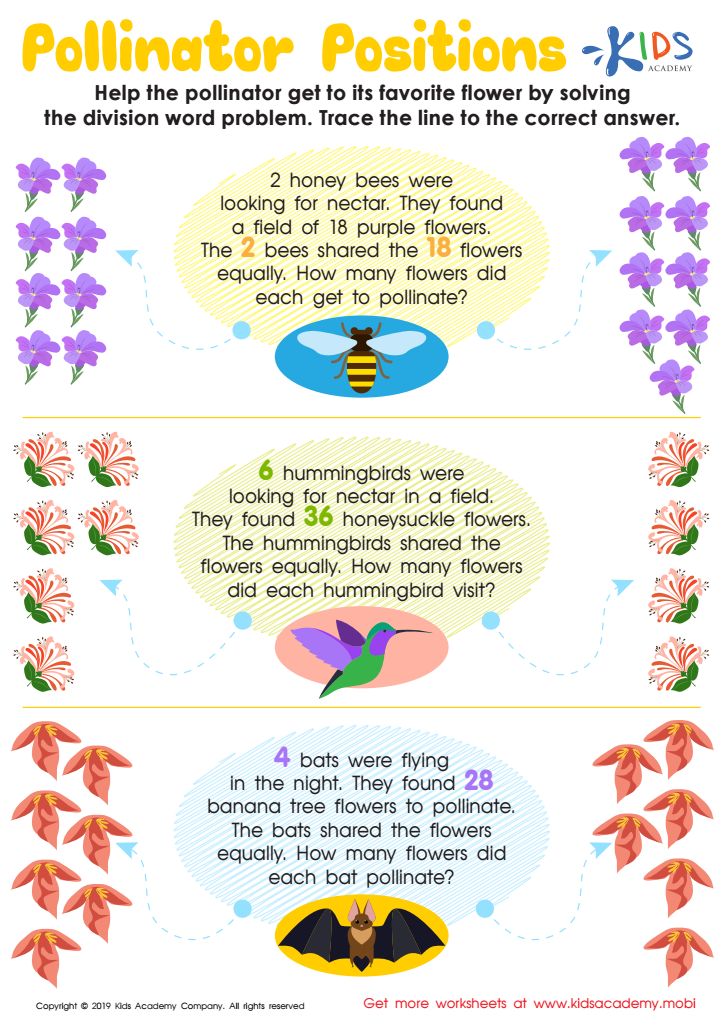
Pollinator Positions Worksheet
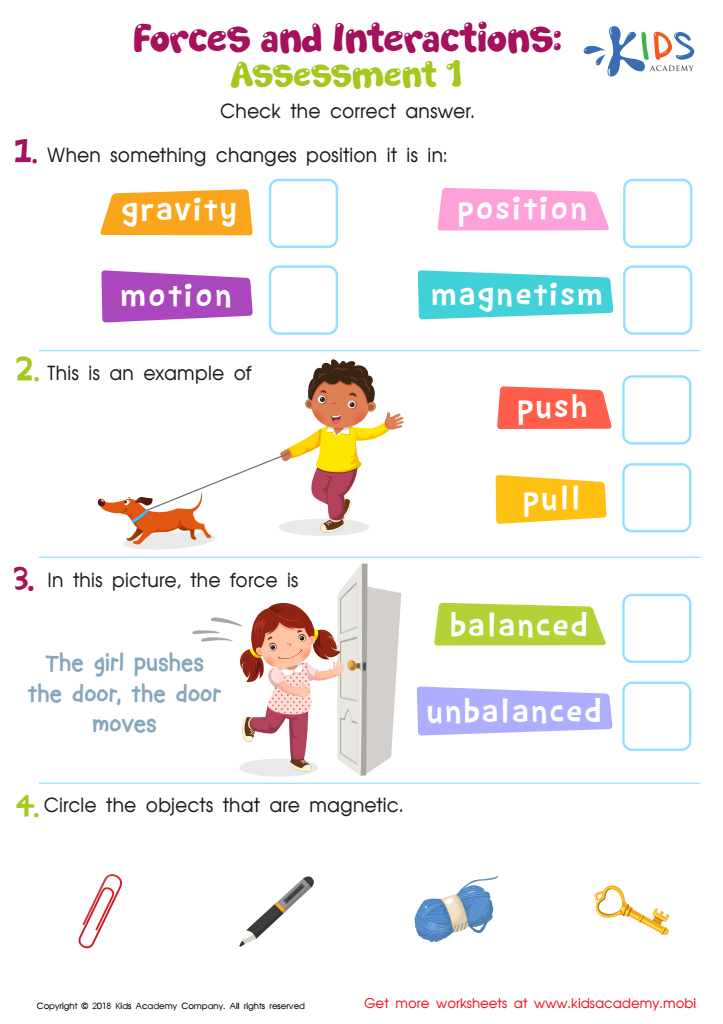
Forces and Interactions Printable
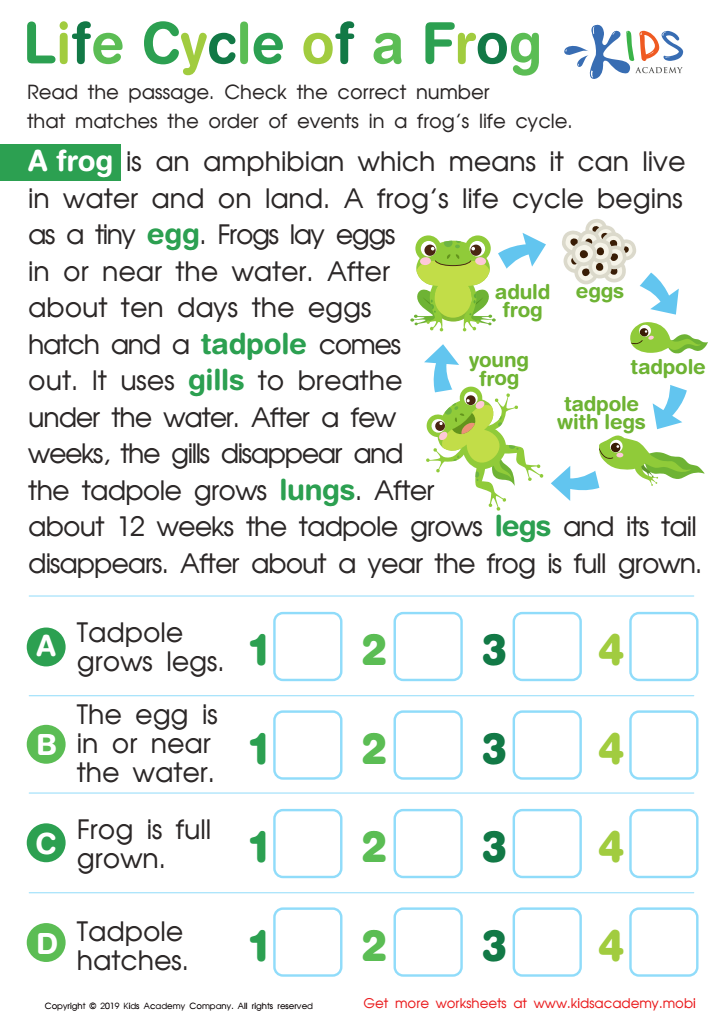
Life Cycle of a Frog Worksheet
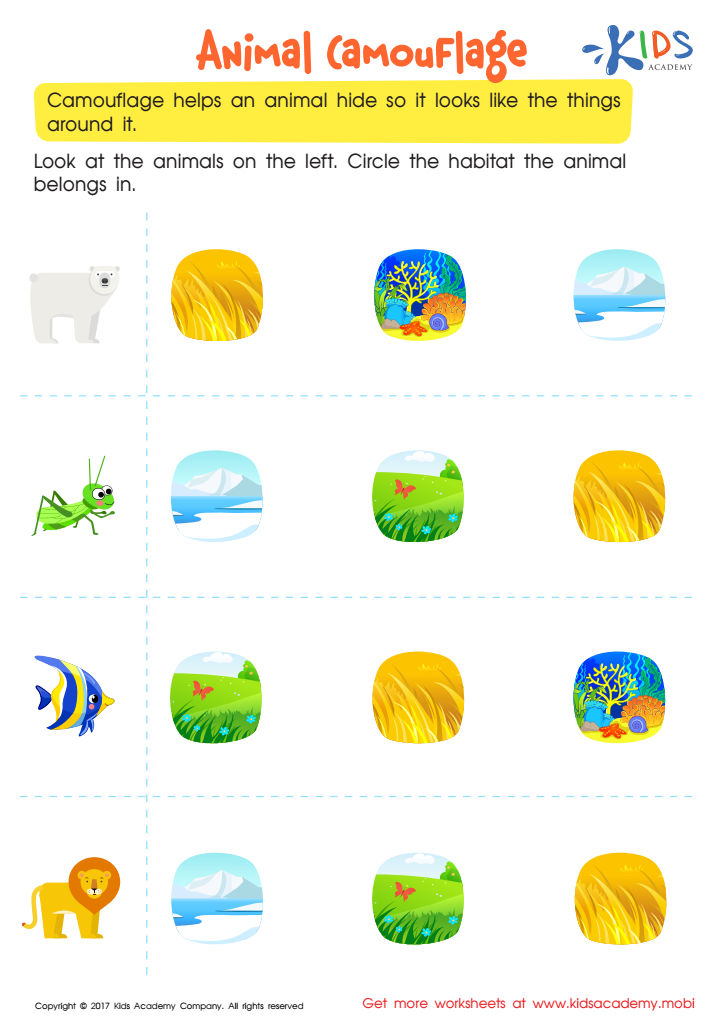
Animal Camouflage Worksheet
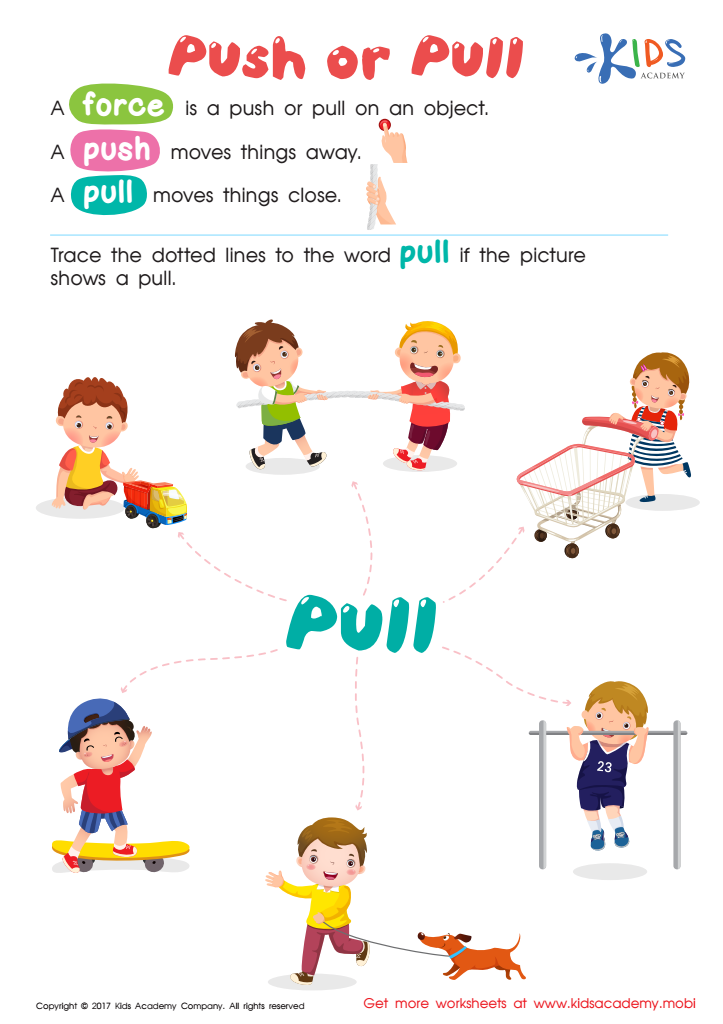
Pull or Push Worksheet








Enhancing observation skills in science for ages 7-8 is crucial for fostering children's curiosity and understanding of the world around them. At this developmental stage, children are naturally inquisitive, making it an ideal time to nurture their observational abilities. Strong observation skills help young learners engage with their environment, facilitating hands-on experiences that deepen their understanding of scientific concepts.
Parents and teachers should care because these skills form the foundation for critical thinking and problem-solving. When children learn to observe meticulously, they become adept at asking questions, identifying patterns, and making connections—all essential components of the scientific method. For instance, observing changes in a plant's growth or weather patterns encourages them to hypothesize and test scenarios.
Moreover, enhancing observation skills contributes to literacy in science. As students articulate their observations, they enhance their vocabulary and communication skills. These competencies are not just relevant to science but are transferable across subjects, bolstering overall academic performance.
Ultimately, by prioritizing observation skills in early science education, adults empower children to become active participants in their learning journey, cultivating a lifelong interest in exploration and inquiry that extends well beyond the classroom.







