
Vocabulary enhancement Life Science Worksheets for Ages 7-8
7 filtered results
Difficulty Level
Grade
Age
-
From - To
Subject
Activity
Standards
Enhance your child's vocabulary with our engaging Life Science worksheets tailored for ages 7-8. These thoughtfully designed activities help young learners build essential scientific terminology while exploring fascinating topics in biology and ecology. With fun exercises that include matching, fill-in-the-blanks, and word searches, students will develop a strong foundation in life sciences. Our worksheets encourage curiosity and critical thinking, making learning both enjoyable and effective. Perfect for classroom use or at-home practice, our resources aim to boost comprehension and retention of key concepts. Foster a love for nature and science in your child with these interactive and educational vocabulary enhancement worksheets!
Favorites
With answer key
Interactive
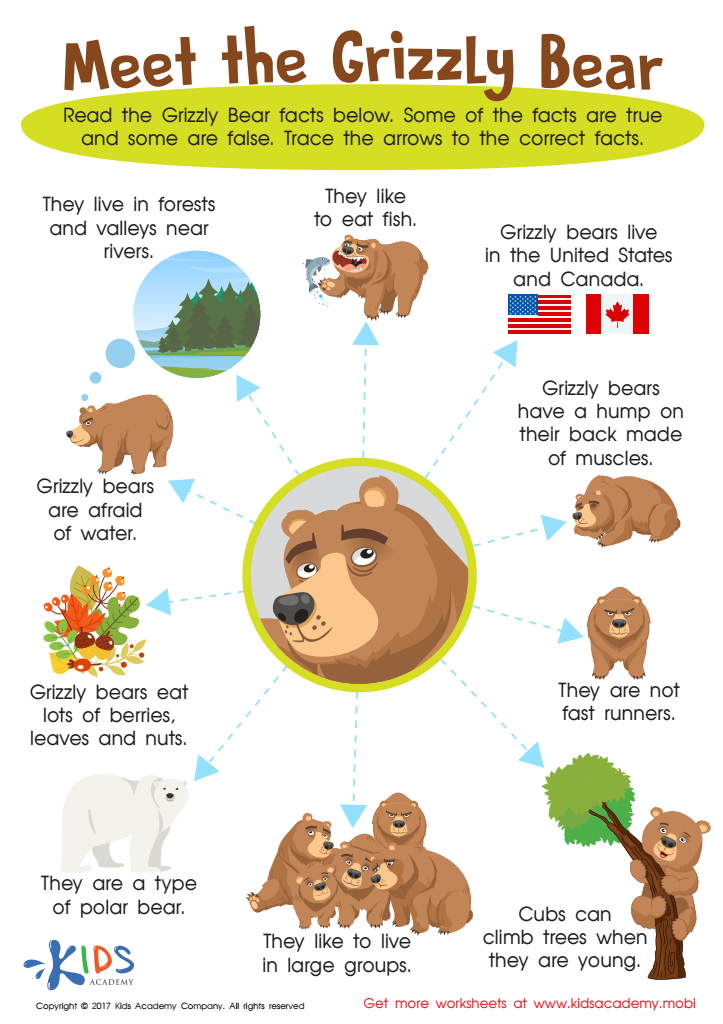
Grizzly Bear Facts Worksheet
Kids will separate truth from fiction in this engaging worksheet about the grizzly bear! Third graders will use their prior knowledge to read the facts and determine which are true and false. Give your child an interesting way to learn more with this vibrant worksheet!
 Assign to My Students
Grizzly Bear Facts Worksheet
Worksheet
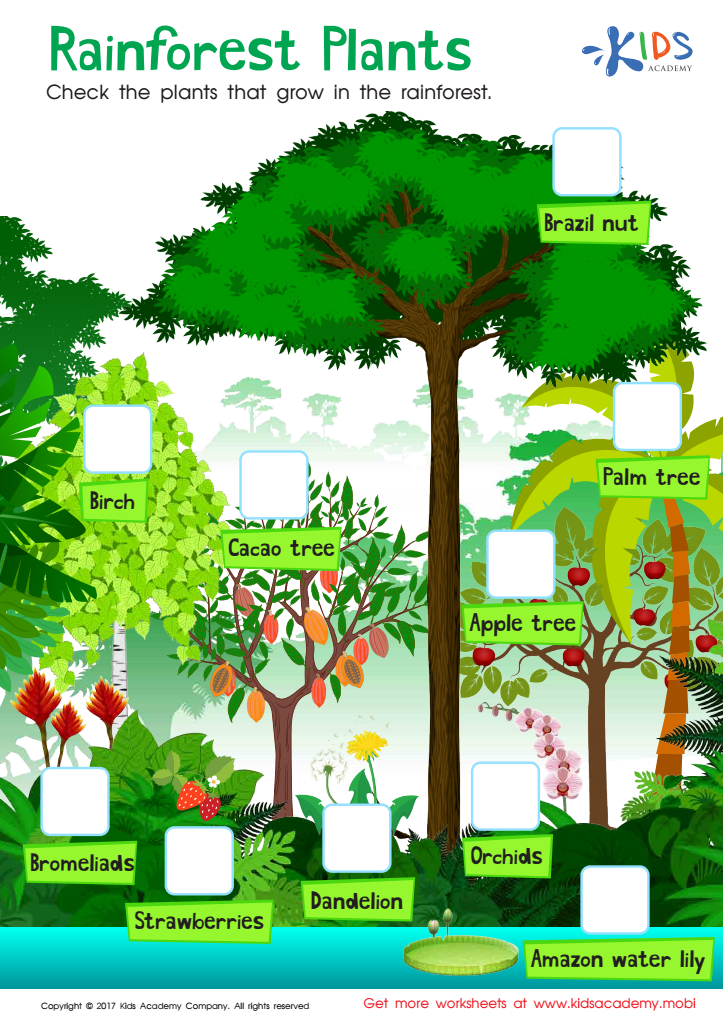
Rainforest Plants Worksheet
Revised: Get a better understanding of rainforest flora with this professionally crafted rainforest plants worksheet. Outline the distinguishing characteristics of each plant and have kids identify the plants that are common to rainforests.
Rainforest Plants Worksheet
Worksheet
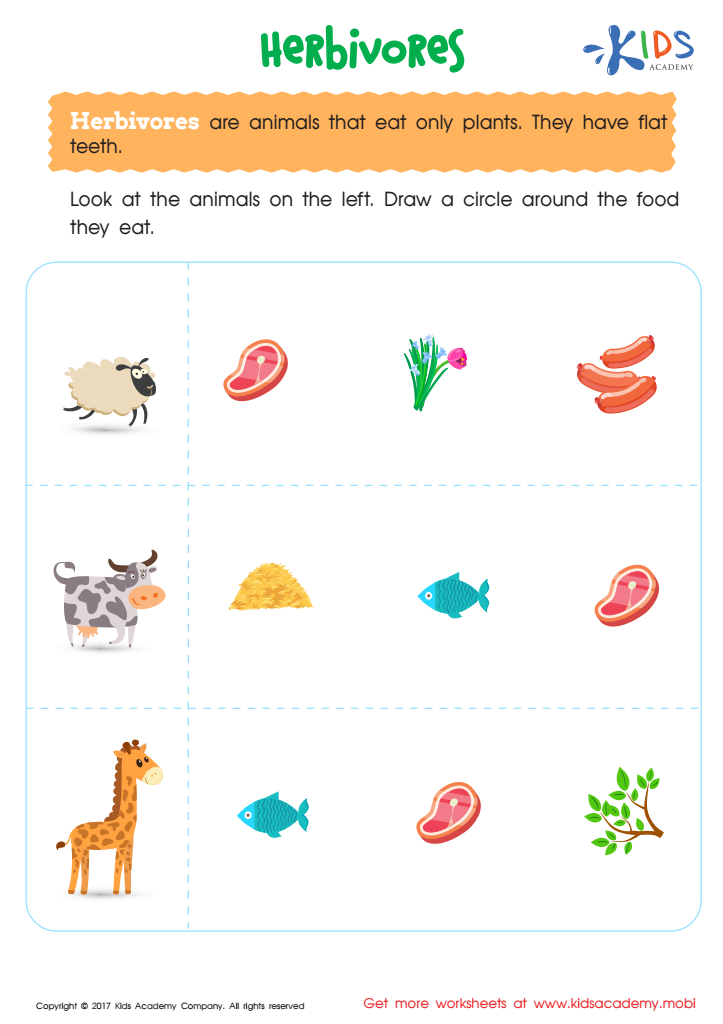
Herbivores Printable
Strengthen their vocab with these fascinating creatures, as they explore an intriguing aspect of beloved animals.
Herbivores Printable
Worksheet
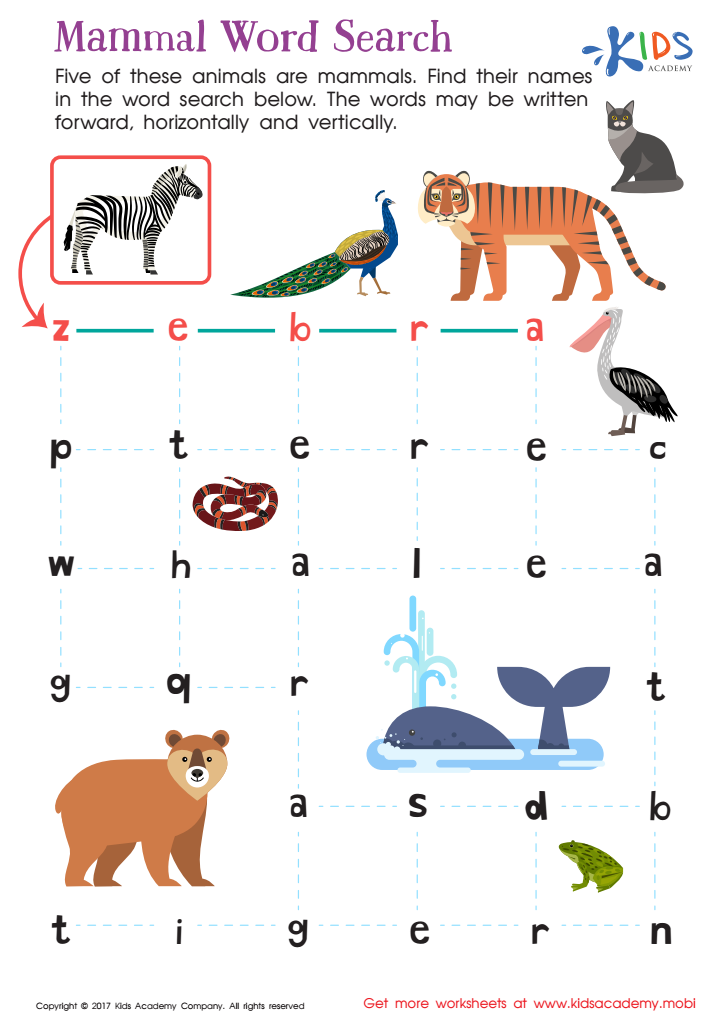
Printable Mammal Word Search
Second graders can enjoy new discoveries and adventures every day with a free printable mammal word search. They'll be tasked to find 5 mammals from a given list, making learning fun and efficient!
Printable Mammal Word Search
Worksheet
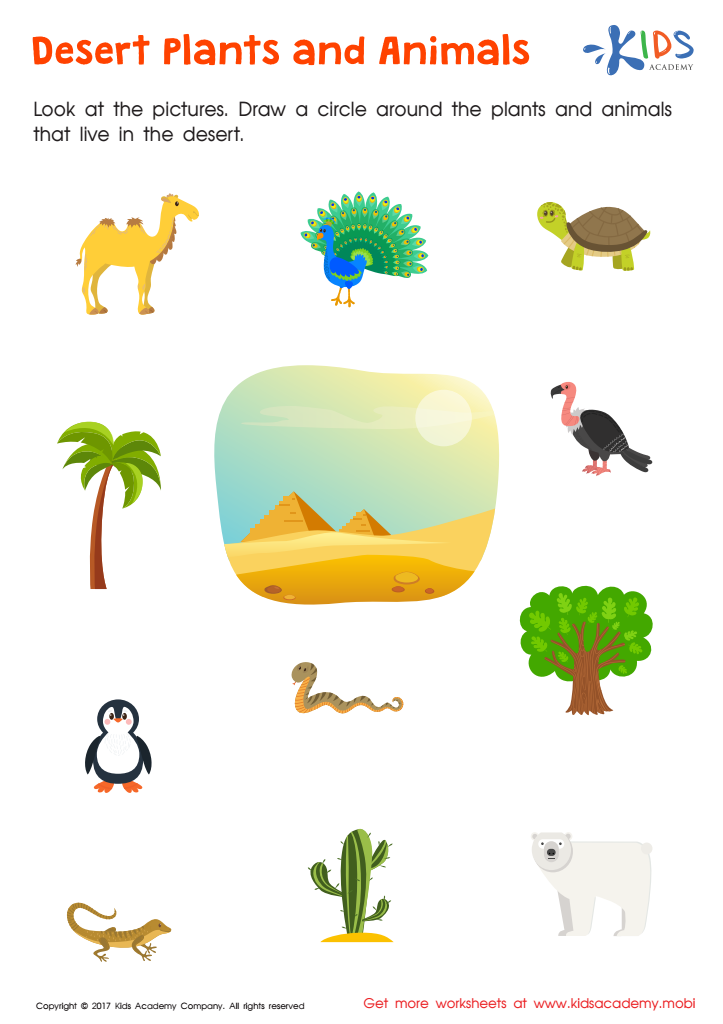
Desert Plants Animals Printable
Discover the wonders of the desert with this worksheet, featuring vivid colors and unique plants and animals adapted to its tough, dry conditions. Explore the special wildlife and flora of the desert!
Desert Plants Animals Printable
Worksheet
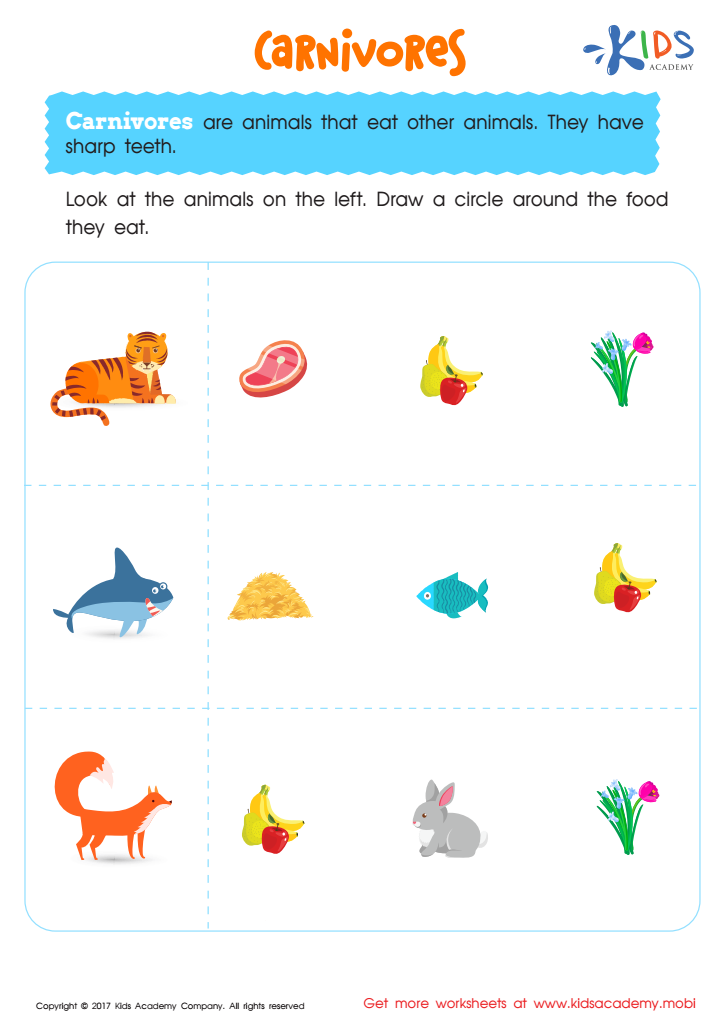
Carnivores Worksheet
Boost their vocabulary and help them explore the incredible world of carnivores.
Carnivores Worksheet
Worksheet
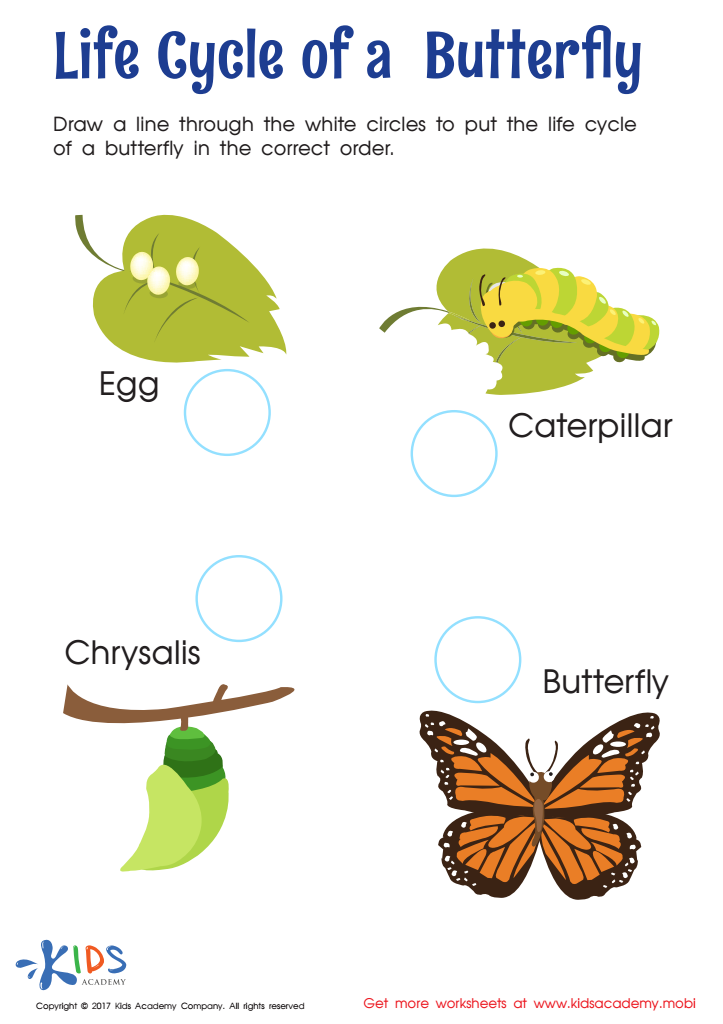
Life Cycle of Butterfly Worksheet
Kids Academy offers an exciting activity – a Life Cycle of a Butterfly Worksheet PDF. It shows four stages in the lifecycle of a butterfly with vivid pictures. Kids put the stages in the correct order to study the lifecycle.
Life Cycle of Butterfly Worksheet
Worksheet
Join Kids Academy for Free
Who is primarily going to use this learning content?



.jpg)


Vocabulary enhancement in Life Science for ages 7-8 is crucial for children's understanding and appreciation of the natural world. At this developmental stage, children are naturally curious and eager to learn about the environment, living organisms, and ecosystems. By focusing on vocabulary enhancement, parents and teachers can foster critical thinking skills and improve comprehension, enabling students to articulate their thoughts and ideas more effectively.
A rich vocabulary allows children to engage fully with complex concepts within Life Science. Terminology related to habitats, food chains, ecosystems, and basic biological functions encourages them to connect different ideas and promotes STEM literacy. Moreover, this knowledge lays a strong foundation for future inquiry-based learning, supporting academic success across science subjects.
Encouraging discussions about diverse life forms, their interactions, and ecological relationships not only broadens understanding but also cultivates a sense of environmental stewardship. Life Science vocabulary encourages curiosity and exploration, allowing children to ask questions and think deeply about the world around them. Overall, investing time in enhancing vocabulary in this area not only elevates academic performance but promotes lifelong learning habits, making parents and teachers key facilitators in this essential developmental process.








