Observational skills Our Planet and Environment Worksheets for Ages 7-8
6 filtered results
-
From - To
Boost observational skills in young learners with our engaging worksheets tailored for ages 7-8! Emphasizing the wonders of Our Planet and Environment, these resources from Kids Academy help children hone their ability to notice and interpret details. Through interactive activities and visually stimulating exercises, students will explore various elements of nature, from ecosystems to weather patterns. Designed to foster curiosity and critical thinking, our worksheets not only enhance scientific knowledge but also improve attention to detail which is vital for academic success. Unleash your child's potential and make learning about our environment exciting and educational!
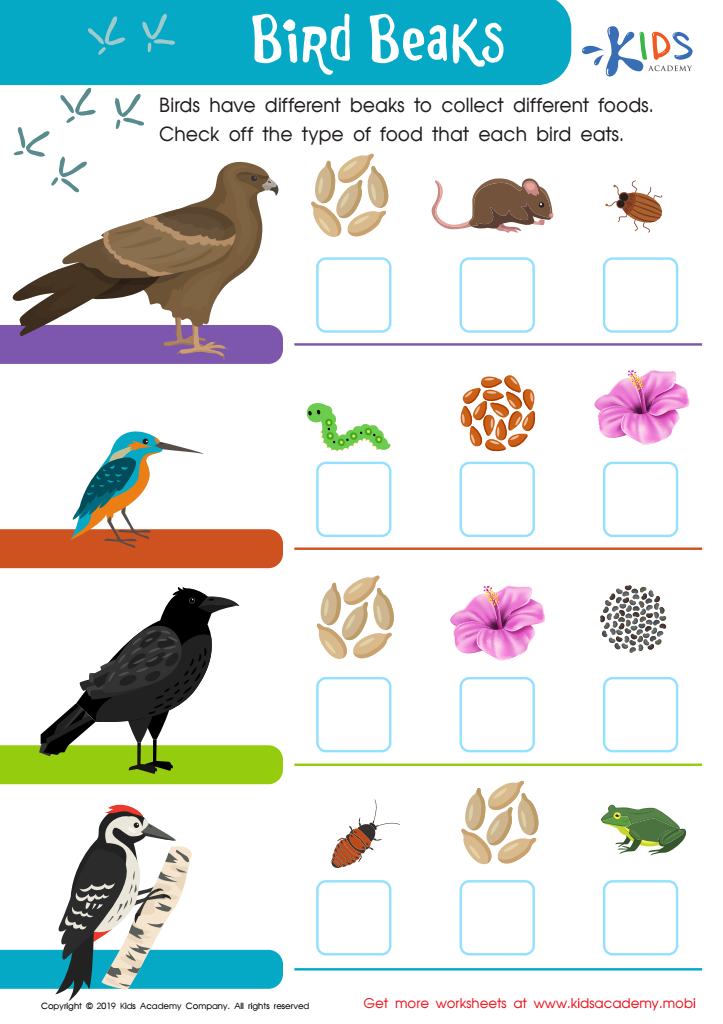
Bird Beaks Worksheet
 Assign to My Students
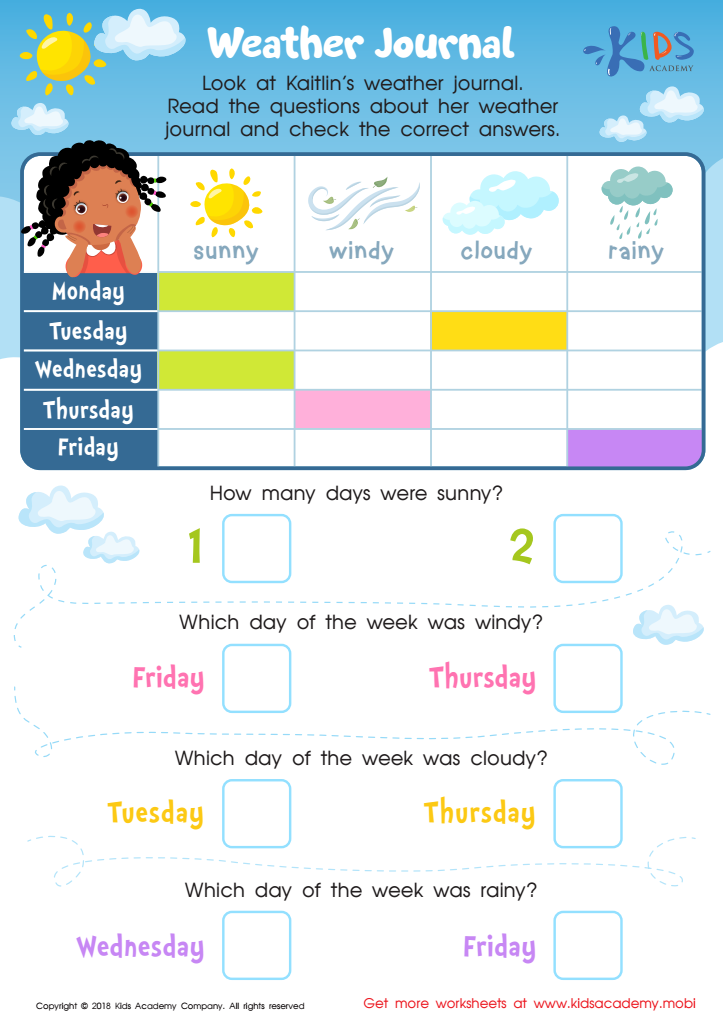
Weather Journal Worksheet
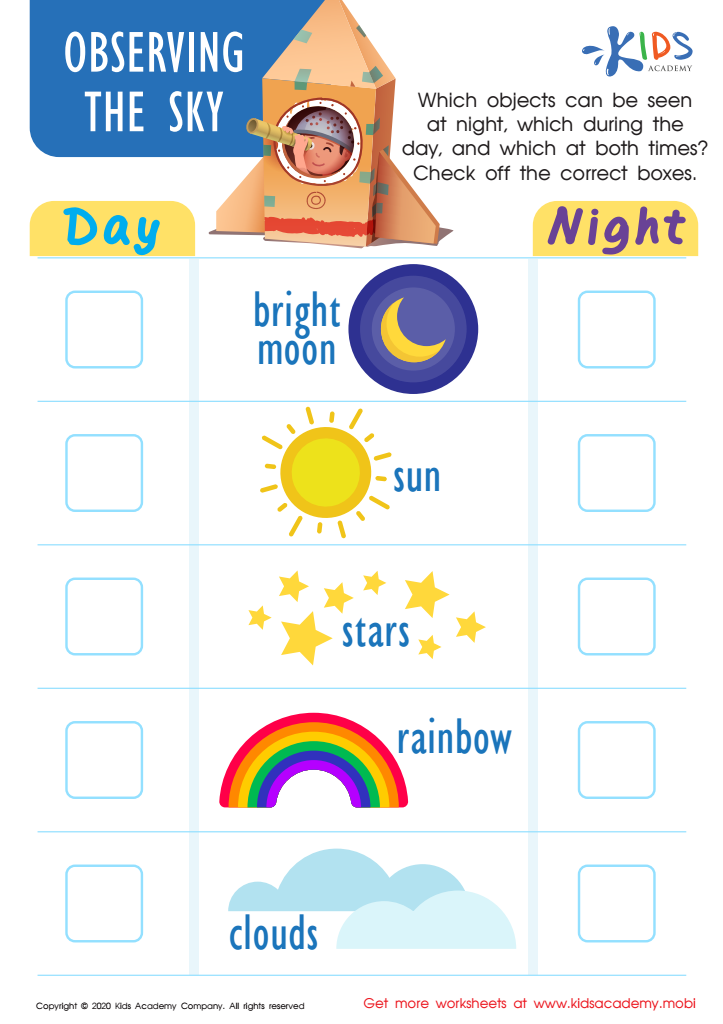
Observing the Sky Worksheet
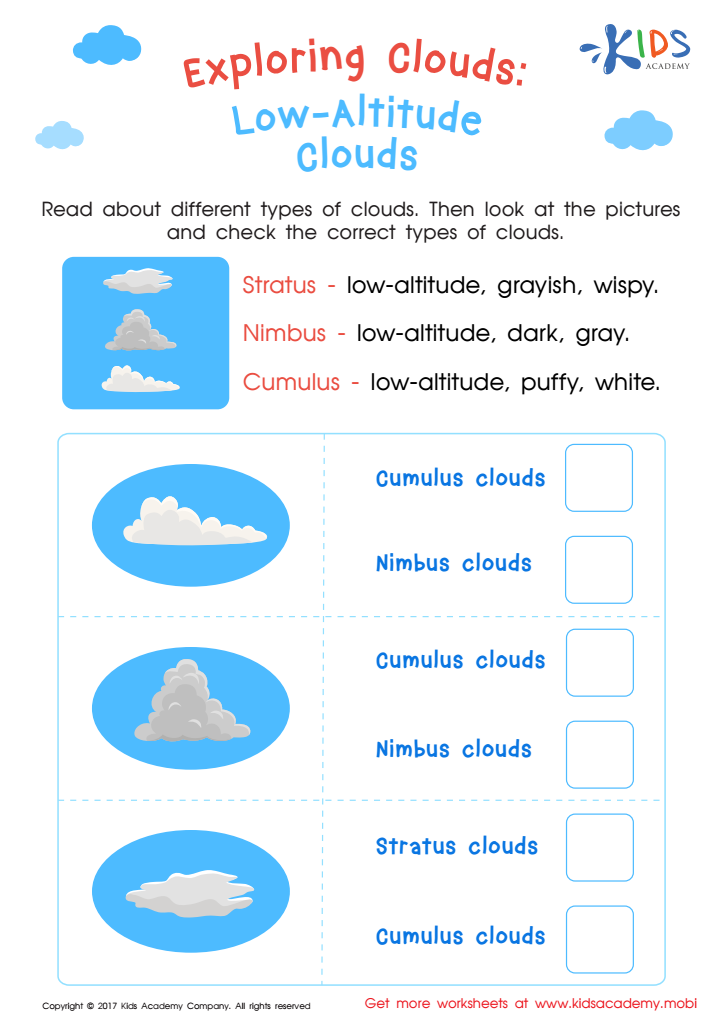
Exploring Clouds: Low Altitude Clouds Printable
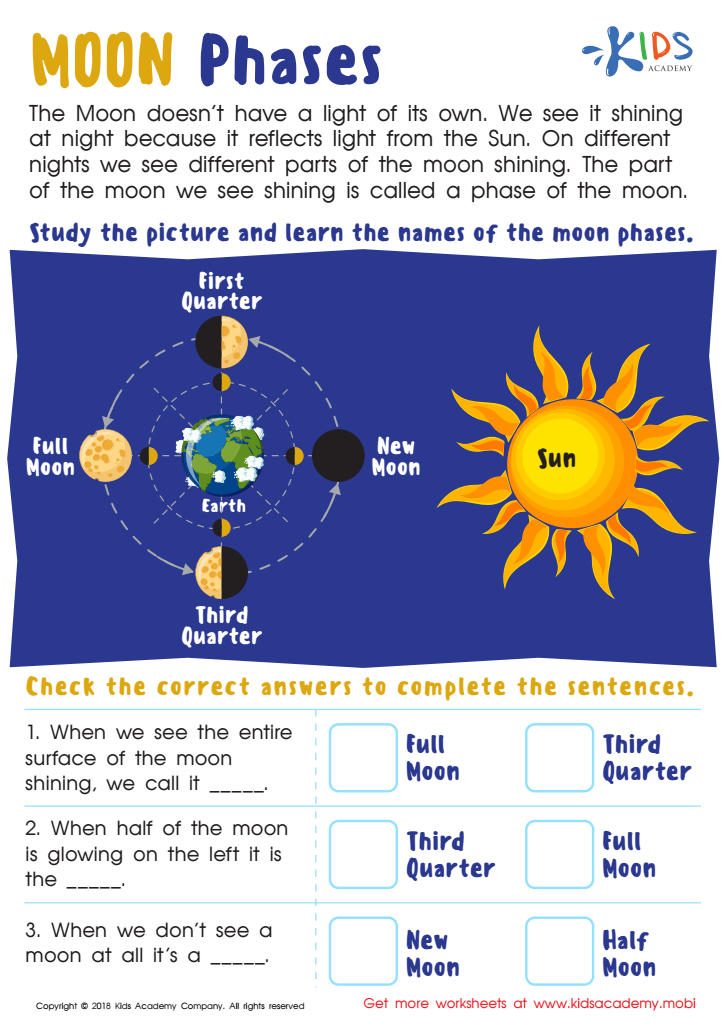
Moon Phases Worksheet
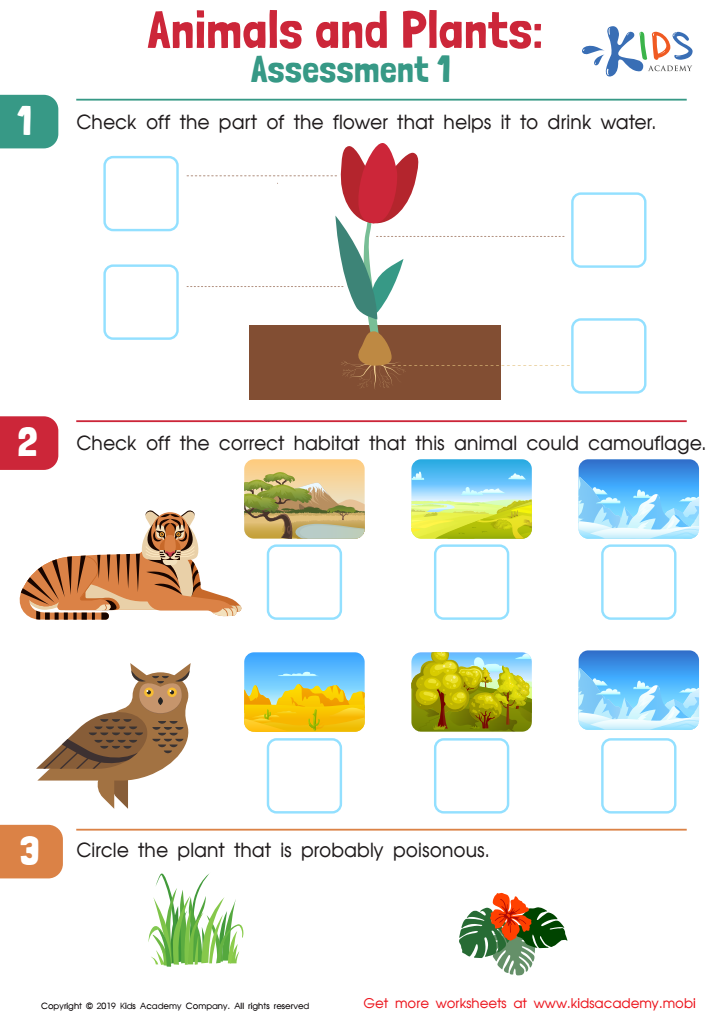
Animals and Plants: Assessment 1 Worksheet




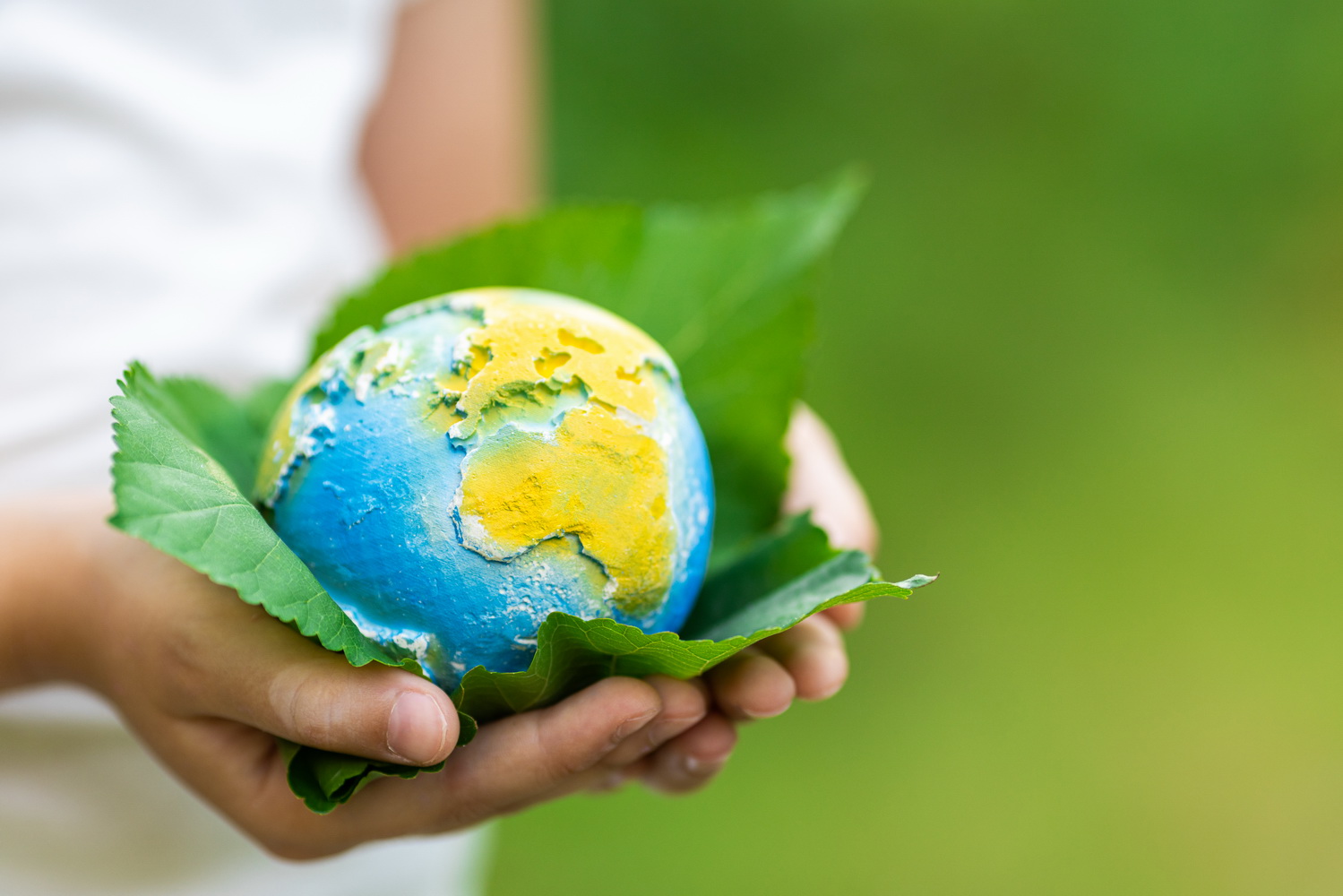
Observational skills are vital for young children, especially when it comes to understanding our planet and environment. For ages 7-8, nurturing these skills helps in several meaningful ways. At this developmental stage, children are naturally curious and learning about the world around them. Observing their environment allows them to make connections and lay the groundwork for scientific thinking. By learning to notice details and patterns in nature, they develop critical thinking and problem-solving skills.
Additionally, caring about our planet starts with understanding it. Encouraging children to notice the changes in seasons, different types of flora and fauna, and the impact of human activities deepens their appreciation and respect for nature. This awareness is crucial as it fosters environmental stewardship from an early age. Children who are taught to observe and care about their surroundings are more likely to grow into adults who advocate for sustainable living and conservation efforts.
Furthermore, observational skills enhance overall learning and academic performance. These skills extend to other subjects like reading comprehension and math, where noticing details and patterns is key. Investing in these skills at a young age, therefore, sets a solid foundation for lifelong learning and responsible citizenship. By prioritizing observational skills related to our planet and environment, parents and teachers help shape conscientious, informed, and capable future leaders.







