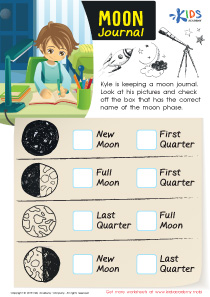
Cognitive Development Plants and Animals Worksheets for Ages 7-8
6 filtered results
-
From - To
Our "Cognitive Development Plants and Animals Worksheets for Ages 7-8" offer engaging and educational activities to enhance your child’s understanding of the natural world. Designed to support critical thinking and knowledge retention, these worksheets cover diverse topics on plants and animals, encouraging observational skills, classification, and information interpretation. Interactive exercises and fun illustrations make learning enjoyable and accessible. Ideal for classroom use or at-home practice, our worksheets ensure young learners gain a thorough comprehension of biology fundamentals while stimulating cognitive growth in an age-appropriate manner. Empower your child's scientific curiosity today with our expert-designed educational resources.
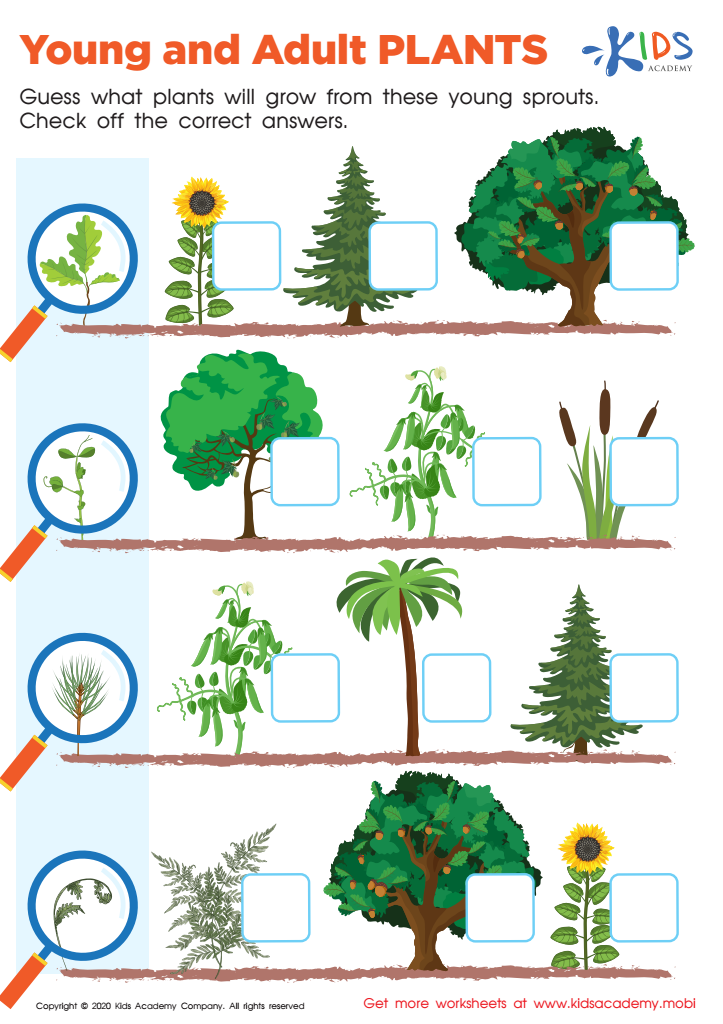
Young and Adult Plants Worksheet
 Assign to My Students


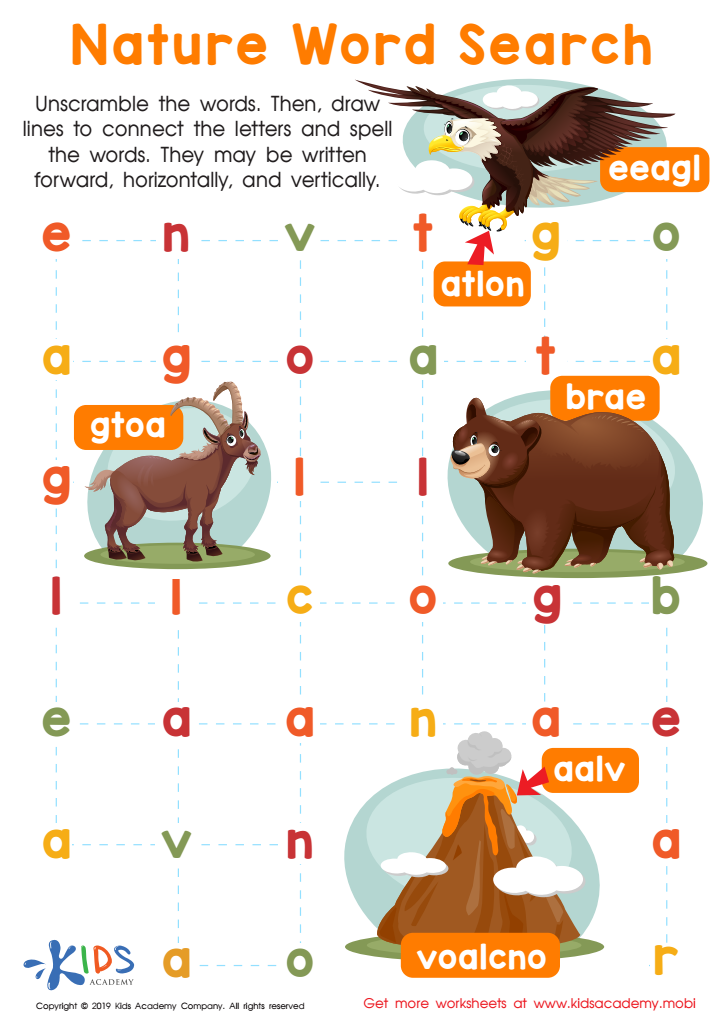
Nature Word Search Worksheet
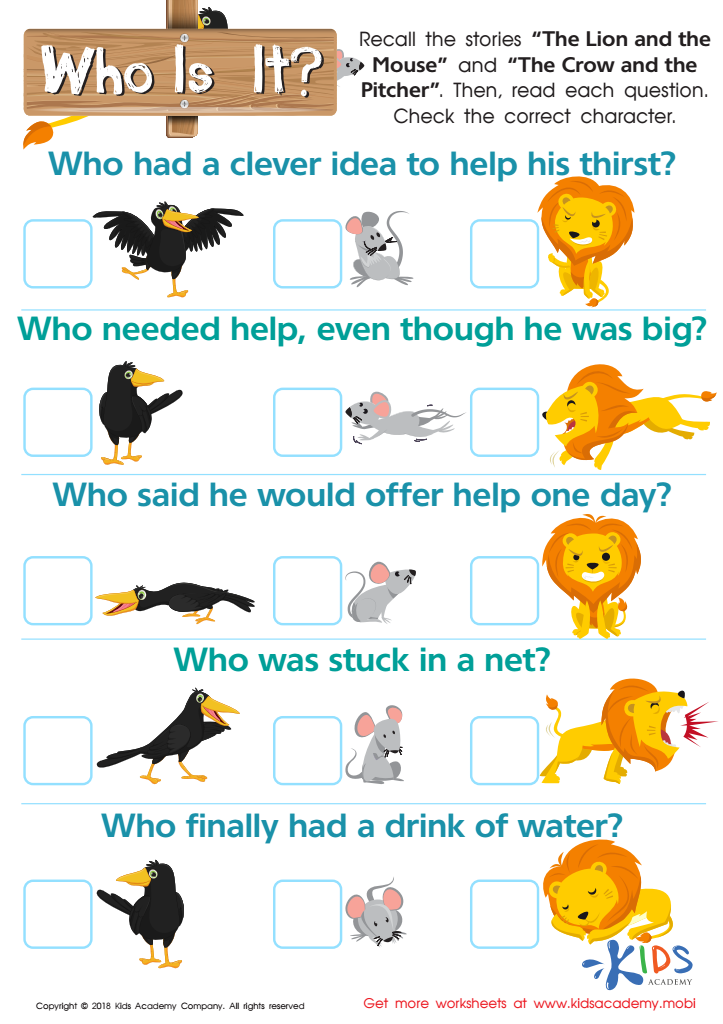
Who Is It? Worksheet
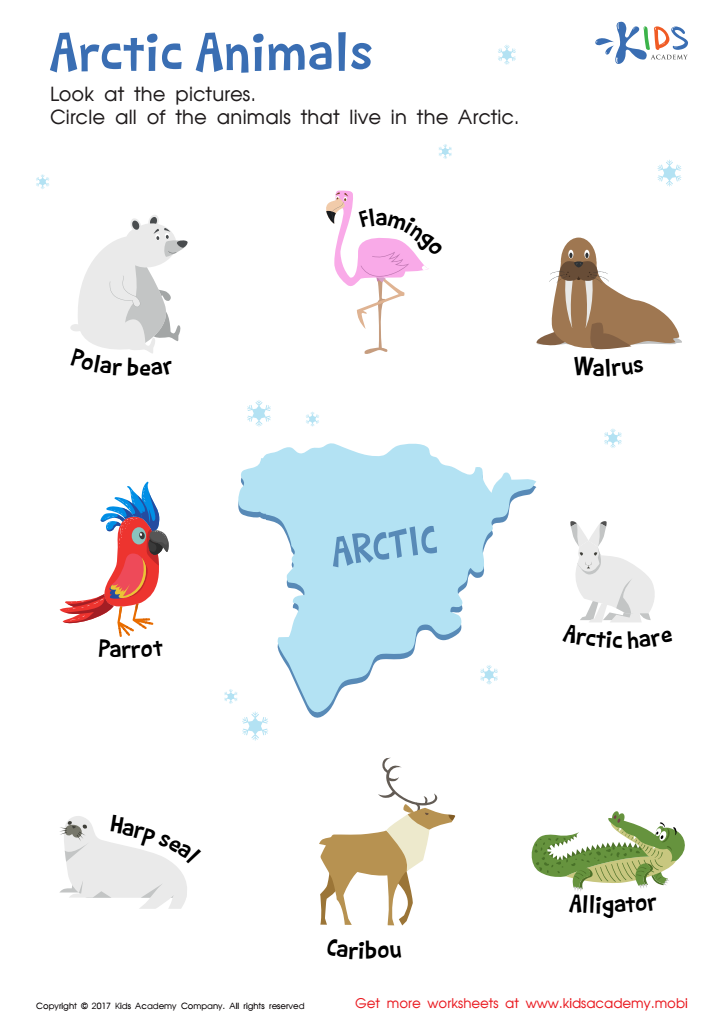
Arctic Animals Worksheet
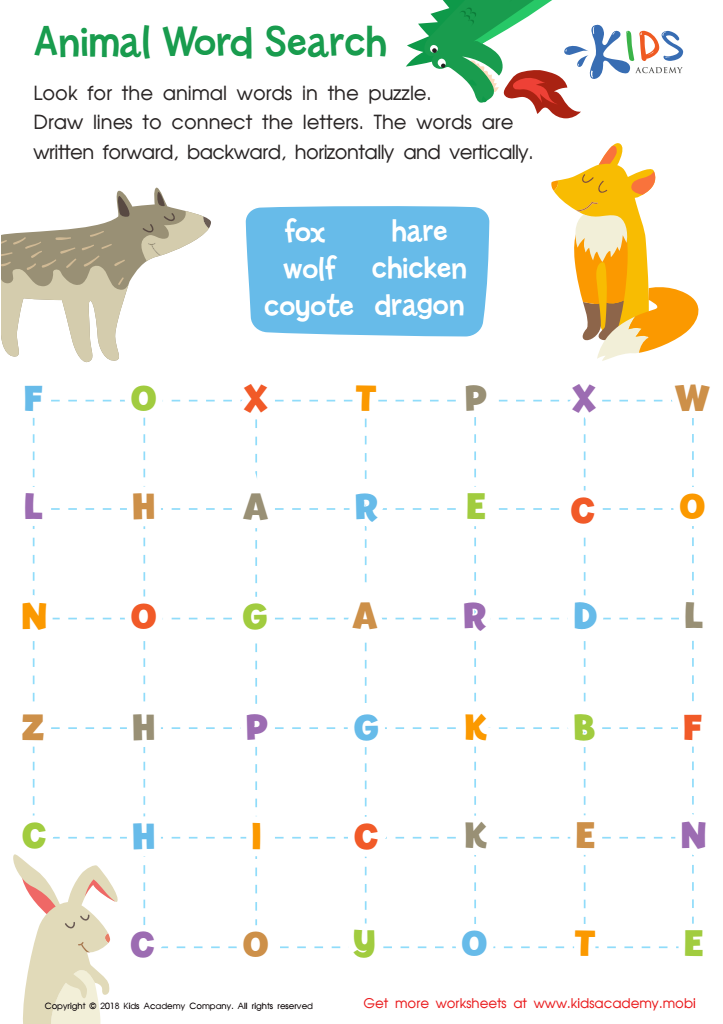
Animal Word Search Worksheet
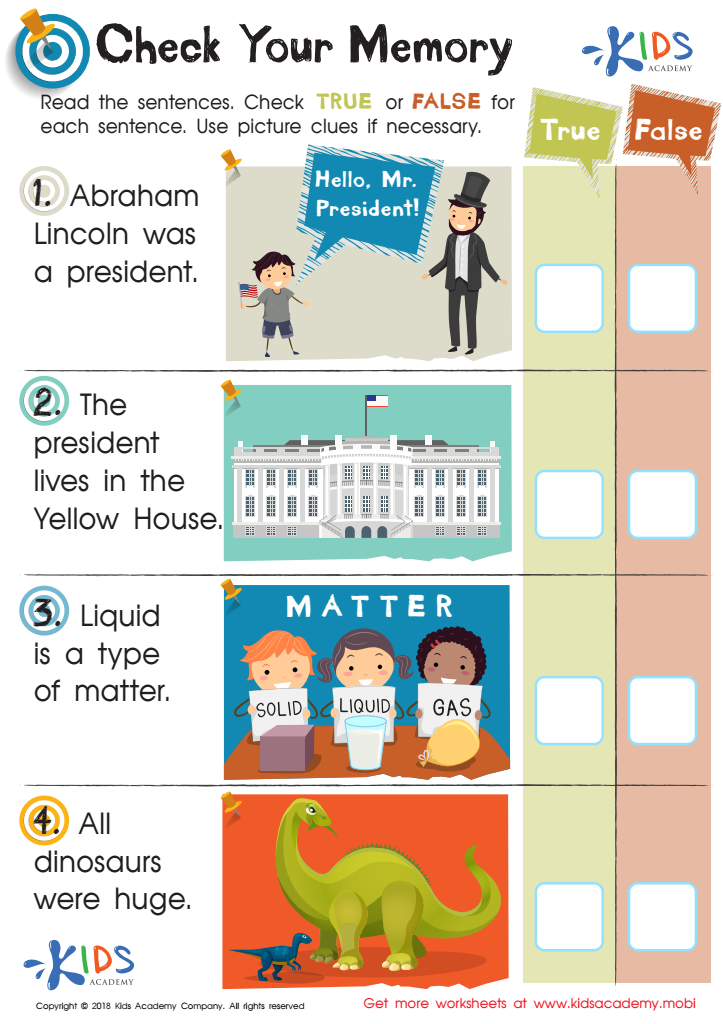
Check Memory Worksheet



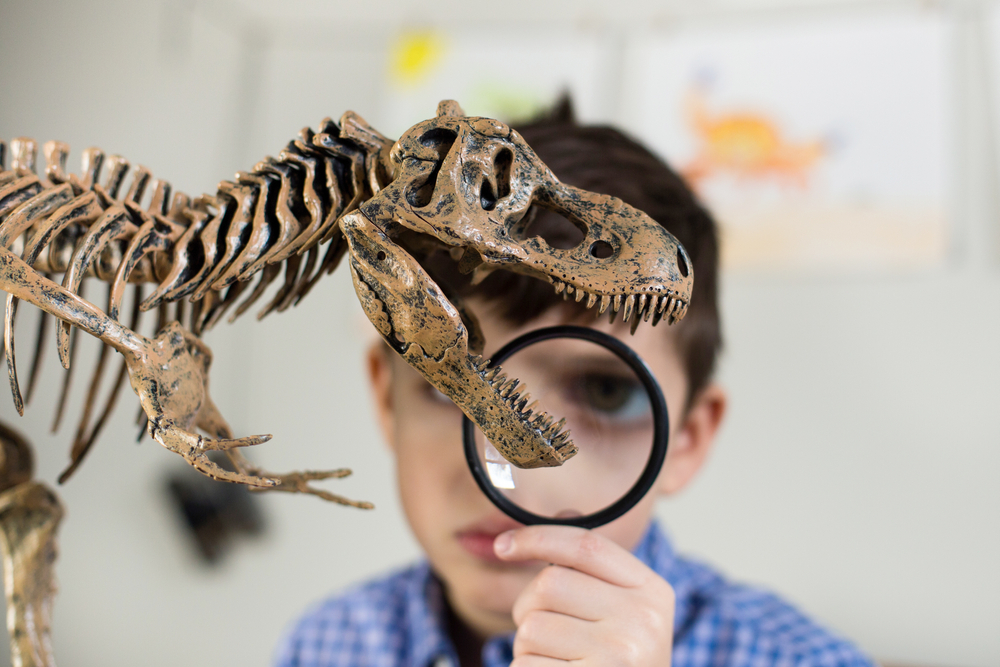




Understanding cognitive development in children ages 7-8 is crucial for parents and teachers because it forms the foundation for lifelong learning and intellectual growth. At this stage, children are curious and eager to explore the world around them, making it an ideal time to introduce concepts related to plants and animals. This not only satisfies their natural curiosity but also enhances critical thinking and observational skills.
Introducing the study of plants and animals helps children develop classification skills, an important cognitive ability. They learn to group and differentiate between various species, understand life cycles, and connect these cycles to broader environmental systems. Furthermore, this knowledge builds a basic understanding of biology and ecology, laying the groundwork for more advanced scientific studies.
Cognitive development is also fostered through sensory experiences and hands-on activities such as planting seeds or observing animal behavior. This practical engagement promotes problem-solving and investigative abilities, which are applicable across various school subjects and real-life situations.
Additionally, cultivating an interest in plants and animals can foster empathy and a sense of responsibility towards nature and living beings, traits that contribute to their emotional and social development. Overall, emphasizing cognitive development in these areas equips children with essential skills that support their academic growth and personal well-being.