Observational skills Space Worksheets for Ages 7-8
3 filtered results
-
From - To
Explore our "Observational Skills Space Worksheets" designed for children ages 7-8! These engaging worksheets are crafted to enhance critical observational skills through fun, space-themed activities. Young learners will embark on an exciting journey through the cosmos, developing their ability to notice details, make comparisons, and draw conclusions. Ideal for classroom or at-home learning, these worksheets encourage curiosity about the universe while reinforcing essential science concepts. Perfect for complementing your curriculum, our resources ensure that kids not only learn but also enjoy their exploration of space. Start nurturing your child’s observational prowess today and watch their love for science soar!
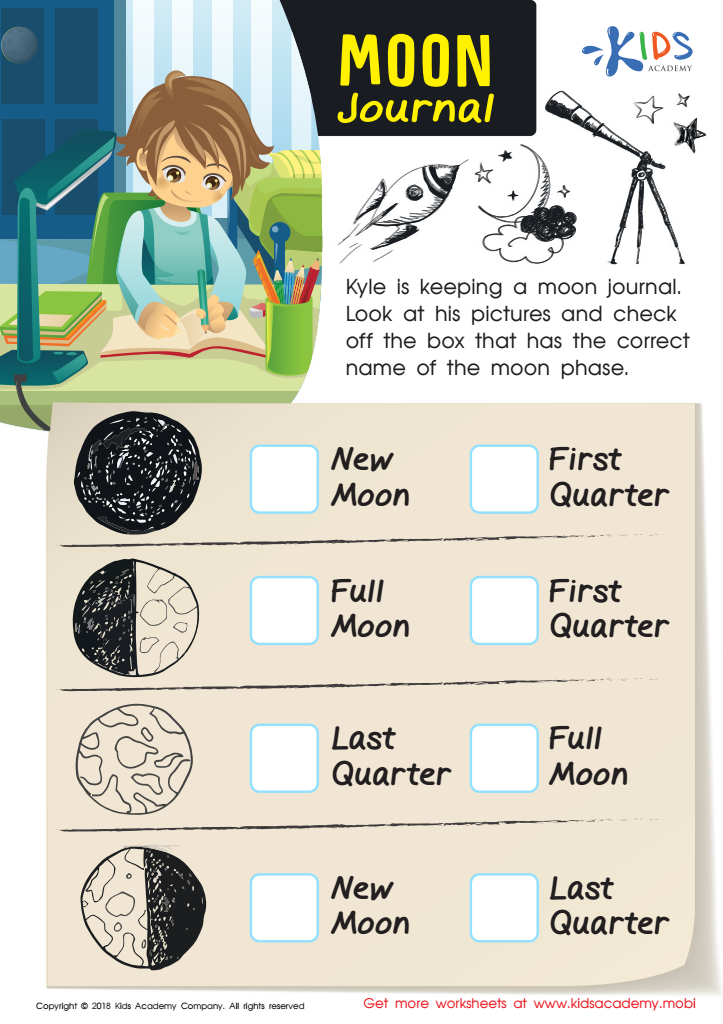
Moon Journal Worksheet
 Assign to My Students
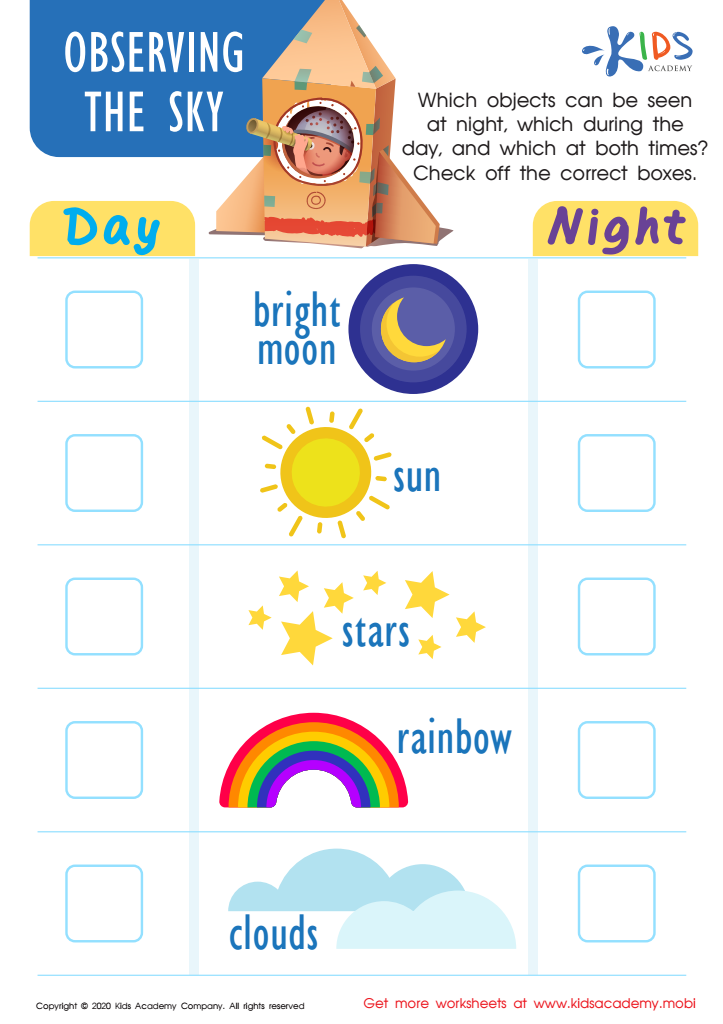
Observing the Sky Worksheet
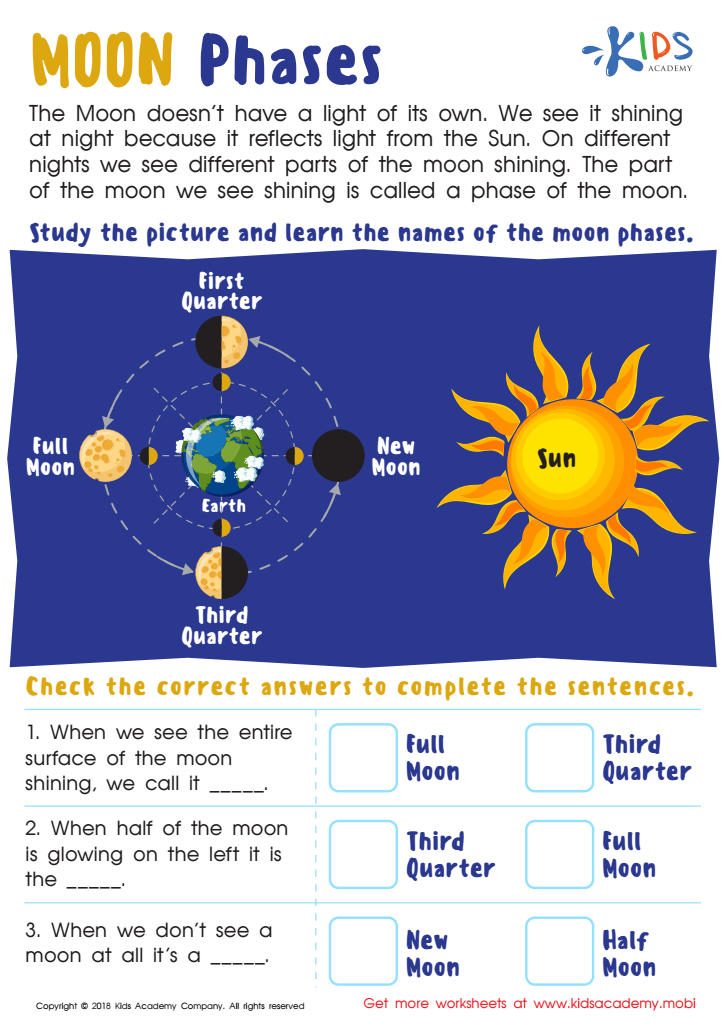
Moon Phases Worksheet



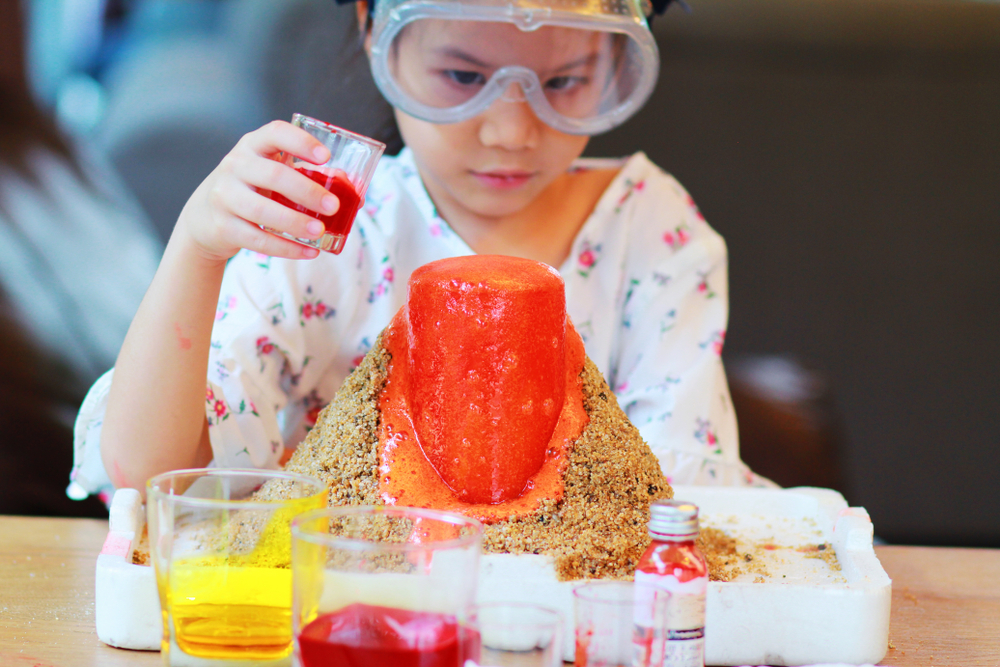




Observational skills are critical for children aged 7-8 as they serve as a foundation for learning and understanding the world around them. At this developmental stage, children are naturally curious and explore their environment extensively. Parents and teachers should emphasize the importance of honing these skills because they enable children to notice details, make connections, and engage in critical thinking.
Through observational activities, children learn to gather information, draw conclusions, and ask questions, which fosters cognitive development. This builds their confidence and promotes independent problem-solving abilities. For instance, when children observe natural phenomena, such as the life cycle of a butterfly or seasonal changes, they connect scientific principles to real-life experiences.
Additionally, strong observational skills enhance social-emotional learning; as children learn to read facial expressions and body language, they develop empathy and improve communication skills. Teachers and parents can bolster these skills through interactive games and outdoor exploration that encourage dialogue about what children see and experience.
Ultimately, developing observational skills in children fosters a sense of curiosity, enhances academic performance, and prepares them for lifelong learning. Thus, fostering these skills during ages 7-8 is vital for holistic development.







